

Summary
March marks the beginning of tree pollen season across much of the United States, while grasses and weeds remain quiet for now. Here's your region-by-region breakdown of what's in the air, plus practical tips for managing mold and keeping indoor air clean during spring cleaning.
In This Article
What's in the Air This March
Spring is here! Well, mostly here, at least for a good chunk of the country. There's still snow on the ground in some places, but the signs of the season are poking through elsewhere. March is a great time to get a head start on spring cleaning and throw open a window or two on the first warm day (as long as your local outdoor air quality is acceptable).
Here's what we know: trees across the country are already producing pollen, though we're not at peak levels yet. Research shows that tree pollen season start dates depend strongly on latitude, with earlier starts in the south and later starts in the north [1]. Grasses and weeds? Still keeping a low profile. But that won't last long, since grass and weed pollen seasons typically ramp up in late spring and summer [2].
Allergic rhinitis, commonly known as hay fever, affects roughly one in six people, with symptom-based estimates as high as 30% of the population [3]. Getting ahead of pollen season can make a real difference for your comfort.
Here are the typical tree pollens you can expect across the United States this March:
Northeast
Tree pollen: Alder, American Elm, Ash, Birch, Cedar, Juniper, Maple
Grass pollen: Typically none in measurable quantity.
Weeds: Typically none in measurable quantity.
Southeast
Tree pollen: Birch, Cedar, Cottonwood, Elm, Juniper, Maple, Pine
Grass pollen: Typically none in measurable quantity.
Weeds: Typically none in measurable quantity.
Midwest
Tree pollen: Alder, Birch, Cedar, Cottonwood, Juniper, Maple
Grass pollen: Typically none in measurable quantity.
Weeds: Typically none in measurable quantity.
South Central
Tree pollen: Birch, Cedar, Cottonwood, Juniper, Maple, Mesquite
Grass pollen: Typically none in measurable quantity.
Weeds: Typically none in measurable quantity.
Southwest
Tree pollen: Birch, Cedar, Cottonwood, Elm, Juniper, Maple, Mesquite, Oak, Pine
Grass pollen: Typically none in measurable quantity.
Weeds: Typically none in measurable quantity.
Northwest
Tree pollen: Alder, Birch, Cedar, Cottonwood, Elm, Juniper, Maple, Willow
Grass pollen: Typically none in measurable quantity.
Weeds: Typically none in measurable quantity.
Getting Ahead of Pollen Season
The smart move is to prepare before your sinuses start complaining. Tree pollen exposure has been linked to increased physician visits for allergic rhinitis, and sustained exposure over several days compounds the effect [4]. Even moderate pollen days can trigger symptoms [4].
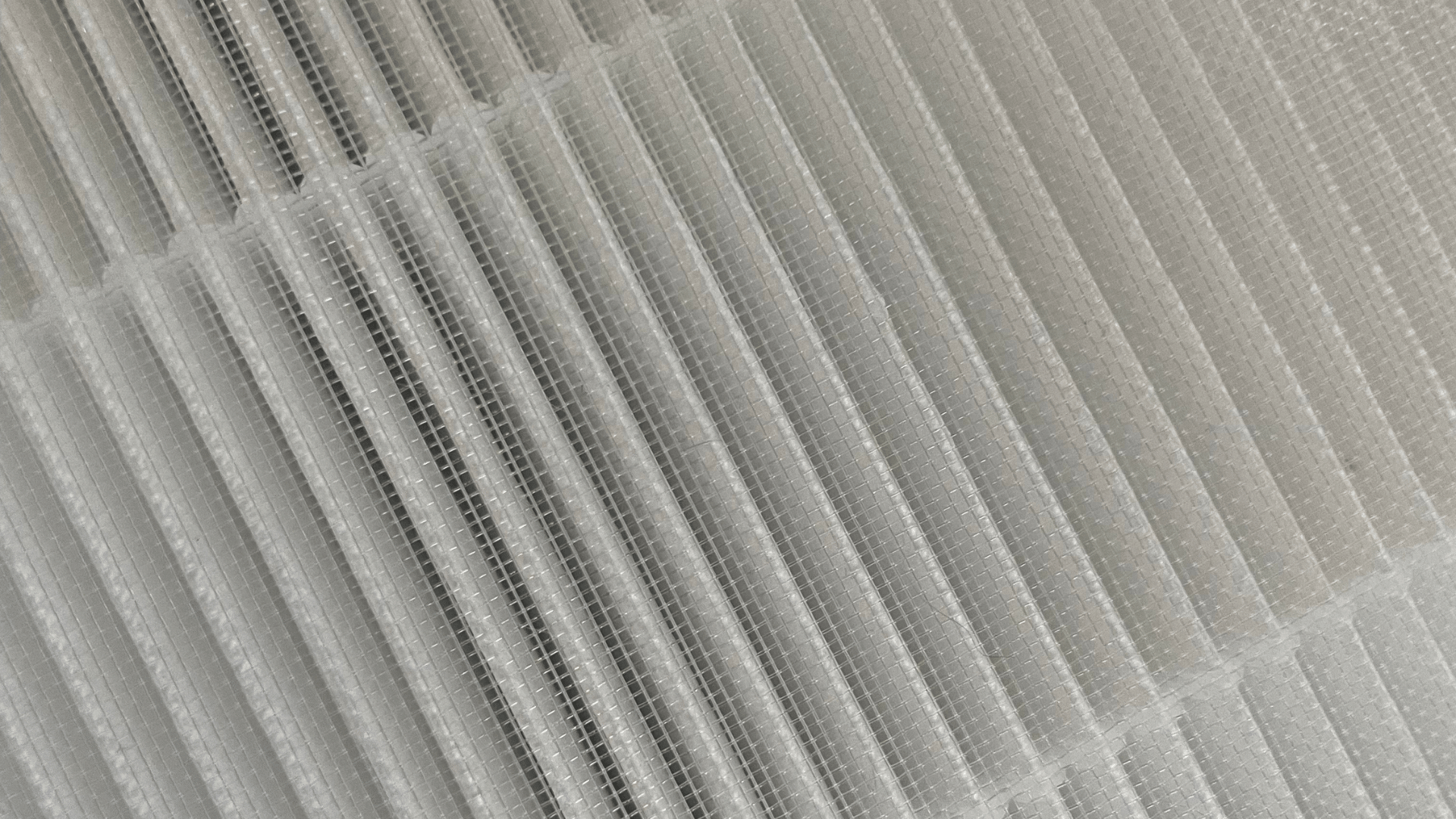
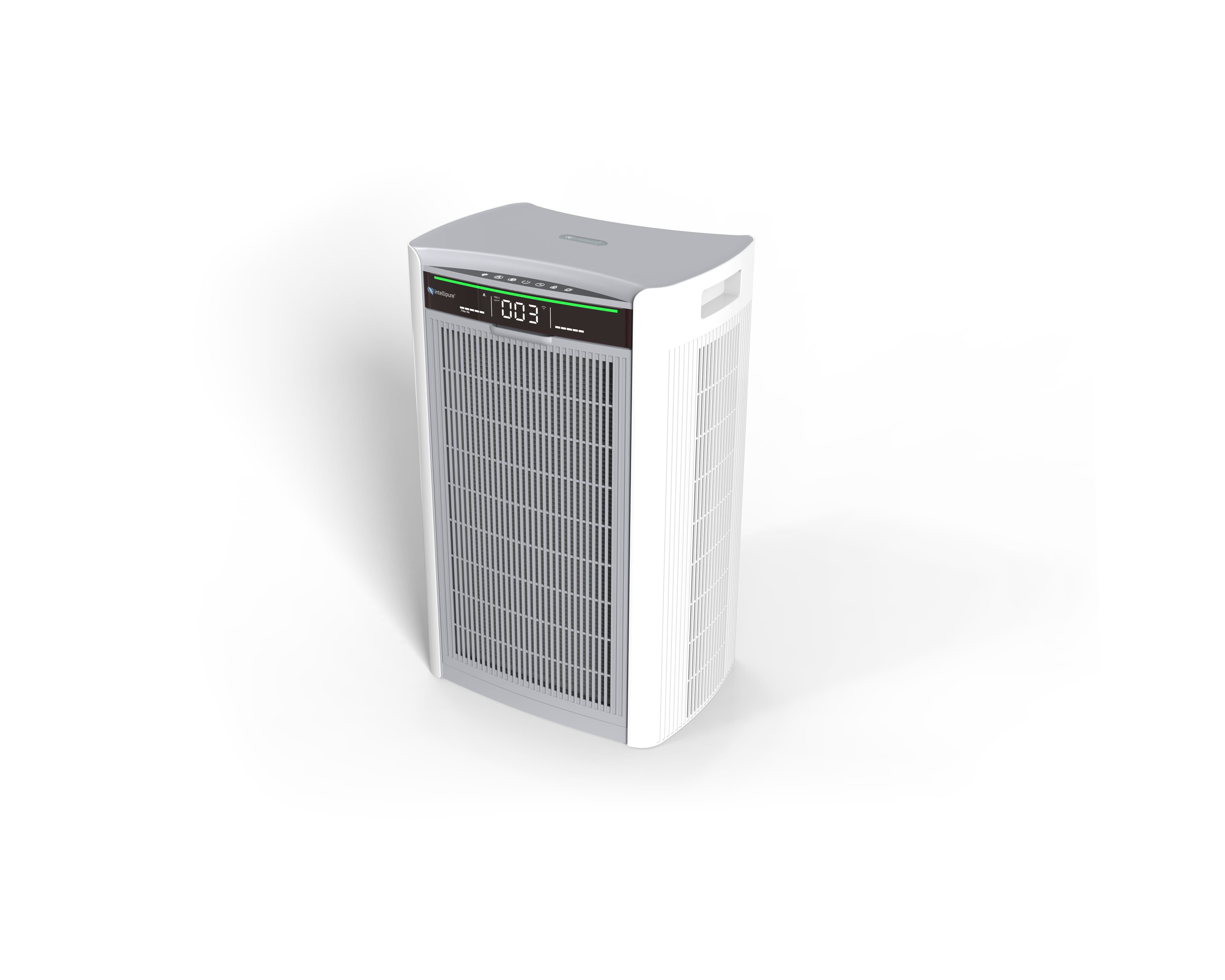
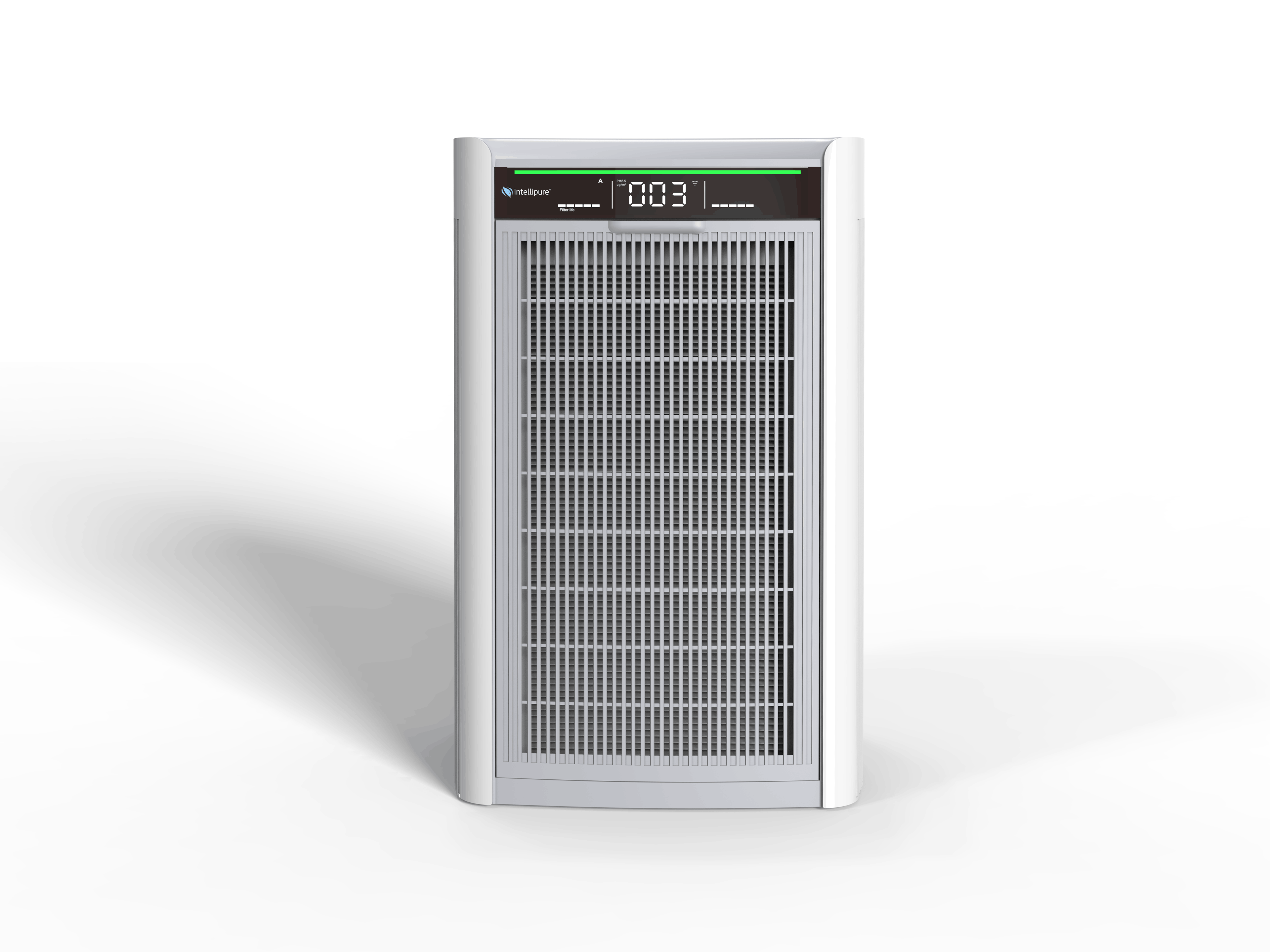
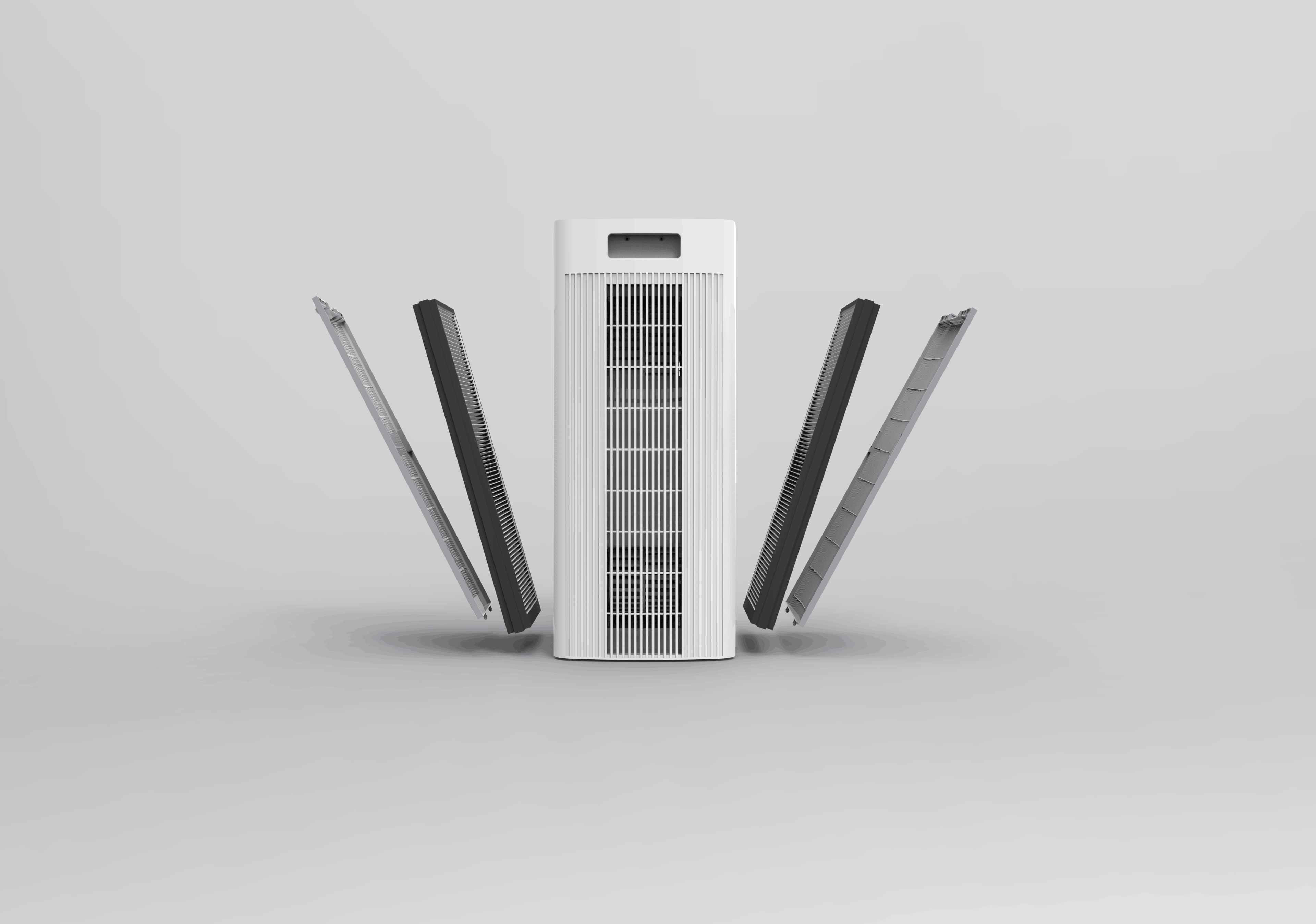
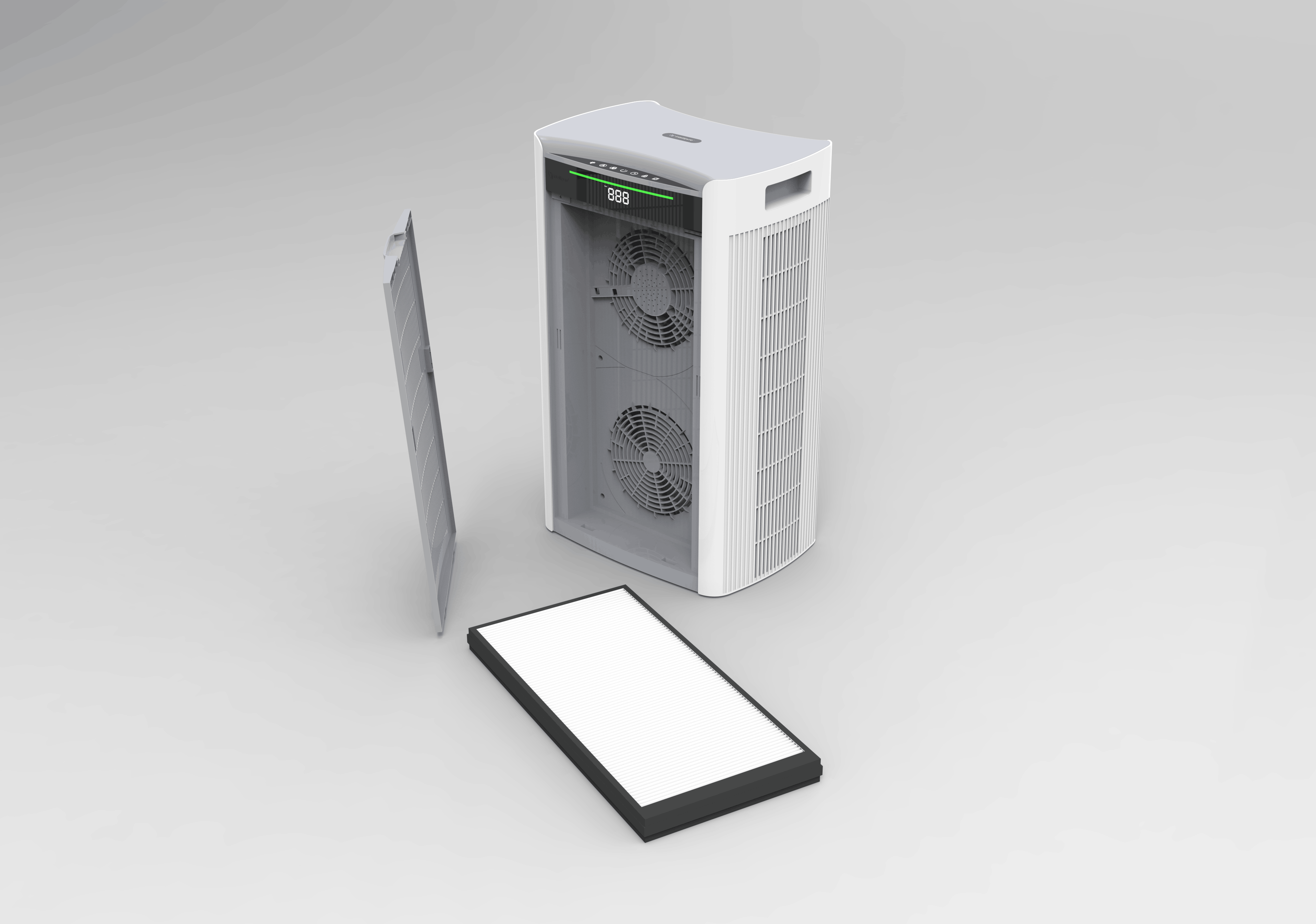
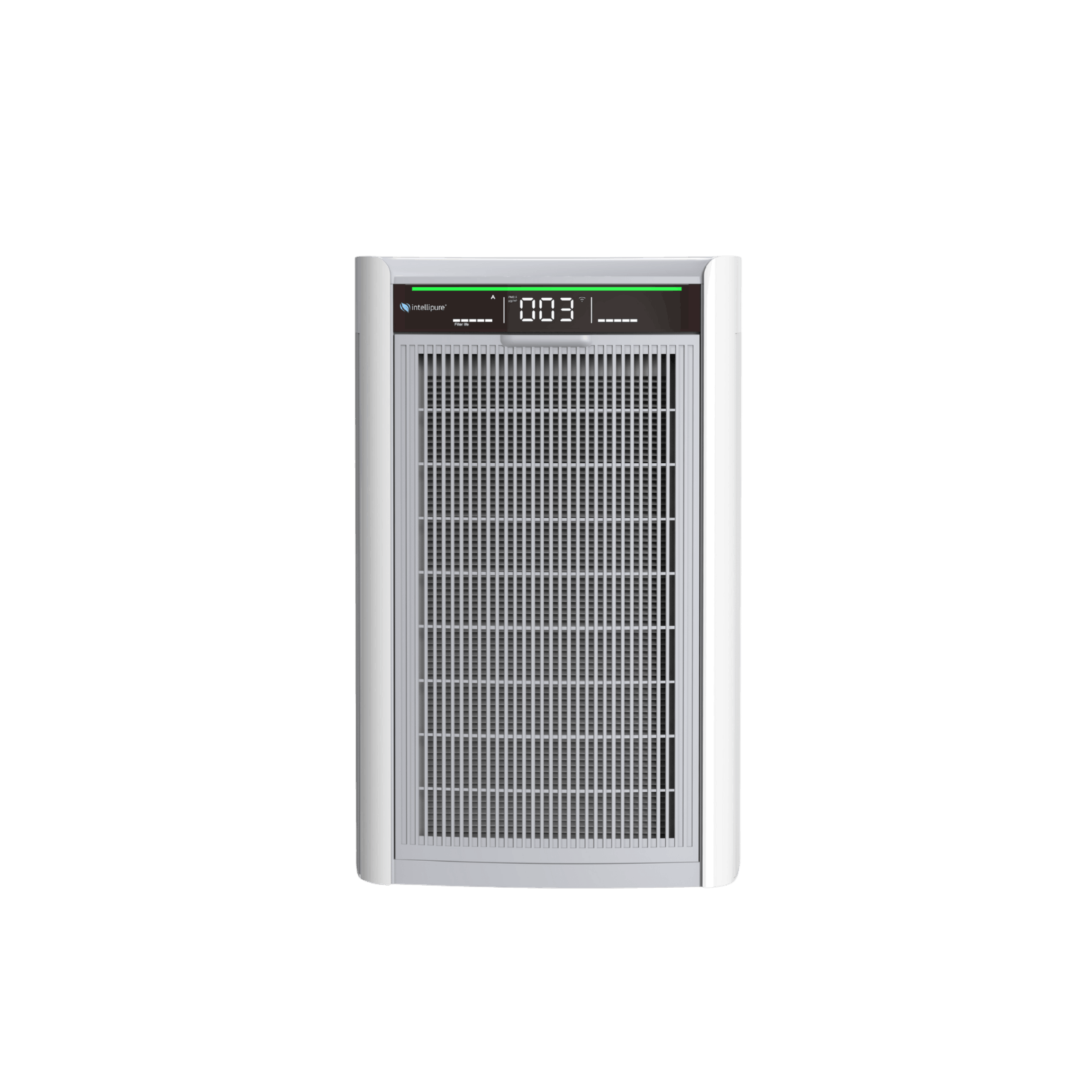
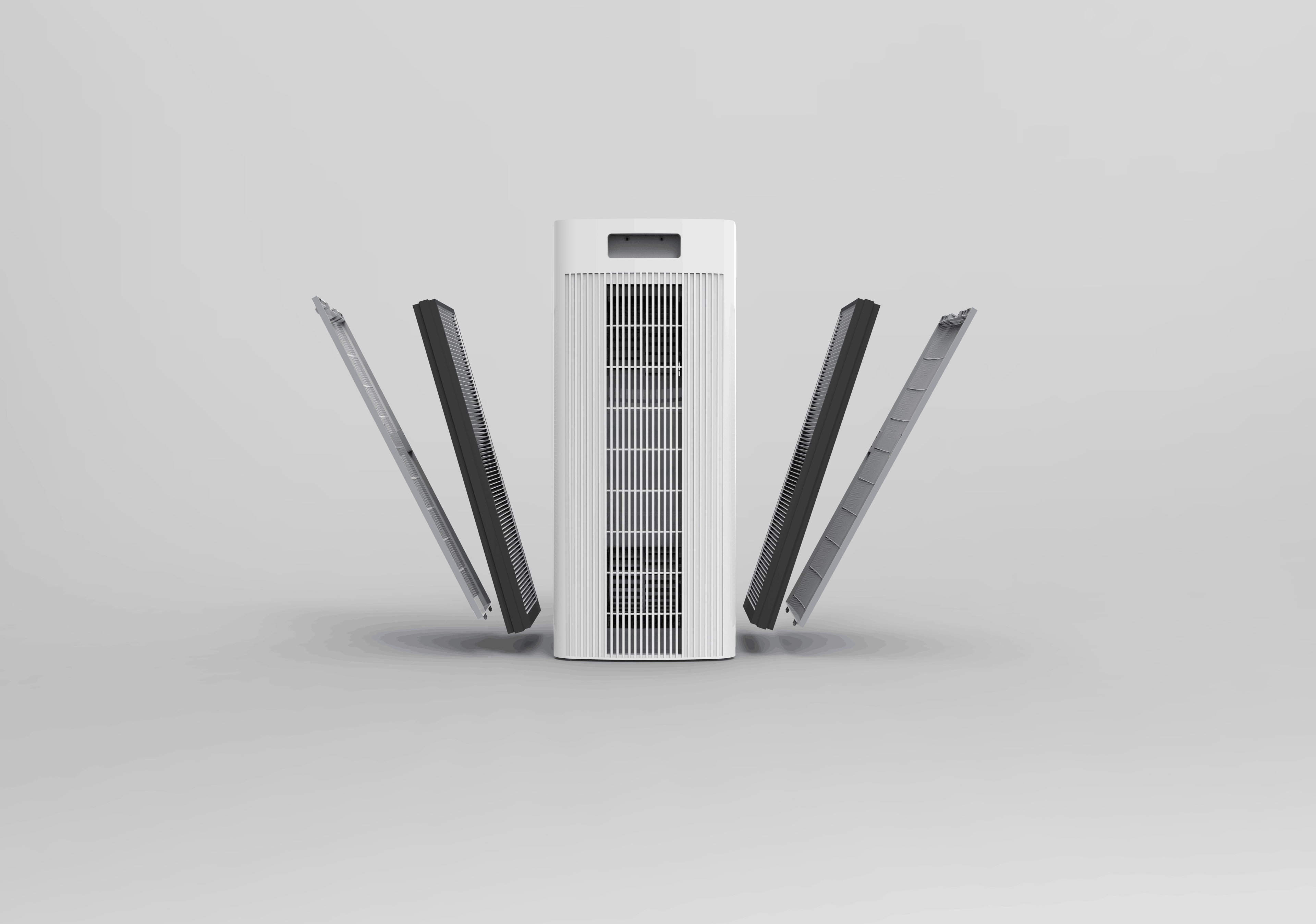
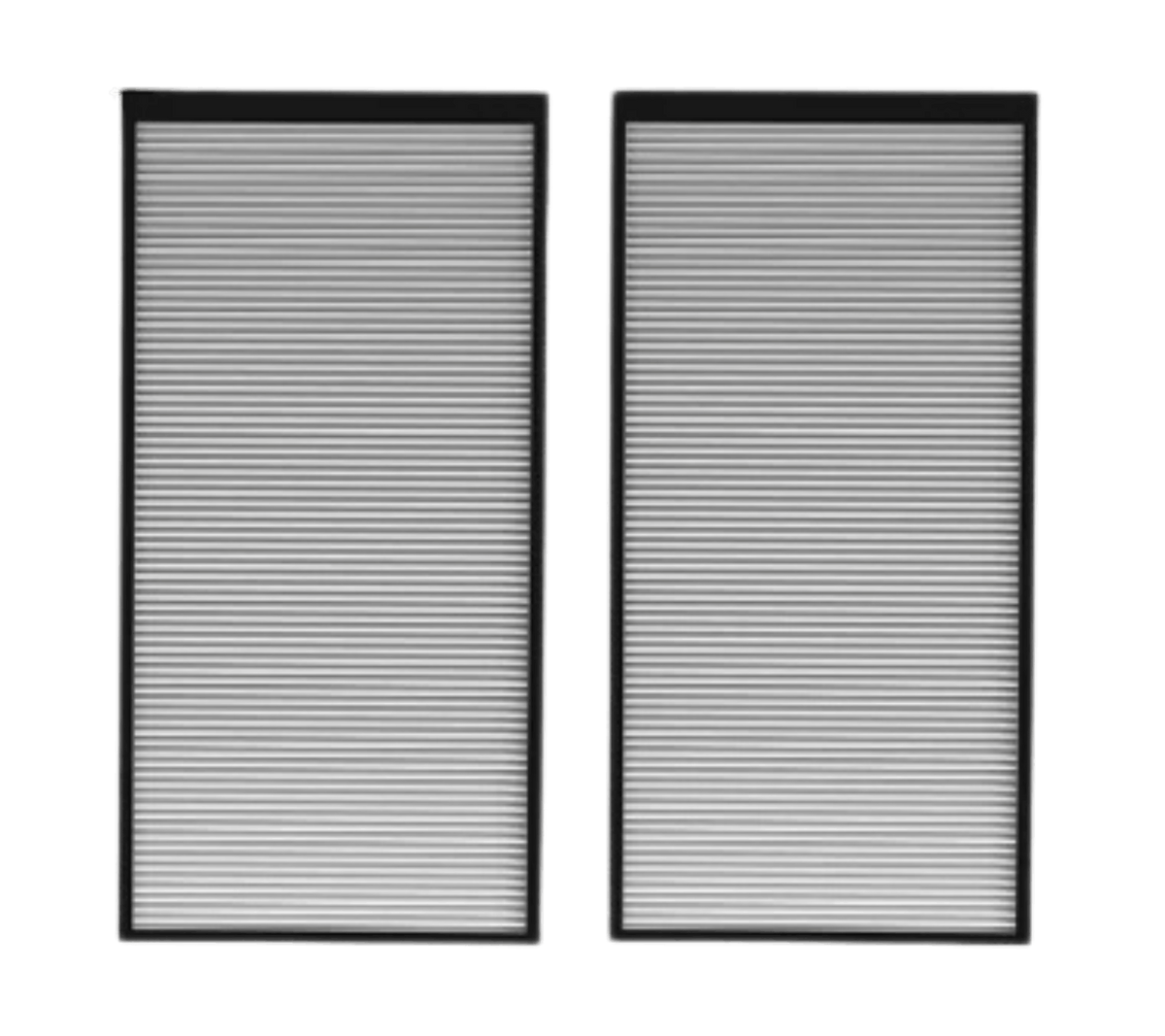
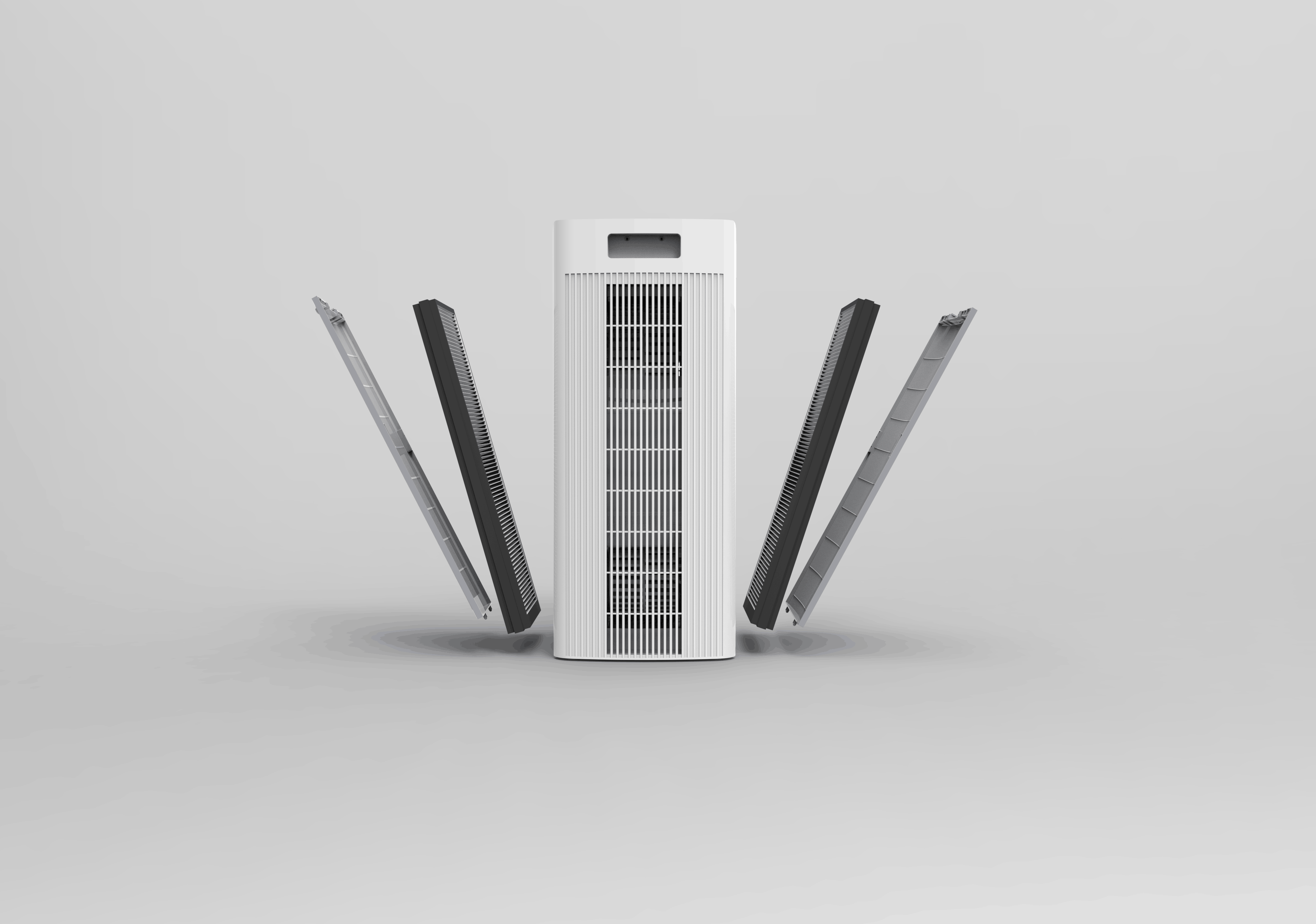
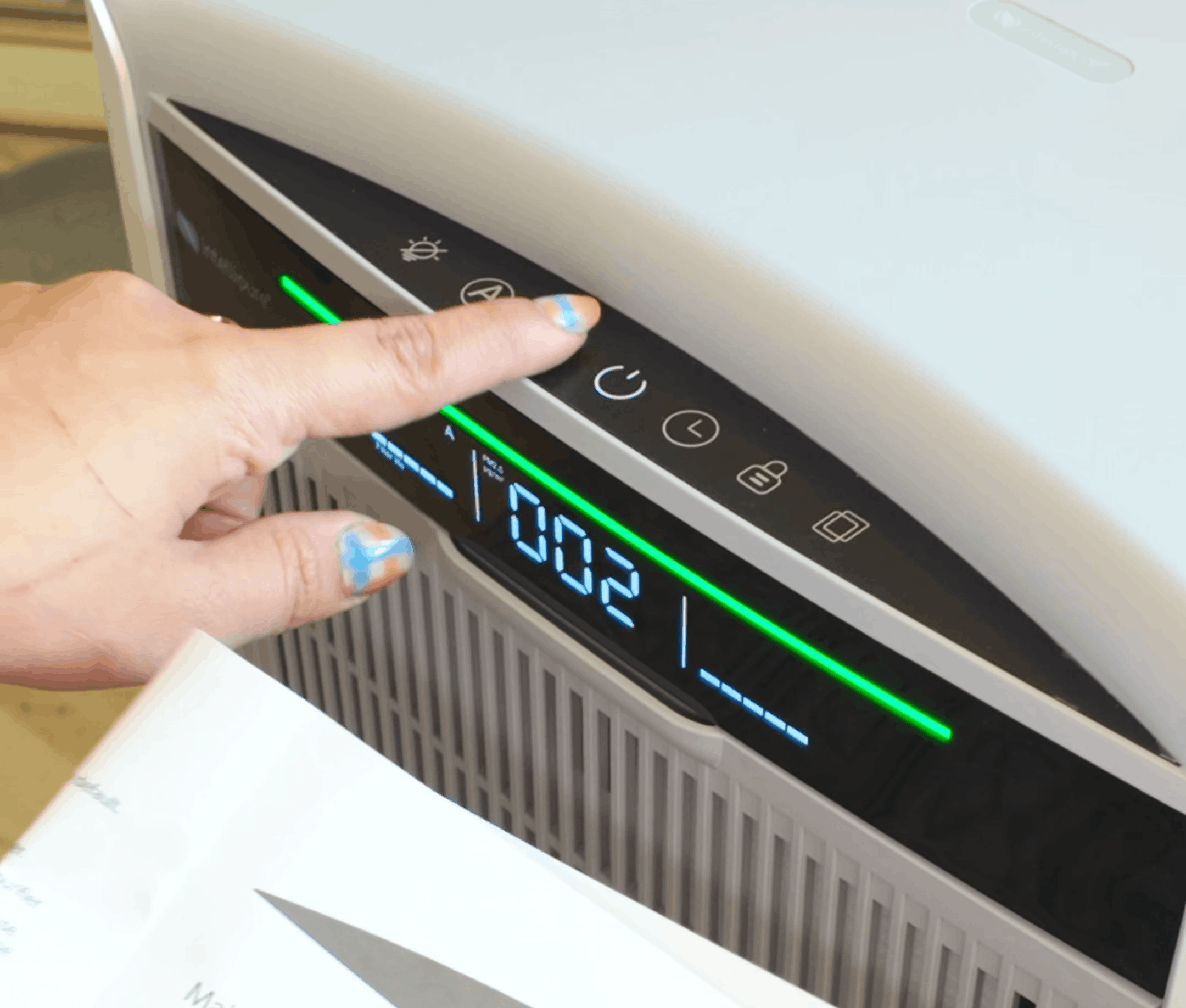
Adding an air purifier to your home or office is a practical step for reducing your exposure to pollen and other airborne irritants. HEPA filters can theoretically remove at least 99.97% of airborne particles, including dust, pollen, mold spores, and bacteria, down to 0.3 microns in size [5]. That covers the full spectrum of common indoor air concerns, from pollen grains and mold spores to fine particulate matter.
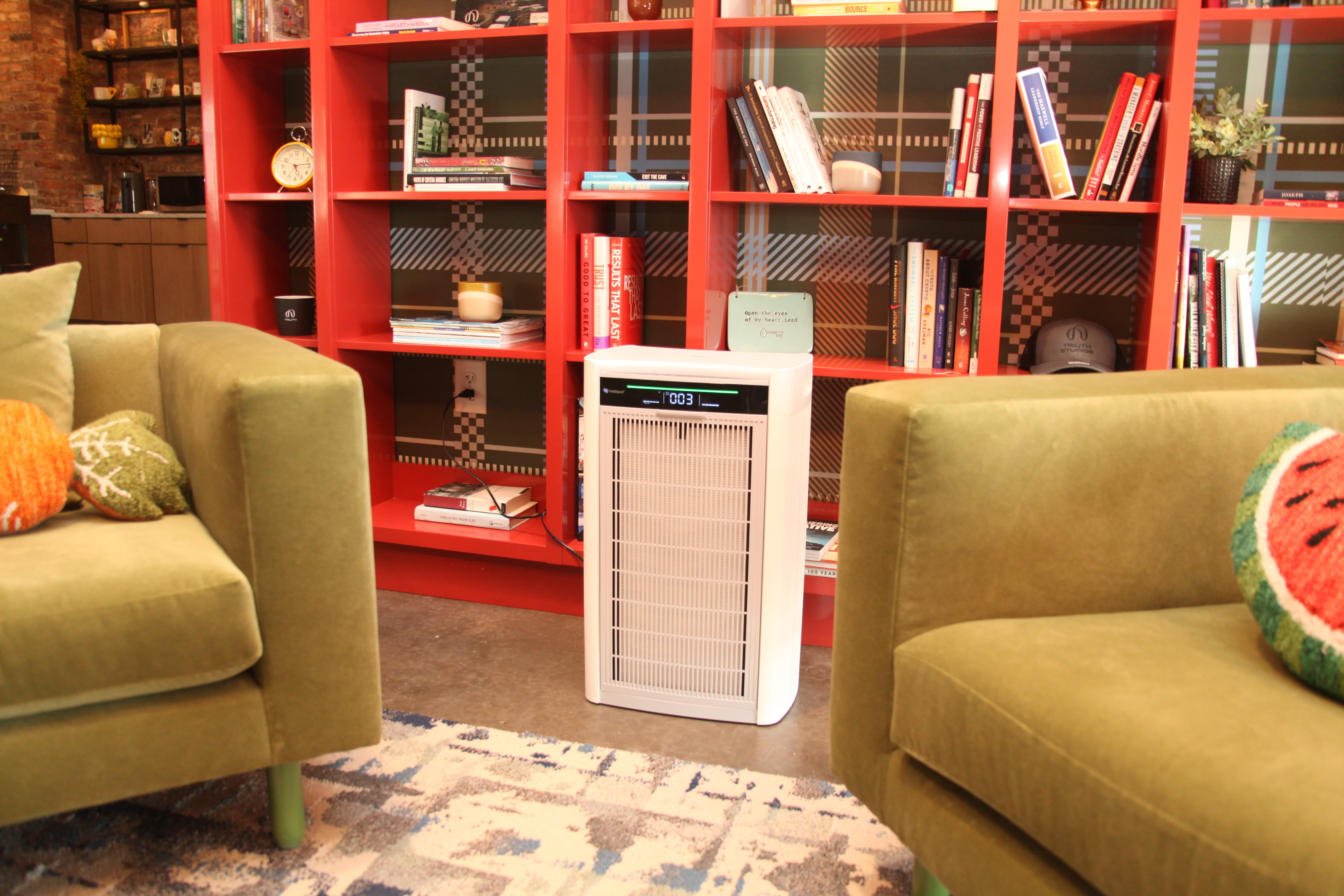
Simply plug it in and let it do its thing while you enjoy your spring.
Got Mold? Here's How to Tell
One of the earliest signs of a mold problem is something you might not see at all: a persistent musty odor. You may notice it lingering in damp areas like basements, crawl spaces, or bathrooms. The EPA notes that if a building smells moldy, you may have hidden mold even when you can't see the source [6].
Water problems tend to come before mold, so pay attention when you spot moisture where it shouldn't be. The EPA identifies several common warning signs: water stains on walls or ceilings, peeling or buckling paint, and condensation collecting on windows [7]. Any signs of water damage in your home are worth investigating, since moisture is the starting point for mold growth.
Once mold starts growing, you may experience allergic reactions. According to the American Lung Association, mold exposure has been linked to coughing, wheezing, nasal congestion, sneezing, and sore throat [8]. Even people without known allergies may experience irritation of the eyes, skin, nose, throat, and lungs when exposed to airborne mold particles [8]. The World Health Organization has found that occupants of damp or moldy buildings may have up to a 75% greater risk of respiratory symptoms and asthma [9].
And here's something worth knowing: mold isn't always black. According to the EPA, molds come in many colors, and the same species can even change appearance over time [6].
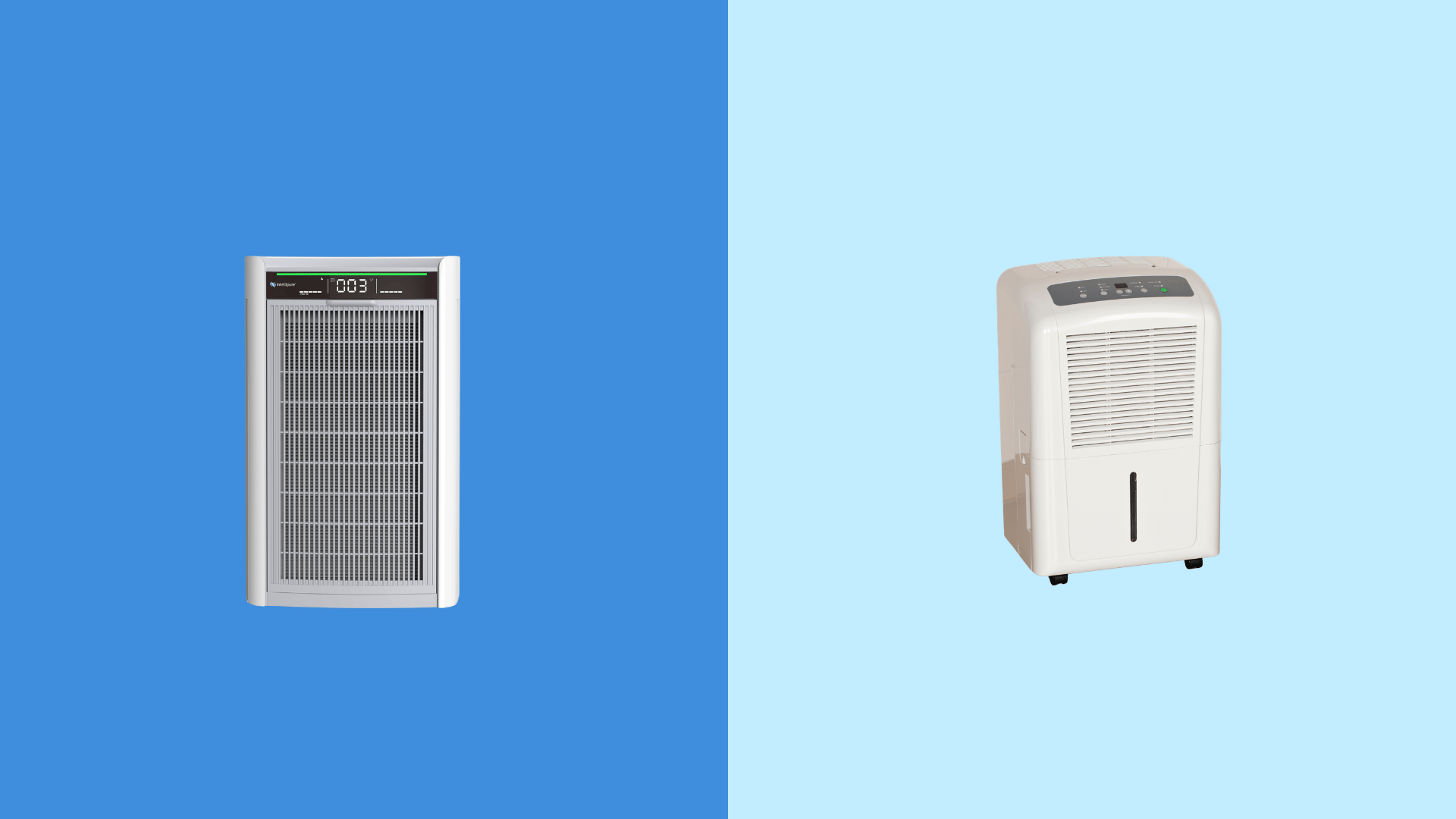
If you spot any of these signs, the priority is getting to the root of the problem, which is almost always moisture. The American Lung Association recommends fixing leaks quickly, maintaining indoor humidity below 50%, and improving ventilation and air movement [8]. A dehumidifier can help in persistently damp spaces. To help capture airborne mold spores and keep them from spreading, a high-quality air purifier with HEPA filtration is a practical addition to your moisture control strategy [5].
Spring Cleaning and Indoor Air Quality
Once warm weather arrives, many of us feel the urge to get our homes looking their best with a thorough deep clean. That means vacuuming, organizing, and scrubbing spaces that have been closed up all winter. But here's the thing: digging into closets, cabinets, and basements can send dust, allergens, and other particles airborne. Vacuuming, in particular, can actually increase airborne levels of allergens and biological contaminants [10].
Cleaning products themselves are another consideration. Many common household cleaners release volatile organic compounds (VOCs) into the air [11]. The EPA notes that concentrations of many VOCs are consistently higher indoors than outdoors, and cleaning supplies are among the common sources [11]. Choosing products with reduced VOC content, or checking the EPA's Safer Choice list, can help minimize your exposure.
Consider wearing an N-95 respirator when tackling areas that haven't been touched in a while, especially if you suspect mold. The EPA recommends respiratory protection for mold cleanup, with the appropriate level depending on the area size [12]. If the weather cooperates, open a few windows so airborne particles and chemicals can dissipate. Just check your local outdoor air quality first, so you aren't trading one problem for another. The EPA recommends evaluating outdoor conditions before using ventilation to reduce indoor pollutants [13].
Of course, you can't leave the windows open forever. That's where a good air purifier picks up the job.
Breathe Easier This Spring
Whether you're bracing for pollen season, tackling a mold concern, or diving into spring cleaning, the fundamentals are the same: control the source, improve ventilation when you can, and let a quality air purifier handle the rest.
References
- Lo F, Bitz CM, Battisti DS, Hess JJ. Pollen calendars and maps of allergenic pollen in North America. Aerobiologia (Bologna). 2019;35(4):613-633. doi:10.1007/s10453-019-09601-2..
- American College of Allergy, Asthma & Immunology. Seasonal Allergies [Internet]. Arlington Heights: ACAAI; [cited 2026 Feb 9]..
- Akhouri S, House SA. Allergic Rhinitis. In: StatPearls [Internet]. Treasure Island (FL): StatPearls Publishing; 2025 Jan-. [Updated 2023 Jul 16]..
- Saha S, Vaidyanathan A, Lo F, Brown C, Hess JJ. Short term physician visits and medication prescriptions for allergic disease associated with seasonal tree, grass, and weed pollen exposure across the United States. Environ Health. 2021;20:85. doi:10.1186/s12940-021-00766-3..
- U.S. Environmental Protection Agency. What is a HEPA filter? [Internet]. Washington: EPA; [cited 2026 Feb 9]..
- U.S. Environmental Protection Agency. A Brief Guide to Mold, Moisture and Your Home [Internet]. Washington: EPA; [cited 2026 Feb 9]..
- U.S. Environmental Protection Agency. Text Version of the Mold House Tour [Internet]. Washington: EPA; [cited 2026 Feb 9]..
- American Lung Association. Mold [Internet]. Chicago: ALA; [cited 2026 Feb 9]..
- World Health Organization. WHO Guidelines for Indoor Air Quality: Dampness and Mould. Geneva: WHO; 2009. ISBN: 978-92-890-4168-3..
- U.S. Environmental Protection Agency. Biological Pollutants' Impact on Indoor Air Quality [Internet]. Washington: EPA; [cited 2026 Feb 9]..
- U.S. Environmental Protection Agency. Volatile Organic Compounds' Impact on Indoor Air Quality [Internet]. Washington: EPA; [cited 2026 Feb 9]..
- U.S. Environmental Protection Agency. Mold Course Chapter 6: Mold Remediation [Internet]. Washington: EPA; [cited 2026 Feb 9]..
- U.S. Environmental Protection Agency. Improving Indoor Air Quality [Internet]. Washington: EPA; [cited 2026 Feb 9]..

How To Detox Your Home Effectively and Safely
Intellipure Donates Air Purifiers to Local Animal Shelter Kitty Angel Rescue