

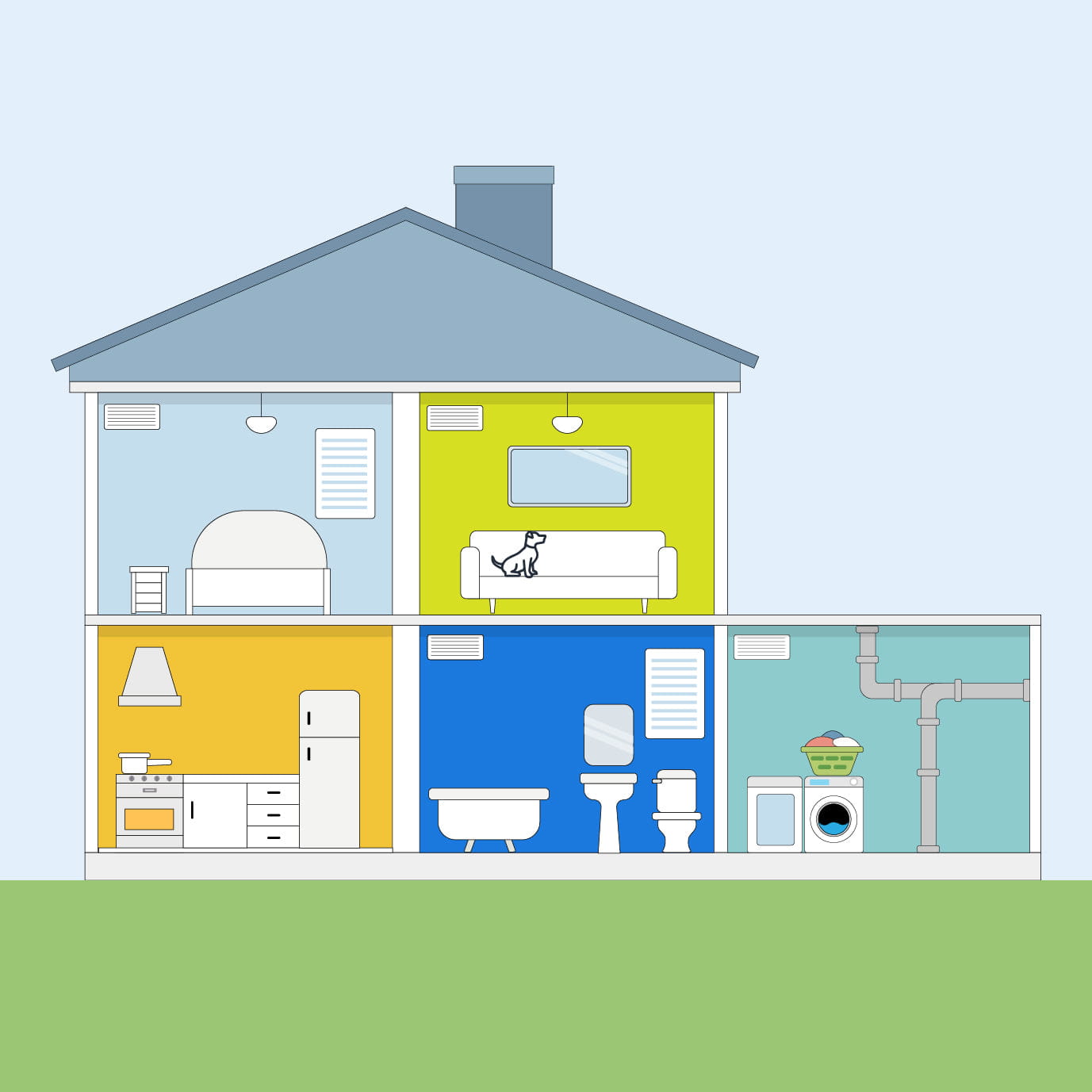
How safe is your home? According to the latest World Health Organization (WHO) report, 8 million people die every year globally because of air pollution. Among these, 4.3 million die because of air pollution from household sources. ¹
Household Pollution Is All Around
Exposure to household air pollution has been identified as the most important environmental risk factor for disability-adjusted life years globally.² Here is a list of some various sources that contribute to household air pollution:
- Indoor tobacco smoking
- Construction material used for building houses
- Fuel used for cooking
- Heating and lighting
- Use of incense and artificial fragrances
- Bug/mosquito repellents
- Pesticides and chemicals used for cleaning at home
- Paints and varnishes
Most would agree to have one, or more, of these sources of pollution in their homes and probably use them on a daily basis.
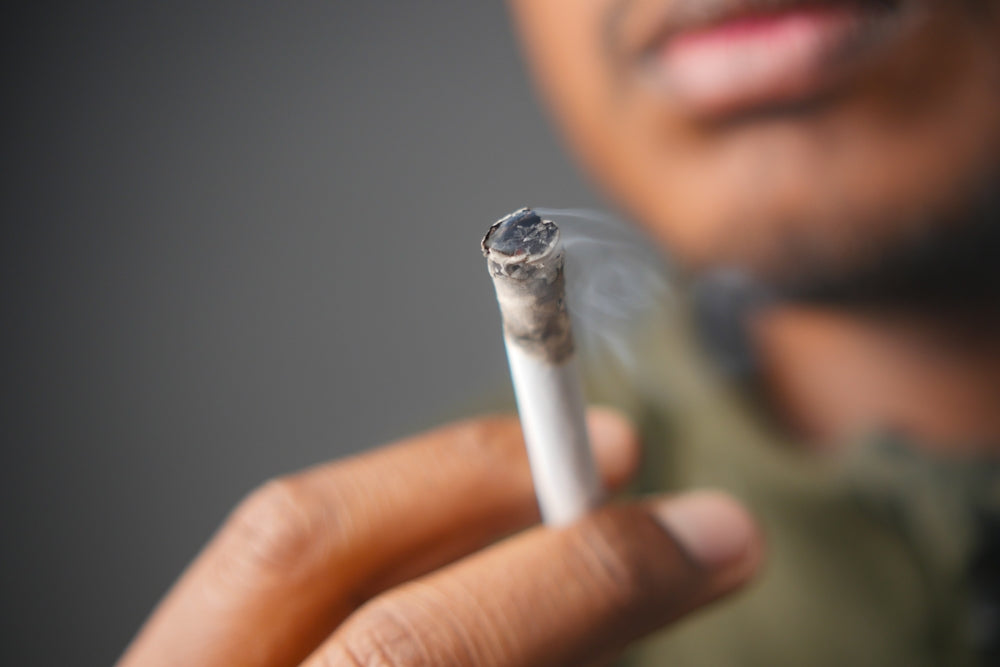
Cigarette smoke contains 7,357 different chemical compounds and burning one cigarette emits 7 to 23 mg of PM 2.5. ³ It is widely accepted that second-hand smoke is as toxic as first hand but it doesn't just stop there. You may be exposed to third-hand smoke by the particles lingering in the air and settled into surfaces and furnishes in homes.
Indoor air quality is also affected by outdoor air pollution. The air outside your home is continuously making its way inside and bringing with it a noxious brew of pollutants. When looking for sources of dirty indoor air, don't ignore the dirty air just outside the window.
Pollution Sources All Around You
Next, let me ask you this: do you control the temperature in your home? Insulation material is used to prevent temperature-controlled air from escaping closed environments. This leads to poor ventilation and causes accumulation of particulate matter pollutants inside the house. Furthermore, if your air conditioning units are not cleaned adequately, they turn into breeding grounds for fungi and bacteria.
Although no one enjoys using insecticide and/or pest control, sometimes there is no way around it. This stuff smells yucky so you already know it's not healthy but the particulate matter emitted from these gases are dangerous and repeated use builds toxins in your house. The same goes for pesticides and chemicals found in cleaning products used in your homes.
In 2015, 37 commonly used consumer products, including air fresheners, laundry products, personal care products, and cleaning agents, were studied to identify the volatile organic compounds released by them. The study identified "156 different volatile organic compounds, of which the US Food and Drug Administration classified at least 42 as toxic or hazardous" (Steinemann).
Protecting Your Lungs Indoors
So honestly, how safe is your home and how can you protect yourself indoors? Here are five simple tips:
- Use organic cleaning products without any harsh chemicals
- Have indoor plants in your home
- Clean fabrics in the house regularly
- Don't smoke indoors
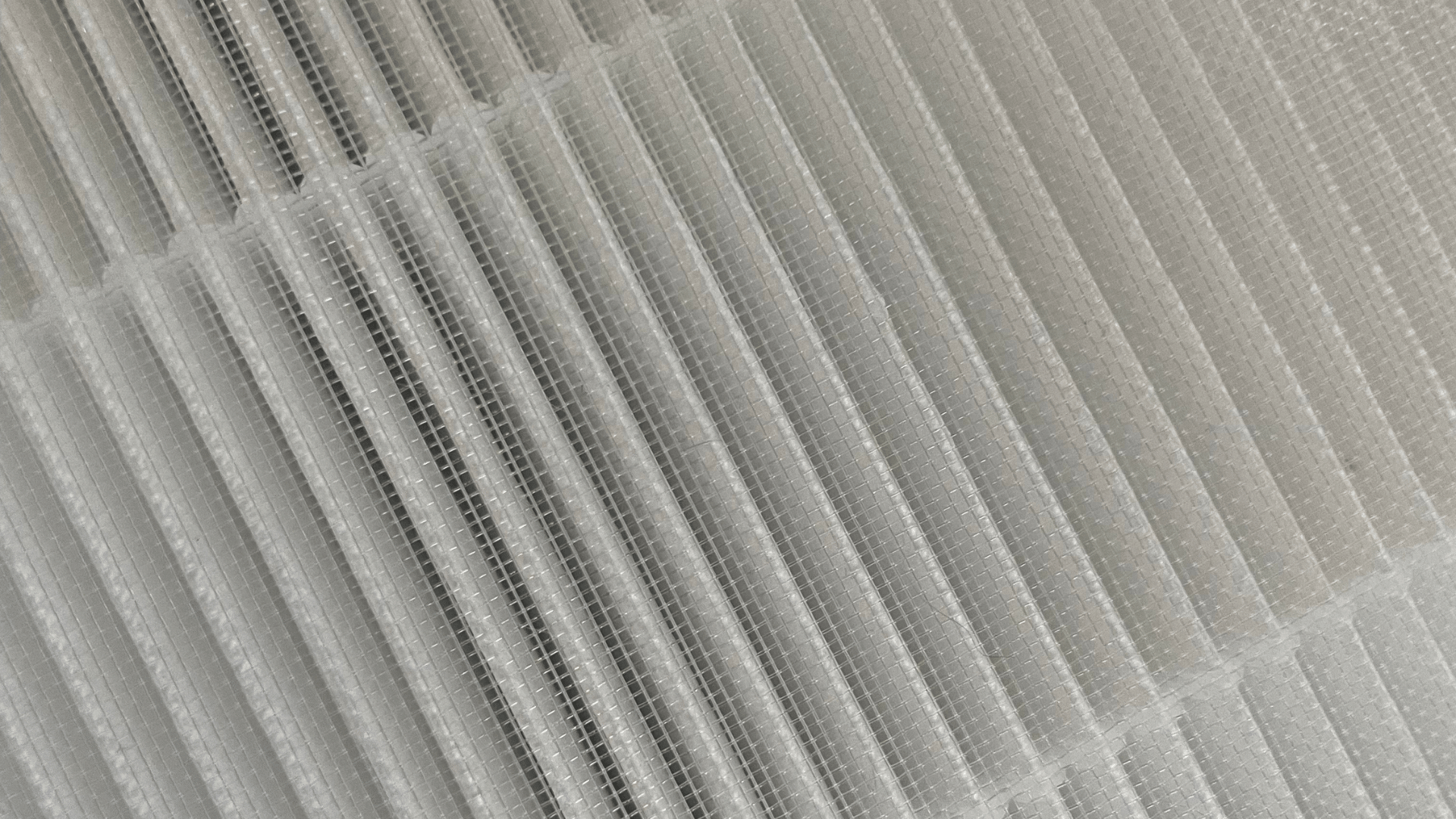
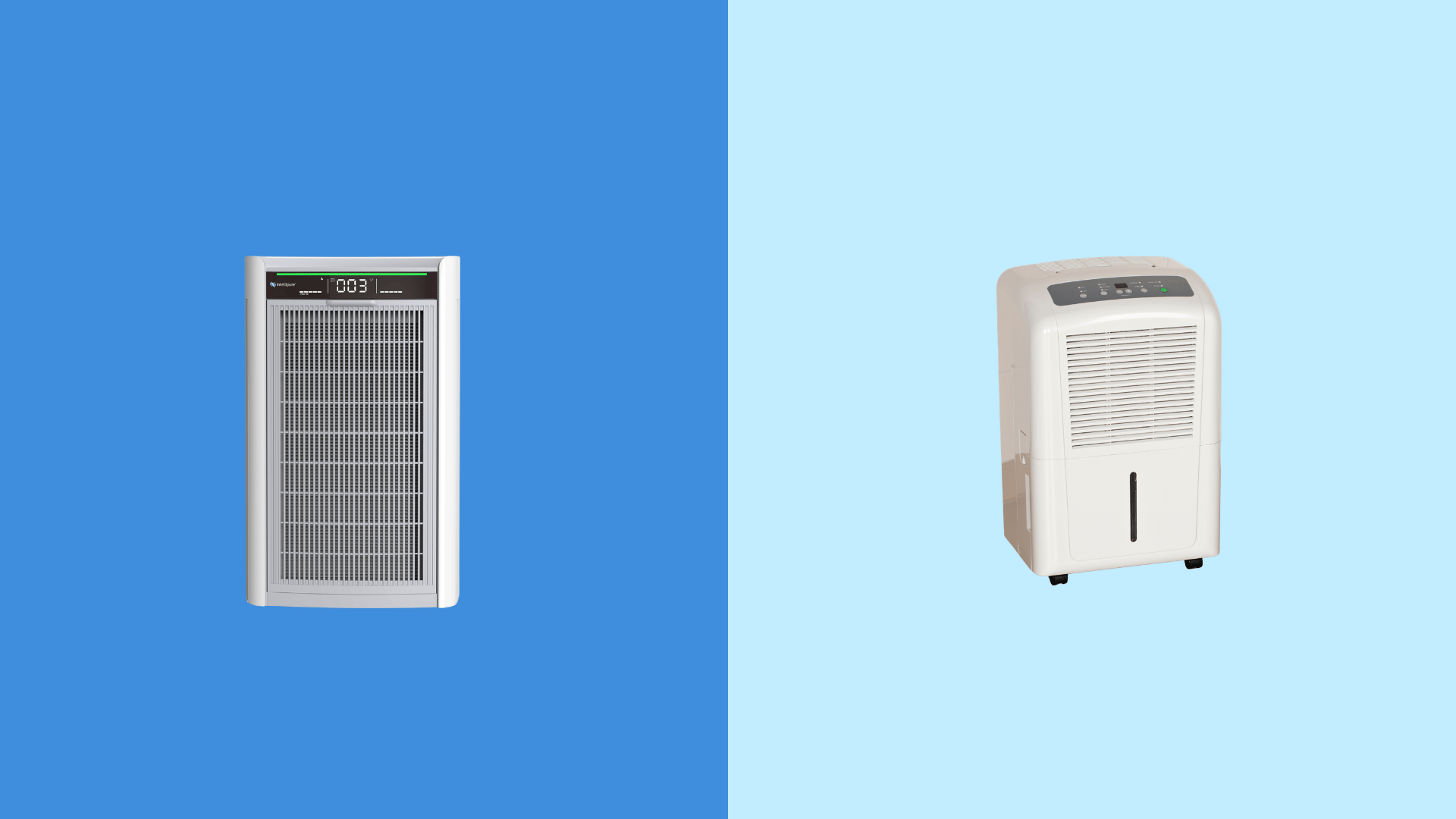
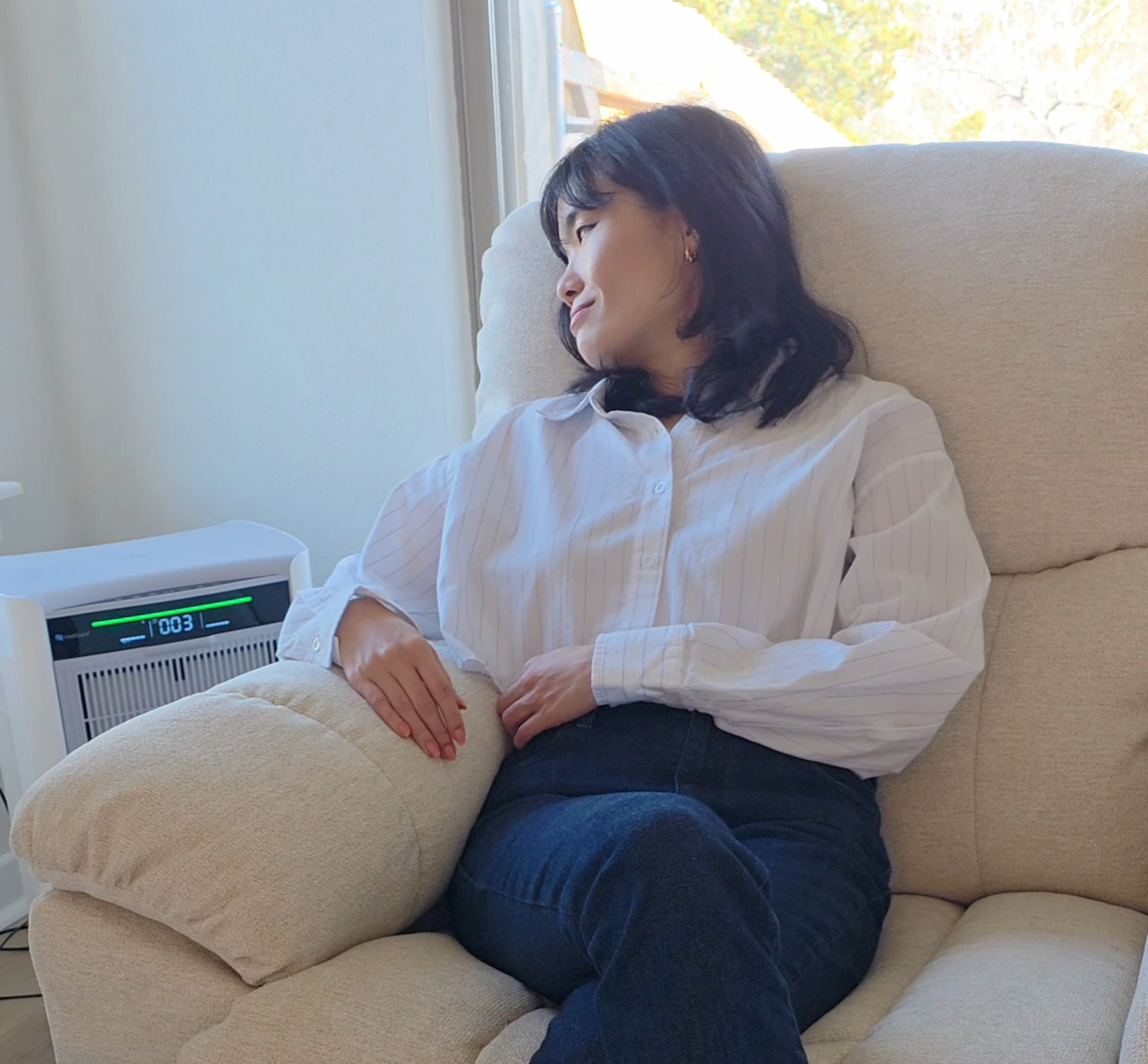
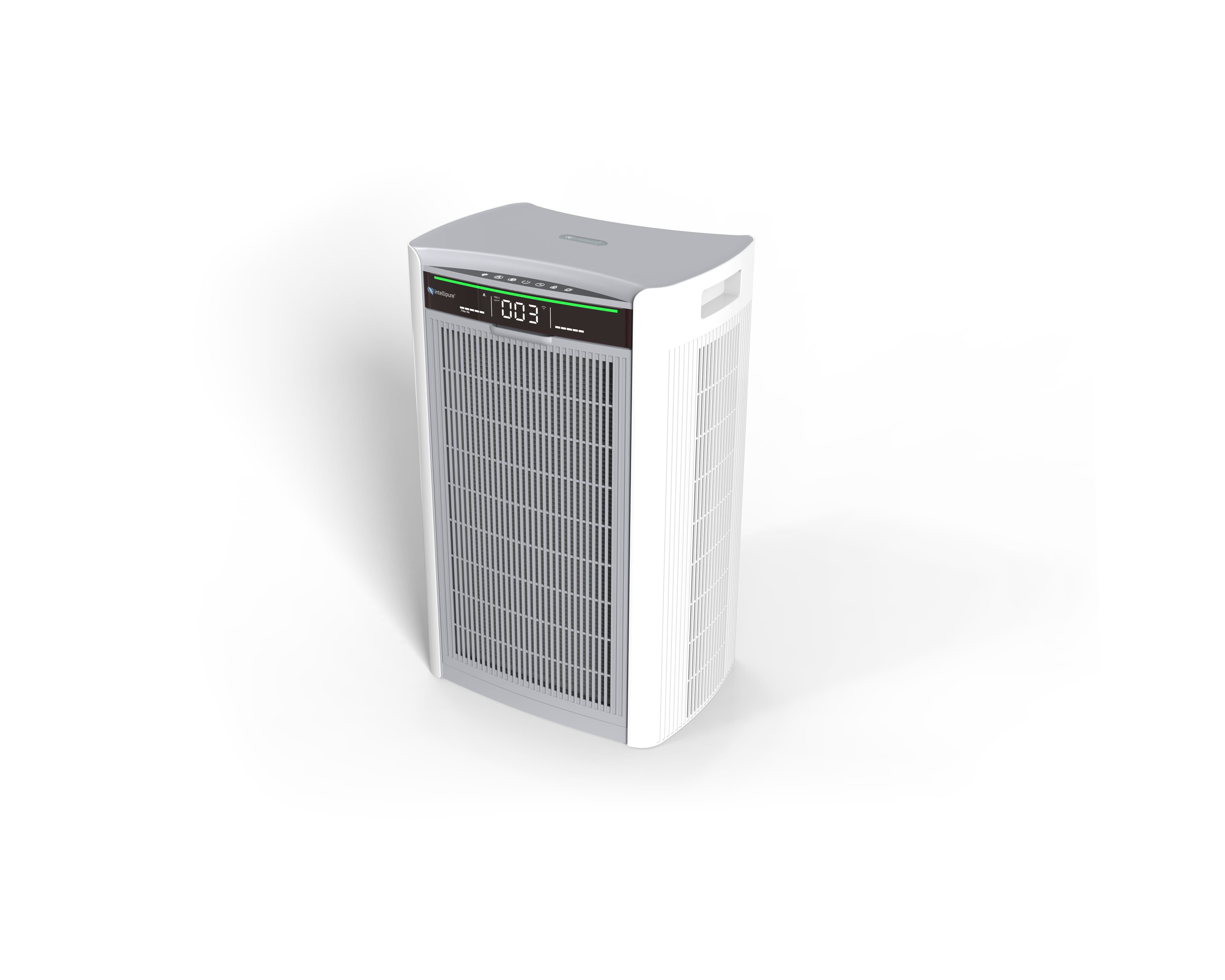
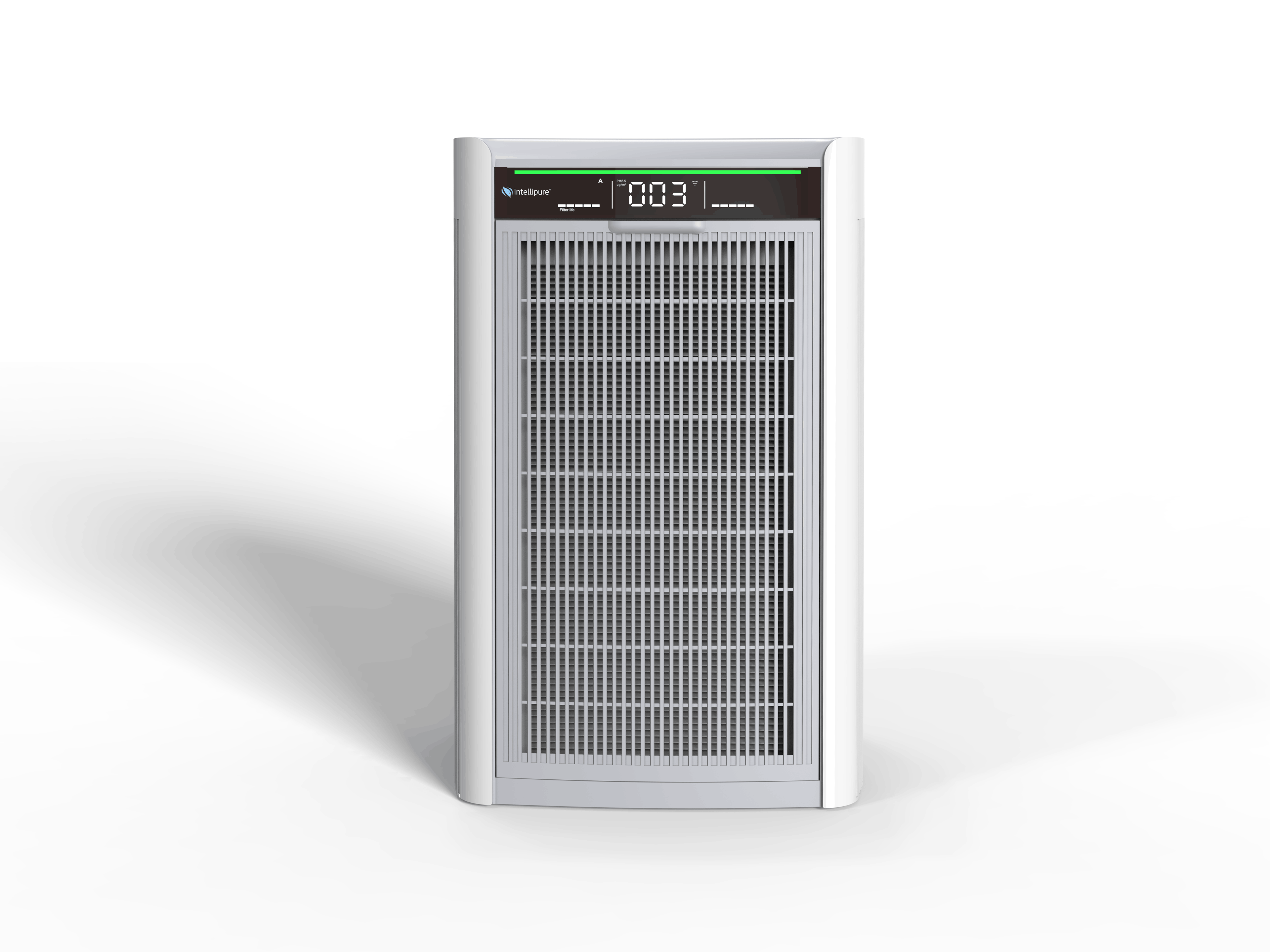
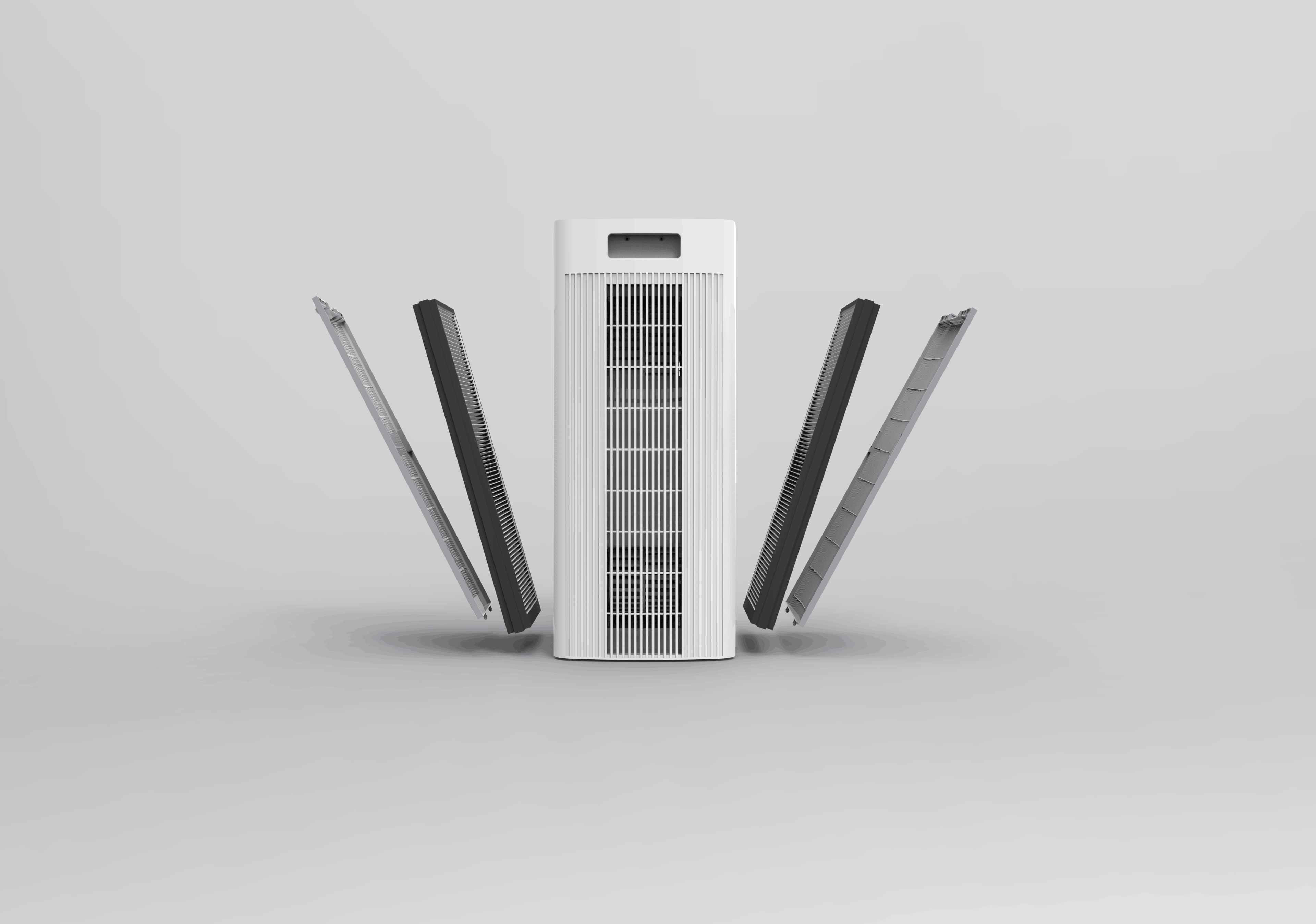
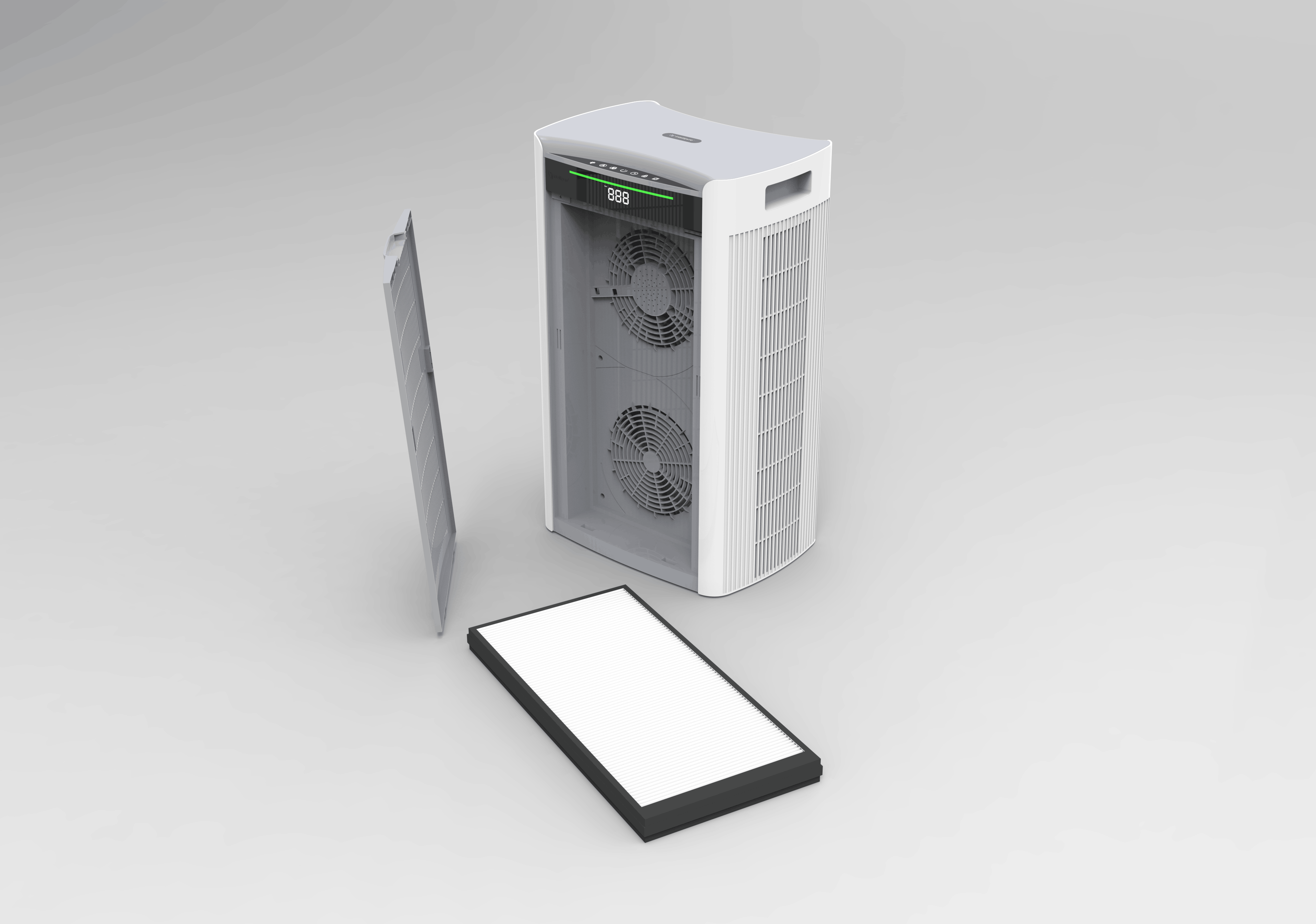
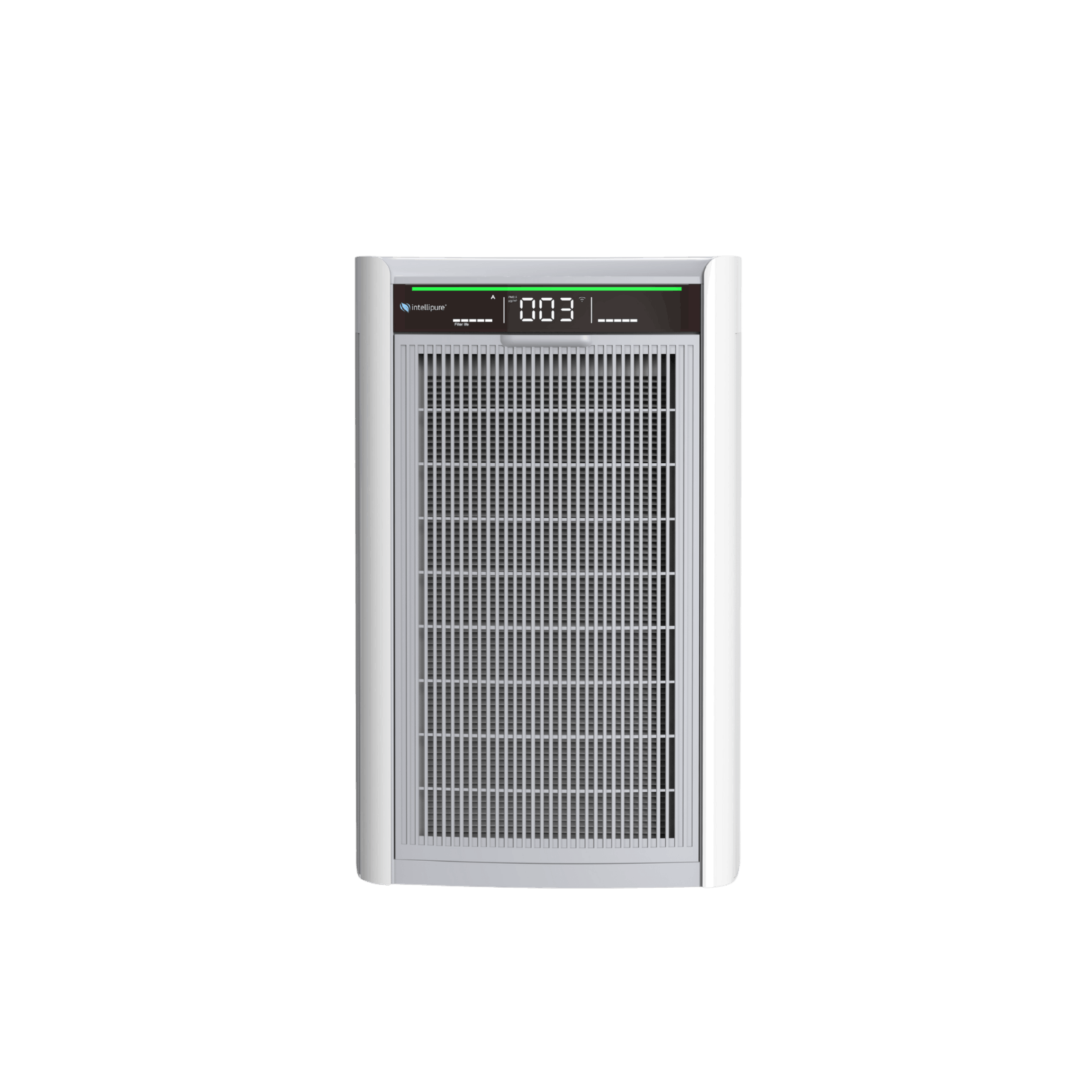
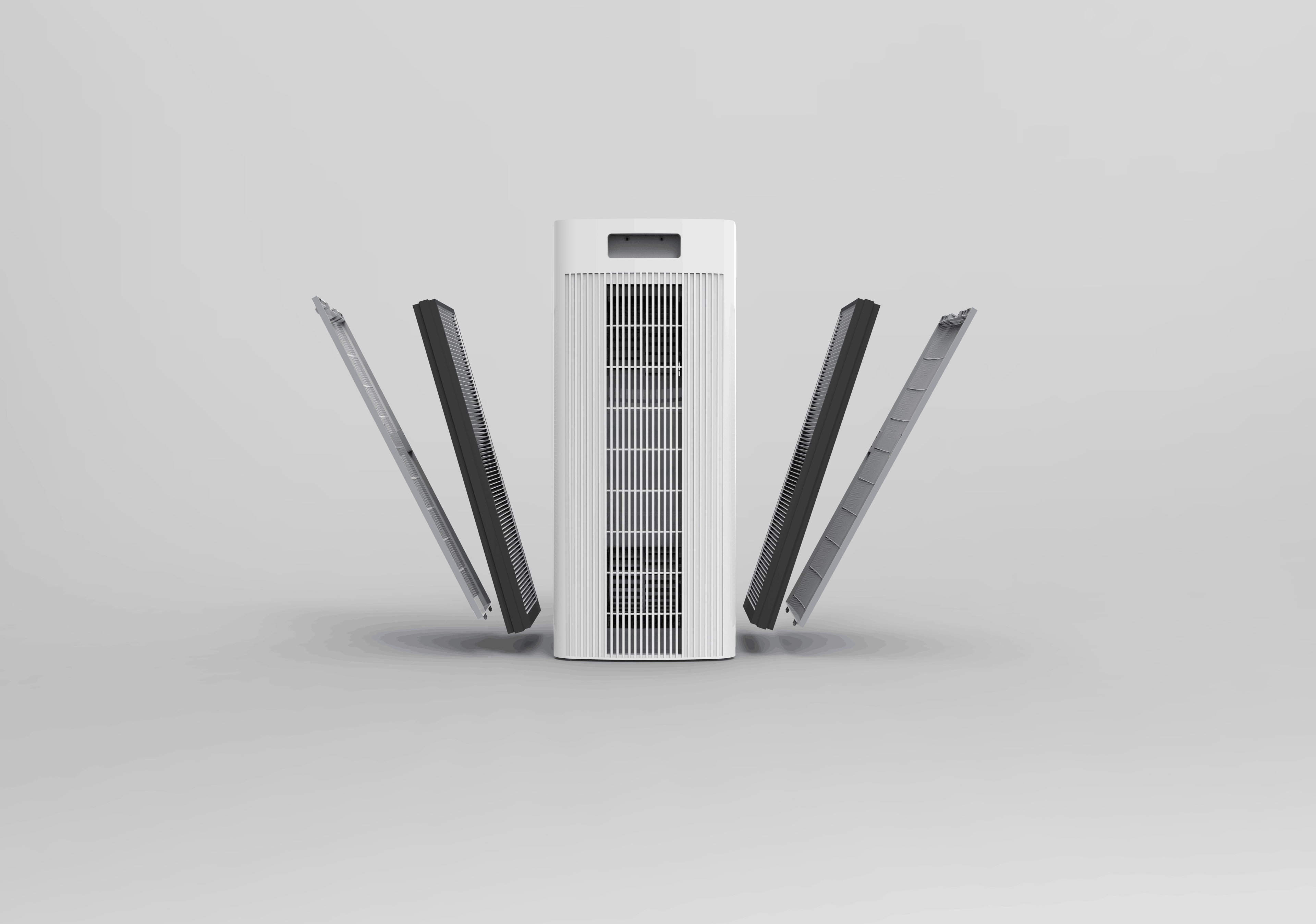
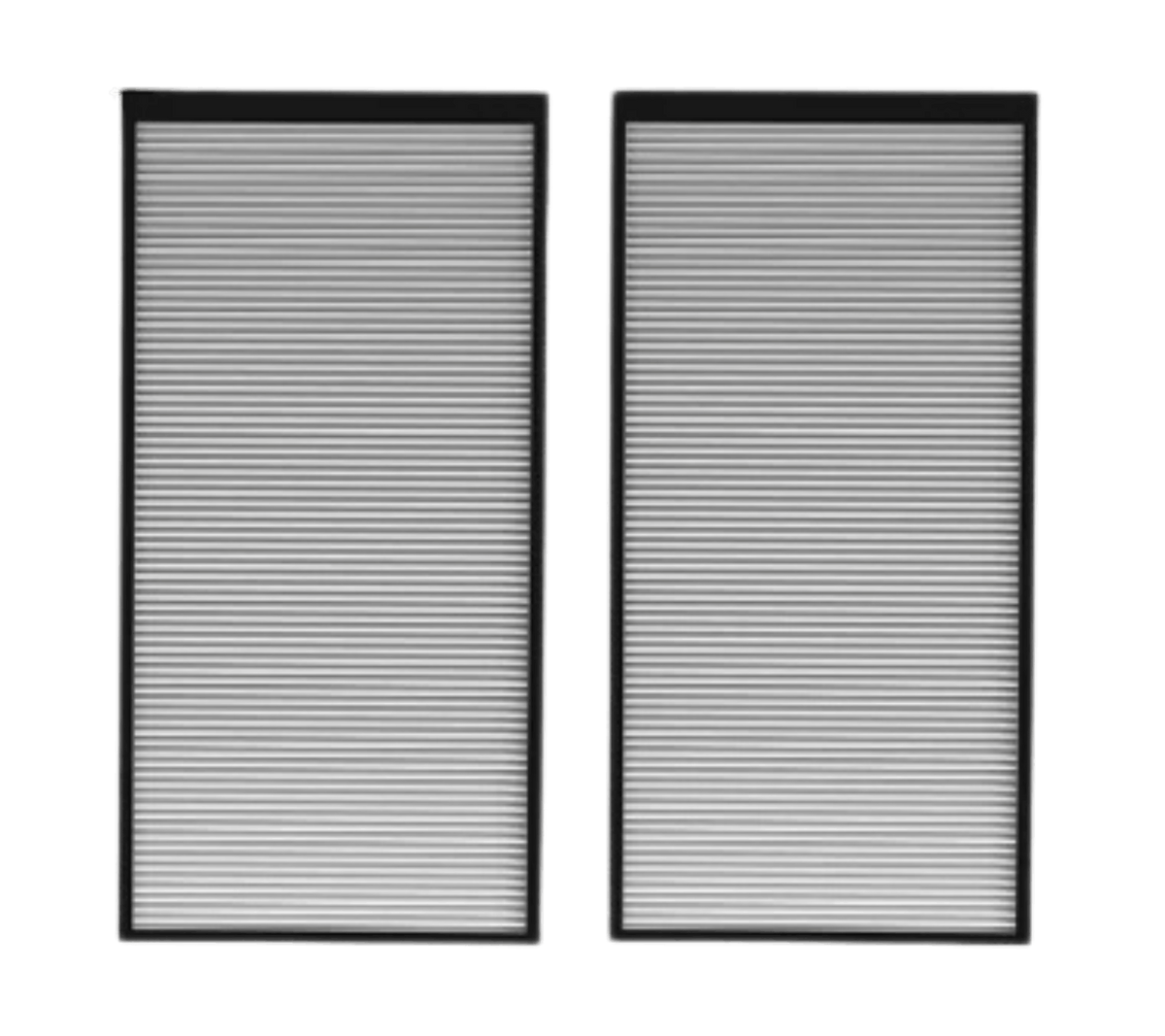
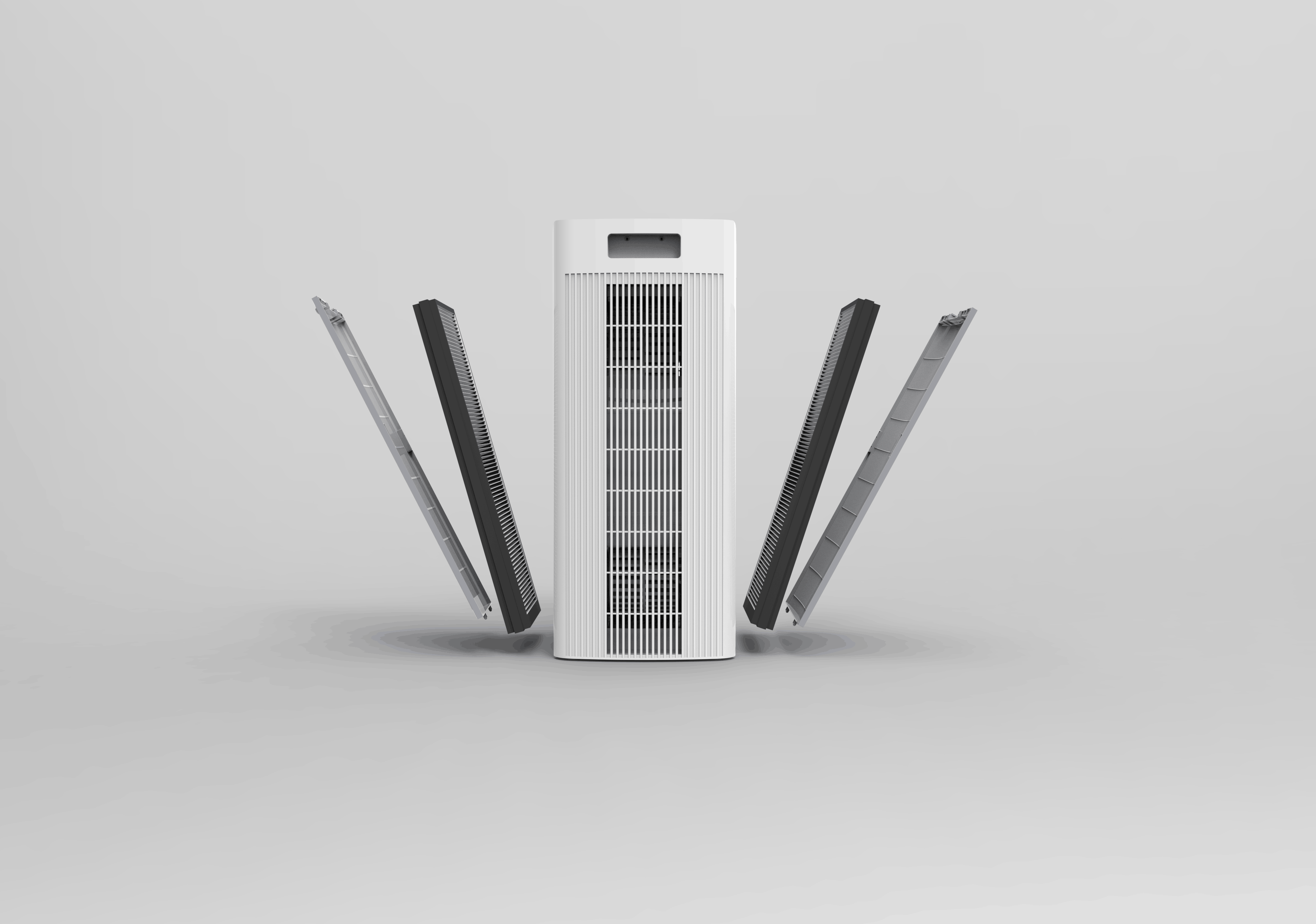
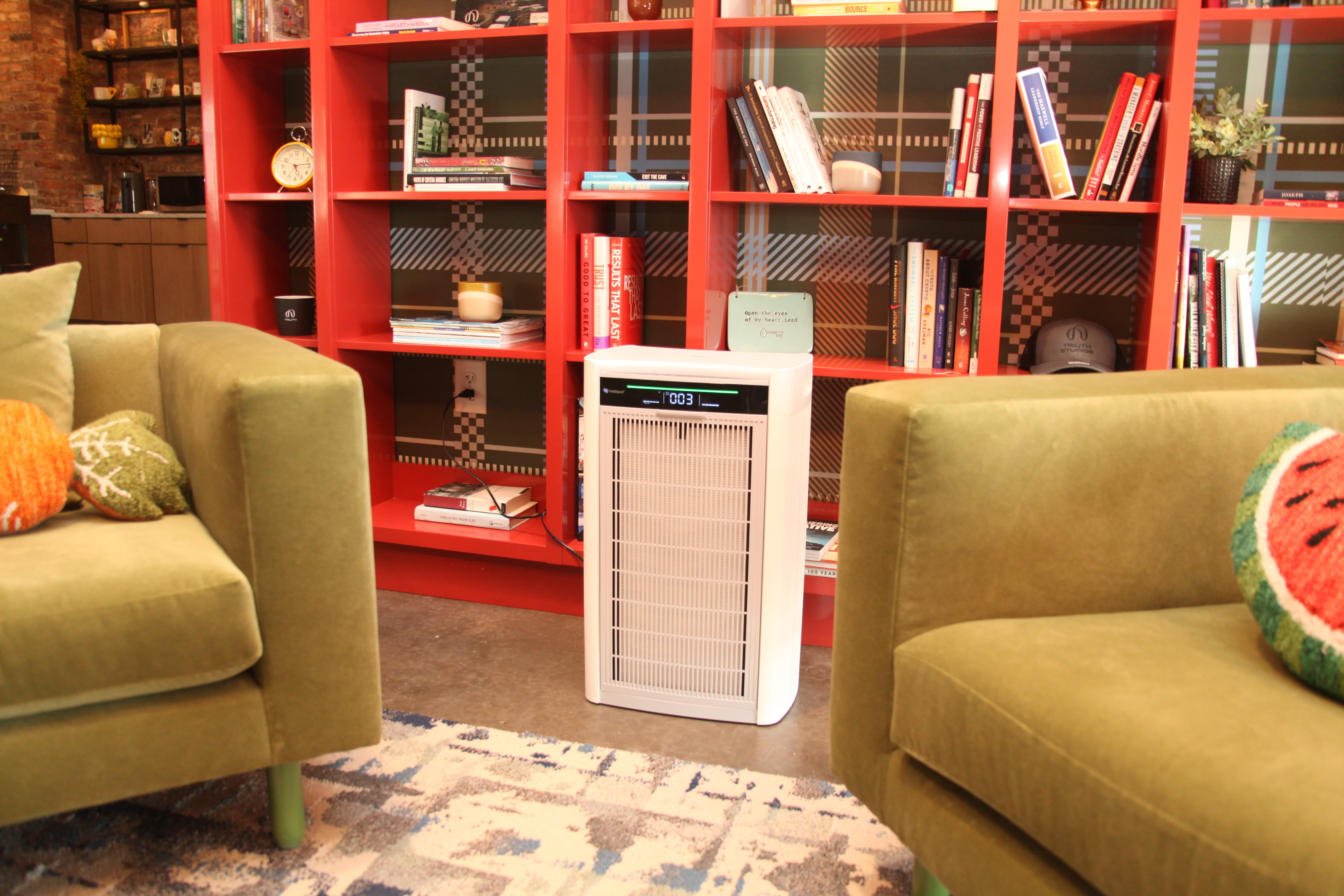
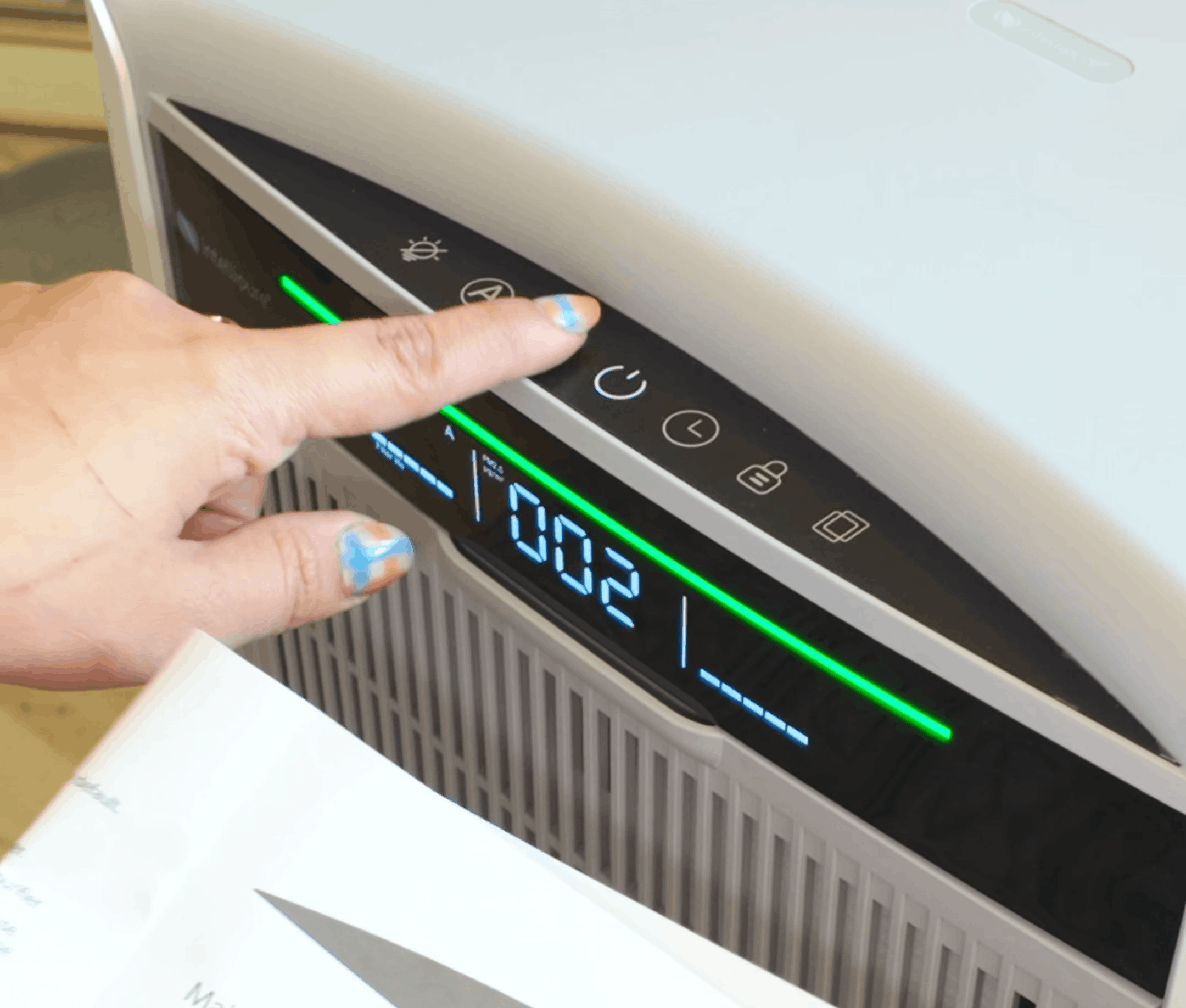
- Filter the air in your house by using a high-efficiency air cleaner



Allergen Report: December 2024
HealthWay Announces Partnership with American Lung Association to Promote Indoor Air Quality Awareness