

Summary
December brings relief from pollen for most of the U.S., but dust mites, winter particulate matter, and indoor air pollutants are still worth watching. Here's what's really in the air this holiday season and what you can do about it.
In This Article
A Holiday Break for Pollen Sufferers (Mostly)
If you've spent the warmer months battling pollen, December brings welcome news: for most of the country, pollen has officially settled down for a long winter's nap. That means fewer sneezing fits, less reaching for the tissues, and more actually enjoying the holiday season.
But before you celebrate too hard, there's a catch. While pollen takes a break, other allergens are just getting started.
Dust mites, for example, have been waiting all year for you to bring out the warm bedding. These microscopic creatures thrive in soft, warm environments like mattresses, pillows, and blankets, where moisture is retained and humidity stays relatively stable [1]. And those dusty boxes of holiday decorations you hauled out of the basement? They can stir up enough allergens to make your nose rival Rudolph's.
Meanwhile, if you're in the South Central states, especially Texas, you're not entirely off the hook. Mountain cedar (Juniperus ashei) releases pollen from mid-to-late December through February, making it a major cause of allergic rhinoconjunctivitis in the region during the winter months [2, 3]. The rest of the country? You can breathe easy, at least when it comes to pollen.
When Cold Temperatures Mean More Particulates
Chestnuts aren't the only thing roasting this December. Across the country, fossil fuel combustion ramps up as temperatures drop. Cars warming up to melt ice off windshields, delivery trucks idling through the busiest shipping season of the year, home heaters working overtime, even the fireplace crackling in the background: all of these contribute to higher levels of fine particulate matter, or PM2.5 (particles 2.5 micrometers or smaller in diameter) [4].
The combustion of gasoline, diesel fuel, oil, and wood produces much of the PM2.5 pollution found in outdoor air [5]. Globally, fossil fuel combustion accounts for a significant share of PM2.5-related health burden, with residential heating and cooking among the contributing sectors [6].
Making matters worse, cold weather can actually trap pollution closer to the ground. During temperature inversions, a layer of warm air sits above cooler air near the surface, preventing pollutants from dispersing. Research has found that PM2.5 concentrations during winter inversion events can be roughly three times higher than on non-inversion days [7]. So while the air outside might feel crisp and clean, it may carry more particulate matter than you'd expect.
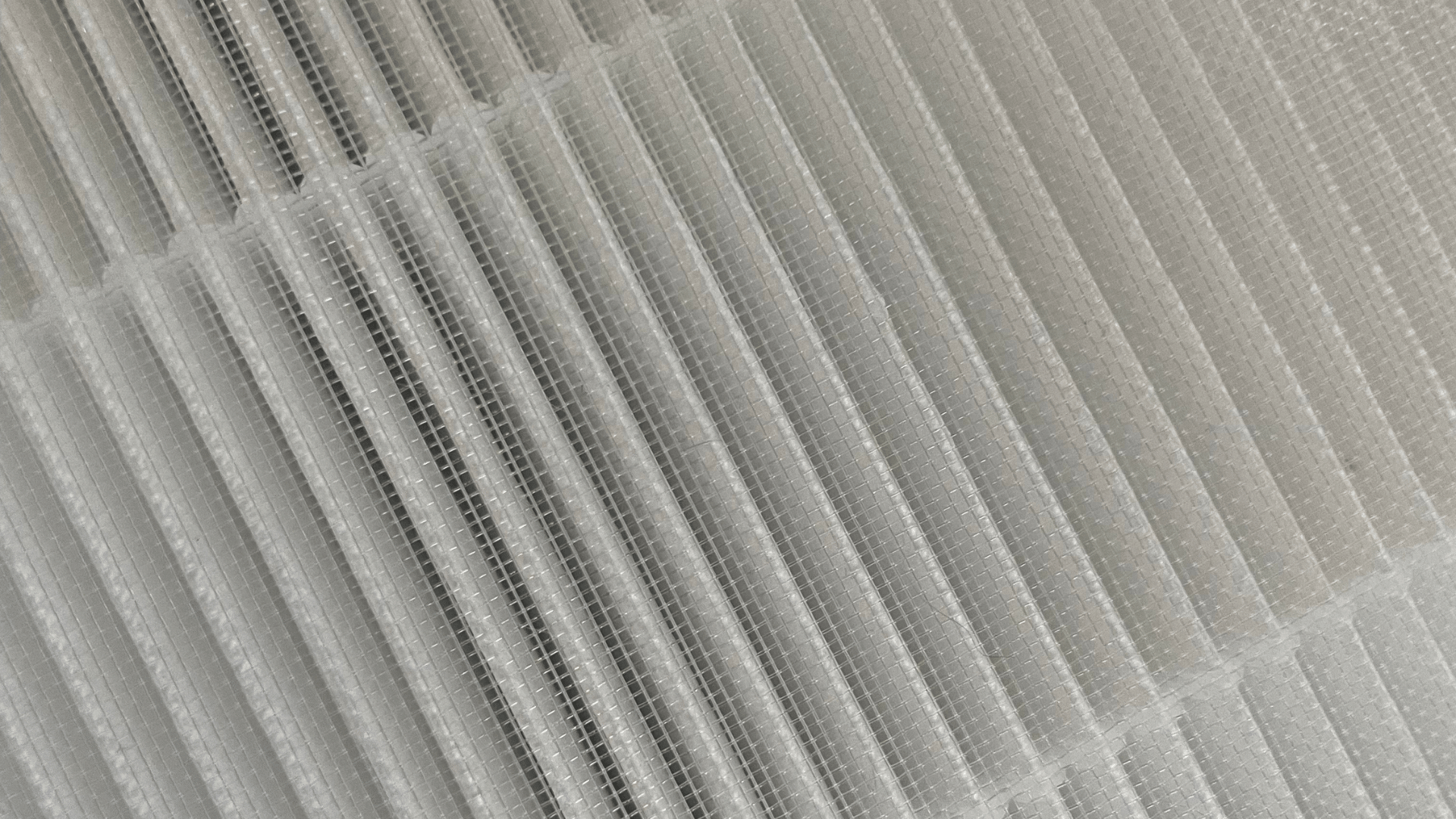
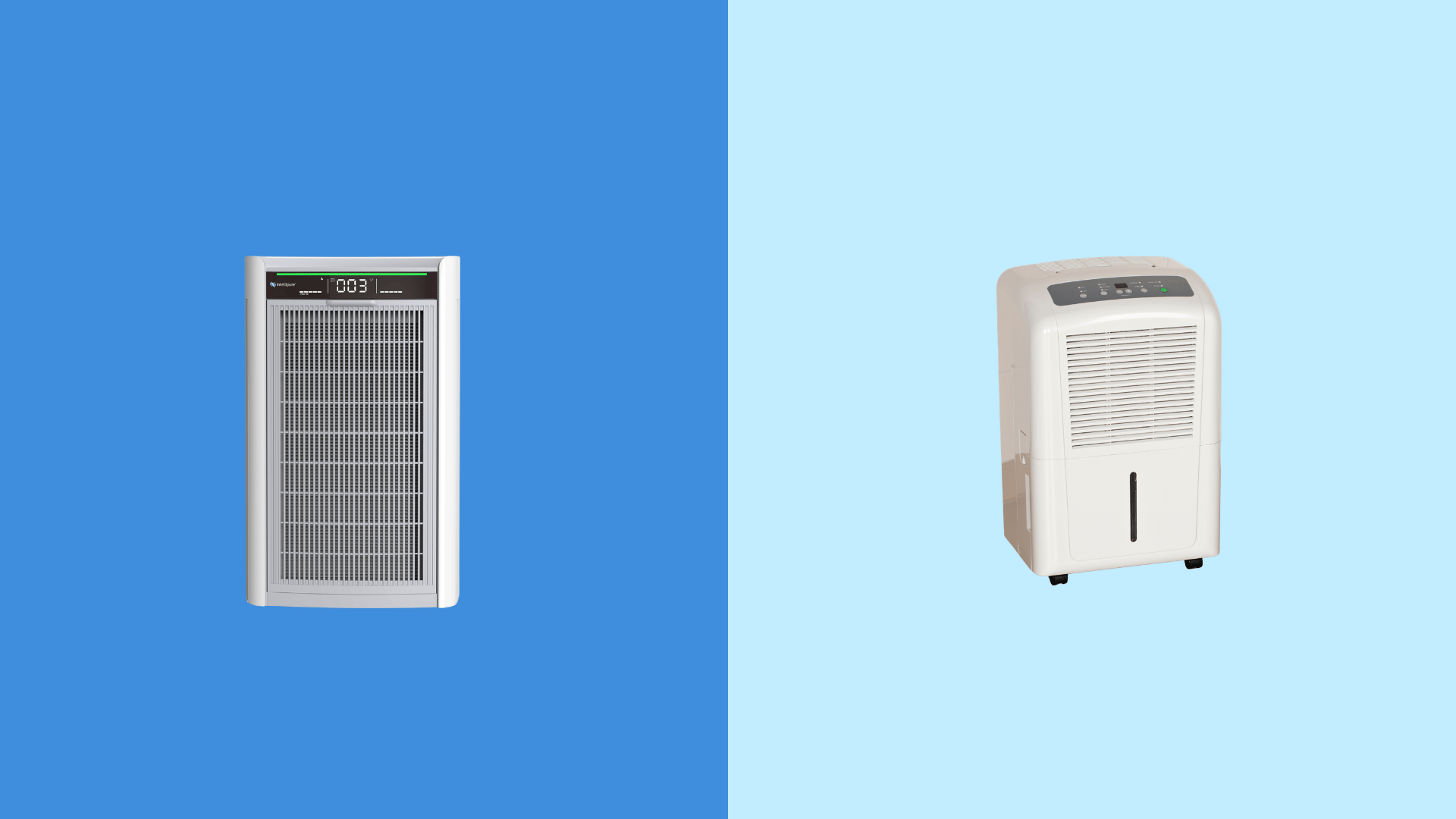
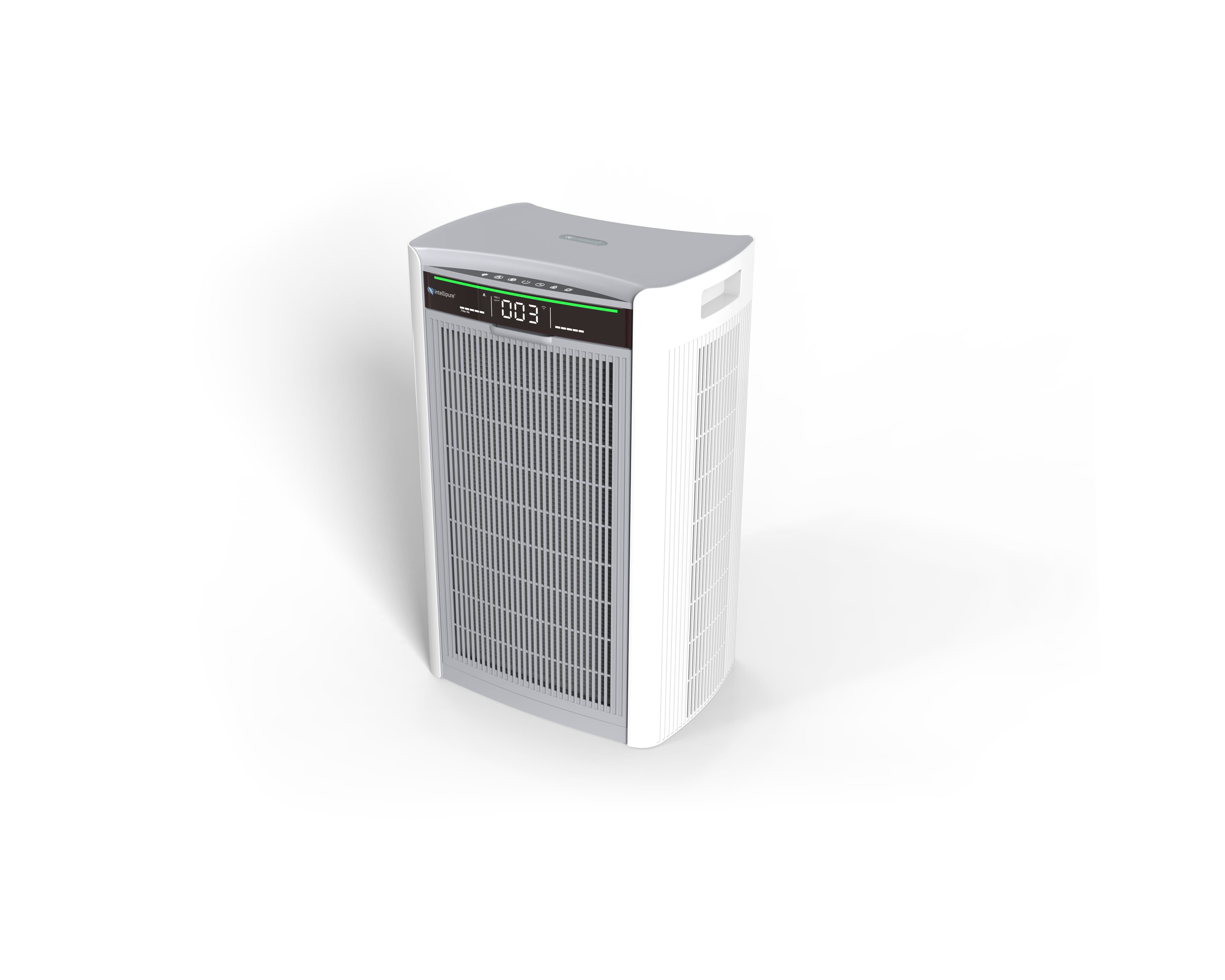
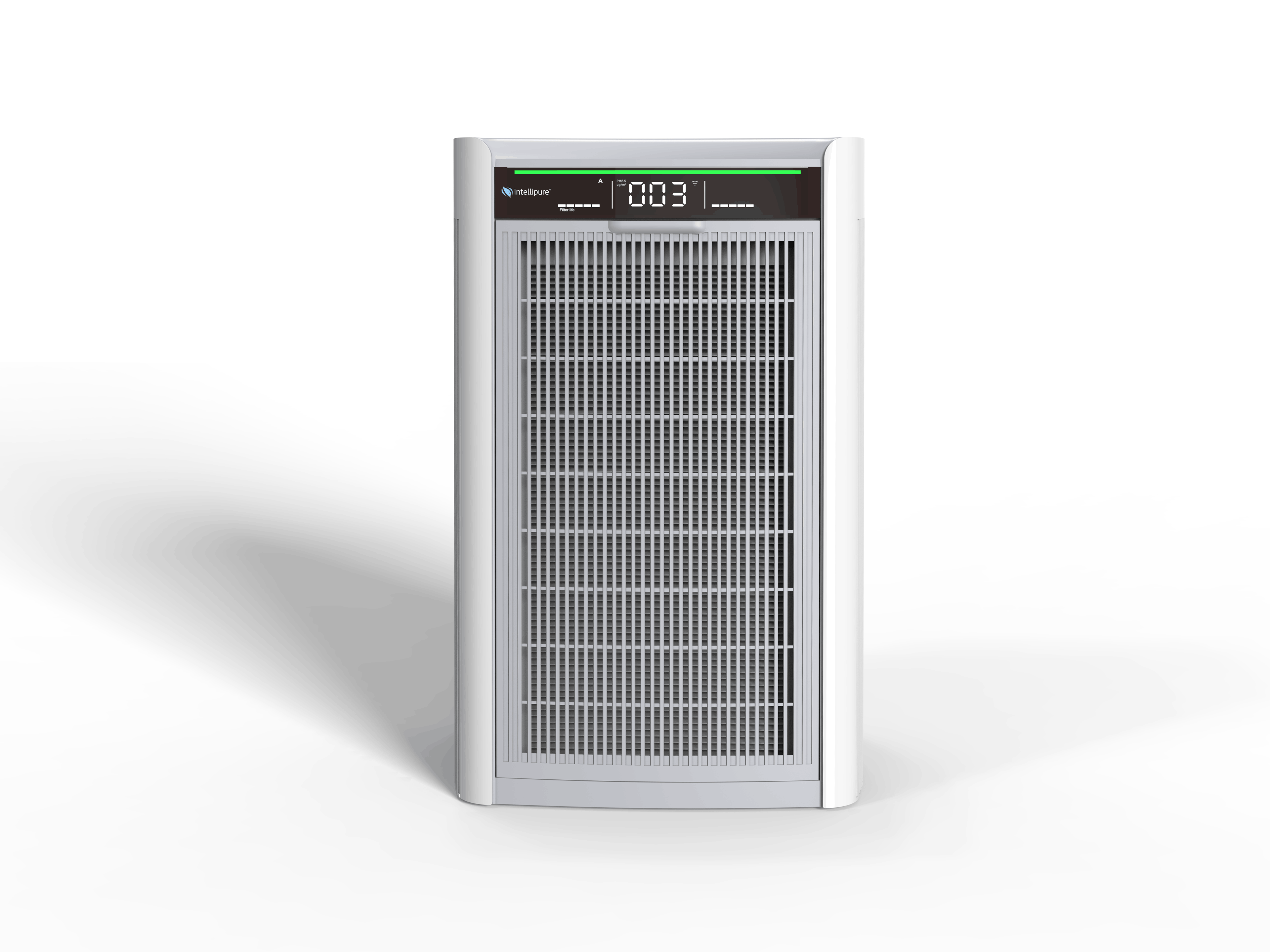
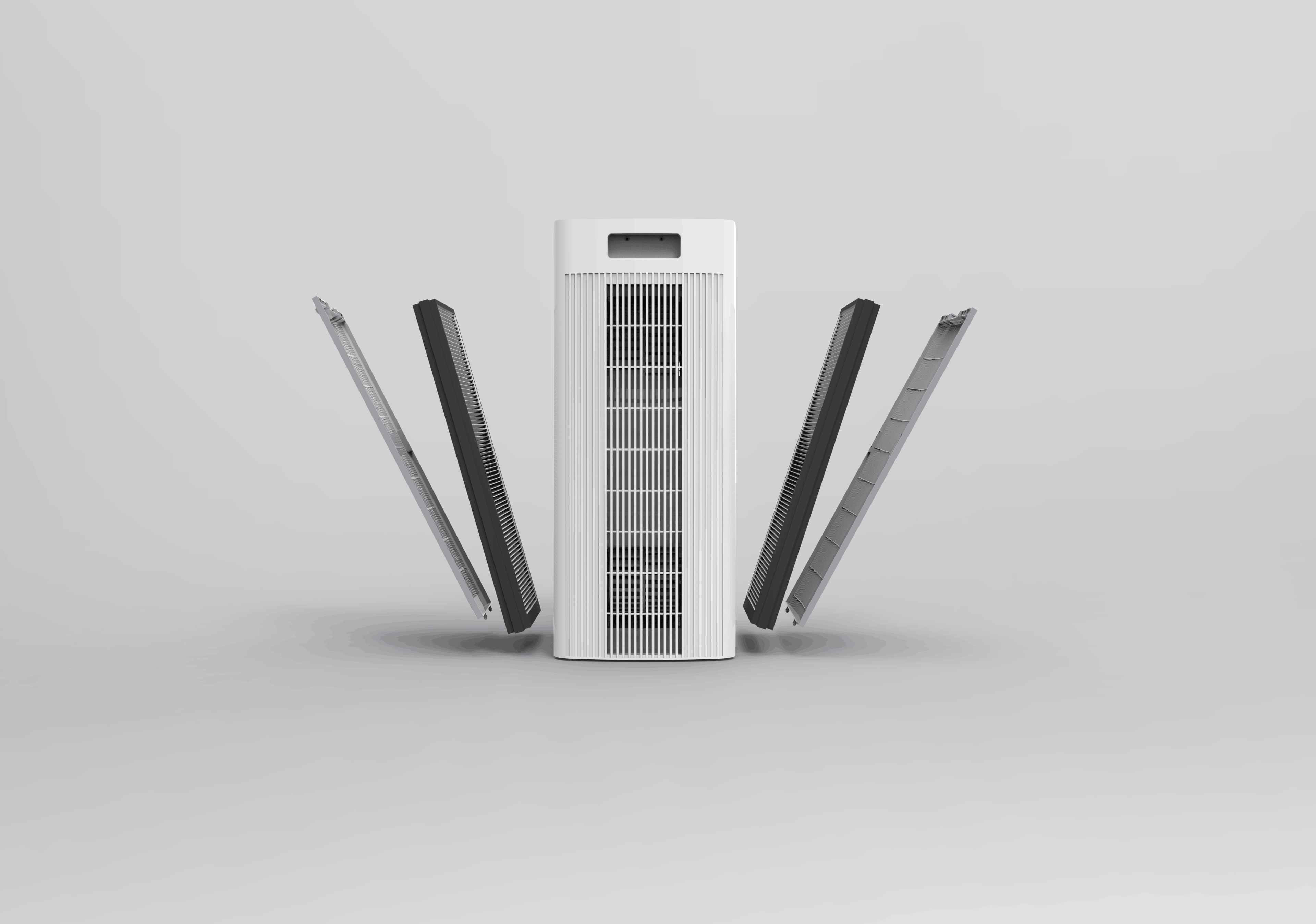
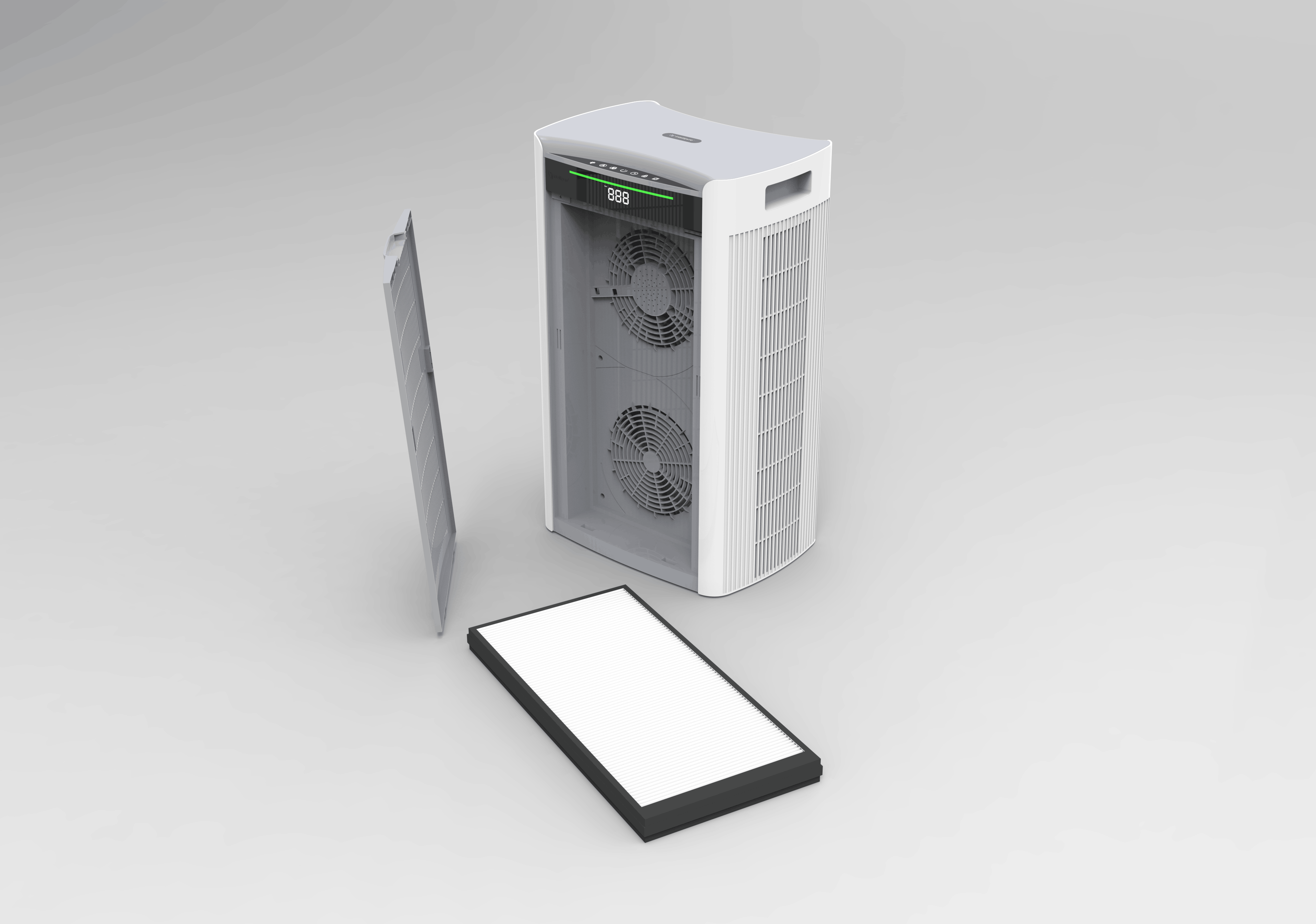
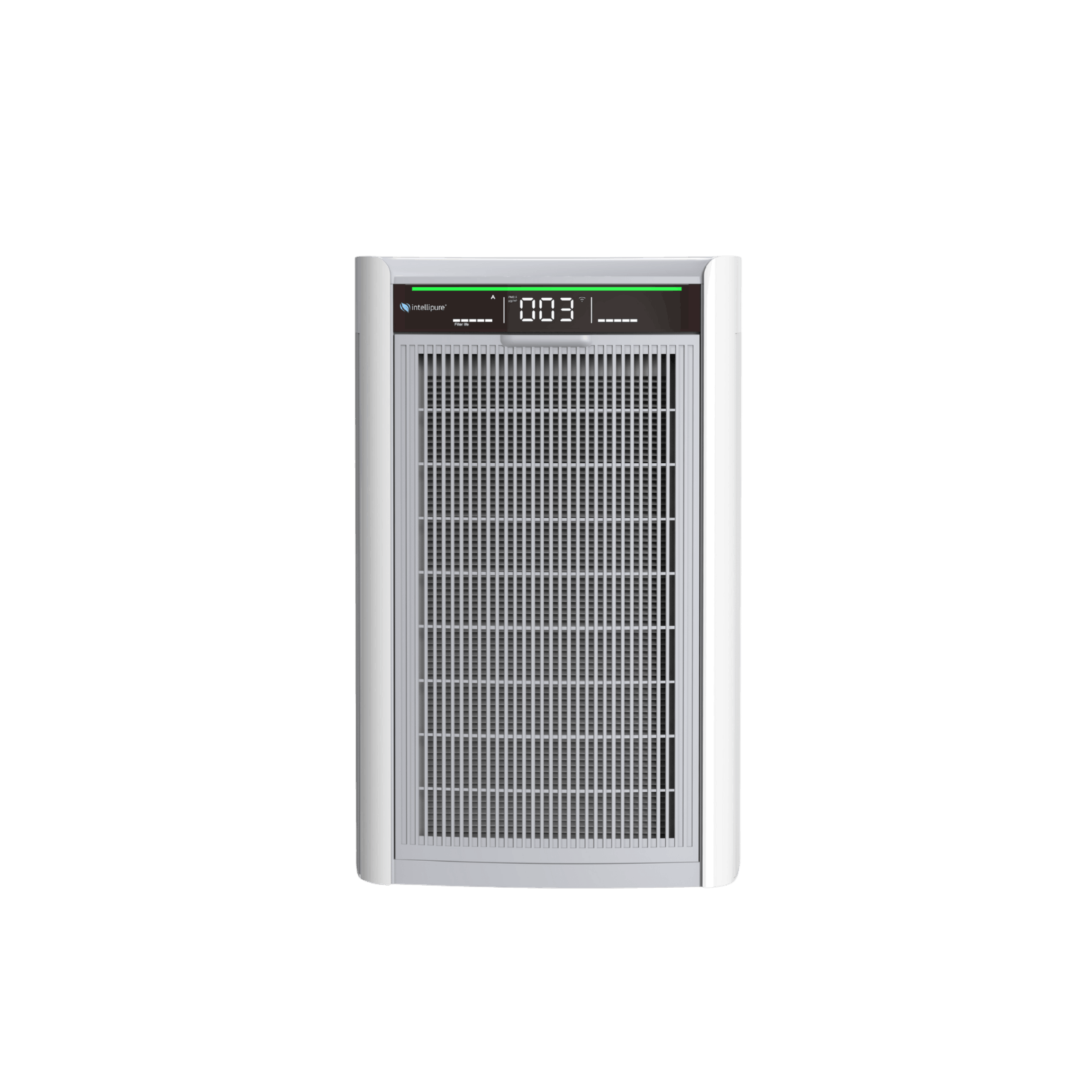
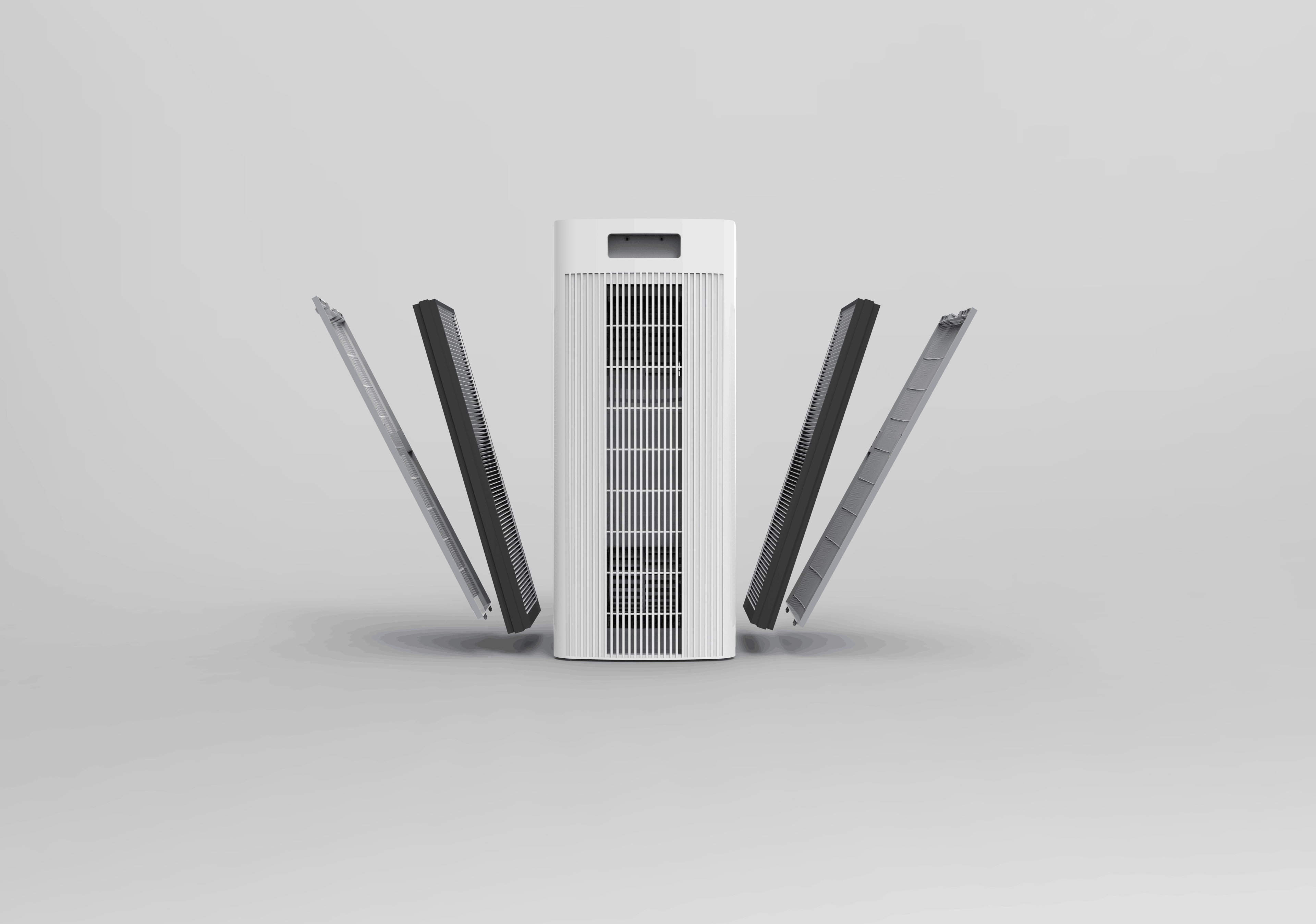
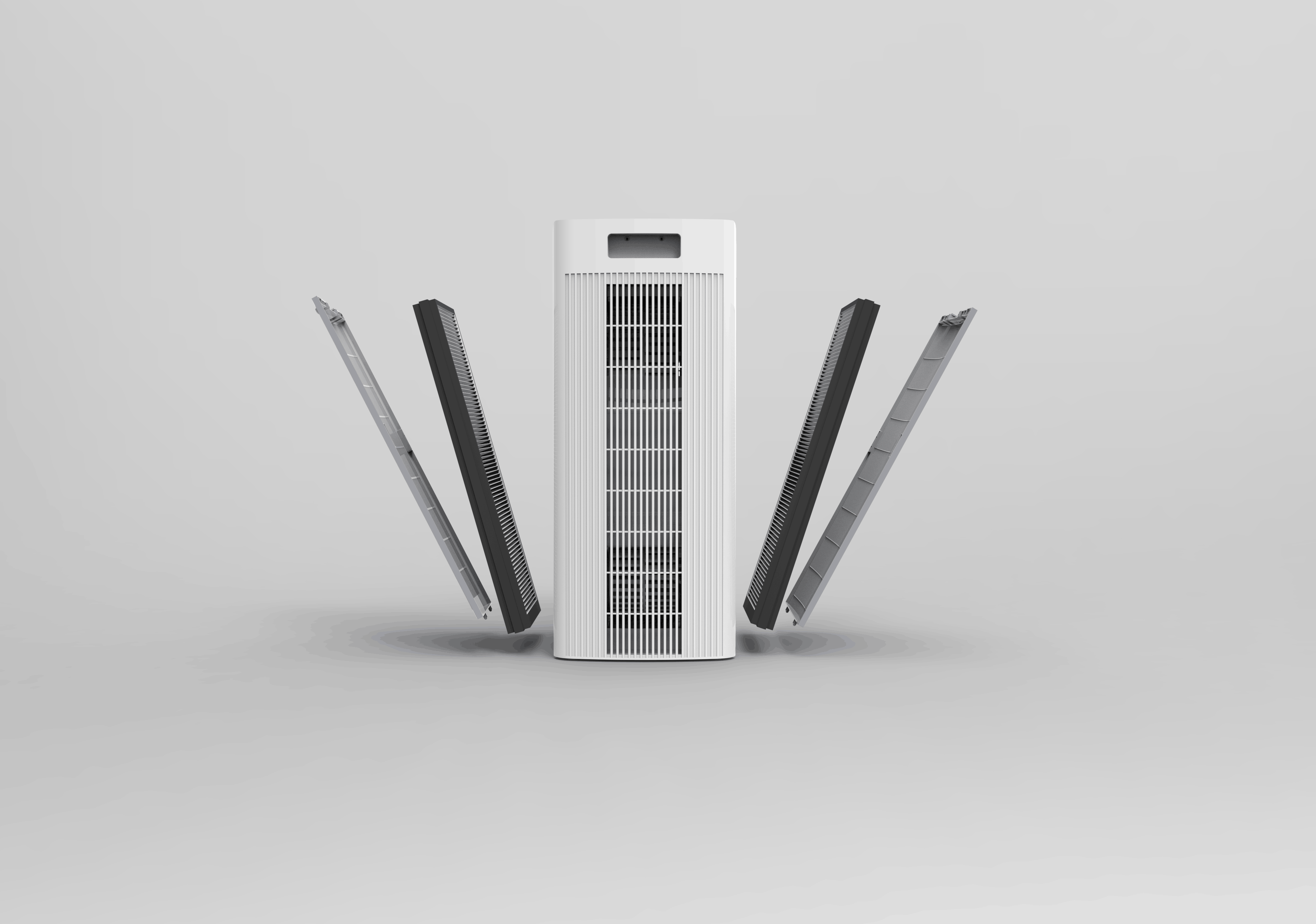
The good news? You have more control over the air inside your home. An air purifier with advanced HEPA filtration can help capture fine particles and keep your indoor air cleaner while outdoor conditions are less than ideal.
What's Lurking in Your Indoor Air
Here's something most people don't think about: concentrations of many common organic pollutants can be two to five times higher indoors than outdoors, according to EPA research [8]. That finding holds whether you live in a rural area or a heavily industrial one.
So what's floating around in there? A few invisible culprits worth knowing about:
- Volatile organic compounds (VOCs): These are gases released by everyday household products like paints, cleaning supplies, adhesives, and even some furniture. The EPA notes that concentrations of many VOCs are consistently higher indoors than outdoors [9].
- Microplastics: A growing body of research shows that tiny plastic particles are present in indoor air, often at higher concentrations than outdoors. Sources include synthetic textiles, household dust, and even HVAC systems [10].
- Seasonal allergens: Dust mites, pet dander, and mold spores don't take a holiday. They circulate through your home year-round, especially when windows stay shut and ventilation decreases in winter.
Give the Gift of Year-Round Clean Air
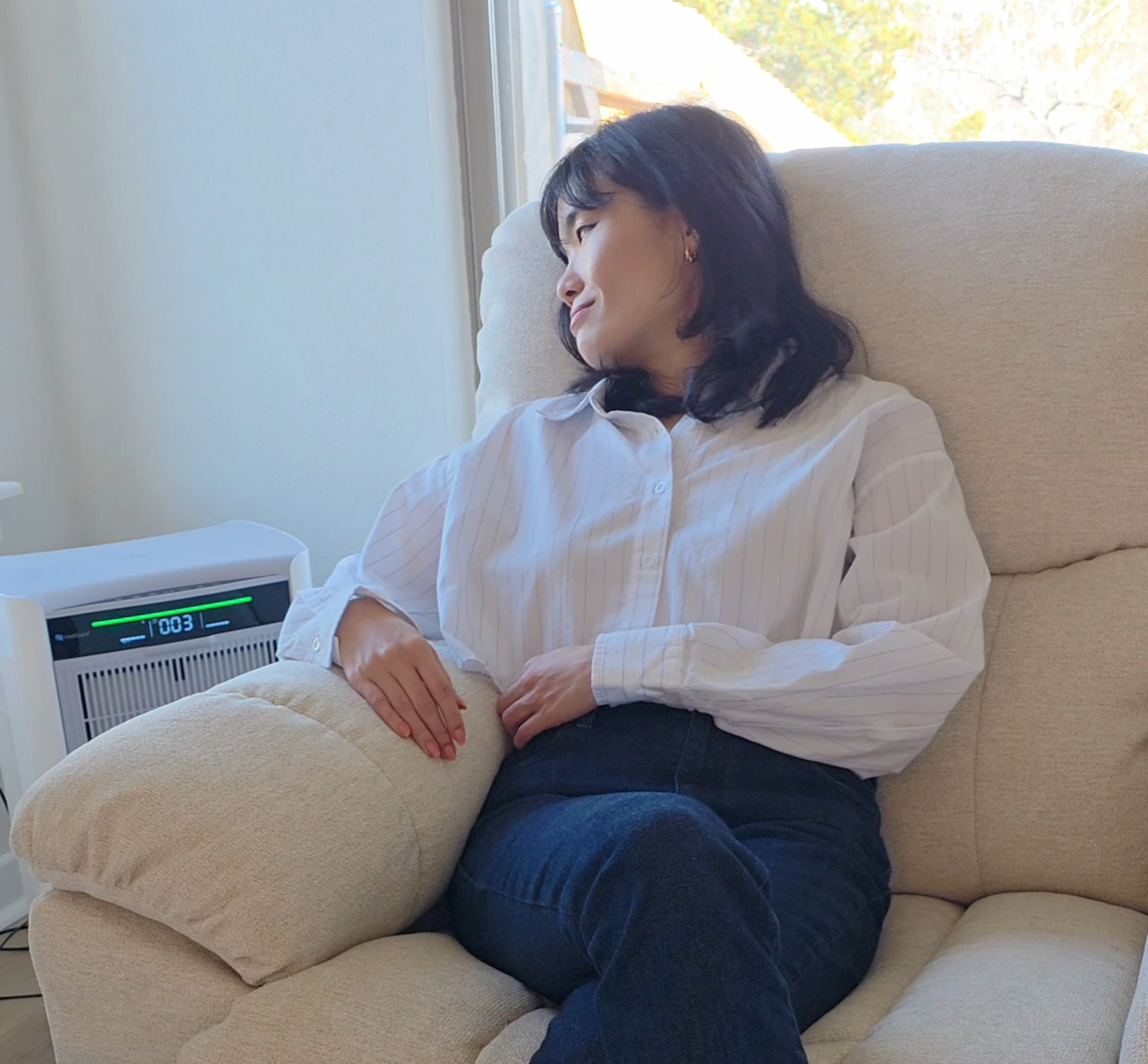
Back away from the gift card rack. When it comes to holiday giving, consider the gift of cleaner air. Most people have no idea what's in the air they breathe at home, and you don't fully realize the difference an air purifier makes until you've lived with one.
Research suggests that air filtration can reduce airborne allergen levels and may help provide some symptom relief as part of a broader approach to environmental control [11]. Studies have also linked air pollution exposure to adverse sleep outcomes, including disrupted sleep patterns and increased risk of sleep-disordered breathing [12]. Cleaner indoor air can be a step toward better rest and fewer seasonal sniffles.
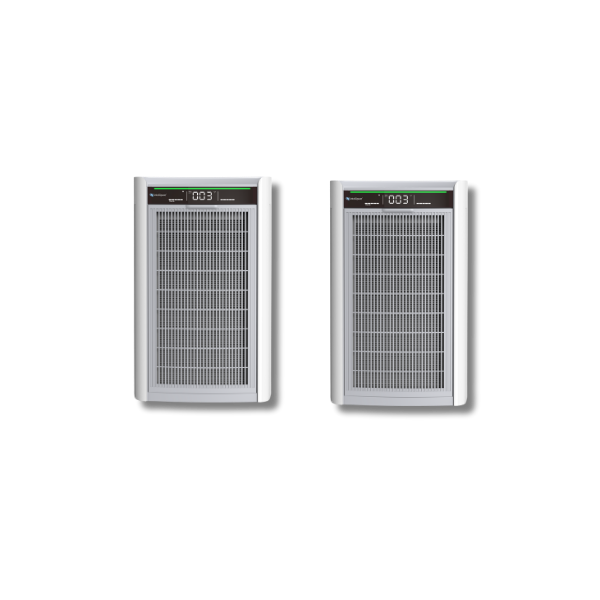
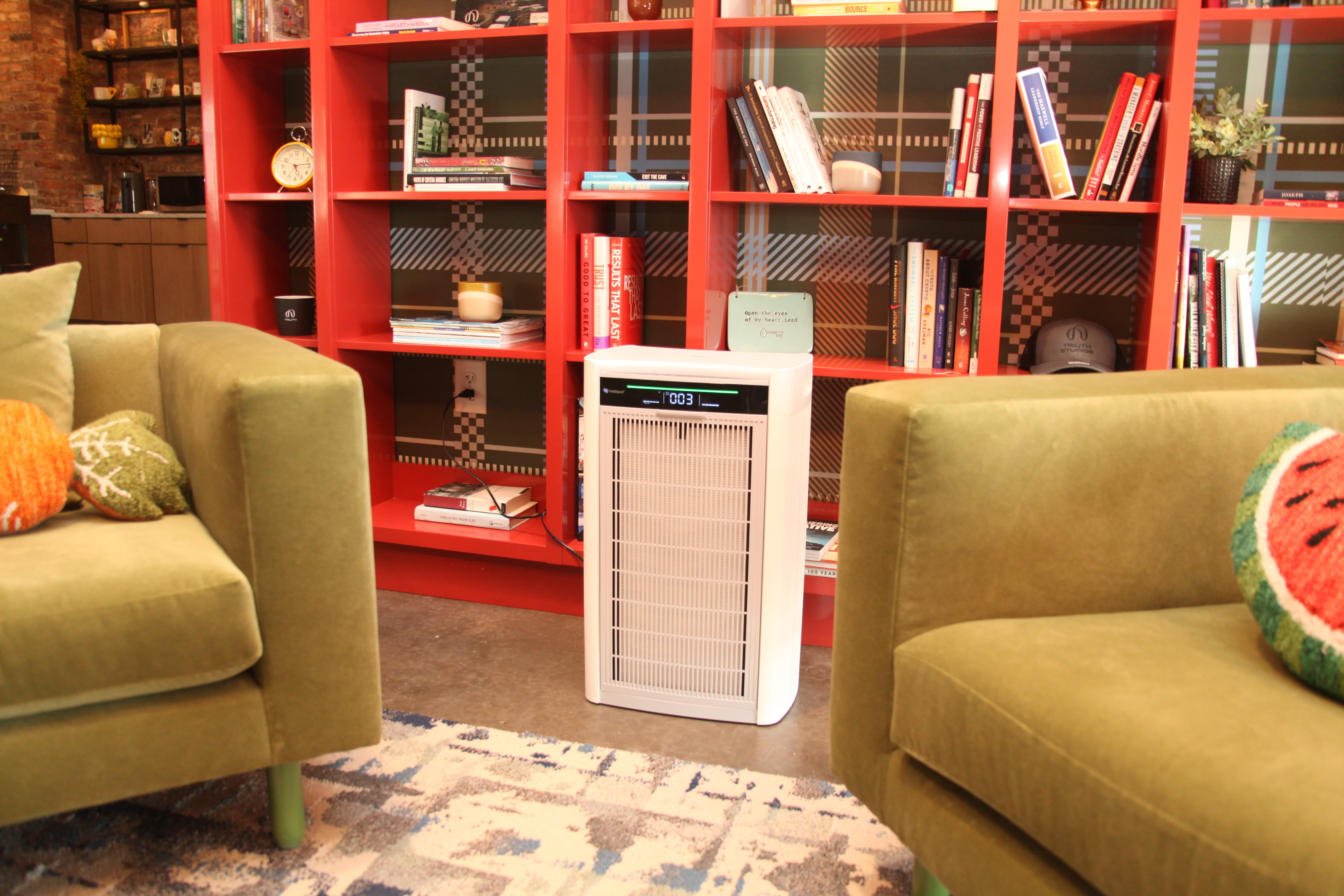
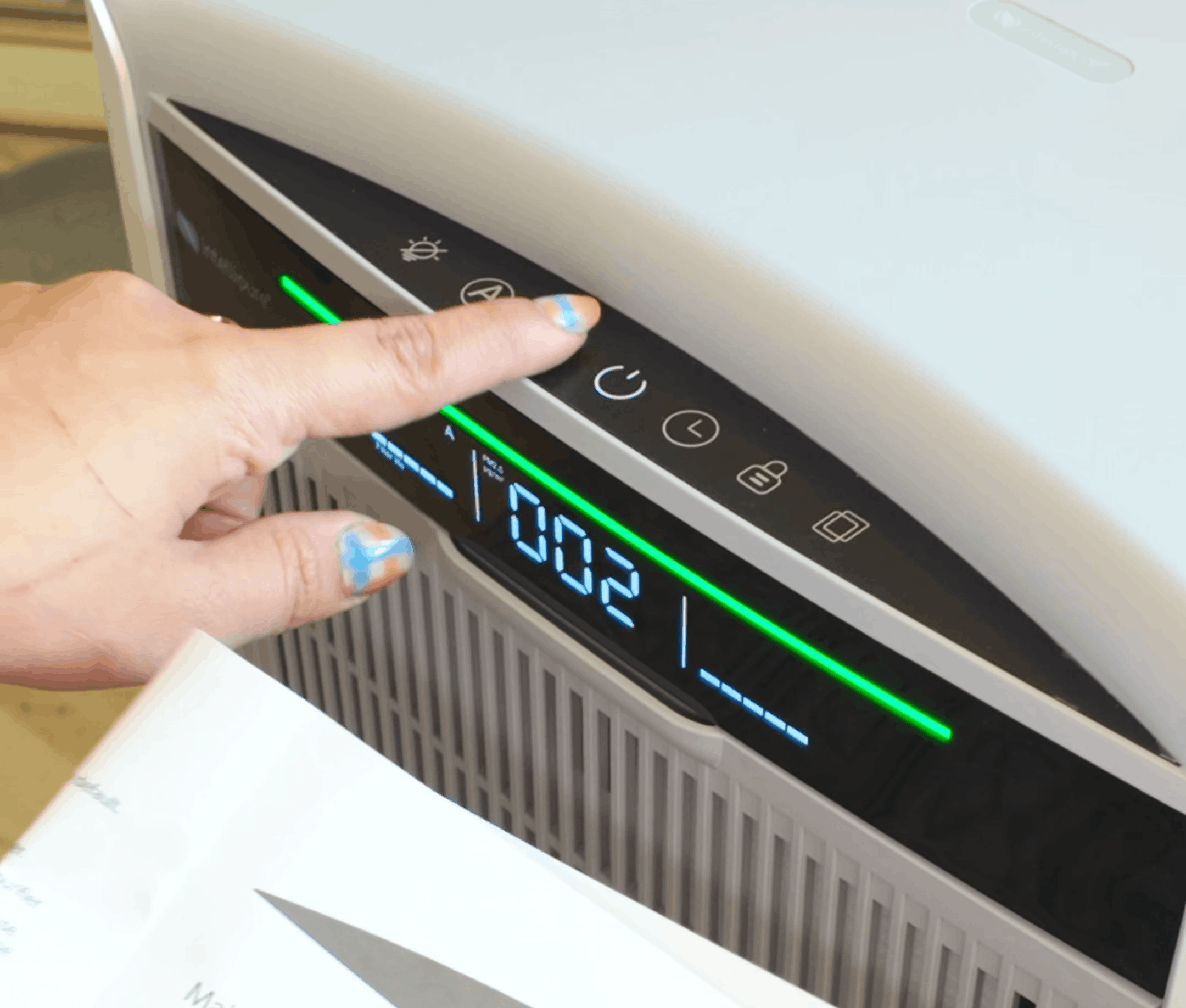
With smart sensors that automatically adjust performance based on real-time air quality, it's the kind of set-it-and-forget-it gift that keeps working long after the wrapping paper is recycled. It covers spaces up to approximately 2,200 square feet, making it a great fit for living rooms, open floor plans, or any shared space where your family spends the most time.
When those novelty foam slippers are long gone, good health is the gift that keeps on giving.
Your December Clean Air Checklist
- Wash bedding weekly to help reduce dust mite populations in your sleeping area [1].
- Dust and vacuum holiday decorations before displaying them, especially if they've been stored in attics or basements.
- Run your air purifier consistently, particularly during days when outdoor PM2.5 may be elevated due to cold weather inversions.
- Ventilate briefly after cooking or using the fireplace to help clear combustion-related particles from your indoor air.
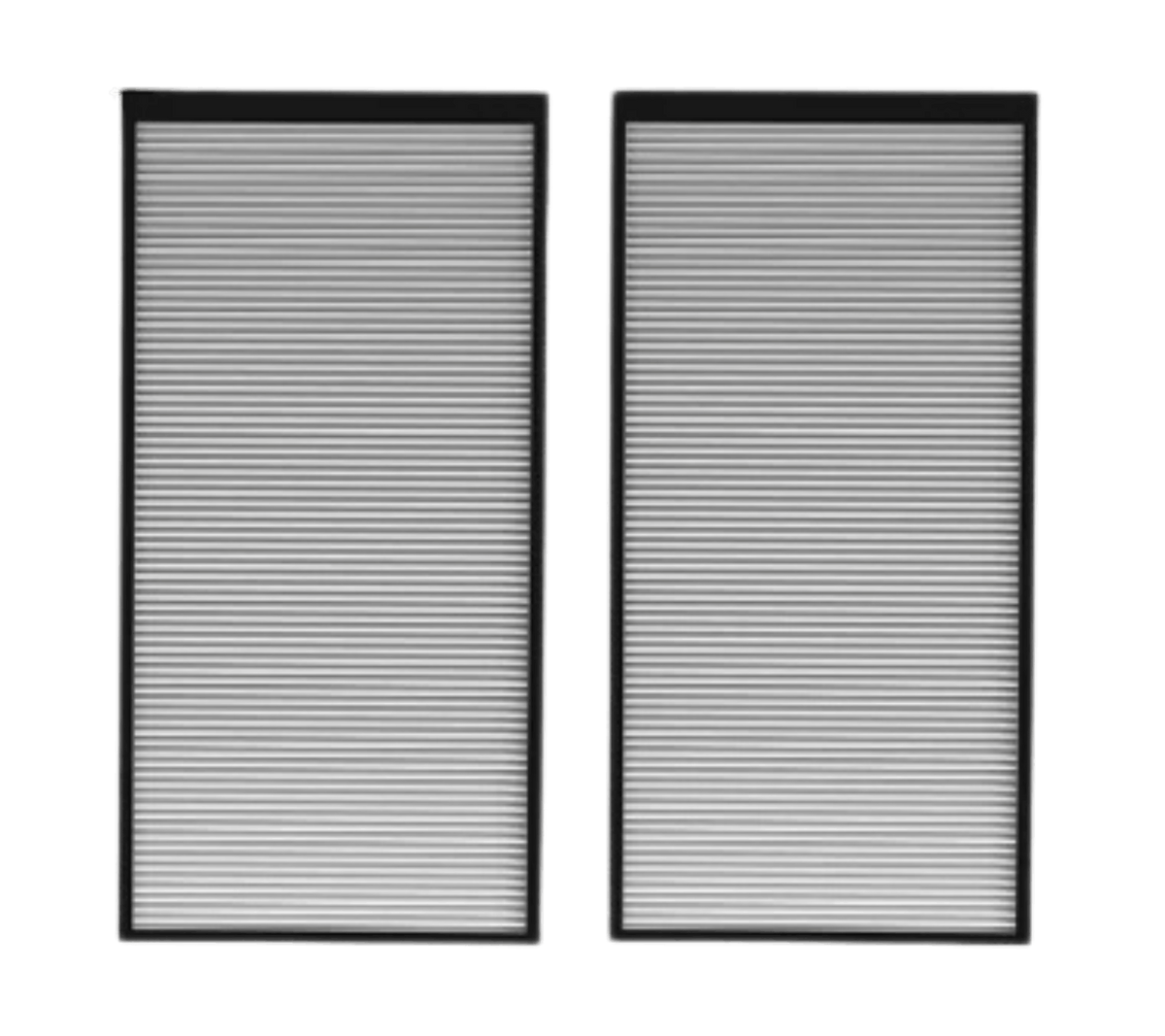
- Check your filter status. If it's been a while since your last replacement, a fresh annual filter set ensures your purifier is working at peak performance.
References
- Portnoy J, Miller JD, Williams PB, Chew GL, Miller JD, Zaitoun F, et al. Environmental assessment and exposure control of dust mites: a practice parameter. Ann Allergy Asthma Immunol. 2013;111(6):465-507. doi:10.1016/j.anai.2013.09.018.
- Mendoza JC, Quinn J. Mountain cedar allergy: A review of current available literature. Ann Allergy Asthma Immunol. 2022;128(6):645-651. doi:10.1016/j.anai.2021.09.019.
- Jochner-Oette S, Jetschni J, Liedl P, Menzel A. Indoor pollen concentrations of mountain cedar (Juniperus ashei) during rainy episodes in Austin, Texas. Int J Environ Res Public Health. 2022;19(3):1541. doi:10.3390/ijerph19031541.
- United States Environmental Protection Agency. Particulate matter (PM) basics [Internet]. Washington (DC): EPA; [cited 2026 Feb 12].
- California Air Resources Board. Inhalable particulate matter and health (PM2.5 and PM10) [Internet]. Sacramento (CA): California Environmental Protection Agency; [cited 2026 Feb 12].
- McDuffie EE, Martin RV, Spadaro JV, Burnett R, Smith SJ, O'Rourke P, et al. Source sector and fuel contributions to ambient PM2.5 and attributable mortality across multiple spatial scales. Nat Commun. 2021;12:3594. doi:10.1038/s41467-021-23853-y.
- Beard JD, Beck C, Graham R, Packham SC, Traphagan M, Giles RT, et al. Winter temperature inversions and emergency department visits for asthma in Salt Lake County, Utah, 2003-2008. Environ Health Perspect. 2012;120(10):1385-1390. doi:10.1289/ehp.1104349.
- United States Environmental Protection Agency. The inside story: a guide to indoor air quality [Internet]. Washington (DC): EPA; [cited 2026 Feb 12].
- United States Environmental Protection Agency. What are volatile organic compounds (VOCs)? [Internet]. Washington (DC): EPA; [cited 2026 Feb 12].
- Eberhard T, Casillas G, Zarus GM, Barr DB. Systematic review of microplastics and nanoplastics in indoor and outdoor air: identifying a framework and data needs for quantifying human inhalation exposures. J Expo Sci Environ Epidemiol. 2024;34(2):185-196. doi:10.1038/s41370-023-00634-x.
- Sublett JL. Effectiveness of air filters and air cleaners in allergic respiratory diseases: a review of the recent literature. Curr Allergy Asthma Rep. 2011;11(5):395-402. doi:10.1007/s11882-011-0208-5.
- Liu J, Wu T, Liu Q, Wu S, Chen JC. Air pollution exposure and adverse sleep health across the life course: a systematic review. Environ Pollut. 2020;262:114263. doi:10.1016/j.envpol.2020.114263.



Allergen Report: November 2024
Indoor Air Pollution: How Safe is Your Home?