

Investing in your indoor air quality is a wise health decision. But it takes electricity to run pretty much every portable air purifier on the market. They need power to run the fan, any filtration enhancements, smart features, even the fan speed controller. Here’s what you need to know about air purifier electrical usage.
Understanding Air Purifier Energy Consumption
Air purifier power consumption ranges widely based on the unit and fan speed airflow, but most won’t cause too much of a rise in your electricity bill. Most air purifiers use less power than a standard incandescent light bulb. Even though most air purifiers are designed for continuous operation, a unit rated at 20 watts will only use 175 kilowatt-hours (kWh) in a single year. Typically the main component that uses electricity is the fan motor, although units that use UV-C filtration technology need power for the UV light source.
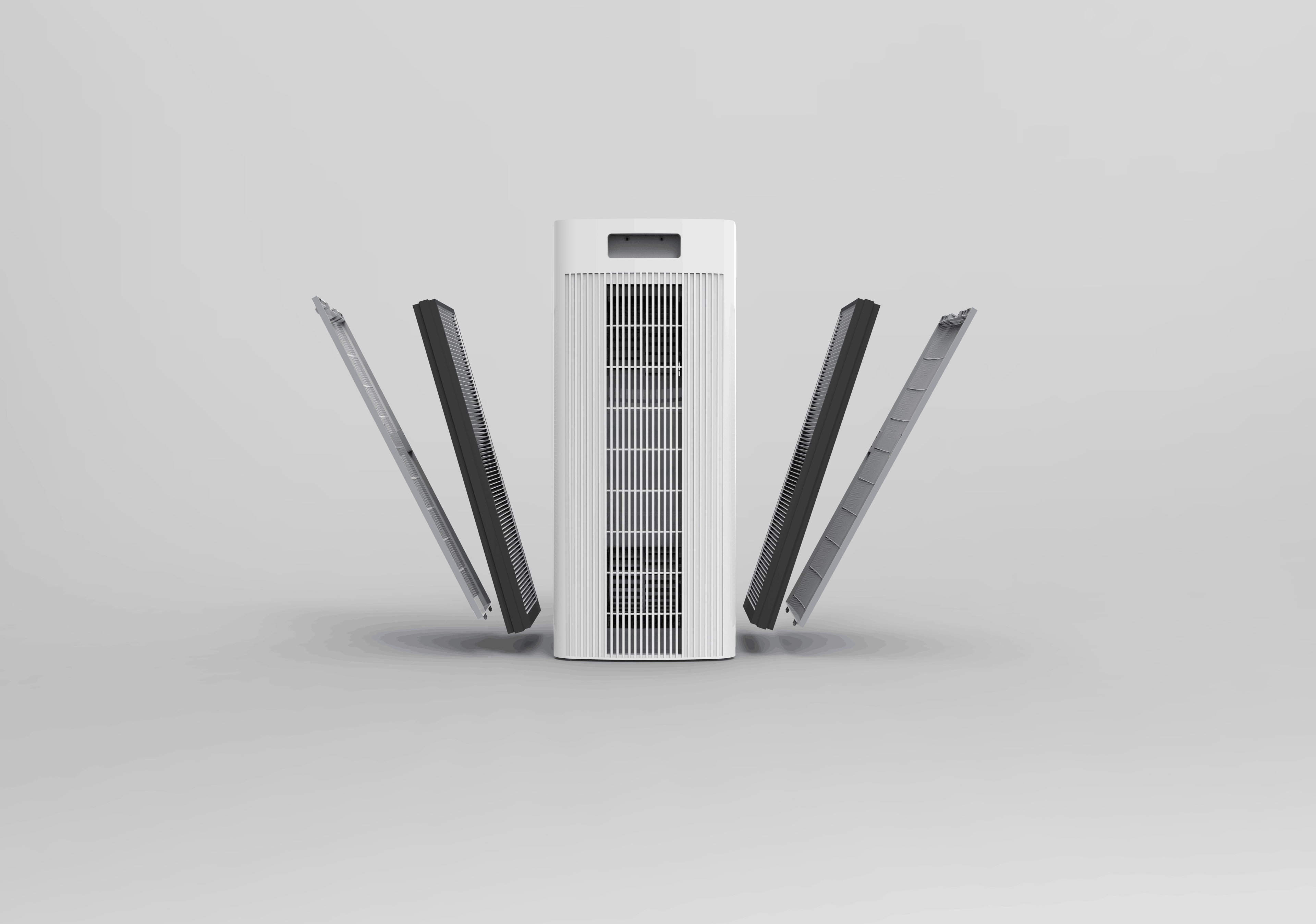
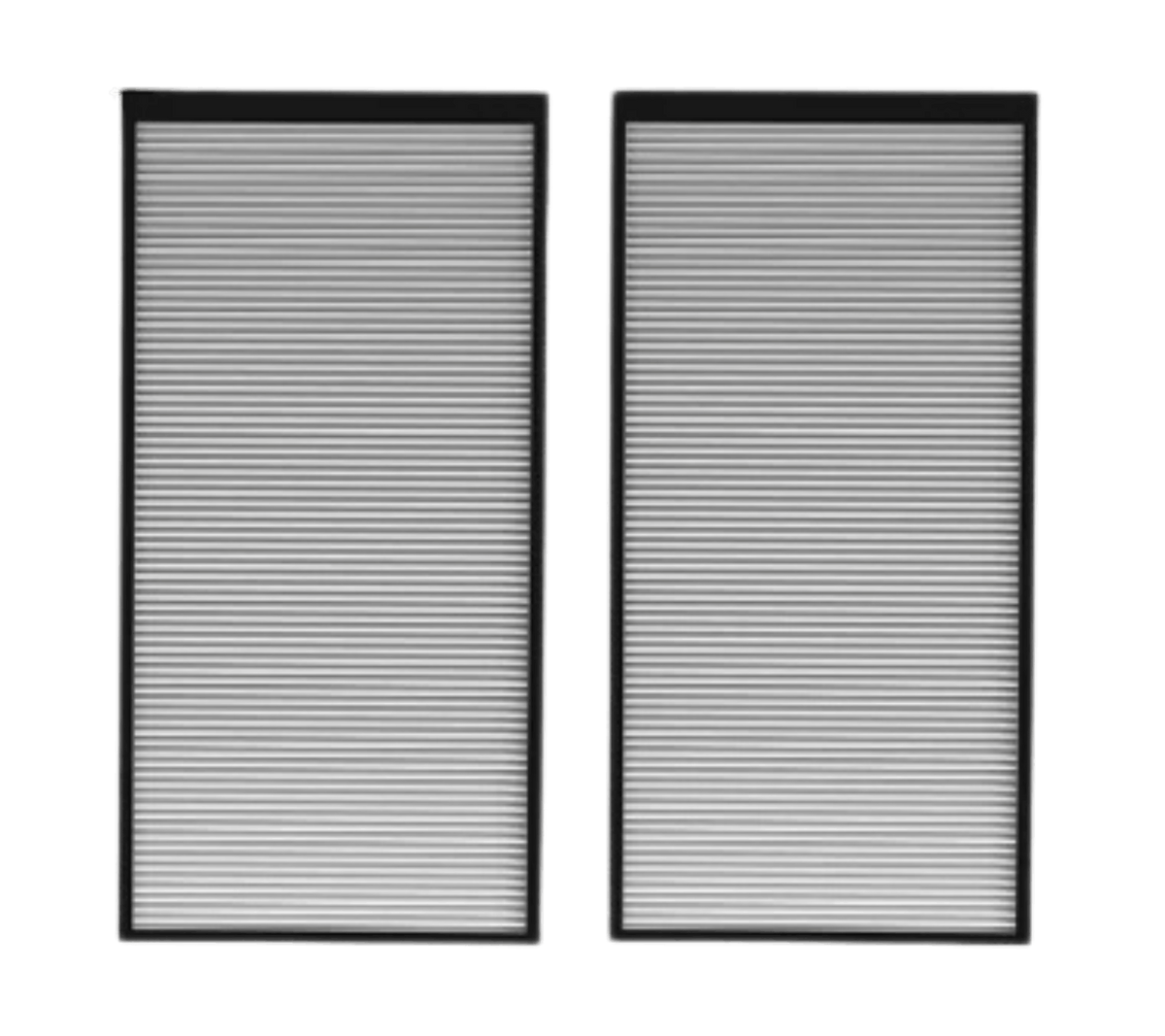
For the most part it does not matter if the unit uses a HEPA filter, an activated carbon filter, or a combination of both in regards to energy consumption. Keeping to a regular filter replacement schedule is more important as it allows the air purifier to operate at peak efficiency. A clogged air filter means less air being filtered and potentially higher energy usage as the fan motor has to work harder.
Cost of Running Air Purifiers in Different Room Sizes
Coverage area matters when talking about air purifier electricity consumption. The square footage of the room is important, but so is the ceiling height so total room size air volume can be calculated. Proper sizing of the air purifier to the room is part of ensuring efficient operation. Naturally the larger the room size, the bigger the air purifier needed to clean it. In some cases the fan speed can be set higher to allow for more air to be cleaned, but there is a point where the unit cannot move air any faster. Using a large room air purifier in a small space will work fine, but using a small room air purifier in a large space won’t deliver satisfactory results. Trying to clean air in a room by running a too-small air purifier at its limits may actually use more electricity than a large capacity air purifier at a lower setting.
Effectiveness of HEPA Filters and Energy Use
In order to clean the air effectively of nasty particle pollution, you really need a HEPA filter or equivalent equipped air purifier. An activated carbon filter is great for removing airborne pollutants like chemicals and odors, but it is not designed to capture particles. A HEPA filter is able to capture tiny things like bacteria down to a diameter size of 0.3 micron. But this filtration efficiency comes at the price of airflow. Typically the finer size an air purifier filter can capture, the harder it is to move air through that filter.
In the case of a HVAC system using a HEPA filter can increase energy consumption and thus energy cost. HVAC systems are designed to flow a certain amount of air in order to effectively heat or cool an area. If the air filter does not allow air to move through it at a sufficient speed it can lead to inconsistent heating/cooling and extended system run times.
In order to use a HEPA filter efficiently the entire system must be tailored to the application. For example systems that use advanced HEPA filters are designed with higher power output fans that can handle the increased strain. To protect the main filter often prefilters are used to capture large contaminants so the HEPA filter can focus on the small stuff. By designing an air purifier to use a certain HEPA level filter, the end result can be quite efficient
Factors Influencing Energy Consumption
There are a few factors that influence an air purifier unit’s energy consumption:
Power Rating
Any high-quality air purifier should have the operating wattage clearly labeled. This is how much power the unit consumes while operating. The higher the wattage, the more power it uses and resulting higher energy ratings.
Fan Speed
Running the air purifier fan at a lower speed uses less power, while the highest speed will use the maximum rated power.
Efficiency
Air cleaning efficiency is measured by the clean air delivery rate (CADR) of an air purifier. CADR is measured by cubic feet per minute (CFM) of air cleaned with the unit set on its highest fan speed. The higher the CADR, the more pollutants the air purifier can remove from the air in a given time.
Time In Use
The longer the duration of operation, the more power the unit will use over time. Most portable air purifiers are designed to be efficient during continuous operation for the best possible indoor air quality.
Room Size
Properly sizing an air purifier to the needed coverage area affects energy usage. Take a few minutes to find the room’s square footage, then ideally measure the height to get the total cubic footage. Make sure the CADR of the air purifier is high enough to clean all of the air in the room at least 4 times per hour. If an air purifier’s CADR isn’t high enough, even running it at top speed won’t clean all of the air as efficiently as a larger capacity unit at a lower fan speed.
Choosing Energy-Efficient Models
When shopping for air purifiers, picking energy-efficient models means doing your homework. United States federal law requires products that plug in carry information about their energy usage. Many air purifier manufacturers will go a step further and provide the energy consumption for each fan speed level. This level of information can help identify potential energy savings between air purifier models, but make sure the comparison is based on CADR. An air purifier that uses less power may have a lower CADR, which means it will not clean as much as. Ideally an air purifier will strike a balance between CADR and energy usage.
In some cases smart technology is helping increase air purifier energy efficiency. Real-time air quality data about the current indoor pollutant particulate level relayed from a smart sensor can allow an air purifier to react on its own. An air purifier with smart settings like automatic mode is able to detect increased pollution levels via smart sensors and adjust fan speed in response.
Comparing Energy Use with Other Appliances
If you are wondering how energy usage from other household appliances stack up against your average air purifier, here’s a few examples (in average wattage per hour):
- LED light bulb - 10 watts
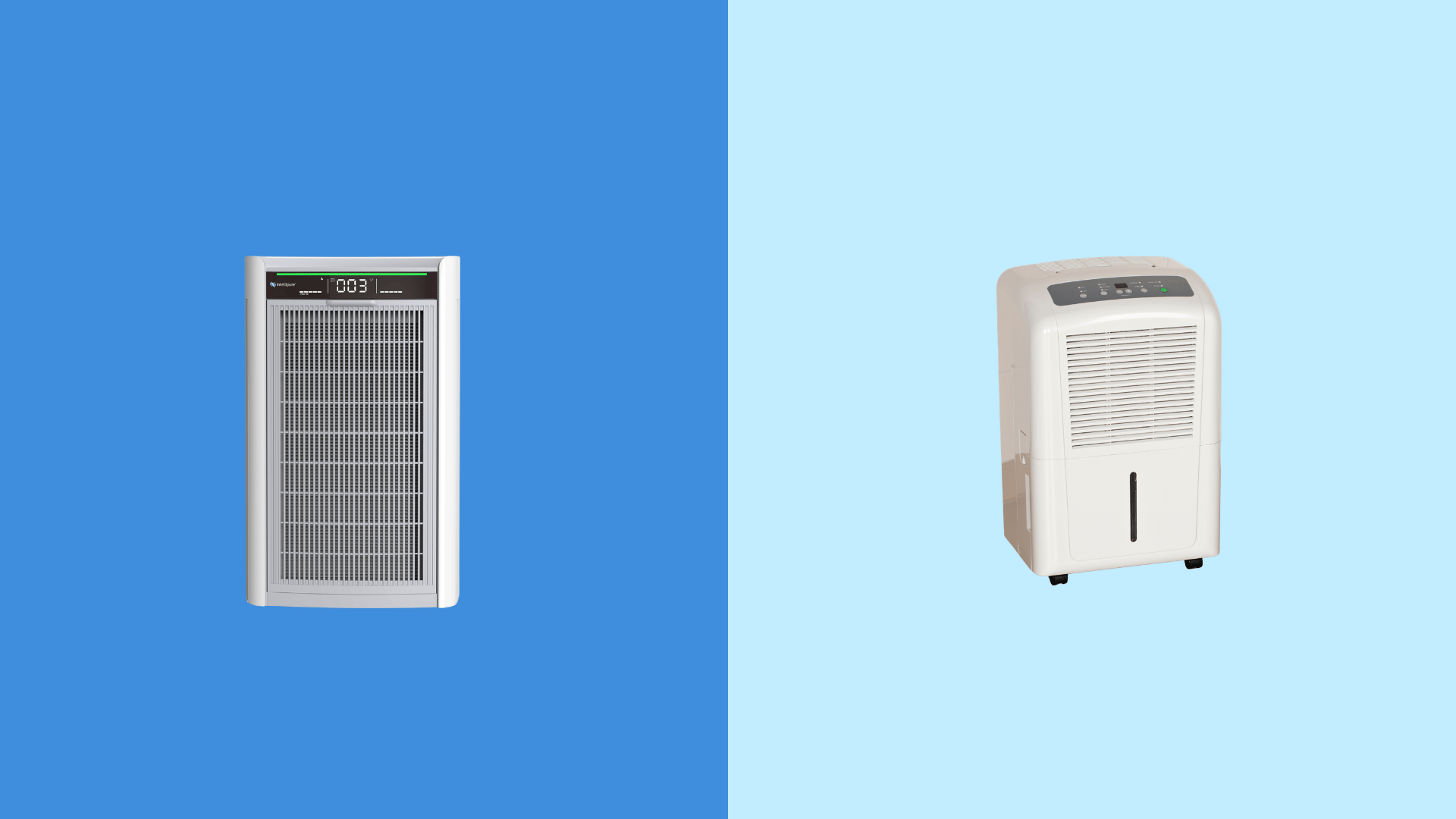
- Air purifier - 50 watts
- Laptop computers - 100 watts
- LED television - 100 watts
- Ceiling fan - 120 watts
- Desktop computer - 200 watts
- Dehumidifier - 250 watts
- Vacuum cleaner - 800 watts
- Toaster - 850 watts
- Microwave - 1,000 watts
- Clothes iron 1,000 watts
- Refrigerator - 1,200 watts
Larger appliances like refrigerators, washing machines and HVAC systems typically include documents showing they are ENERGY STAR certified through the U.S. Department of Energy program. An ENERGY STAR label includes estimated annual energy use cost for an appliance. Some portable air purifiers do not include this handy information, so you will need to do the math yourself.
Calculating Electricity Costs
To calculate energy costs simply multiply the air purifier wattage (see its product specifications) by the number of hours in use per day, then the resulting number by 365 to get the yearly total. Divide by 1,000 to get the yearly kilowatt hours (kWhs) electricity consumption. From there you will need your local energy company rate per kWh (listed on your utility bill). Multiply the air purifier total kWhs by the energy rate for your estimated total energy cost per year.
Tips for Reducing Energy Consumption
If you want to keep an eye on your air purifier energy usage there are a few things you can do to be mindful of your utility bill.
- Your air purifier needs to be running as efficiently as possible. Pay strict attention to filter maintenance. Even HEPA air purifiers turn into just noise machines if the filters are clogged. Don’t forget the pre-filter cleaning if so equipped.
- Make sure your air purifier placement is away from any obstructions that may hinder indoor air circulation.
- When air purifier shopping, look for an energy-efficient model with ENERGY STAR certification.
- Use eco-mode settings when possible but keep any eye on outdoor air quality.
- Use a timer or schedule use around times when you are home the most.
Conclusion
An air purifier is an excellent investment in making your home a healthier place to live. From removing allergens to keeping microplastics at bay an air purifier is a great defense for your lungs. Doing that job in the most efficient way possible can help justify the electric bill a bit easier. And in comparison air purifiers use far less power than other common household appliances.




Why You Should Use Genuine Replacement Air Purifier Filters
Are Fall Fragrances Harming Your Indoor Air?