

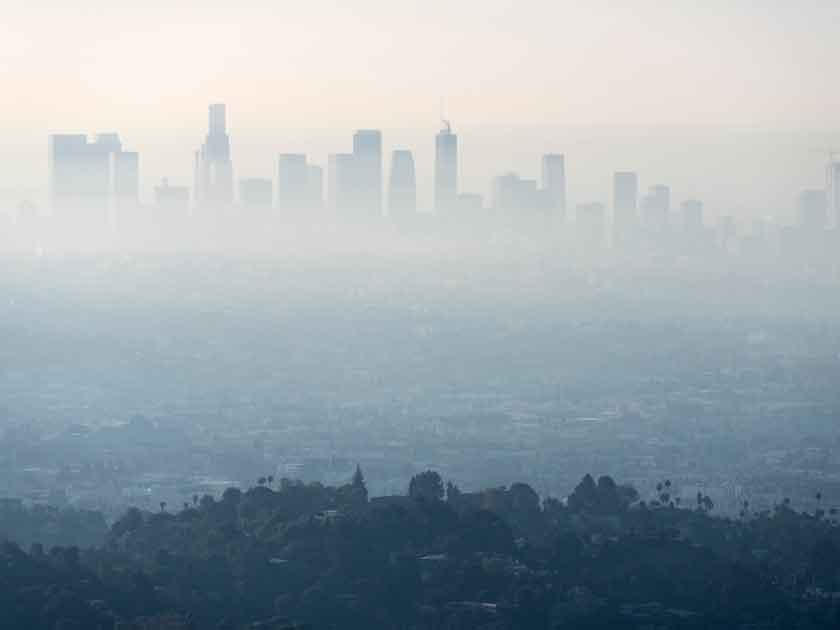
Unfortunately wildfires are once again at the top of the news cycle. In early 2025 devastating fires roared through southern California. Devastation from the Eaton fire, Hurst fire, Palisades fire, Kenneth fire, and Lidea fire covered thousands of acres. These urban wildfires are a unique and growing threat, distinct from their wilderness counterparts. While the image of a wildfire often brings thoughts of faraway forest ablaze, the reality is that fires are increasingly moving into suburban and urban areas. Once a wildfire crosses out of a rural setting it is now called a wildland-urban interface fire. This kind of fire brings a new dimension of danger, mainly due to the composition of the smoke they produce. Urban wildfire smoke is significantly more toxic than smoke from traditional wildfires, posing serious health risks to exposed populations, both in the short and long term.
When Wildfires Meet The City
Traditional wildfires mainly burn natural fuels like trees, underbrush, and dry grasses. The resulting smoke is made up of fine particulate matter, such as soot and ash, along with some noxious gases. While this type of smoke is definitely harmful, urban wildfires introduce a toxic cocktail of man-made materials into the flames, drastically changing the smoke's composition and toxicity.
More Dangerous Than Just Burning Trees
Urban environments like neighborhoods and cities include a wide variety of man-made materials that become fuel for fires. Things like:
- Plastics: Plastics are everywhere in modern life, found in everything from household goods and building materials to pipes and appliances. Burning plastics release a complex brew of toxic chemicals, including dioxins, furans, and vinyl chloride, known carcinogens and endocrine disruptors.
- Cars: Vehicles contain a variety of hazardous materials, including petroleum products, rubber, plastics, and heavy metals. Their combustion releases a complex mixture of hydrocarbons, polycyclic aromatic hydrocarbons (PAHs), and heavy metal particulates.
- Engineered Building Materials: Modern buildings often use treated wood, engineered wood products, composite materials, and insulation that release toxic fumes when burned. These materials can include formaldehyde, isocyanates, and other volatile organic compounds (VOCs).
- Commercial Buildings: Commercial structures often house businesses with unique inventories, from chemical storage facilities, heavy industries, even manufacturing plants. Fires involving these buildings can release a vast number of toxic substances (depending on the materials stored or used).
When these materials burn it dramatically increases the amount of harmful pollutants in the smoke. Nasty thing like:
- Fine Particulates (PM2.5): These tiny particles can penetrate deep into the lungs, causing respiratory problems, cardiovascular issues, and even premature death. Urban wildfire smoke contains a higher concentration of PM2.5 due to the combustion of man-made materials.
- Volatile Organic Compounds (VOCs): These chemicals evaporate easily at room temperature and can cause a range of health problems, from eye and respiratory irritation to cancer. Urban wildfires release a complex mixture of VOCs from burning plastics, solvents, and other industrial chemicals.
- Toxic Metals: Burning electronics, batteries, and other metal-containing items releases toxic metals such as lead, mercury, and cadmium into the air. These metals can have serious neurological and developmental effects, particularly in children.
- Hydrocarbons and Polycyclic Aromatic Hydrocarbons (PAHs): These compounds are produced by the incomplete burning of fossil fuels and other organic materials. PAHs are potent carcinogens and have been linked to respiratory illnesses and cardiovascular problems.
- Ozone: While ozone is naturally occurring in the stratosphere, it is a harmful pollutant at ground level. Urban wildfire smoke contributes to ground-level ozone formation, making respiratory issues worse.
The health effects of exposure to urban wildfire smoke can be both immediate and long-term. Short-term effects include:
- Respiratory problems: Coughing, wheezing, shortness of breath, and worsening of existing respiratory conditions such as asthma and COPD.
- Eye and throat irritation: Burning and watering eyes, sore throat, and nasal congestion.
- Cardiovascular problems: Increased risk of heart attacks and strokes.
Long-term health consequences can be even more serious:
- Cancer: Exposure to carcinogens like dioxins, PAHs, and heavy metals increases the risk of developing various types of cancer.
- Respiratory diseases: Chronic exposure to particulate matter and VOCs can lead to chronic bronchitis, emphysema, and other respiratory illnesses.
- Neurological problems: Heavy metals and certain VOCs can have detrimental effects on the nervous system, particularly in developing children.
- Cardiovascular diseases: Long-term exposure to air pollution increases the risk of heart disease, stroke, and other cardiovascular problems.
Even after the fire is extinguished, the danger may not go away. Burned materials can continue to release harmful VOCs for weeks or even months, contaminating surrounding areas and posing ongoing health risks. These gases leave a residue that sticks to walls and other exposed surfaces. Warmer temperatures can make things worse, as higher temperatures increase VOC release. Ash from urban wildfires also contains a complex mixture of toxic substances, posing a threat through inhalation, ingestion, and skin contact.
Protecting Your Indoor Air And Yourself
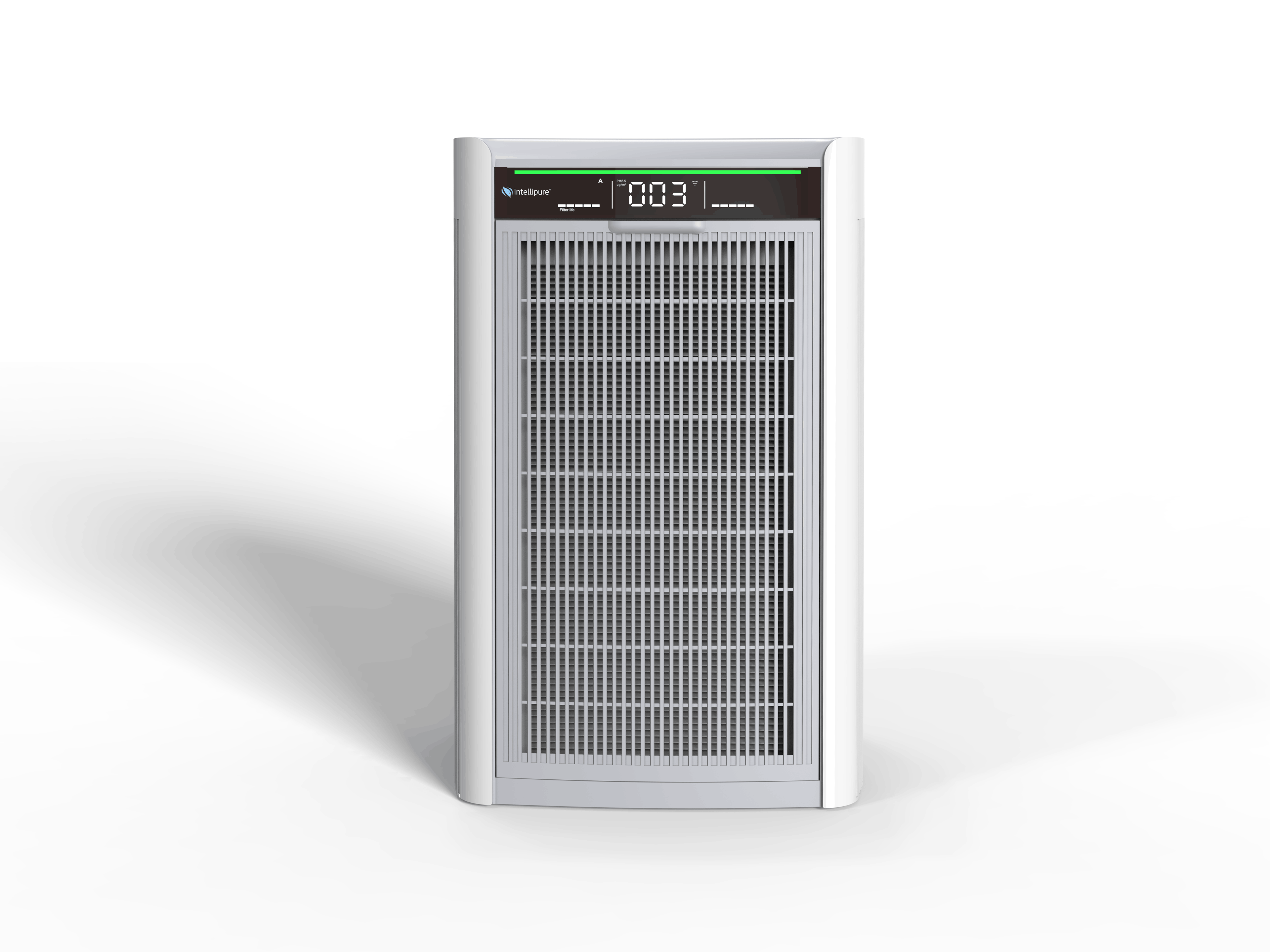
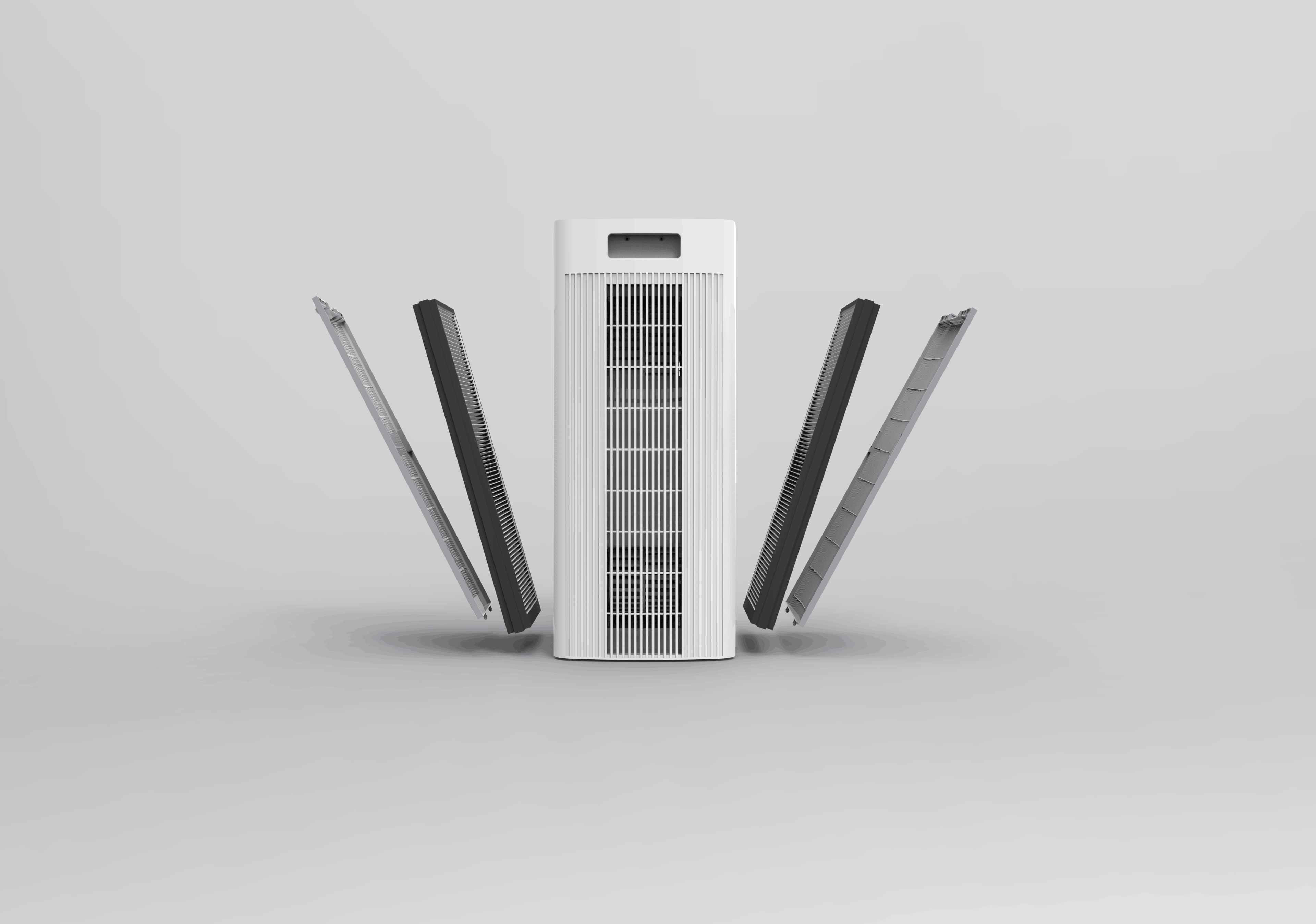
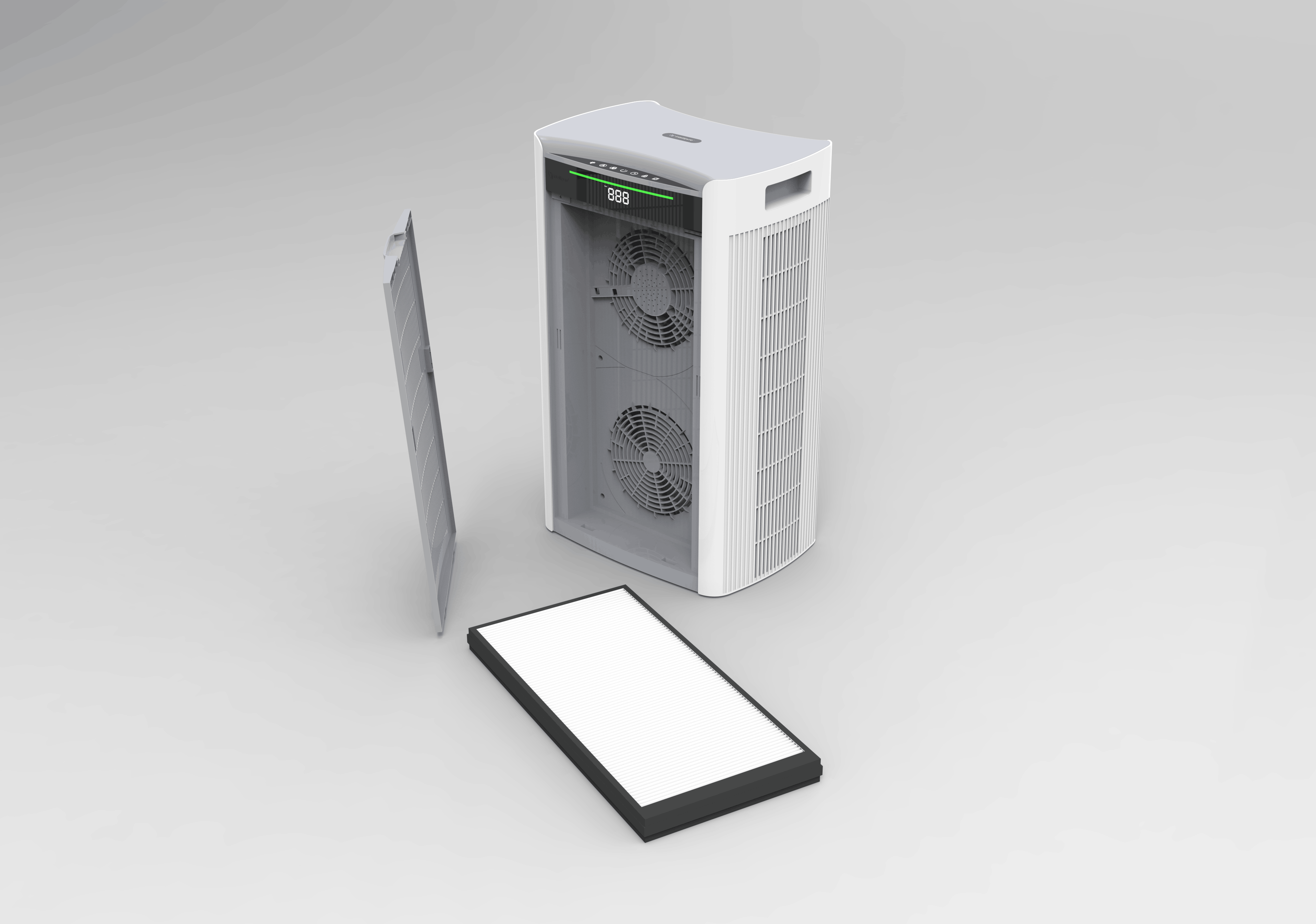
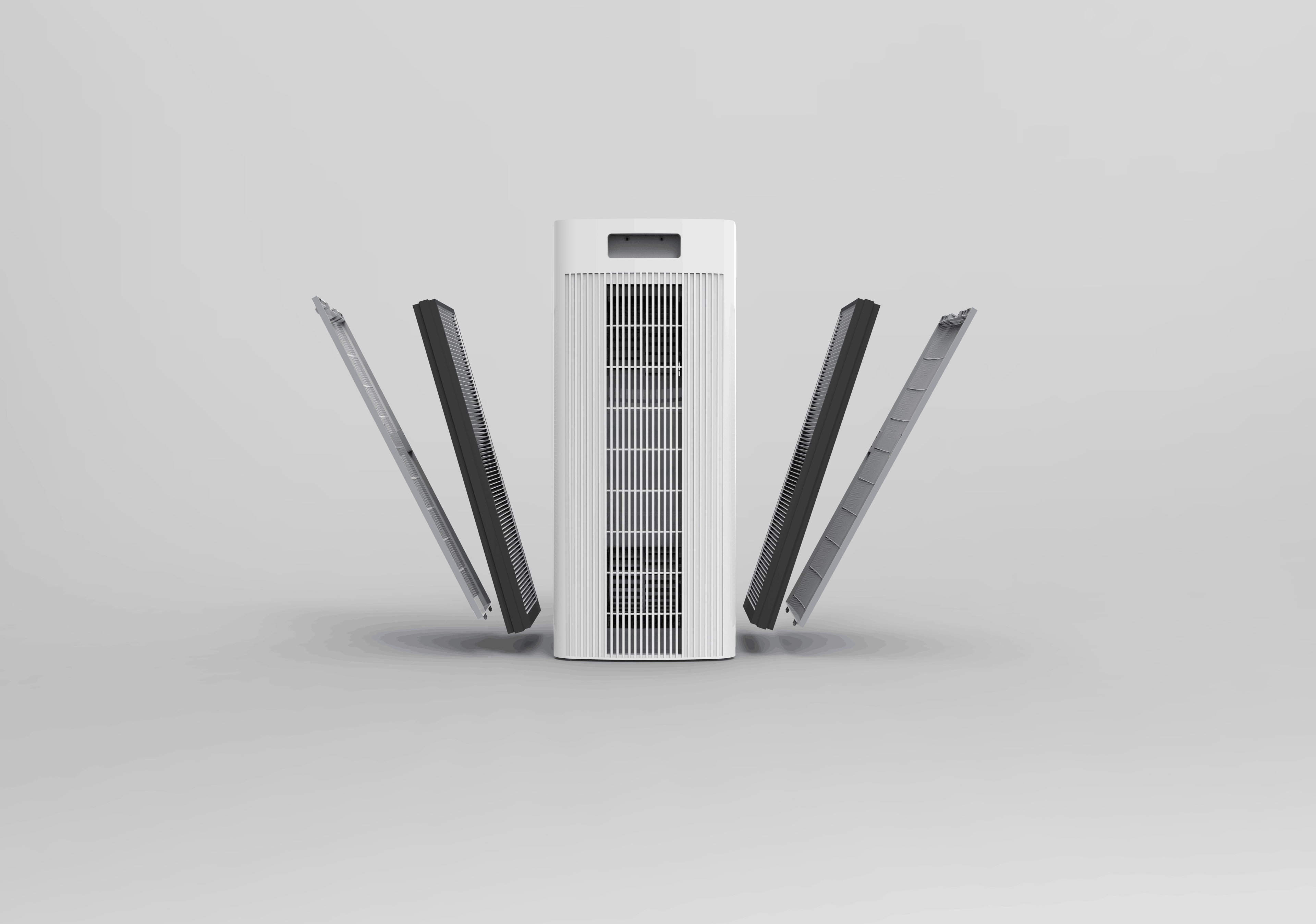
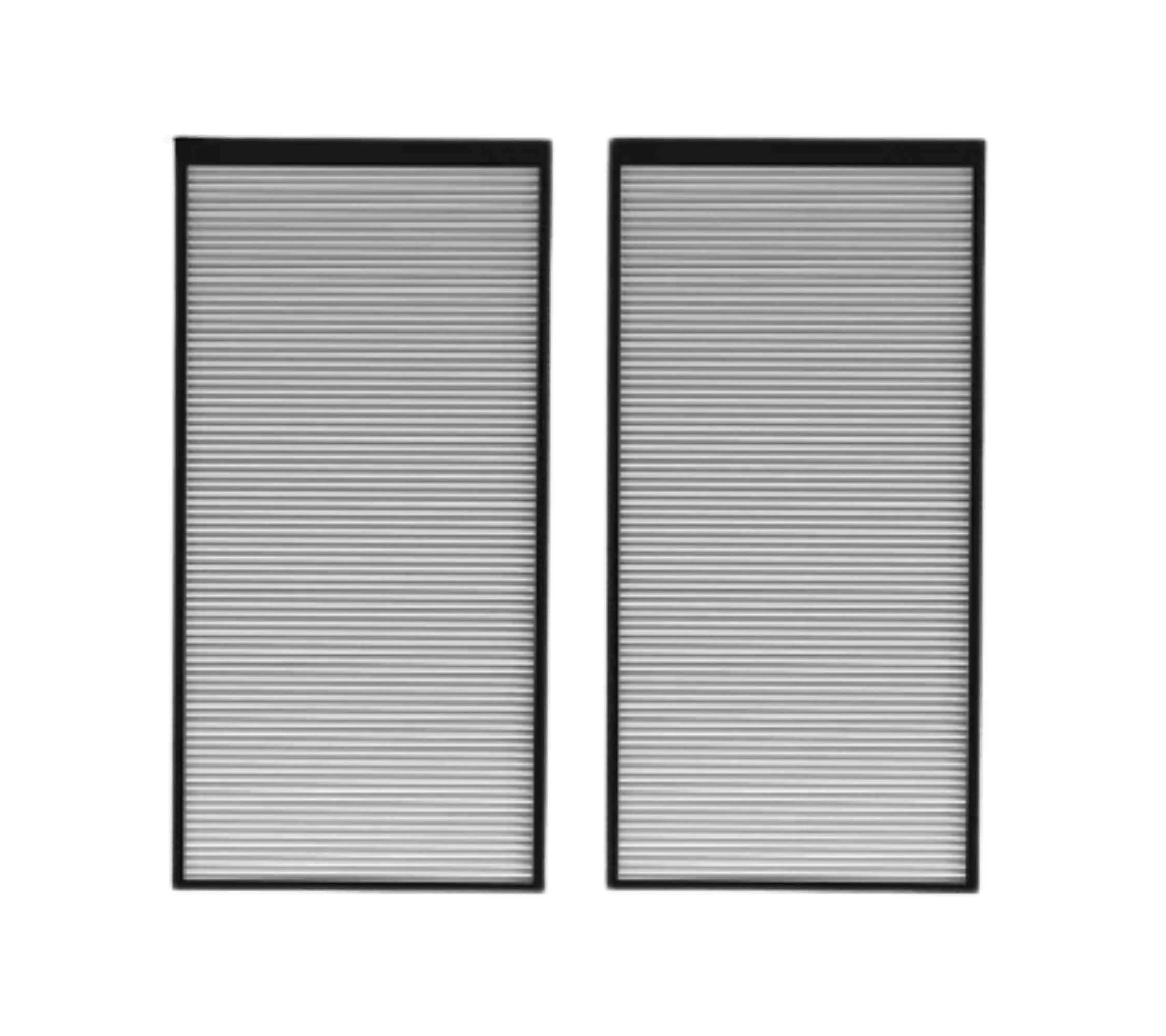
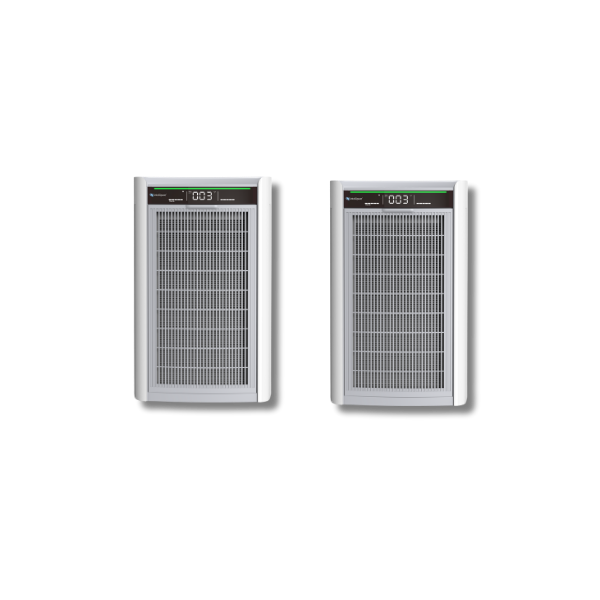
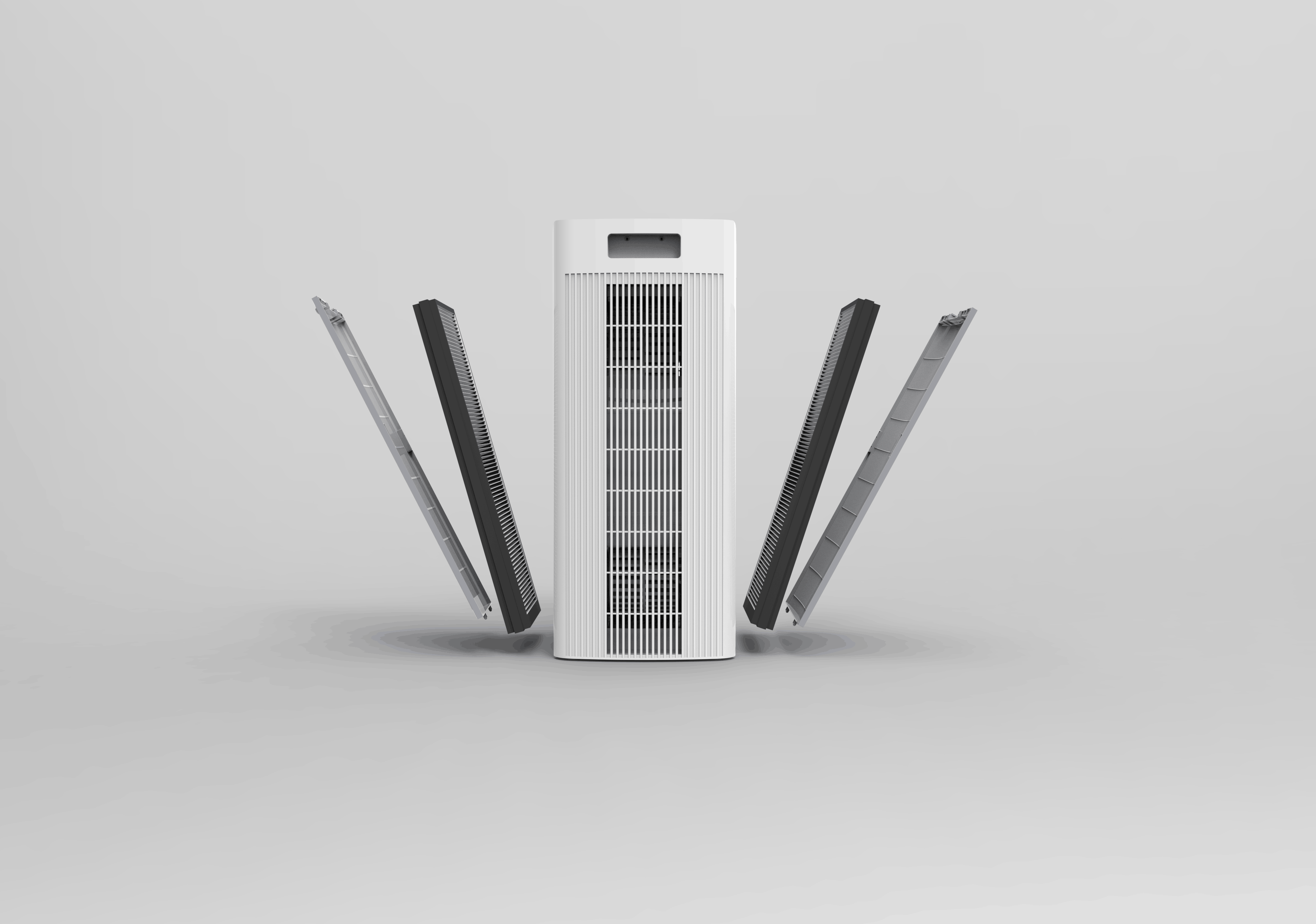
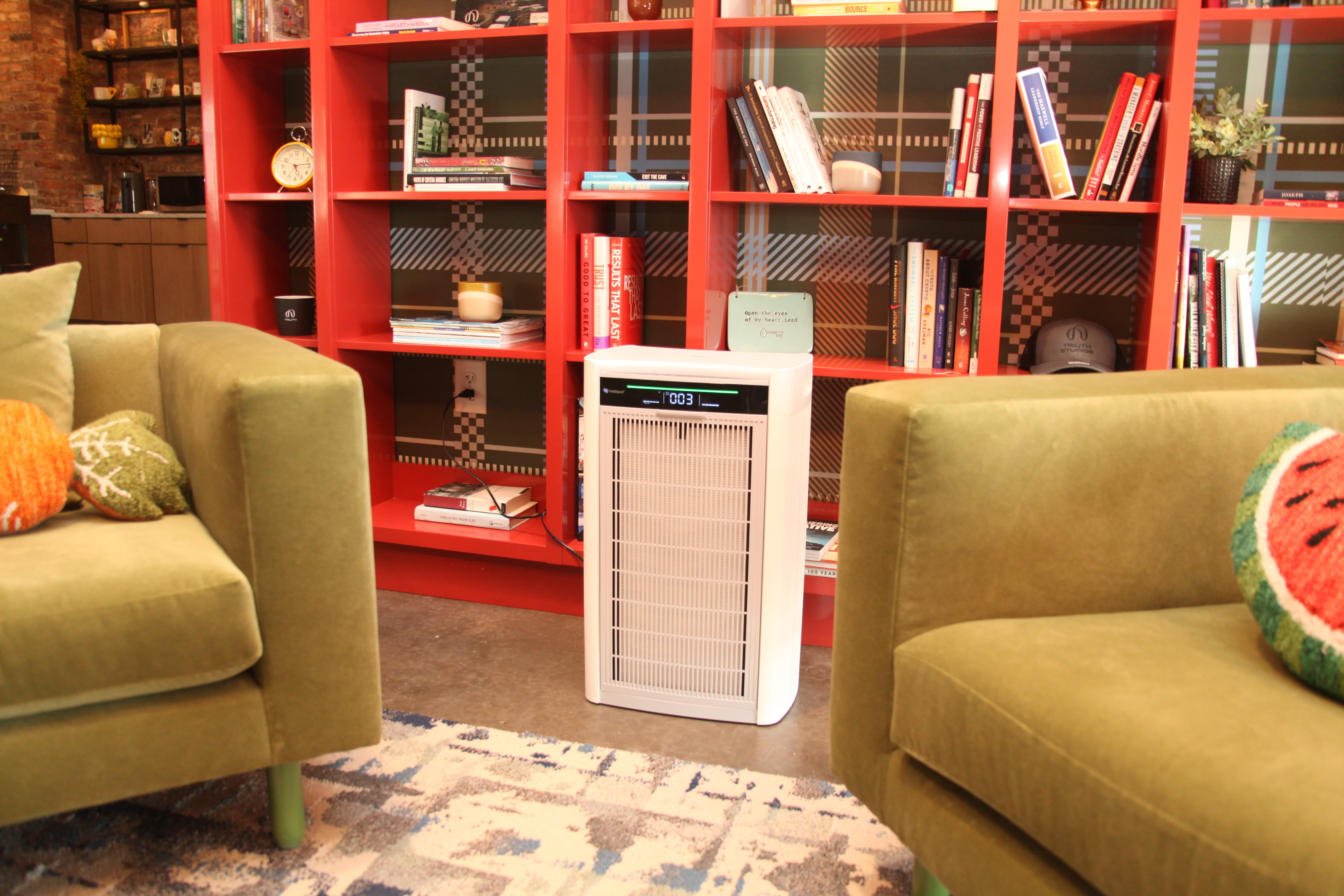
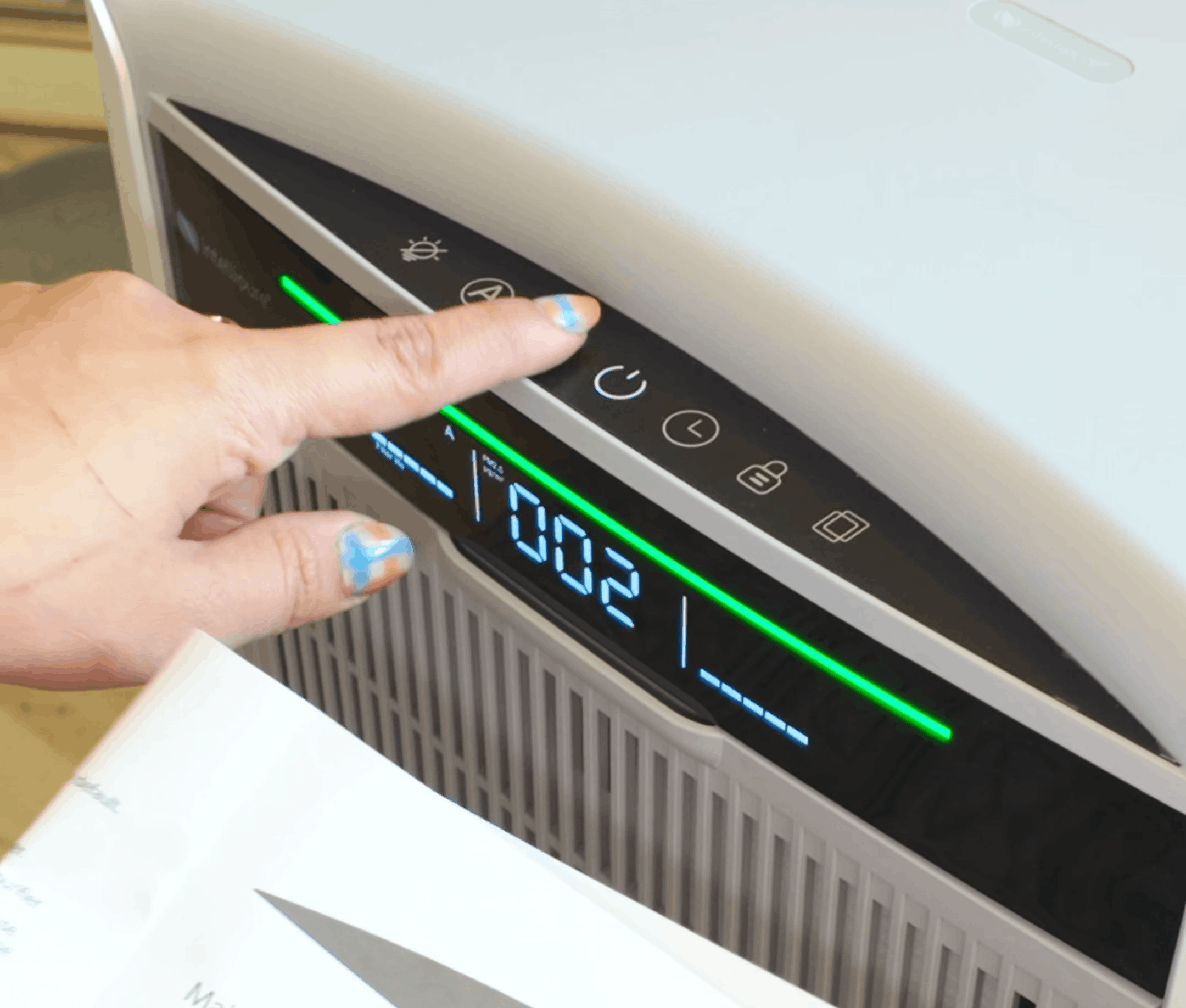
Even if you aren’t directly affected by an urban fire, the smoke can have an impact even hundreds of miles away. Outside air is constantly making its way inside, which affects your indoor air quality. Don’t be fooled into thinking your HVAC filter will remove all of the nasty airborne pollutants from the fire. Most HVAC filters are not designed to capture the ultra small particles and gases. The proper solution is a dedicated air purifier that meets or exceeds the HEPA standard. You can’t control the air quality outside your home or office, but you can do something about the air inside. The EPA recommends using a portable air cleaner to help remove harmful particles from the air. The best plan is to already have an air purifier in place if you live in an area prone to fires. Don’t forget to also change the filters to keep the air purifier working at its best.
Learning how to protect yourself and your loved ones from the effects of wildfire/urban fire smoke is becoming increasingly important. Pay attention to local emergency notifications and check AirNow.gov often to see if there are any fires that might impact your health.








Air Purifier for Dorm Room: Breathe The Best Air On Campus
Do You Live In One Of The Most Polluted Counties?