

Wildfire and Smoke in Homes
Your home is a sanctuary; a place where you can escape the hustle and bustle of the outside world, unwind, and recharge. However, lurking within the cozy confines of your living space may be an invisible threat to your health and well-being: smoke. Whether it's from tobacco, cooking, candles, or nearby wildfires, smoke can significantly impact indoor air quality, compromising the very air you breathe.
Have you been impacted by smoke in your home? Keep reading to learn more about the types of smoke in your indoor air, the impact it has on your health, and how an air purifier can help you fill your home with safer, cleaner air.
Types Of Smoke That Can Impact Your Indoor Air Quality
Smoke From Tobacco, Vaping, And E-Cigarettes
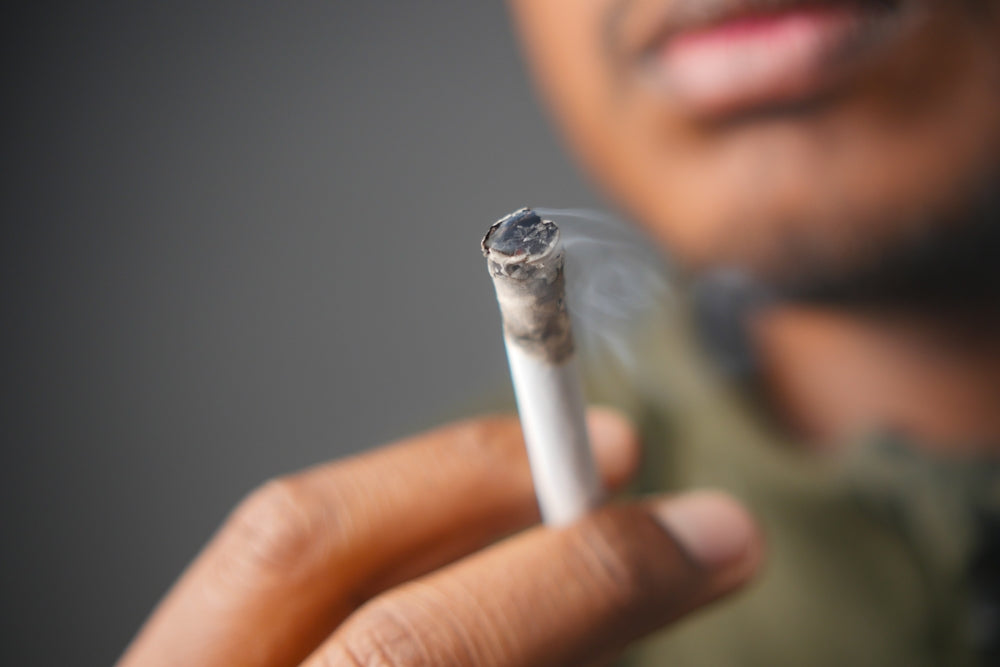
Smoking cigarettes, cigars, or pipes indoors releases tobacco smoke, which contains harmful chemicals like nicotine, tar, carbon monoxide, and other carcinogens. Secondhand smoke from tobacco is a significant indoor air pollutant and can adversely affect the health of non-smokers exposed to it.
Additionally, while vaping produces aerosols rather than traditional smoke, these aerosols can contain similar harmful chemicals like nicotine, formaldehyde, and acrolein, which all negatively impact the air you breathe and your health.
Smoke From Incense And Candles
Despite the fragrant smell and increased feeling of comfort that incense and candles can provide, burning them in your home can release smoke and soot particles into the indoor air.
Burning candles and incense can release tiny particles, known as particulate matter, into the air. These particles can be inhaled and may lead to respiratory issues, particularly in individuals with asthma or other respiratory conditions. Some scented candles, especially those made from paraffin wax, and some types of incense can emit VOCs when burned, which can contribute to air pollution in your home.
Smoke From Wildfires
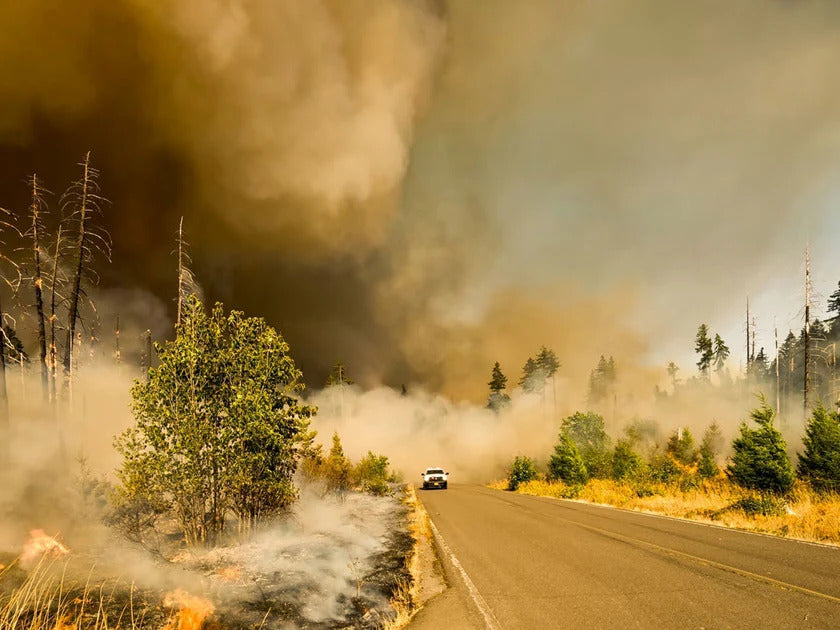
Wildfires have had an impact on our planet for millions of years, but in the last decade alone, millions of acres across the U.S. have been destroyed, resulting in the destruction of homes, and causing many deaths. A shocking 9 out of 10 wildfires nationwide are caused by humans and could have been prevented. According to the EPA, wildfire smoke is composed of a mixture of gaseous pollutants (e.g., carbon monoxide), hazardous air pollutants, water vapor, and particle pollution.
Benefits Of Wildfires
Fortunately, not all fires or their effects damage the environment. Natural fires can clear out dead vegetation that has littered the ground to make room for new growth. Under specific and controlled environments by experts, these fires can reduce fuel buildup and prevent the loss of unwanted wildfires. However, with the increasing number of wildfires and acres being destroyed each year, the quality of our air and the benefits controlled fires can have are being seriously affected.
How Outside Air Enters Your Home
In situations of smoke inhalation, ventilation is not an option due to unhealthy outside conditions. Inhaling wildfire smoke that enters from the outdoors, especially smoke from wildfires, can cause irritation to the lungs, cause inflammation, alter immune function, and increase vulnerability to respiratory infections, including COVID-19. It's nearly impossible to prevent all outside air from entering your home, as it can seep through walls, ceilings, and electrical outlets.
Smoke From Cooking, Fireplaces, And Accidental Fires
When wood, coal, or other solid fuels are burned in fireplaces or stoves, smoke is generated. The composition of the smoke includes particulate matter, VOCs, carbon monoxide, and other combustion byproducts.
Additionally, accidental fires, such as electrical fires or cooking mishaps, can lead to the production of smoke indoors. In such cases, it is essential to evacuate the building immediately and seek professional assistance.
Indoor Air Quality After Smoke Damage
In addition to natural fires, the quality of air within your home can also be dramatically affected by smoke from cooking, tobacco use, HVAC systems, and wood stoves. The main causes of indoor air pollution occur from the release of gasses or particles. According to the World Health Organization, or WHO, 3.8 million people die a year from household exposure to smoke from dirty cookstoves and fuels.
Being aware of products within the household that could potentially give off pollutants is essential to assessing the air quality in your home. When it comes to fuel sources within the home, proper ventilation is necessary. Signs that can indicate your home may not have enough ventilation include:
- Condensation: Condensation on windows, walls, or other surfaces is a common sign of high humidity levels indoors. Insufficient ventilation can trap moisture, leading to condensation and potential mold growth.
- Stale or stuffy air: If the air in your home feels stagnant, stale, or stuffy, it could be a sign of poor ventilation. Inadequate fresh air exchange can lead to a buildup of indoor air pollutants and odors.
-
Dirty HVAC equipment: Improper ventilation in your home can lead to the circulation of dust and pollutants from your indoor air, which can settle on HVAC components over time.
Other signs include persistent odors, mold, and mildew growth, and new or worsening allergy and asthma symptoms.
How To Improve Your Indoor Air Quality
Whether you change the way you clean your home, upgrade your HVAC system, or bring in a professional service to help restore your home's safety after smoke damage, it is important you make an effort to improve your indoor air quality.
To start, here are three easy ways to improve your indoor air quality:
- Eliminate the source of pollution: Eliminate the source of pollution by closing all of the windows and doors around your home.
- Set up an air purifier in your home: Utilizing an air purifier in your home can help trap and eliminate harmful particles that fill the air you breathe. Since wildfire smoke particles range in size from 0.4µ-0.7µ, getting an air purifier, that is equipped to eliminate smaller particles is crucial.
-
Improve ventilation throughout your home: Proper ventilation is paramount to the health of the occupants. However, if the outside air is contaminated by smoke, the IAQ will be negatively affected if you open windows and vents.
Using Intellipure Air Purifiers For Safer And Cleaner Air
There are many types and sizes of air cleaners on the market, ranging from table-top models to sophisticated whole-house systems. When shopping for an air cleaner, it's important to look at total system efficiency, VOC filtration, and the number of square feet it can appropriately service. Remember: not all air purifiers are created equally and some are more effective than others.
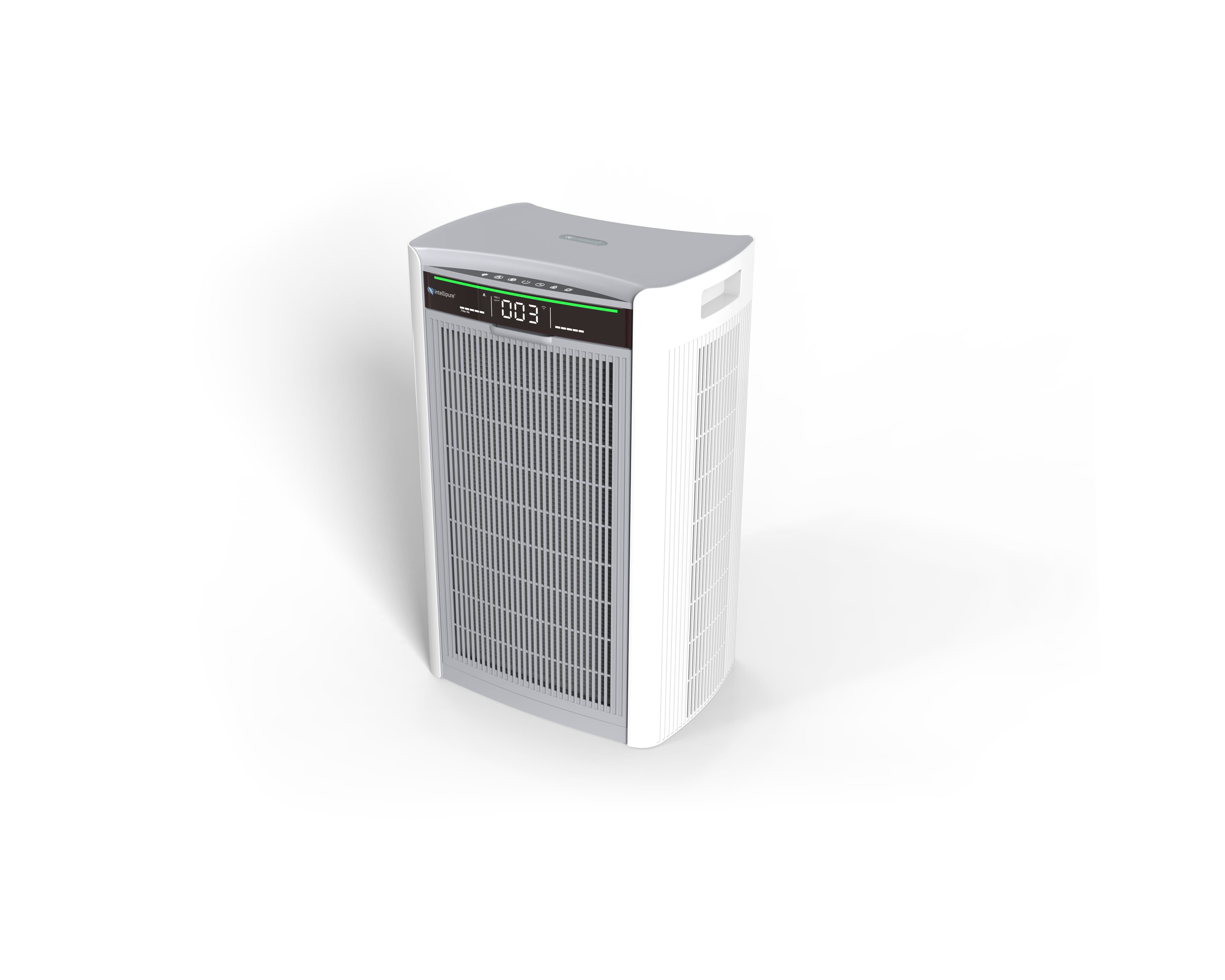
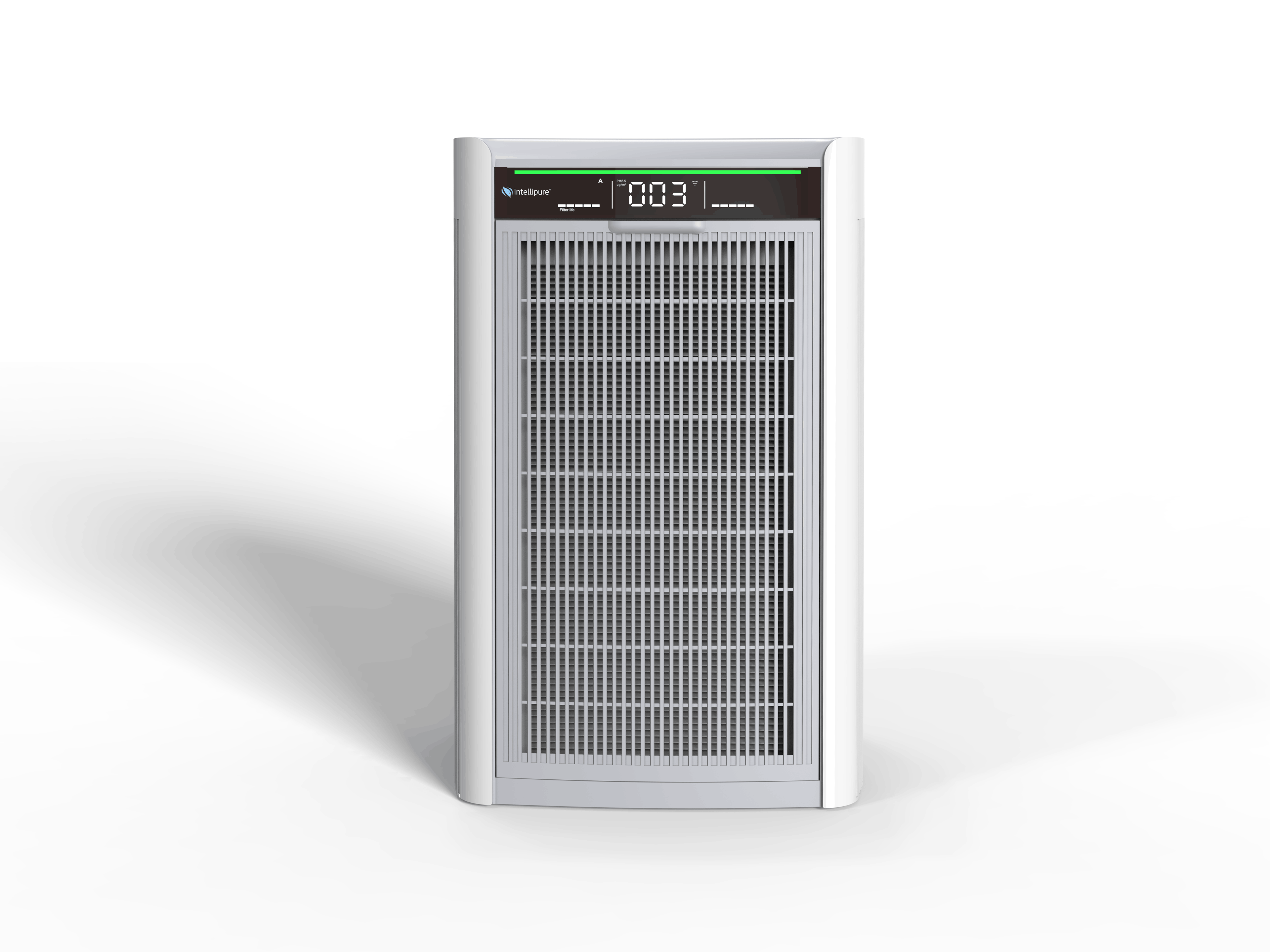
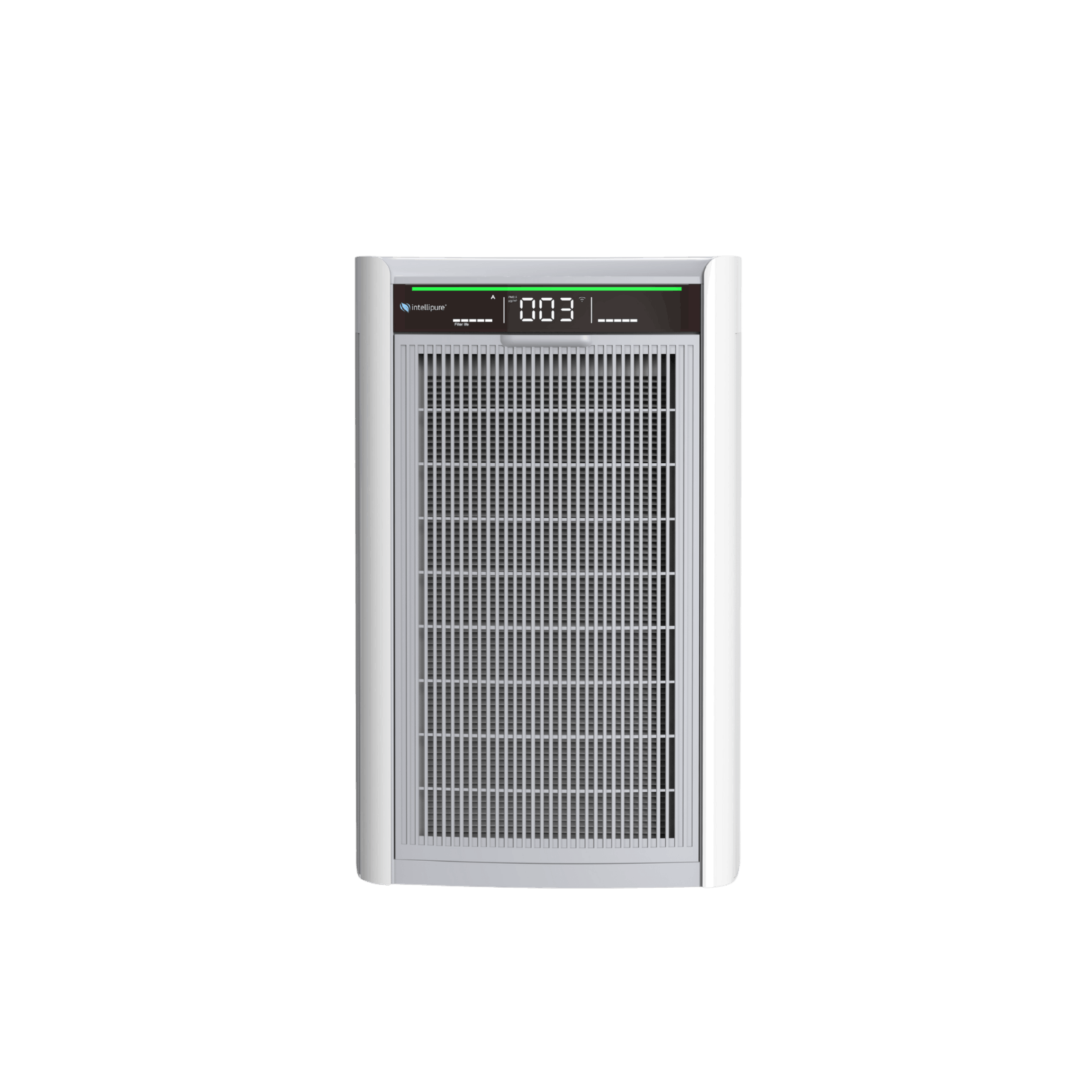
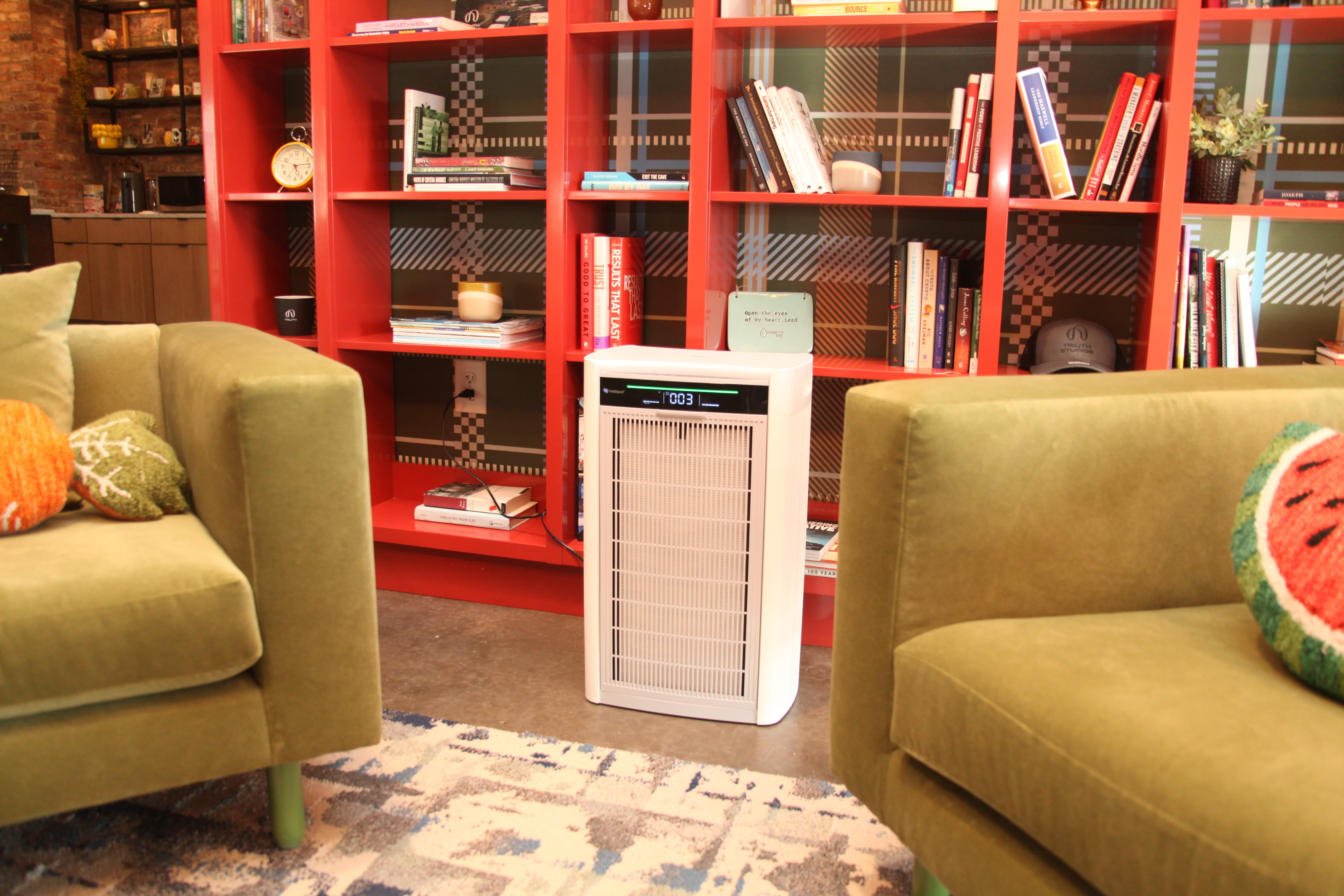
For the safest air, choose Intellipure. We specialize in creating air purifiers that keep you and your loved ones safe from harmful smoke and pollutant particles.
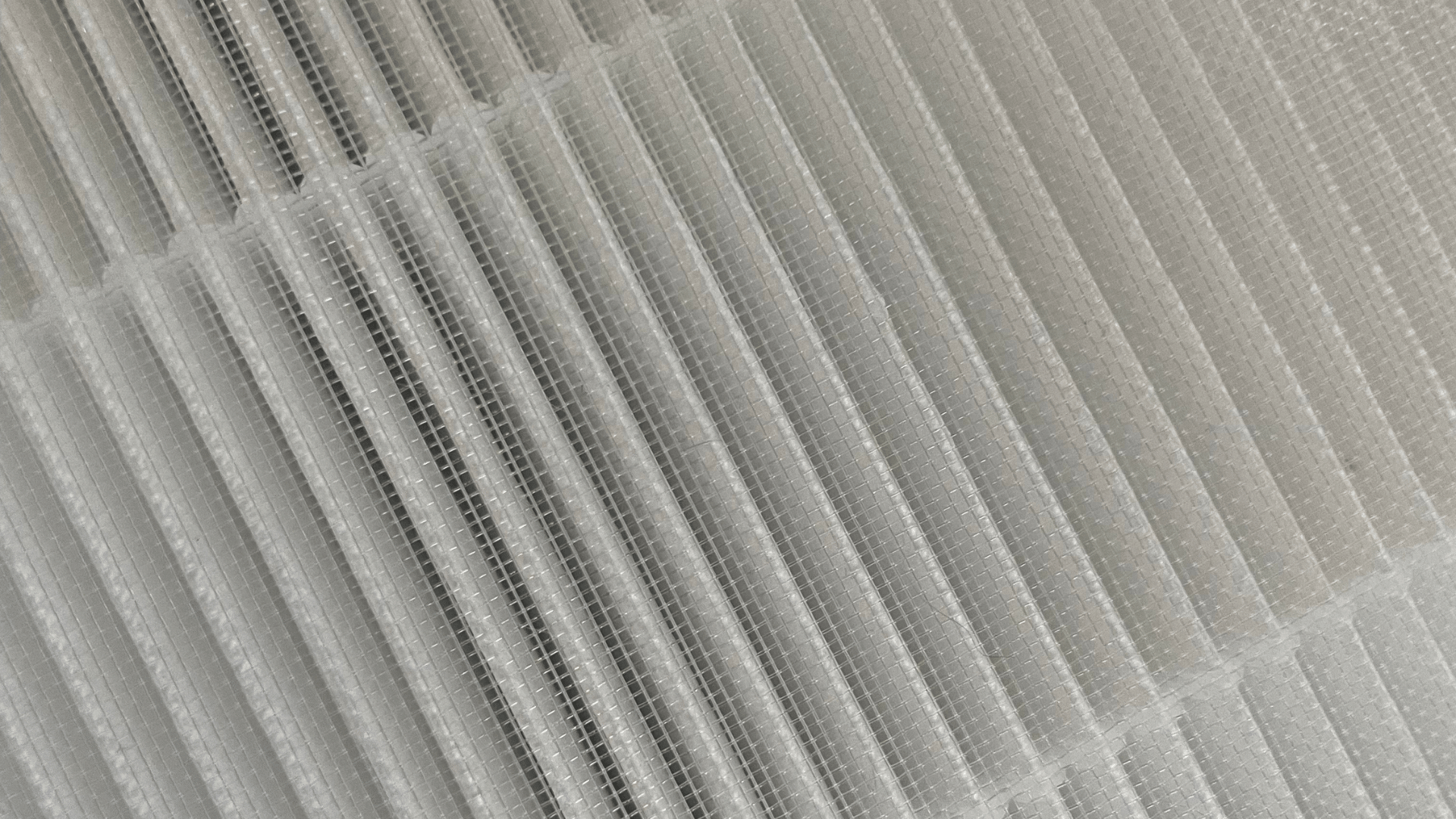
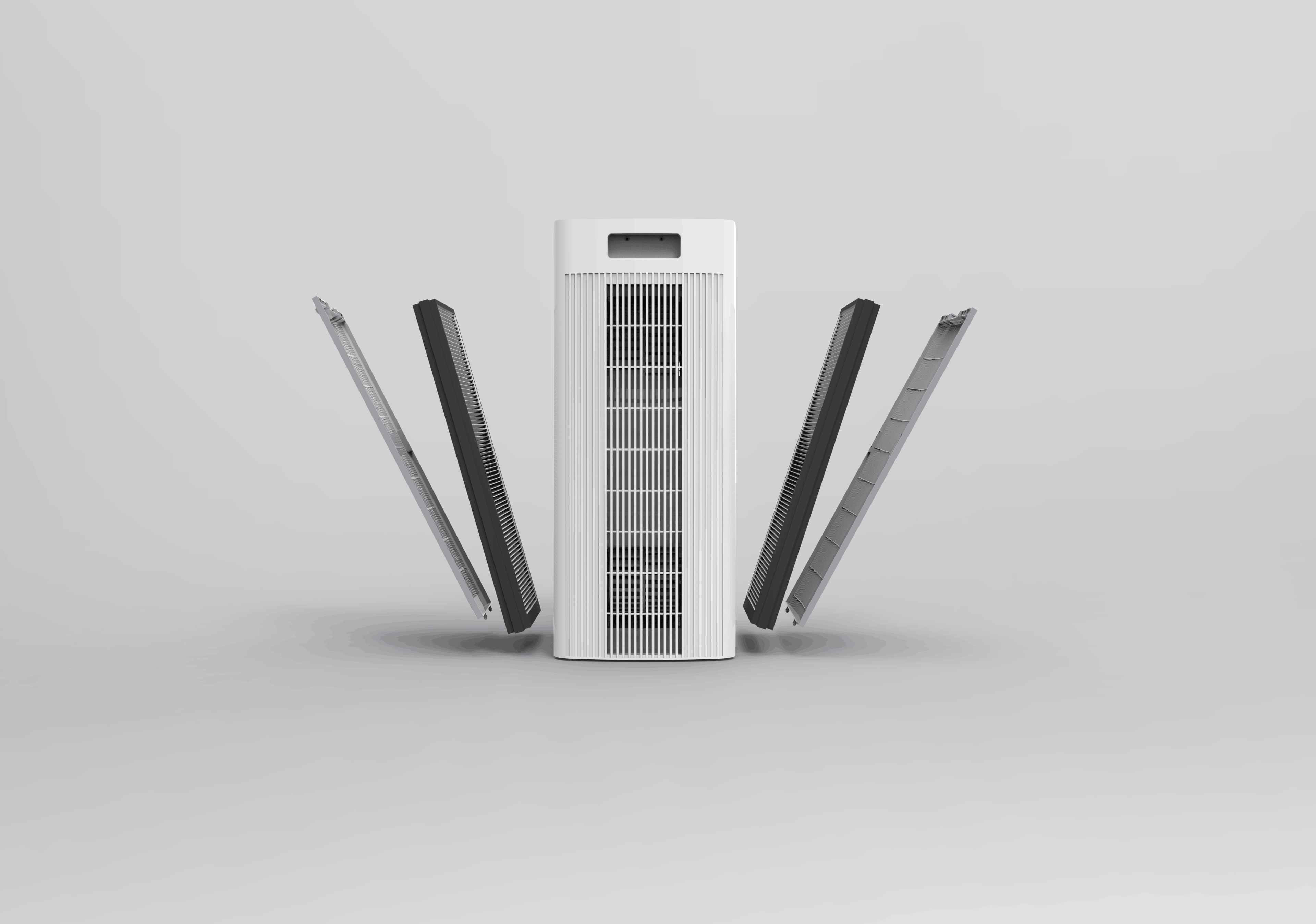
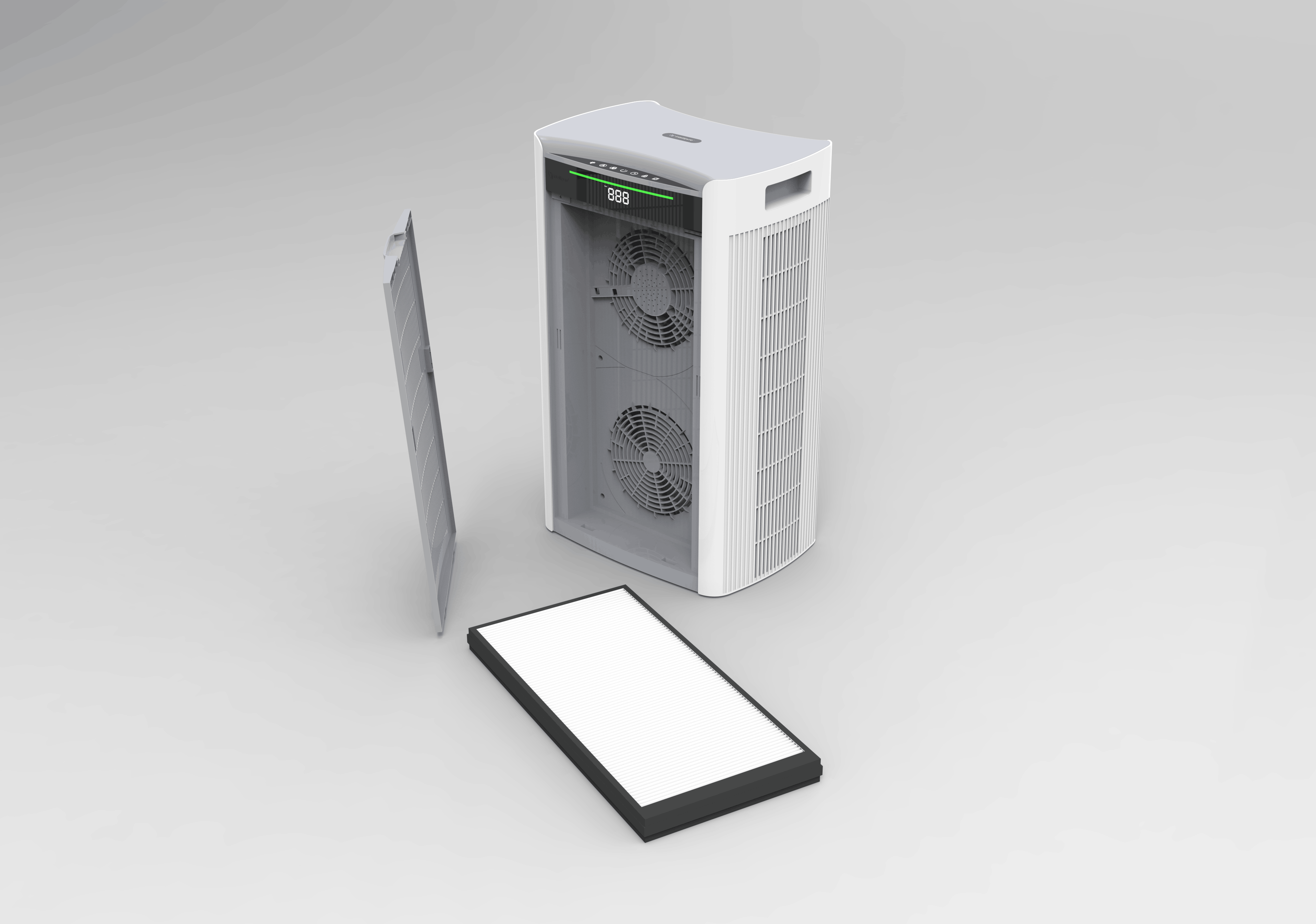
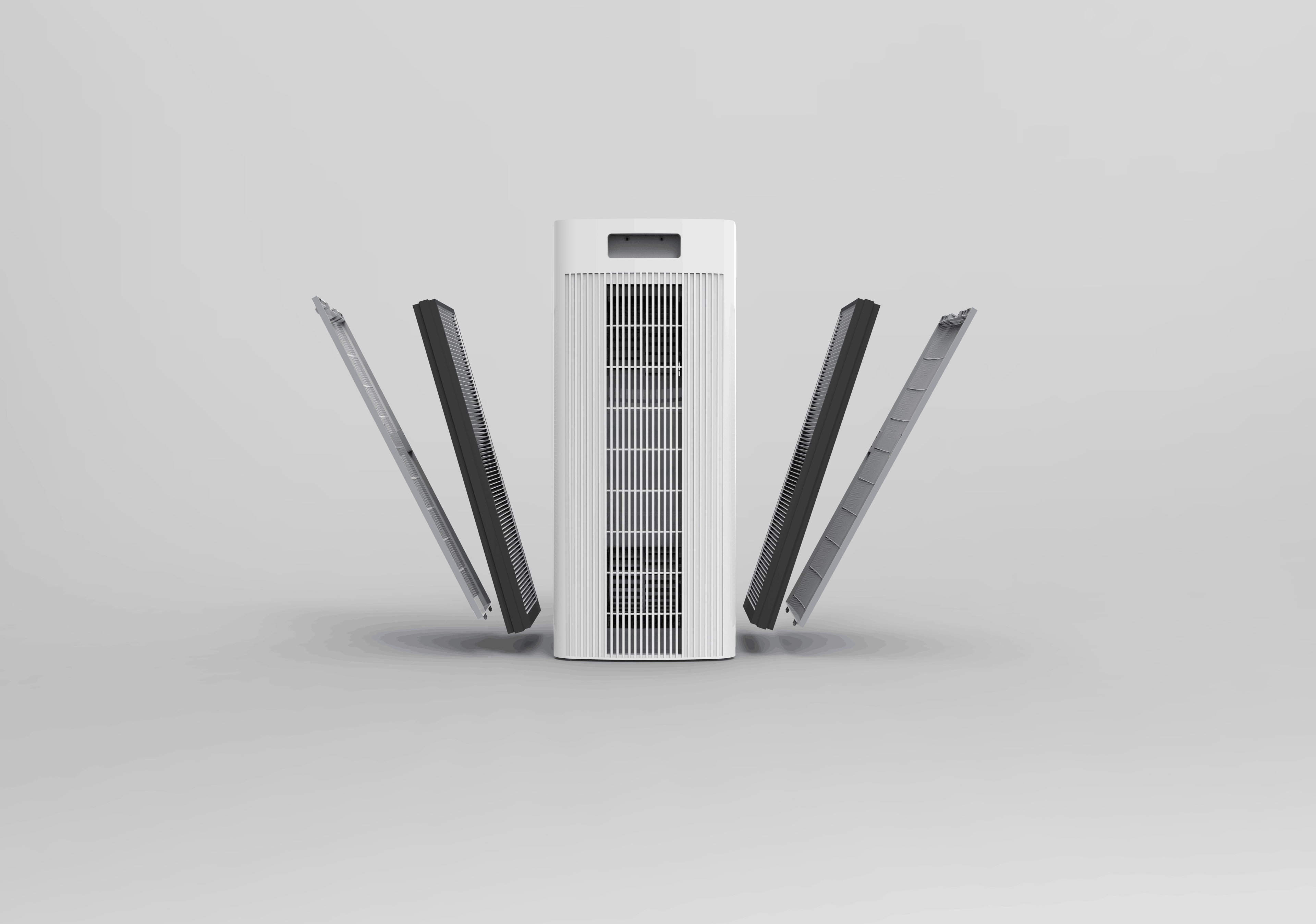
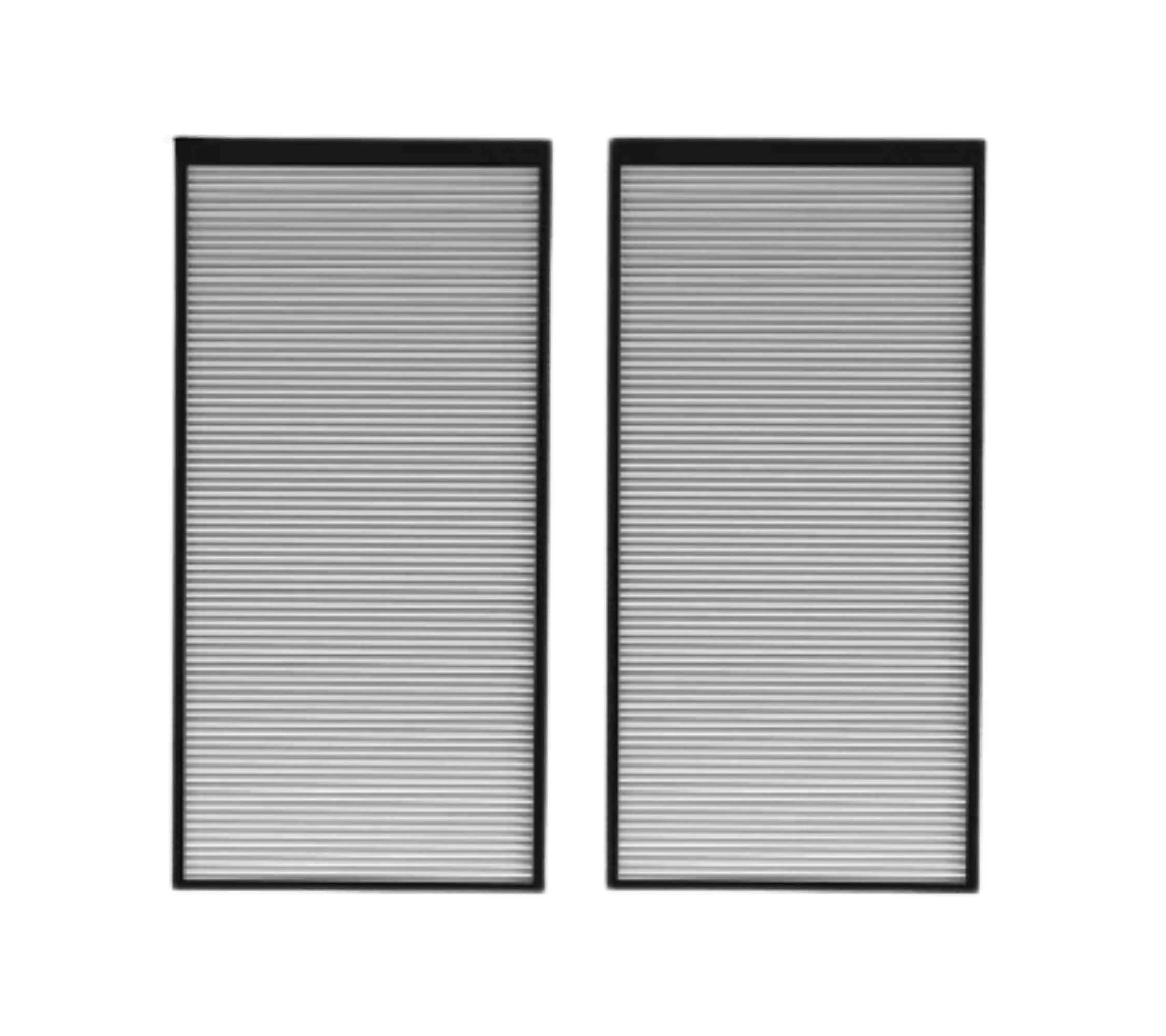
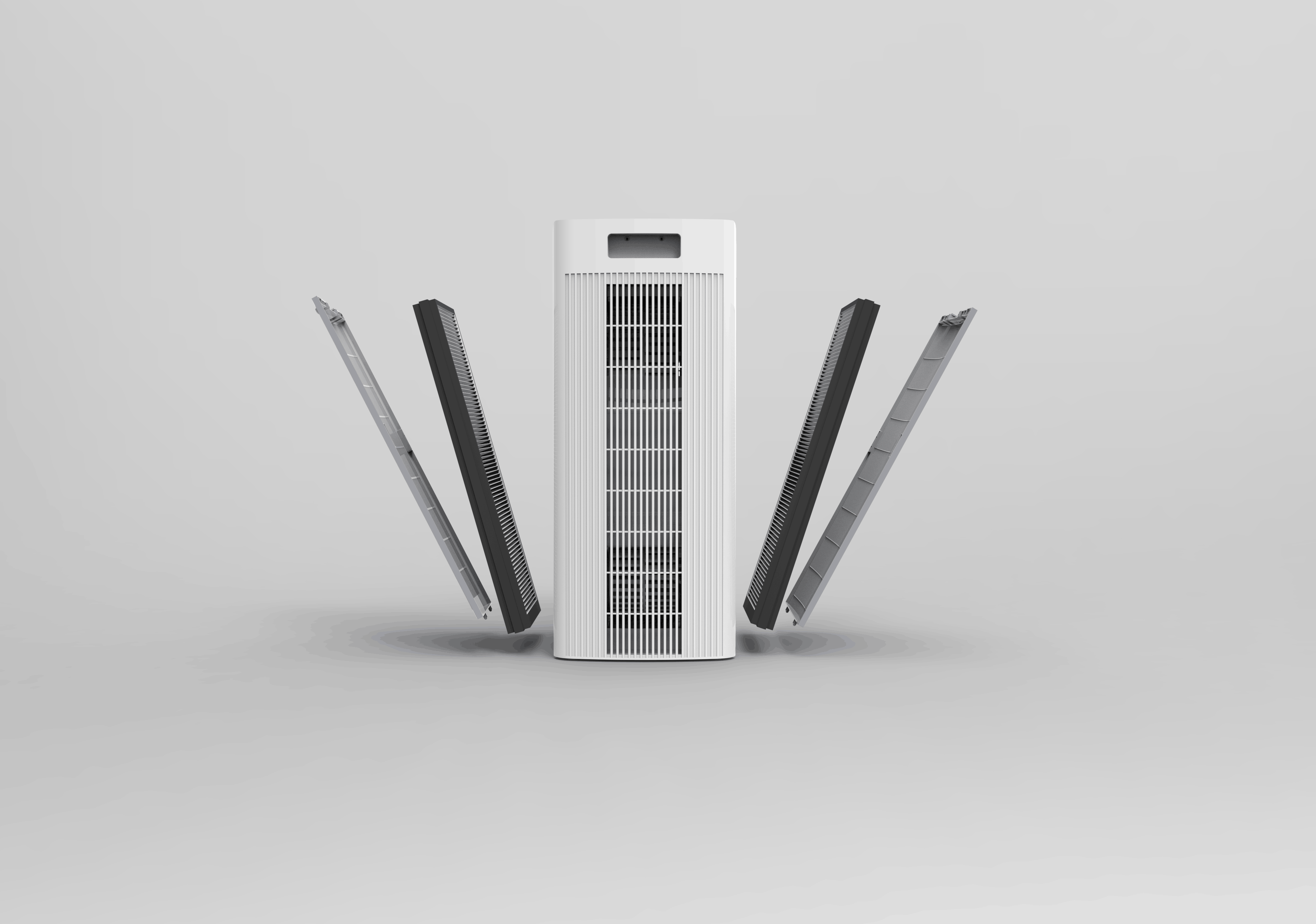
This air purifier has a pre-filter featuring a special carbon material that pre-absorbs harmful volatile organic compounds (VOCs) and harmful chemicals. Many VOCs are human-made and can come from furniture, chemical cleaners, and paints within the home. Common household items containing these VOCs result in concentrations up to ten times higher indoors - making this unit's pre-filter crucial.



Air Conditioners Spreading More Than Cool Air
Fact And Fiction: Everything You Need To Know About Air Purifiers