


Summary
We spend roughly 90% of our time indoors, where air pollutant levels can be two to five times higher than outdoors. Here are ten practical, science-backed ways to breathe easier at home.
In This Article
Why Indoor Air Quality Matters
Here's a number that might surprise you: according to the EPA, Americans spend approximately 90% of their time indoors [1]. We work indoors, sleep indoors, and spend our downtime indoors. That's a lot of hours breathing the same recirculated air.
And here's the kicker: the EPA's Total Exposure Assessment Methodology (TEAM) studies found that levels of common organic pollutants are frequently two to five times higher inside our homes than outside, regardless of whether you live in the countryside or a busy city [2]. Common indoor pollutants, including volatile organic compounds (VOCs), combustion byproducts, and biological contaminants like mold and dust mites, have been linked to health effects ranging from headaches and fatigue to respiratory irritation [3].
The good news? Improving your indoor air quality (IAQ) doesn't require a total home renovation. Small, practical changes can make a real difference. Here are ten ways to put that into practice.
1. Switch to Safer Household Cleaners
That lemony-fresh scent from your all-purpose spray? It may come with a side of volatile organic compounds. The EPA notes that many household cleaning products release VOCs and other chemicals that can irritate the eyes, nose, and throat, and may contribute to headaches and nausea [3, 4].
You don't need to toss everything under the sink overnight. Start by reading labels and choosing products labeled "low-VOC" or "fragrance-free." Simple staples like white vinegar and baking soda handle a surprising range of cleaning tasks, and they won't add unwelcome chemicals to your air.
2. Choose Low-VOC Paints and Building Materials
Planning a fresh coat of paint or a home remodel? The materials you choose can affect your air quality for weeks, even months, afterward. Conventional paints, adhesives, and building materials can off-gas VOCs long after that "new paint smell" fades [2, 4].
Look for paints and finishes specifically labeled "low-VOC" or "zero-VOC." The EPA recommends selecting low-emitting products and ensuring adequate ventilation during and after application [2, 4]. When possible, open windows and run fans to help off-gassing dissipate faster.
3. Keep Tobacco Smoke Outside
There's really no way to sugarcoat this one. The U.S. Surgeon General's report on involuntary tobacco smoke exposure found that secondhand smoke contains more than 4,000 chemicals, hundreds of which are toxic, and at least 69 that can cause cancer [5]. There is no safe level of exposure.
What makes indoor smoking especially problematic is what researchers call "thirdhand smoke," the residual chemicals that embed in carpets, curtains, upholstery, and even walls long after a cigarette is extinguished [6]. These residues can persist for months and continue to affect indoor air quality. If anyone in your household smokes, keeping it strictly outdoors is one of the most impactful changes you can make for your home's air.
4. Wash Your Bedding Weekly in Hot Water
Your cozy bed is also prime real estate for dust mites, microscopic creatures that feed on dead skin cells and thrive in the warm, humid environment of your sheets and mattress [7]. According to the American Lung Association, dust mites are one of the most common triggers for indoor allergies and asthma symptoms [7].
The fix is straightforward: wash your sheets, pillowcases, and blankets weekly in hot water. Research shows that water temperatures of 130 degrees Fahrenheit (55 degrees Celsius) or higher are needed to kill dust mites effectively [8]. The National Institute of Environmental Health Sciences recommends washing bedding in water between 130 and 140 degrees Fahrenheit for best results [9].
5. Leave Your Shoes at the Door
Your shoes are surprisingly good at collecting things you'd rather not track across your floors. The EPA notes that shoes can carry lead-contaminated soil into your home, where it settles into carpets and hard-to-clean surfaces [10]. Pesticide residues can also hitch a ride indoors on shoes and clothing [11]. Studies have shown that removing shoes before entering and using doormats at entryways are effective at reducing indoor dust contamination [10].
A simple "shoes off at the door" policy is one of the easiest wins for your IAQ. Keep a shoe rack near your entryway and a pair of house slippers handy to make it effortless.
6. Clean Soft Furnishings Regularly
It's not just your bedding that collects allergens. Drapes, throw blankets, couch cushion covers, and decorative pillows are all magnets for dust mites, pet dander, and airborne particles [7]. The warmer the wash water, the more effective it is at reducing allergen levels [8].
Make it part of your routine: wash removable fabric covers every two to four weeks, vacuum upholstered furniture regularly, and don't forget about those throw blankets draped over the couch. Your nose (and your lungs) will thank you.
7. Add Some Greenery (But Keep Expectations Realistic)
You may have heard that houseplants can purify your indoor air. This idea traces back to a well-known 1989 NASA study, which found that certain plants could remove VOCs like benzene, formaldehyde, and trichloroethylene from sealed test chambers [12].
That study was real science, but there's an important caveat. Those experiments were conducted in small, sealed environments, not in actual homes with normal ventilation. A 2020 review published in the Journal of Exposure Science & Environmental Epidemiology found that you would need somewhere between 10 and 1,000 plants per square meter of floor space for plants to meaningfully clean the air in a typical room [13]. That's a lot of spider plants.
So should you skip the greenery? Not at all. Houseplants like peace lilies, spider plants, and pothos still contribute to a more pleasant living environment. Just don't rely on them as your primary clean air strategy.
8. Control Your Indoor Humidity
Moisture is one of the biggest invisible culprits when it comes to indoor air problems. Too much humidity creates a welcoming environment for mold, mildew, and bacteria [14]. And guess what else thrives in damp conditions? Dust mites, which prefer temperatures between 68 and 77 degrees Fahrenheit and relative humidity above 70% [15].
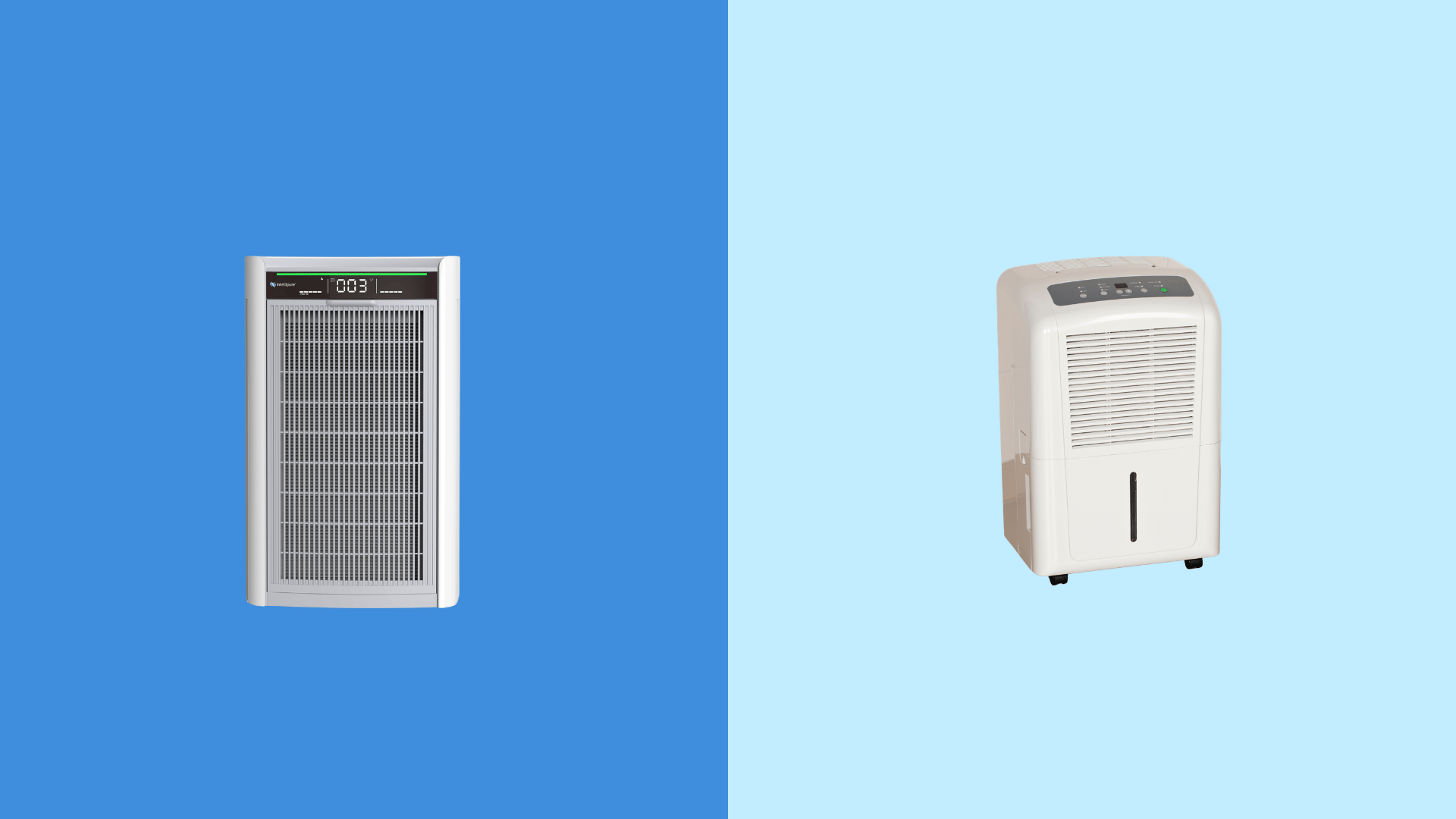
On the flip side, air that's too dry can irritate your skin, eyes, and respiratory passages. The EPA recommends keeping indoor relative humidity between 30% and 50% [16]. A simple hygrometer (available for under $15 at most hardware stores) can help you monitor levels. Use a dehumidifier in damp areas or a humidifier during dry winter months to stay in that sweet spot.
9. Maintain Your HVAC Filters
Your heating and cooling system does more than regulate temperature; it also plays a role in filtering the air you breathe. But a clogged or low-quality filter can't do its job effectively. The EPA recommends selecting a furnace or HVAC filter rated at least MERV 13, or as high as your system can accommodate, and replacing filters according to the manufacturer's schedule [17].
A practical tip: set a recurring reminder on your phone or calendar to check your filters. Most homes benefit from a filter change every one to three months, depending on factors like pets, allergies, and local air quality. It's a small task that makes a measurable difference in the particle levels circulating through your home.
10. Use an Air Purifier
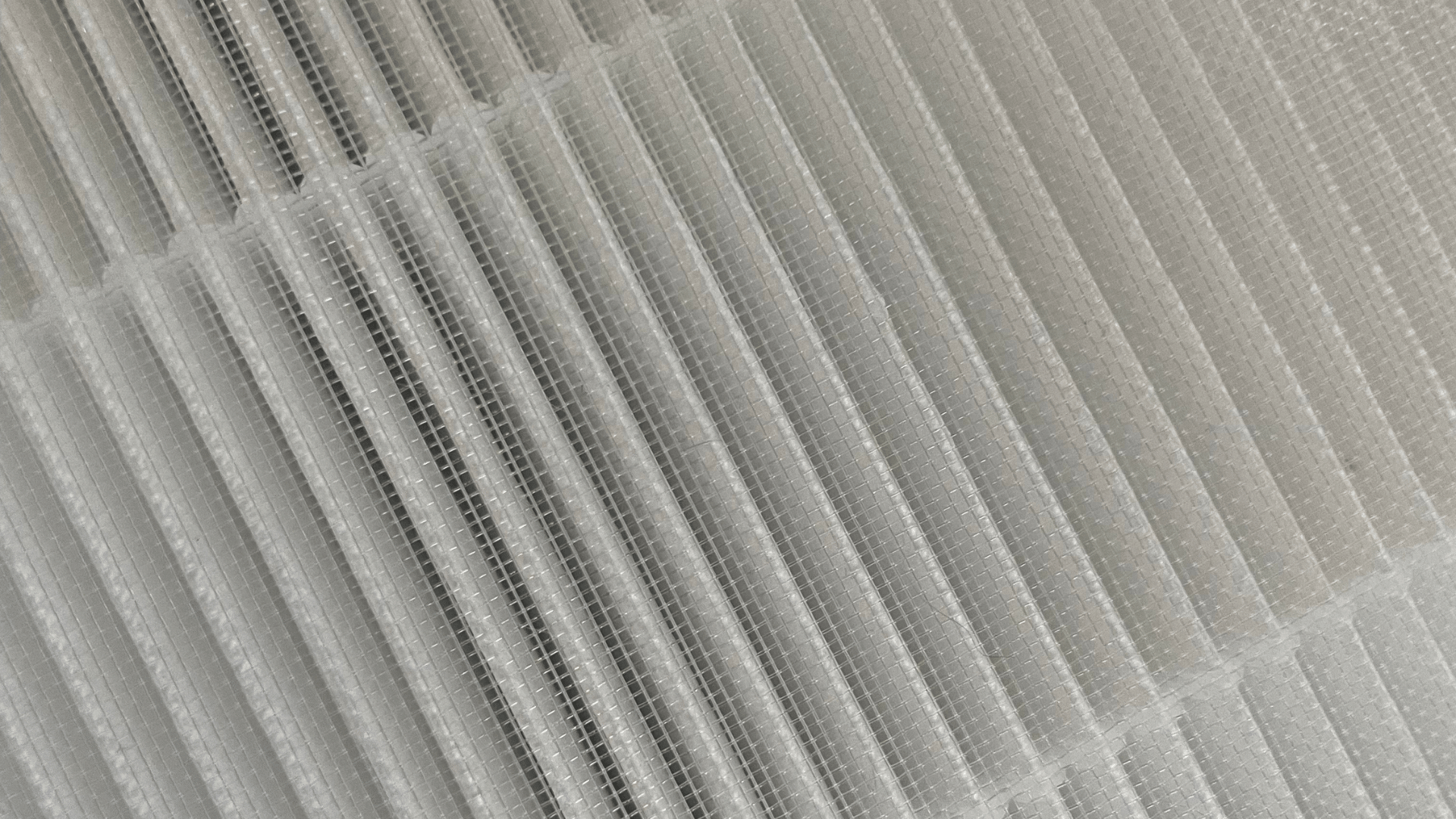
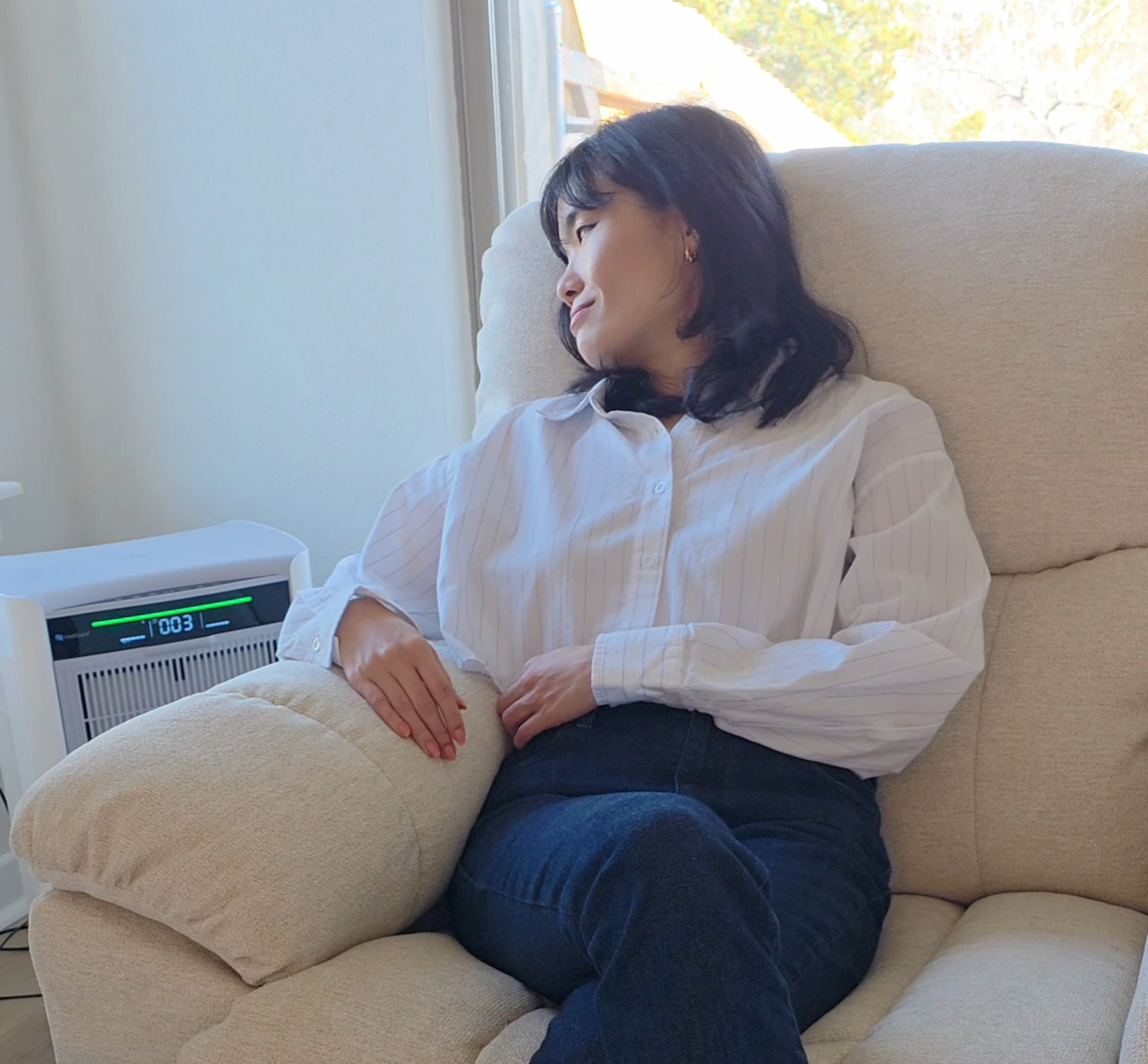
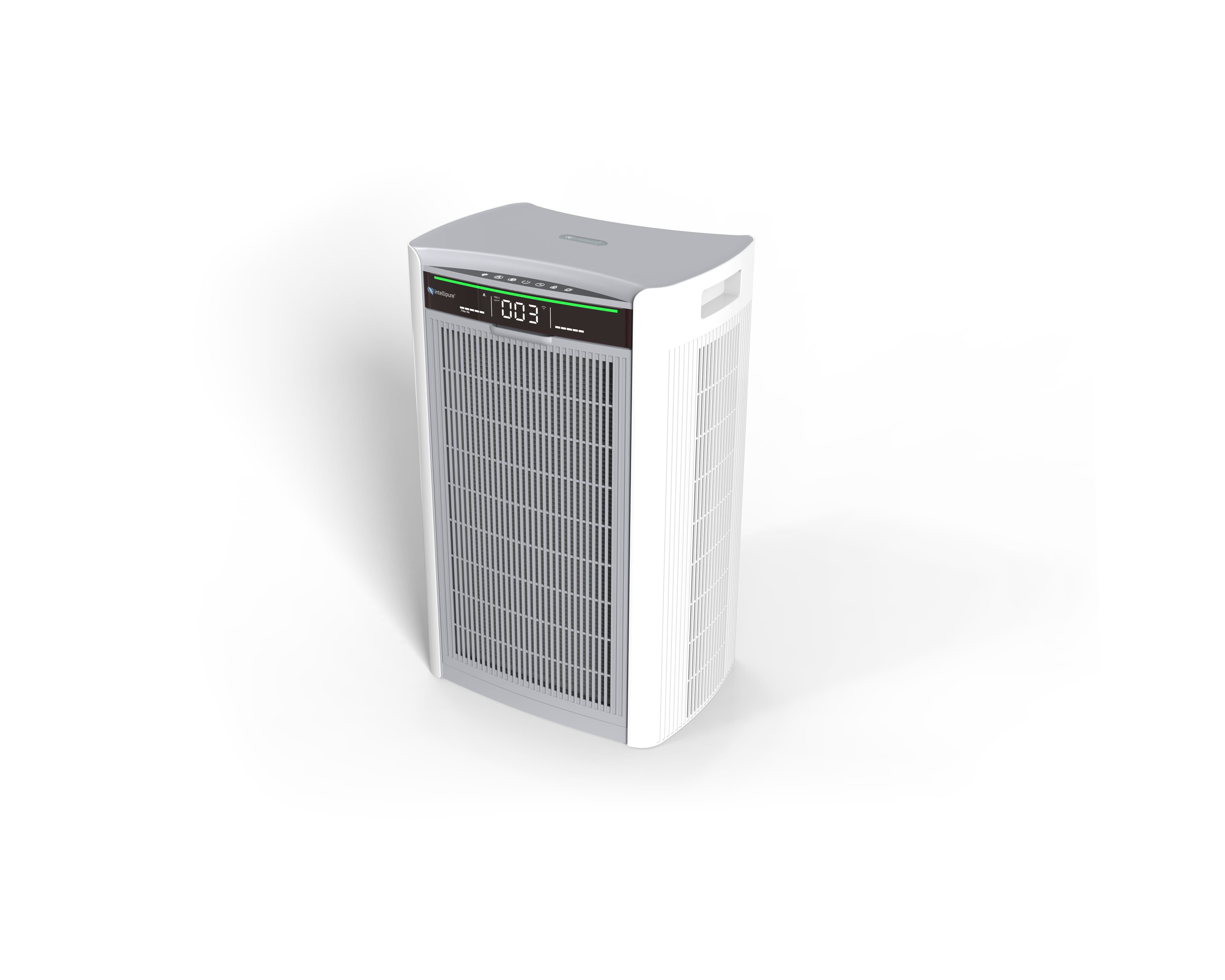
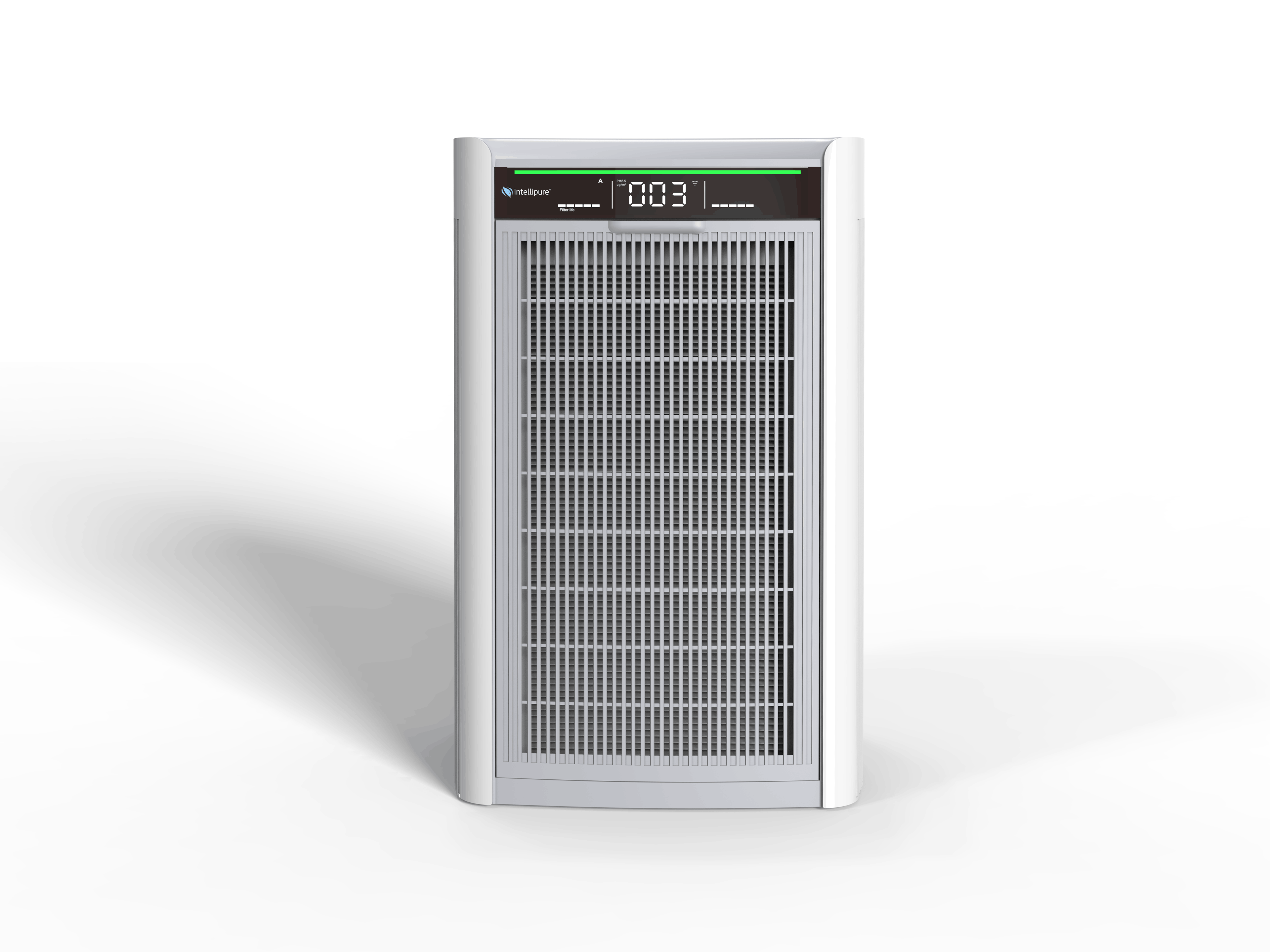
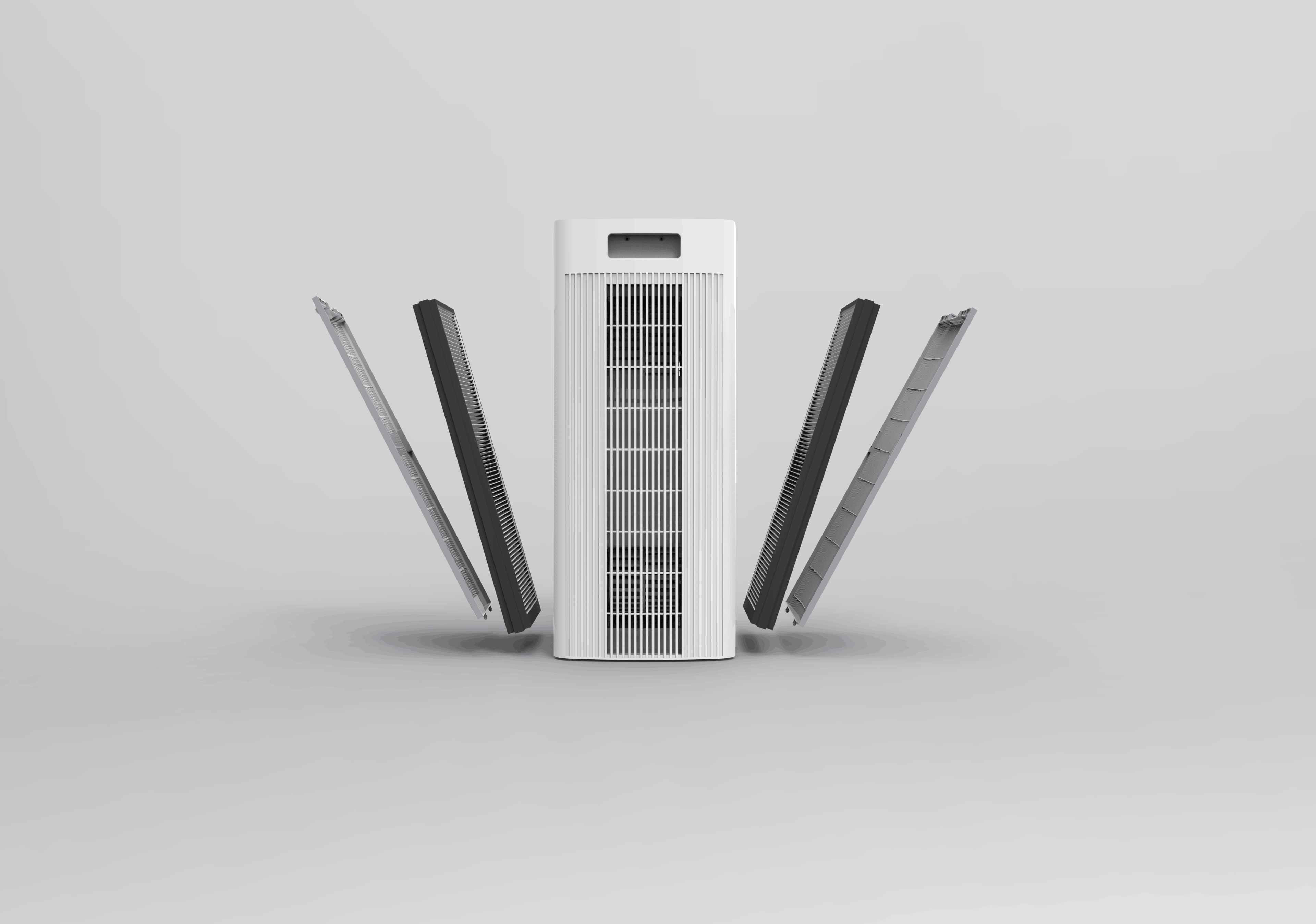
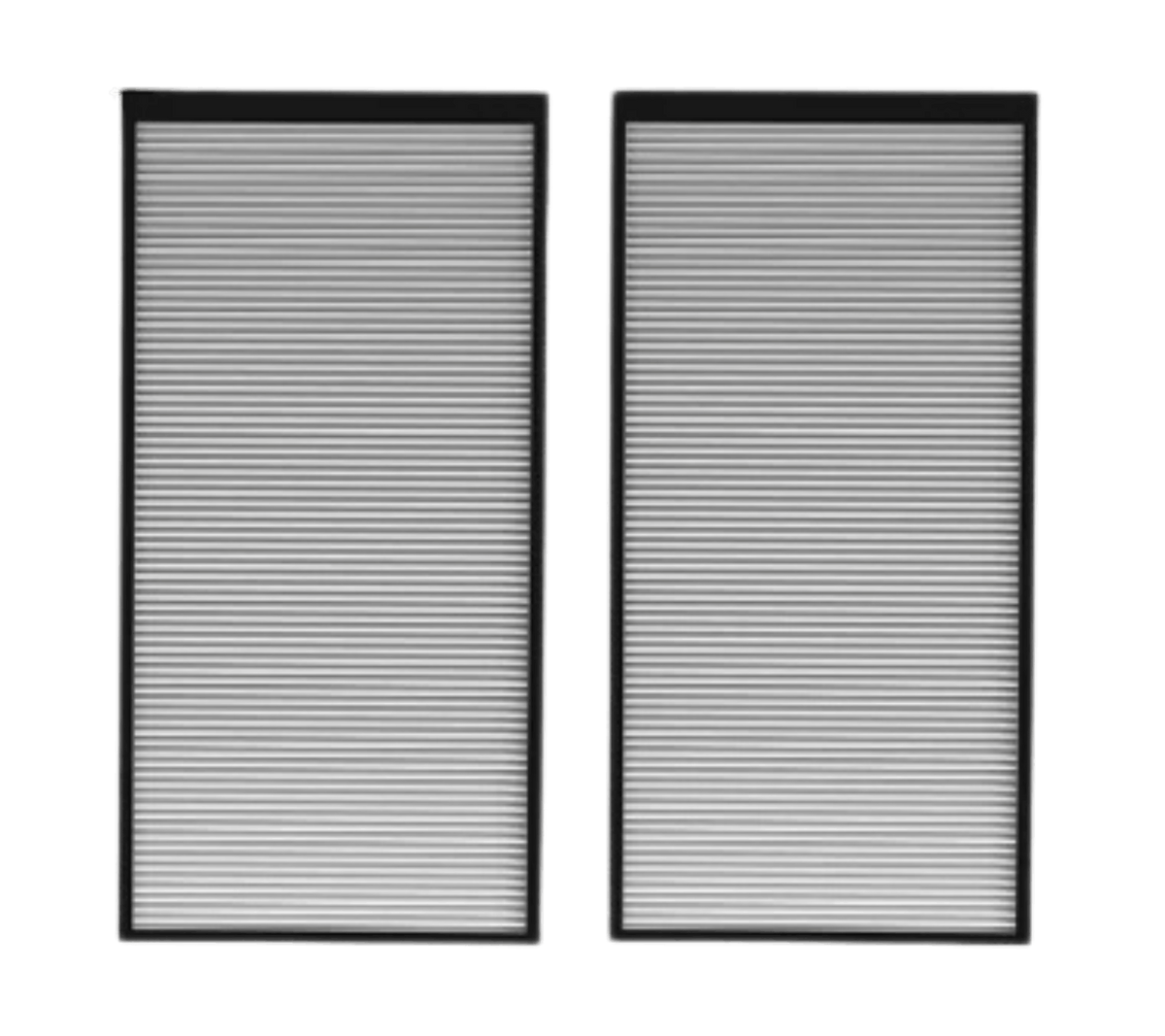
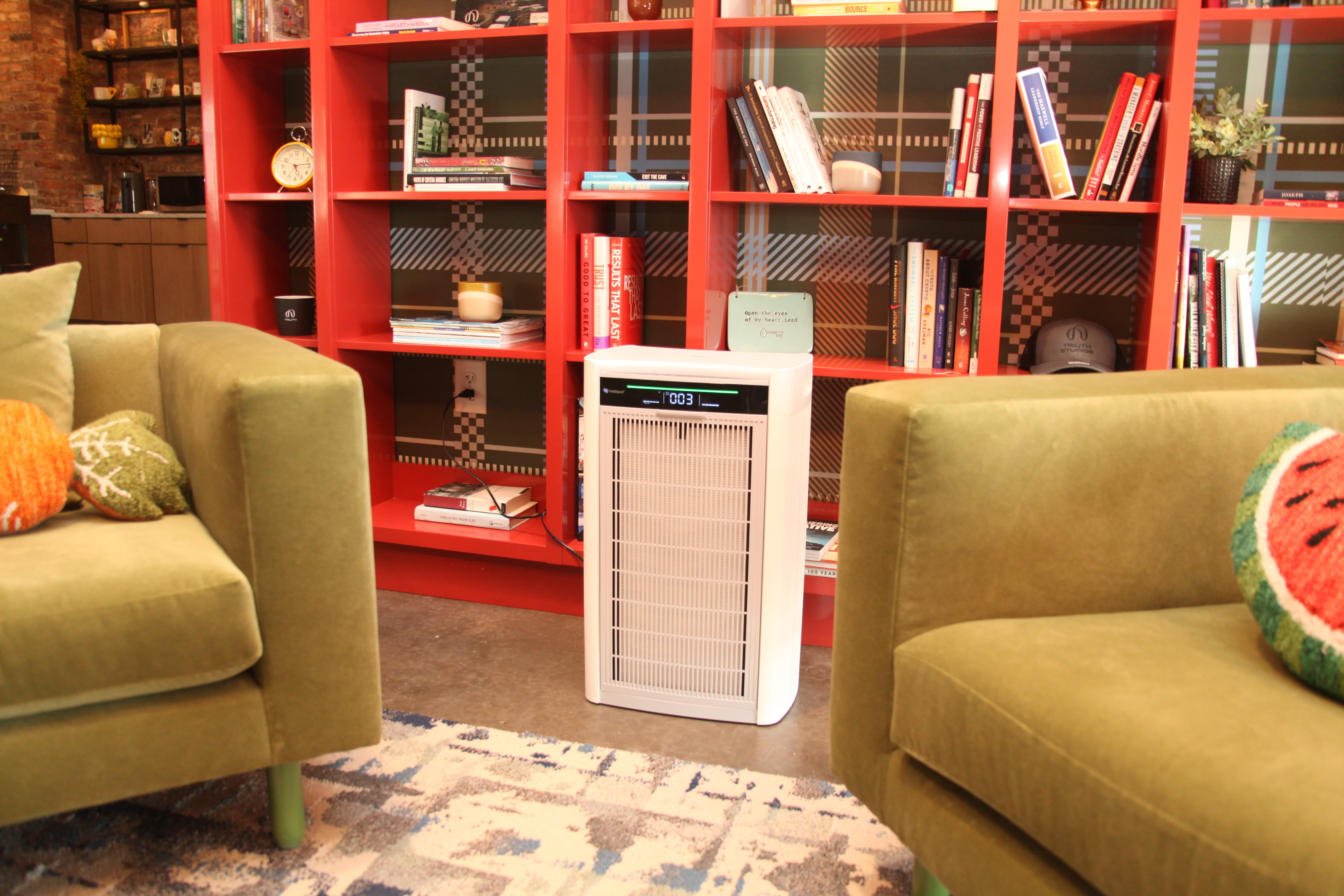
Source control and ventilation are the foundation of good IAQ, but an air purifier adds an extra layer of protection, especially for allergen-sensitive individuals. Research has shown that HEPA filtration can reduce indoor particulate matter and may help improve respiratory outcomes, particularly for those exposed to allergens or airborne irritants [18, 19].
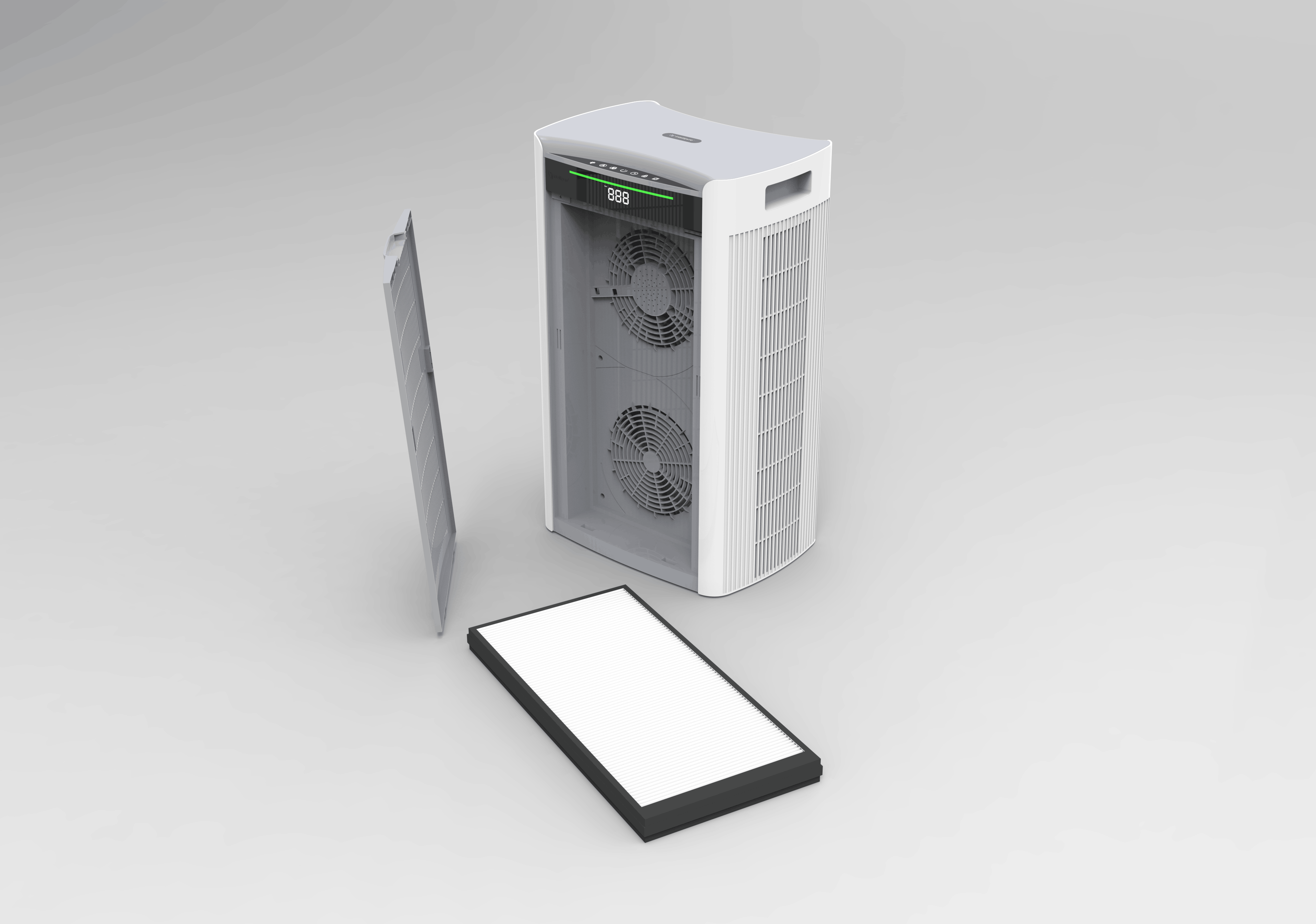
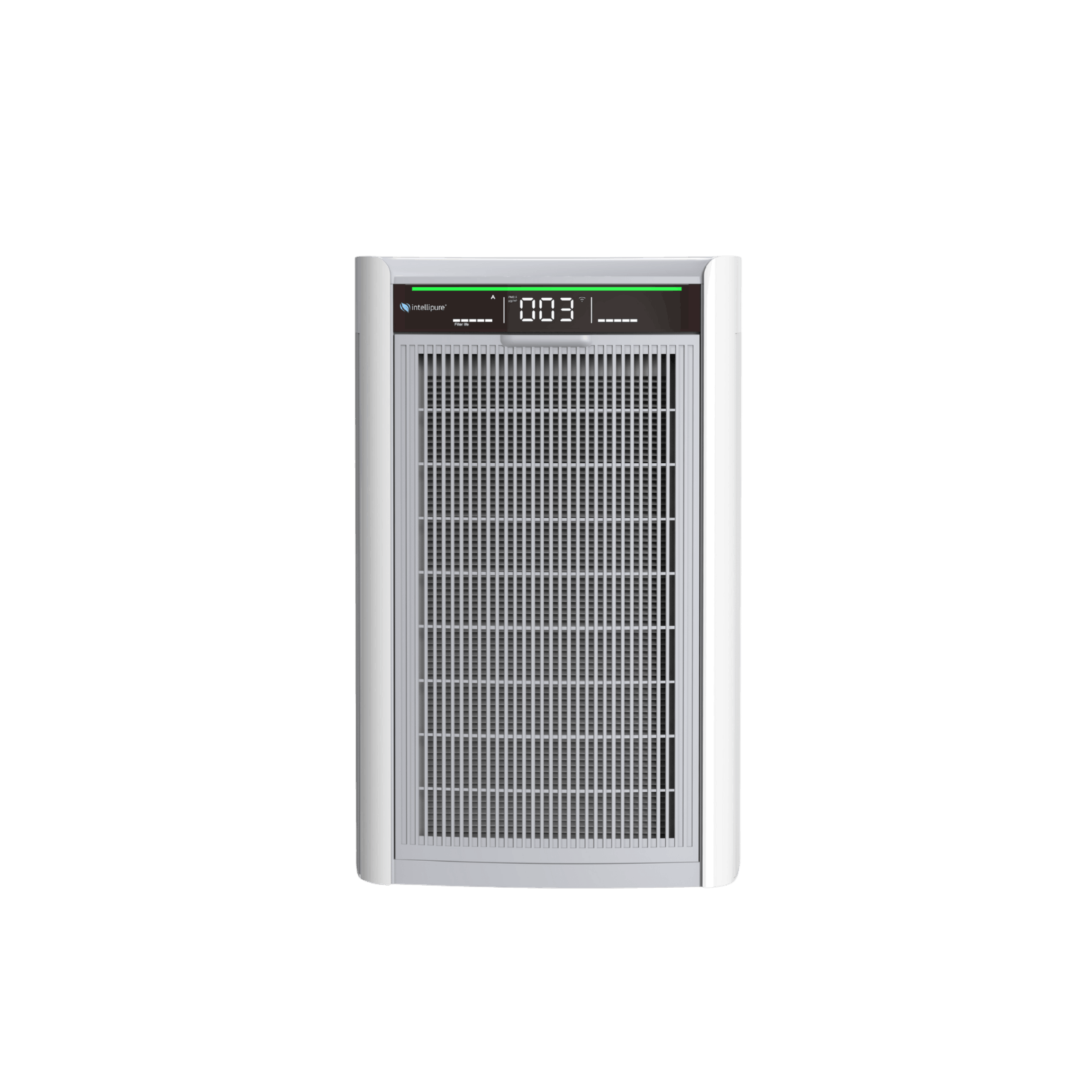
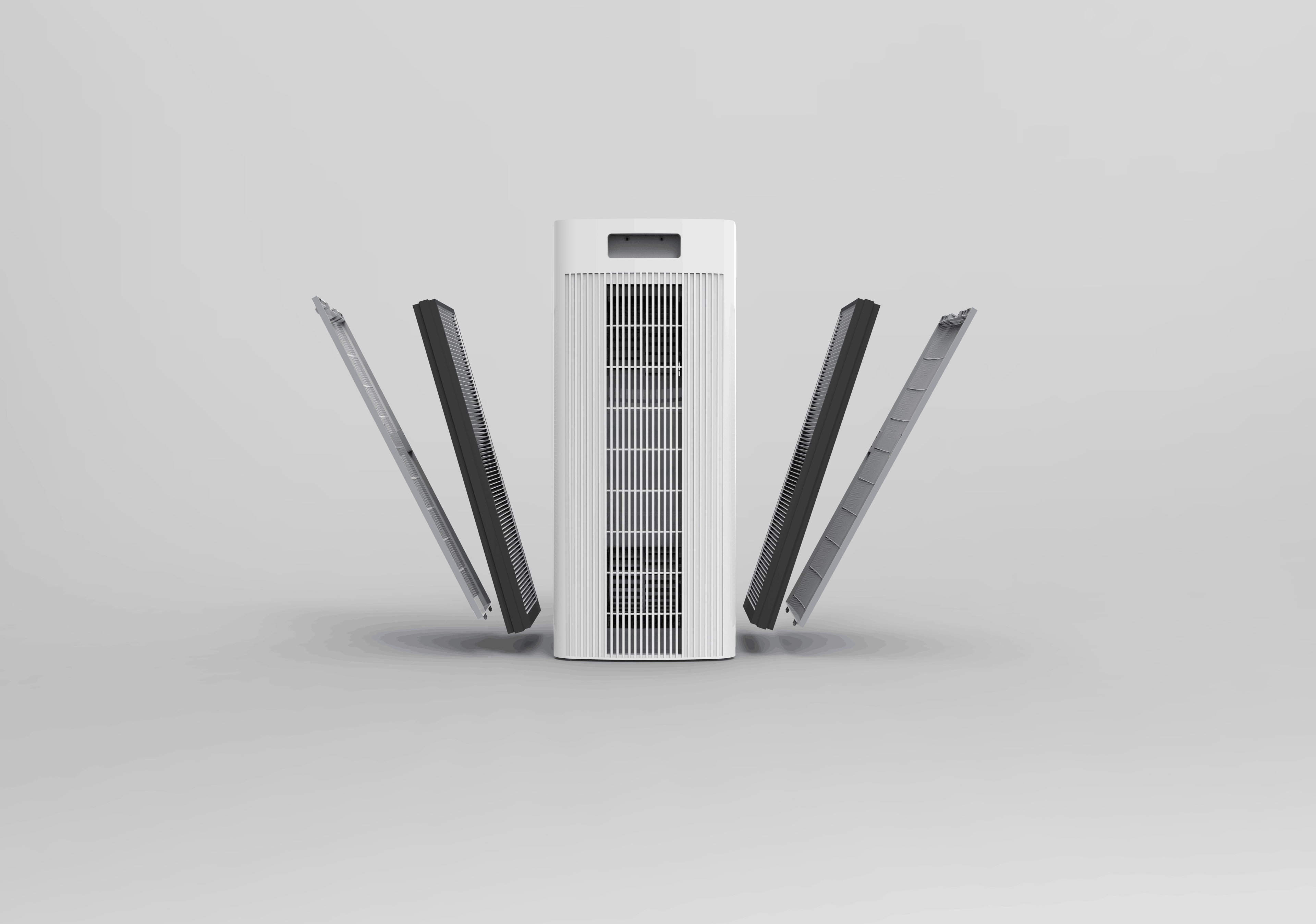
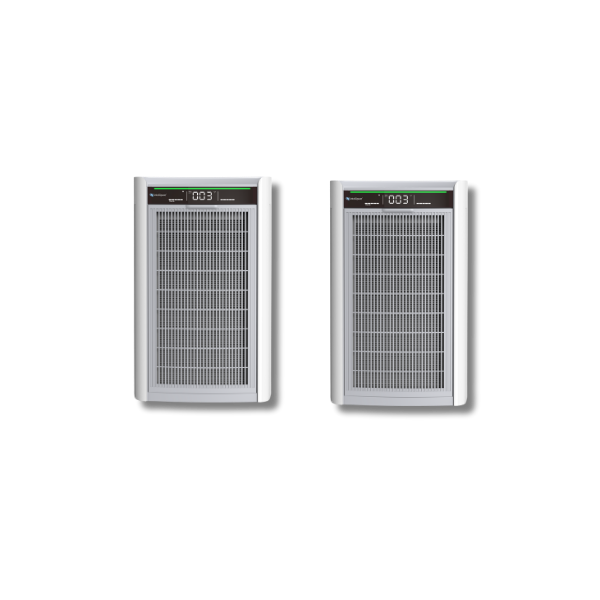
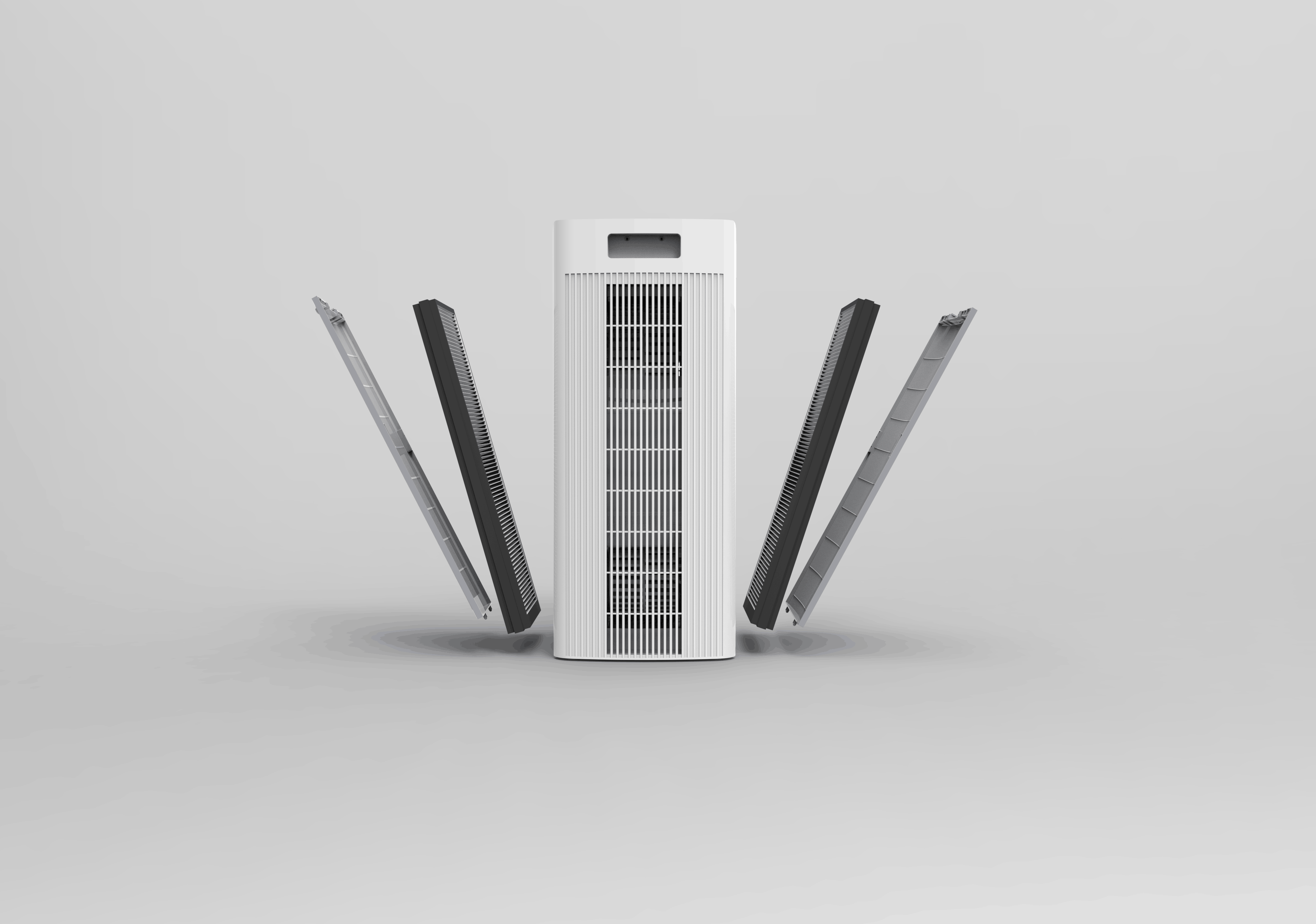
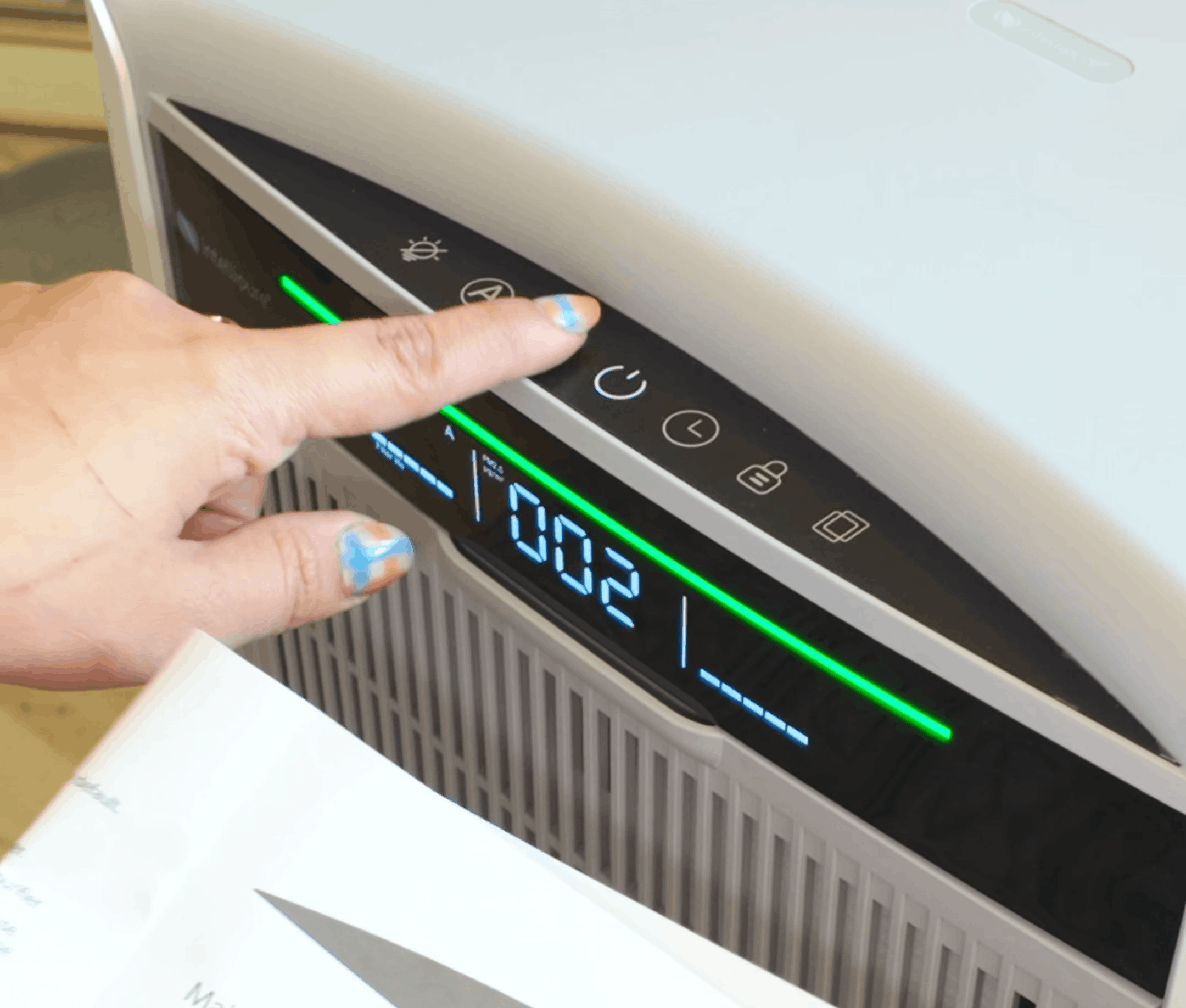
Not all air purifiers are created equal, though. Look for units with true HEPA filtration that also address VOCs and odors. Plus, it's certified ozone-free for safe everyday use.
Small Steps, Cleaner Air
Improving your indoor air quality doesn't have to be overwhelming. You don't need to tackle all ten tips at once. Pick two or three that fit your lifestyle, build the habits, and add more over time. Every step is a step toward breathing easier.
And if you're looking for a smart place to start? Maintaining your humidity, washing your bedding in hot water, and running an air purifier are three high-impact changes that work together to make a noticeable difference in how your home feels, and how you feel in it.
References
- U.S. Environmental Protection Agency. Indoor Air Quality [Internet]. Washington (DC): EPA; 2025 [cited 2026 Feb 9]..
- U.S. Environmental Protection Agency. The Inside Story: A Guide to Indoor Air Quality [Internet]. Washington (DC): EPA; 2025 [cited 2026 Feb 9]..
- U.S. Environmental Protection Agency. Volatile Organic Compounds' Impact on Indoor Air Quality [Internet]. Washington (DC): EPA; 2025 [cited 2026 Feb 9]..
- U.S. Environmental Protection Agency. Indoor Air Pollution: An Introduction for Health Professionals [Internet]. Washington (DC): EPA; 2025 [cited 2026 Feb 9]..
- U.S. Department of Health and Human Services. The Health Consequences of Involuntary Exposure to Tobacco Smoke: A Report of the Surgeon General. Atlanta (GA): Centers for Disease Control and Prevention, Office on Smoking and Health; 2006..
- Jacob P, Benowitz NL, Destaillats H, Gundel L, Hang B, Martins-Green M, et al. Thirdhand smoke: new evidence, challenges, and future directions. Chem Res Toxicol. 2017;30(1):270-294. doi:10.1021/acs.chemrestox.6b00343..
- American Lung Association. Dust Mites [Internet]. Chicago (IL): American Lung Association; 2025 [cited 2026 Feb 9]..
- McDonald LG, Tovey E. The role of water temperature and laundry procedures in reducing house dust mite populations and allergen content of bedding. J Allergy Clin Immunol. 1992;90(4 Pt 1):599-608. doi:10.1016/0091-6749(92)90132-l..
- National Institute of Environmental Health Sciences. Dust Mites and Cockroaches [Internet]. Research Triangle Park (NC): NIEHS; 2025 [cited 2026 Feb 9]..
- U.S. Environmental Protection Agency. Protect Your Family from Sources of Lead [Internet]. Washington (DC): EPA; 2025 [cited 2026 Feb 9]..
- U.S. Environmental Protection Agency. Pesticides' Impact on Indoor Air Quality [Internet]. Washington (DC): EPA; 2025 [cited 2026 Feb 9]..
- Wolverton BC, Douglas WL, Bounds K. A study of interior landscape plants for indoor air pollution abatement. Hancock County (MS): NASA John C. Stennis Space Center; 1989. Report No.: NASA-TM-108061..
- Cummings BE, Waring MS. Potted plants do not improve indoor air quality: a review and analysis of reported VOC removal efficiencies. J Expo Sci Environ Epidemiol. 2020;30(2):253-261. doi:10.1038/s41370-019-0175-9..
- U.S. Environmental Protection Agency. Mold Course Chapter 2: Mold Growth and Moisture Problems [Internet]. Washington (DC): EPA; 2025 [cited 2026 Feb 9]..
- Asthma and Allergy Foundation of America. Dust Mite Allergy [Internet]. Arlington (VA): AAFA; 2025 [cited 2026 Feb 9]..
- U.S. Environmental Protection Agency. Care for Your Air: A Guide to Indoor Air Quality [Internet]. Washington (DC): EPA; 2025 [cited 2026 Feb 9]..
- U.S. Environmental Protection Agency. Guide to Air Cleaners in the Home [Internet]. Washington (DC): EPA; 2025 [cited 2026 Feb 9]..
- James C, Bernstein DI, Cox J, Ryan P, Wolfe C, Jandarov R, et al. HEPA filtration improves asthma control in children exposed to traffic-related airborne particles. Indoor Air. 2020;30(2):235-243. doi:10.1111/ina.12625..
- Sublett JL. Effectiveness of air filters and air cleaners in allergic respiratory diseases: a review of the recent literature. Curr Allergy Asthma Rep. 2011;11(5):395-402. doi:10.1007/s11882-011-0208-5..





Breathe Better So You Can Sleep Easier
Household Air Pollution Is a Bigger Problem Than You Think