


Summary
Your home may feel like a safe haven, but indoor air can harbor pollutants from everyday sources like cleaning products, cooking, and even your furniture. Here's what contributes to household air pollution and practical steps you can take to breathe easier.
In This Article
Your Home Might Not Be the Safe Haven You Think
When you close the front door behind you, it is natural to feel like you have shut out the world's problems, pollution included. But here is the thing: the air inside your home can actually be two to five times more polluted than the air outside [1]. And considering most of us spend roughly 90% of our time indoors [1], that is a statistic worth paying attention to.
On a global scale, the numbers are even more striking. According to the World Health Organization, the combined effects of ambient and household air pollution are associated with 6.7 million premature deaths each year [2]. Household air pollution alone is associated with an estimated 2.9 million of those deaths annually [3]. That makes indoor air quality (IAQ) far more than a comfort issue; it is a genuine health concern.
So what is actually floating around in your home? Let's break it down.
Common Sources of Indoor Air Pollution
You might be surprised by how many everyday items and activities contribute to household air pollution. Here are some of the most common culprits:
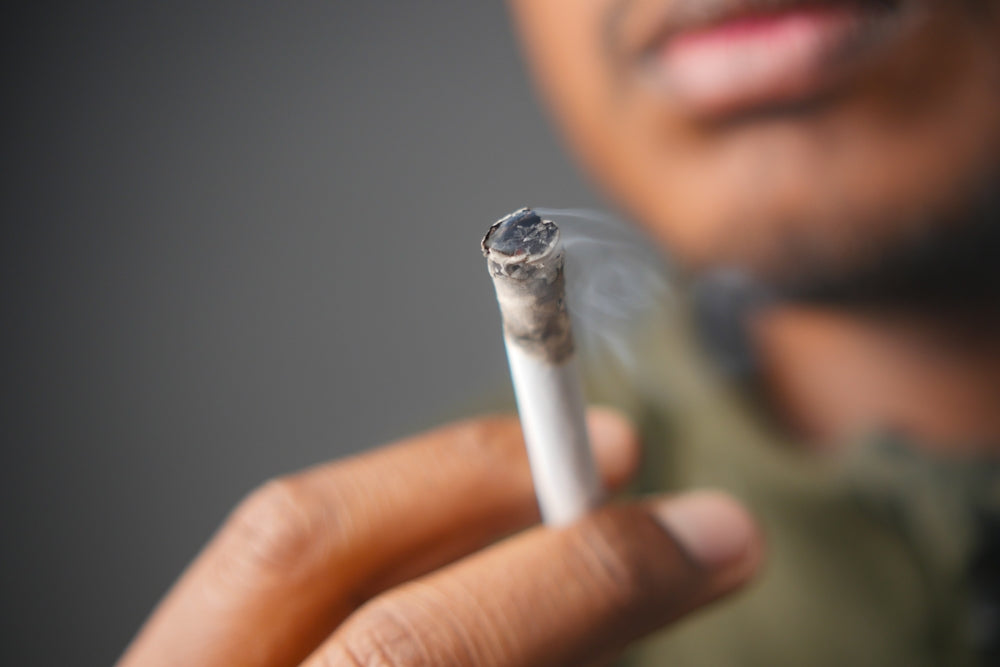
- Tobacco smoke. Even if no one in your home smokes, residual particles can linger.
- Cooking and heating. Gas stoves, ovens, and space heaters all release combustion byproducts.
- Building materials and furnishings. Insulation, flooring, and pressed-wood products can off-gas volatile organic compounds (VOCs).
- Cleaning products and air fresheners. Many common household products release chemicals into the air.
- Pesticides and insecticides. Indoor pest control products emit semi-volatile organic compounds.
- Paints and varnishes. Fresh coats can off-gas VOCs for weeks or months.
- Candles and incense. Burning anything indoors adds particulate matter to your air.
Most of us use several of these sources on a daily basis, often without a second thought. Let's take a closer look at a few that deserve extra attention.
Tobacco Smoke: More Layers Than You Might Expect
Cigarette smoke is one of the most well-documented indoor air pollutants. According to the U.S. Surgeon General's report, tobacco smoke contains more than 7,000 chemical compounds [4]. A single cigarette can emit between 8 and 23 milligrams of fine particulate matter (PM2.5), depending on the brand [5]. That is a significant dose of particles small enough to penetrate deep into your lungs.
Most people understand the dangers of secondhand smoke, but there is also a lesser-known concern: thirdhand smoke. This refers to the chemical residue that clings to surfaces, fabrics, and dust long after someone has finished smoking [6]. These residues can react with other indoor pollutants to form new harmful compounds, and exposure can occur through skin contact, inhalation, or even ingestion, which is especially concerning for young children [6].
Your Home's Tight Seal Can Work Against You
Modern homes are built to be energy efficient, and that often means tighter construction with less natural airflow. While great for your energy bill, this reduced ventilation can cause indoor pollutants to accumulate instead of dispersing [1].
Your HVAC system plays a role here, too. The dark, moist conditions inside HVAC systems can provide ideal environments for bacteria and fungi to thrive [7]. That is why regular cleaning and filter changes are not just about keeping the system running; they are about keeping your air clean.
Hidden Chemicals in Everyday Products
Here is one that catches a lot of people off guard: the products you use to make your home smell fresh might actually be making your air quality worse.
Research by Steinemann found that 37 commonly used fragranced consumer products, including air fresheners, laundry products, personal care products, and cleaning agents, emitted more than 156 different volatile organic compounds. Of those, 42 were classified as toxic or hazardous under U.S. federal laws, and every single product emitted at least one of these chemicals [8]. The kicker? Most of these chemicals are not required to appear on product labels.
Pesticides are another often-overlooked source. According to the EPA, 75% of U.S. households used at least one pesticide product indoors in the past year, and roughly 80% of most people's pesticide exposure happens inside the home [9]. These products can cause symptoms ranging from headaches and dizziness to damage of the liver, kidneys, and nervous system with chronic exposure [9].
Practical Steps for Cleaner Indoor Air
The good news? You do not need to overhaul your entire home to make a meaningful difference. Here are straightforward, doable steps you can start with today:
- Switch to low-VOC or fragrance-free cleaning products. Look for products that disclose their ingredients and skip synthetic fragrances.
- Ventilate when cooking. Run your range hood fan and crack a window when using a gas stove or oven. This helps clear combustion byproducts like nitrogen dioxide.
- Choose low-VOC paints and finishes. If you are renovating or repainting, look for products labeled low-VOC or zero-VOC.
- Skip the air fresheners. If you can smell it, it is affecting your air. Try opening windows or addressing odors at the source instead of masking them.
- Keep your HVAC system maintained. Change filters regularly and have your system inspected to prevent microbial buildup.
- Do not smoke indoors. This single change eliminates one of the most potent sources of indoor air pollution.
- Install carbon monoxide detectors. The CDC reports that unintentional, non-fire-related carbon monoxide poisoning causes hundreds of deaths each year in the U.S. [10]. CO is colorless and odorless, so detectors are your only line of defense.
- Test for radon. The EPA estimates that radon is responsible for approximately 21,000 lung cancer deaths per year in the United States, making it the second leading cause of lung cancer after smoking [11]. Testing is simple and inexpensive.
- Clean fabrics and surfaces regularly. Dust, pet dander, and settled particles can become airborne again with everyday activity.
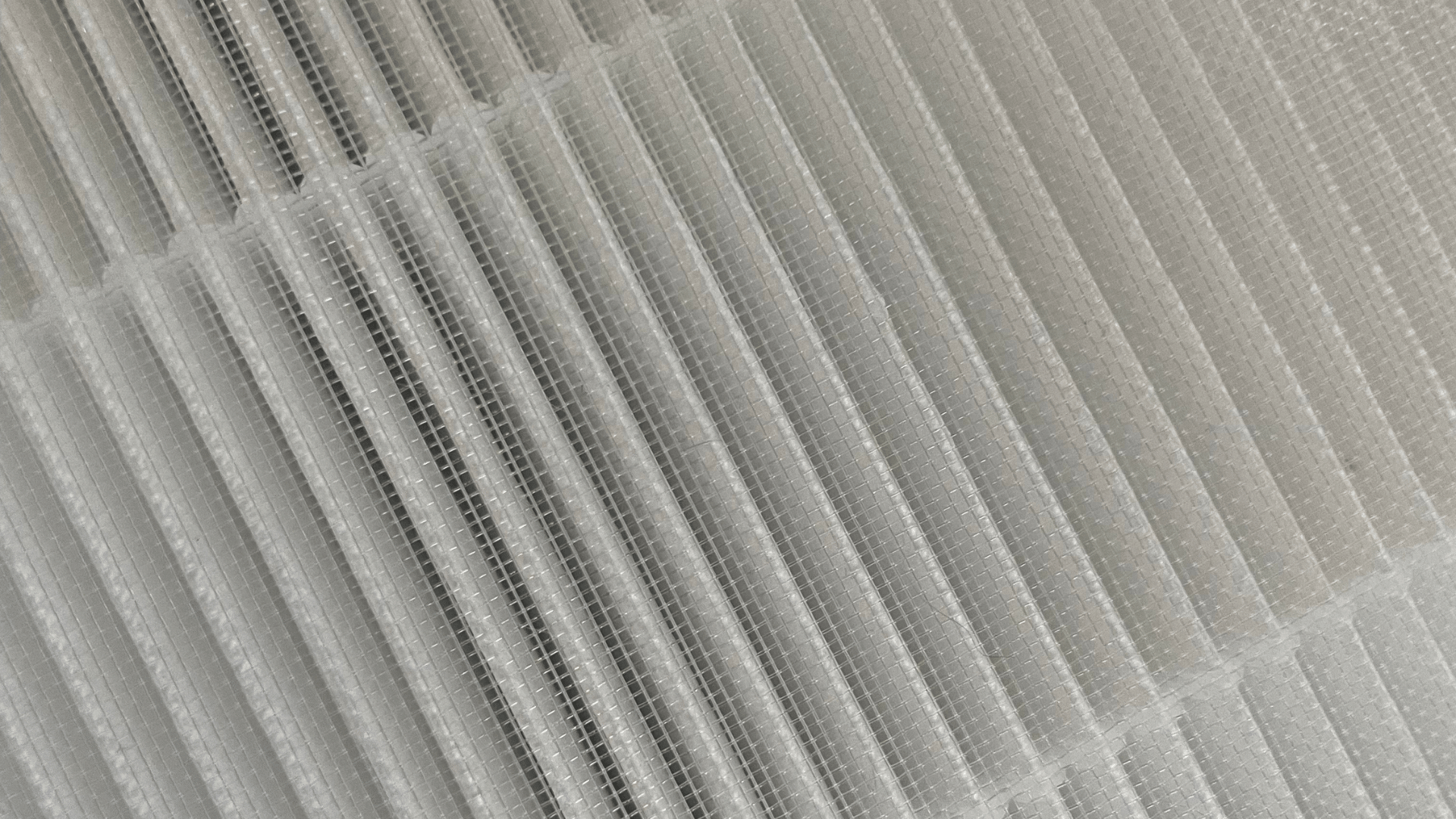
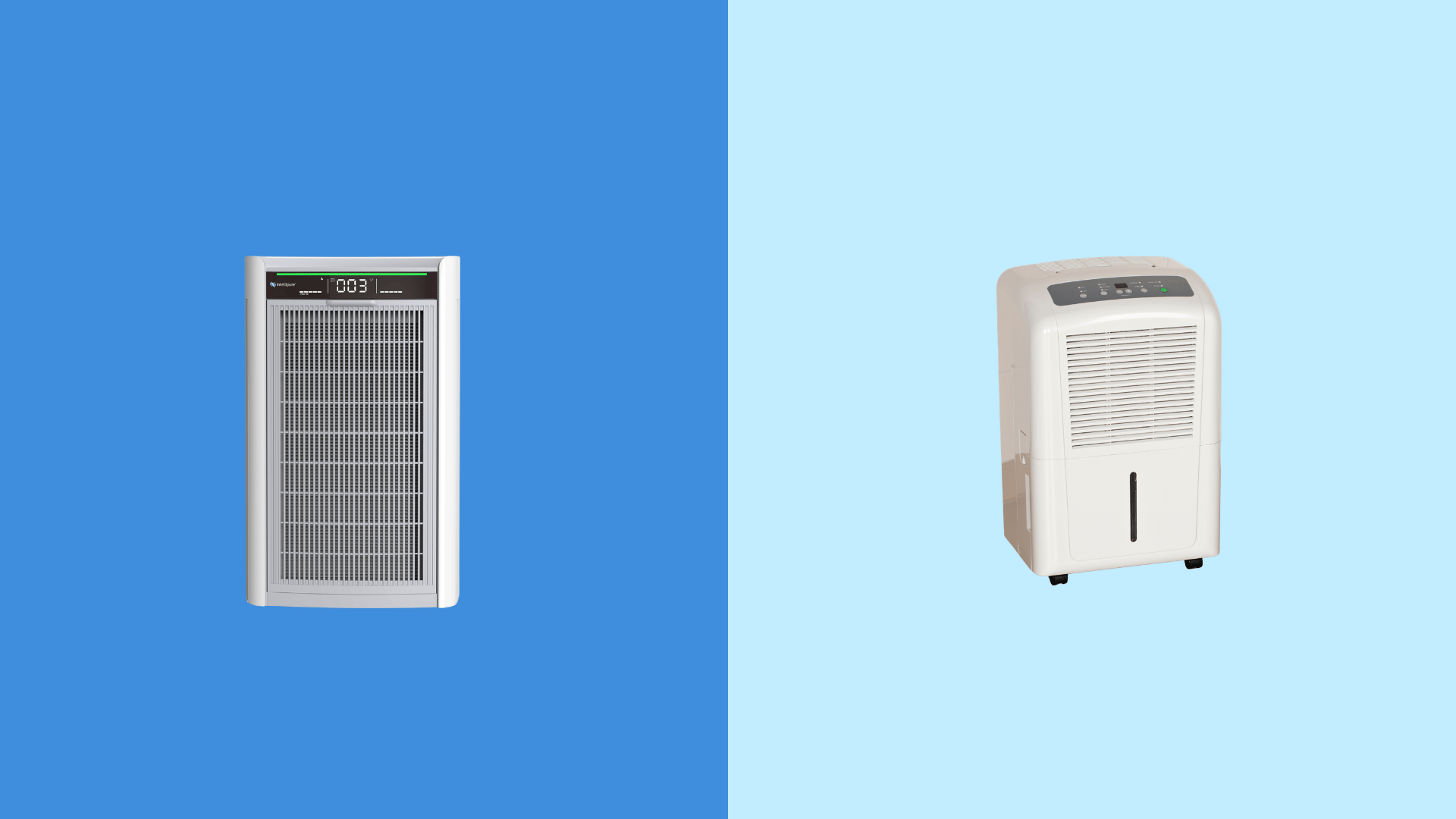
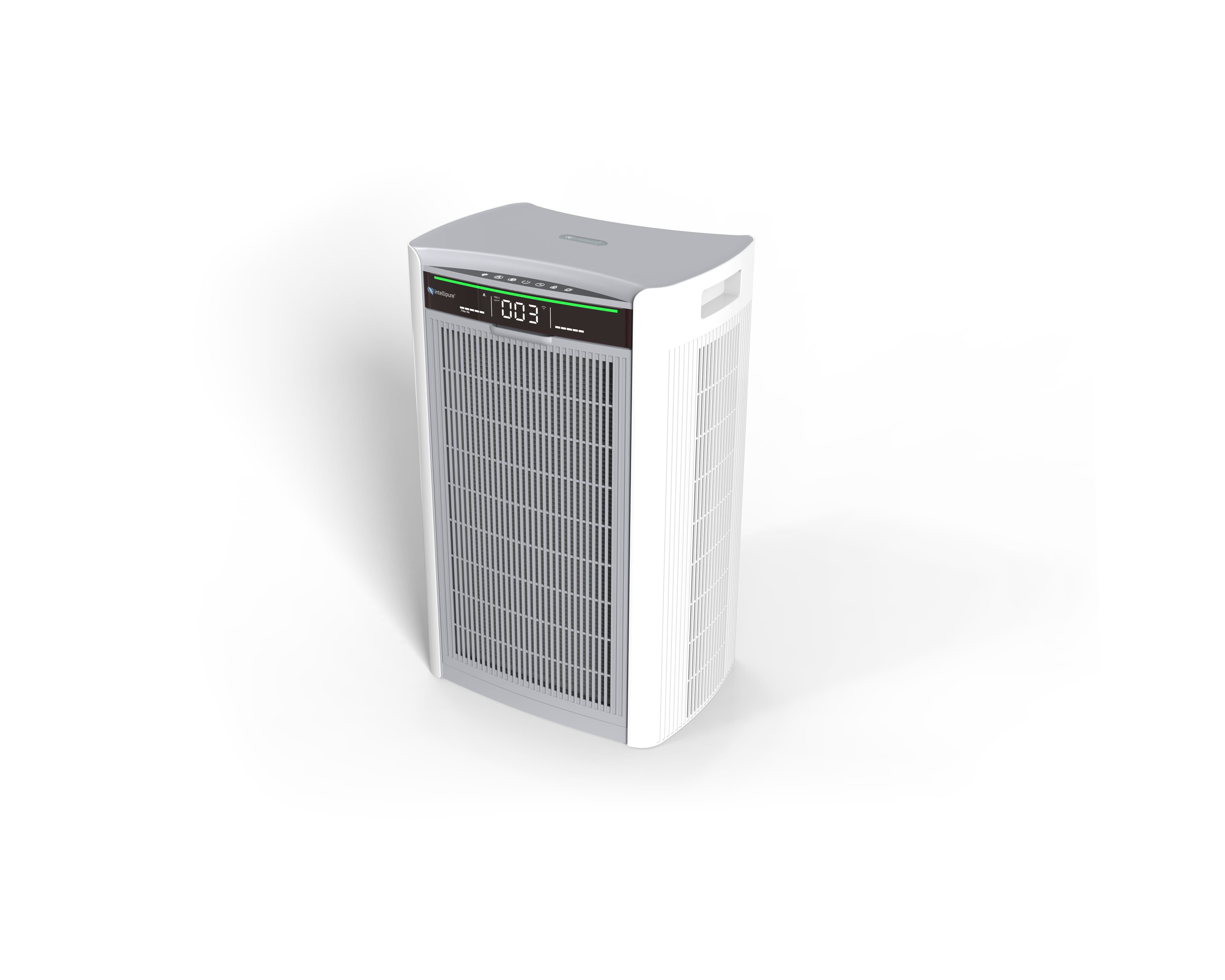
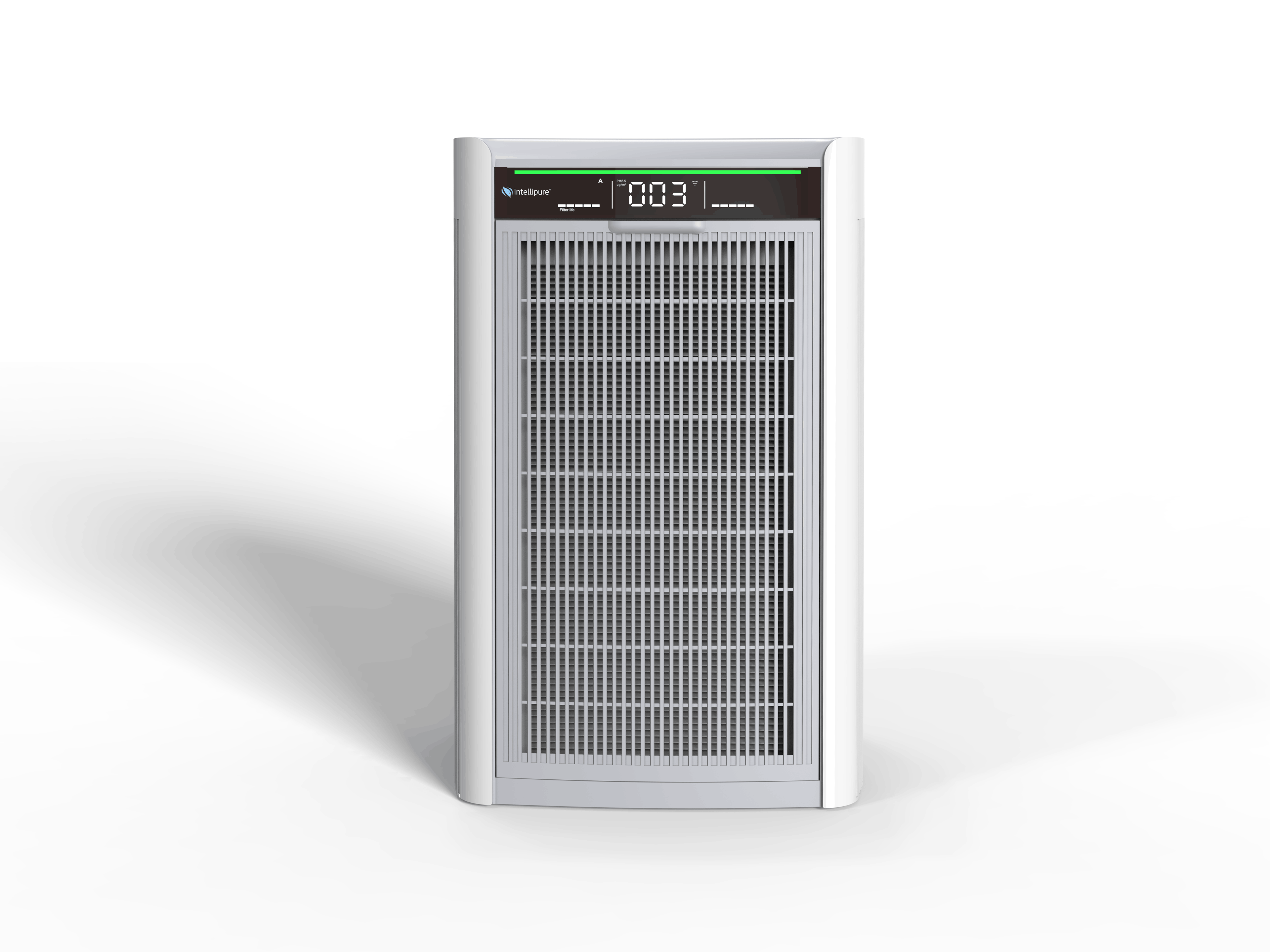
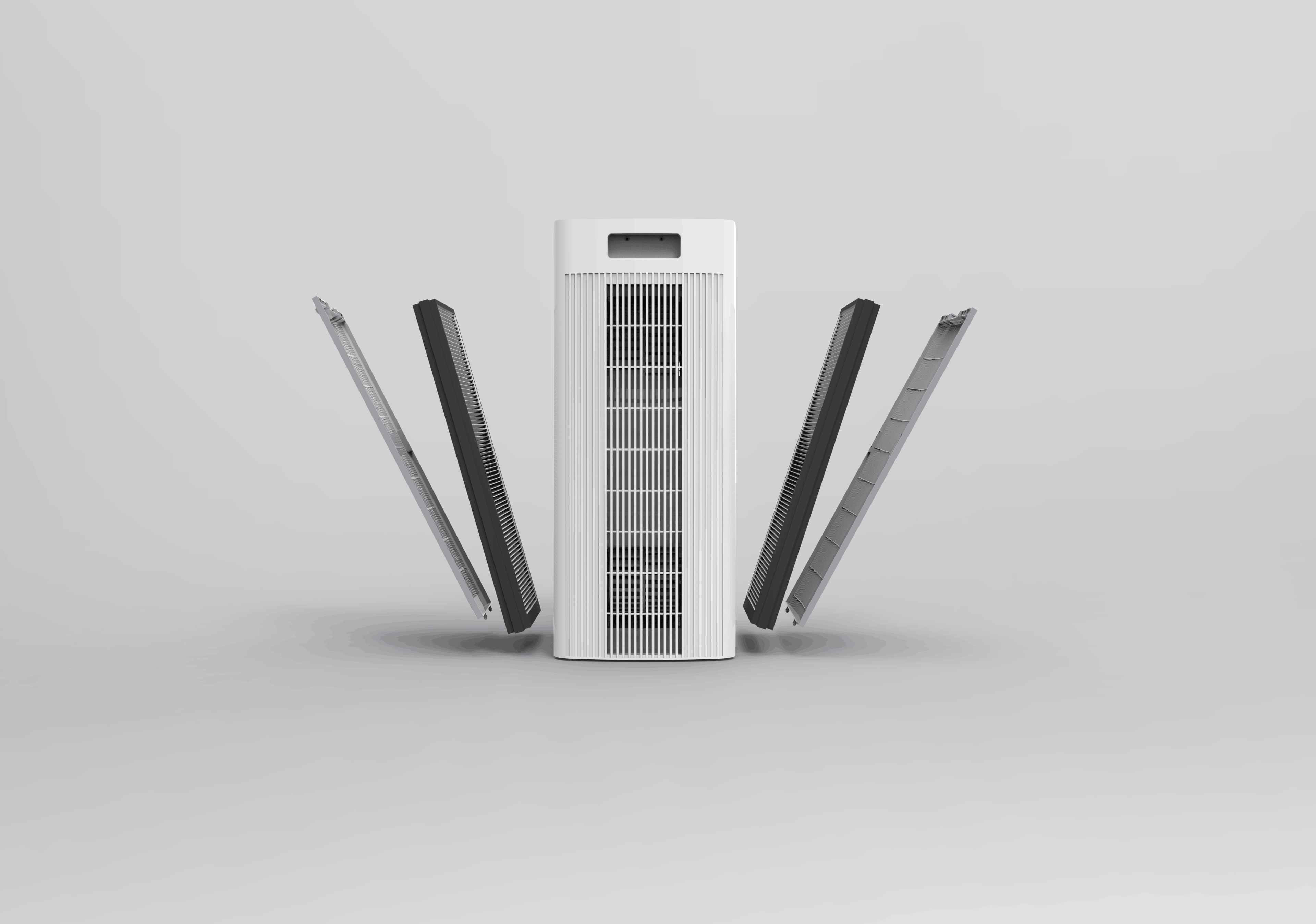
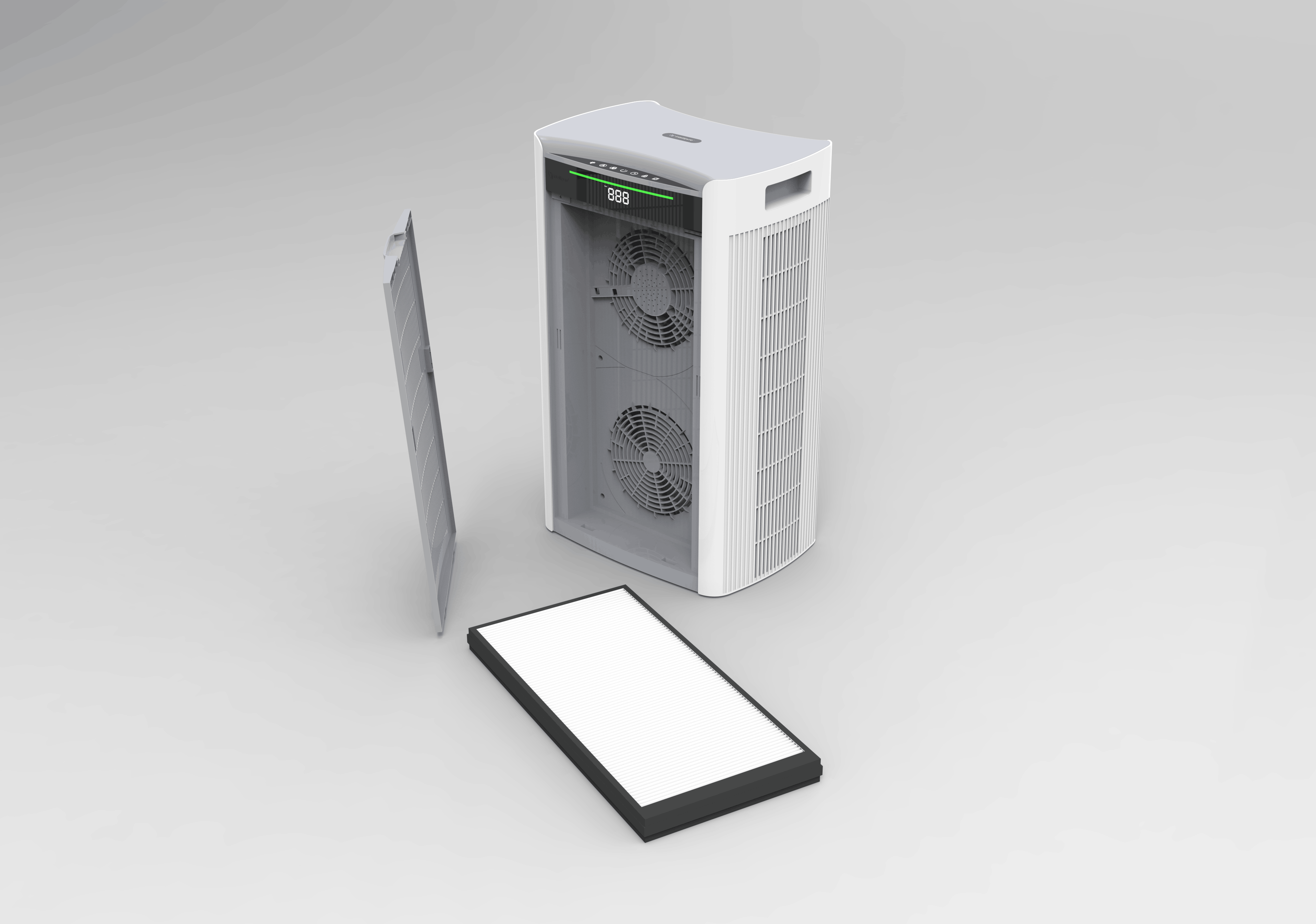
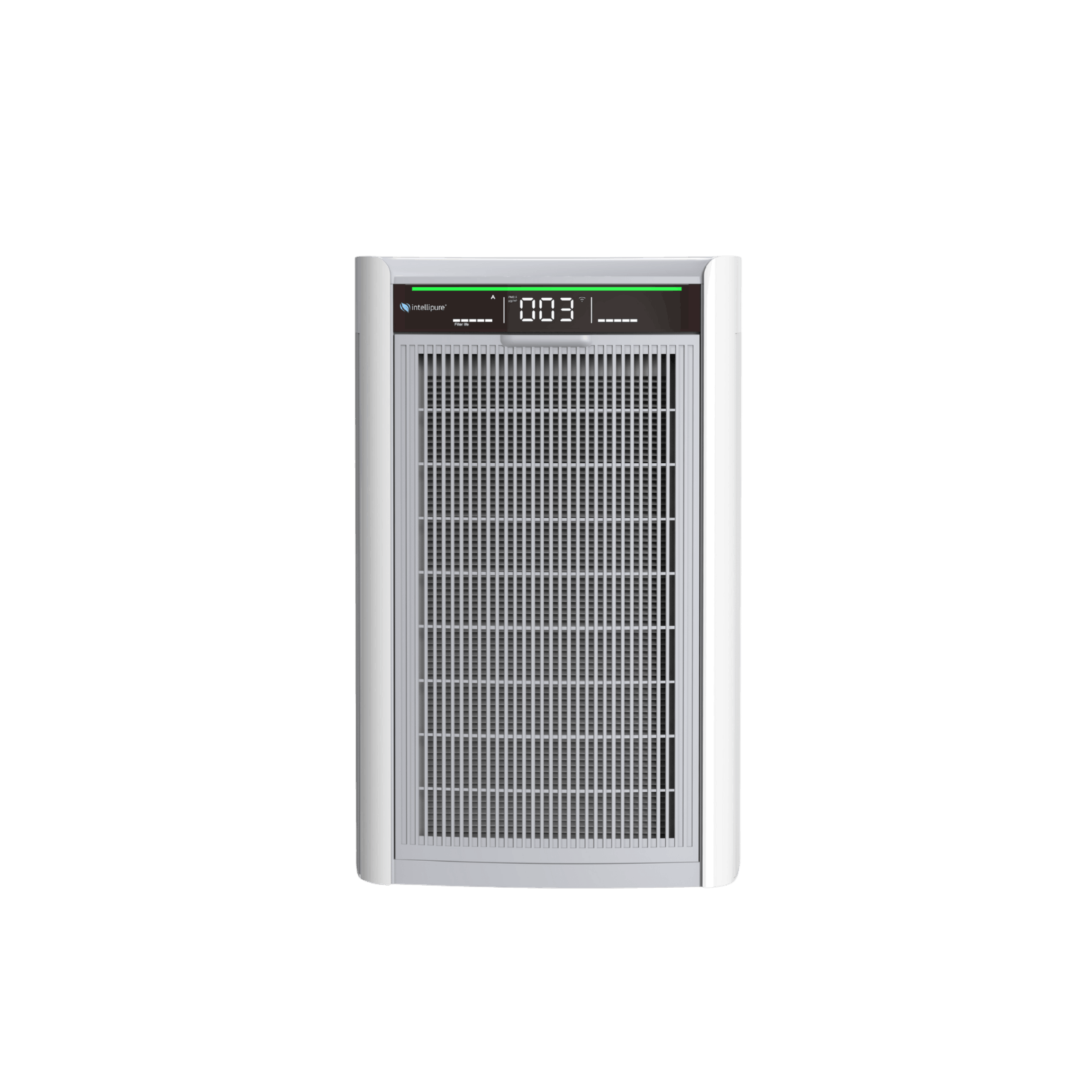
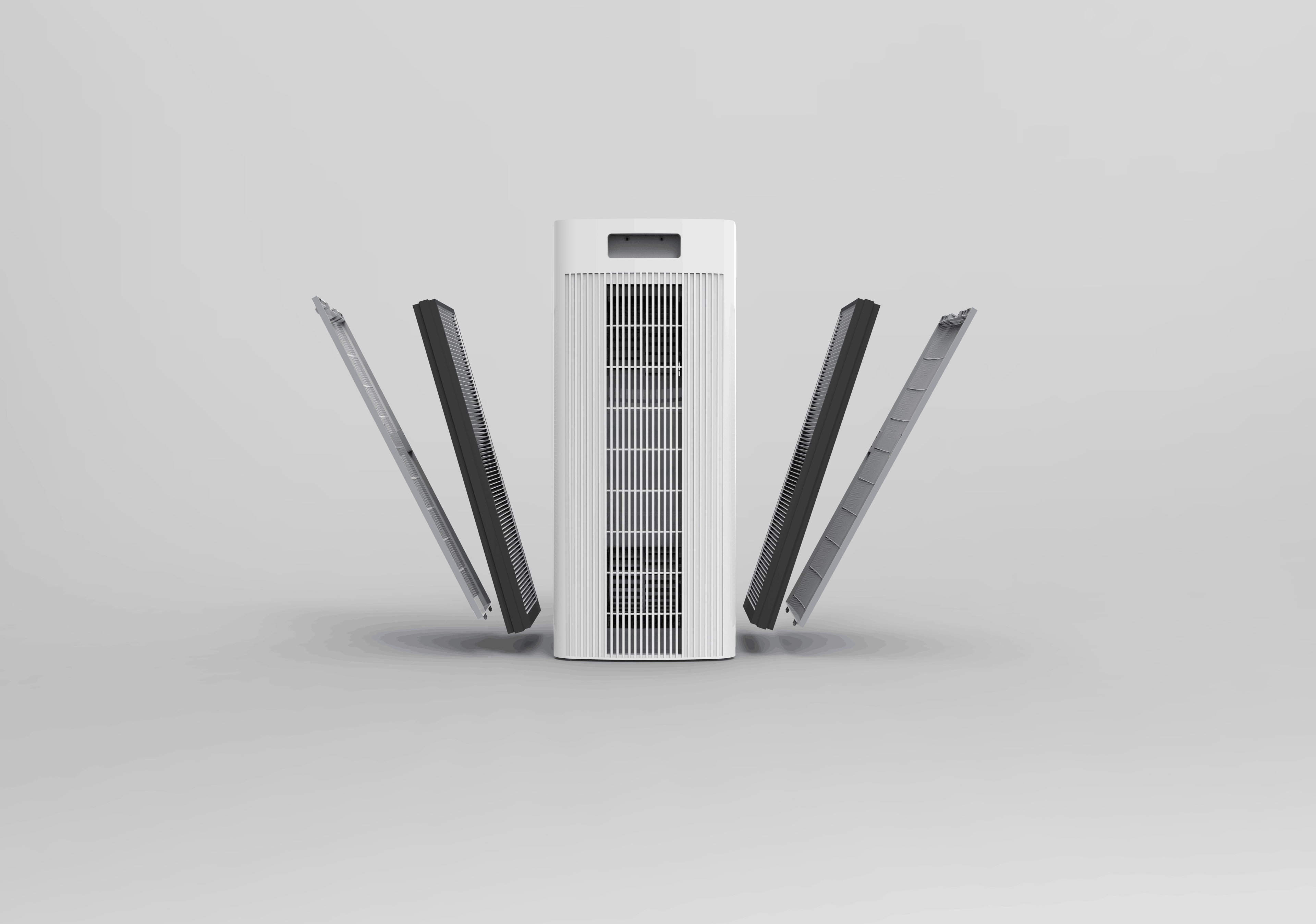
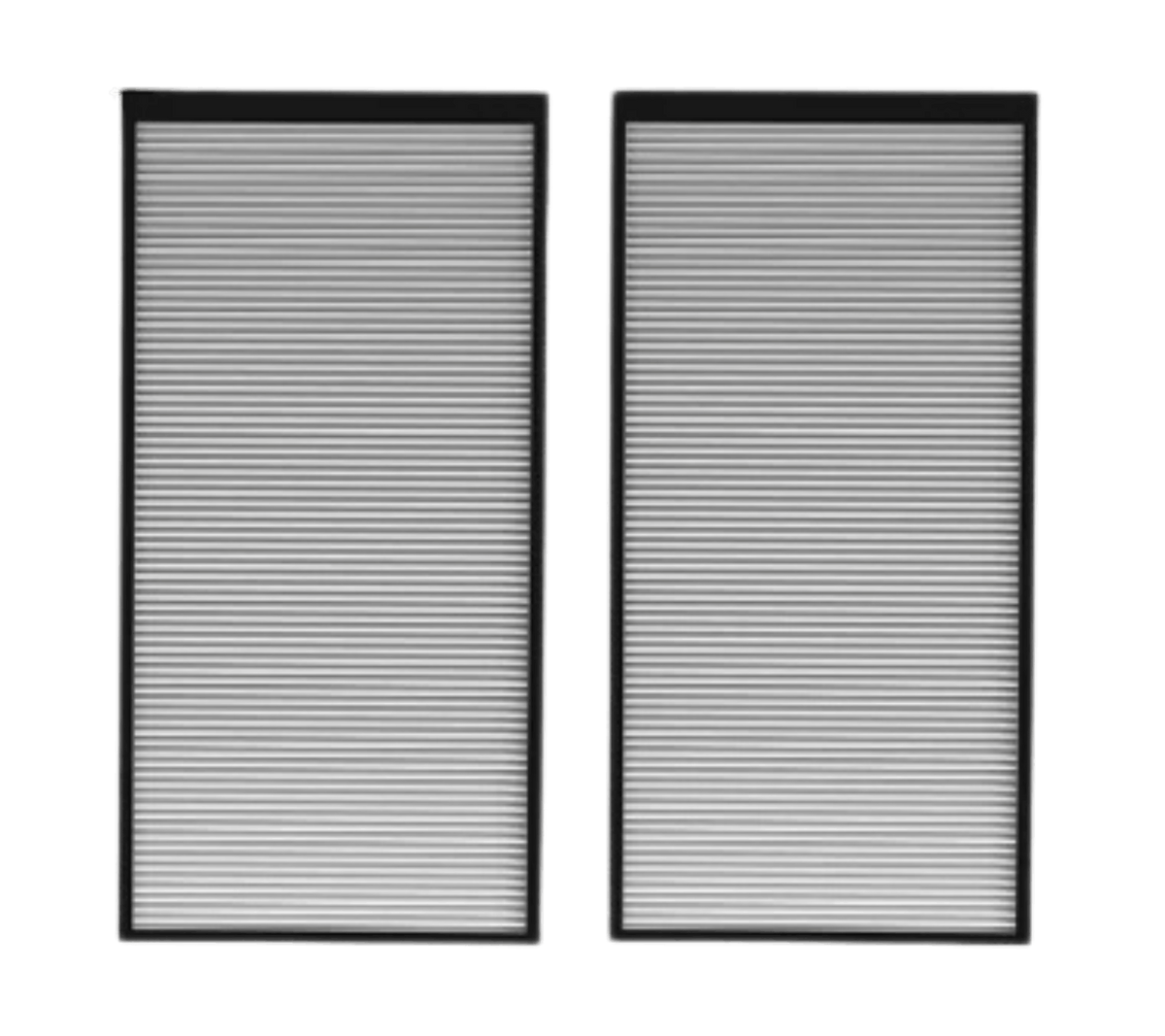
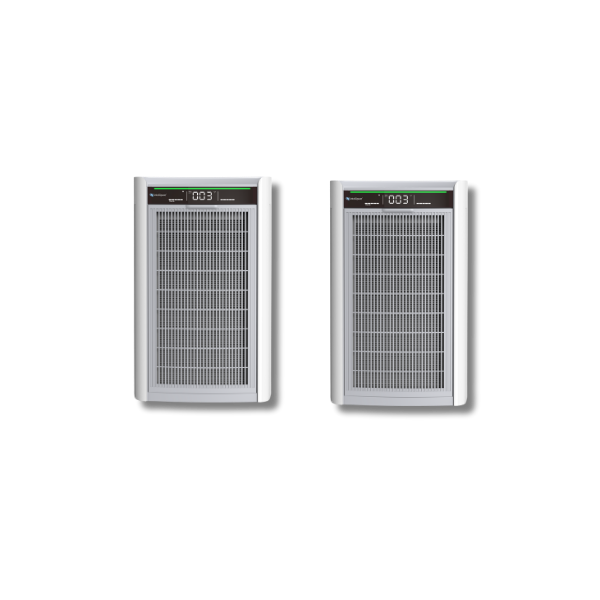
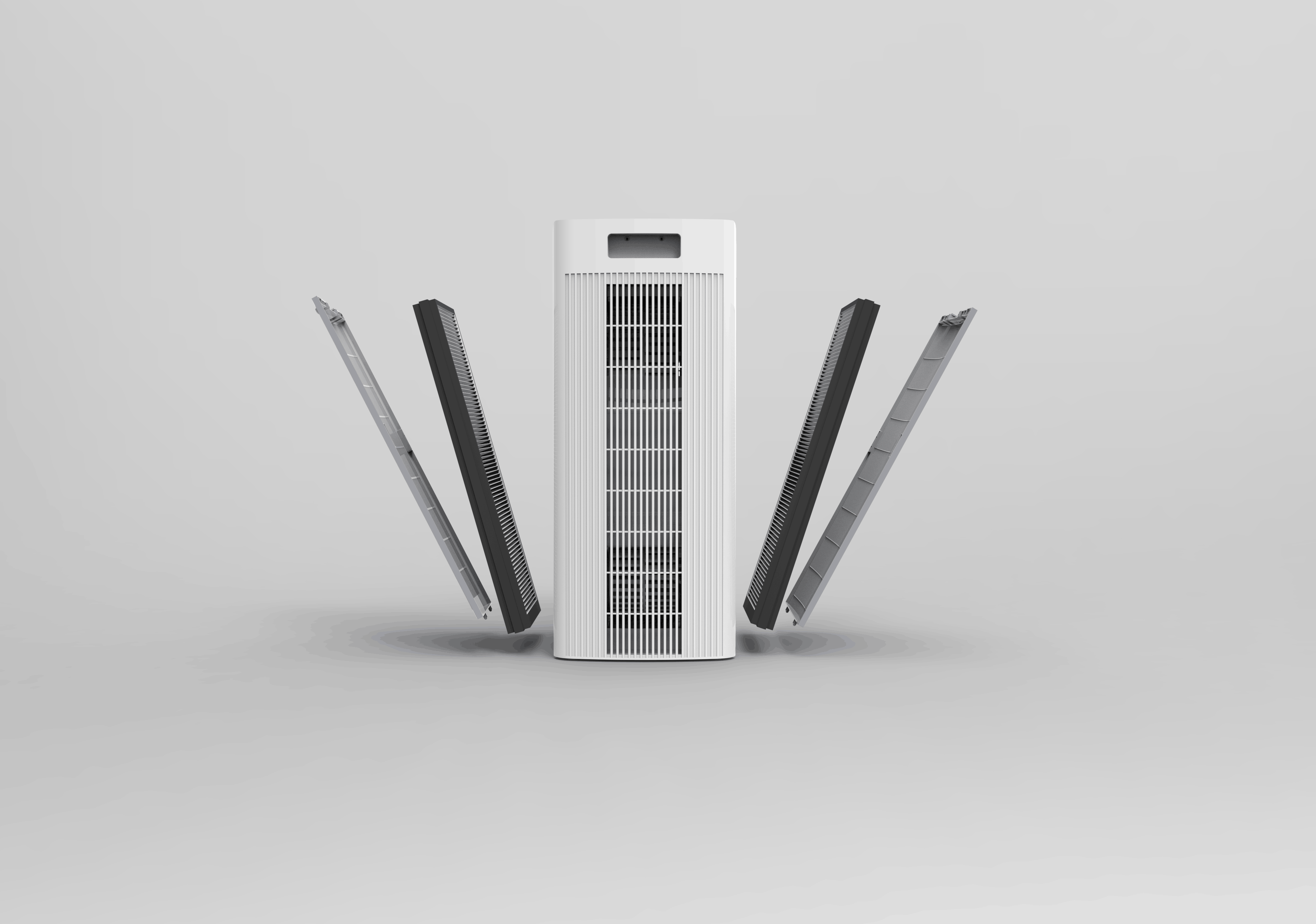
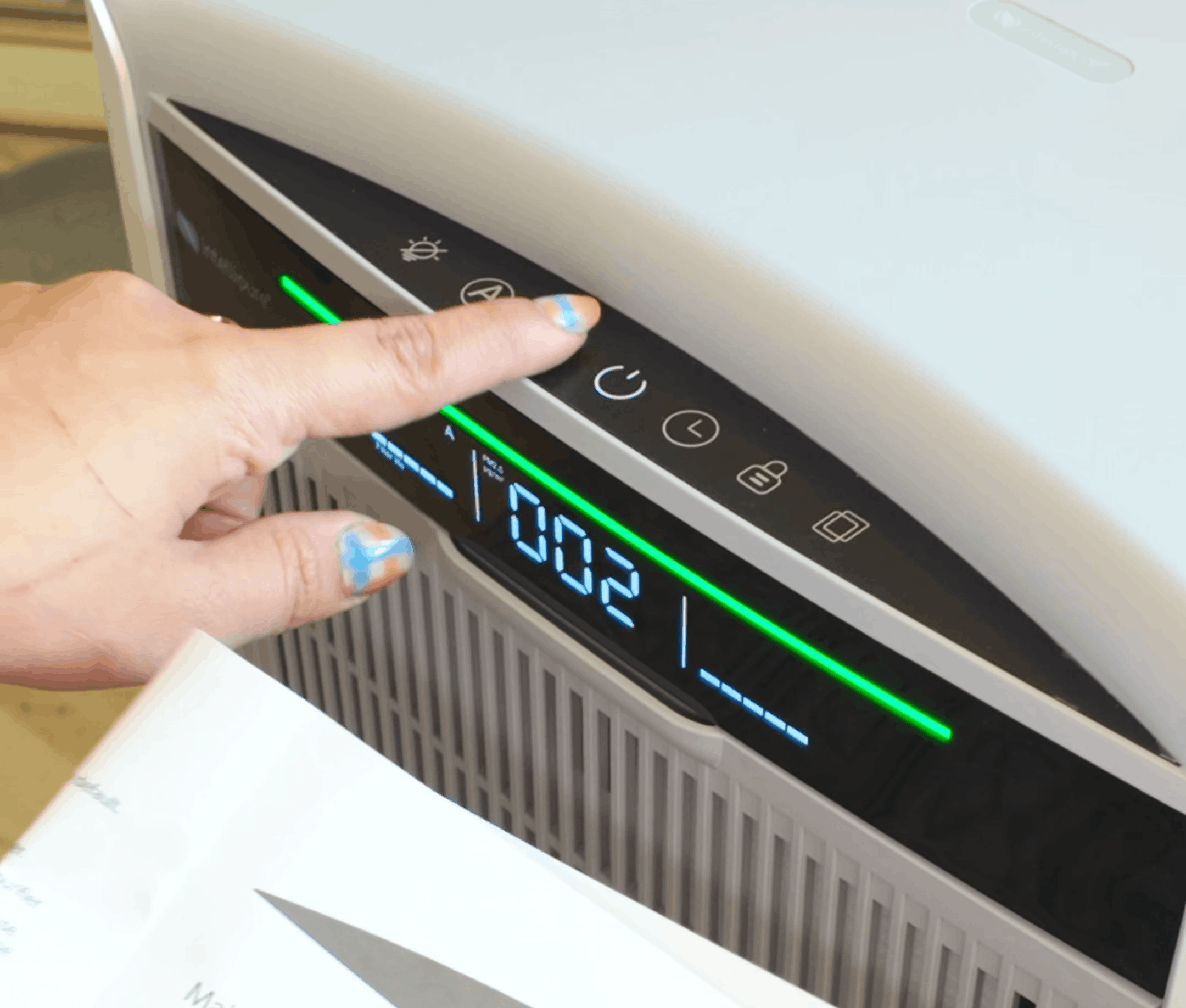
- Filter your indoor air. A high-efficiency air purifier can capture airborne particles that contribute to poor IAQ.
A Note on Houseplants
You may have heard that indoor plants can purify your air. While the idea is appealing, a 2020 review in the Journal of Exposure Science & Environmental Epidemiology found that you would need roughly 10 to 1,000 plants per square meter of floor space to match the air cleaning that standard building ventilation provides [12]. Houseplants are wonderful for your mood and your decor, but they are not a substitute for proper ventilation or a dedicated air purifier.
Bringing It All Together
Our homes are full of invisible culprits, from cooking fumes and cleaning sprays to building materials and that candle on your nightstand. But once you know what to look for, managing indoor air quality becomes a lot less overwhelming.
The approach we always come back to is what you might call the clean air trifecta: source control (reducing pollutants at the source), ventilation (letting fresh air in), and purification (filtering what is already there). No single step solves everything, but together they make a real difference.
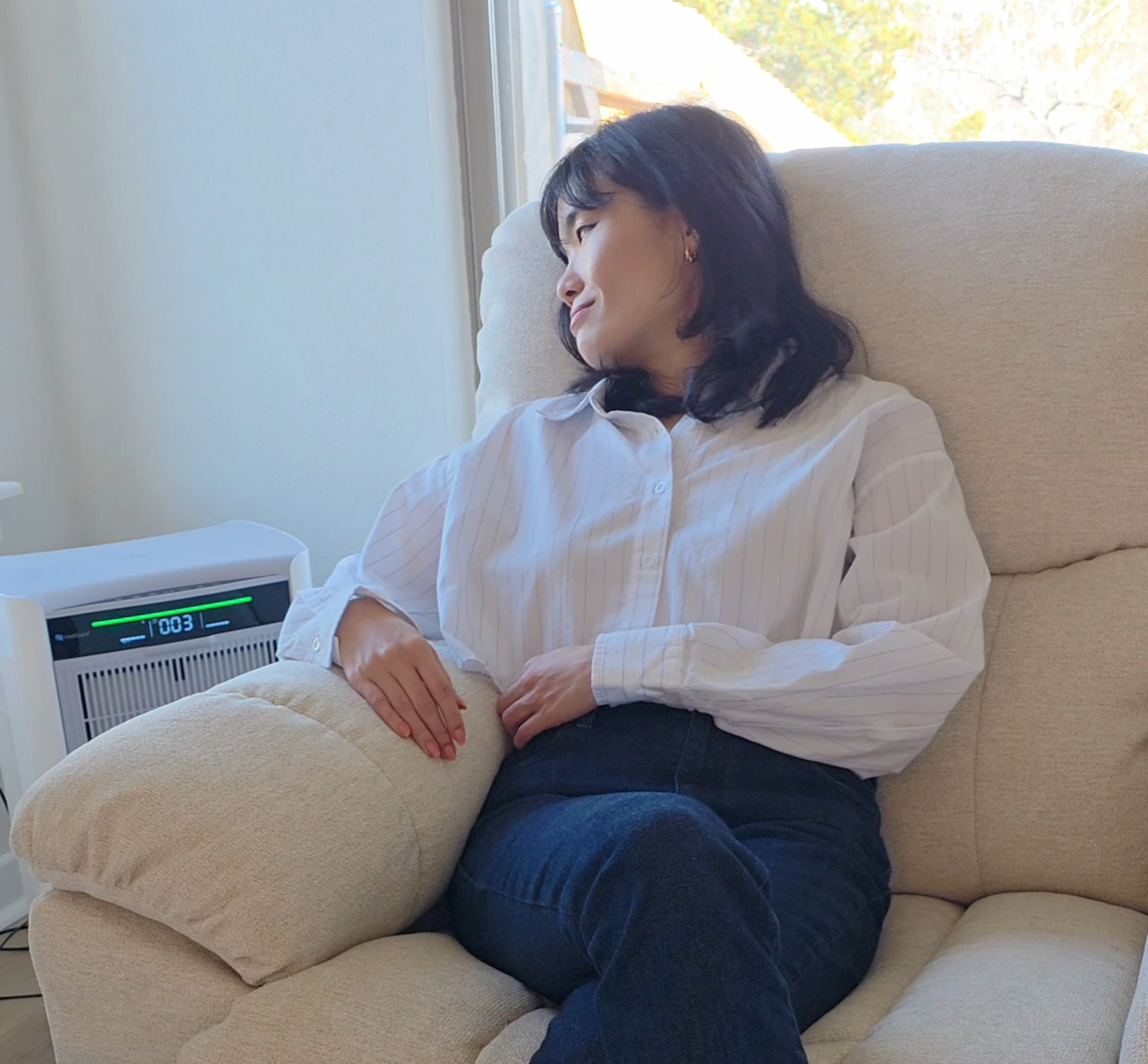
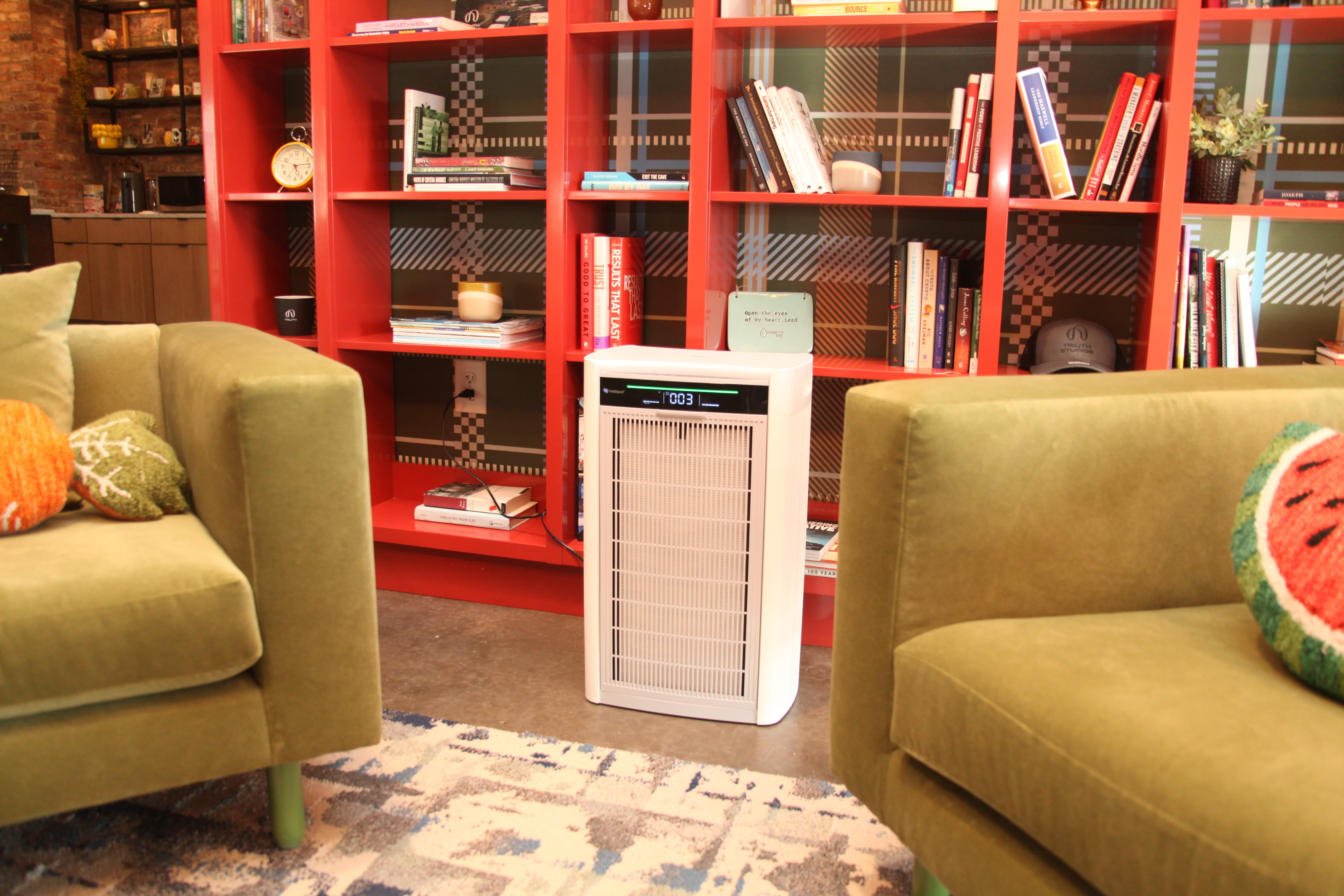
If you are ready to take a step in the right direction, start with one or two changes from the list above. Swap out a cleaning product, crack that kitchen window, or set up an air purifier in the room where you spend the most time. Small moves add up, and your lungs will thank you.
References
- United States Environmental Protection Agency. The inside story: a guide to indoor air quality [Internet]. Washington (DC): EPA; 2024 [cited 2026 Feb 12].
- World Health Organization. Ambient (outdoor) air pollution [Internet]. Geneva: WHO; 2024 [cited 2026 Feb 12].
- World Health Organization. Household air pollution [Internet]. Geneva: WHO; 2024 [cited 2026 Feb 12].
- U.S. Department of Health and Human Services. How tobacco smoke causes disease: the biology and behavioral basis for smoking-attributable disease: a report of the Surgeon General. Atlanta (GA): Centers for Disease Control and Prevention; 2010.
- Cao Y, Frey HC. Modeling of human exposure to in-vehicle PM2.5 from environmental tobacco smoke. Hum Ecol Risk Assess. 2012;18(3):608-626. doi:10.1080/10807039.2012.672894.
- Jacob P 3rd, Benowitz NL, Destaillats H, Gundel L, Hang B, Martins-Green M, et al. Thirdhand smoke: new evidence, challenges, and future directions. Chem Res Toxicol. 2017;30(1):270-294. doi:10.1021/acs.chemrestox.6b00343.
- Schmidt MG, Attaway HH, Terzieva S, Marshall A, Steed LL, Salzberg D, et al. Characterization and control of the microbial community affiliated with copper or aluminum heat exchangers of HVAC systems. Curr Microbiol. 2012;65(2):141-149. doi:10.1007/s00284-012-0137-0.
- Steinemann A. Fragranced consumer products: exposures and effects from emissions. Air Qual Atmos Health. 2016;9(8):861-866. doi:10.1007/s11869-016-0442-z.
- United States Environmental Protection Agency. Pesticides' impact on indoor air quality [Internet]. Washington (DC): EPA; 2024 [cited 2026 Feb 12].
- Centers for Disease Control and Prevention. Carbon monoxide poisoning [Internet]. Atlanta (GA): CDC; 2024 [cited 2026 Feb 12].
- United States Environmental Protection Agency. Health risk of radon [Internet]. Washington (DC): EPA; 2024 [cited 2026 Feb 12].
- Cummings BE, Waring MS. Potted plants do not improve indoor air quality: a review and analysis of reported VOC removal efficiencies. J Expo Sci Environ Epidemiol. 2020;30(2):253-261. doi:10.1038/s41370-019-0175-9.




10 Ways to Improve Your Indoor Air Quality
What are "Safe" Air Pollution Levels?