


Summary
Quality sleep is one of the most important things you can do for your health, yet millions of us struggle to get enough. Here are 12 practical, science-backed tips to help you wind down, fall asleep faster, and wake up feeling refreshed.
In This Article
Why "Restorative" Sleep Matters
There's a big difference between simply logging hours in bed and actually getting the kind of sleep your body needs to recover, recharge, and repair. The American Academy of Sleep Medicine and the Sleep Research Society recommend that adults get seven or more hours of sleep per night to promote optimal health [1]. Fall short of that on a regular basis, and the effects add up: insufficient sleep has been linked to cardiovascular disease, depression, and impaired cognitive function [2].
That's a fancy way of saying: your body does its best healing work while you're asleep, so the quality of those hours really counts.
The good news? A few intentional habits can make a meaningful difference. Whether you're dealing with occasional restlessness, seasonal allergies, or a racing mind at bedtime, the tips below are designed to help you build a sleep routine that actually sticks.
1. Wind Down Before Bed (Screens Off)
Your body needs a transition period between "go mode" and sleep mode. One of the most effective things you can do is power down screens at least 30 to 60 minutes before bed. Research has shown that the blue light emitted by phones, tablets, and laptops can suppress your body's production of melatonin, the hormone that signals it's time to sleep [3]. In one study, participants who read on a light-emitting device before bed took longer to fall asleep, experienced reduced melatonin secretion, and felt less alert the following morning [3].
Swapping your evening scroll session for a paperback book, gentle stretching, or a warm cup of tea can go a long way toward telling your brain it's time to wind down.
2. Set a Consistent, Earlier Bedtime
This one sounds simple, but it works. If you typically aim for seven hours and find yourself waking up in the middle of the night, try shifting your bedtime an hour earlier. That extra buffer gives you room to account for the time it takes to fall asleep and any nighttime wake-ups, helping you hit that seven-to-nine-hour target the National Sleep Foundation recommends for adults [4].
Consistency matters, too. Going to bed and waking up at roughly the same time each day (yes, even on weekends) helps regulate your circadian rhythm.
3. Consider Melatonin for Occasional Sleeplessness
Melatonin is a hormone your body produces naturally as darkness falls. As a supplement, it may help with sleep onset and is one of the more well-studied options for jet lag. A Cochrane review of ten trials found that melatonin was "remarkably effective" at reducing jet lag symptoms, particularly for travelers crossing five or more time zones [5]. A separate review suggested it may also modestly improve sleep-onset latency in people with insomnia [6].
A few things to keep in mind: the NCCIH notes that melatonin appears relatively safe for short-term use, but long-term safety has not been fully established [6]. Dosages of 0.5 to 5 mg are commonly studied, and higher doses don't necessarily mean better results [5]. As with any supplement, it's a good idea to talk with your healthcare provider before adding melatonin to your routine.
4. Create a Tech-Free Bedroom
Building on that screen-free wind-down, consider keeping devices out of the bedroom entirely. Charging your phone in another room removes the temptation to check notifications, and it eliminates ambient light that can interfere with deep sleep. Research has found that the mere presence of screen-based media devices in the bedroom is associated with shorter sleep duration and poorer overall sleep quality [7].
Swap your phone alarm for a simple analog clock, and keep a book on the nightstand instead of a tablet. Your bedroom should feel like a sanctuary for rest, not a satellite office.
5. Clean Up Your Bedroom Air
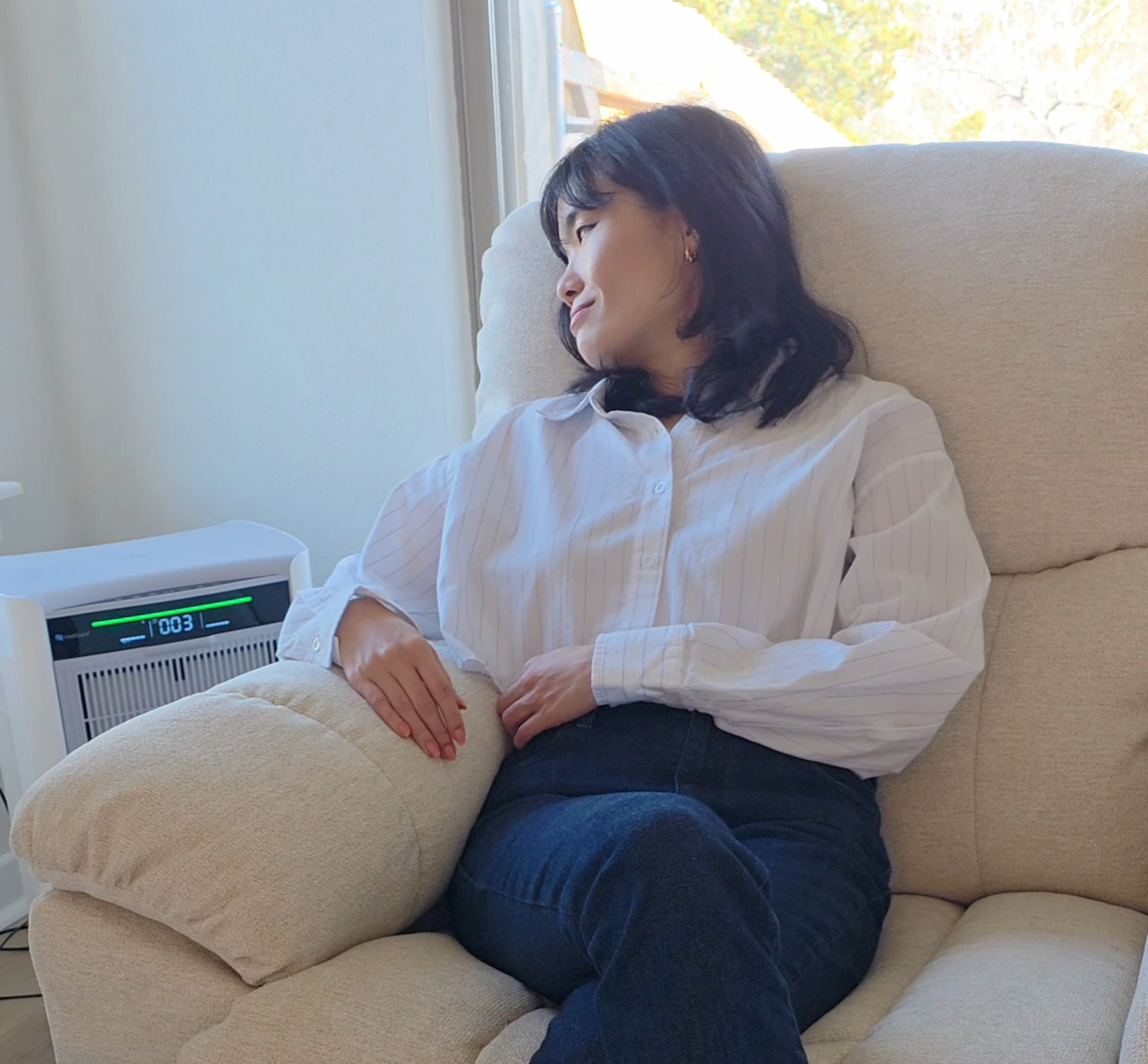
If you're an allergy sufferer, the air in your bedroom could be quietly sabotaging your sleep. Research shows that allergic rhinitis is strongly associated with poor sleep quality: in one study of over 1,700 participants, more than 50% of adults with dust mite allergies reported poor-quality sleep, and many experienced frequent nighttime awakenings [8].
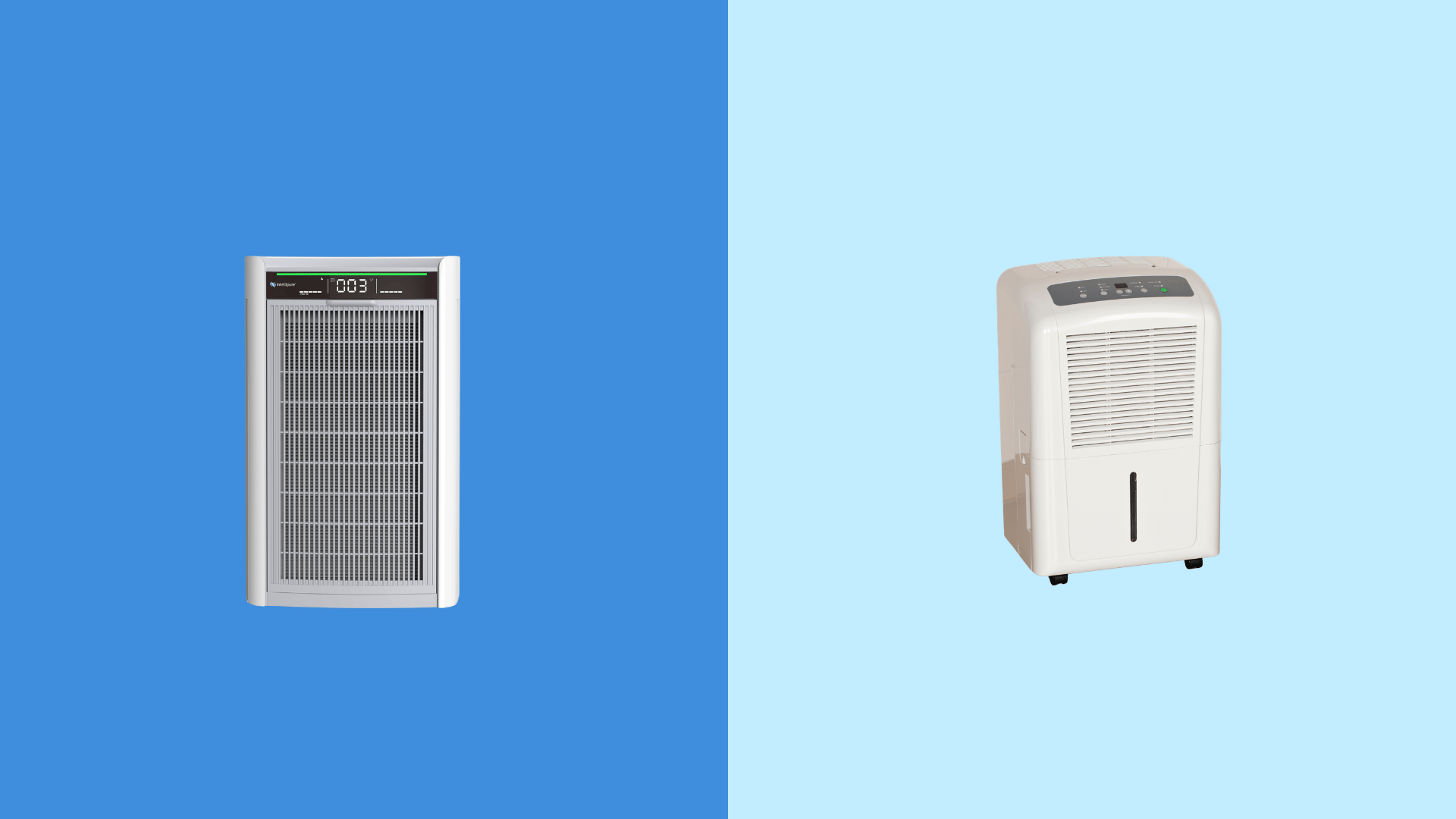
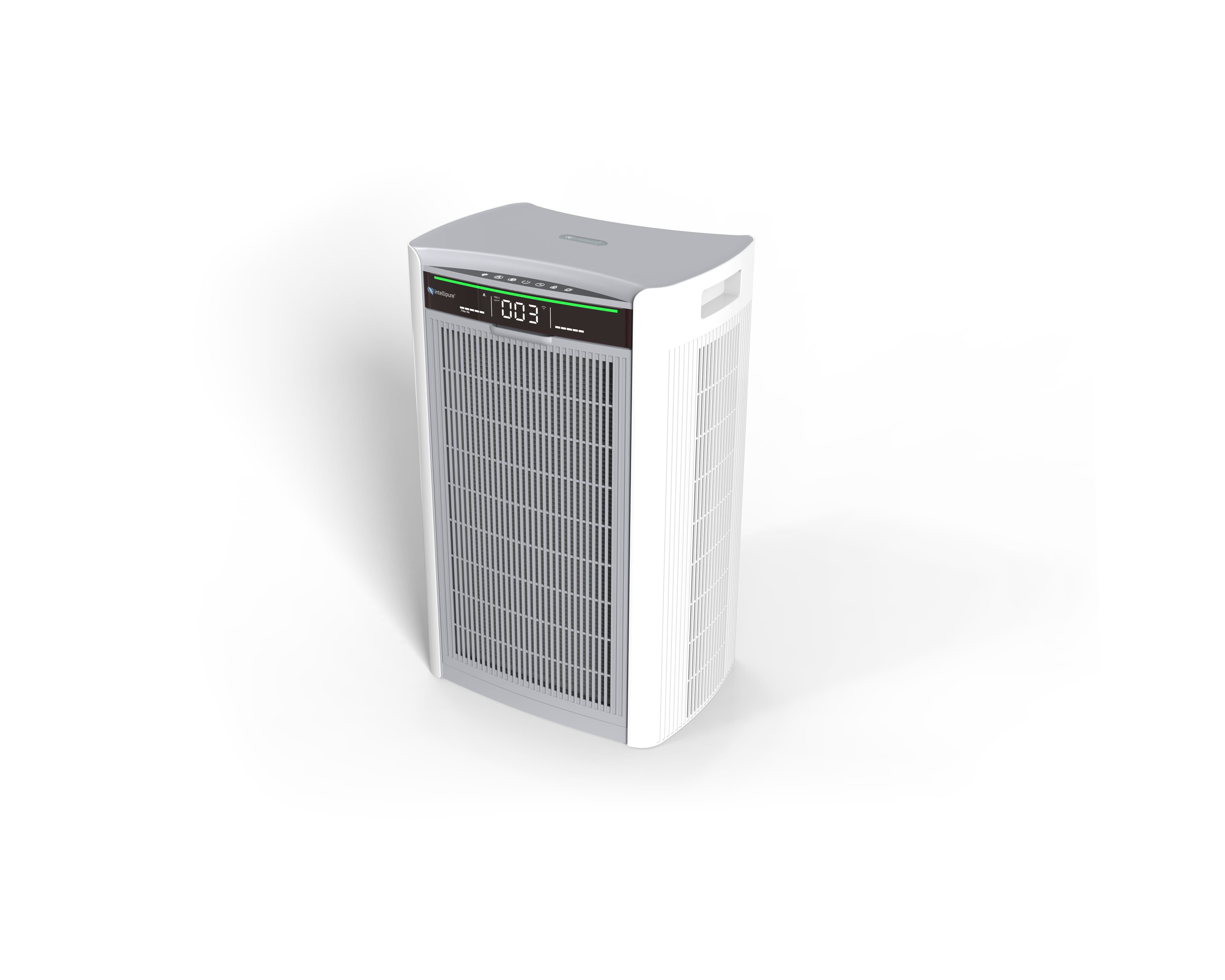
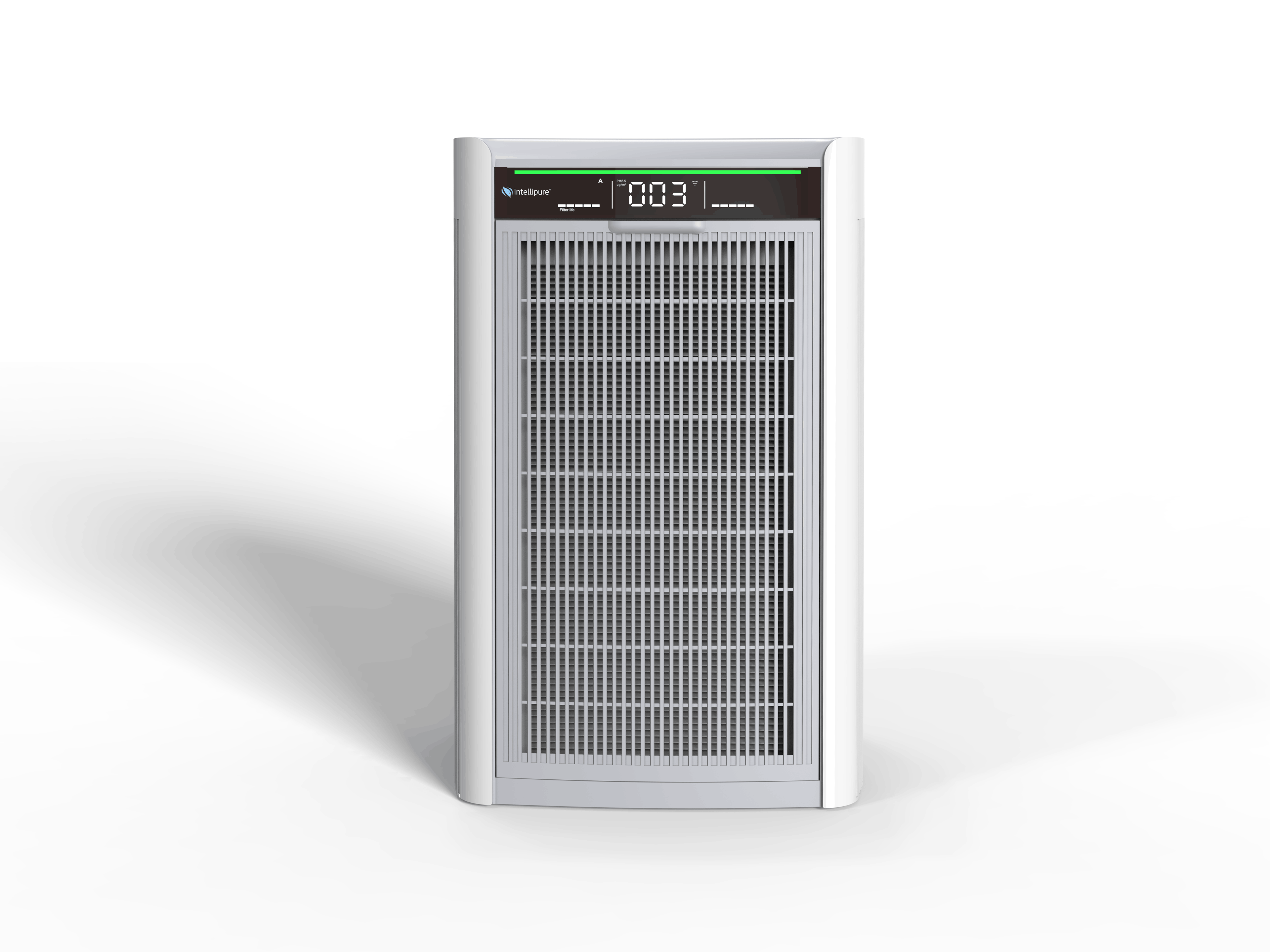
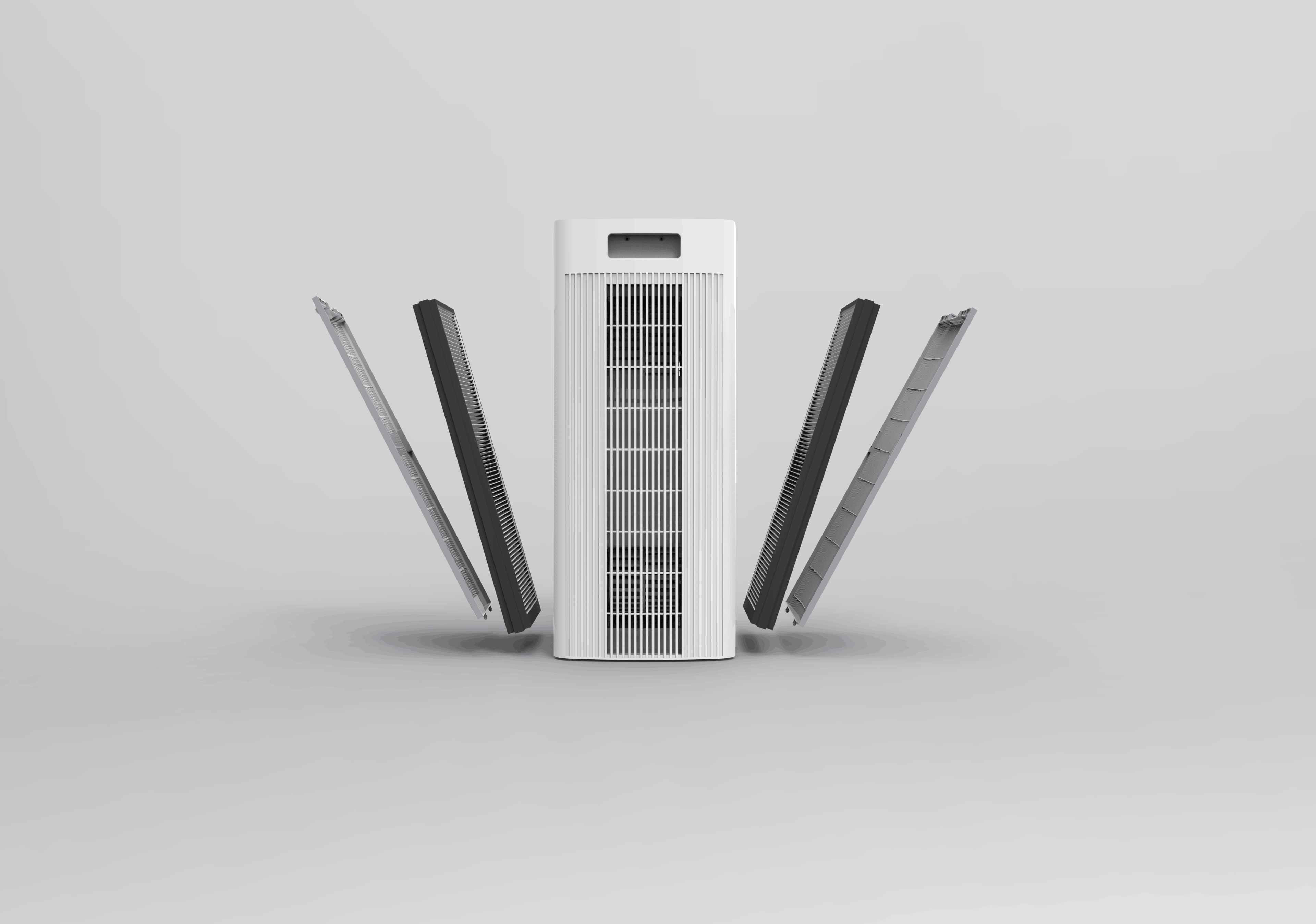
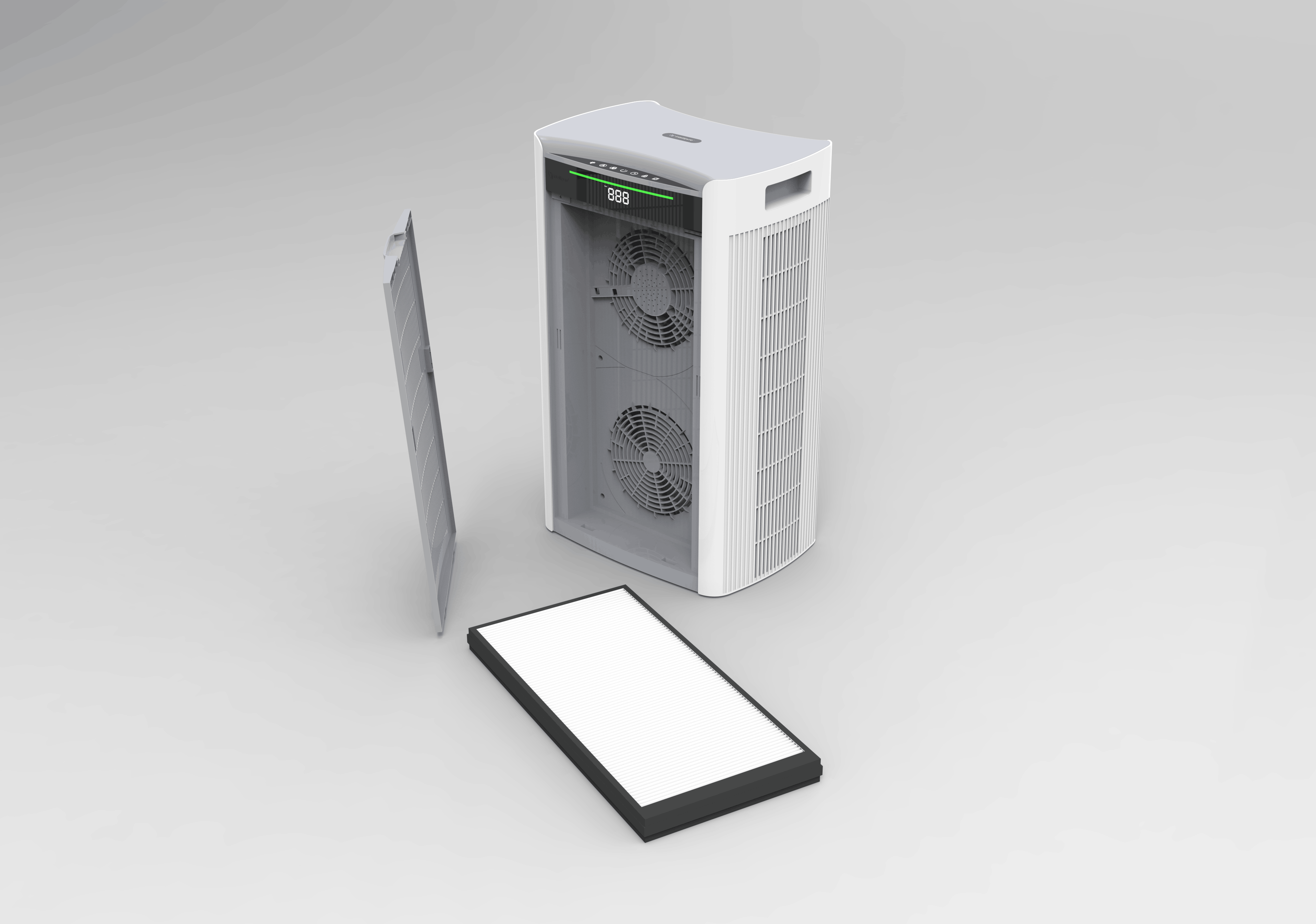
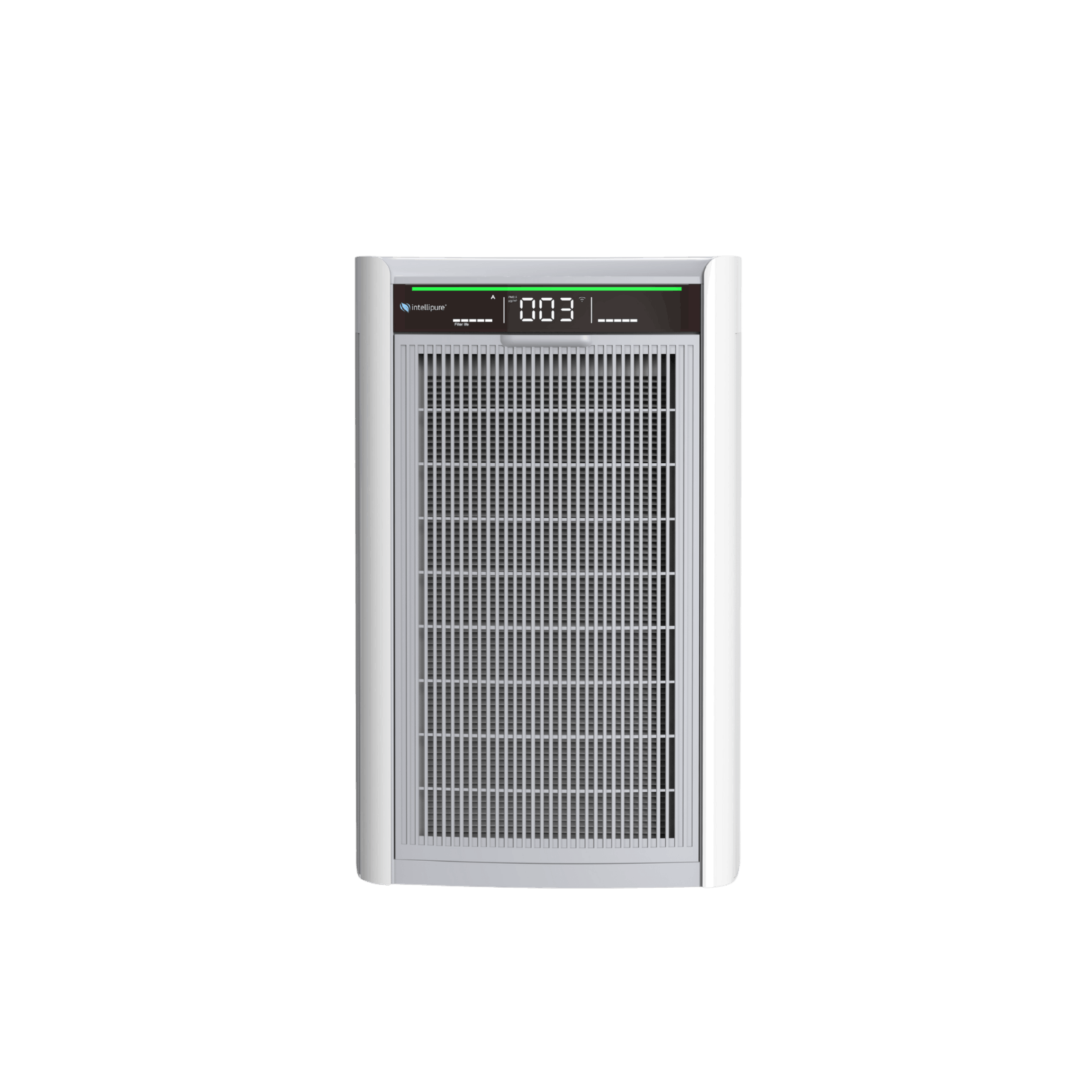
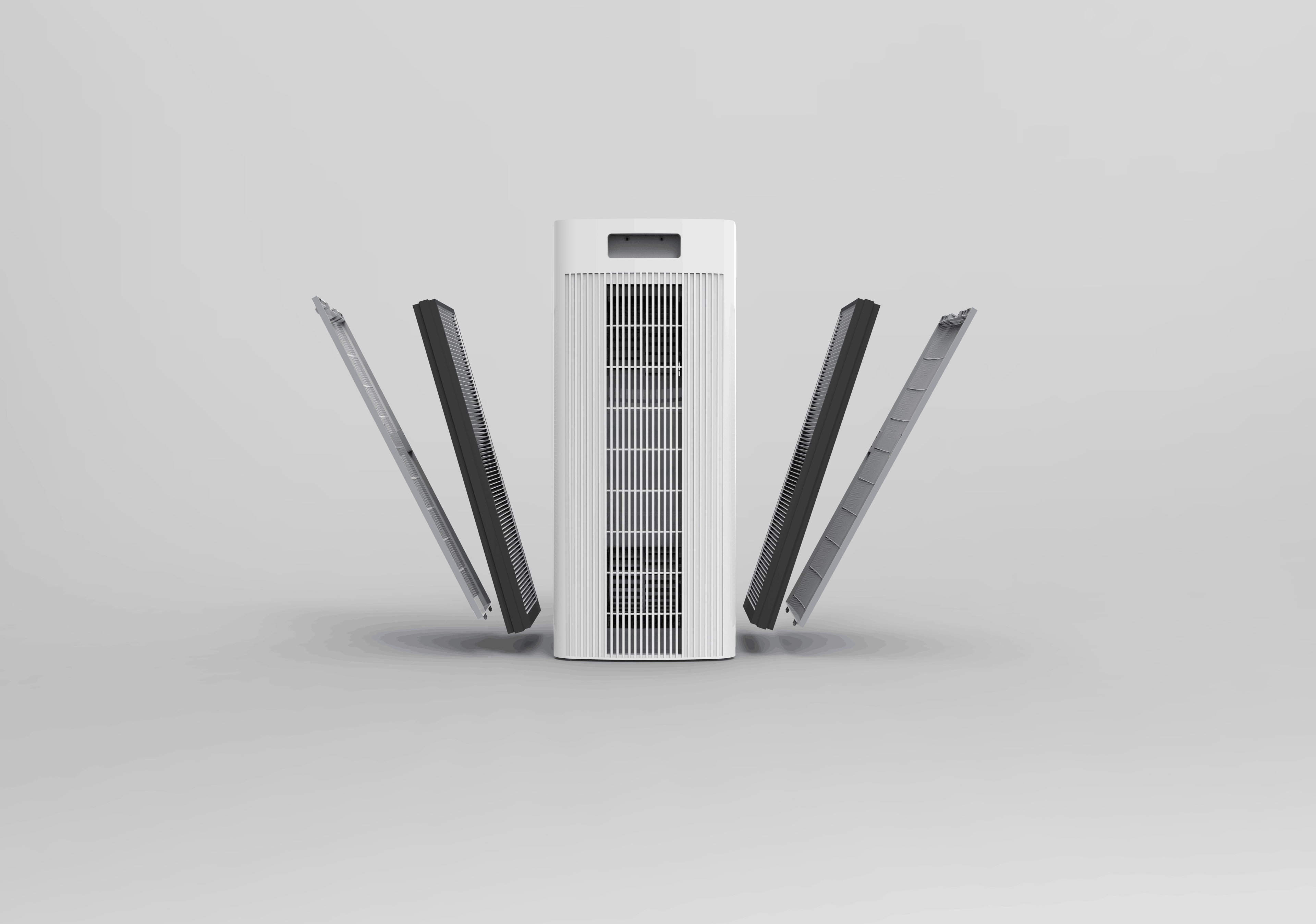
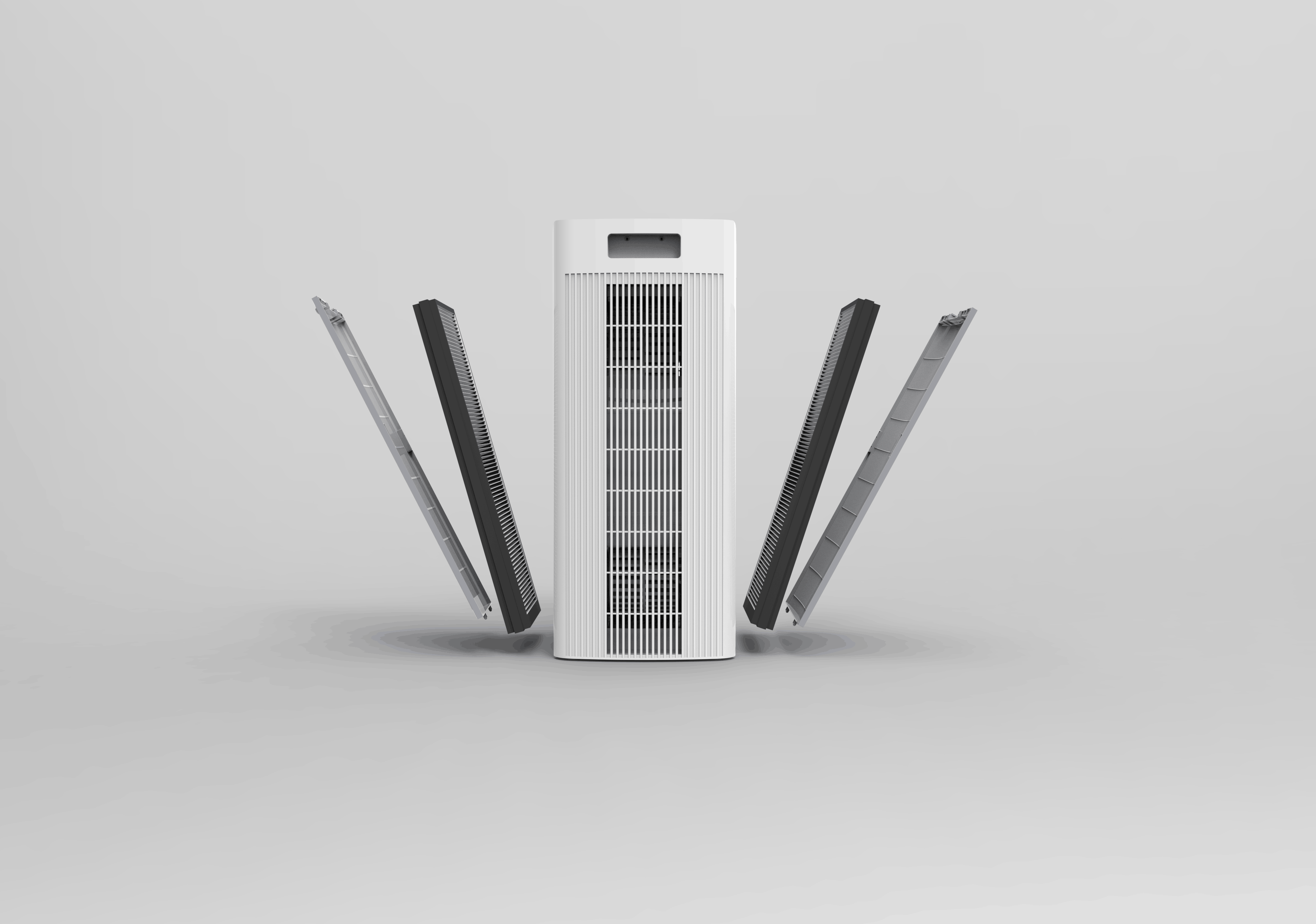
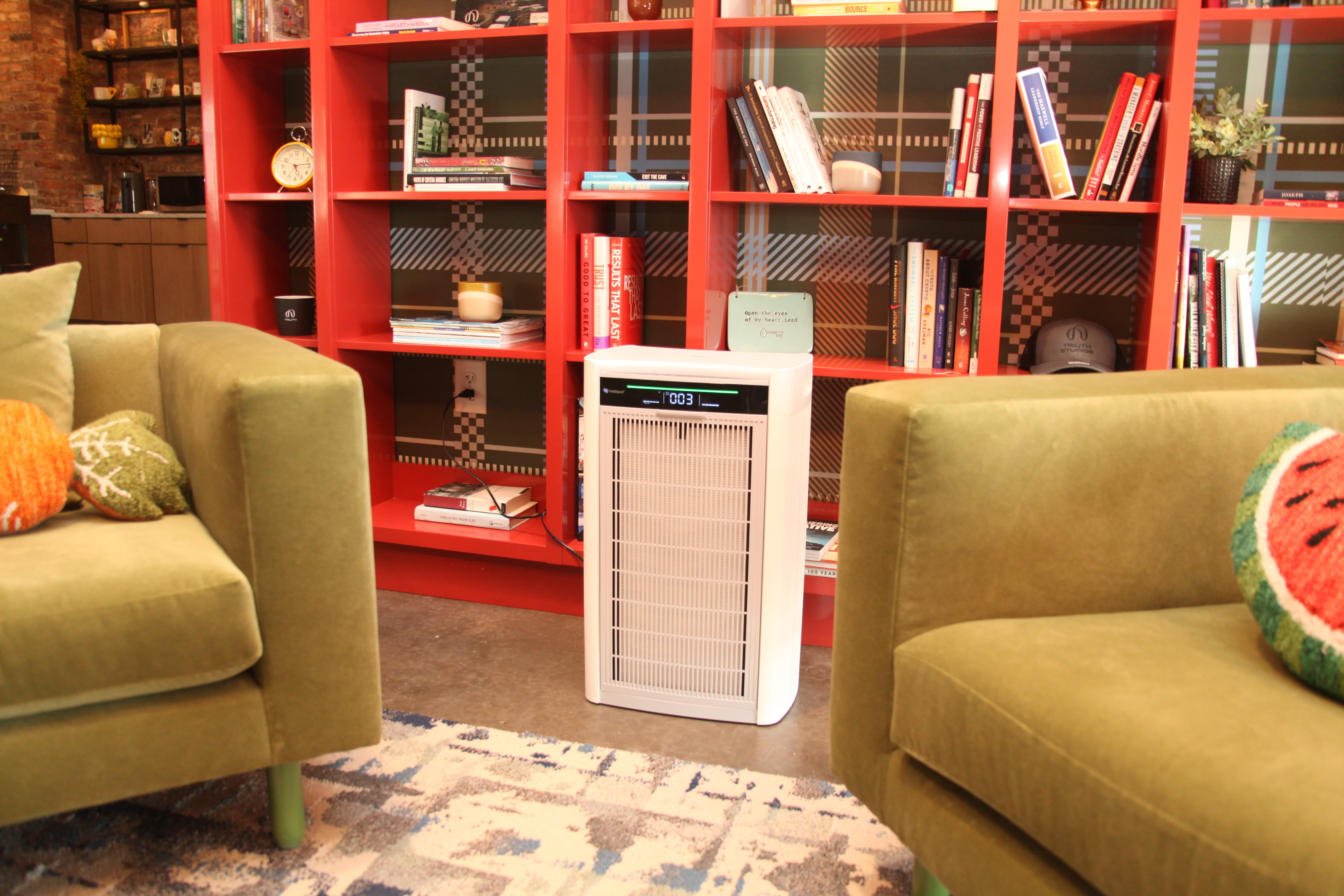
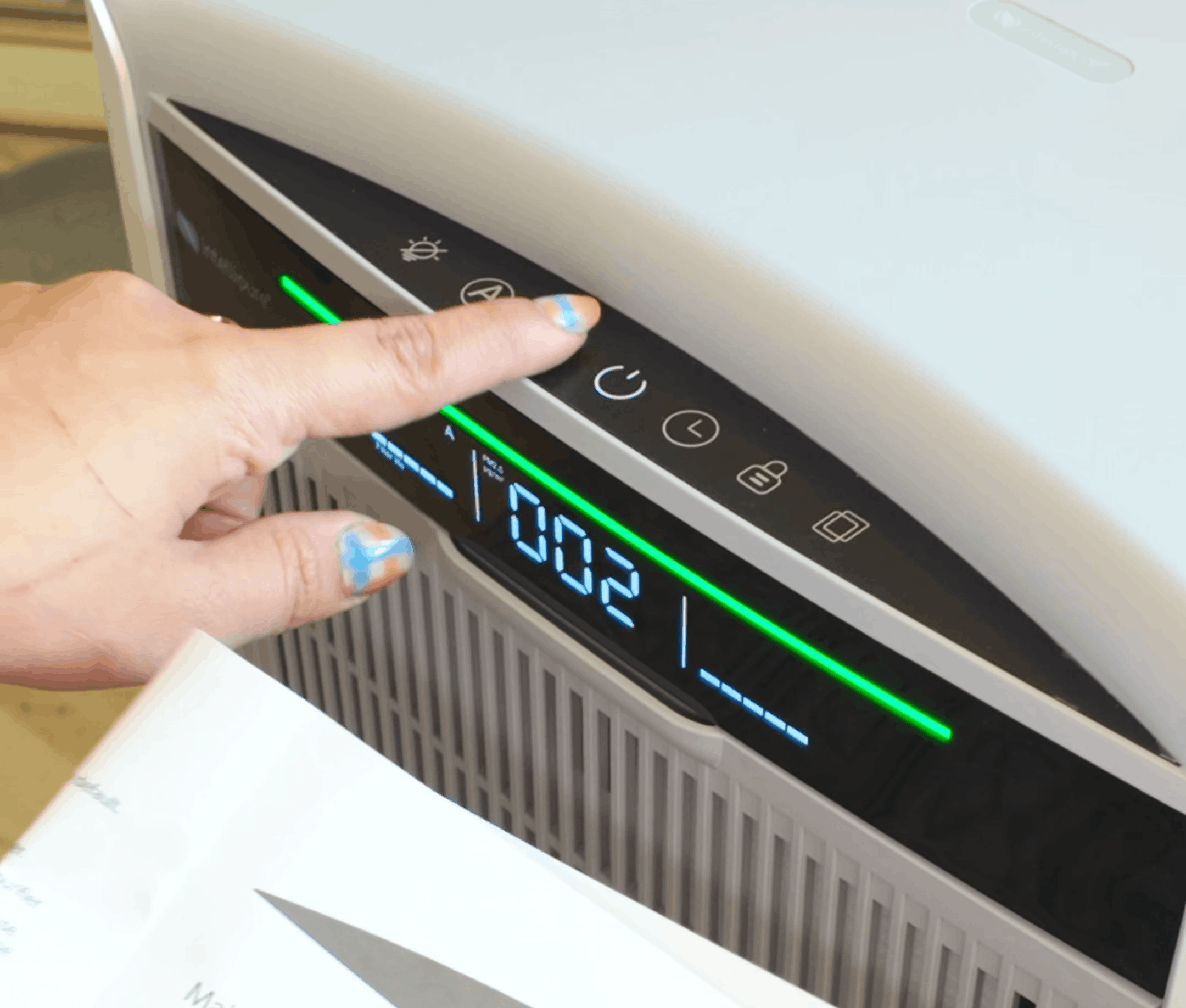
Reducing airborne allergens like dust, pet dander, pollen, and mold spores can help. This is where a quality air purifier earns its spot on the nightstand.
6. Try Lavender for Relaxation
Lavender has a long folk history as a calming scent, and modern research is catching up. A 2024 meta-analysis found that aromatherapy, particularly with lavender, demonstrated significant improvements in sleep quality among older adults [9]. A separate systematic review confirmed that lavender essential oil can enhance sleep quality in adults, though the researchers noted that more high-quality studies are needed [10].
A few drops of lavender essential oil on your pillow or in a bedside diffuser is a simple, low-risk addition to your nighttime routine. Just keep in mind that aromatherapy is a complement to good sleep habits, not a replacement for them.
7. Add Magnesium to Your Evening Routine
Magnesium is an essential mineral involved in hundreds of processes in the body, and some research suggests it may help with sleep. A systematic review and meta-analysis found that oral magnesium supplementation reduced sleep onset latency by about 17 minutes compared to placebo in older adults [11]. While the evidence is still emerging and study quality varies, the researchers noted that magnesium's low cost and wide availability make it a reasonable option to discuss with your doctor.
Many people take a magnesium supplement after dinner as part of their wind-down routine.
8. Snack on Kiwifruit
Here's a surprising one: eating two kiwifruits about an hour before bed may help you sleep better. A study in adults with sleep problems found that four weeks of nightly kiwifruit consumption was associated with a 35% reduction in time to fall asleep and a 13% increase in total sleep time [12]. Researchers believe the effect may be related to kiwifruit's antioxidant content and its role in serotonin production.
Kiwis are also a good source of vitamin C and other antioxidants. It's a nutritious, low-calorie snack that doubles as a sleep aid. Not bad for a fuzzy little fruit.
9. Practice Evening Meditation
A racing mind is one of the most common barriers to falling asleep. Meditation and mindfulness practices can help quiet that mental chatter. A systematic review and meta-analysis of 18 randomized controlled trials found moderate evidence that mindfulness meditation significantly improved sleep quality compared to nonspecific active controls [13].
You don't need a formal practice to benefit. Even ten minutes of guided breathing or a body scan meditation during your wind-down hour can help signal to your nervous system that it's safe to relax. Apps, free YouTube videos, and even simple deep-breathing exercises are all good starting points.
10. Invest in Comfortable Bedding
This might seem obvious, but your physical comfort matters more than you think. Sheets that feel good against your skin, a supportive pillow, and a mattress suited to your sleep style all contribute to how quickly you fall asleep and how deeply you stay there. While bedding alone won't solve a sleep disorder, creating a sleep environment that feels inviting can make it easier to stick with your other healthy sleep habits.
Look for breathable, moisture-wicking materials (bamboo and cotton are popular choices) to help regulate temperature throughout the night.
11. Keep Your Bedroom Cool
Temperature plays a bigger role in sleep quality than most people realize. Sleep experts generally recommend keeping your bedroom between 65 and 68 degrees Fahrenheit (about 18 to 20 degrees Celsius) for optimal sleep [14]. A cooler environment supports your body's natural temperature drop during sleep, which helps trigger drowsiness and maintain deeper sleep stages.
If you and your partner disagree on the thermostat setting (a common debate), layering blankets can be a simple compromise.
12. Sip an Herbal Tea
Ending the day with a warm cup of herbal tea is a comforting ritual that also signals to your body that bedtime is approaching. Chamomile is one of the most popular choices, and a 2024 systematic review of ten clinical trials found that chamomile consumption was associated with significant improvements in overall sleep quality scores [15]. The effect appeared strongest for reducing nighttime awakenings, though it did not significantly increase total sleep duration.
Whether you reach for chamomile, passionflower, or a caffeine-free blend, the act of sitting quietly with a warm mug is itself a small meditation. Just be sure to avoid anything with caffeine in the hours before bed.
Building Your Sleep Routine
You don't need to adopt all twelve tips overnight. Start with the two or three that feel most doable for your lifestyle, and build from there. The goal is to create a consistent routine that helps your body recognize when it's time to power down.
A few foundational priorities to focus on first:
- Set a consistent bedtime and protect those seven-to-nine hours.
- Limit screens in the hour before bed.
- Optimize your sleep environment: cool temperature, clean air, comfortable bedding.
From there, layer in the habits that work for you, whether that's a magnesium supplement, a kiwi snack, or a few minutes of meditation. Small, consistent changes tend to stick better than dramatic overnight overhauls.
Here's to better sleep, one small habit at a time.
References
- Watson NF, Badr MS, Belenky G, Bliwise DL, Buxton OM, Buysse D, Dinges DF, Gangwisch J, Grandner MA, Kushida C, Malhotra RK, Martin JL, Patel SR, Quan SF, Tasali E. Recommended Amount of Sleep for a Healthy Adult: A Joint Consensus Statement of the American Academy of Sleep Medicine and Sleep Research Society. Sleep. 2015;38(6):843-4. doi:10.5665/sleep.4716.
- Centers for Disease Control and Prevention. Sleep Deprivation, Sleep Disorders, and Chronic Disease [Internet]. CDC. Available from: https://www.cdc.gov/pcd/issues/2023/23_0197.htm.
- Chang AM, Aeschbach D, Duffy JF, Czeisler CA. Evening use of light-emitting eReaders negatively affects sleep, circadian timing, and next-morning alertness. Proceedings of the National Academy of Sciences of the United States of America. 2015;112(4):1232-7. doi:10.1073/pnas.1418490112.
- Hirshkowitz M, Whiton K, Albert SM, Alessi C, Bruni O, DonCarlos L, Hazen N, Herman J, Adams Hillard PJ, Katz ES, Kheirandish-Gozal L, Neubauer DN, O'Donnell AE, Ohayon M, Peever J, Rawding R, Sachdeva RC, Setters B, Vitiello MV, Ware JC. National Sleep Foundation's updated sleep duration recommendations: final report. Sleep health. 2015;1(4):233-243. doi:10.1016/j.sleh.2015.10.004.
- Herxheimer A, Petrie KJ. Melatonin for preventing and treating jet lag. The Cochrane database of systematic reviews. 2001;2002(1):CD001520. doi:10.1002/14651858.CD001520.
- National Institutes of Health. Melatonin: What You Need To Know [Internet]. NCCIH. Available from: https://www.nccih.nih.gov/health/melatonin-what-you-need-to-know.
- Hale L, Kirschen GW, LeBourgeois MK, Gradisar M, Garrison MM, Montgomery-Downs H, Kirschen H, McHale SM, Chang AM, Buxton OM. Youth Screen Media Habits and Sleep: Sleep-Friendly Screen Behavior Recommendations for Clinicians, Educators, and Parents. Child and adolescent psychiatric clinics of North America. 2018;27(2):229-245. doi:10.1016/j.chc.2017.11.014.
- Leger D, Bonnefoy B, Pigearias B, de La Giclais B, Chartier A. Poor sleep is highly associated with house dust mite allergic rhinitis in adults and children. Allergy, asthma, and clinical immunology : official journal of the Canadian Society of Allergy and Clinical Immunology. 2017;13:36. doi:10.1186/s13223-017-0208-7.
- Xu K, Wang S, Ji Q, Ni Y, Liu T. Effects of aromatherapy on sleep quality in older adults: A meta-analysis. Medicine. 2024;103(49):e40688. doi:10.1097/MD.0000000000040688.
- Shen H, Zhang LJ, Zhu WY. The Sleep-Enhancing Effect of Lavender Essential Oil in Adults: A Systematic Review and Meta-Analysis. Holistic nursing practice. 2026;40(2):105-118. doi:10.1097/HNP.0000000000000734.
- Mah J, Pitre T. Oral magnesium supplementation for insomnia in older adults: a Systematic Review & Meta-Analysis. BMC complementary medicine and therapies. 2021;21(1):125. doi:10.1186/s12906-021-03297-z.
- Lin HH, Tsai PS, Fang SC, Liu JF. Effect of kiwifruit consumption on sleep quality in adults with sleep problems. Asia Pacific journal of clinical nutrition. 2011;20(2):169-74.
- Rusch HL, Rosario M, Levison LM, Olivera A, Livingston WS, Wu T, Gill JM. The effect of mindfulness meditation on sleep quality: a systematic review and meta-analysis of randomized controlled trials. Annals of the New York Academy of Sciences. 2019;1445(1):5-16. doi:10.1111/nyas.13996.
- Pacheco D. Best Temperature for Sleep [Internet]. Sleep Foundation; 2020. Available from: https://www.sleepfoundation.org/bedroom-environment/best-temperature-for-sleep.
- Kazemi A, Shojaei-Zarghani S, Eskandarzadeh P, Hashempur MH. Effects of chamomile (Matricaria chamomilla L.) on sleep: A systematic review and meta-analysis of clinical trials. Complementary therapies in medicine. 2024;84:103071. doi:10.1016/j.ctim.2024.103071.










Allergen Report: What's in the Air This October
Are Cooking Odors and Smoke Affecting Your Indoor Air?