

Summary
As pollen season winds down across most of the country, October brings a shift toward indoor allergens like dust mites and leaf mold, plus the start of cold and flu season. Here's your region-by-region pollen breakdown and practical tips for breathing easier this fall.
In This Article
October Pollen: The Finish Line Is in Sight
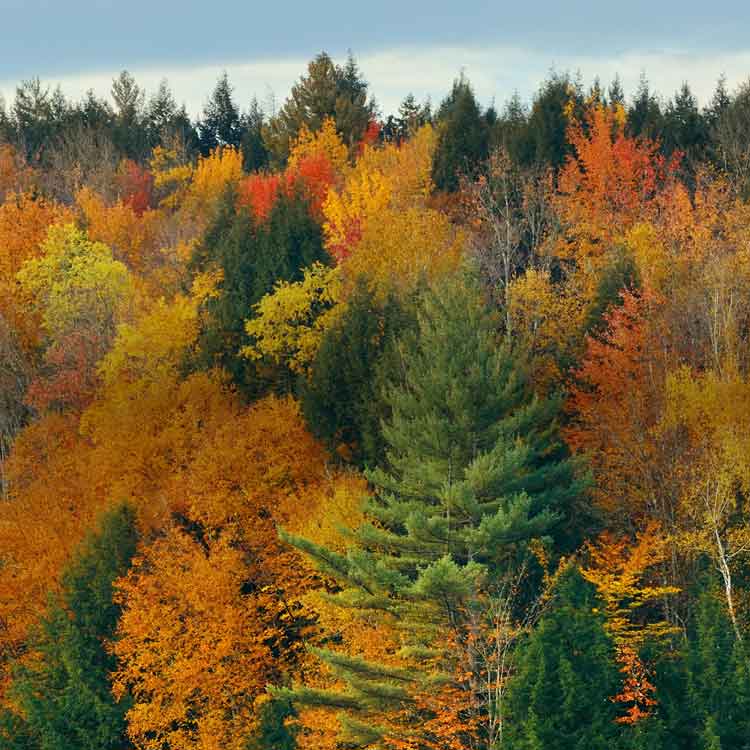
Fall is in the air. The leaves are turning, pumpkin-flavored everything is back, and for most pollen allergy sufferers, relief has finally arrived. If you live in the Southwest or Northwest, you can officially breathe easy: pollen counts have dropped to negligible levels. Elsewhere, only a few stubborn plants are still producing pollen as the season winds down.
Ragweed, predictably, is the last one standing. According to the Asthma and Allergy Foundation of America, ragweed pollen peaks in mid-September and can linger into October depending on your location [1]. The American College of Allergy, Asthma and Immunology notes that ragweed blooms and releases pollen from August through November in many areas [2].
But just as pollen heads out the door, cold and flu season steps in. The CDC reports that flu season in the Northern Hemisphere can begin as early as October and last as late as April or May [3]. The good news? A little preparation goes a long way toward bouncing back quickly if illness strikes.
Regional Pollen Breakdown for October
Here's what pollen allergy sufferers can expect across the country this month. Regional pollen patterns vary by latitude, with shorter pollen seasons at higher latitudes [4].
Northeast
- Tree pollen: Cedar, juniper
- Grass pollen: Typically none in measurable quantity
- Weeds: Dogfennel, ragweed
Southeast
- Tree pollen: Cedar, juniper
- Grass pollen: Typically none in measurable quantity
- Weeds: Dogfennel, ragweed
Midwest
- Tree pollen: Typically none in measurable quantity
- Grass pollen: Typically none in measurable quantity
- Weeds: Ragweed
South Central
- Tree pollen: Cedar, juniper
- Grass pollen: Bermuda
- Weeds: Ragweed
Southwest
- Tree pollen: Typically none in measurable quantity
- Grass pollen: Typically none in measurable quantity
- Weeds: Typically none in measurable quantity
Northwest
- Tree pollen: Typically none in measurable quantity
- Grass pollen: Typically none in measurable quantity
- Weeds: Typically none in measurable quantity
Enjoying the Outdoors (While Protecting Your Indoor Air)
October is prime time for camping, bonfires, and cool evening walks. Just keep an eye on your local outdoor air quality, because that crisp fall breeze can carry contaminants along with it.
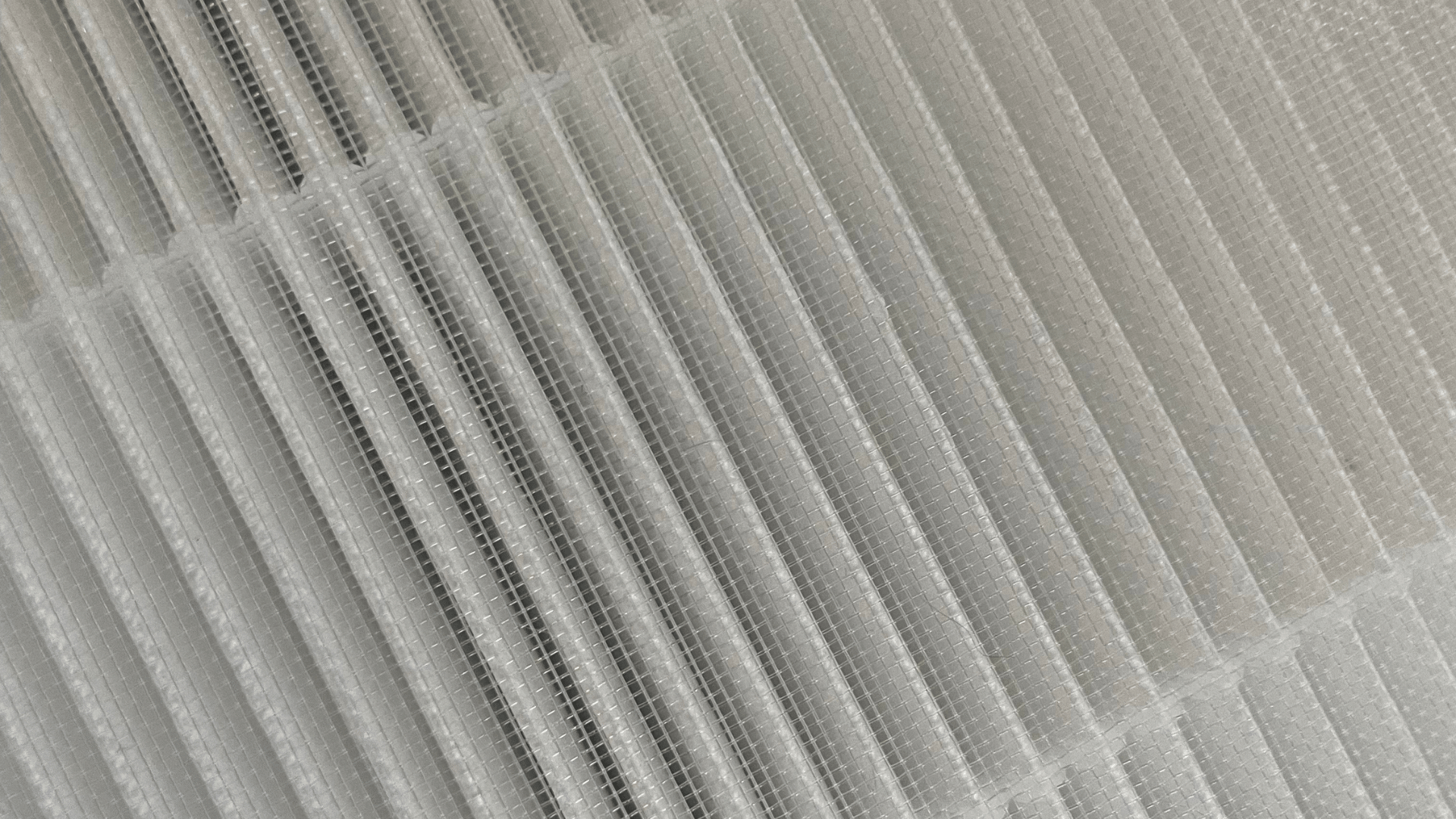
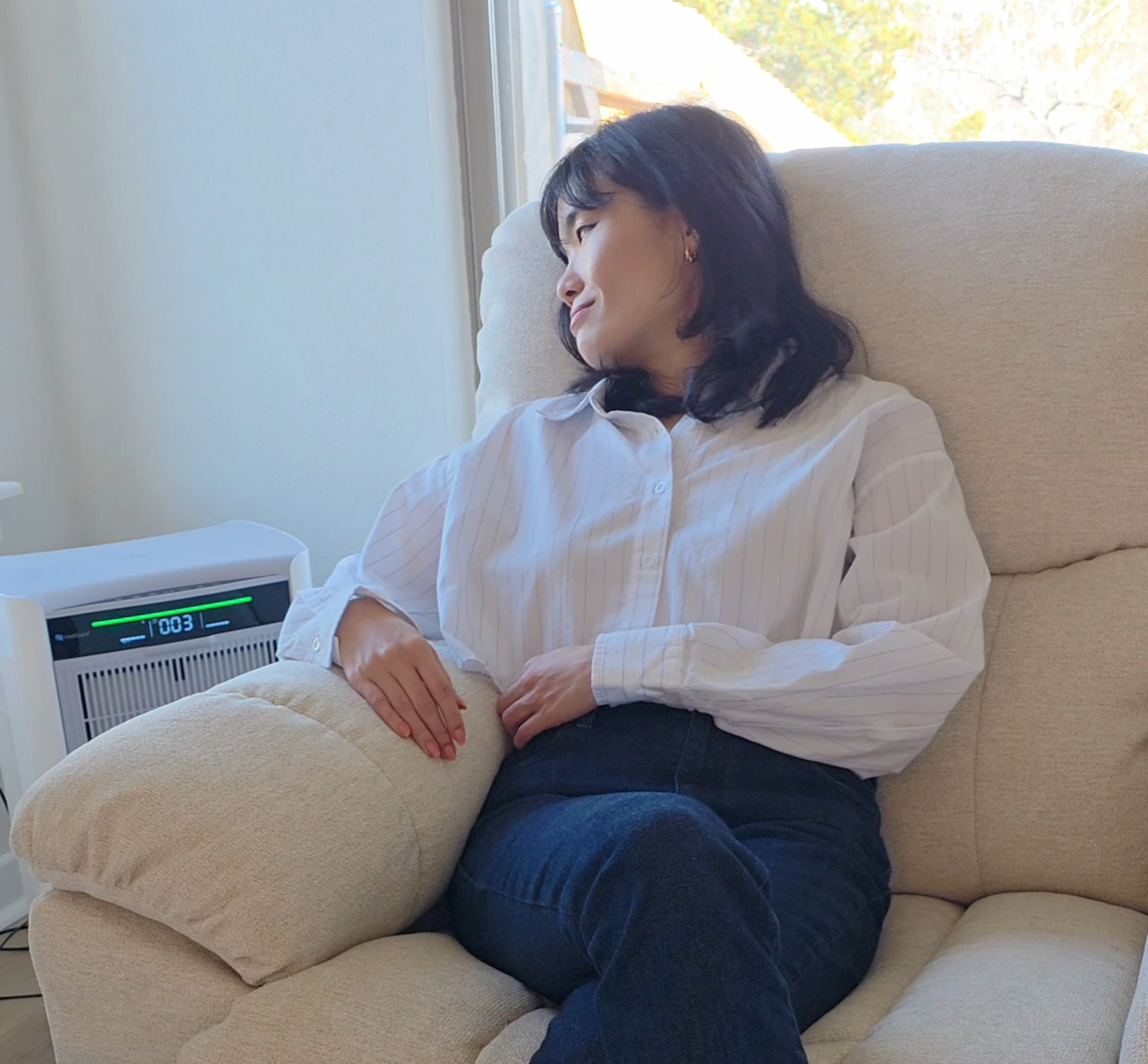
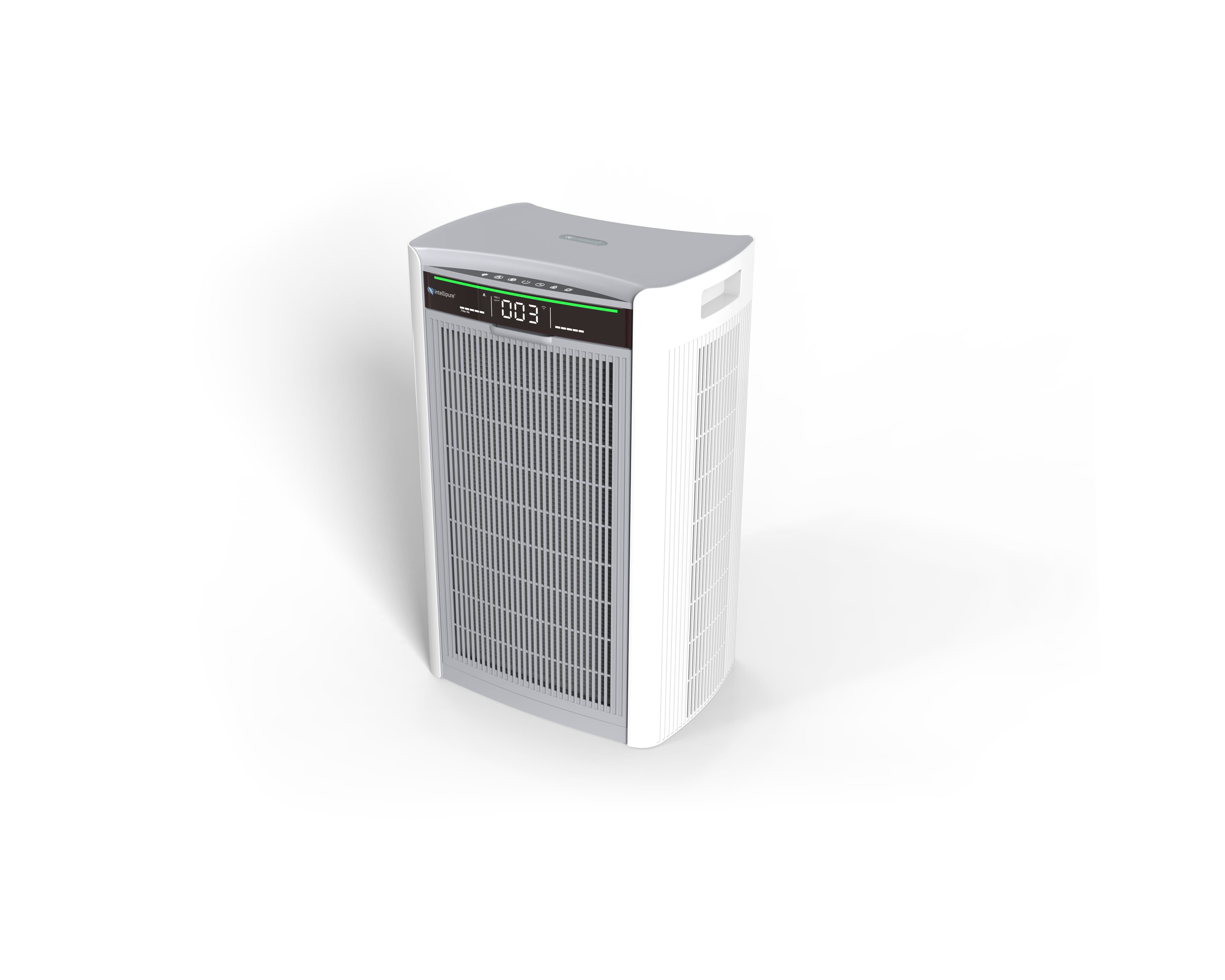
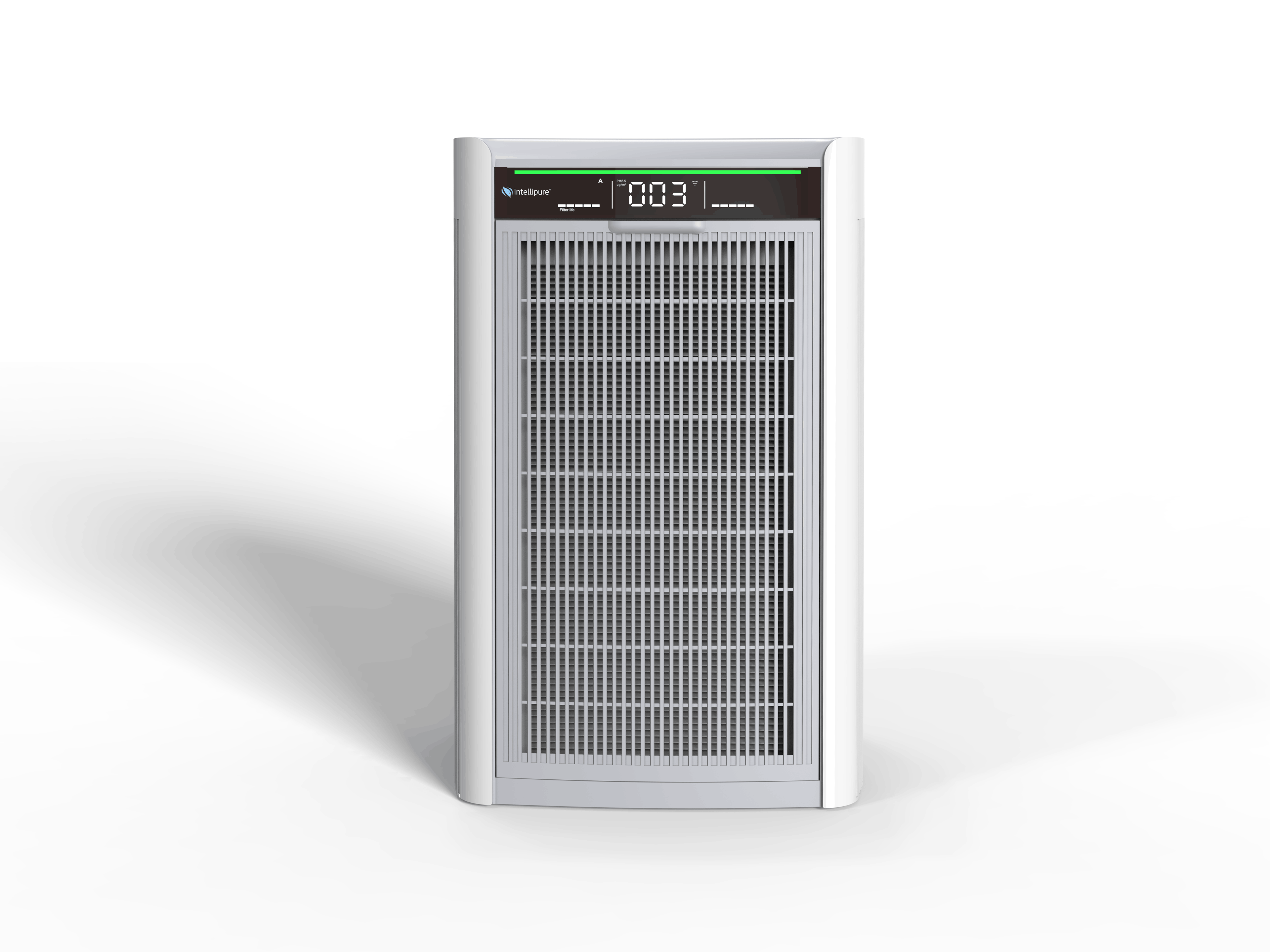
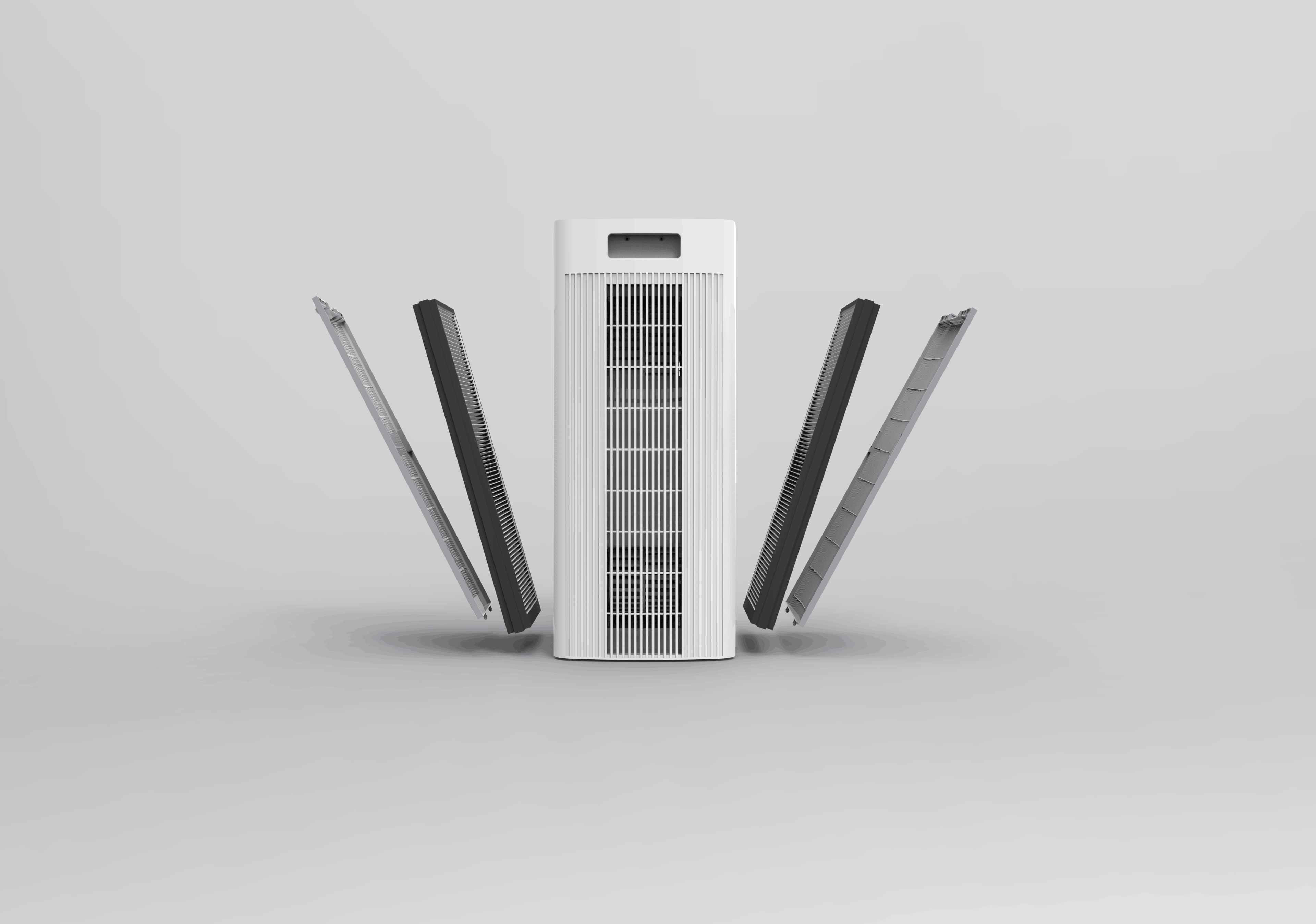
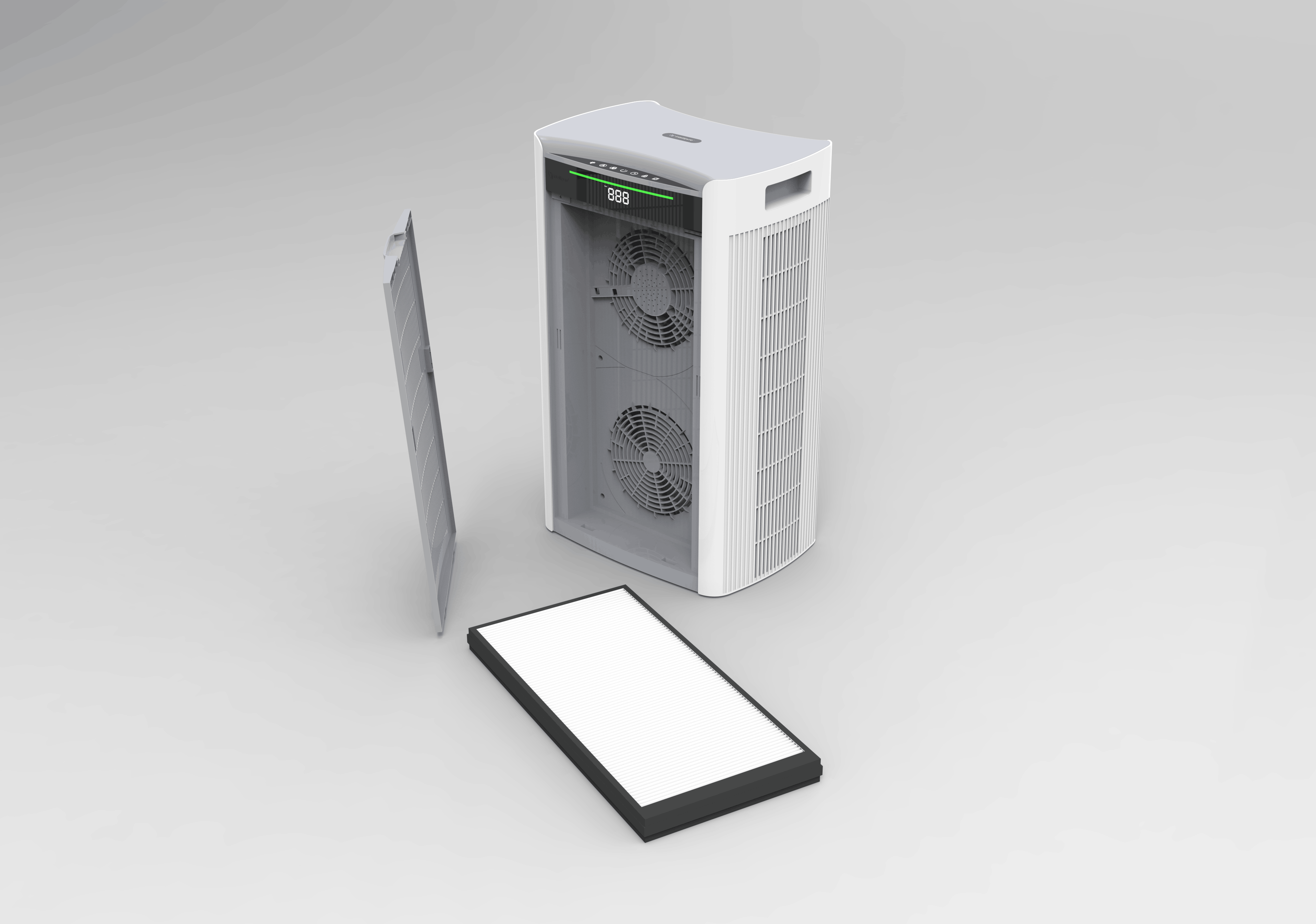
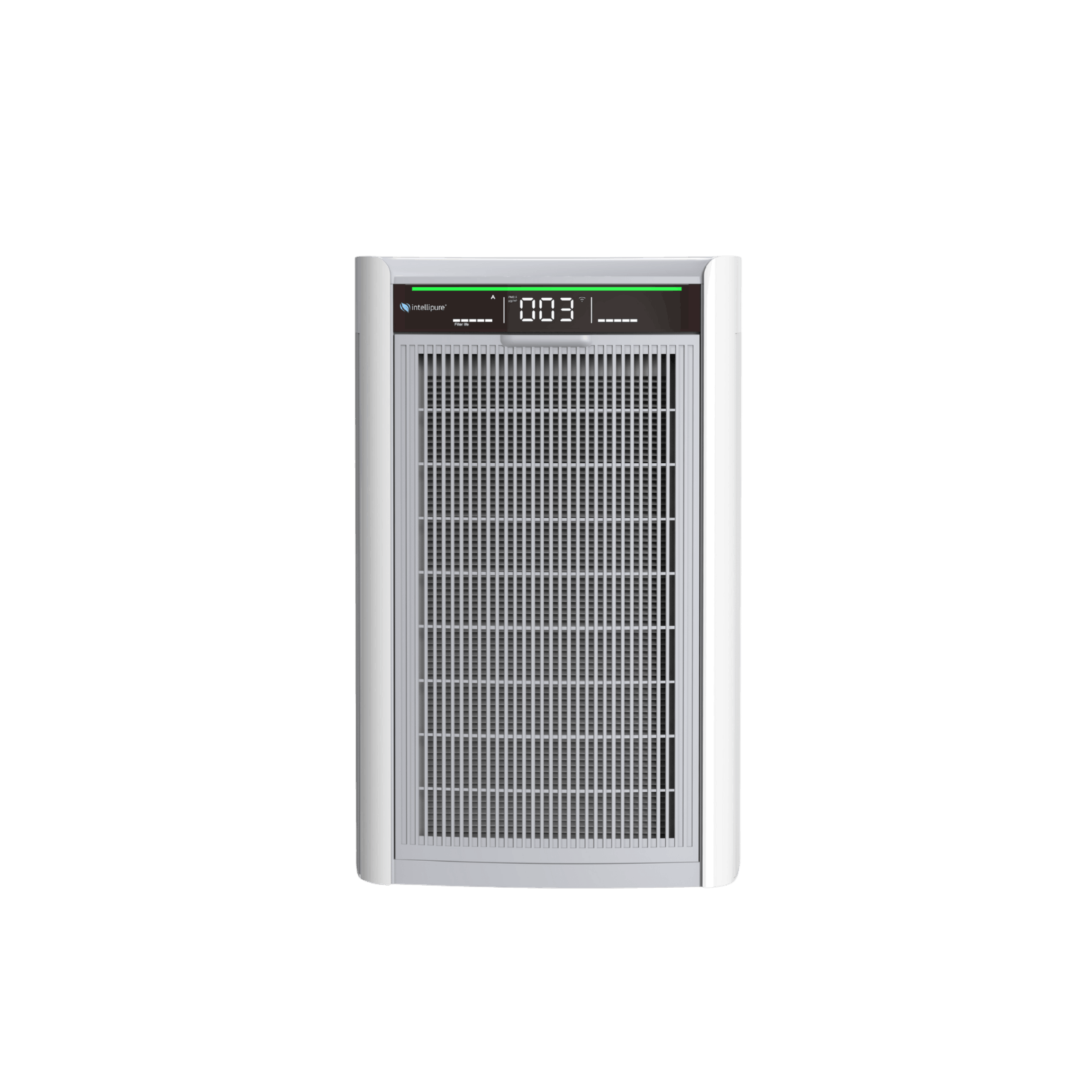
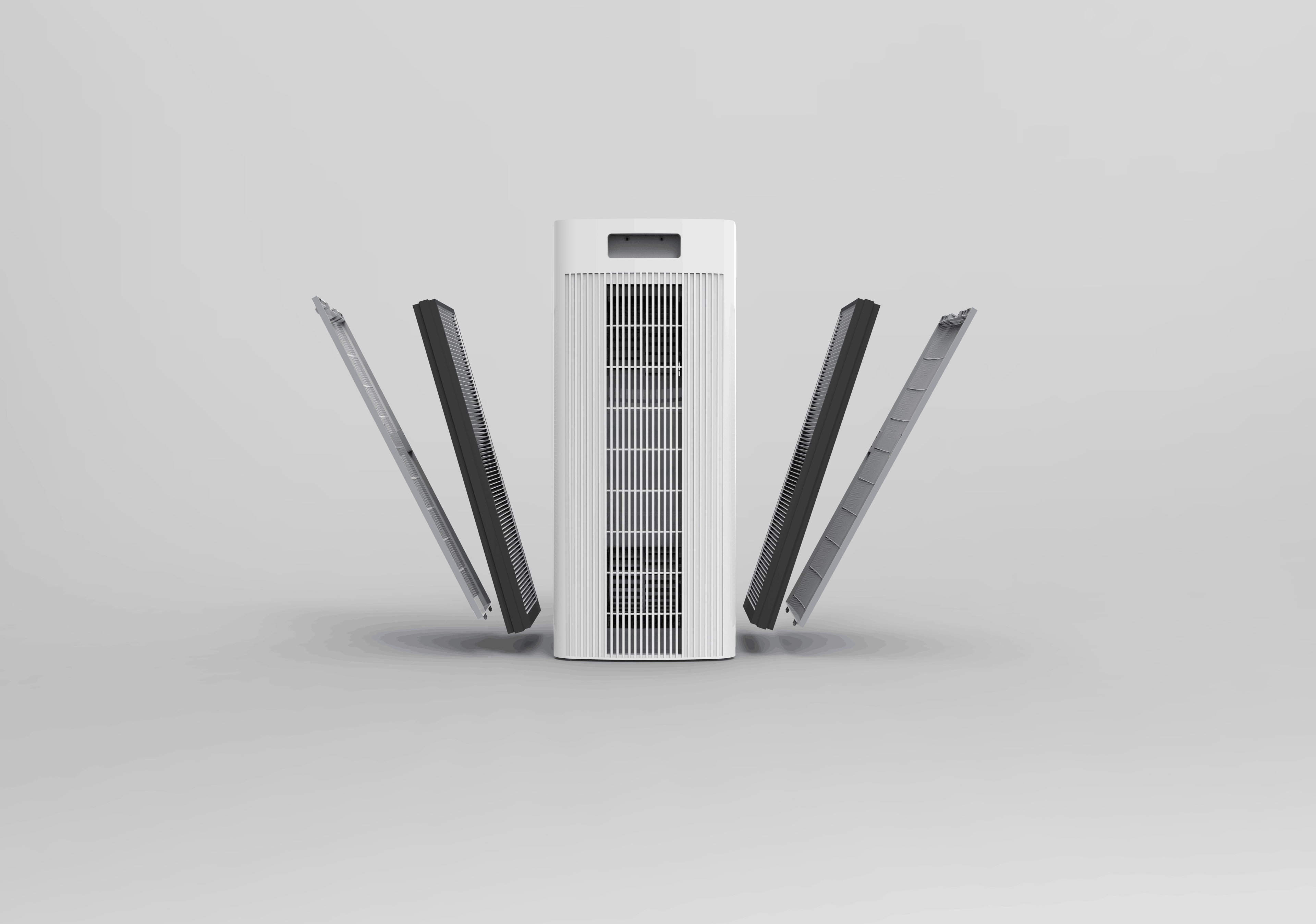
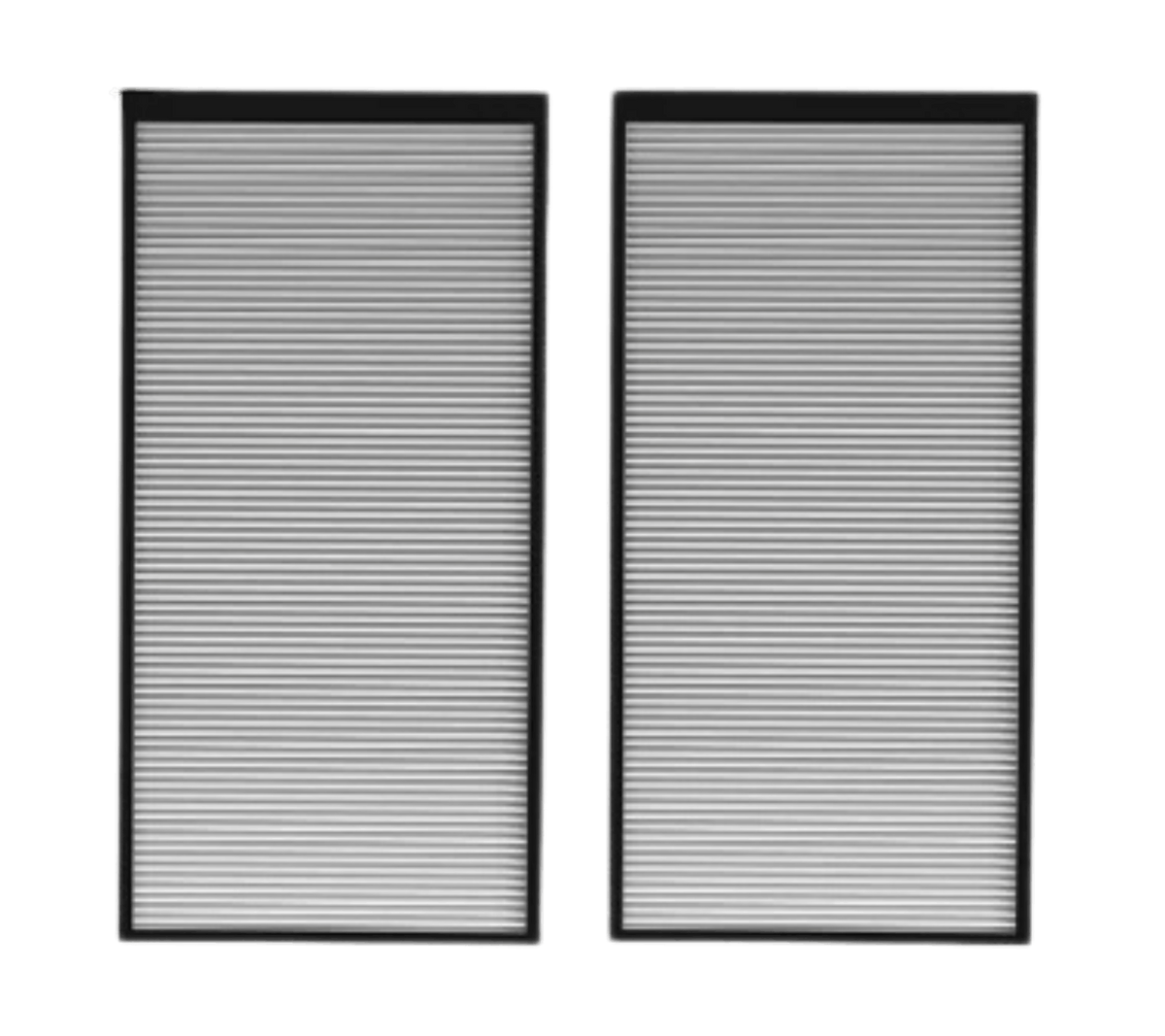
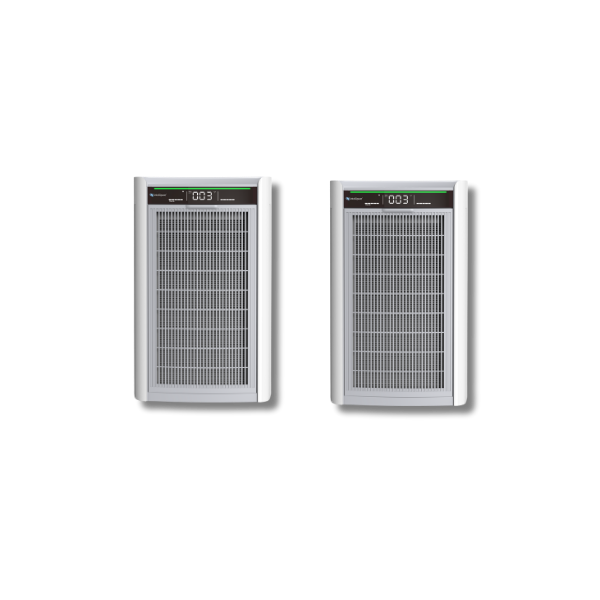
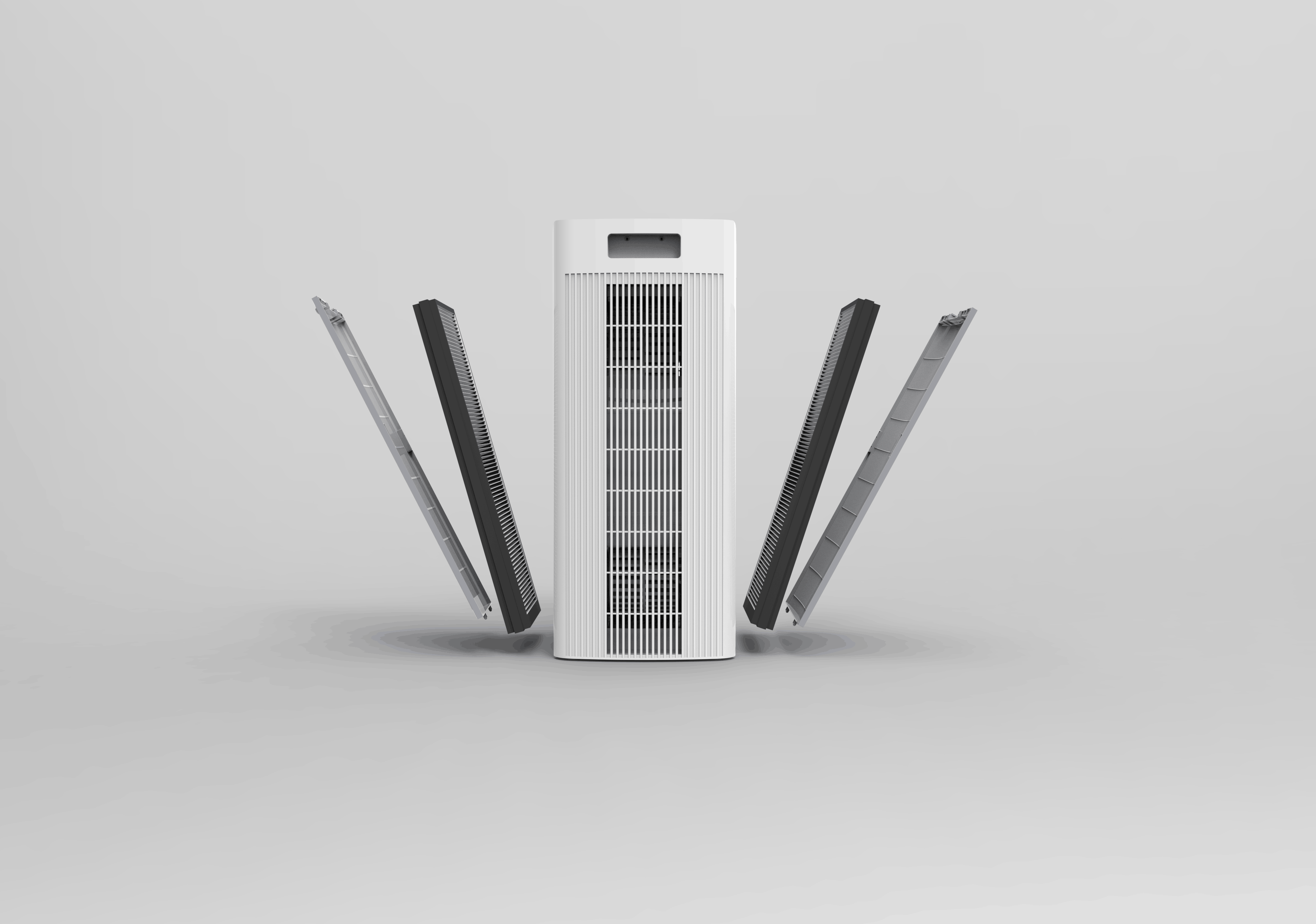
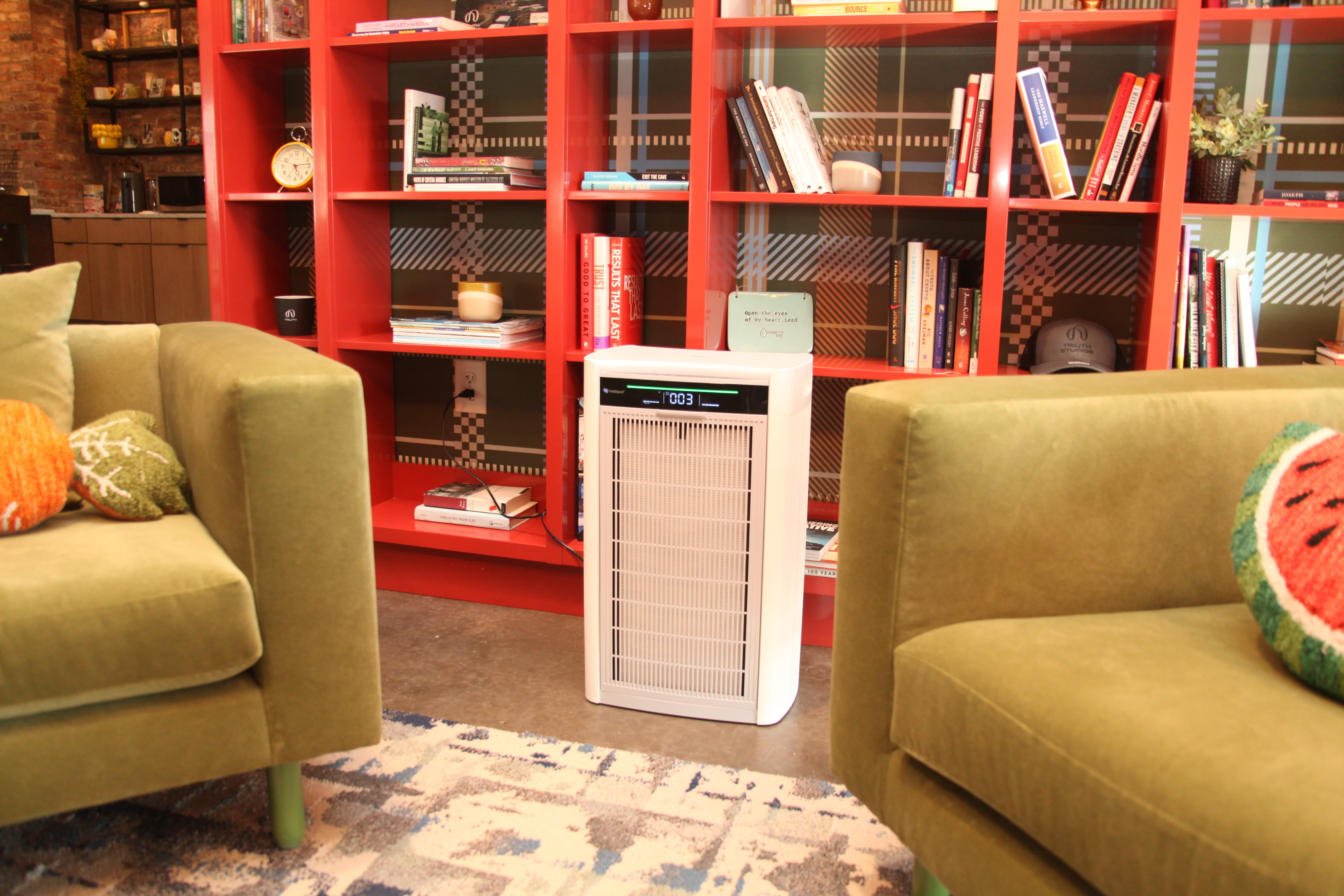
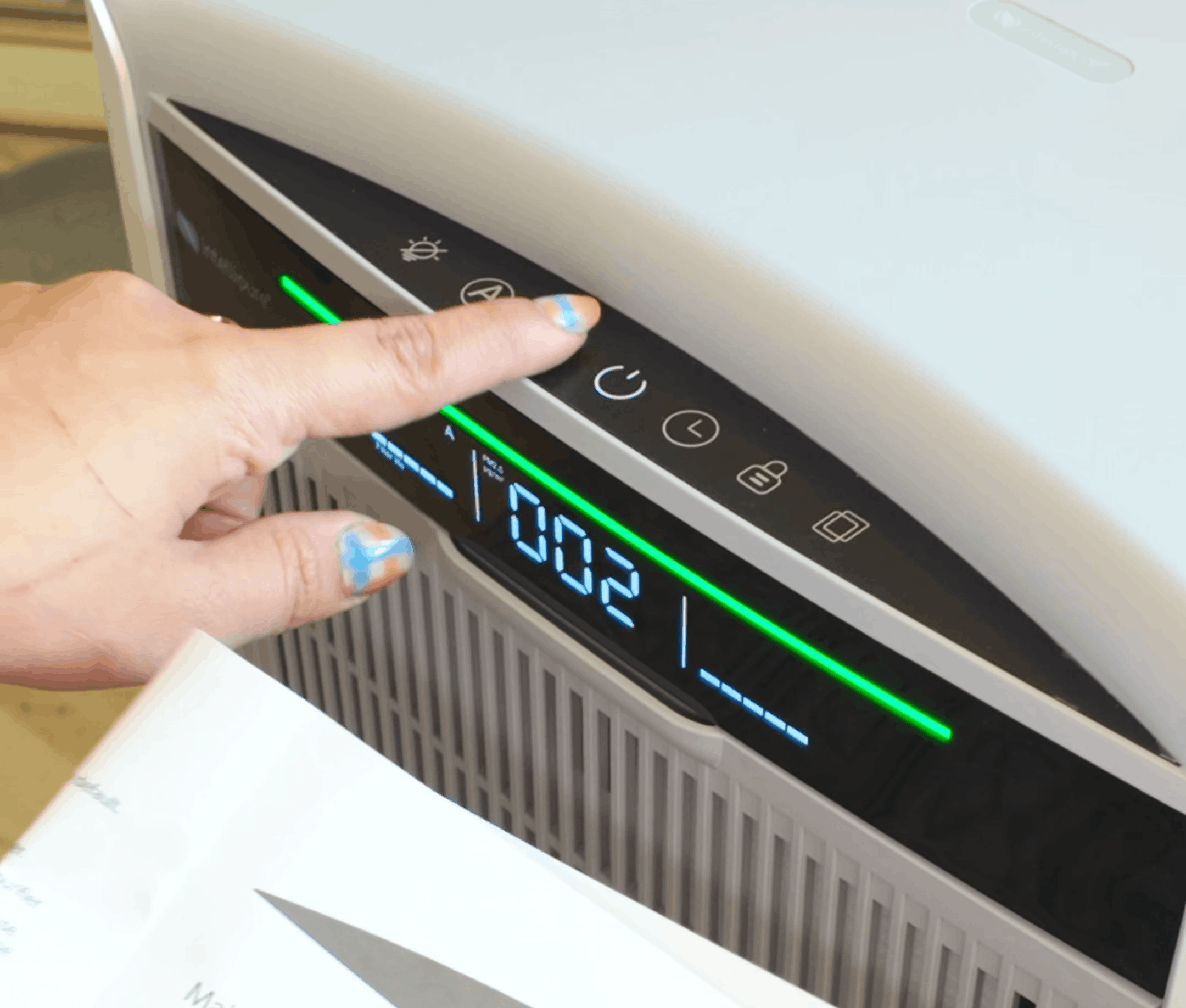
To help keep your indoor air clean when you come back inside, a portable air purifier with HEPA filtration can make a real difference. HEPA filters can theoretically remove at least 99.97% of airborne particles as small as 0.3 microns, including dust, pollen, mold spores, and other common allergens [5].
Dust Mite Allergies: Fall's Hidden Trigger
Dust mites are present year-round, but fall is when many people notice their symptoms ramping up. There are a few reasons for that.
First, dust mite allergen levels in homes tend to be highest from August through December [6]. Research has shown that seasonal fluctuations in house dust mite allergen can reach two- to threefold higher maxima during late autumn compared to summer minimums [7]. That means the allergen load in your home may already be elevated as fall begins.
Second, cooler weather means more time spent indoors, more snuggling under blankets, and, eventually, turning on the heat for the first time in months. If you live somewhere that hasn't needed air conditioning, your central heating system may be circulating months' worth of accumulated dust and allergens when it kicks on. Mite populations tend to peak in summer when humidity is higher, and the allergens they leave behind accumulate in bedding, carpets, and upholstered furniture [8]. All that stored-up allergen can get stirred back into the air once you start spending more time indoors and turning on the heat.
Here are a few practical steps to help reduce dust mite exposure this fall:
- Wash stored bedding before use. Blankets and comforters that have been packed away should get a thorough wash in hot water (at least 130°F) before you bring them out for the season [9].
- Run your air purifier on a higher setting. When you fire up the heat, consider increasing your air purification as well. A quality air purifier with HEPA filtration can help capture dust mite allergens circulating in the air [5].
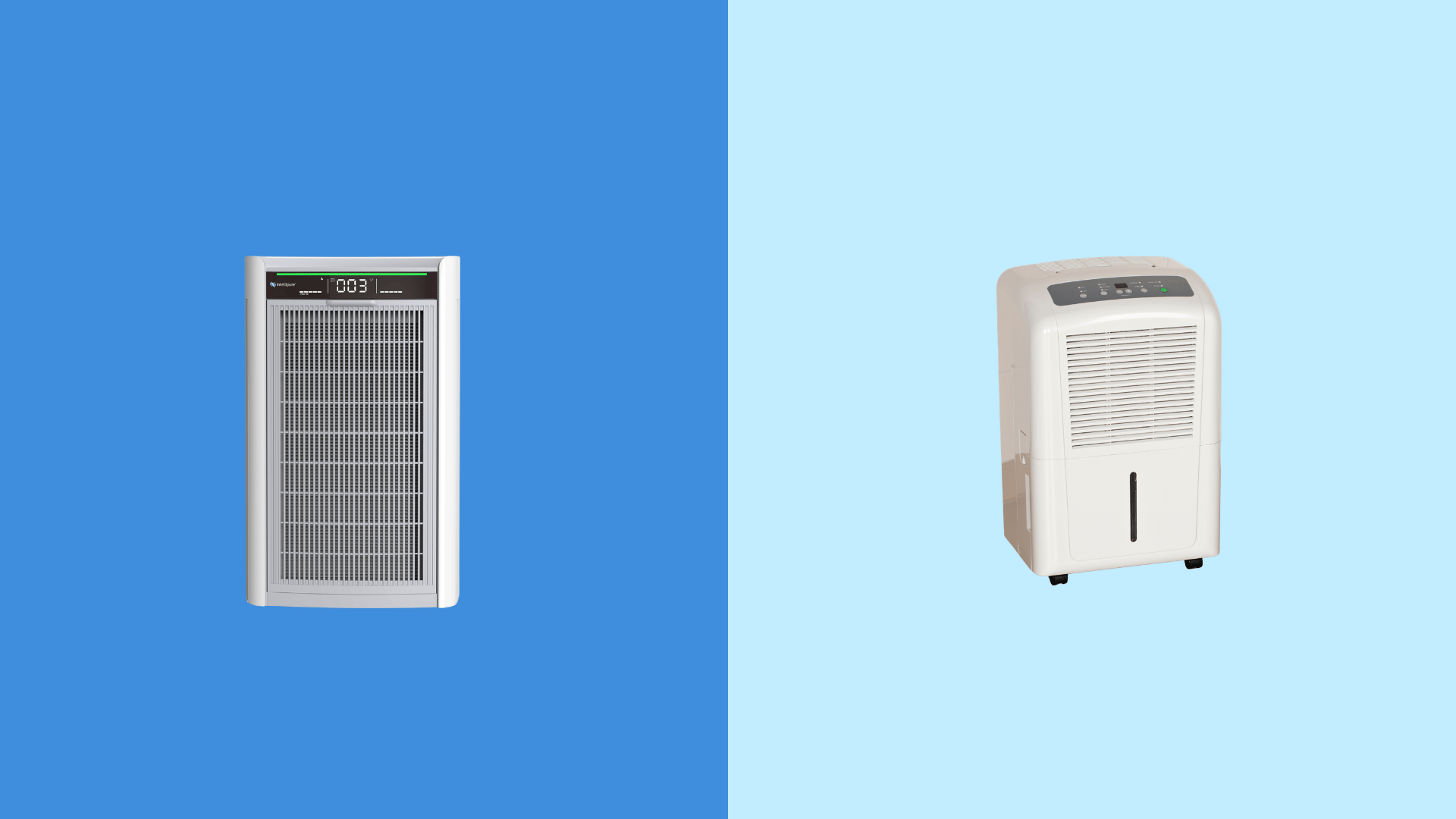
- Keep humidity in check. Dust mites thrive in humid conditions. Using a dehumidifier to keep indoor humidity below 50% can help slow their growth.
Bag Leaves for Cleaner Air
By now, leaves are starting to pile up across the country. And while those colorful heaps look picturesque, they can become a haven for mold. Molds thrive on fallen leaves in moist conditions [10], and outdoor mold levels tend to reach their highest points in summer and fall [11].
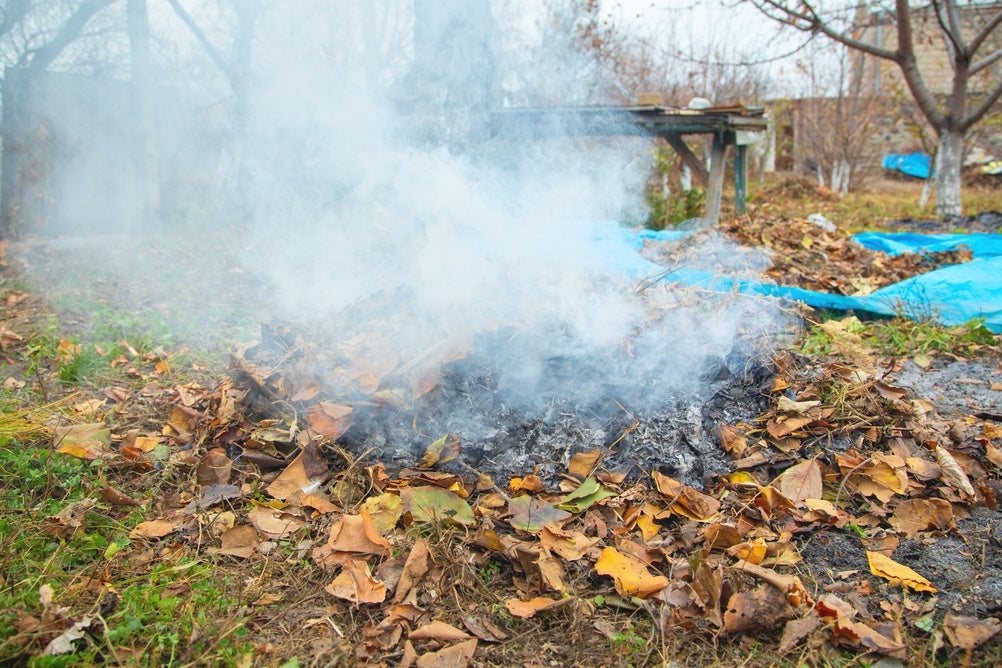
Raking up leaves regularly helps keep leaf mold at bay, but what you do with those piled-up leaves matters just as much. Burning them might seem like an easy solution, but it releases a mix of harmful pollutants into the air, including particulate matter, hydrocarbons, carbon monoxide, and other irritants [12]. That smoke can trigger asthma symptoms [13], and the tiny particles can settle deep in the lungs, posing risks for anyone nearby, especially children, older adults, and people with respiratory conditions [12].
Instead of burning, consider these alternatives:
- Mulch them. A mulching mower breaks leaves into small pieces that decompose naturally and nourish your lawn.
- Compost them. Leaves are an excellent carbon-rich "brown" material for home composting [14].
- Bag them for collection. Many municipalities offer curbside yard waste pickup in the fall.
Breathe Easier This Fall
October is a transitional month for allergies. Pollen is fading, but dust mites, leaf mold, and cold-weather habits can introduce new challenges for your indoor air quality (IAQ). The practical steps above, from washing bedding to skipping the leaf bonfire, are a great starting point.
References
- Asthma and Allergy Foundation of America. 7 Things You May Not Know About Ragweed Pollen Allergy [Internet]. Arlington (VA): AAFA; [cited 2026 Feb 9]..
- American College of Allergy, Asthma and Immunology. Seasonal Allergies: Causes, Symptoms and Treatment [Internet]. Arlington Heights (IL): ACAAI; 2022 [cited 2026 Feb 9]..
- Centers for Disease Control and Prevention. Flu Prevention: Information for Travelers [Internet]. Atlanta (GA): CDC; 2025 [cited 2026 Feb 9]..
- Lo F, Bitz CM, Battisti DS, Hess JJ. Pollen calendars and maps of allergenic pollen in North America. Aerobiologia (Bologna). 2019;35(4):613-633. doi:10.1007/s10453-019-09601-2..
- United States Environmental Protection Agency. What is a HEPA Filter? [Internet]. Washington (DC): EPA; 2026 [cited 2026 Feb 9]..
- Platts-Mills TA, Hayden ML, Chapman MD, Wilkins SR. Seasonal variation in dust mite and grass-pollen allergens in dust from the houses of patients with asthma. J Allergy Clin Immunol. 1987;79(5):781-91. doi:10.1016/0091-6749(87)90211-9..
- Crisafulli D, Almqvist C, Marks G, Tovey E. Seasonal trends in house dust mite allergen in children's beds over a 7-year period. Allergy. 2007;62(12):1394-400. doi:10.1111/j.1398-9995.2007.01533.x..
- Raulf M, Bergmann KC, Kull S, Sander I, Hilger C, Brüning T, et al. Mites and other indoor allergens: from exposure to sensitization and treatment. Allergo J Int. 2015;24(3):68-80. doi:10.1007/s40629-015-0049-1..
- National Institute of Environmental Health Sciences. Dust Mites and Cockroaches [Internet]. Research Triangle Park (NC): NIEHS; [cited 2026 Feb 9]..
- American College of Allergy, Asthma and Immunology. Mold Allergy: Causes, Symptoms and Treatment [Internet]. Arlington Heights (IL): ACAAI; [cited 2026 Feb 9]..
- National Institute of Environmental Health Sciences. Mold [Internet]. Research Triangle Park (NC): NIEHS; [cited 2026 Feb 9]..
- United States Environmental Protection Agency. Human Health - Backyard Burning [Internet]. Washington (DC): EPA; [cited 2026 Feb 9]..
- From LJ, Bergen LG, Humlie CJ. The effects of open leaf burning on spirometric measurements in asthma. Chest. 1992;101(5):1236-9. doi:10.1378/chest.101.5.1236..
- United States Environmental Protection Agency. Composting at Home [Internet]. Washington (DC): EPA; [cited 2026 Feb 9]..


How Healthy Air Supports Healthier Relationships
12 Tips for Better, More Restorative Sleep