

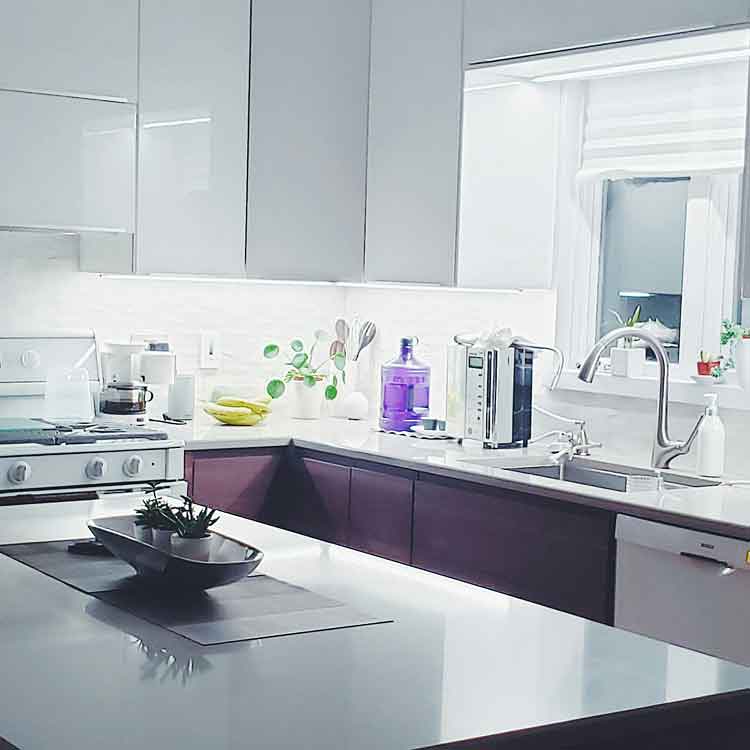
Do you have a healthy home? Here's some quick tips on how to improve the overall health of your home:
1. Test Your Home For Radon
For the last century, homes have been built on top of giant pockets of igneous rock and soil, exposing us to radon, a naturally occurring radioactive gas. According to the National Cancer Institute, radon is associated with 22,000 lung cancer deaths per year. Radon is colorless, and odorless, making it impossible to detect without testing for it. Most people have no idea that they should get their homes tested for radon, but it could be seeping into your home, polluting the air you breathe and the water you drink.
2. Prevent And Treat Your Home For Mold
Mold is a common problem in houses, especially in damp places like basements, bathrooms, and kitchens. It can make people sick, causing breathing problems and allergy symptoms such as a runny nose, itchy eyes, and skin rashes. Studies show that kids who are around mold when they're young are more likely to develop allergies, not just to mold, but to other things too. Mold can also wreck houses by eating away at stuff like wood and drywall, which can be expensive to fix. So, it's important to find and get rid of mold quickly to stay healthy and keep your house in good shape.
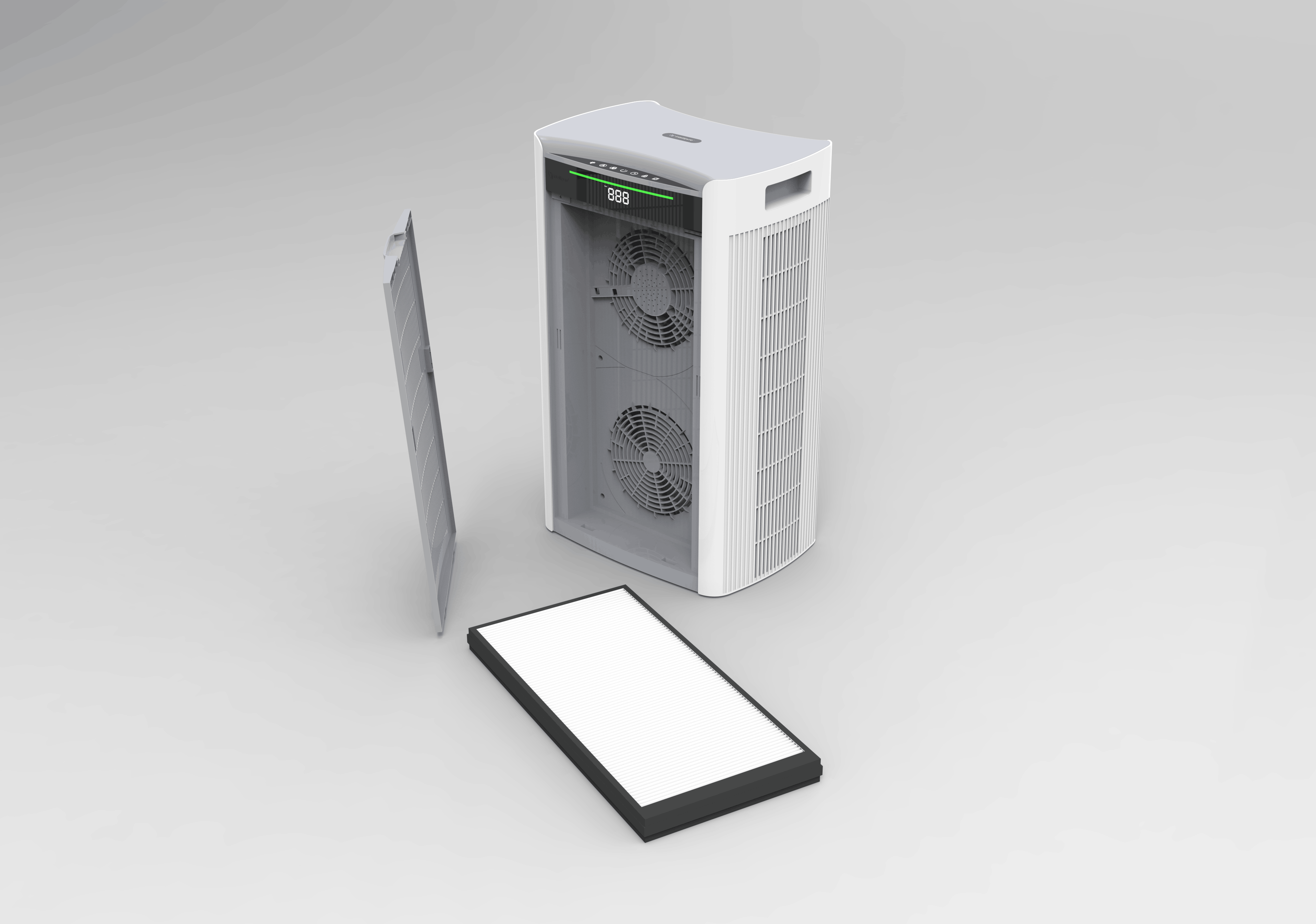
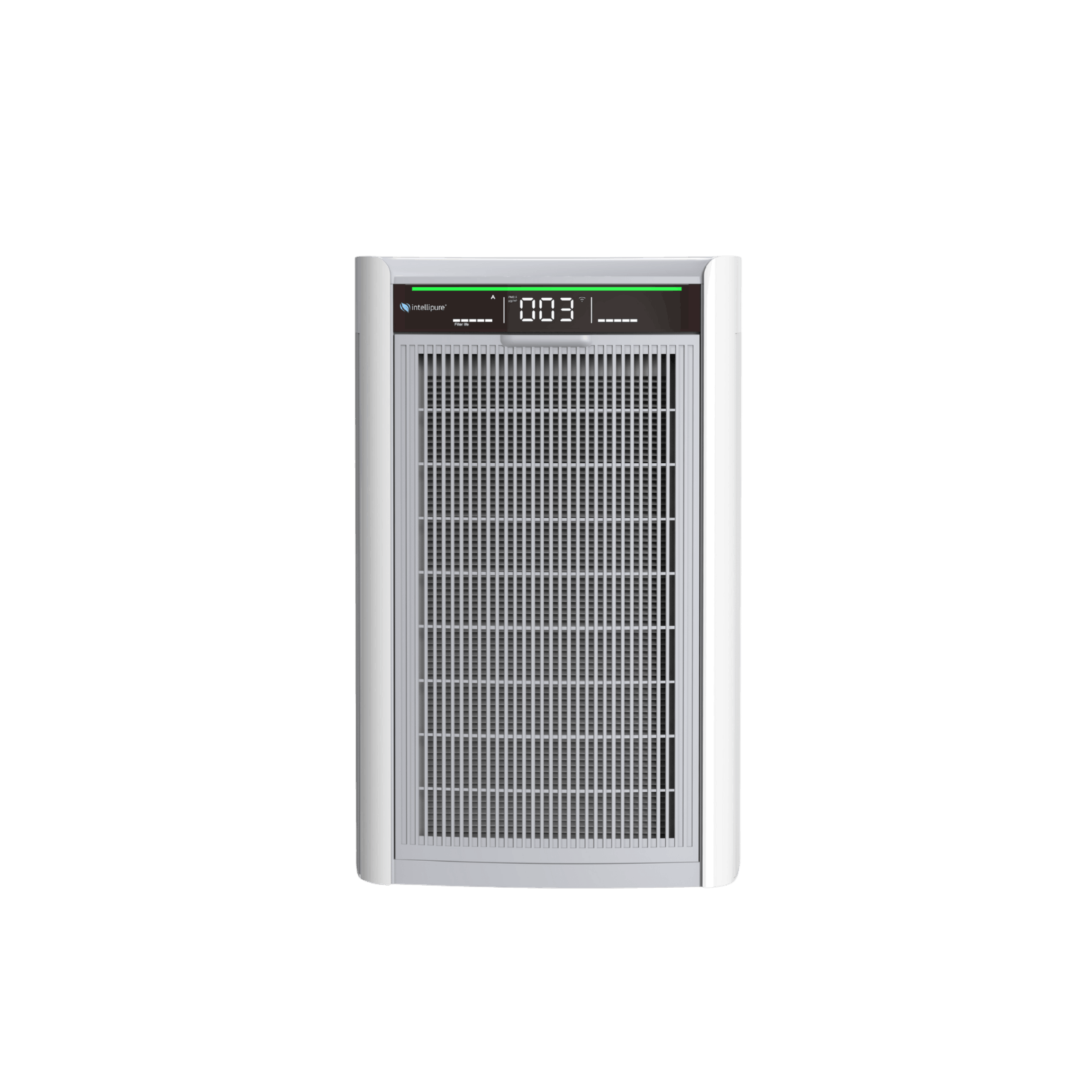
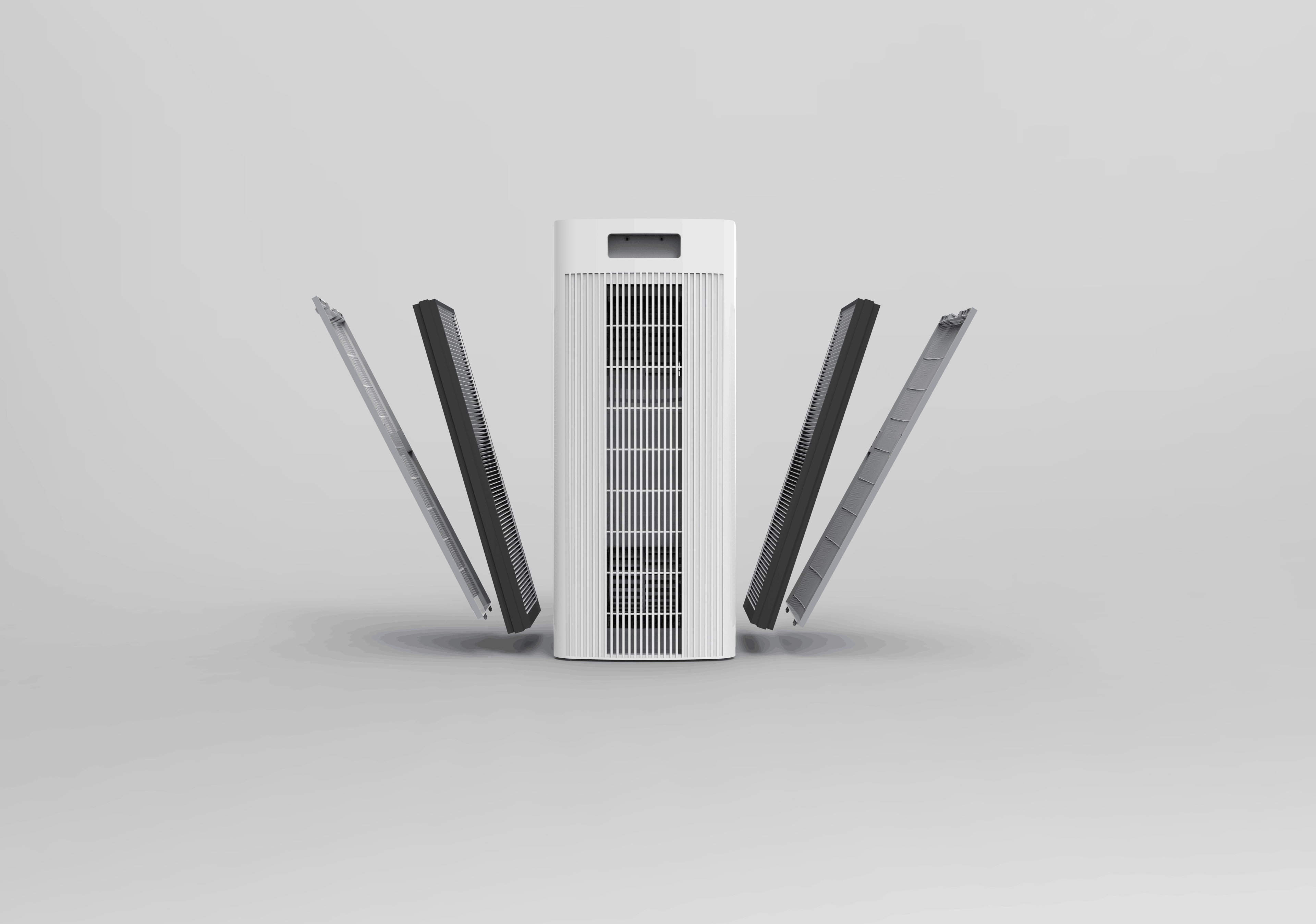
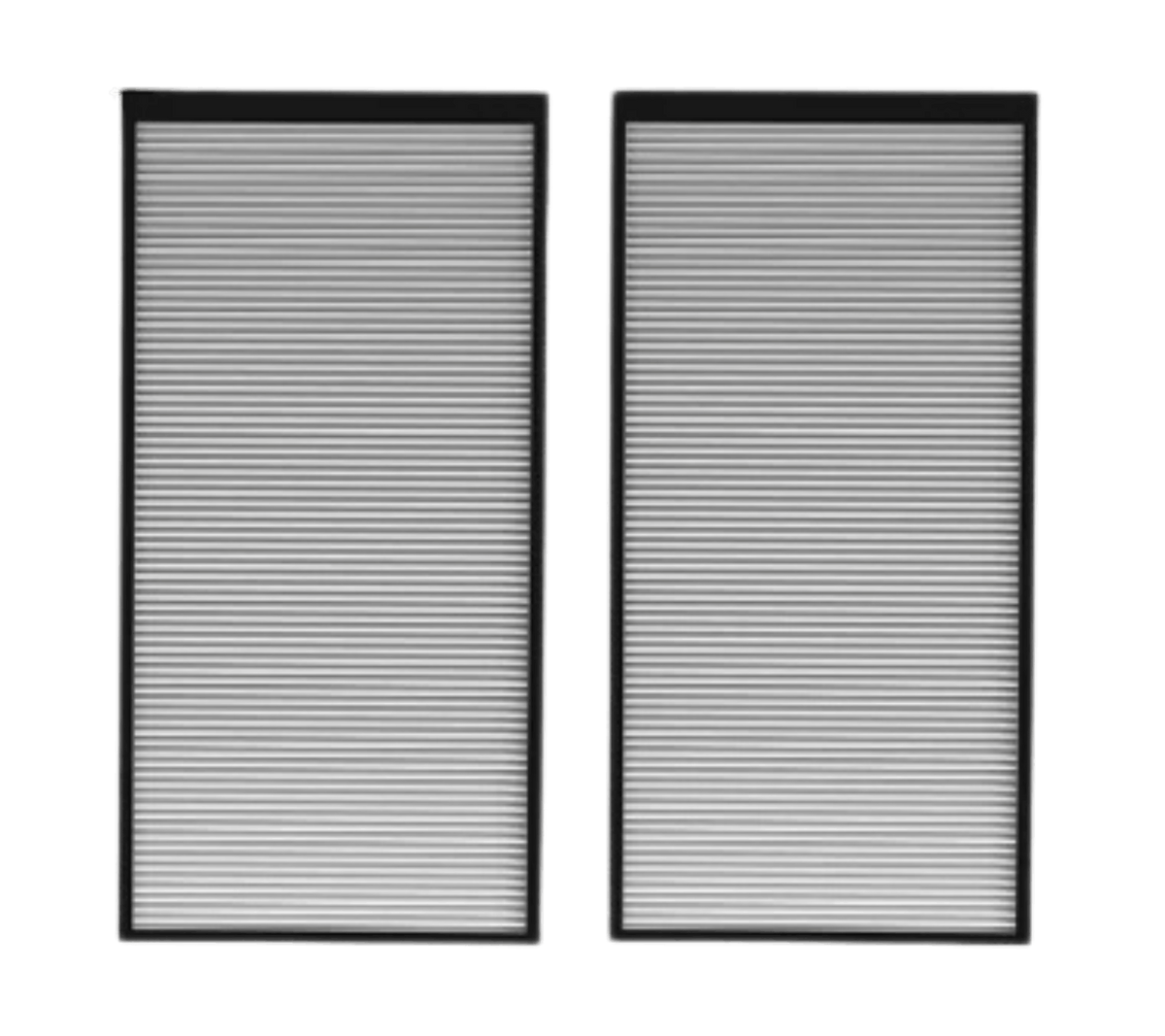
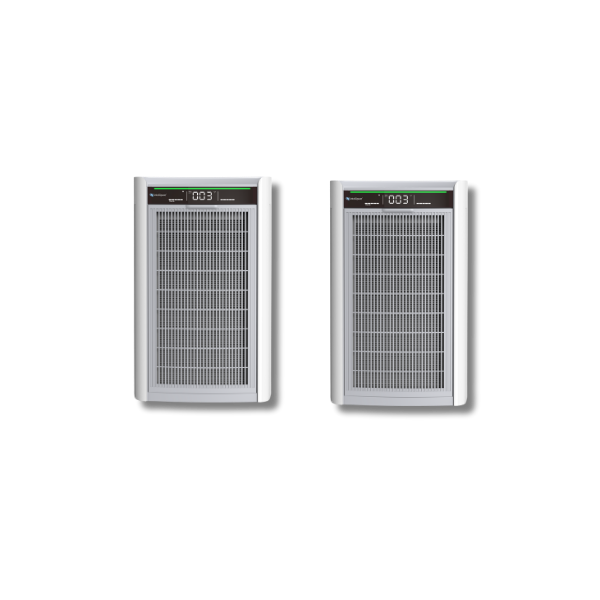
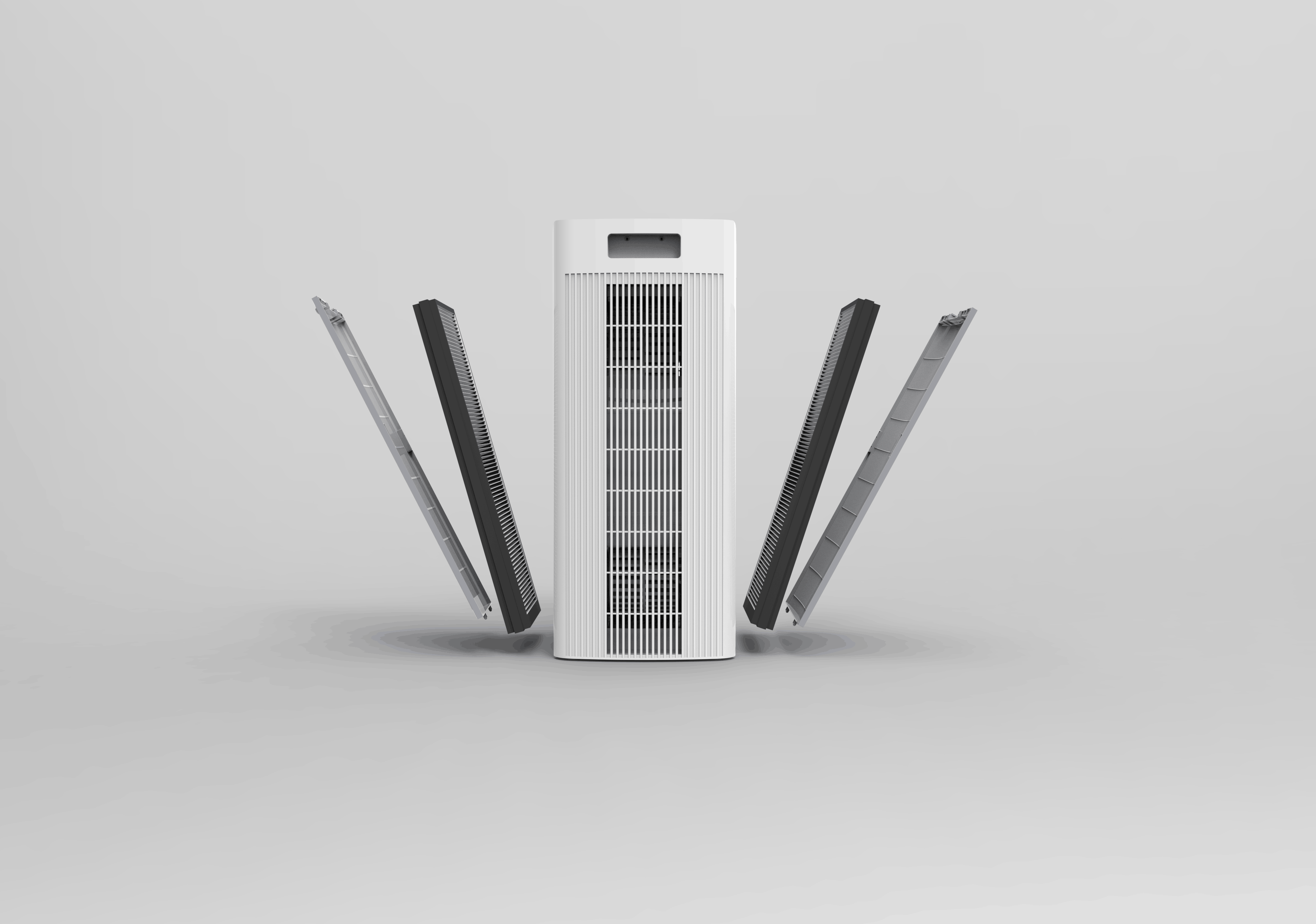
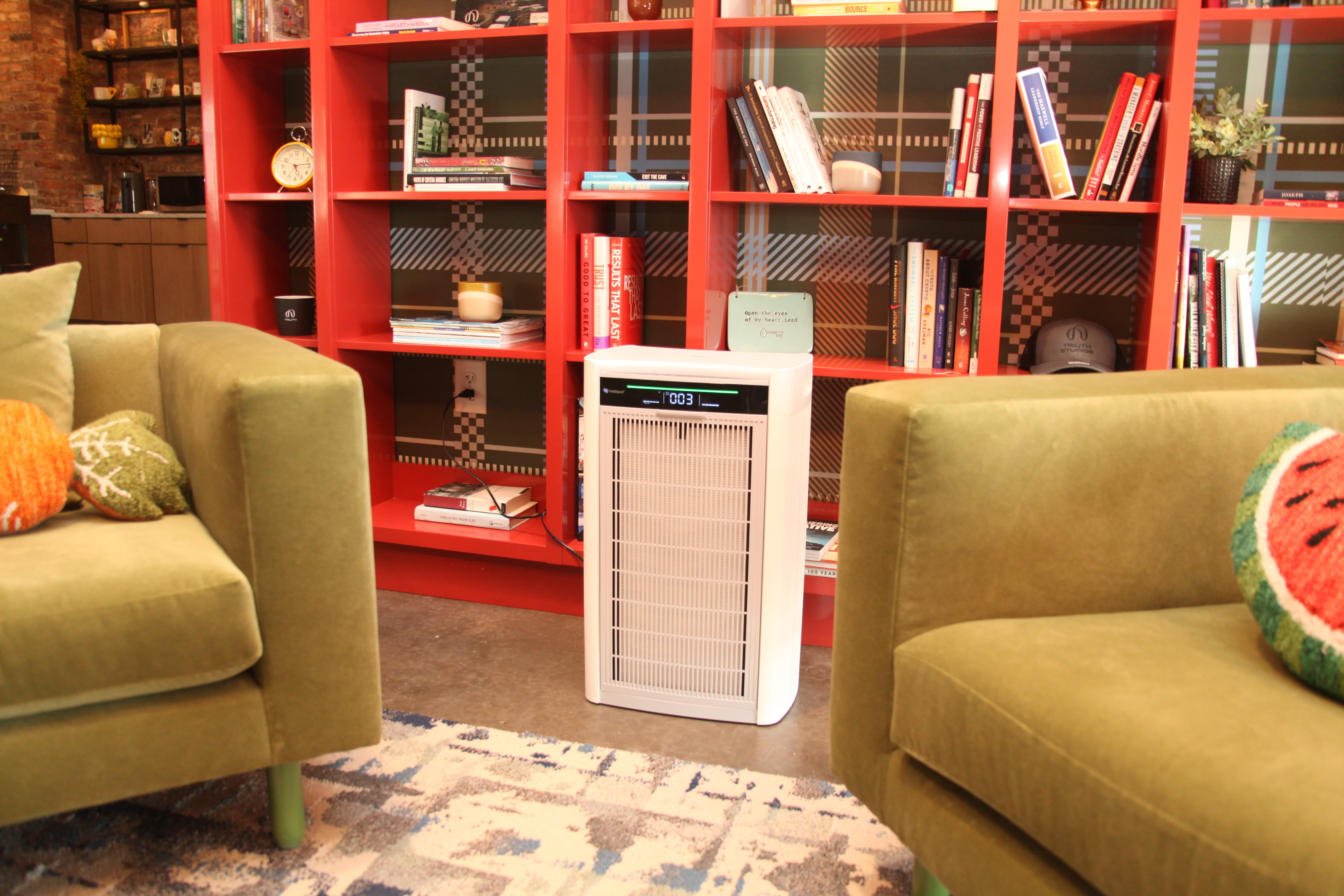
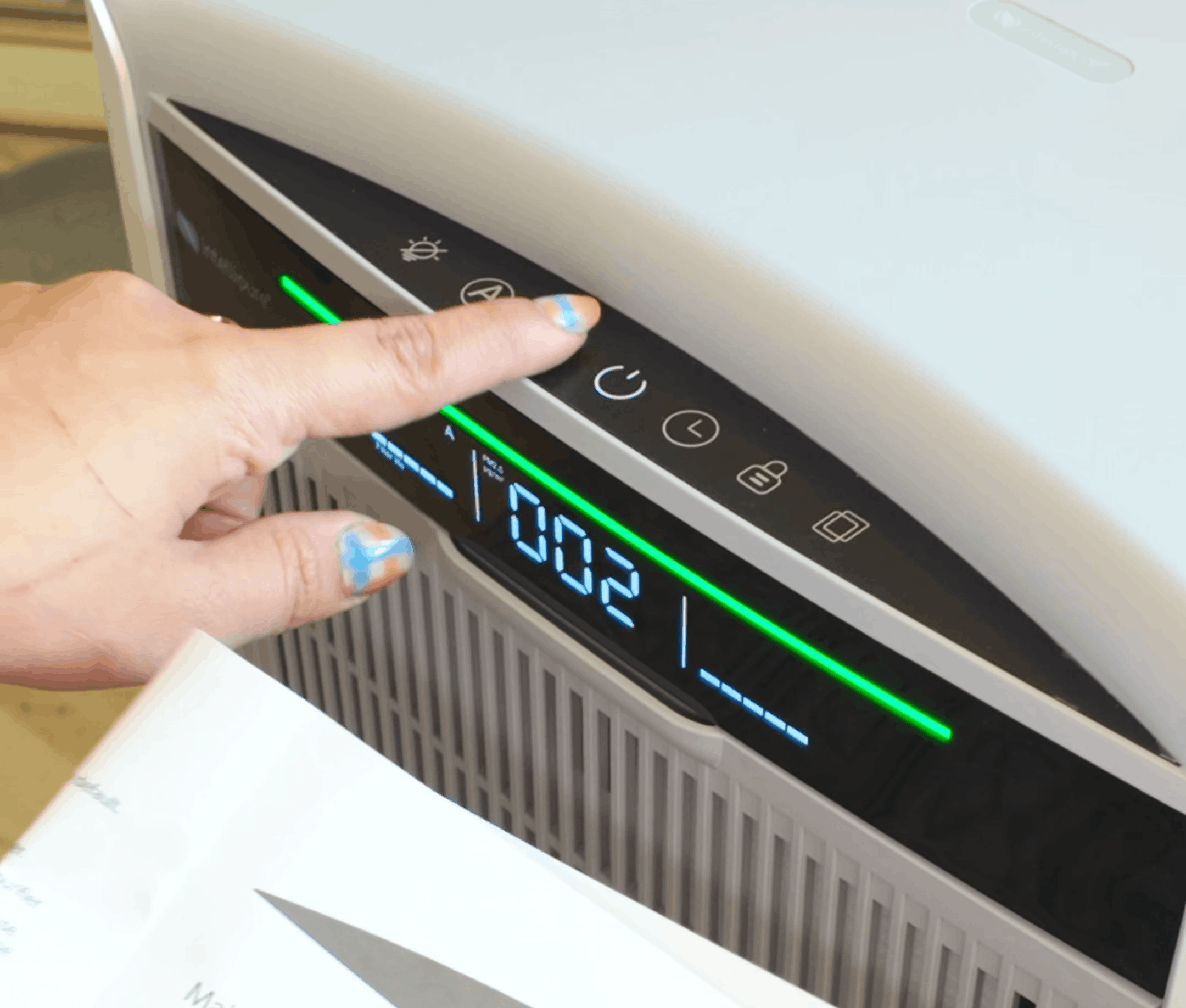
3. Clean The Air With A High Quality Air Purification System
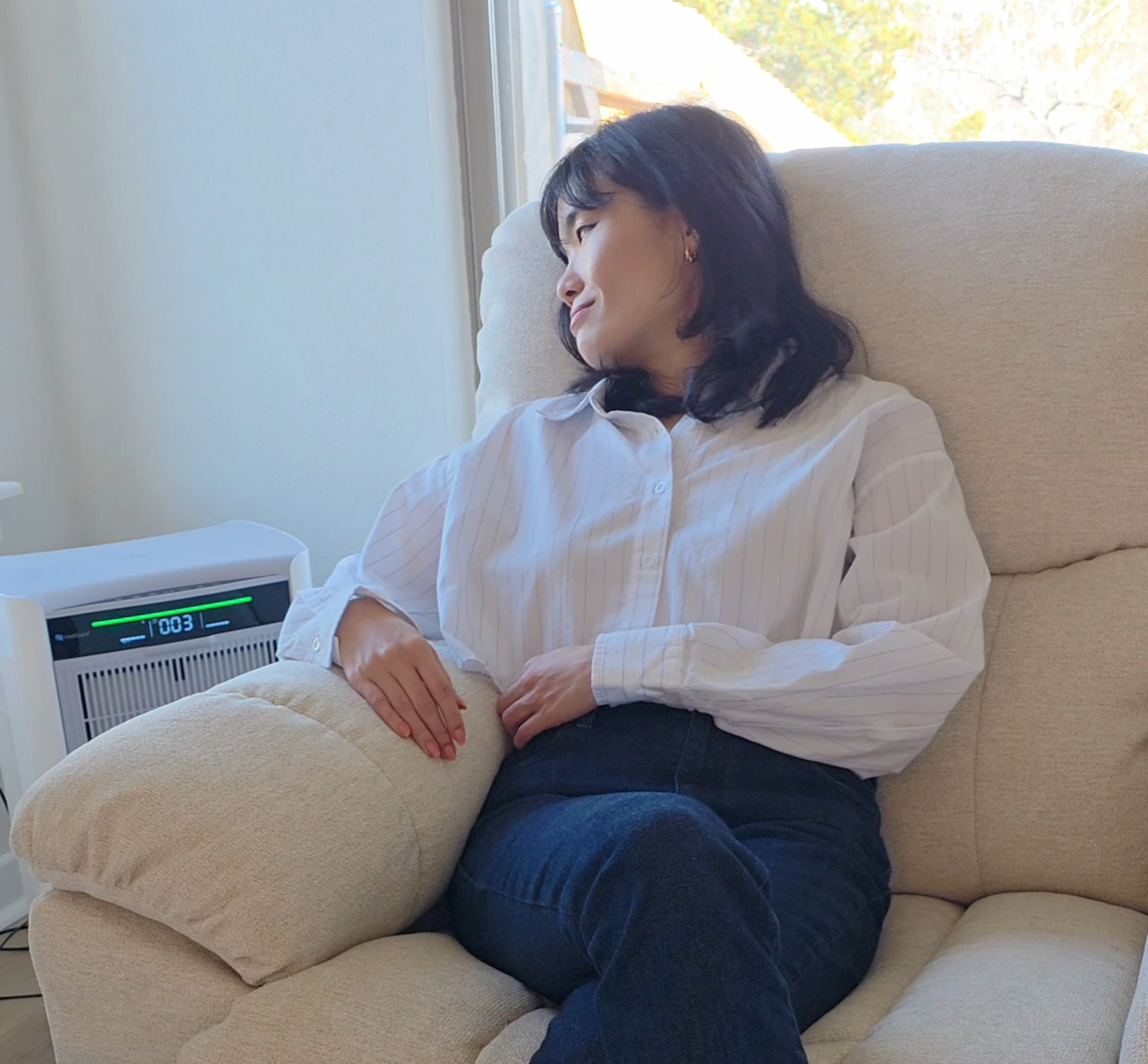
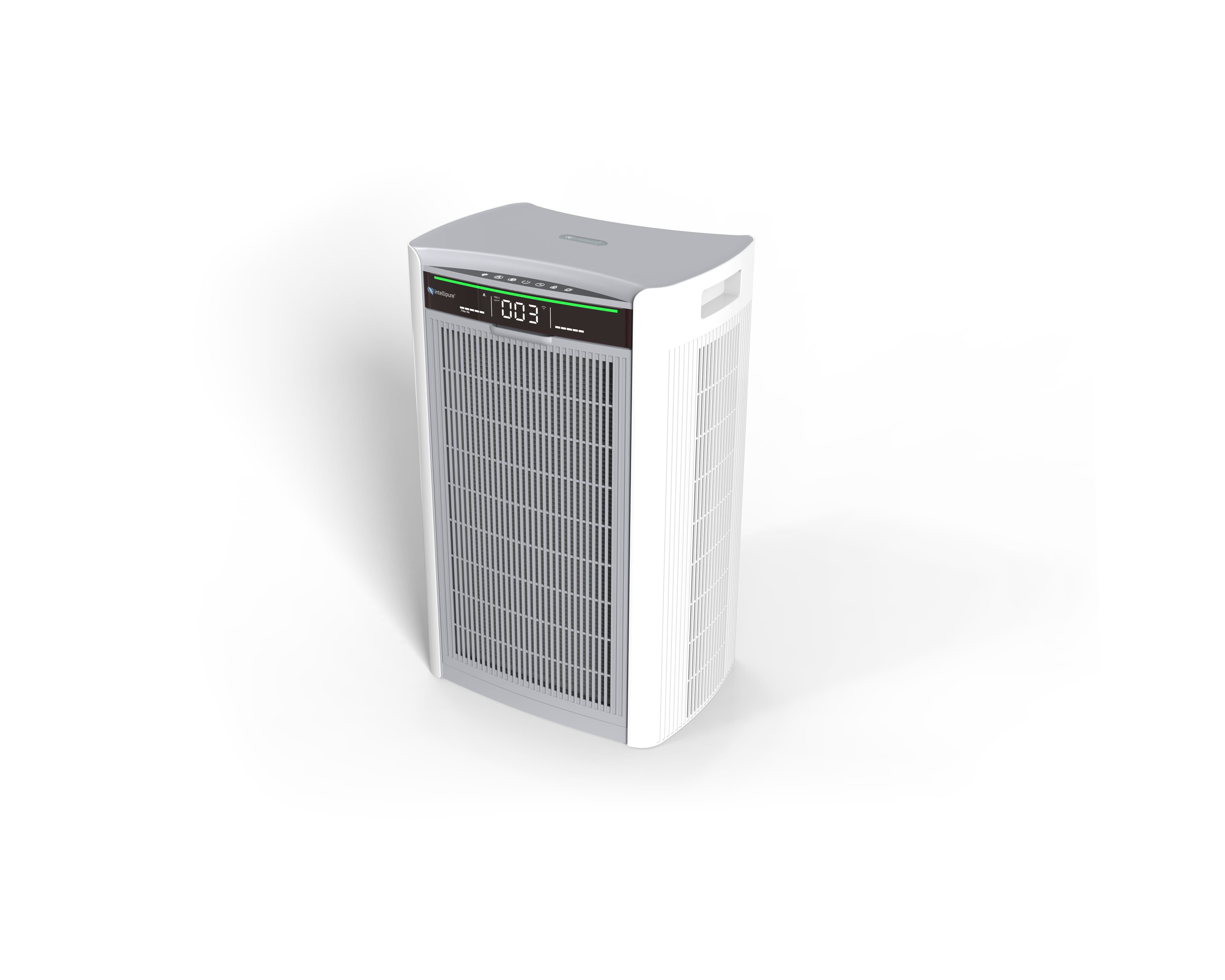
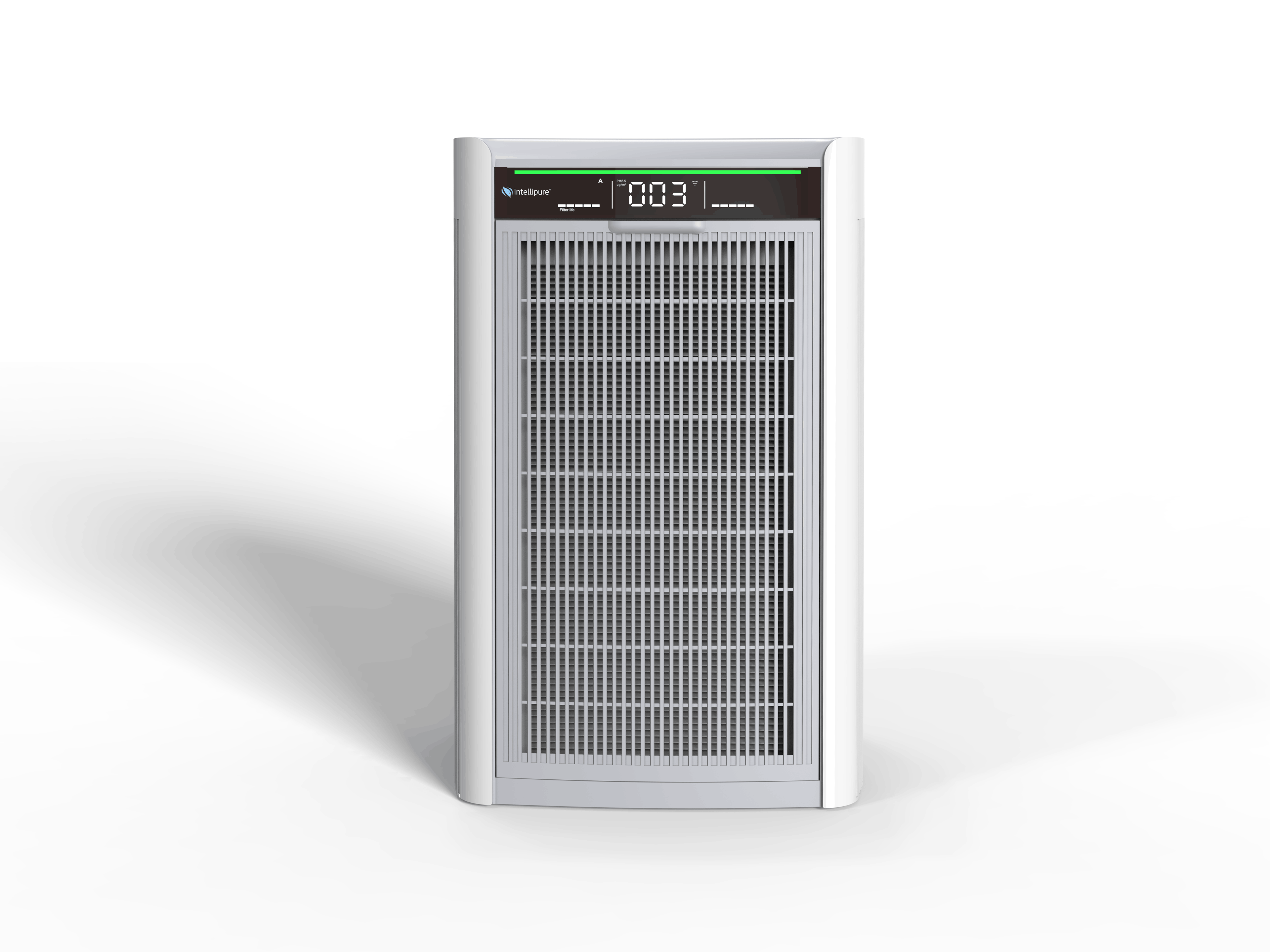
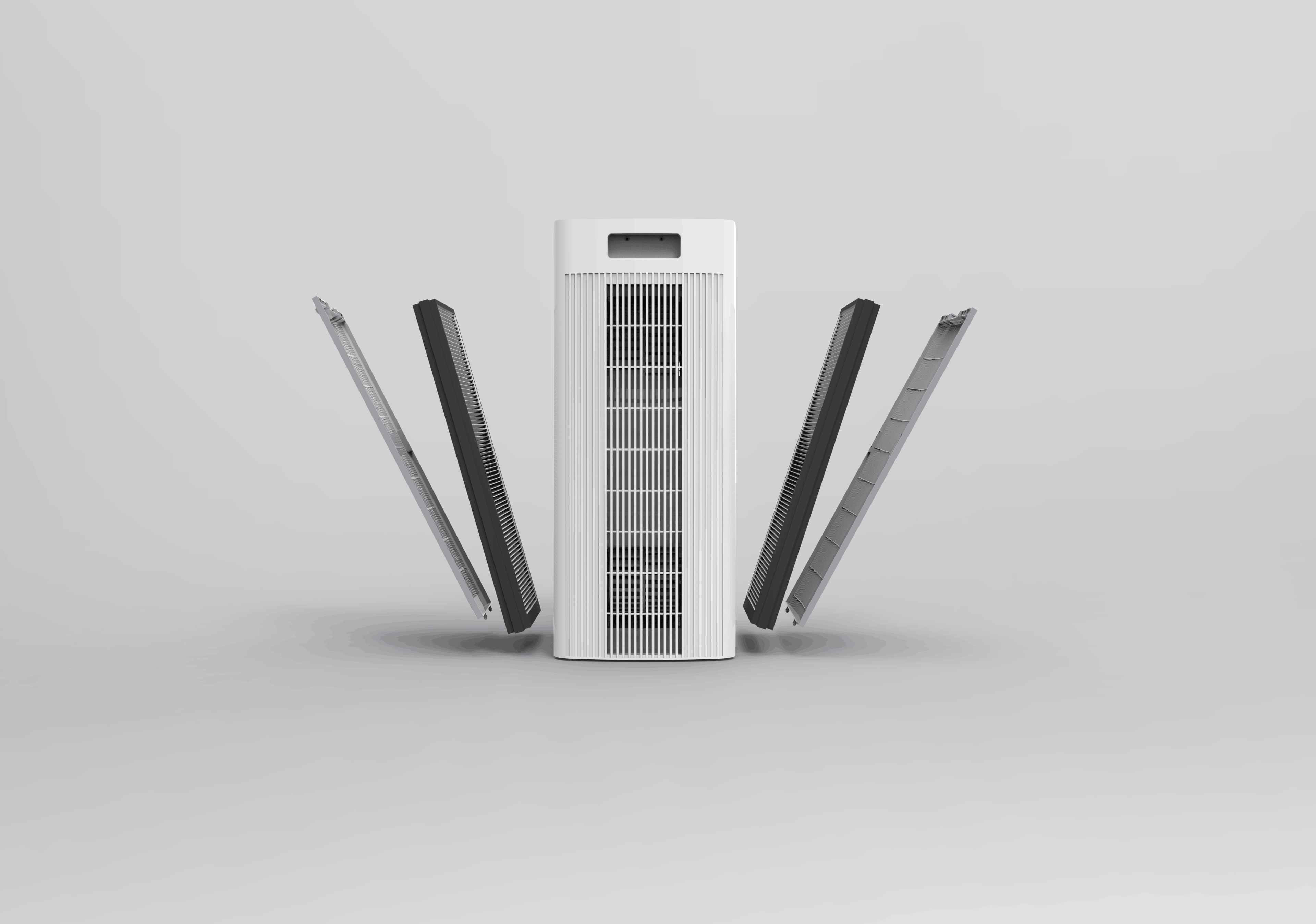
Cleaning the air inside your home can greatly improve the comfort of your indoor environment. Getting rid of allergens such as pet dander, dust, mold, bacteria, viruses, etc. reduces your risk of health issues such as cardiovascular disease, stroke and cancer. Studies show that indoor air can be up to 100x more polluted than outdoor air. Leaving windows open and bringing outdoor air inside the home is only one challenge of keeping the air quality satisfactory in your home. But sometimes outside air quality can be worse (like during wildfire season), so opening a window isn't a good idea. Pets, cleaning products, cooking fumes, stoves, fireplaces, furniture, etc. all emit toxins into the air of the home. Improving the indoor air quality of your home will improve your overall comfort, health and wellness.
4. Filter The Water In Your Home
Your water might have stuff dissolved in it, like limestone, lead, iron, magnesium, and calcium. If you don't treat this "hard" water, it can cause problems for you, your house, and your appliances. One big problem is that your appliances won't work as well, so you'll pay more on your utility bills and your appliances might break down sooner. If you treat your water, you won't need to use as much shampoo and soap for showers, dishes, and laundry. People who treat their water say their clothes get brighter, whiter, and softer, their skin isn't as dry, and they don't have to clean as much because there's less gunk building up in their bathrooms and kitchens.
5. Improve Your Energy Efficiency
Saving money and energy in your home is beneficial for all. Homeowners can receive federal, state, and local tax breaks, and also see a reduction in costs associated with utilities, by improving their home's energy efficiency. It is also reduces our impact on climate change and reduces pollution. There are tons of simple ways to improve your energy efficiency. For example, turning down the thermostat from 75 degrees to 70 degrees can save you about 10% on heating costs! Other simple steps to improve energy efficiency include:
- Replace incandescent lights with LED lights, which use about 75% less energy and last up to 10 times longer
- Install water-saving shower heads
- Turn off lights and un-plug appliances and electronics when not in use
- Reduce washing machine use by combining loads of laundry, and air dry clothing
- Purchase ENERGY STAR-rated appliances and electronics
By following these steps you can have a home with clean air and clean water that also saves energy. That's a win-win-win situation!






What Is Air Quality Like in Your City?
Exploring The Psychological Effects of Climate Change