


Summary
Air pollution is one of the leading global risk factors for death, and the air inside your home may be worse than what's outside. Here's what you need to know about VOCs, particulate matter, and practical steps to breathe easier.
In This Article
A Global Problem That Starts at Home
Here's a number that stopped us in our tracks: the World Health Organization estimates that 99% of the global population breathes air that exceeds WHO guideline limits for pollutants [1]. Even more sobering, air pollution is linked to an estimated seven million deaths worldwide every year [2]. According to the most recent State of Global Air report, air pollution has risen to become the second leading risk factor for death globally [3].
Those numbers feel abstract until you consider that most of us spend roughly 90% of our time indoors [4]. And according to the EPA, indoor air can be two to five times more polluted than outdoor air [5]. That means the air inside your living room, bedroom, or home office could be more concerning than the air outside your front door.
The good news? Once you understand what's floating around in your home, you can take practical steps to clean it up. Let's break it down.
What Are Volatile Organic Compounds (VOCs)?
Volatile organic compounds (VOCs) are gases released from certain solids and liquids, and they show up in more household products than you might expect [6]. Common VOCs include chemicals like formaldehyde, toluene, and benzene [7].
Where do they come from? The American Lung Association identifies sources like paint, varnishes, flooring, carpet, pressed wood products, cleaners, disinfectants, air fresheners, pesticides, cosmetics, and fuel oil [7]. Personal care products are another common source: hairspray, cosmetics, and cleaning sprays can all release VOCs into your home's air [8]. Even the furniture you sit on may contain formaldehyde resins, which can off-gas into your living space [9].
That's a fancy way of saying: many everyday items you already own are quietly releasing chemicals into the air you breathe.
The Health Effects of VOCs
Breathing VOCs can irritate your eyes, nose, and throat, cause difficulty breathing, and worsen symptoms for people with asthma or COPD [7]. Long-term exposure to certain VOCs can damage the liver, kidneys, and central nervous system [5], and some compounds, like formaldehyde, are classified as known human carcinogens [10].
The effects tend to depend on the level and duration of exposure. Short-term contact may cause headaches and irritation, while long-term exposure at higher concentrations has been linked to liver, kidney, and central nervous system damage [5].
People with asthma or COPD may experience worsened symptoms from VOC exposure [7].
What Is Particulate Matter?
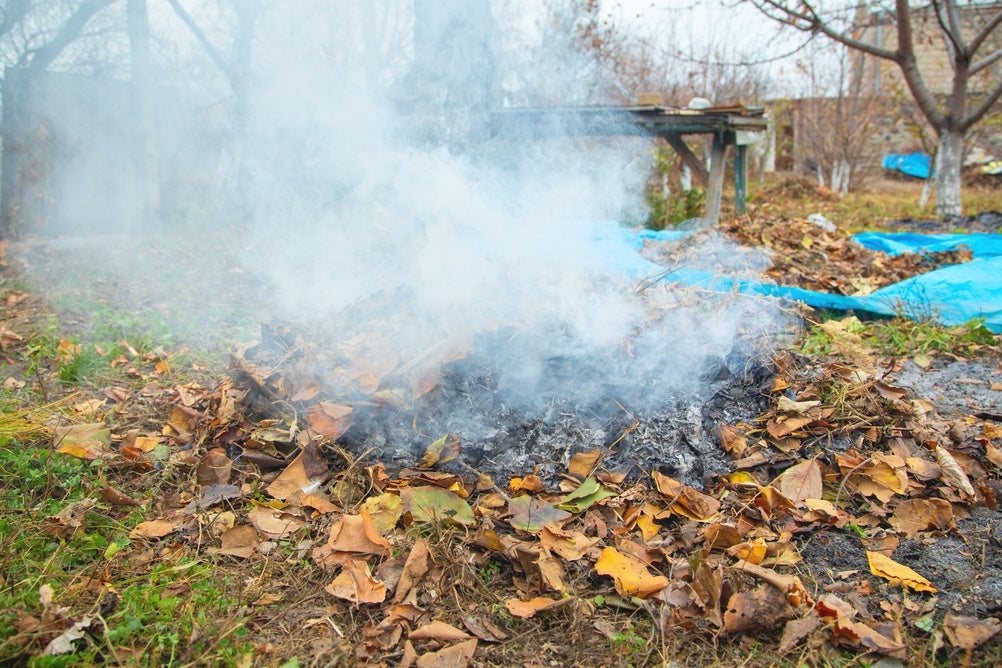
Particulate matter (PM) is a mixture of solid particles and liquid droplets suspended in the air, including dust, dirt, soot, and smoke [11]. Some particles are large enough to see, like a puff of smoke. Others are so small they can only be detected under an electron microscope.
The EPA breaks particulate matter into two main categories [11]:
- PM10: inhalable particles with a diameter of 10 micrometers or smaller
- PM2.5: fine inhalable particles with a diameter of 2.5 micrometers or smaller
To put that in perspective, a single strand of human hair is about 70 micrometers in diameter, roughly 30 times larger than the biggest fine particle [11].
Particles smaller than 10 micrometers pose the greatest health risks because they can travel deep into your lungs, and some may even enter your bloodstream [12]. The health effects are serious: exposure to particulate matter has been associated with premature death in people with heart or lung disease, nonfatal heart attacks, irregular heartbeat, aggravated asthma, decreased lung function, and increased respiratory symptoms like coughing and difficulty breathing [12].
PM2.5 is also a major contributor to haze and reduced visibility across parts of the United States [12].
Air Pollution and Children's Health
Children are particularly sensitive to air pollution. A growing body of research links air pollution exposure to differences in children's brain development, including alterations in white matter microstructure and functional network changes [13].
Pollutant exposure can also impair cognitive function in school-age children, contributing to attention difficulties and lower academic achievement [14]. The EPA also identifies children as among the populations most likely to be affected by particulate matter exposure [12].
How to Check the Air Quality in Your City
Want to know how your city stacks up? The EPA's AirNow tool lets you monitor real-time air quality levels for any location in the United States. It provides current readings, forecasts, and health guidance based on the Air Quality Index (AQI) [15].
Checking your local AQI is a great first step, but remember: outdoor air quality is only part of the picture.
What You Can Do to Protect Your Family
Since you spend the vast majority of your time indoors, focusing on your home's air quality is one of the most impactful things you can do. The EPA recommends three key strategies: source control, ventilation, and filtration [4]. "
- Reduce VOC sources. Switch to low-VOC or VOC-free cleaning products. Avoid products with synthetic fragrances when possible. When painting or using adhesives, open a window.
- Improve ventilation. Let fresh air in regularly, especially after cooking, cleaning, or bringing new furniture home.
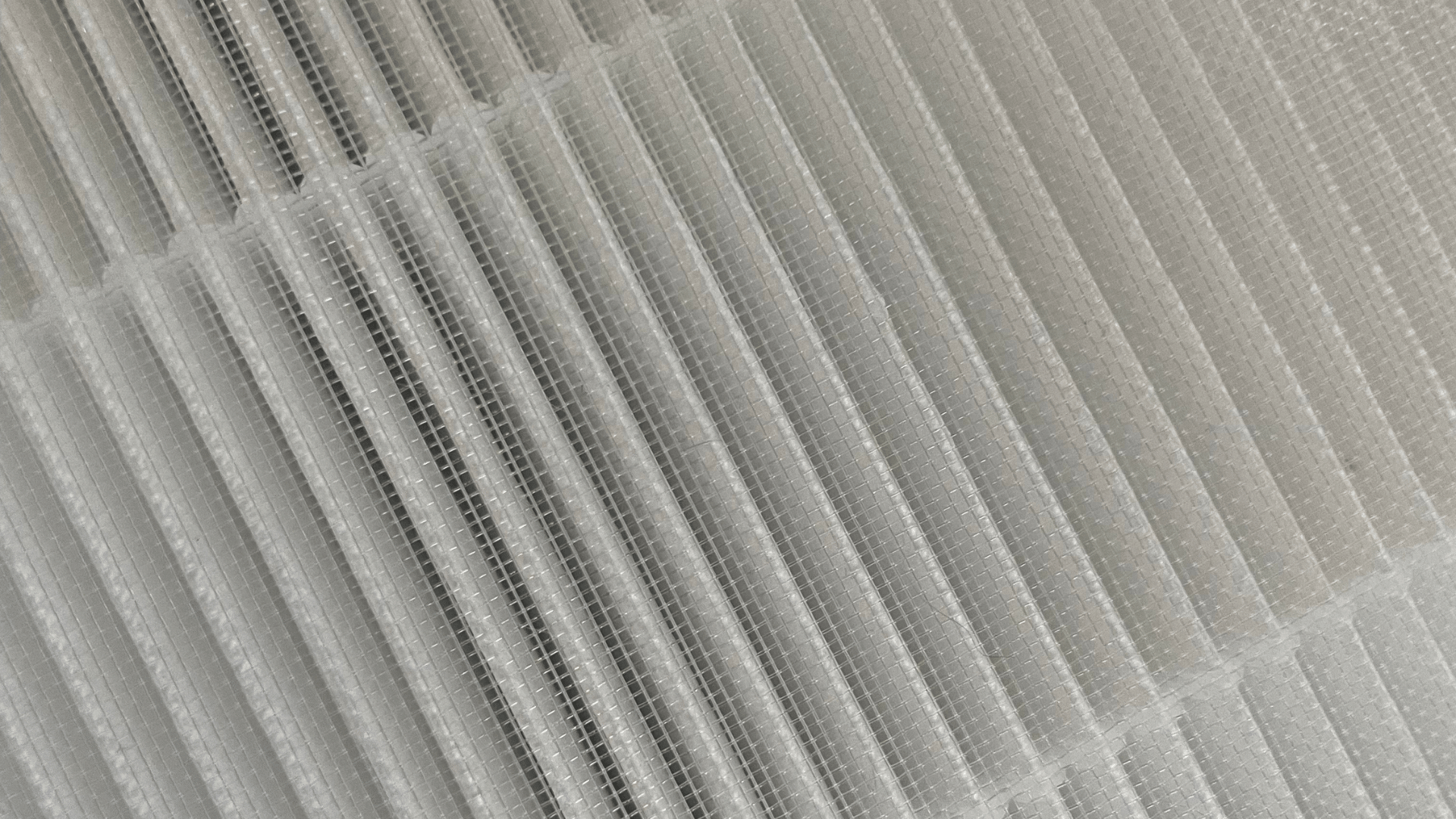
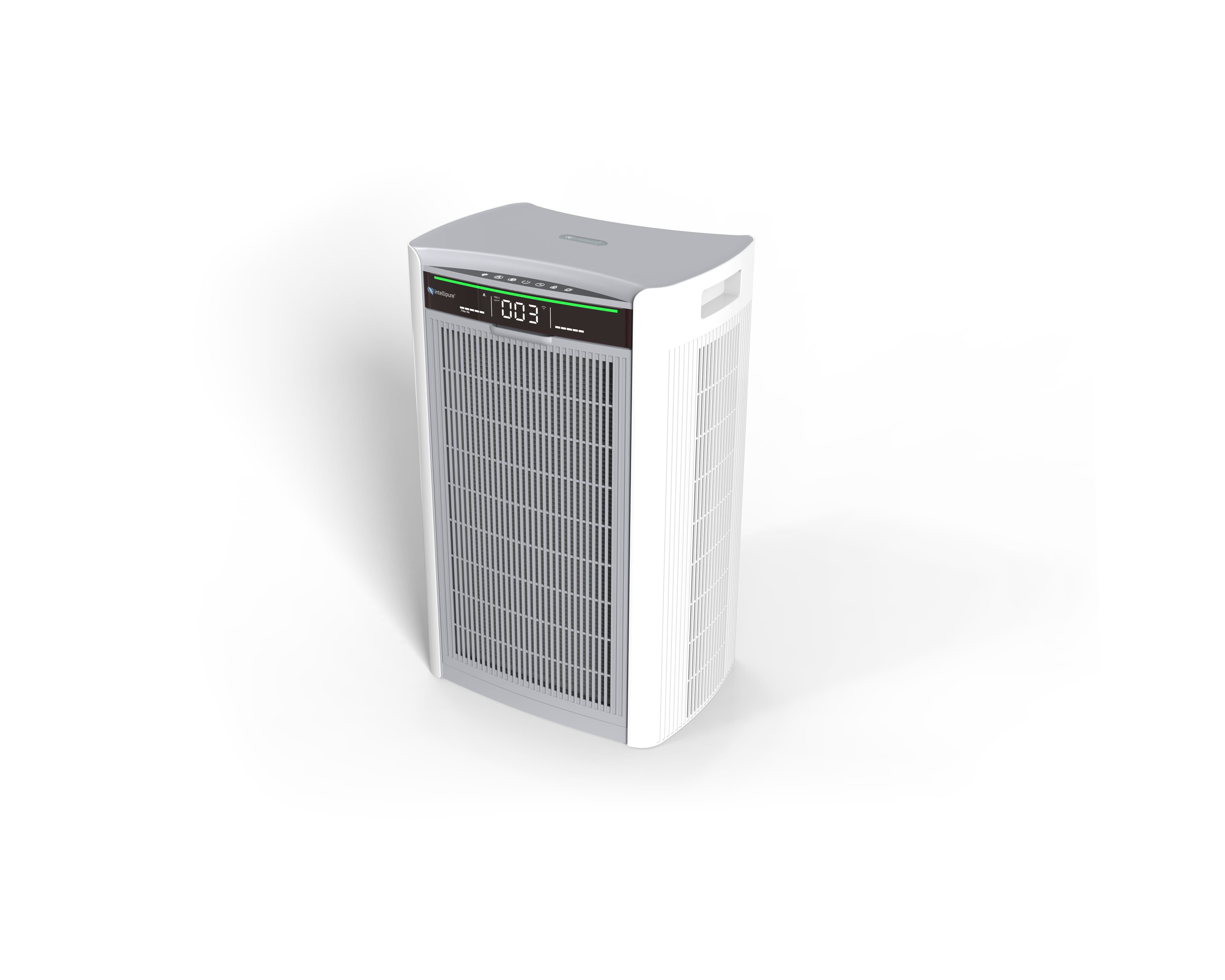
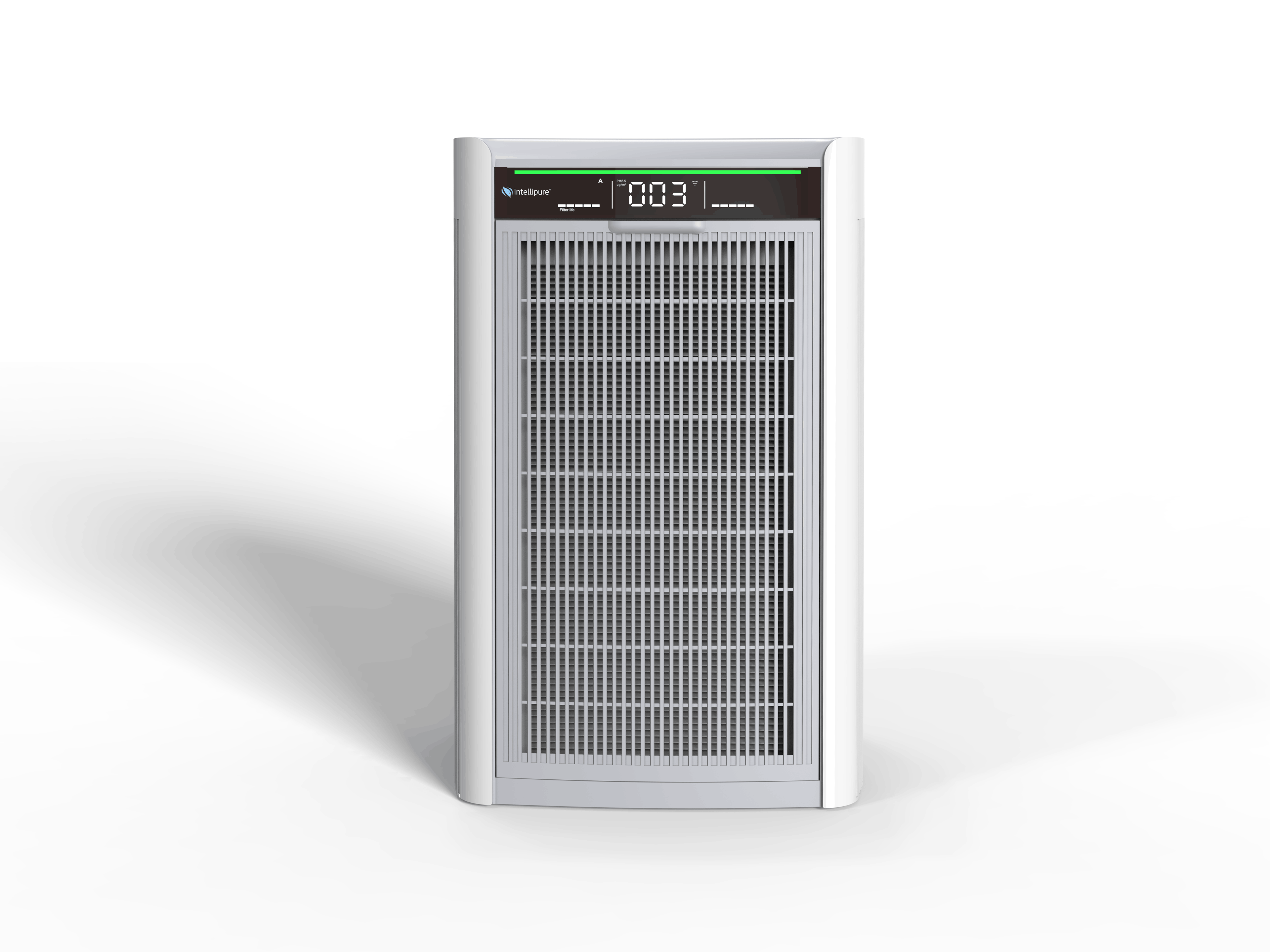
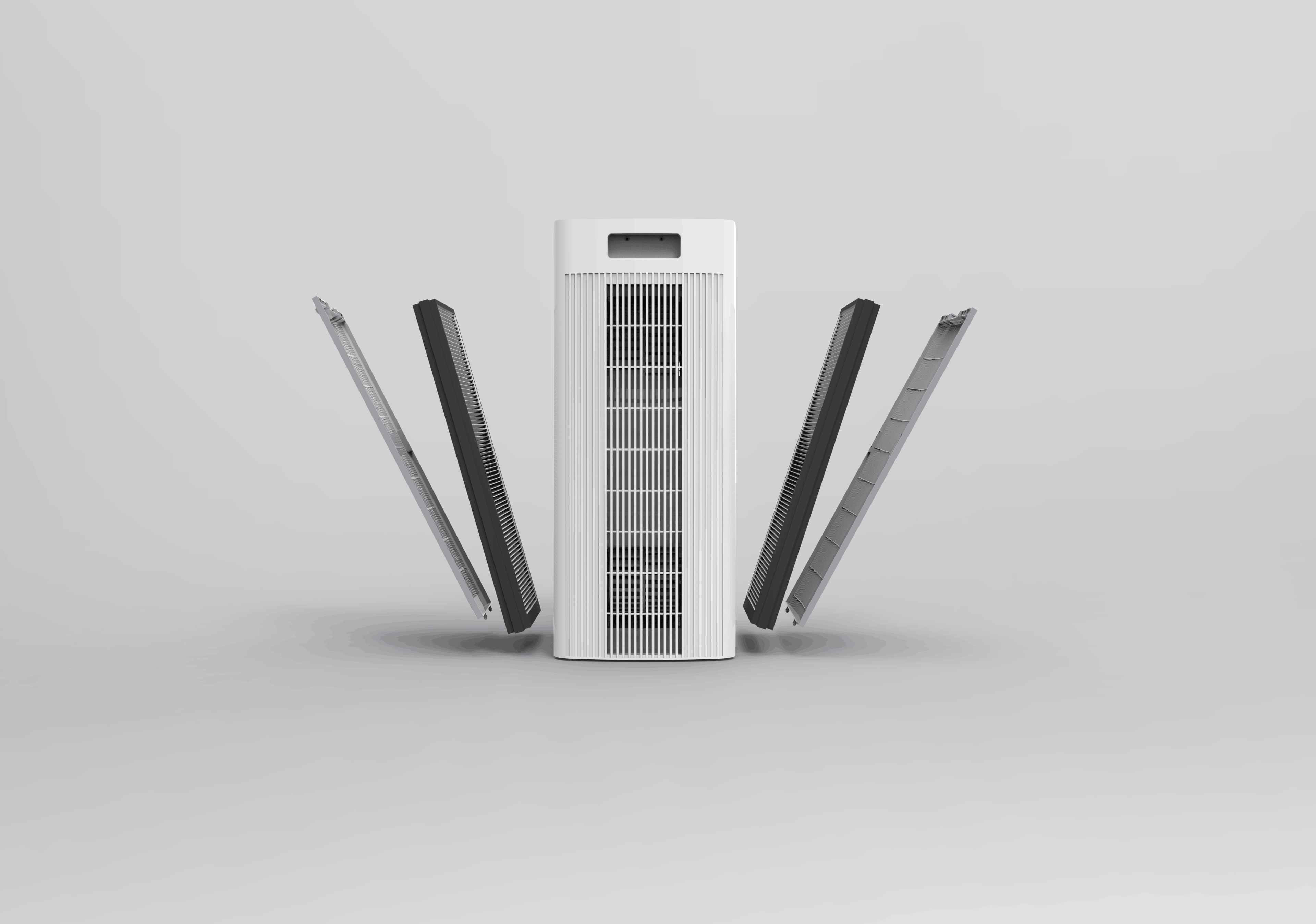
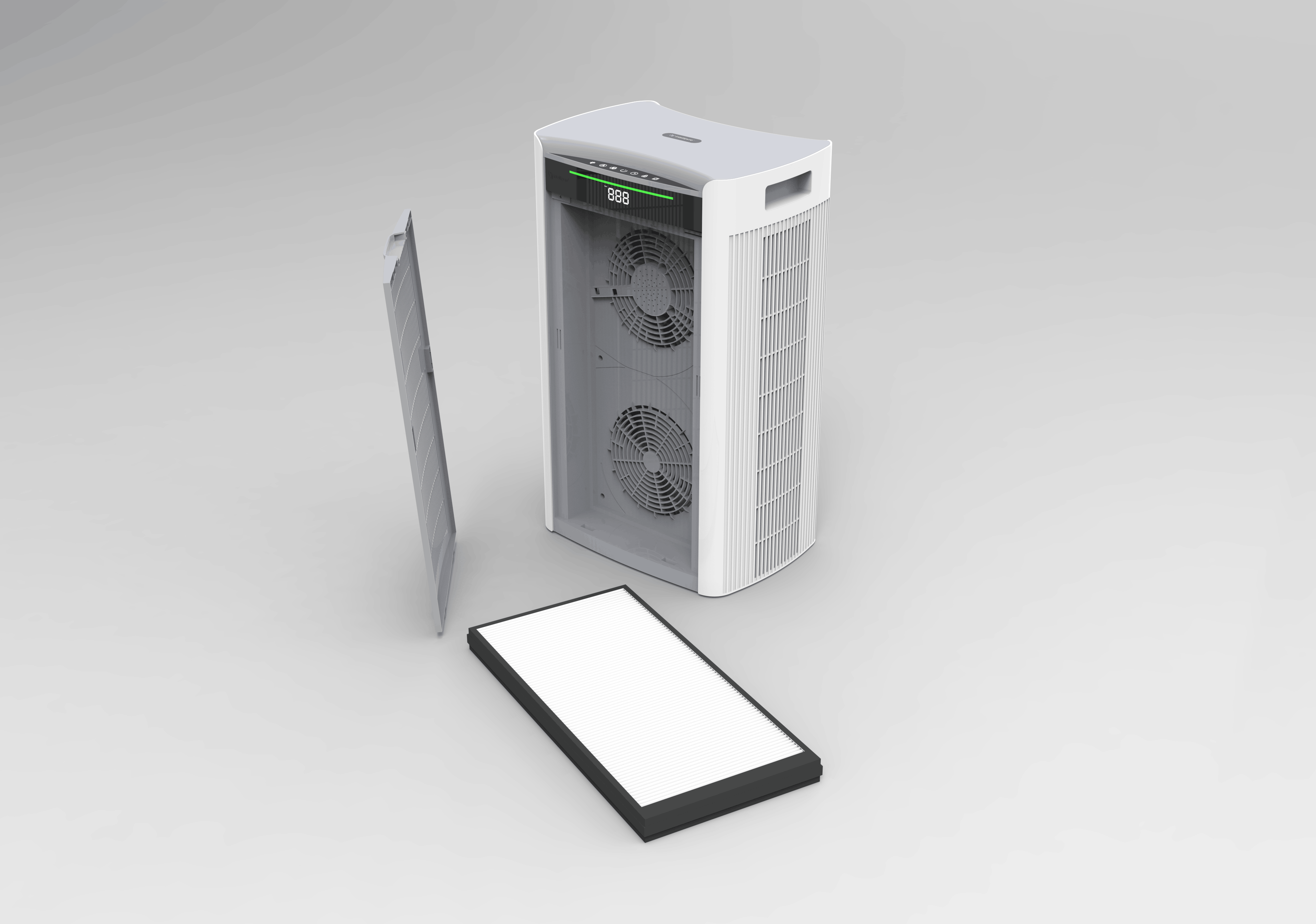
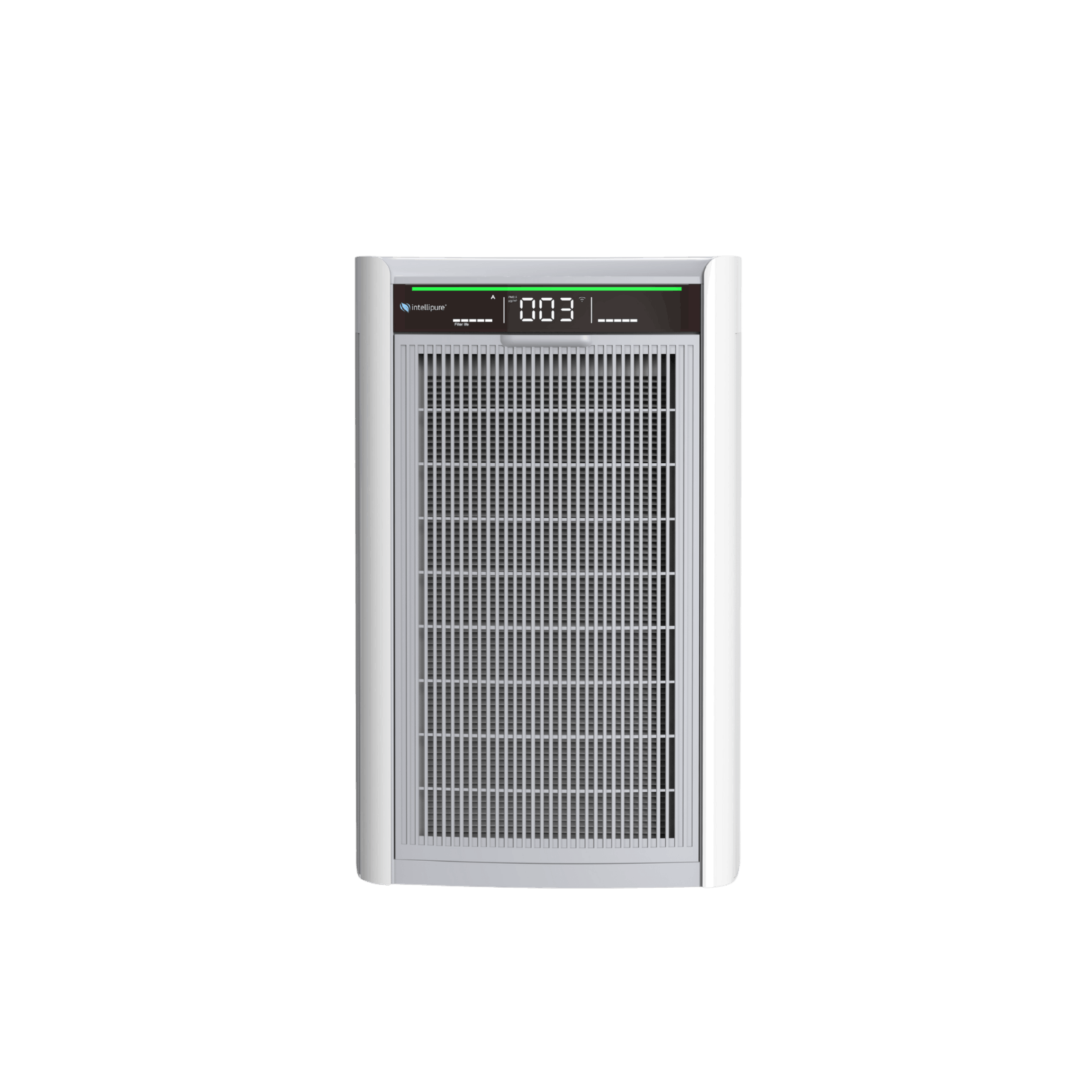
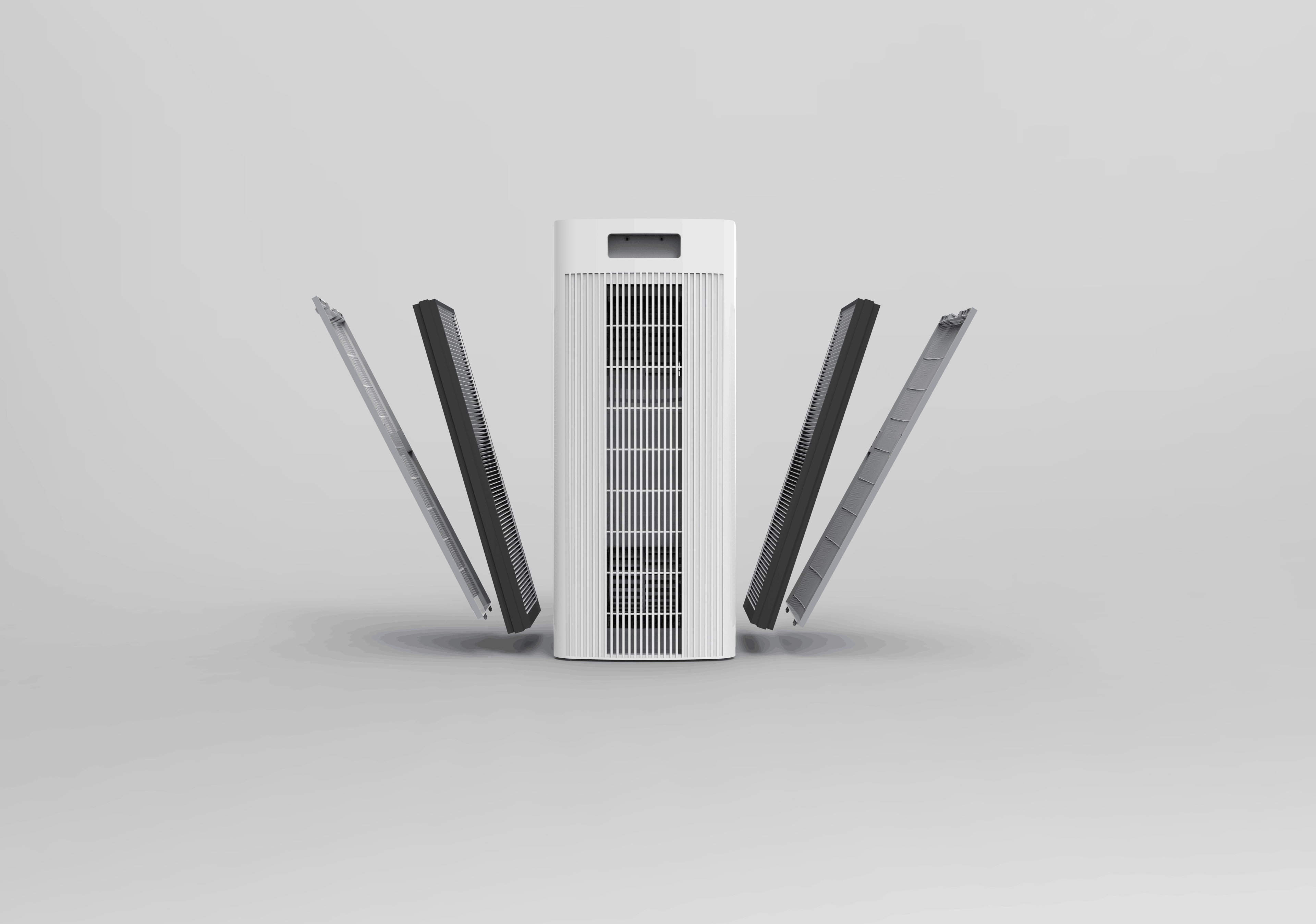
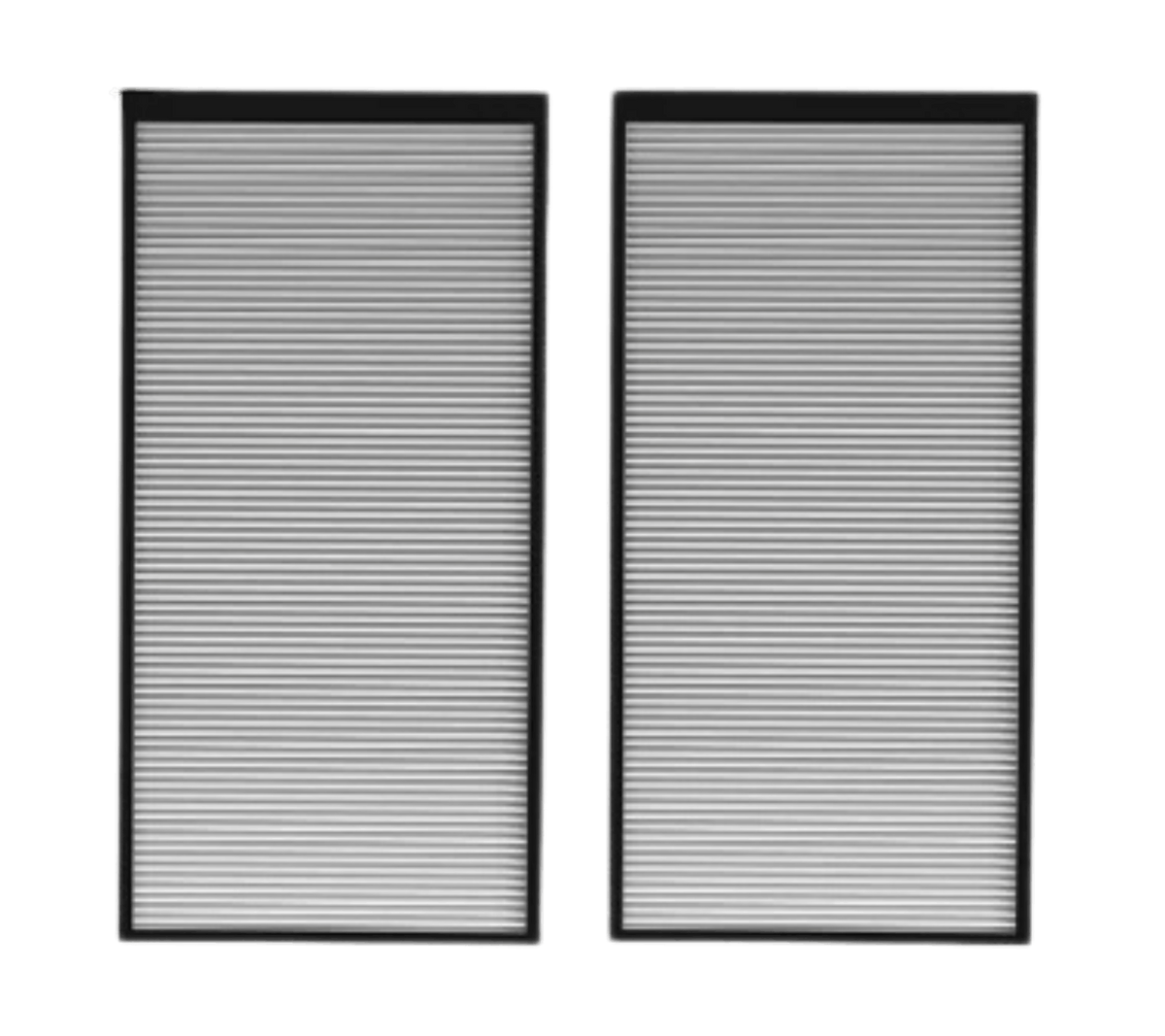
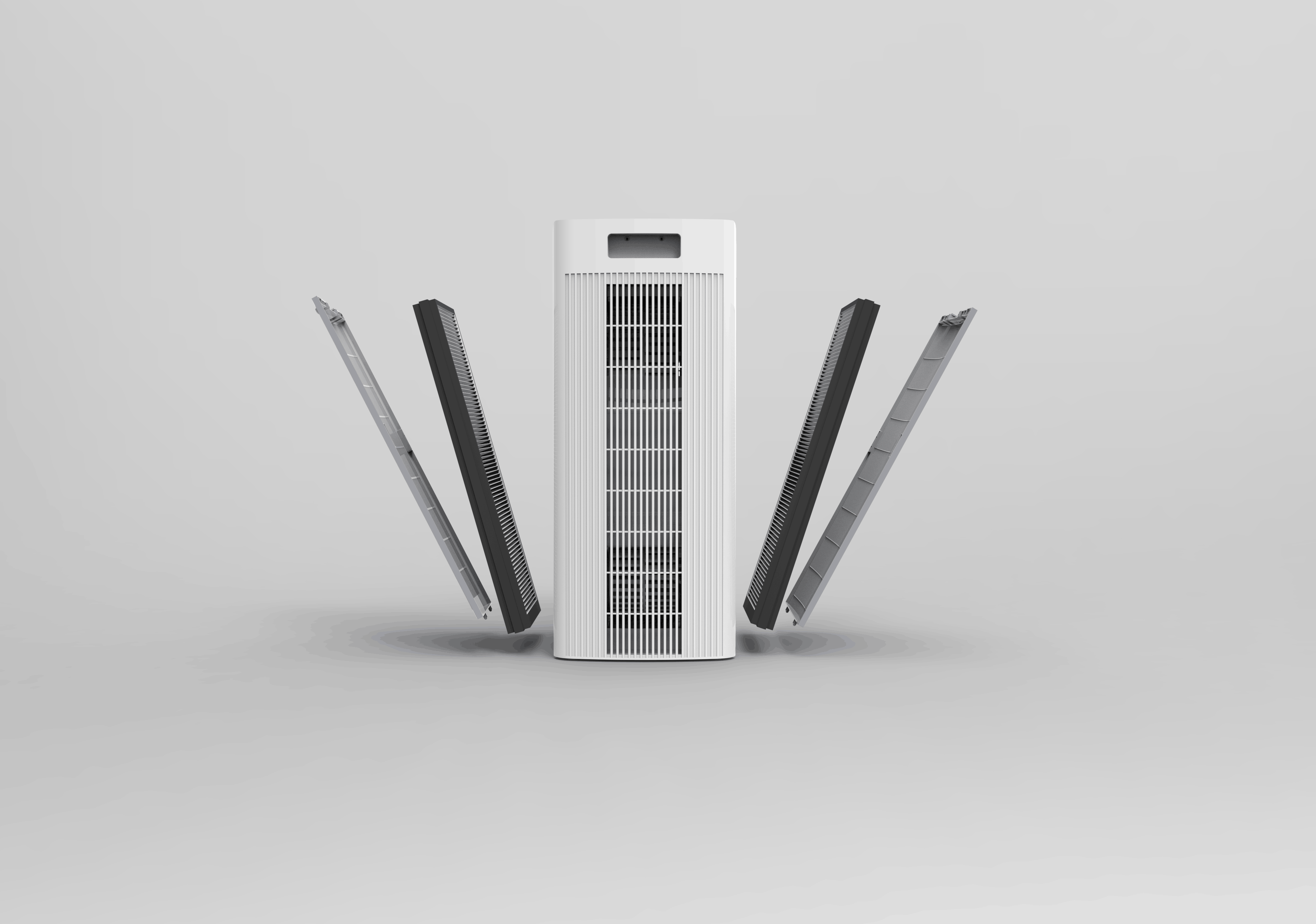
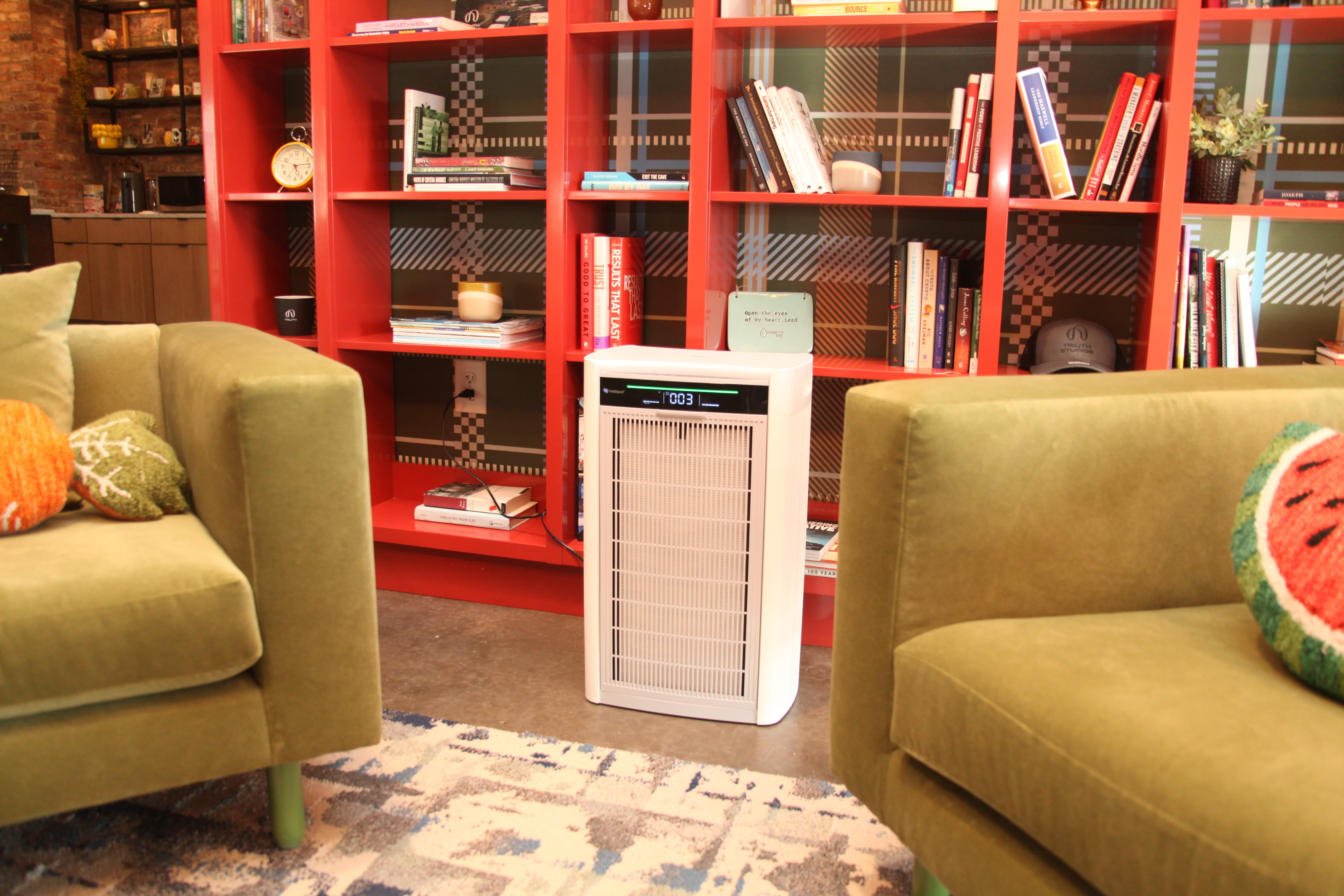
- Add air purification. A HEPA air purifier can capture fine particles like dust, pollen, pet dander, and smoke particles, helping to reduce what's circulating in your air.
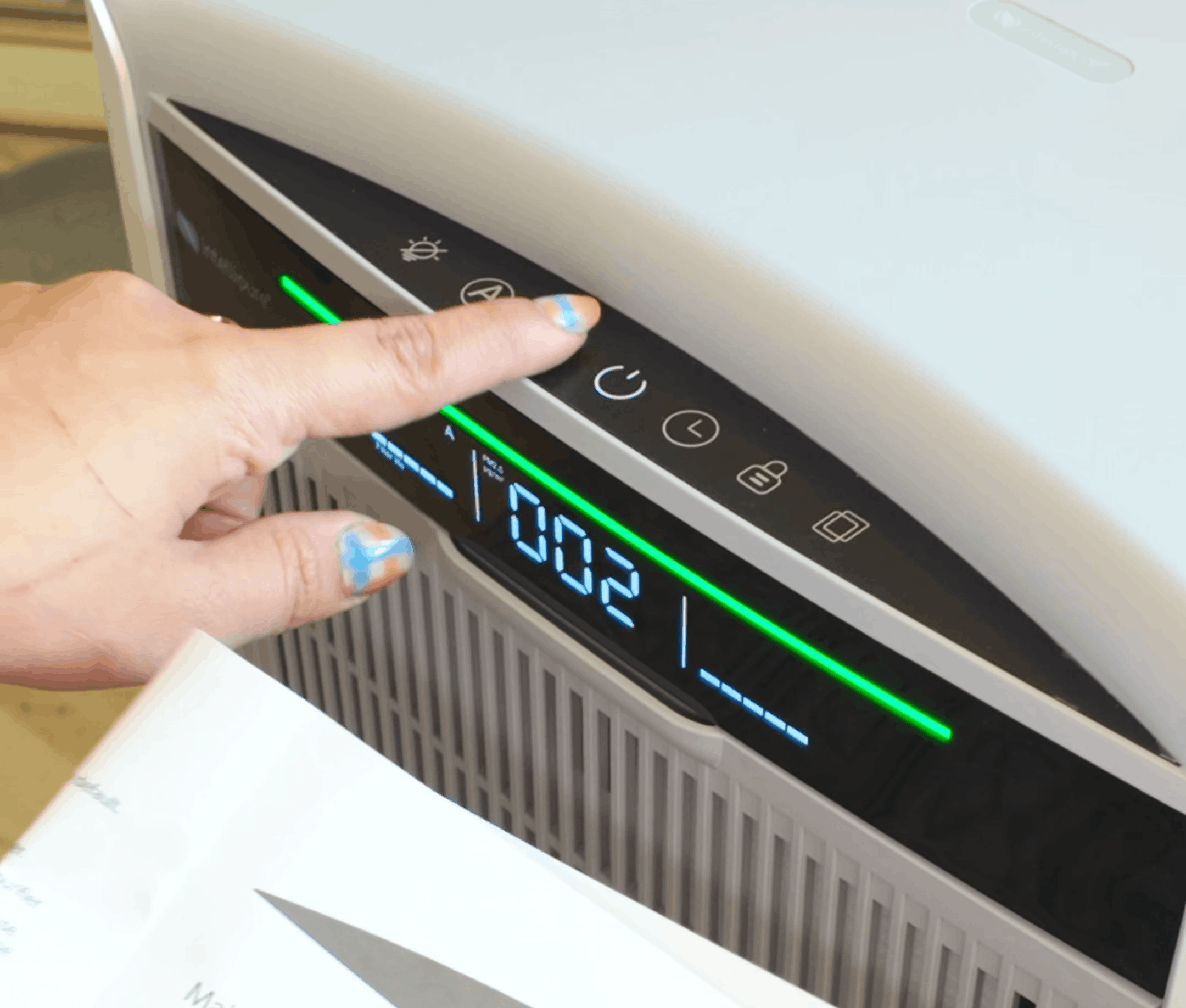
It captures up to 99.97% of airborne particles and uses activated carbon to help reduce odors and VOCs, all while running quietly enough for bedrooms and home offices. Smart sensors automatically adjust performance based on real-time air quality, so once it's set up, it does the heavy lifting for you.
Breathe Easier, Starting Today
Air pollution is a big, global problem, but your indoor air is something you can actually control. Small changes like swapping out scented candles for unscented ones, opening a window while cooking, and running an air purifier can make a real difference in what you and your family breathe every day.
Because when it comes to the air inside your home, a little awareness goes a long way. And we air nerds think that's worth talking about.
References
- World Health Organization. Ambient (outdoor) air pollution [Internet]. Geneva: WHO; 2024 [cited 2026 Feb 13]..
- World Health Organization. Air pollution [Internet]. Geneva: WHO; 2024 [cited 2026 Feb 13]..
- Health Effects Institute. State of Global Air 2024: special report on global exposure to air pollution and its health impacts. Boston (MA): Health Effects Institute; 2024..
- United States Environmental Protection Agency. Indoor air quality [Internet]. Washington (DC): EPA; 2024 [cited 2026 Feb 13]..
- United States Environmental Protection Agency. Volatile organic compounds' impact on indoor air quality [Internet]. Washington (DC): EPA; 2025 [cited 2026 Feb 13]..
- United States Environmental Protection Agency. What are volatile organic compounds (VOCs)? [Internet]. Washington (DC): EPA; 2024 [cited 2026 Feb 13]..
- American Lung Association. Volatile organic compounds [Internet]. Chicago (IL): American Lung Association; 2024 [cited 2026 Feb 13]..
- American Lung Association. Volatile organic compounds in the home: the surprising places you might find them [Internet]. Chicago (IL): American Lung Association; 2024 [cited 2026 Feb 13]..
- Agency for Toxic Substances and Disease Registry. Formaldehyde in your home: what you need to know [Internet]. Atlanta (GA): CDC/ATSDR; 2024 [cited 2026 Feb 13]..
- National Cancer Institute. Formaldehyde and cancer risk [Internet]. Bethesda (MD): NCI; 2011 [cited 2026 Feb 13]..
- United States Environmental Protection Agency. Particulate matter (PM) basics [Internet]. Washington (DC): EPA; 2024 [cited 2026 Feb 13]..
- United States Environmental Protection Agency. Health and environmental effects of particulate matter (PM) [Internet]. Washington (DC): EPA; 2025 [cited 2026 Feb 13]..
- ParenteauAM, HangS, SwartzJR, WexlerAS, HostinarCE. Clearing the air: a systematic review of studies on air pollution and childhood brain outcomes to mobilize policy change. Dev Cogn Neurosci. 2024;69:101436. doi:10.1016/j.dcn.2024.101436..
- Valls Roche I, Ubalde-Lopez M, Daher C, Nieuwenhuijsen M, Gascon M. The health-related and learning performance effects of air pollution and other urban-related environmental factors on school-age children and adolescents: a scoping review of systematic reviews. Curr Environ Health Rep. 2024;11(2):300-316. doi:10.1007/s40572-024-00431-0..
- United States Environmental Protection Agency. AirNow [Internet]. Washington (DC): EPA; 2024 [cited 2026 Feb 13]..



5 Ways To Keep Pet Odors At Bay
5 Tips for a Healthier Home