


Can climate changes have an affect on your mental state?
University of Arizona researchers studied how people's perception of global climate change affects their mental health. According to Science Daily, recent studies show that "climate changes have people experiencing high levels of stress, anxiety, and depression." They found that individuals with high biospheric concern (those focused on the well-being of animals and plants) experience the most stress and depression related to climate change. This group tends to have a broader environmental view and sees the negative impacts of climate change firsthand. The study also identified egoistic concern (focused on how environmental changes directly affect individuals) and altruistic concern (focused on humanity's well-being). If you have been affected by recent extreme weather, a natural disaster, or climate change, you may have egoistic concerns. For example, people in Northern California who have recently been affected by major wild fires, may be worried about how the exposure to the heavy smoke will affect what they are breathing. Others may be concerned that climate change may have an impact on their allergies. While those with high altruistic concern showed some pro-environmental behaviors and coping mechanisms, individuals with primarily egoistic concerns did not report significant climate change-related stress or depression.
This research highlights the importance of understanding the diverse psychological responses to climate change and the varying motivations for addressing it. Recognizing these differences can better equip people for effective mental health interventions and prevention strategies as environmental changes continue.
What can you do?
Have you been affected by recent extreme weather, natural disasters, or climate change? Here are a few ways you can reduce your level of stress and anxiety:
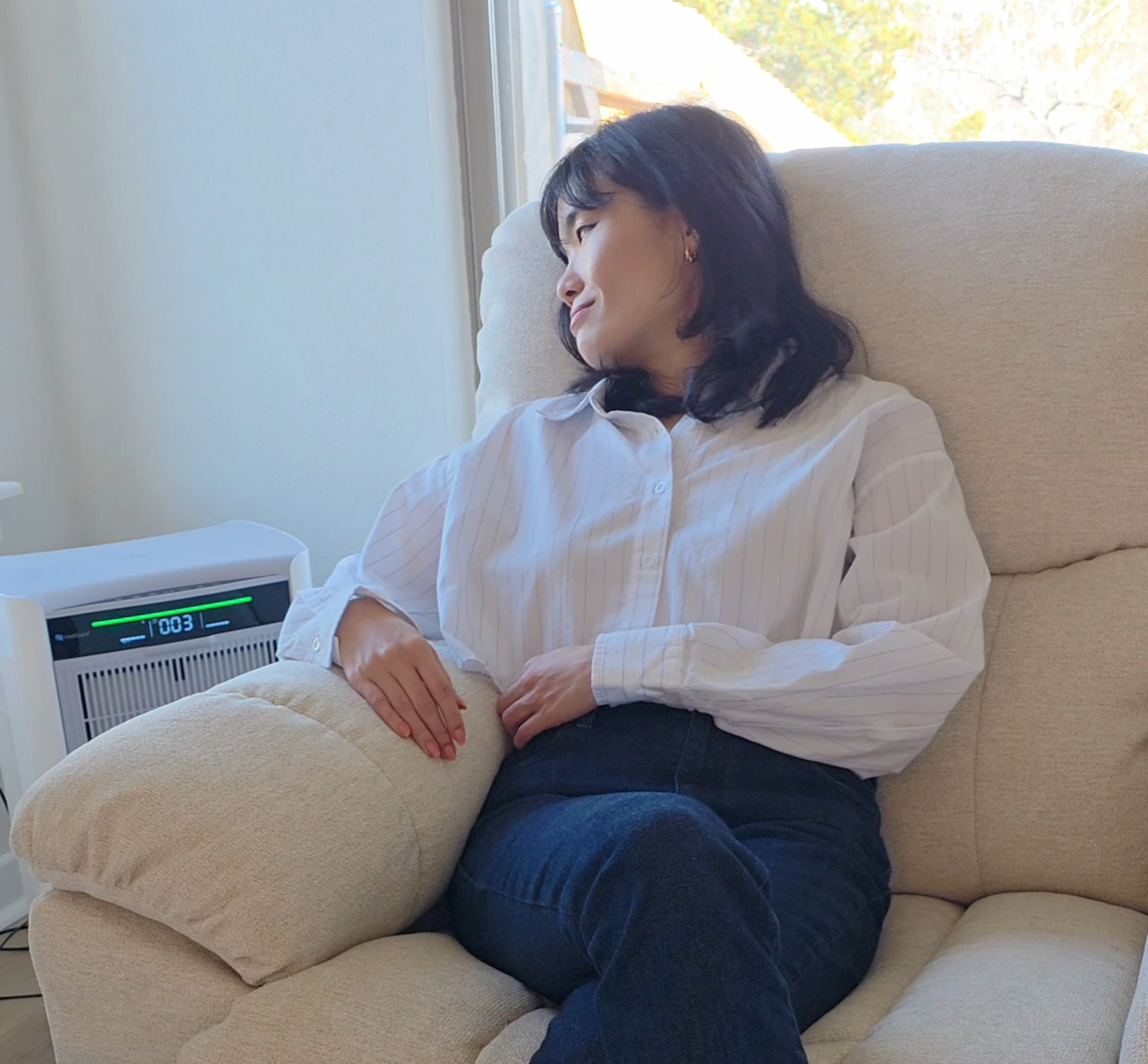
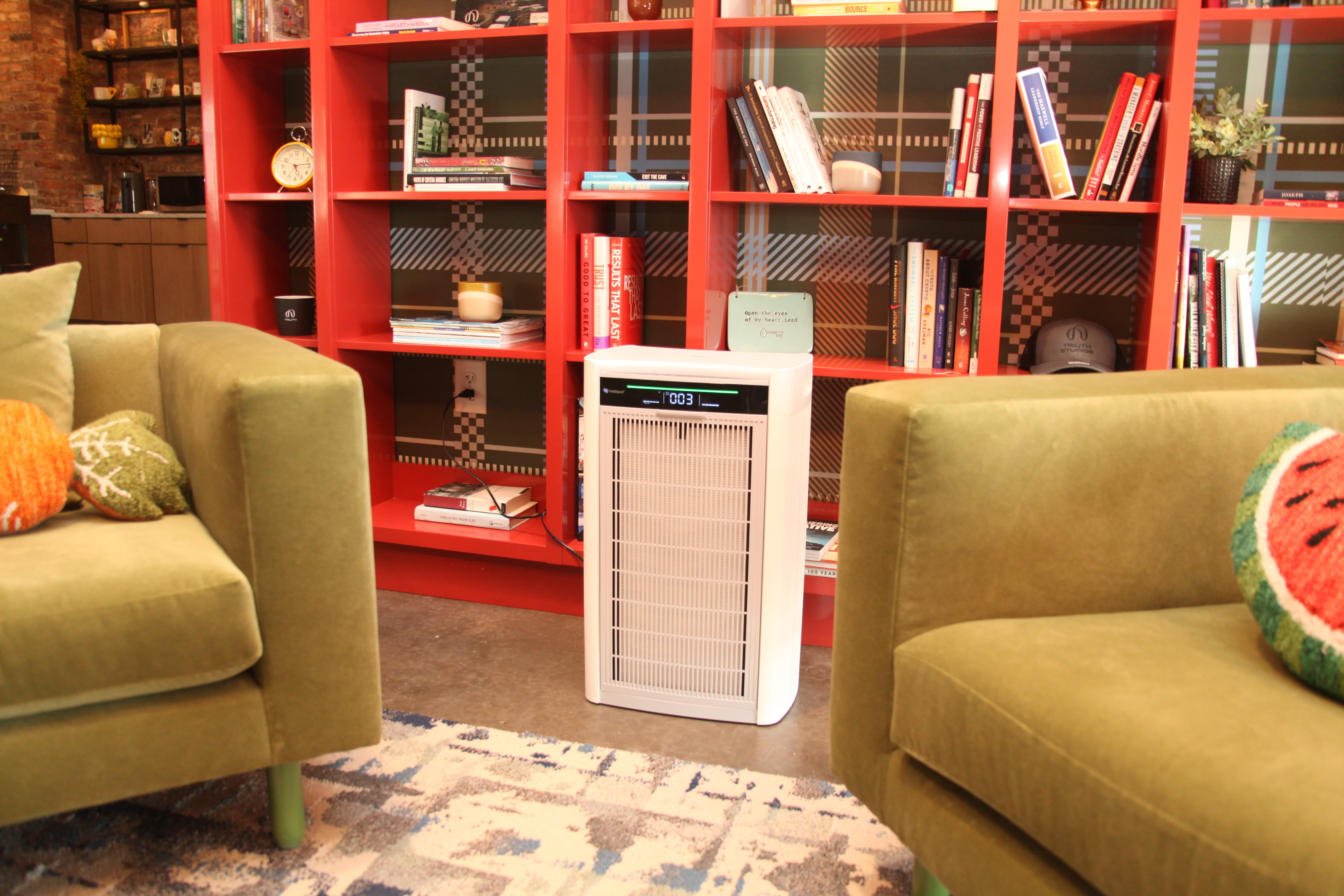
- Make your indoor environment as comfortable and calm as possible. Think of it as your "Zen" zone. This is your safe spot, and you have control.
- Do your part by shopping and using eco-friendly products
- Donate to your favorite environmental charity organization
- Volunteer in your community for clean-up projects
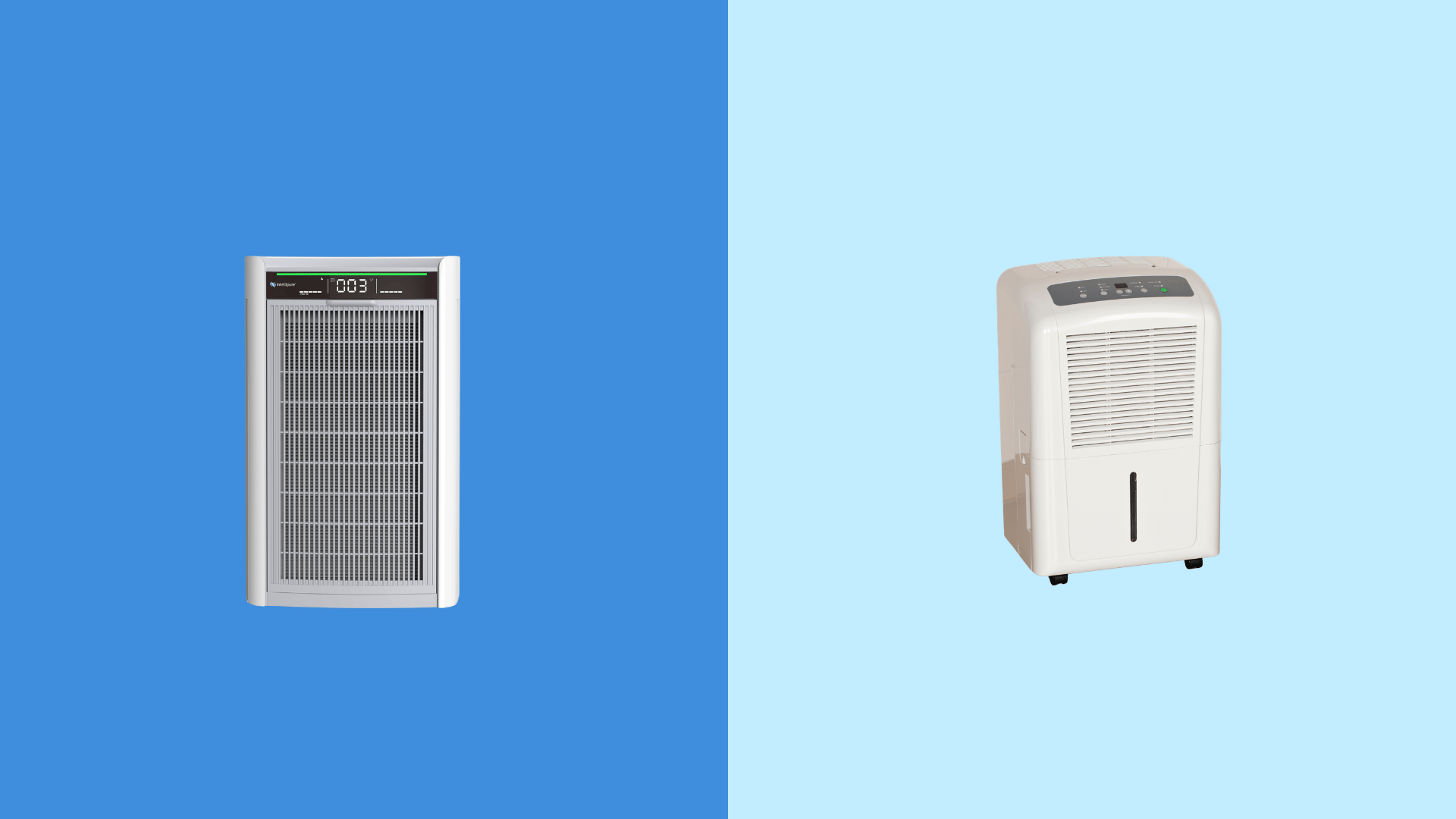
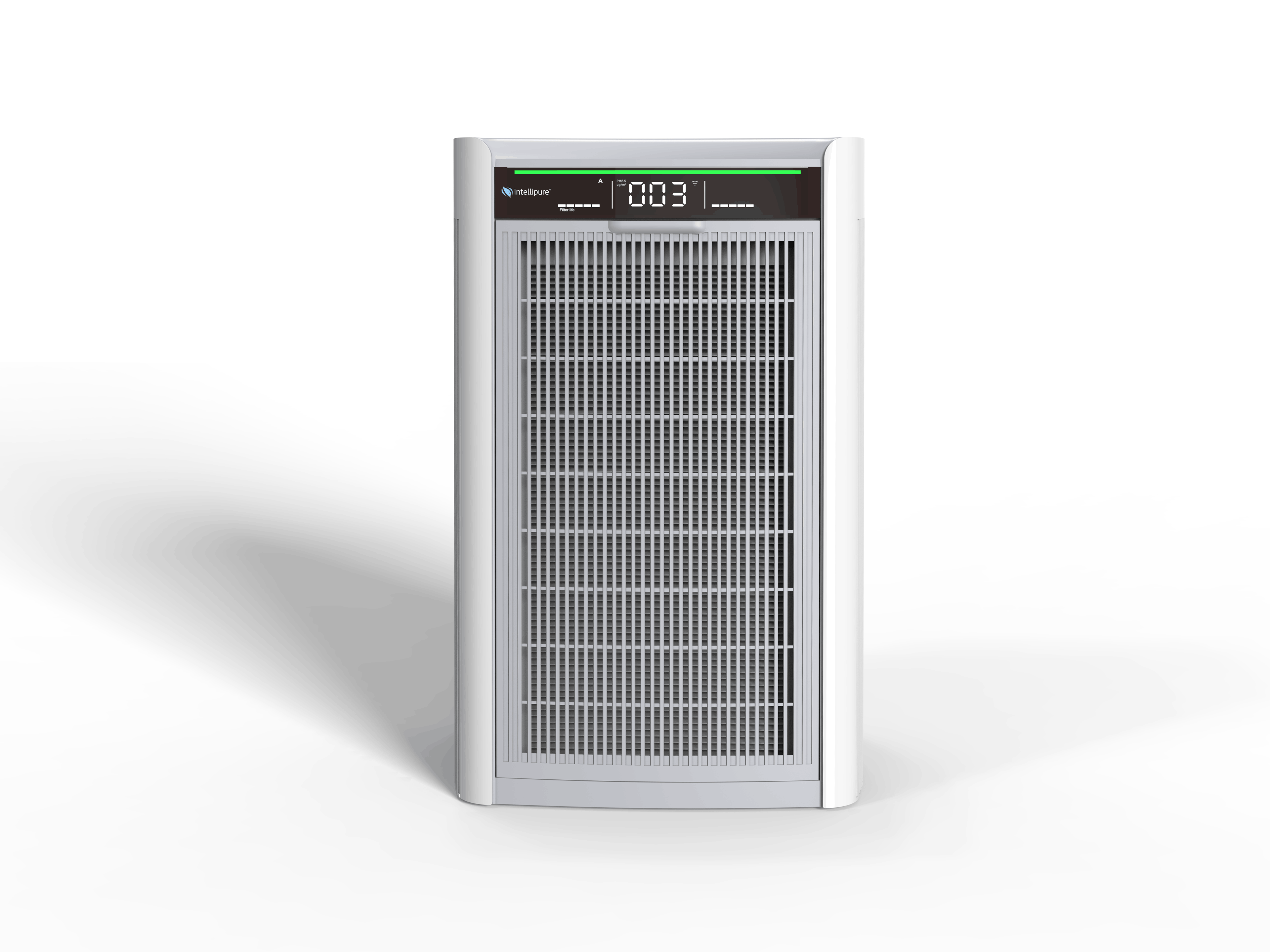
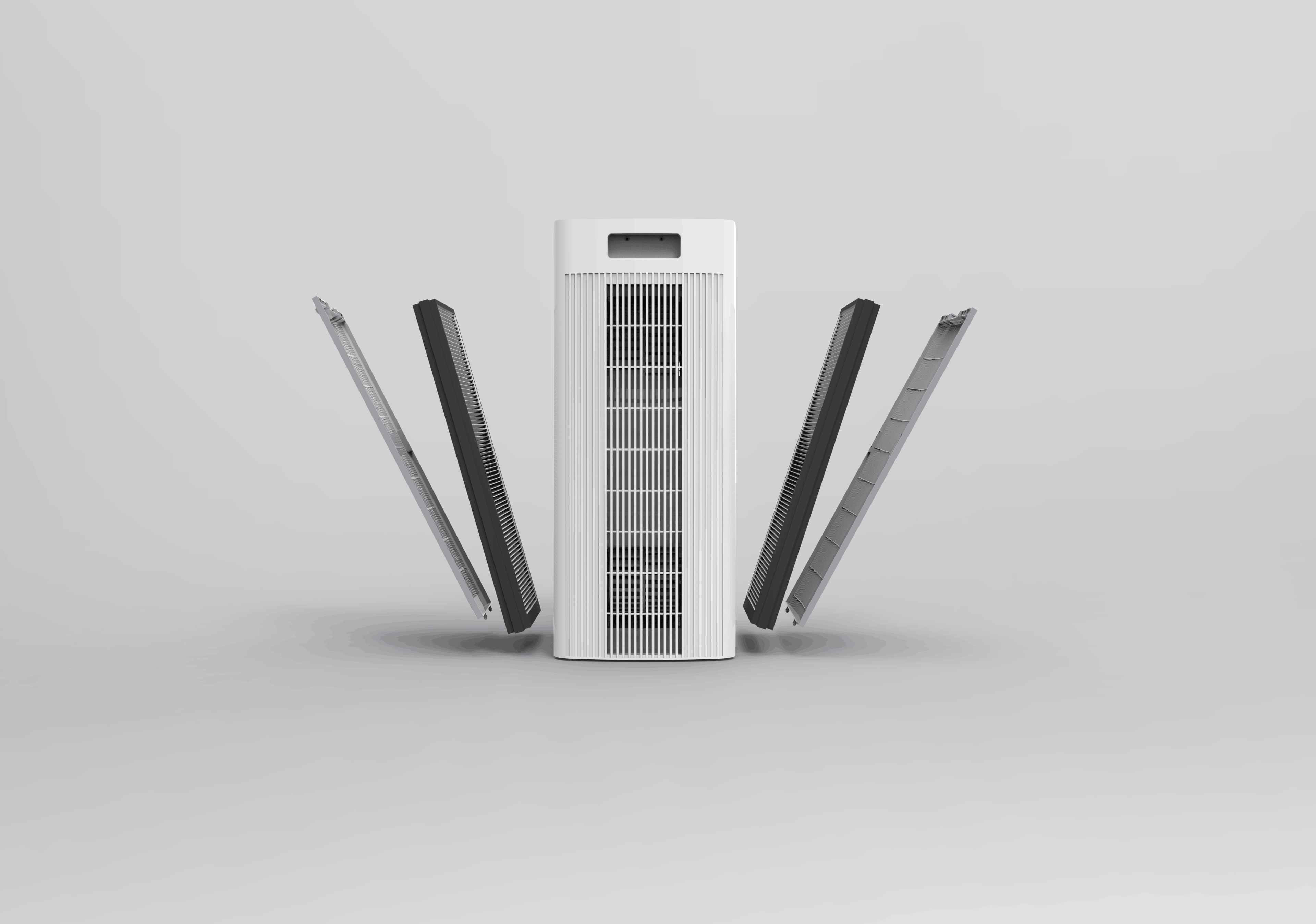
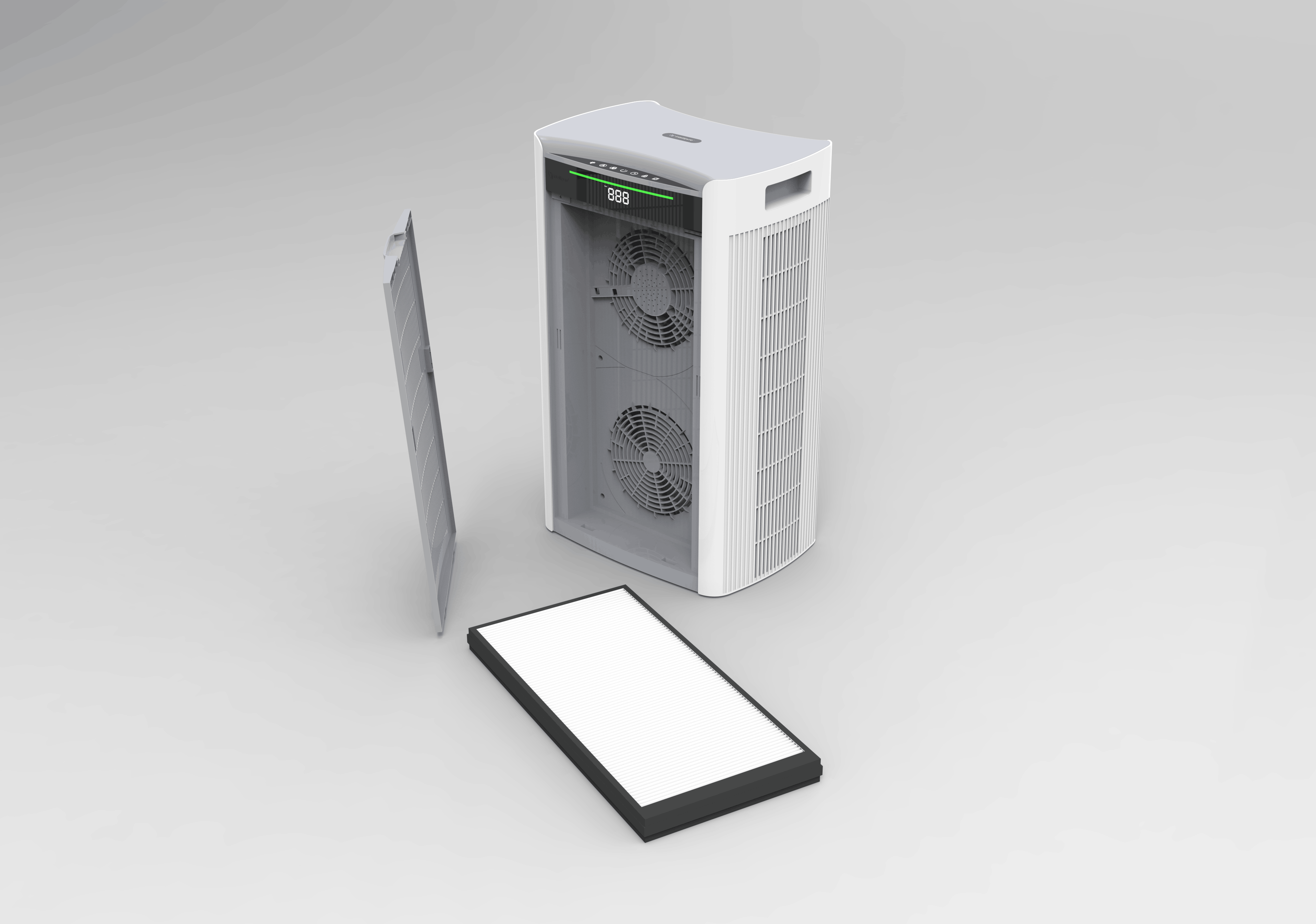
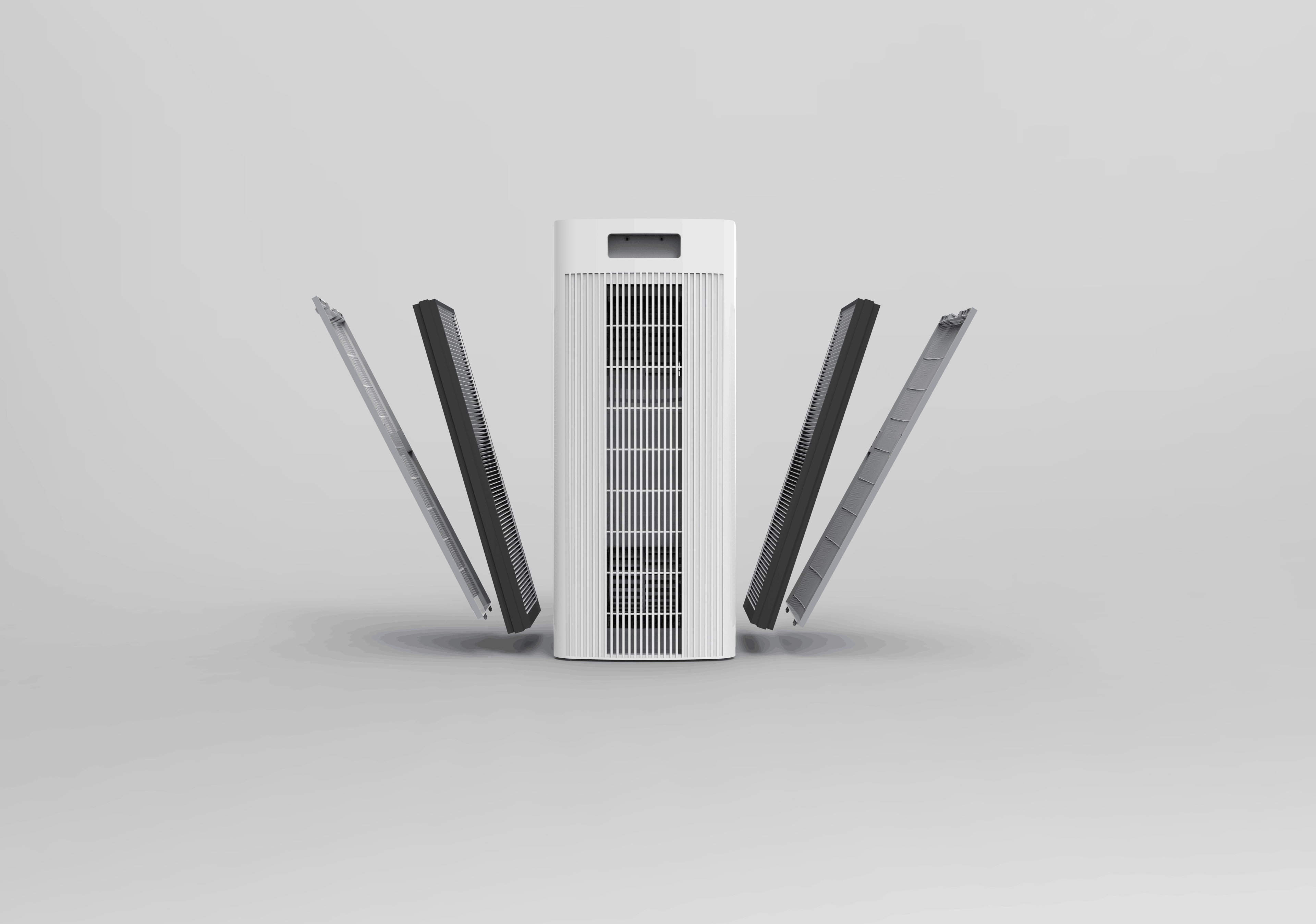
While the climate outside your home isn't completely under your control, the climate inside is a different story. Using an Intellipure air purifier to remove harmful airborne bacteria, ultrafine particles, viruses, pollen, allergens, microplastics, and other harmful particulates can help put your mind at ease knowing you are protecting your health. Simply choose an Intellipure air purifier and experience world-class indoor air quality in your Zen zone.













5 Tips for a Healthier Home
Go Green in the Workplace For Better Employee Performance