

Summary
Where you put your air purifier matters just as much as which one you buy. Learn why elevated placement in the breathing zone (3 to 6 feet off the ground) can improve particle capture, plus room-by-room tips for getting the cleanest air possible.
In This Article
Why Placement Matters
If you recently picked up an air purifier, you're already taking a step in the right direction for your home's indoor air quality. But here's something many people overlook: where you place the unit can make a real difference in how well it works.
According to the EPA, concentrations of some indoor pollutants can be two to five times higher than typical outdoor levels [1]. We spend roughly 90 percent of our time indoors [1], so giving your air purifier the best chance to do its job is well worth a few minutes of thought.
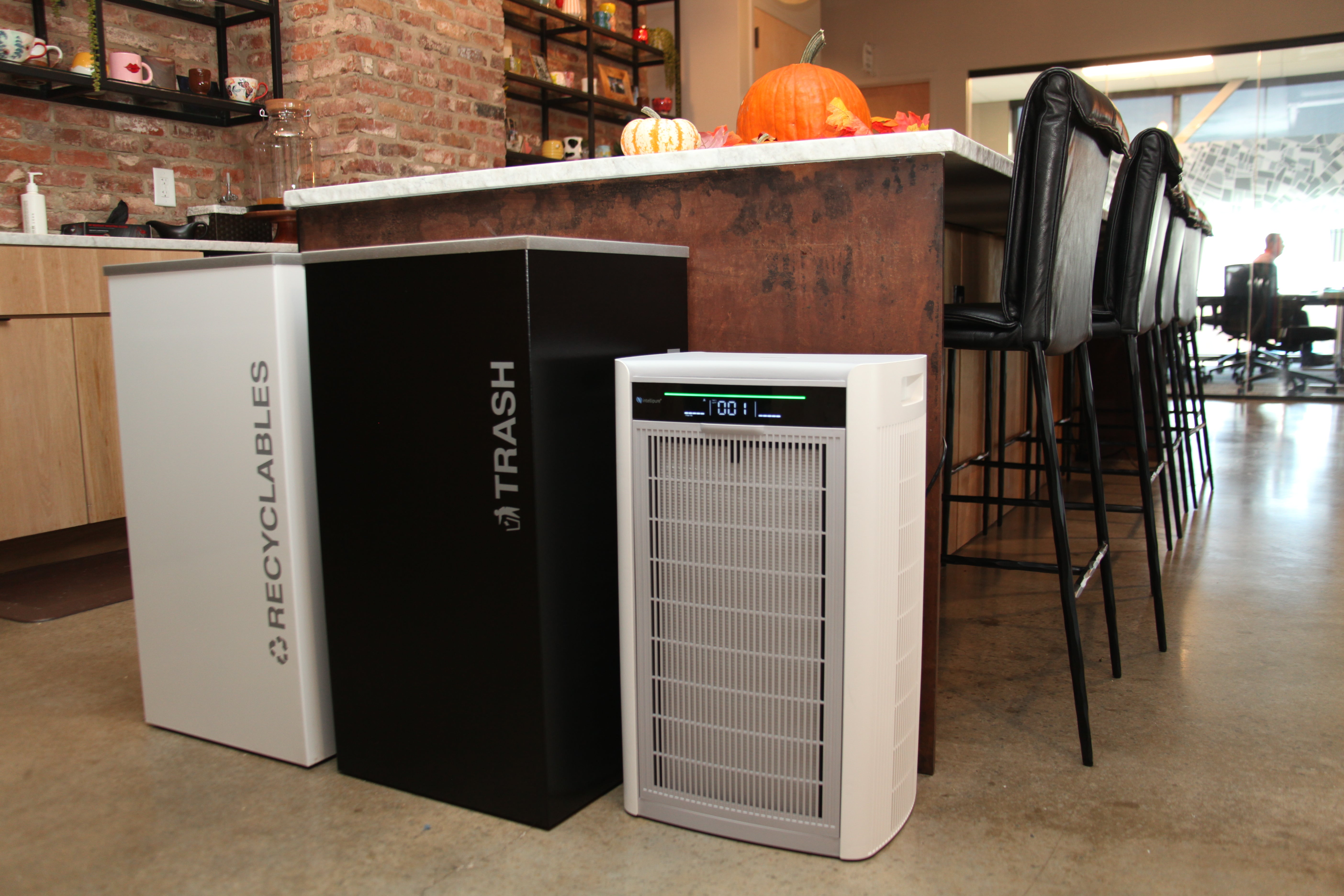
An air purifier performs best when it can freely pull in and circulate air around the room. Block that airflow with furniture, curtains, or a tight corner, and you're leaving clean air on the table (no pun intended). Let's break down the pros and cons of the two most common spots: up on a table or down on the floor.
The Case for Elevated Placement
Placing your air purifier on a sturdy table, shelf, or countertop is generally the better move, and it comes down to one key concept: the breathing zone.
The EPA defines the breathing zone for indoor spaces as roughly 3 to 6 feet above the floor, depending on whether occupants are sitting or standing [2]. When your air purifier's intake sits within that range, it's pulling in air right where you're actually breathing. That means the freshly filtered air reaches you more directly, rather than cycling up from the floor first.
Research supports this approach. Computational fluid dynamics (CFD) studies on air purifier placement have found that positioning and configuration significantly affect pollutant removal, with reductions in the age of air ranging from 19% to 44% depending on setup [3]. These studies consistently use breathing-zone height (around 1.3 meters, or about 4.3 feet) as the benchmark for measuring air quality improvements [4].
Benefits of elevated placement:
- Better breathing-zone coverage. The unit's intake aligns with the air you actually inhale throughout the day.
- Improved circulation. Elevating the purifier allows it to pull in and return air more efficiently across the room.
- Less debris intake. Up off the ground, the unit is less likely to draw in dust bunnies, pet fur, and other floor-level debris that can clog filters faster.
- Safer for kids and pets. An elevated, stable surface keeps the unit out of curious hands and paws.
- Source targeting. You can position the purifier closer to specific pollution sources, like a kitchen countertop near the stove.
Just make sure the surface is stable and level. A wobbly shelf or a narrow ledge isn't worth the risk, especially with heavier units.
The Case for Floor Placement
Floor placement isn't ideal in every scenario, but it's far from a dealbreaker. In some situations, it's the most practical option.
Larger airborne particles, such as dust and coarse particulate matter (PM10), have higher gravitational settling velocities than fine particles (PM2.5) and ultrafine particles [5]. That means they tend to accumulate closer to floor level. Allergens like dust mite debris and pet dander also settle onto lower surfaces and flooring over time [6]. A floor-placed air purifier can be effective at capturing these heavier pollutants right where they concentrate.
Benefits of floor placement:
- Maximum stability. The floor is the most secure surface in any room.
- Fewer space constraints. No need to clear counter or shelf space.
- Captures settled particles. Draws in heavier pollutants that accumulate near the ground.
Trade-offs to keep in mind:
- The unit may draw in more dirt, hair, and debris, which can shorten filter life.
- Floor-level placement moves the intake below the breathing zone, so filtered air takes longer to reach where you breathe.
- Cords and the unit itself can create a tripping hazard in walkways.
The bottom line: if the floor is your only option, it's still far better than not running the purifier at all. Just stay on top of filter replacements to keep performance up.
Room-by-Room Placement Tips
The best spot for your air purifier depends on the room's layout, size, and primary pollution sources. Here are some practical guidelines.
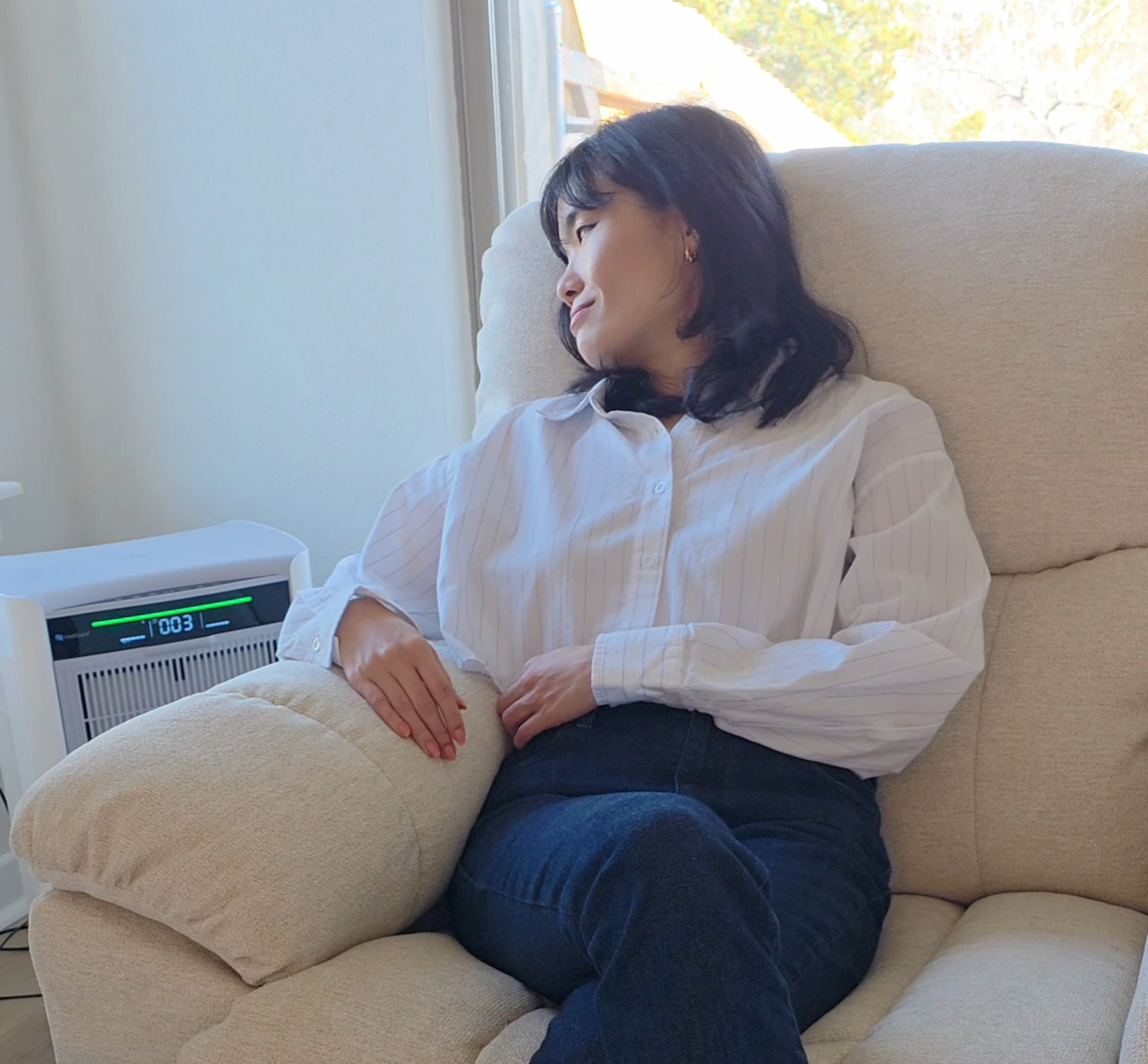
Bedroom: Place the purifier on a nightstand or dresser near the head of your bed. You spend roughly a third of your life sleeping, and positioning the unit in the breathing zone while you rest means you're getting the cleanest air during those important recovery hours.
Kitchen: Cooking is one of the biggest sources of indoor particulate matter. Research has shown that placing a portable air cleaner in the kitchen, closer to the cooking source, can reduce PM2.5 levels by 60% to 61% within an hour after cooking [7]. That's significantly more effective than placing the same unit in an adjacent room.
Living room or high-traffic area: These spaces see the most activity, which means more resuspended dust, more tracked-in outdoor particles, and more VOCs from everyday products. A central, slightly elevated position works well here.
L-shaped or large rooms: In spaces with poor air circulation or unusual layouts, a single unit may struggle to cover the whole area. Using two air purifiers positioned at opposite ends can help ensure even airflow throughout the space.
Regardless of the room, keep the unit at least a couple of feet from walls and corners so air can flow freely into the intake from all sides. Outdoor air pollution enters your home through doors, windows, and even small cracks in walls and foundations [8, 9], so placing a purifier in rooms with the most outdoor air exchange can be especially helpful.
Special Considerations
Moisture and humidity. If possible, keep your air purifier away from chronically damp areas like steamy bathrooms or poorly ventilated laundry rooms. Research has shown that at very high relative humidity levels (above 90%), HEPA filter efficiency can decrease, and prolonged exposure to liquid water aerosols can even cause structural filter damage [10]. In practical terms, this means a consistently humid environment can reduce your unit's effectiveness and shorten filter life.
High-traffic areas and maintenance. Running your air purifier in busy spaces like entryways or family rooms means the unit will capture more pollutants, which is great for your lungs but does mean more frequent filter changes. The CDC recommends achieving five or more air changes per hour in occupied indoor spaces [11], which typically requires continuous operation of a properly sized unit. Keep the purifier running and check your filters regularly.
Rooms with poor circulation. Alcoves, nooks, and rooms with limited ventilation can develop pockets of stagnant air. In these cases, consider using a second portable air purifier for more localized airflow rather than relying on a single unit in another part of the home.
Always follow manufacturer guidelines. Your air purifier's manual will have specific recommendations for clearance distances, filter replacement schedules, and maintenance. Unless the manual says otherwise, replace filter media entirely rather than attempting to clean and reuse them.
Making It Work for Your Space
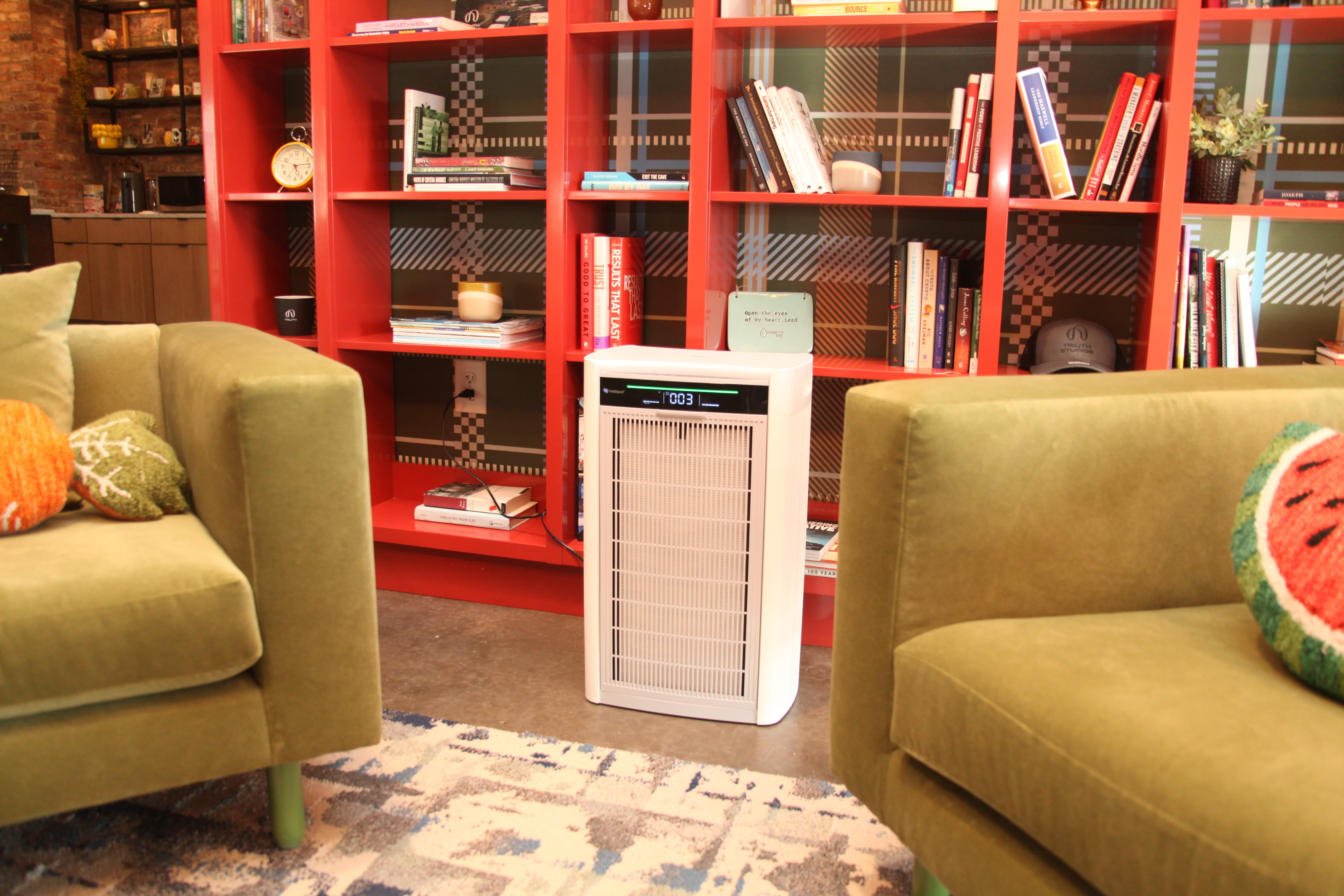
When it comes to air purifier placement, elevated and central is the gold standard. But we get it: not everyone has a wide-open table in the middle of the room just waiting for an air purifier. The most important thing is that your unit has adequate clearance on all sides and runs consistently in the space where you spend the most time.
Here's a quick checklist:
- Elevate when possible. A sturdy table, shelf, or countertop in the 3-to-6-foot range is ideal.
- Keep it central. Avoid tucking the unit into tight corners or behind furniture.
- Stay near the source. Place the purifier closer to known pollution sources (kitchen, entryway, pet areas) for faster capture.
- Give it room to breathe. Maintain at least a couple of feet of clearance around the unit.
- Run it continuously. Consistent operation means consistently cleaner air.
- Replace filters on schedule. Floor placement or high-traffic rooms may mean more frequent changes.
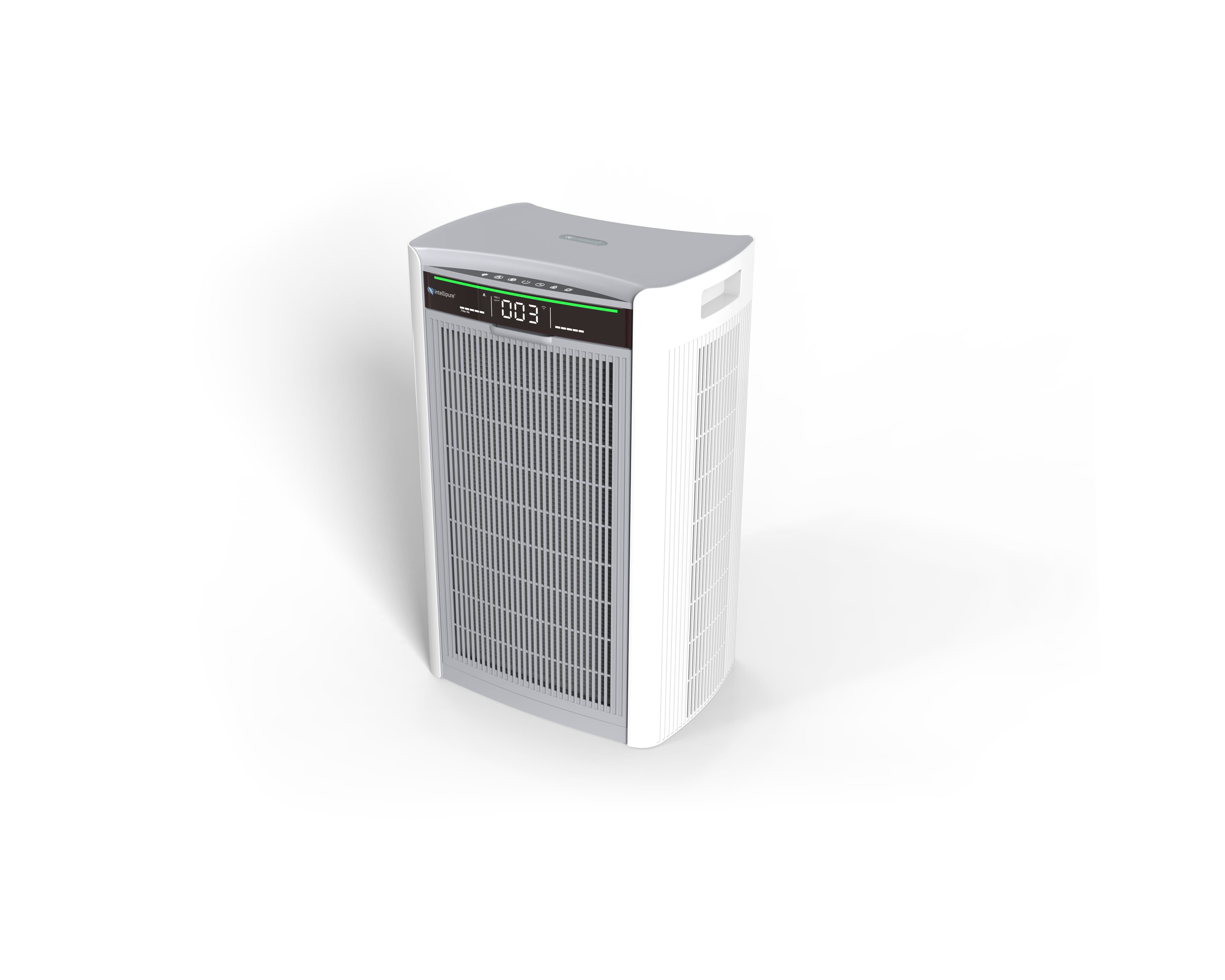
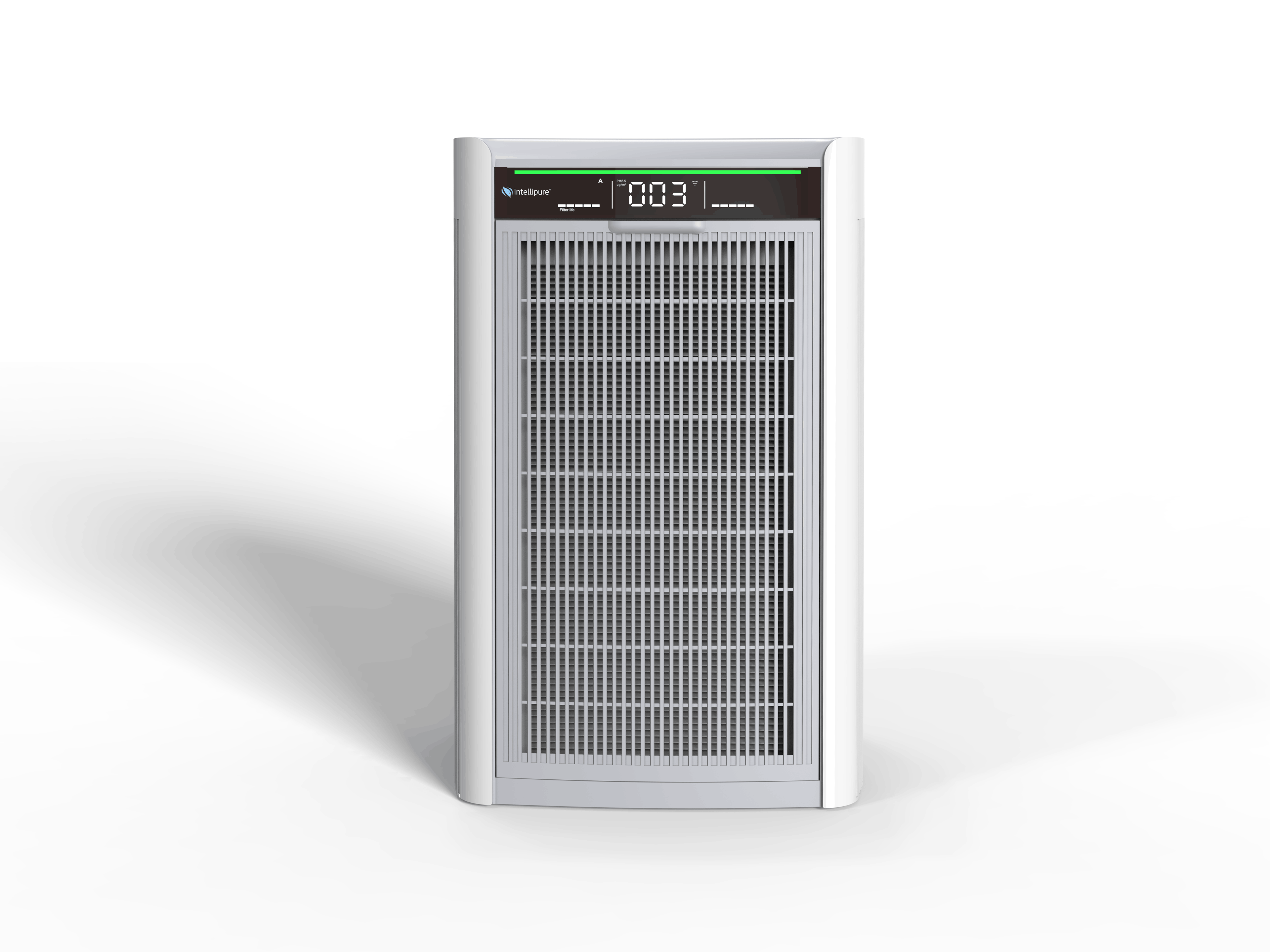
Its smart sensors automatically adjust performance based on real-time air quality, so once you find the right spot, the unit does the rest.
References
- U.S. Environmental Protection Agency. Indoor air quality [Internet]. Washington (DC): U.S. EPA; 2025 [cited 2026 Feb 12]..
- U.S. Environmental Protection Agency. Low-cost air pollution monitors and indoor air quality [Internet]. Washington (DC): U.S. EPA; [cited 2026 Feb 12]..
- AnIH, KwakDB, LeeJ, ParkSH, YookSJ. Optimal operating positions of two air purifiers for improving indoor air quality in hospital wards. J Hosp Infect. 2025;159:42-51. doi:10.1016/j.jhin.2025.02.006..
- YaoC, LeeS, KimT. A numerical study on the optimal placement of two air purifiers for simultaneous operation in a school classroom. Int J Air-Cond Refrig. 2025;33:6. doi:10.1007/s44189-025-00072-4..
- National Academies of Sciences, Engineering, and Medicine. Health risks of indoor exposure to particulate matter: workshop summary. Washington (DC): National Academies Press; 2016..
- BecherR, OvrevikJ, SchwarzePE, NilsenS, HongsloJK, BakkeJV. Do carpets impair indoor air quality and cause adverse health outcomes: a review. Int J Environ Res Public Health. 2018;15(2):184. doi:10.3390/ijerph15020184..
- Xiang J, Hao J, Austin E, Shirai JH, Seto EYW. Xiang J, Hao J, Austin E, Shirai JH, Seto EYW. Residential cooking-related PM2.5: spatial-temporal variations under various intervention scenarios. Build Environ. 2021;201:108002. doi:10.1016/j.buildenv.2021.108002..
- U.S. Environmental Protection Agency. How does outdoor air enter a building? [Internet]. Washington (DC): U.S. EPA; [cited 2026 Feb 12]..
- U.S. Environmental Protection Agency. Sources of indoor particulate matter (PM) [Internet]. Washington (DC): U.S. EPA; [cited 2026 Feb 12]..
- GuptaA, NovickVJ, BiswasP, MondayR. Effect of humidity and particle hygroscopicity on the mass loading capacity of high efficiency particulate air (HEPA) filters. Aerosol Sci Technol. 1993;27(2):94-104..
- Centers for Disease Control and Prevention. Taking steps for cleaner air for respiratory virus prevention [Internet]. Atlanta (GA): CDC; [cited 2026 Feb 12]..




Are Fall Fragrances Harming Your Indoor Air?
DIY Home Odor Elimination That Actually Works