

Summary
As pollen season winds down across most of the United States, November brings a new set of indoor air quality challenges, from stored-clothing allergens to holiday cooking fumes. Here's your region-by-region pollen update and practical tips for keeping your indoor air clean through the holidays.
In This Article
A Welcome Break from Pollen Season
If you've been counting down the days until your allergy symptoms take a break, here's some good news: November marks the end of pollen season across most of the United States. Mother Nature is finally giving allergy sufferers a breather.
That said, a few regions are still seeing the tail end of tree pollen activity. And if you think the end of pollen means the end of allergy triggers, well, your holiday plans might have something to say about that. Don't put away the allergy medicine just yet.
November Pollen Update by Region
For those still keeping an eye on pollen counts, here's what's typically in the air across the country this November [1]:
Northeast
- Tree pollen: Cedar, Juniper (trace amounts)
- Grass pollen: Typically none in measurable quantity
- Weeds: Typically none in measurable quantity
Southeast
- Tree pollen: Typically none in measurable quantity
- Grass pollen: Typically none in measurable quantity
- Weeds: Typically none in measurable quantity
Midwest
- Tree pollen: Typically none in measurable quantity
- Grass pollen: Typically none in measurable quantity
- Weeds: Typically none in measurable quantity
South Central
- Tree pollen: Cedar, Juniper (juniper pollen season begins in fall across parts of Texas and Oklahoma) [2]
- Grass pollen: Typically none in measurable quantity
- Weeds: Typically none in measurable quantity
Southwest
- Tree pollen: Typically none in measurable quantity
- Grass pollen: Typically none in measurable quantity
- Weeds: Typically none in measurable quantity
Northwest
- Tree pollen: Typically none in measurable quantity
- Grass pollen: Typically none in measurable quantity
- Weeds: Typically none in measurable quantity
For most of the country, this is great news. But before you celebrate too enthusiastically, let's talk about what happens to your air quality once you head indoors for the season.
Winter Air Quality: What's Happening Outside Affects What's Inside
Colder weather brings its own set of air quality challenges. Residential wood burning is one of the biggest contributors to wintertime fine particulate matter (PM2.5), accounting for roughly 22% of winter PM2.5 concentrations across the U.S. [3]. In fact, the EPA notes that wood-burning residential sources produce more PM2.5 pollution than cars and diesel trucks combined [4].
Winter weather patterns can make things worse. Temperature inversions, where a layer of warm air traps cooler air near the ground, can cause pollutants to accumulate instead of dispersing [5]. The result? Stagnant air masses with higher concentrations of particulate matter, nitrogen dioxide, and other pollutants that can drift right into your home [6].
This is where your indoor air quality (IAQ) strategy matters most. The clean air trifecta of source control, ventilation, and purification becomes especially important during the colder months.
Hidden Allergens in Your Winter Wardrobe
Now that temperatures are dropping, it's time to dig out those cozy sweaters, heavy coats, wool blankets, and knit hats from last winter. You probably washed everything before packing it away. But here's the thing: even carefully stored clothing can harbor some unwelcome guests.
Research published in the Journal of Allergy and Clinical Immunology found that clothing is a significant and often overlooked source of dust mite allergen exposure. In one study, all 35 items of clothing tested contained dust mite allergens at levels sufficient to cause allergic sensitization [7]. Clinical guidelines confirm that clothing washed infrequently can accumulate meaningful allergen levels [8].
Mold is another concern for stored fabrics. The Mayo Clinic recommends keeping indoor humidity below 50% and using dehumidifiers in basements and other damp areas, since mold can grow in any humid, poorly ventilated space [9].
The fix is straightforward: before pulling that sweater over your head or tossing that comforter on the bed, give stored items a quick wash. It's a simple step that can help reduce sneezing, itchy eyes, and other allergy symptoms before they start.
Creating a Healthy Holiday Home
The holidays are just around the corner, which means hosting family, friends, and maybe even a few coworkers. All that entertaining is wonderful, but it comes with a surprising amount of indoor air quality impact.
Let's start with the cooking. Research measuring indoor PM2.5 during Thanksgiving found that levels can stay elevated for over six hours, even with kitchen ventilation running [10]. Another study found that kitchen PM2.5 concentrations can peak between 200 and 1,400 micrograms per cubic meter within minutes of cooking, far above typical indoor levels [11]. And it's not just cooking: simply having more people in your home raises particulate matter levels on its own [10].
Then there's the cleaning. All those sprays, polishes, and deodorizers you use to get the house guest-ready? The American Lung Association reports that volatile organic compounds (VOCs) released from cleaning products can contribute to respiratory problems and allergic reactions [12]. Indoor VOC concentrations can be up to ten times higher than outdoor levels [13].
New holiday decorations can also contribute to the mix. The EPA notes that building materials, furnishings, and new products release VOCs, and those concentrations are consistently two to five times higher indoors than outdoors [13].
And don't forget the fireplace. Candles, fireplaces, and other combustion sources are all common during holiday gatherings, and they all produce particulate matter that lingers in your indoor air [14].
Practical Tips for Cleaner Holiday Air
The good news? You don't have to choose between a festive home and healthy air. Here are a few doable steps:
- Wash stored winter items before wearing or using them to remove dust mite allergens and potential mold.
- Ventilate while cooking. Use your range hood, crack a window, and keep interior doors closed to limit how far cooking fumes travel.
- Choose low-VOC cleaning products. Look for EPA Safer Choice certified options, and ventilate well while cleaning.
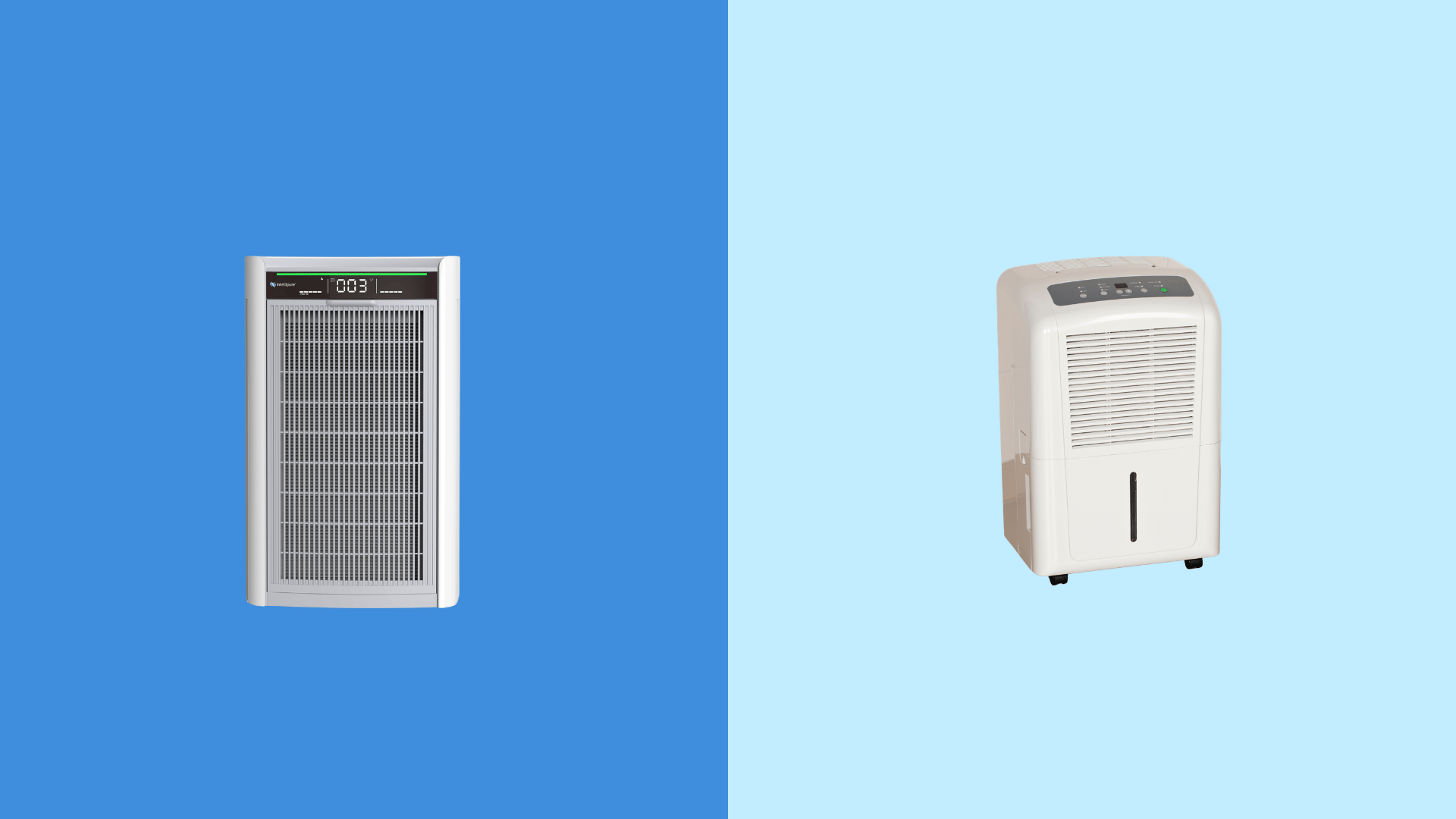
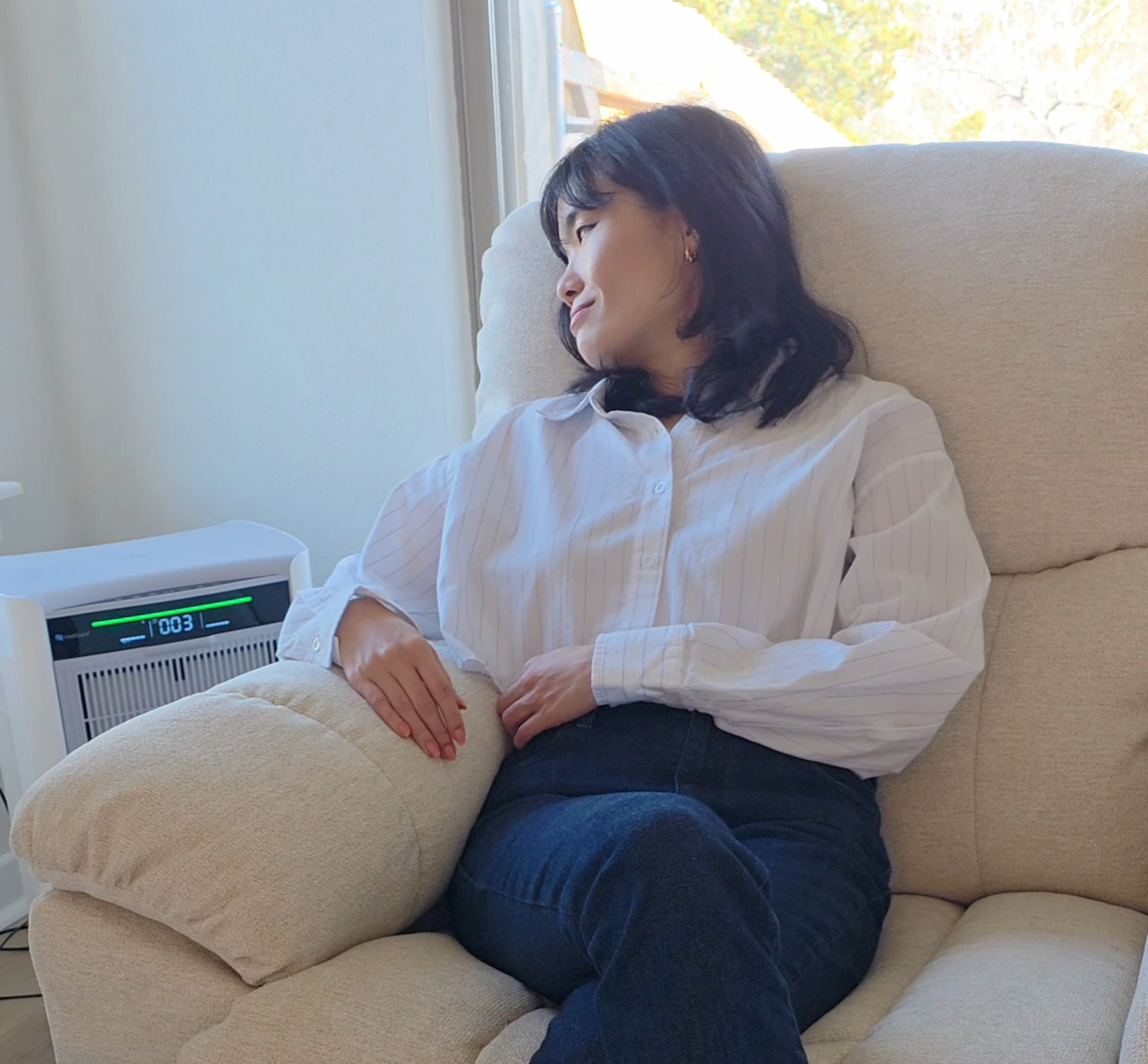
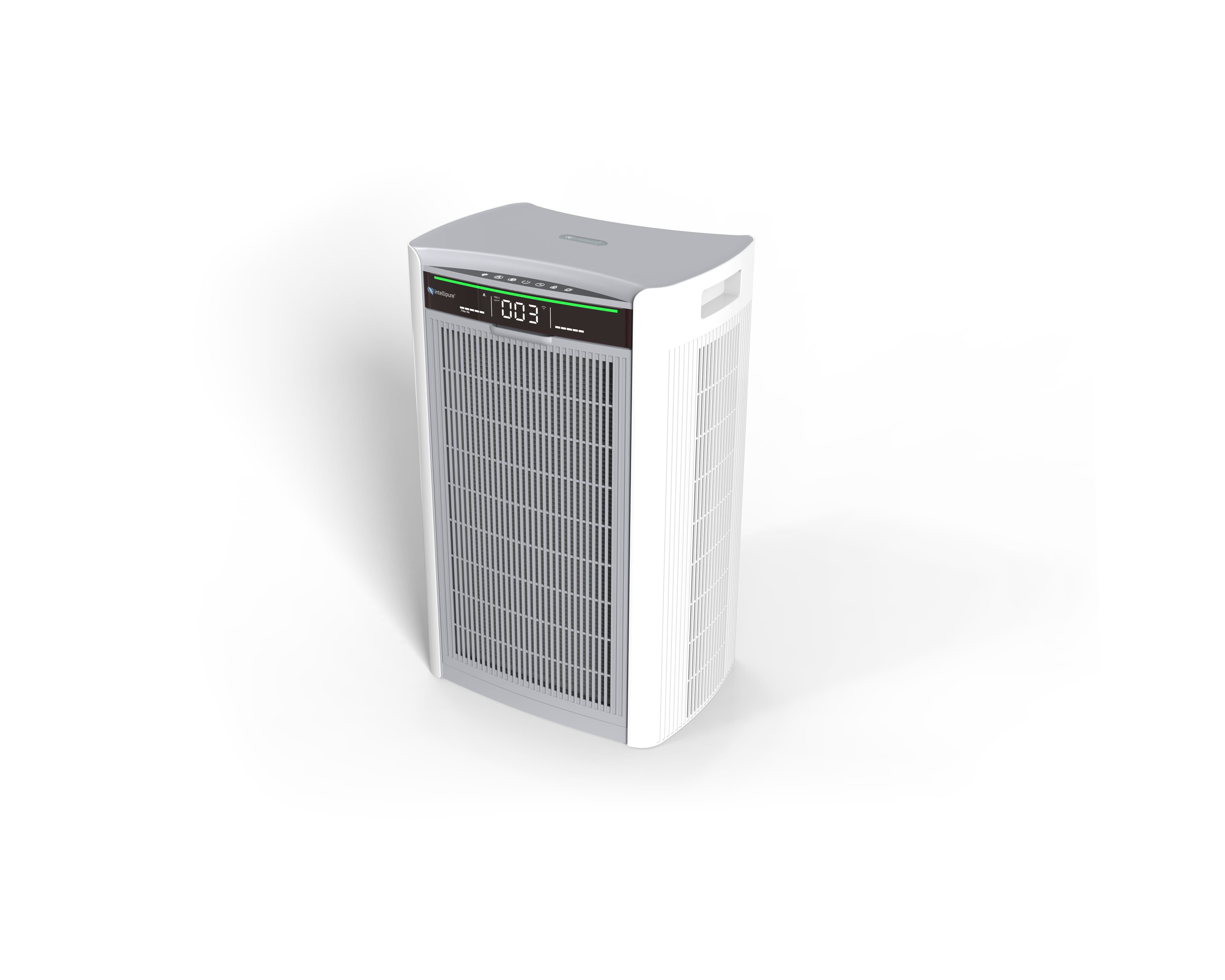
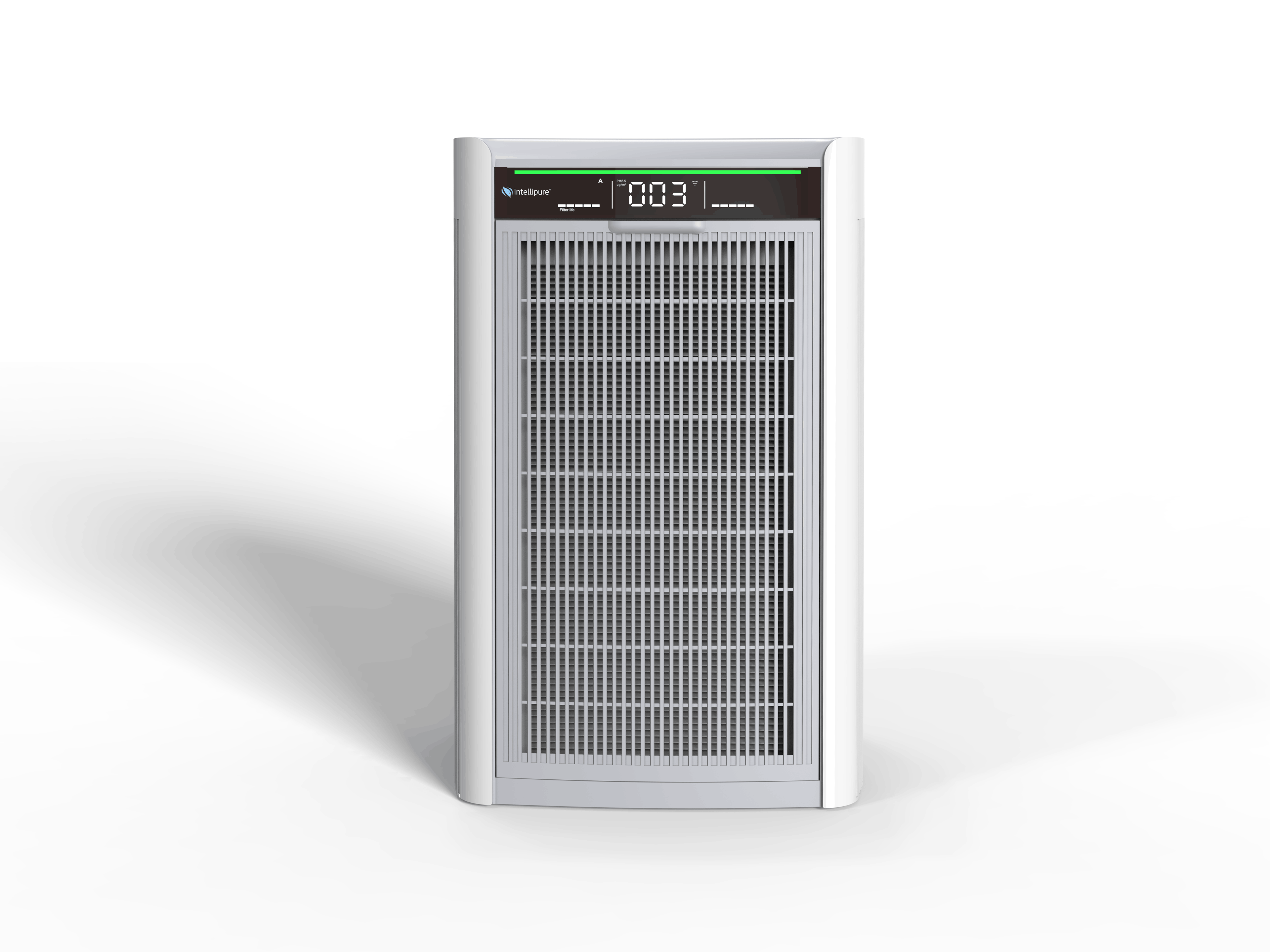
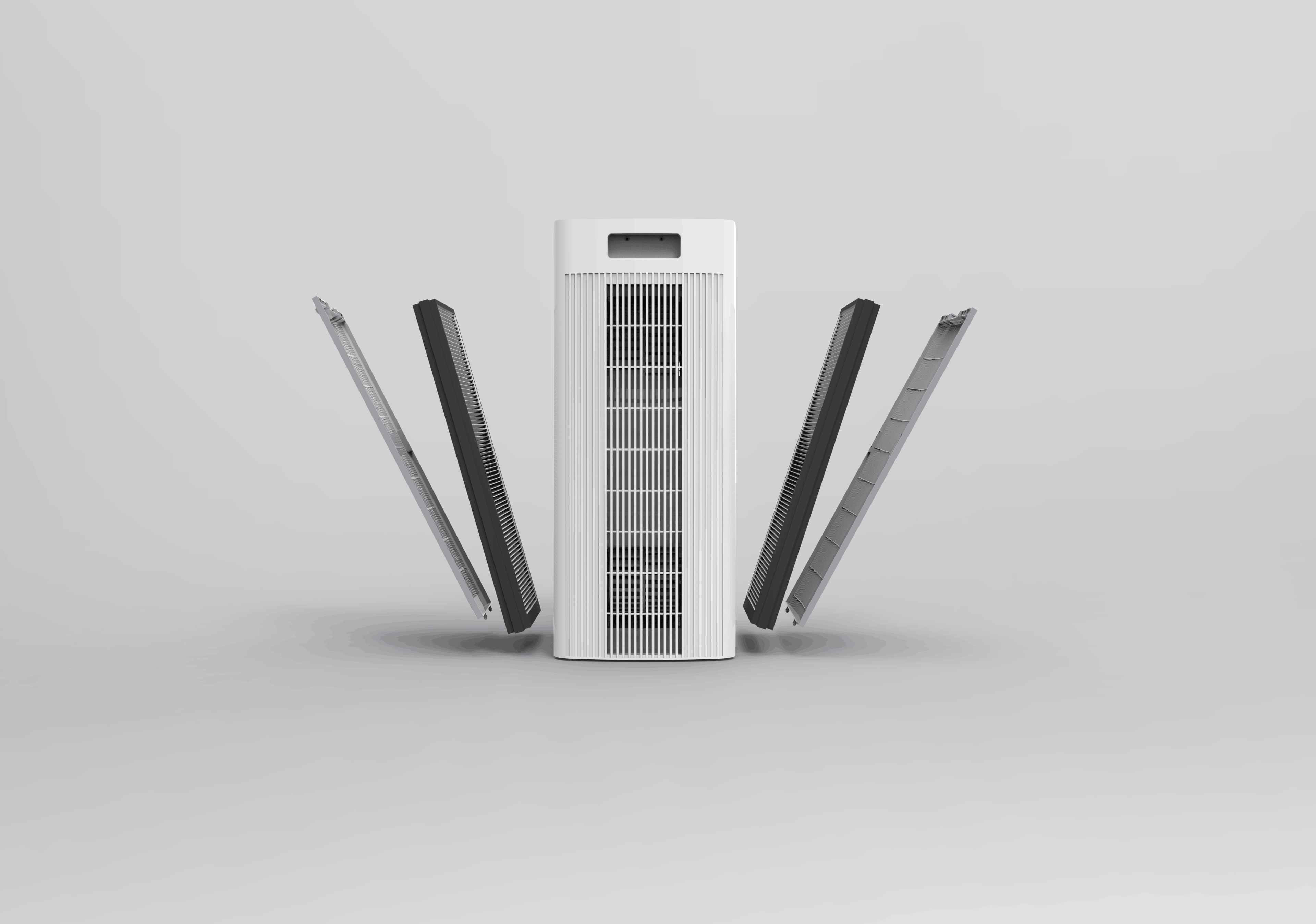
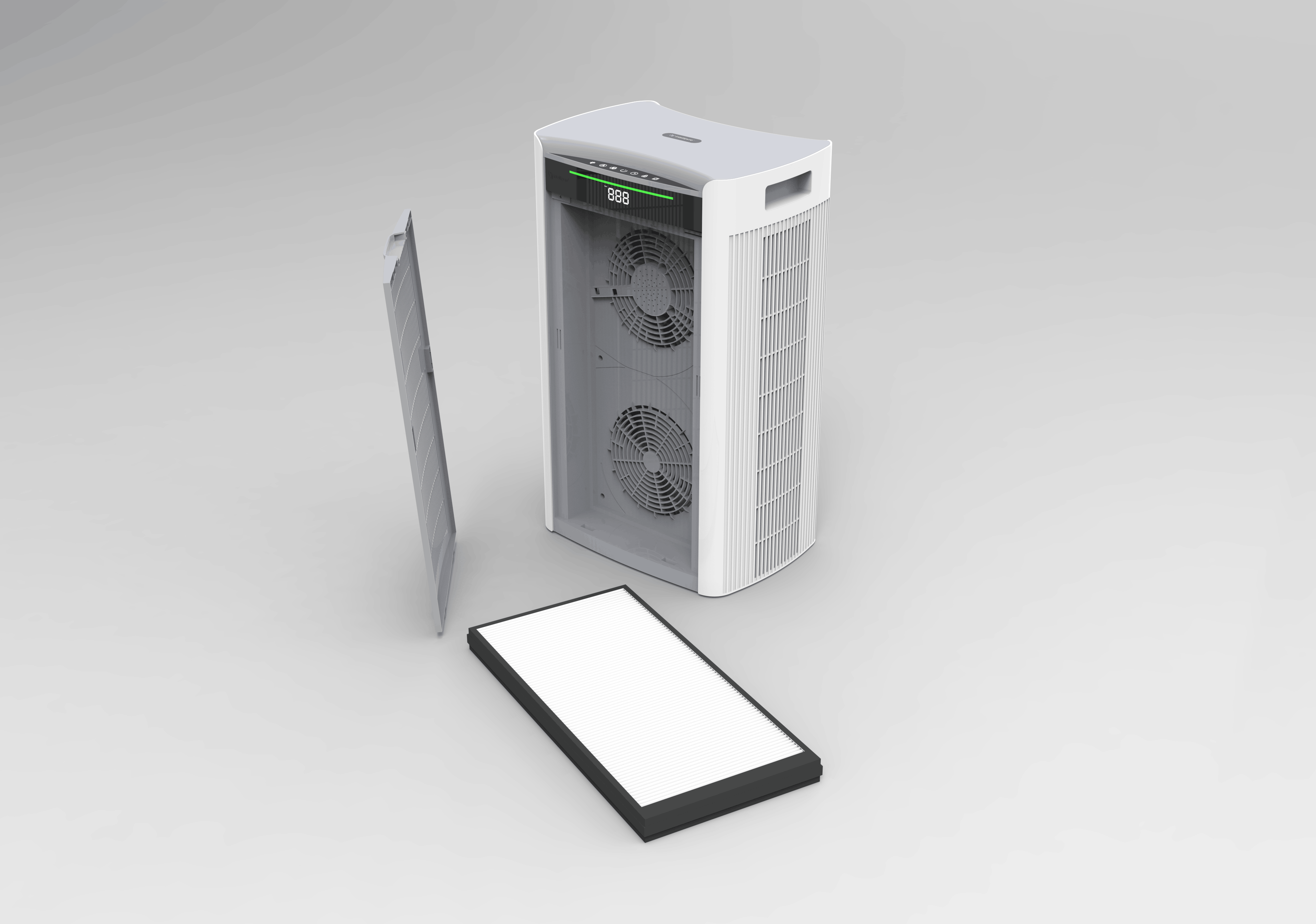
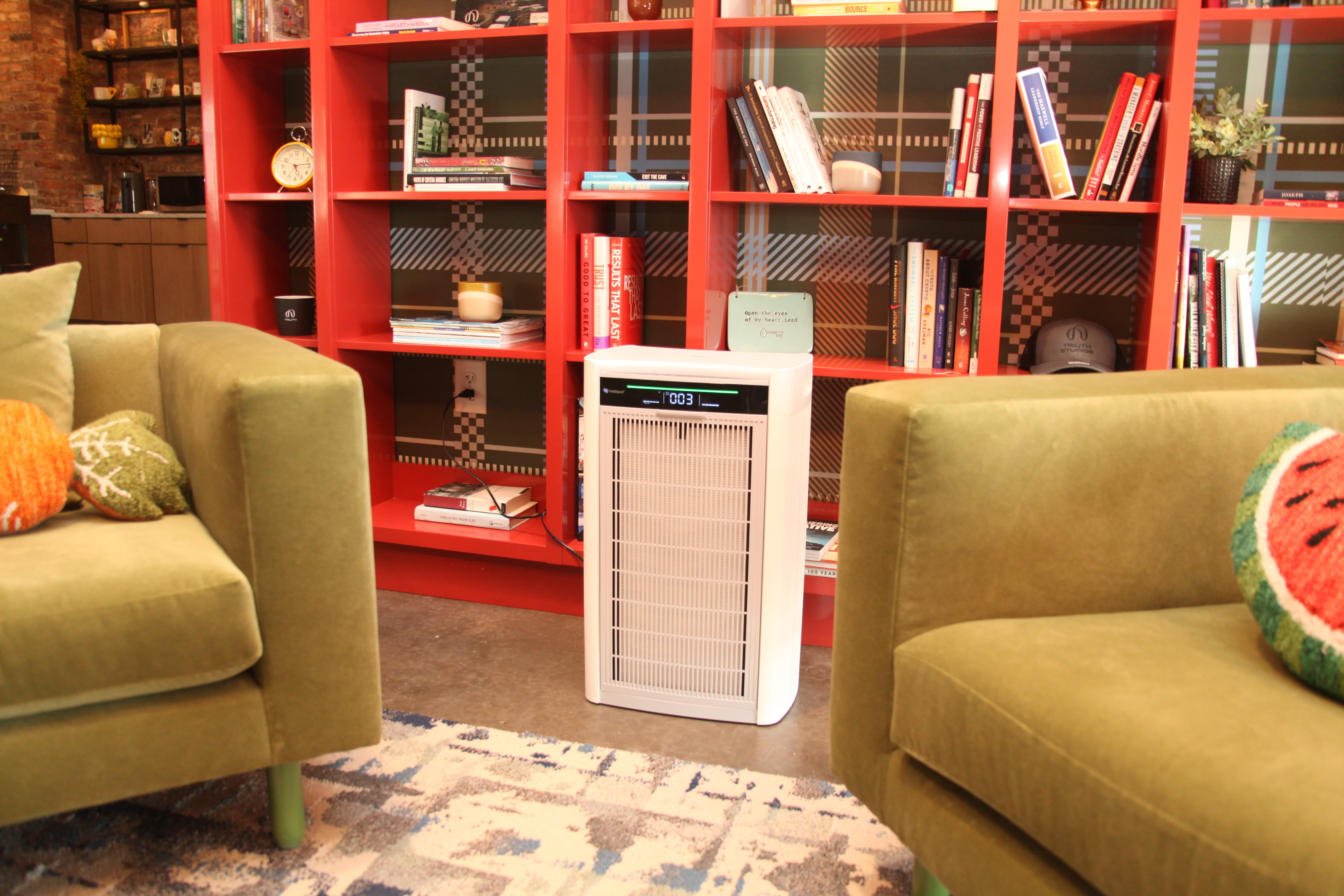
- Run an air purifier in the rooms where you spend the most time, especially during and after cooking or cleaning.
- Skip the air fresheners. If you want your home to smell nice, try simmering cinnamon sticks or citrus peels on the stove instead of using aerosol deodorizers.
- Open a window briefly when burning candles or using the fireplace to help combustion byproducts escape.
The holidays should be about enjoying time with the people you love, not worrying about what's in the air. A little preparation goes a long way toward giving everyone, especially children, allergy sufferers, and those with asthma, some real breathing room.
References
- Lo F, Bitz CM, Battisti DS, Hess JJ. Pollen calendars and maps of allergenic pollen in North America. Aerobiologia. 2019;35(4):613-633. doi:10.1007/s10453-019-09601-2..
- Levetin E, Bunderson L, Van de Water P, Luvall J. Is red-berry juniper an overlooked fall allergen in the Southwest? J Allergy Clin Immunol. 2012;129(2 Suppl):AB91. doi:10.1016/j.jaci.2011.12.667..
- Shlipak KK, Camilleri SF, Lang VA, Montgomery A, Schnell JL, Horton DE. Ambient air quality and health impacts of PM2.5 from US residential wood combustion. Sci Adv. 2026;12(4):eadz0189. doi:10.1126/sciadv.adz0189..
- US Environmental Protection Agency. Burn wise: facts & figures + health and safety tips [Internet]. Washington (DC): EPA; 2025 [cited 2026 Feb 9]..
- Beard JD, Beck C, Graham R, Packham SC, Traphagan M, Giles RT, et al. Winter temperature inversions and emergency department visits for asthma in Salt Lake County, Utah, 2003-2008. Environ Health Perspect. 2012;120(10):1385-1390. doi:10.1289/ehp.1104349..
- Utah Department of Environmental Quality. Inversions [Internet]. Salt Lake City (UT): UDEQ; 2025 [cited 2026 Feb 9]..
- Tovey ER, Mahmic A, McDonald LG. Clothing: an important source of mite allergen exposure. J Allergy Clin Immunol. 1995;96(6 Pt 1):999-1001. doi:10.1016/s0091-6749(95)70239-3..
- Portnoy J, Miller JD, Williams PB, Chew GL, Miller JD, Zaitoun F, et al. Environmental assessment and exposure control of dust mites: a practice parameter. Ann Allergy Asthma Immunol. 2013;111(6):465-507. doi:10.1016/j.anai.2013.09.018..
- Mayo Clinic. Allergy-proof your home [Internet]. Rochester (MN): Mayo Clinic; 2024 [cited 2026 Feb 9]..
- Laltrello S, Amiri A, Lee SH. Indoor particulate matters measured in residential homes in the southeastern United States: effects of pandemic lockdown and holiday cooking. Aerosol Air Qual Res. 2022;22(5):210302. doi:10.4209/aaqr.210302..
- Xiang J, Hao J, Austin E, Shirai J, Seto E. Residential cooking-related PM2.5: spatial-temporal variations under various intervention scenarios. Build Environ. 2021;201:108002. doi:10.1016/j.buildenv.2021.108002..
- American Lung Association. Cleaning supplies and household chemicals [Internet]. Chicago (IL): American Lung Association; 2025 [updated 2025 Apr 9; cited 2026 Feb 9]..
- US Environmental Protection Agency. Volatile organic compounds' impact on indoor air quality [Internet]. Washington (DC): EPA; 2025 [cited 2026 Feb 9]..
- US Environmental Protection Agency. Sources of indoor particulate matter (PM) [Internet]. Washington (DC): EPA; 2025 [cited 2026 Feb 9]..




Why Your HVAC Filter Isn’t An Air Purifier
Allergen Report: December 2024