

Summary
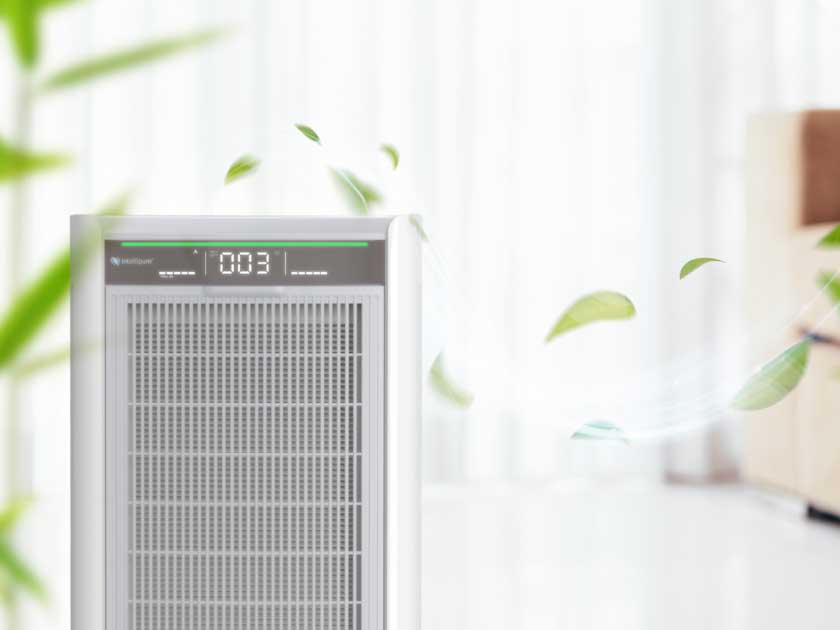
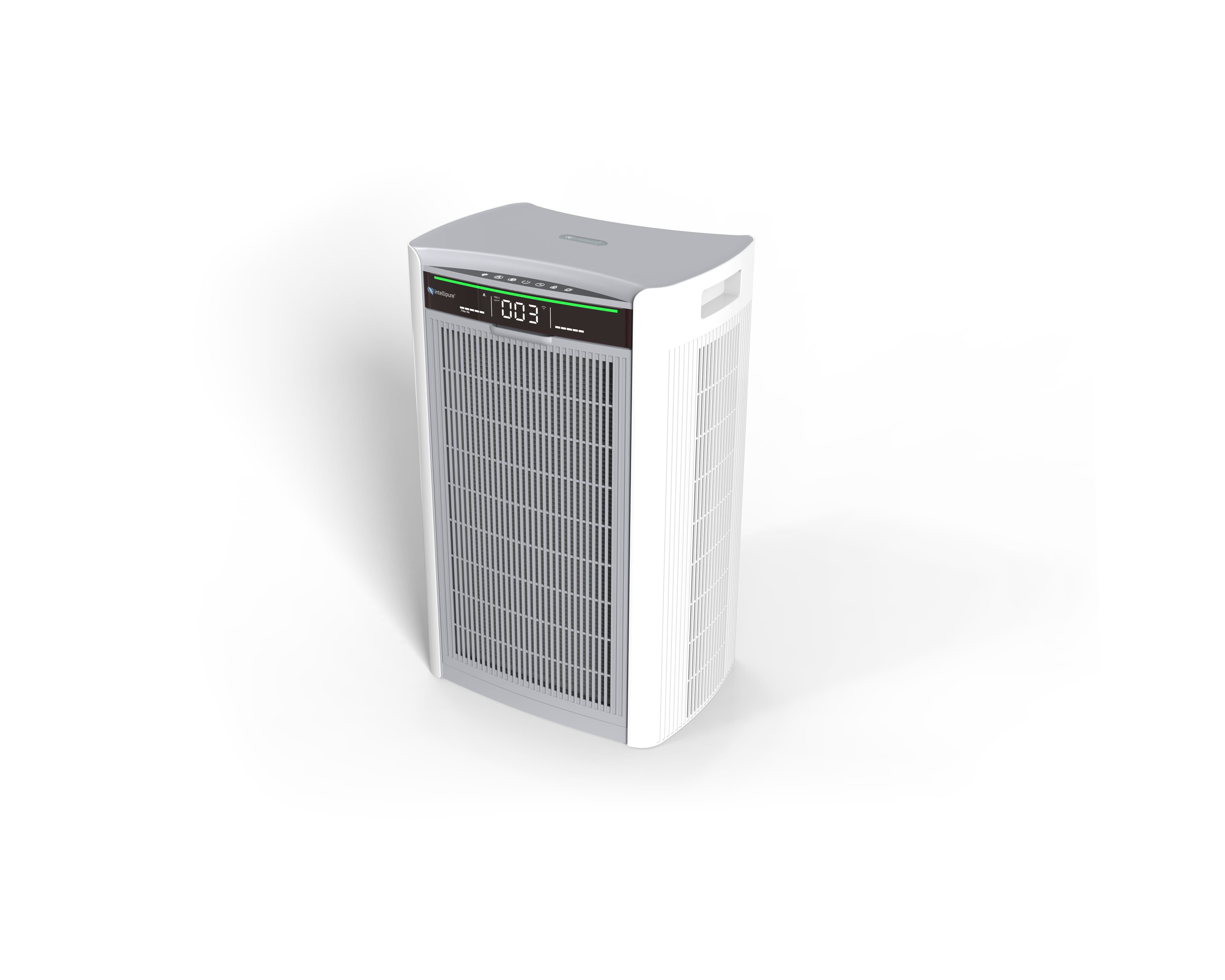
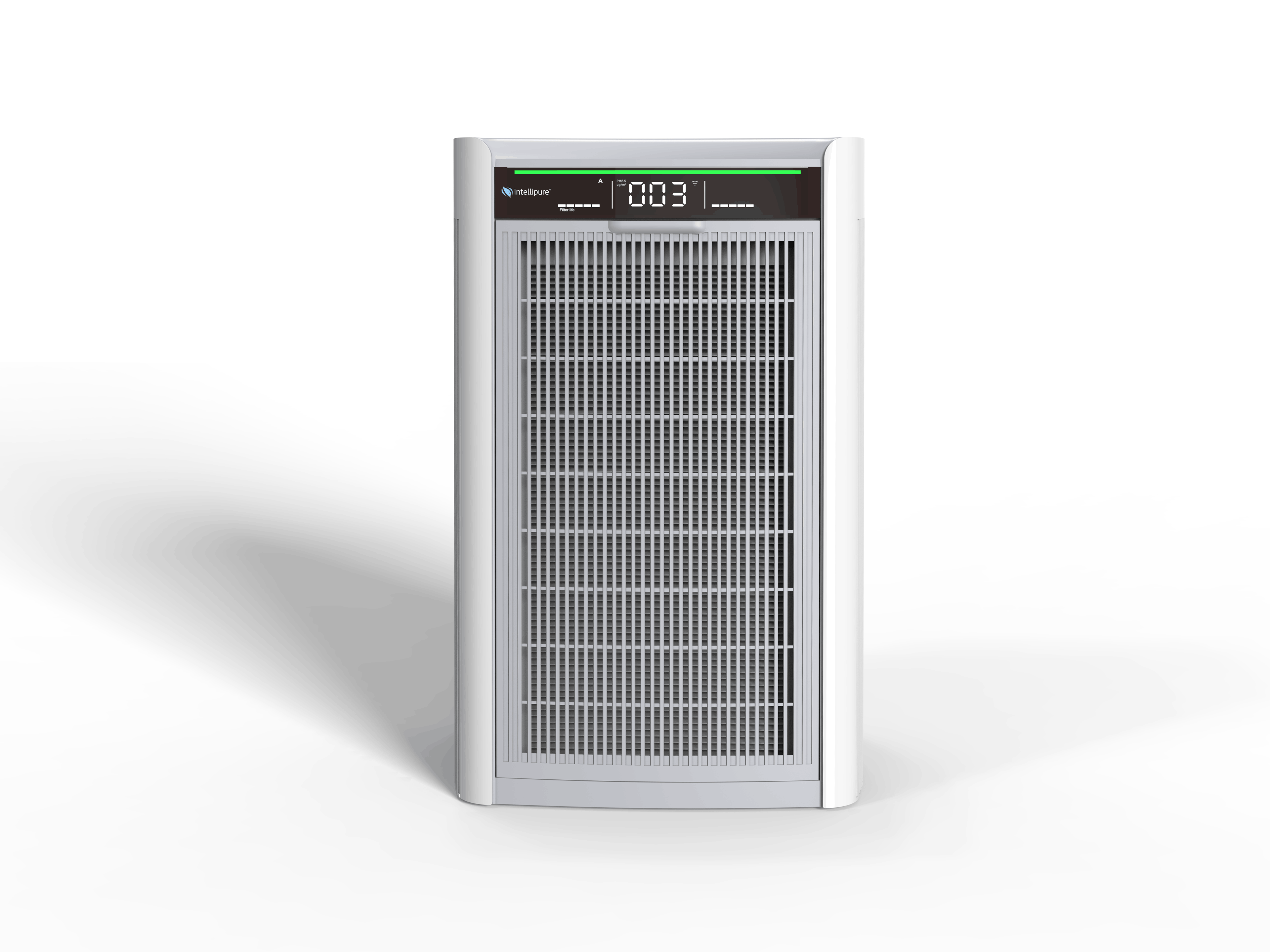
Smart air purifiers bring Wi-Fi connectivity, real-time air quality monitoring, and voice assistant integration to your indoor air quality routine, making it easier than ever to breathe cleaner air at home.
In This Article
Why Go Smart With Your Air Purifier?
You probably already have a smart thermostat, smart speakers, maybe even a smart refrigerator. So when it comes to indoor air quality (IAQ), why not be smart about that, too?
Here's the thing: according to the EPA, Americans spend roughly 90 percent of their time indoors, where concentrations of some pollutants can be two to five times higher than typical outdoor levels [1]. That's a lot of time breathing air that could use some help. A smart air purifier connects to your home network, giving you app-based control, real-time monitoring, and automation features that make managing your indoor air simpler and more effective.
Let's walk through the biggest benefits.
Remote Control From Anywhere
Imagine you're on vacation and a wildfire sparks near your area. Wildfire smoke can enter your home through open windows, HVAC systems, and even small cracks around doors and windows [2]. Being able to turn on your air purifier from your phone gives you a head start on cleaner air before you even walk through the door.
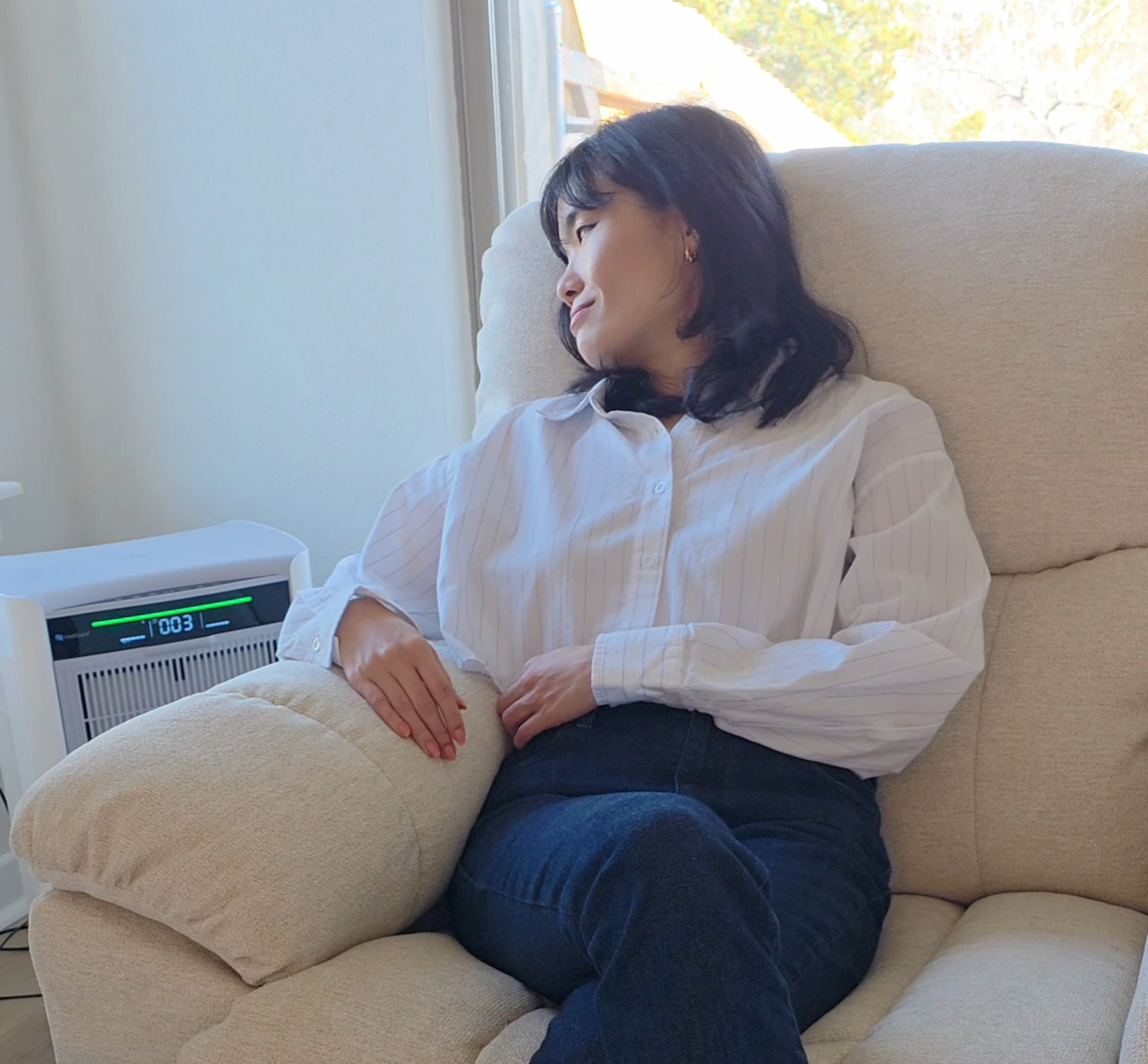
Or maybe your kids invited everyone over for movie night. A quick "Alexa, turn up the air purifier" from the comfort of your favorite chair handles it.
Available settings for remote adjustment vary by app and manufacturer, so it's always worth checking your owner's manual for the full list of features.
Real-Time Air Quality Monitoring
If your smart air purifier doubles as an air quality monitor, it can report back on your current indoor air situation in real time. This matters because outdoor air pollution doesn't stay outside; it enters your home through ventilation systems, doors, windows, and even tiny gaps in your walls [3]. Keeping tabs on your indoor air quality helps you stay one step ahead.
The EPA notes that low-cost air pollution monitors can show how pollutant levels in your space change based on everyday activities, like cooking [4]. Over time, tracking this data can help you identify possible pollution sources and figure out which habits or routines affect your air the most.
Smart air purifiers with built-in sensors take this a step further by automatically adjusting fan speed based on what they detect, no manual checking required.
Scheduling That Fits Your Life
You may prefer to have your air purifier ramp up at certain times rather than running at the same speed around the clock. Smart scheduling lets you customize run times and fan speeds for your daily routine.
A few ideas:
- Before everyone gets home: Increase fan speed an hour before the family arrives so the air is fresh when they walk in.
- Bedtime mode: Switch to a quieter setting when everyone goes to sleep. )
- High-activity periods: Bump up filtration during cooking, cleaning, or crafting sessions when particulate levels tend to spike.
When paired with smart home platforms like Amazon Alexa or Google Assistant, you can build automation routines that coordinate your air purifier with other devices.
Indoor Air Quality Alerts
If your air purifier includes an air quality sensor, it can provide real-time insight into pollution levels inside your home. Some models can send alerts directly to your phone when indoor air quality drops to an unhealthy level, so you can take quick action.
This is especially useful during events that can rapidly change your indoor air, like wildfires, nearby construction, or even a heavy cooking session. The EPA notes that filtration can be an effective supplement to source control and ventilation, and that using a portable air cleaner can help improve indoor air quality [5].
Having that notification pop up on your phone means you're never caught off guard. You can ramp up the fan speed, close windows, or adjust your HVAC settings right from your device.
Potential Energy Savings
Portable air purifiers with HEPA filters are already designed to be efficient, even when running continuously. HEPA filters can theoretically remove at least 99.97% of airborne particles at the 0.3 micron size, which is the hardest particle size to capture [6]. That kind of efficiency means the filter is doing heavy lifting so the fan doesn't always have to.
Smart features can help you find additional savings by tailoring fan speeds and run times to actual conditions. The EPA's ENERGY STAR program has noted that certified smart home systems enable households to "track and automate everything from their lighting to their thermostat use to optimize for energy savings" [7]. The same principle applies to a smart air purifier: by running the unit only when needed at the lowest effective speed, you may be able to trim a few kilowatt hours off your electric bill each month.
It takes some experimenting to find the right balance between clean air and energy usage, but smart scheduling and automatic mode make that process much simpler.
Cleaner Air, Smarter Home
You already know that clean air matters for you and your family. The EPA links poor indoor air quality to effects ranging from eye, nose, and throat irritation to headaches, dizziness, and fatigue [8]. Choosing a smart air purifier for your home opens up a world of options for personalized indoor air quality control.
References
- United States Environmental Protection Agency. Indoor Air Quality [Internet]. In: Report on the Environment. Washington (DC): EPA; 2025 [updated 2025 Jun 17; cited 2026 Feb 12].
- United States Environmental Protection Agency. Wildfires and Indoor Air Quality (IAQ) [Internet]. Washington (DC): EPA; 2026 [updated 2026 Jan 30; cited 2026 Feb 12].
- United States Environmental Protection Agency. Introduction to Indoor Air Quality [Internet]. Washington (DC): EPA; 2025 [updated 2025 Sep 10; cited 2026 Feb 12].
- United States Environmental Protection Agency. Low-Cost Air Pollution Monitors and Indoor Air Quality [Internet]. Washington (DC): EPA; 2025 [updated 2025 Nov 13; cited 2026 Feb 12].
- United States Environmental Protection Agency. Air Cleaners and Air Filters in the Home [Internet]. Washington (DC): EPA; 2025 [updated 2025 Aug 25; cited 2026 Feb 12].
- United States Environmental Protection Agency. What is a HEPA Filter? [Internet]. Washington (DC): EPA; 2026 [updated 2026 Jan 13; cited 2026 Feb 12].
- United States Environmental Protection Agency. U.S. EPA's ENERGY STAR Program Advances Energy Management through Smart Homes [Internet]. Washington (DC): EPA; 2023 Jan 4 [cited 2026 Feb 12].
- United States Environmental Protection Agency, United States Consumer Product Safety Commission. The Inside Story: A Guide to Indoor Air Quality [Internet]. Washington (DC): EPA; 1995 [cited 2026 Feb 12]. Report No.: 402-K-93-007.




Allergen Report: What's in Your Air This February
Better Office Air, Better Employee Performance: What the Research Says