


Summary
Research from Harvard shows that improving office air quality can boost cognitive performance by up to 101% and yield $6,500 in productivity gains per employee, all for less than $40 per person per year in energy costs.
In This Article
Why Your Office Air Deserves a Closer Look
You probably spend a good chunk of your day inside an office, and you're not alone. According to the EPA, Americans spend roughly 90% of their time indoors, where concentrations of some pollutants can be two to five times higher than typical outdoor levels [1]. That means the air in your workplace may be doing more than just feeling "stuffy" on a Monday morning; it could actually be affecting how you think, feel, and perform.
The good news? Improving office air quality doesn't have to be complicated or expensive, and the returns on that investment are impressive. Let's walk through what the science says and what employers (and employees) can do about it.
Cleaner Air, Sharper Thinking
Researchers at the Harvard T.H. Chan School of Public Health set out to understand what happens to cognitive performance when you improve indoor air quality. In a controlled study, they placed office workers in environments simulating conventional buildings (with higher levels of volatile organic compounds, or VOCs) and "green" buildings (with lower VOC concentrations and better ventilation). The results were striking: on average, cognitive function scores were 61% higher in the green building conditions and 101% higher in enhanced green building conditions compared to conventional office environments [2].
That's not a subtle improvement. We're talking about measurable gains in areas like crisis response, strategy, and information usage, the kinds of higher-order thinking that drive business outcomes.
The Business Case for Better Ventilation
If the cognitive benefits aren't convincing enough on their own, the economics might be. A follow-up study from the same Harvard research team found that doubling ventilation rates from the ASHRAE (American Society of Heating, Refrigerating and Air-Conditioning Engineers) minimum cost less than $40 per person per year across all U.S. climate zones studied. That same ventilation improvement boosted worker performance by 8%, equivalent to roughly $6,500 in productivity gains per employee annually [3].
To put that in perspective, the increased productivity was over 150 times greater than the energy cost [3]. As Dr. Joseph Allen, director of the Healthy Buildings Program at Harvard, has noted, we've been presented with a false choice between energy efficiency and healthy indoor environments for too long. We can, and should, have both.
Is Your Building Making You Feel Unwell?
If you've ever left the office with a headache that magically disappears by the time you get home, you may have experienced what's known as sick building syndrome (SBS). The World Health Organization first used this term in 1983 to describe situations where building occupants experience health and comfort symptoms linked to time spent in a building, without a specific illness or cause being identified [4].
Common SBS symptoms include [5]:
- Headaches and fatigue
- Eye, nose, or throat irritation
- Dry or itchy skin
- Dizziness and nausea
- Difficulty concentrating
- Dry cough
The defining characteristic? These symptoms tend to improve or disappear once you leave the building [5].
Many workplaces occupy older buildings that may have outdated or poorly maintained HVAC (heating, ventilation, and air conditioning) systems. When buildings are sealed tightly for energy efficiency but lack adequate fresh air exchange, pollutants can accumulate indoors [4]. Add in potential issues like dust buildup, moisture problems, and mold growth, and you have a recipe for poor air quality that can affect everyone in the space.
What Employers Can Do
The EPA and NIOSH (National Institute for Occupational Safety and Health) have published extensive guidance for building owners and facility managers on maintaining healthy indoor air [6]. Here are some practical steps that can make a real difference:
- Increase ventilation. More fresh outdoor air is consistently linked to fewer SBS symptoms and better cognitive performance. Even modest increases can have a meaningful impact [3].
- Maintain HVAC systems regularly. Clean ducts, replace filters on schedule, and ensure the system is delivering adequate airflow. A neglected HVAC system can become a source of pollutants rather than a solution [6].
- Address moisture and mold promptly. Mold requires moisture to grow, so fixing leaks and water damage within 24 to 48 hours is critical. OSHA recommends keeping indoor humidity between 25% and 60% [7].
- Replace water-stained materials. Ceiling tiles, carpets, and other porous materials that have been water-damaged can harbor mold and release particles into the air.
- Maximize natural light. While not directly an air quality measure, natural light has been linked to improved well-being and productivity in office settings, and opening blinds can help occupants notice moisture or ventilation issues.
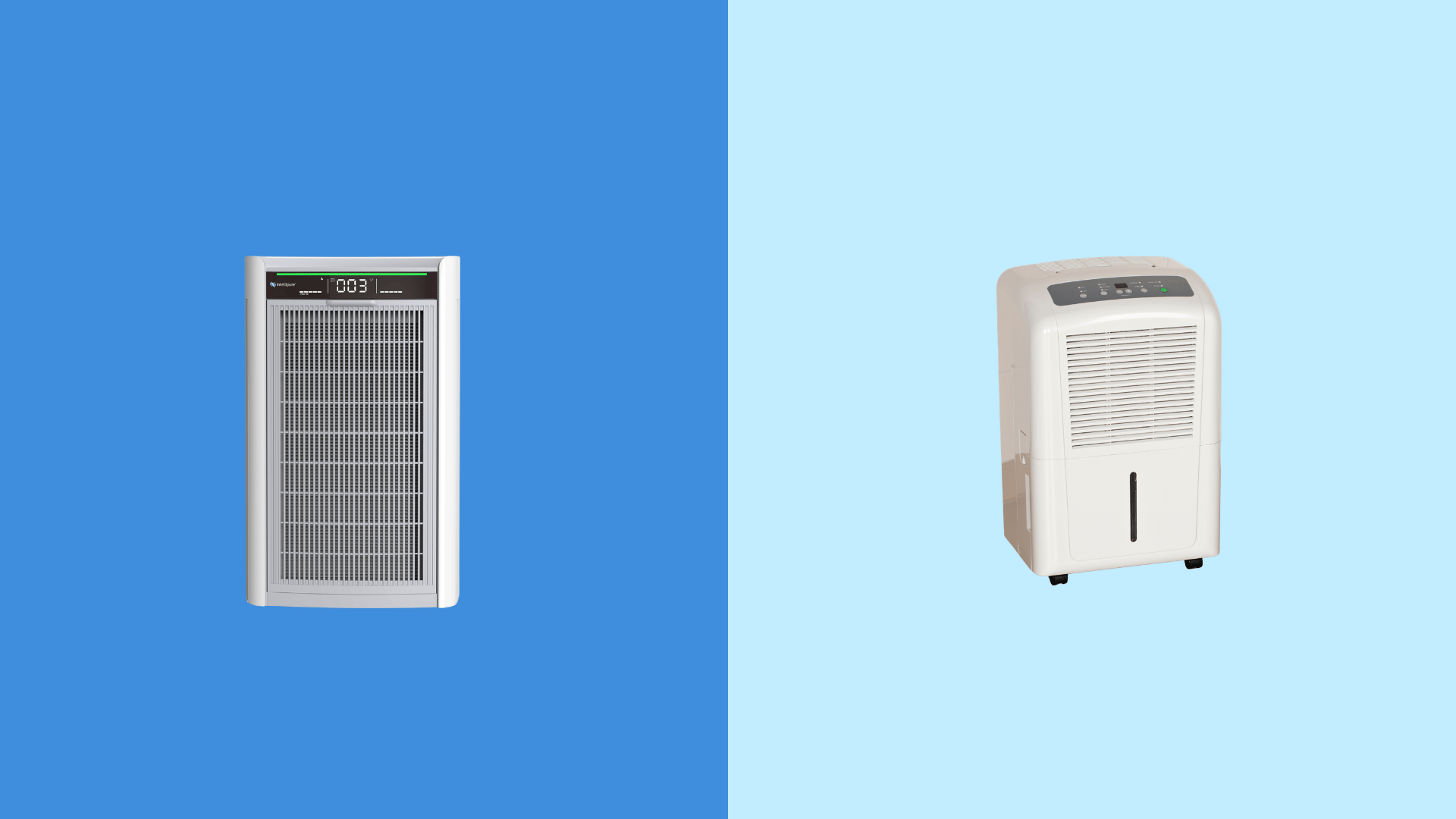
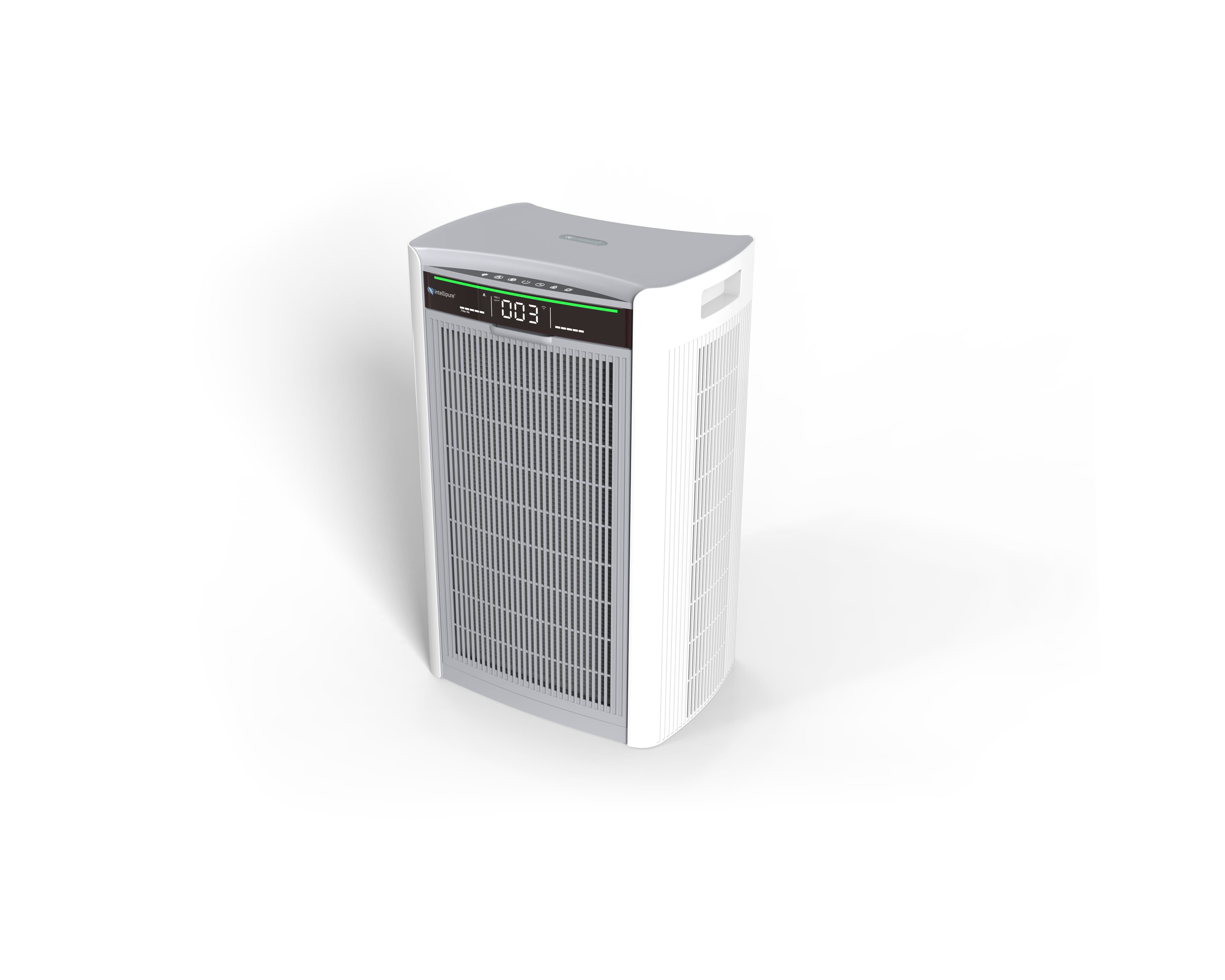
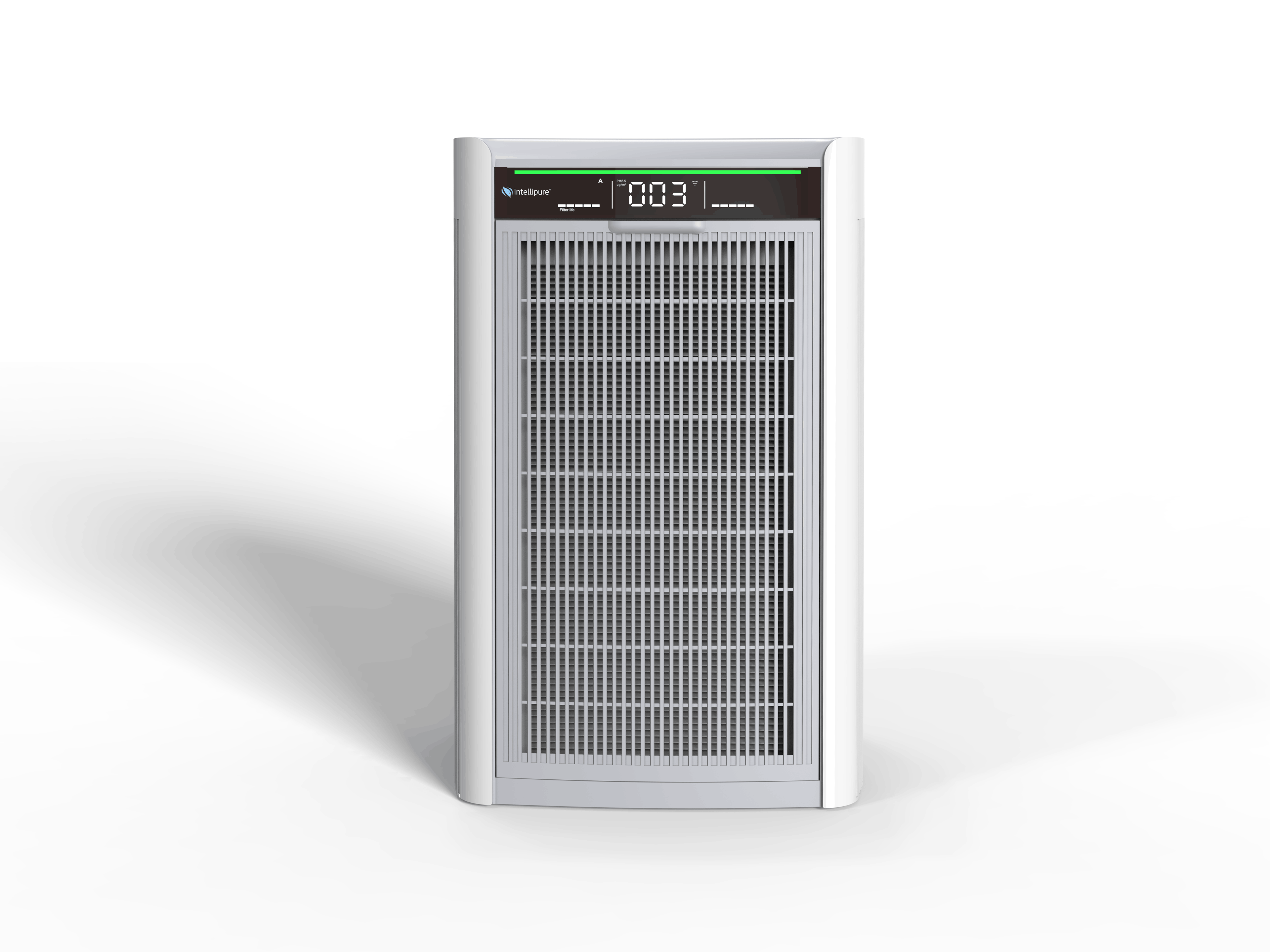
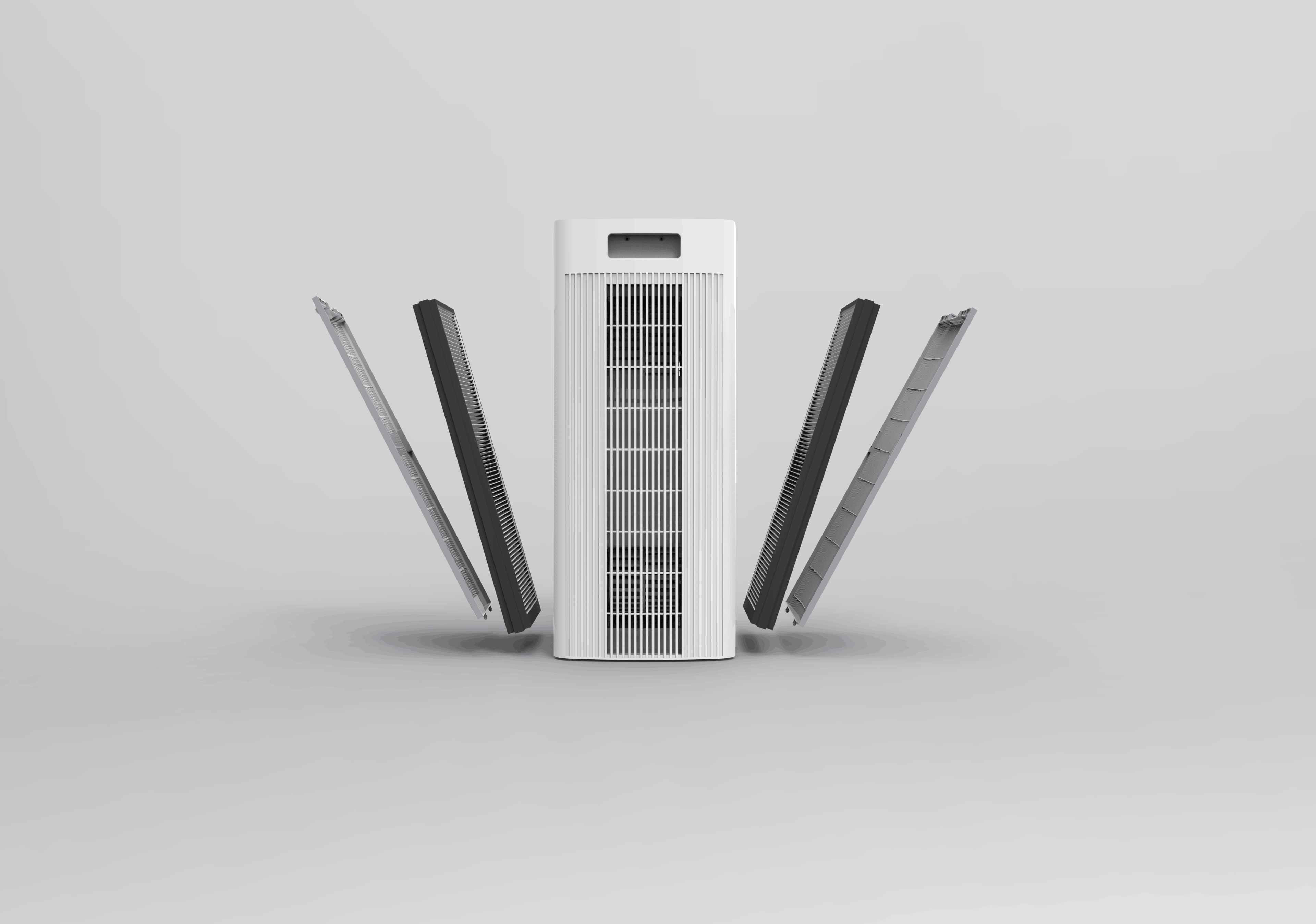
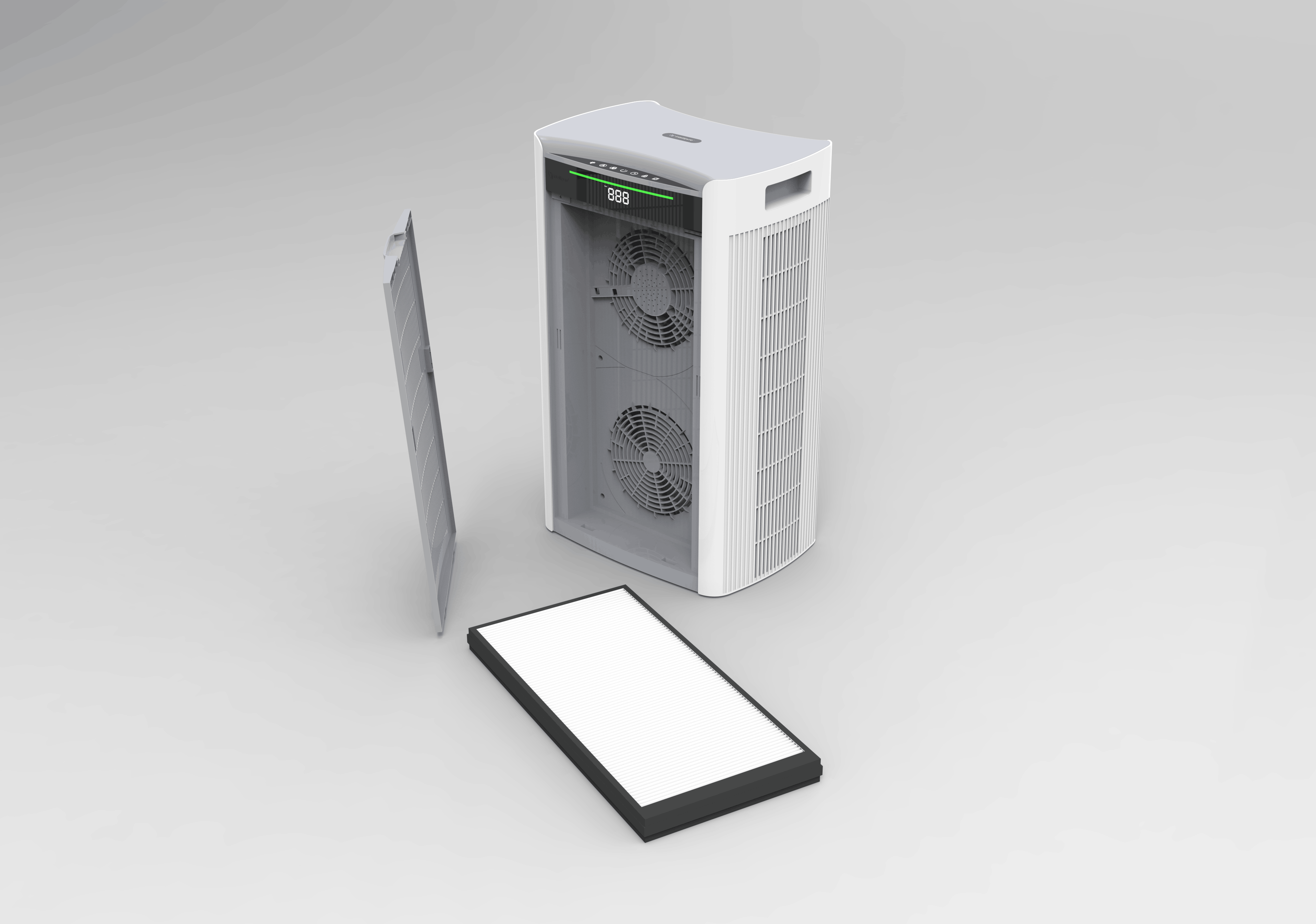
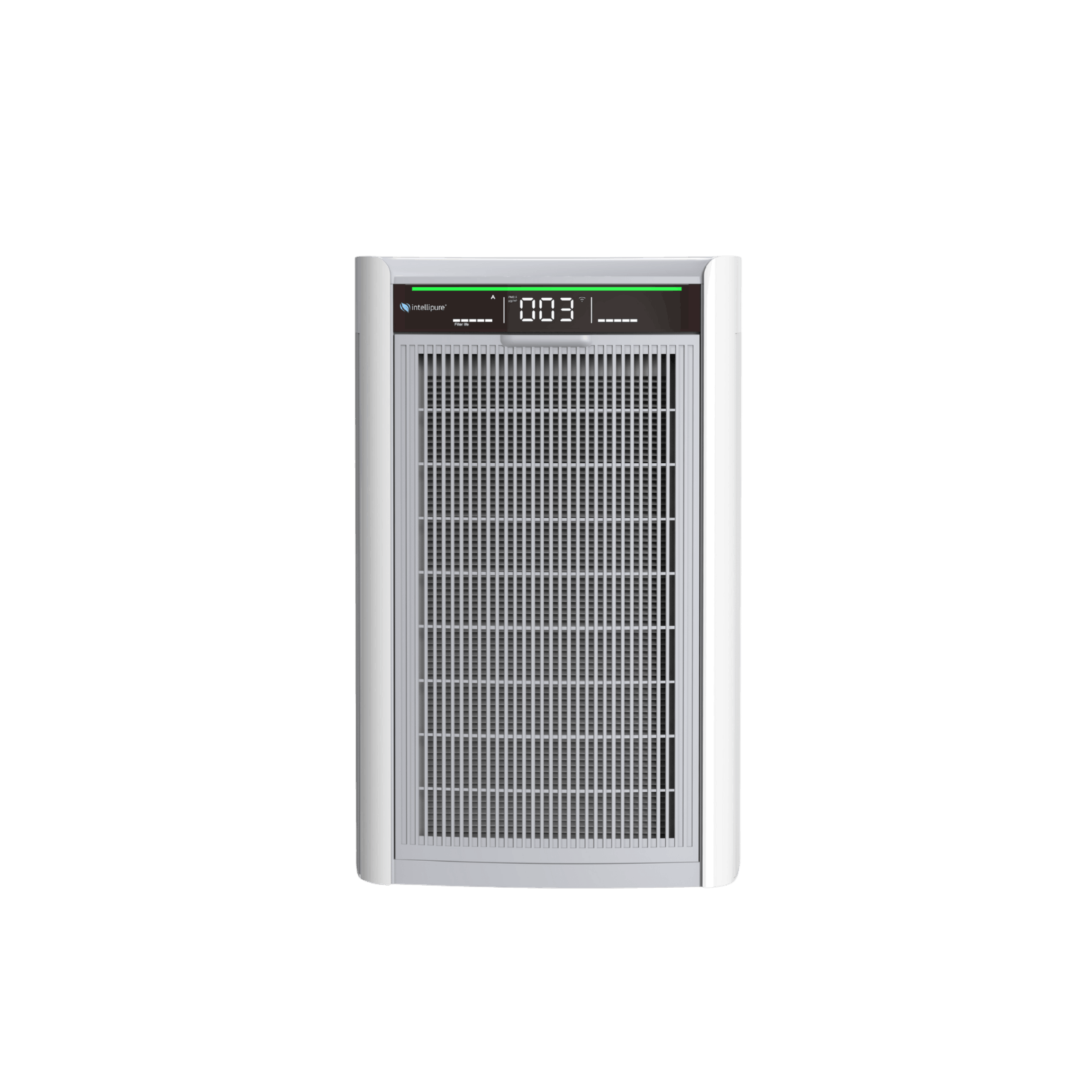
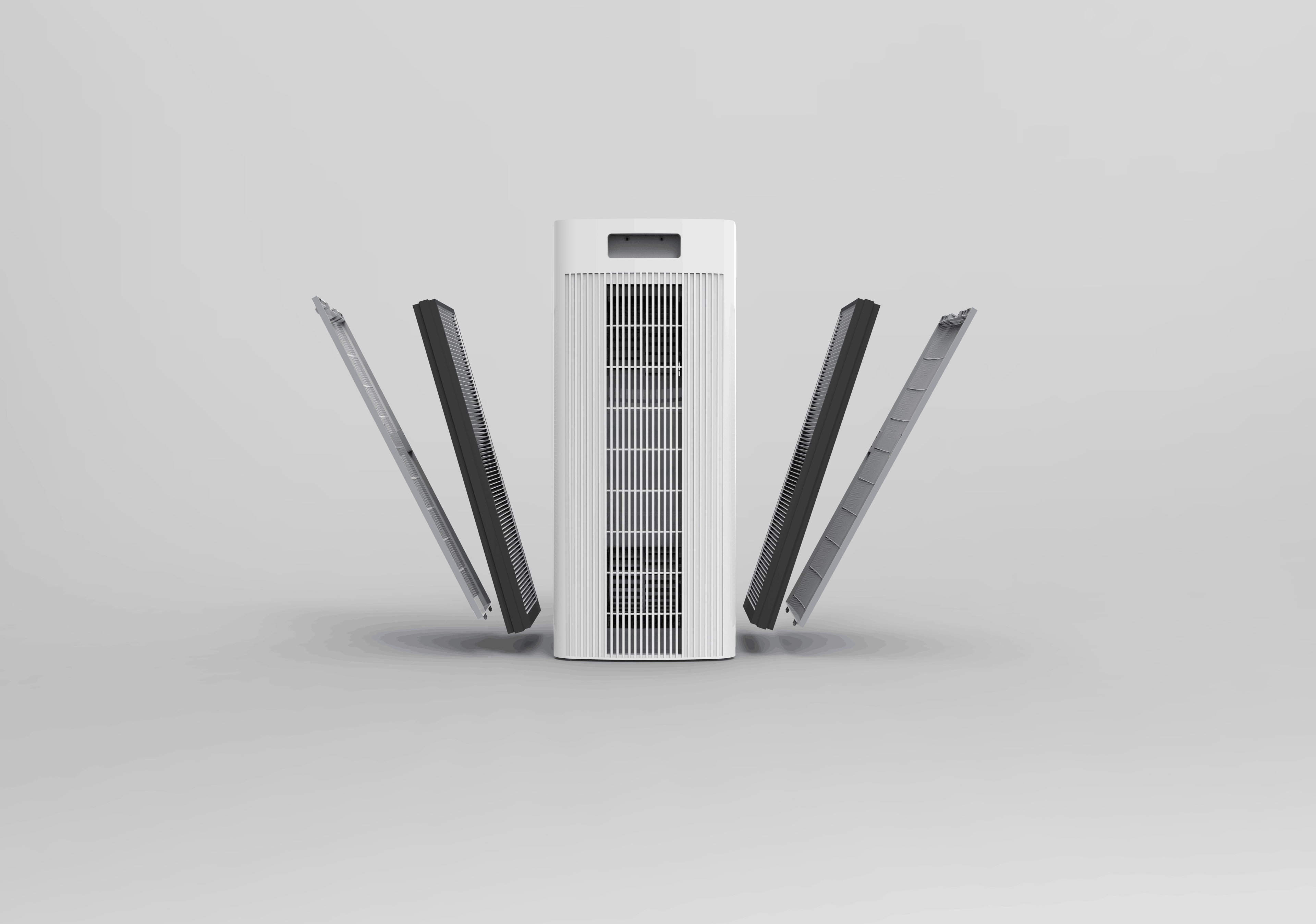
- Use portable air purifiers in key areas. High-efficiency air purifiers can help capture airborne particles like dust, pollen, mold spores, and other pollutants, providing an extra layer of protection in spaces where improving central ventilation isn't immediately feasible.
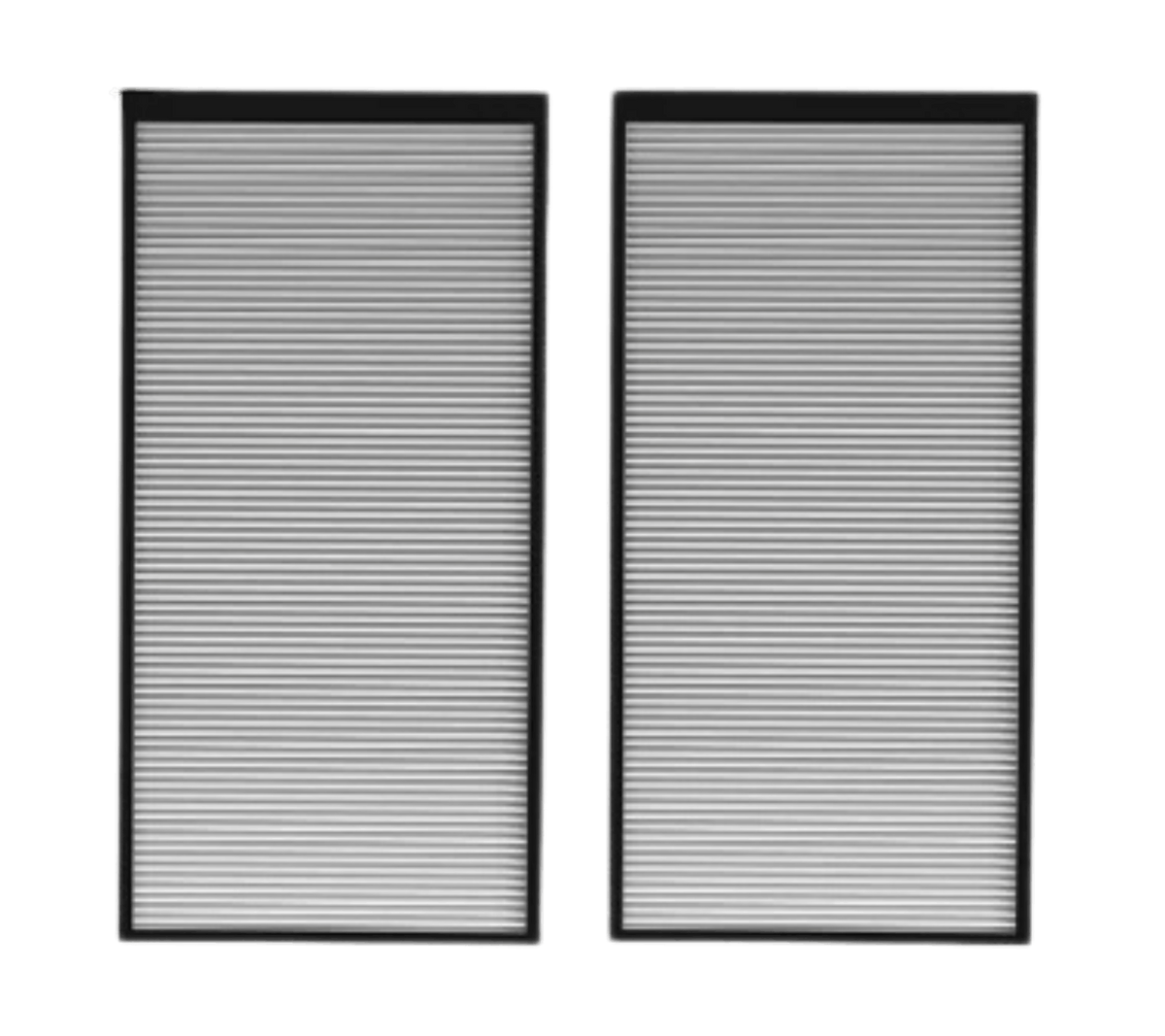
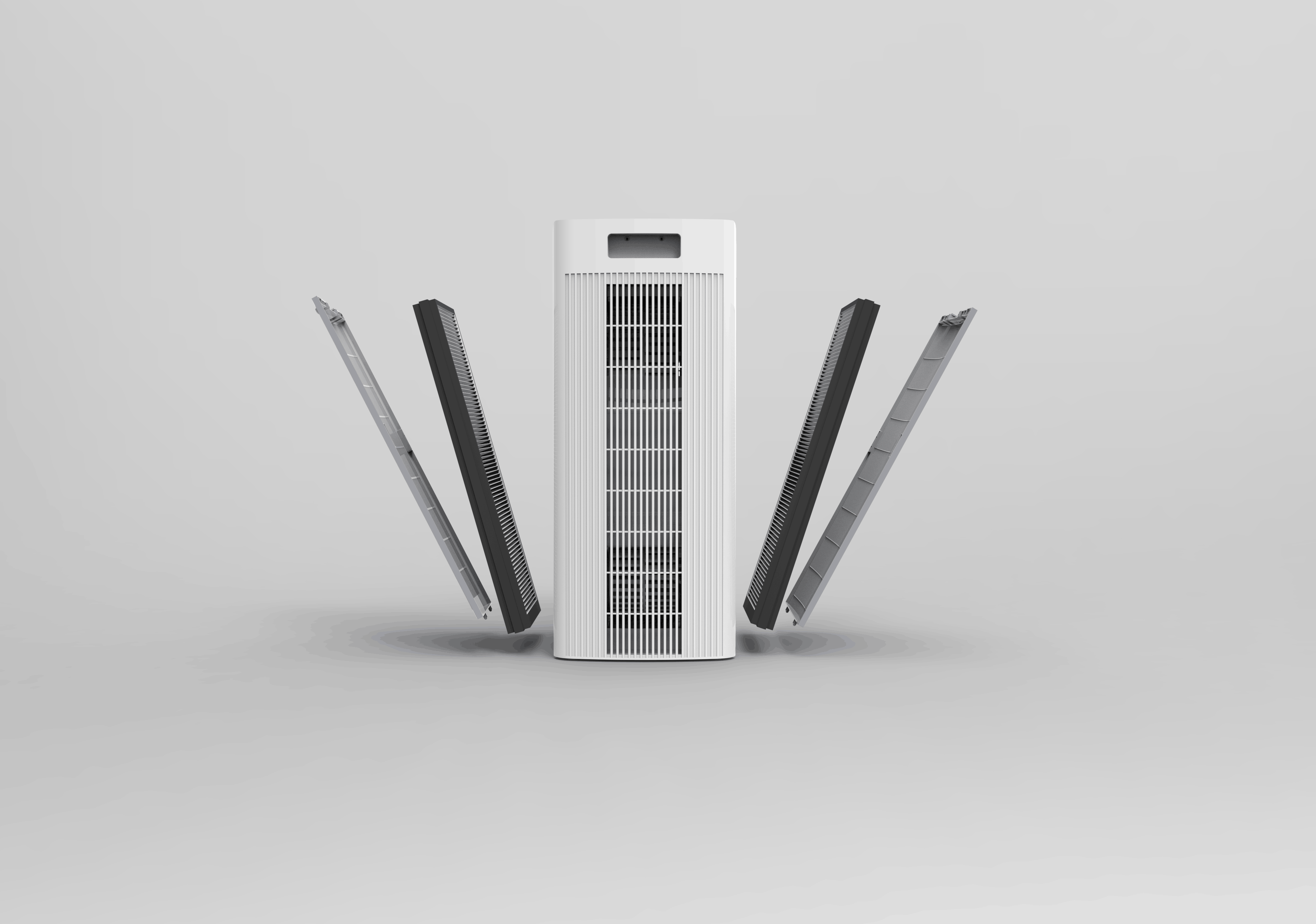
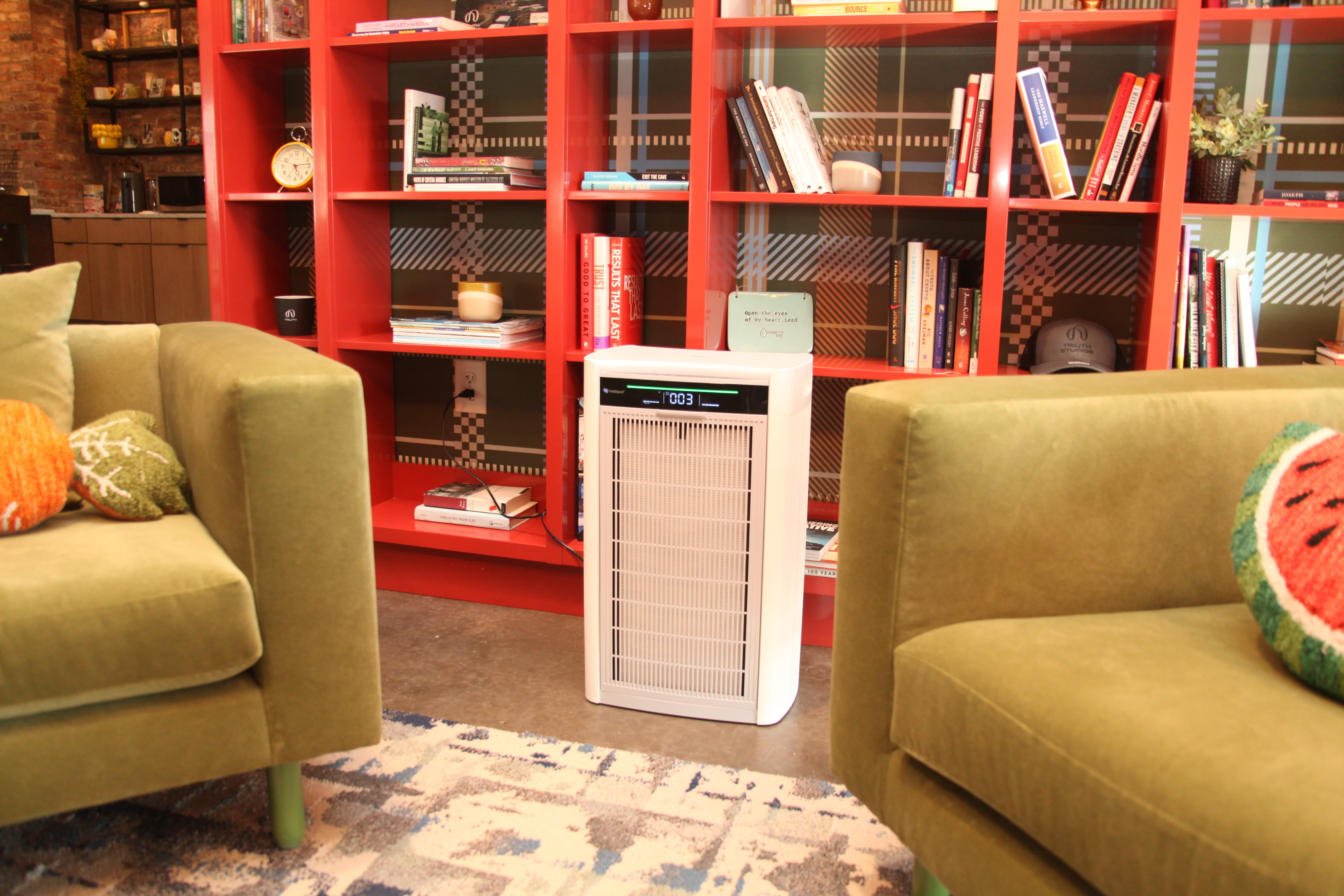
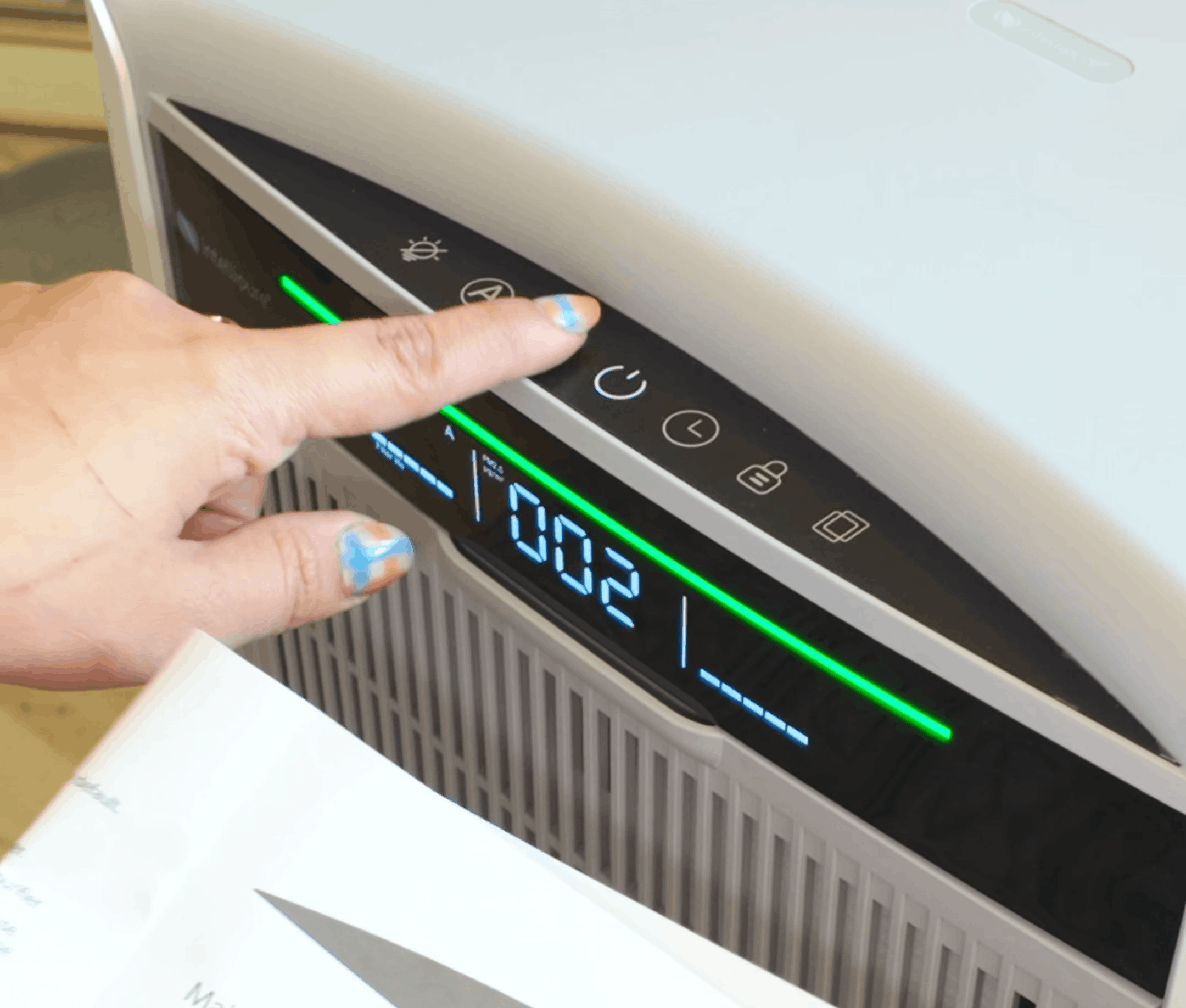
Pro tip: Try a high-quality air filter for large spaces, like the H1000. Its smart sensors automatically adjust performance based on real-time air quality, so it's genuinely a set-it-and-forget-it addition to your workplace wellness strategy.
Clean Air Is a Workplace Investment
The research is clear: better indoor air quality supports better thinking, fewer health complaints, and stronger productivity. And the cost of getting there is remarkably low compared to the returns.
Whether you're an employer looking to support your team or an employee advocating for healthier conditions, start with the basics. Improve ventilation, keep HVAC systems maintained, manage moisture, and consider adding air purifiers to the spaces where your team spends the most time.
Your building's air may be invisible, but its impact on performance is anything but.
References
- United States Environmental Protection Agency. Report on the environment: indoor air quality [Internet]. Washington (DC): EPA; 2024 [cited 2026 Feb 12].
- AllenJG, MacNaughtonP, SatishU, SantanamS, VallarinoJ, SpenglerJD. Associations of cognitive function scores with carbon dioxide, ventilation, and volatile organic compound exposures in office workers: a controlled exposure study of green and conventional office environments. Environ Health Perspect. 2016;124(6):805-12. doi:10.1289/ehp.1510037.
- MacNaughtonP, PeguesJ, SatishU, SantanamS, SpenglerJ, AllenJ. Economic, environmental and health implications of enhanced ventilation in office buildings. Int J Environ Res Public Health. 2015;12(11):14709-22. doi:10.3390/ijerph121114709.
- JafariMJ, KhajvandiAA, Mousavi NajarkolaSA, YekaninejadMS, PourhoseinghaliMA, OmidiL, et al. Association of sick building syndrome with indoor air parameters. Tanaffos. 2015;14(1):55-62.
- SubriMSM, ArifinK, Mohd SohaiminMFA, AbasA. The parameter of the sick building syndrome: a systematic literature review. Heliyon. 2024;10(12):e32431. doi:10.1016/j.heliyon.2024.e32431.
- United States Environmental Protection Agency, National Institute for Occupational Safety and Health. Building air quality: a guide for building owners and facility managers [Internet]. Washington (DC): EPA; 1991 [cited 2026 Feb 12]. Report No.: EPA 402-F-91-102.
- Occupational Safety and Health Administration. A brief guide to mold in the workplace [Internet]. Washington (DC): OSHA; 2013 [cited 2026 Feb 12]. SHIB 03-10-10.










Benefits of a Smart, Connected Air Purifier for Your Home
How to Improve Indoor Air Quality in Restaurants