

Employees have been returning to office spaces slowly now that the effects of COVID-19 have lessoned. With that return to office both employees and employers are more keenly aware than ever of indoor air quality. Improved indoor air quality has a number of benefits. As more work places and office spaces are also "going green," we have learned there are significant health benefits and increased productivity levels for employees.
An investment in employee health pays dividends
Researchers at Harvard Chan School of Public Health conducted a study and found improved cognitive test scores of office workers in the USA can be achieved at an energy cost between $14.00 and $40.00 per person, per year. This results in as much as a $6,500.00 equivalent in improved productivity per person, per year. Dr. Joseph Allen says,
"..this research suggests that the health and productivity benefits far outweigh energy costs and the environmental impacts can be mitigated through a variety of readily available strategies. It is time we move away from ventilation designed for merely acceptable indoor air quality and move towards design for optimal indoor air quality. We have been presented with the false choice of energy efficiency or healthy indoor environments for too long. We can - and must - have both." (Harvard Chan School of Public Health)

How healthy is the air in your workplace?
Many of people work in buildings that were built 50, or even over 100 years ago! Although these older buildings have character and charm, they also most likely have a lot of dust, and perhaps asbestos, and mold. Some of them do not have centralized climate control systems, so air tends to sit and get stale. "Sick building syndrome" may be affecting you without you even realizing it! What is sick building syndrome? It is a medical condition where people suffer from symptoms of illness without any obvious reason for the sickness. These symptoms could include congestion, headaches, exhaustion, itchy or watery eyes. The cause of sick building syndrome is usually related to poor heating, ventilation, and air conditioning systems.
What can employers do to help prevent sick building syndrome in the workplace?
As an employer there a few things you can to to help improve indoor air quality in the workplace. Here's a few ideas:
- Clean the building ducts, and remove any mold or mildew that is in the existing space
- Replace any water stained carpets or ceiling tiles
- Increase ventilation
- Vacuum and clean carpets, draperies, and surfaces regularly
- Increase natural light
- Install high efficiency air cleaners to treat the source of pollution coming in
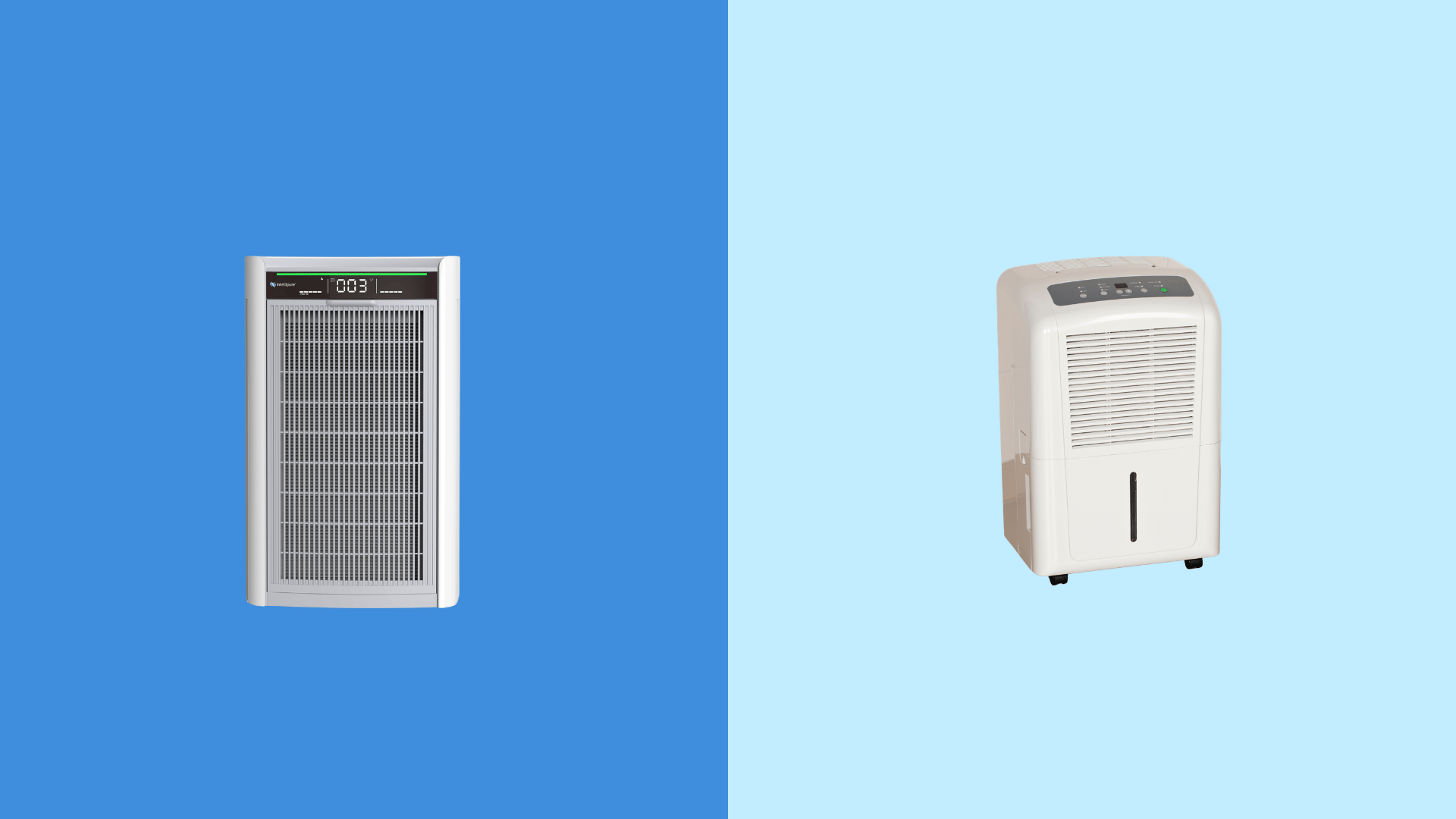
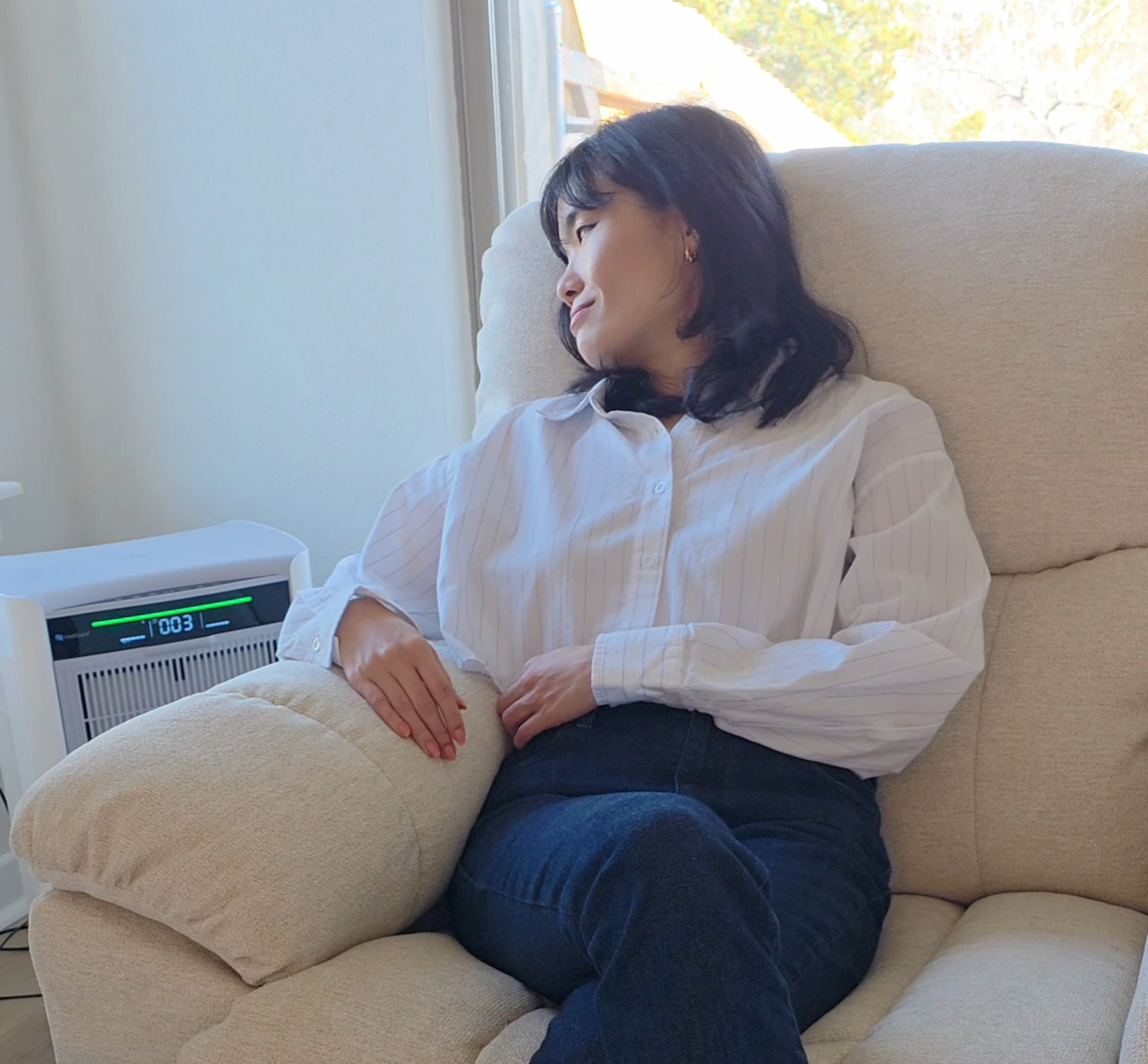
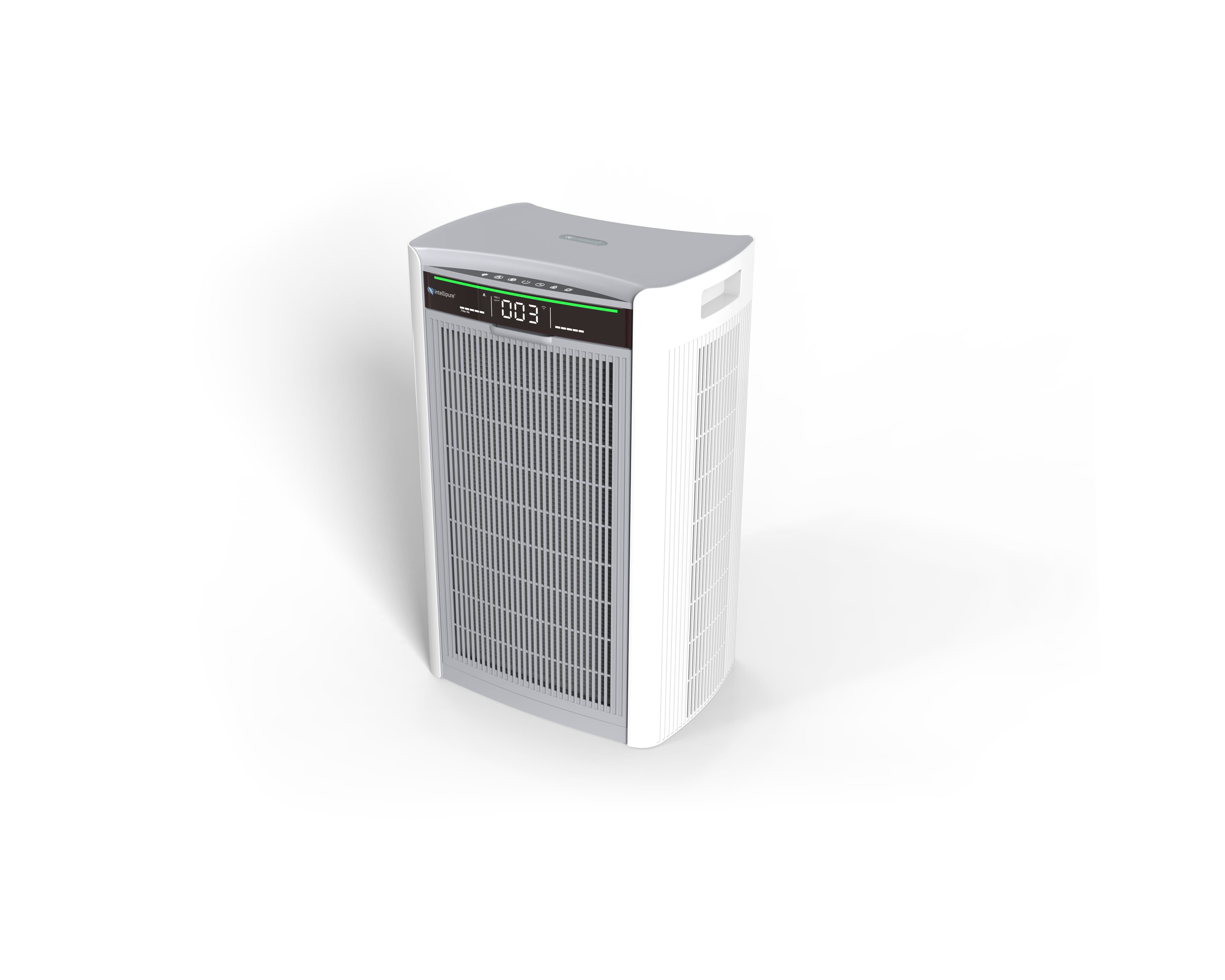
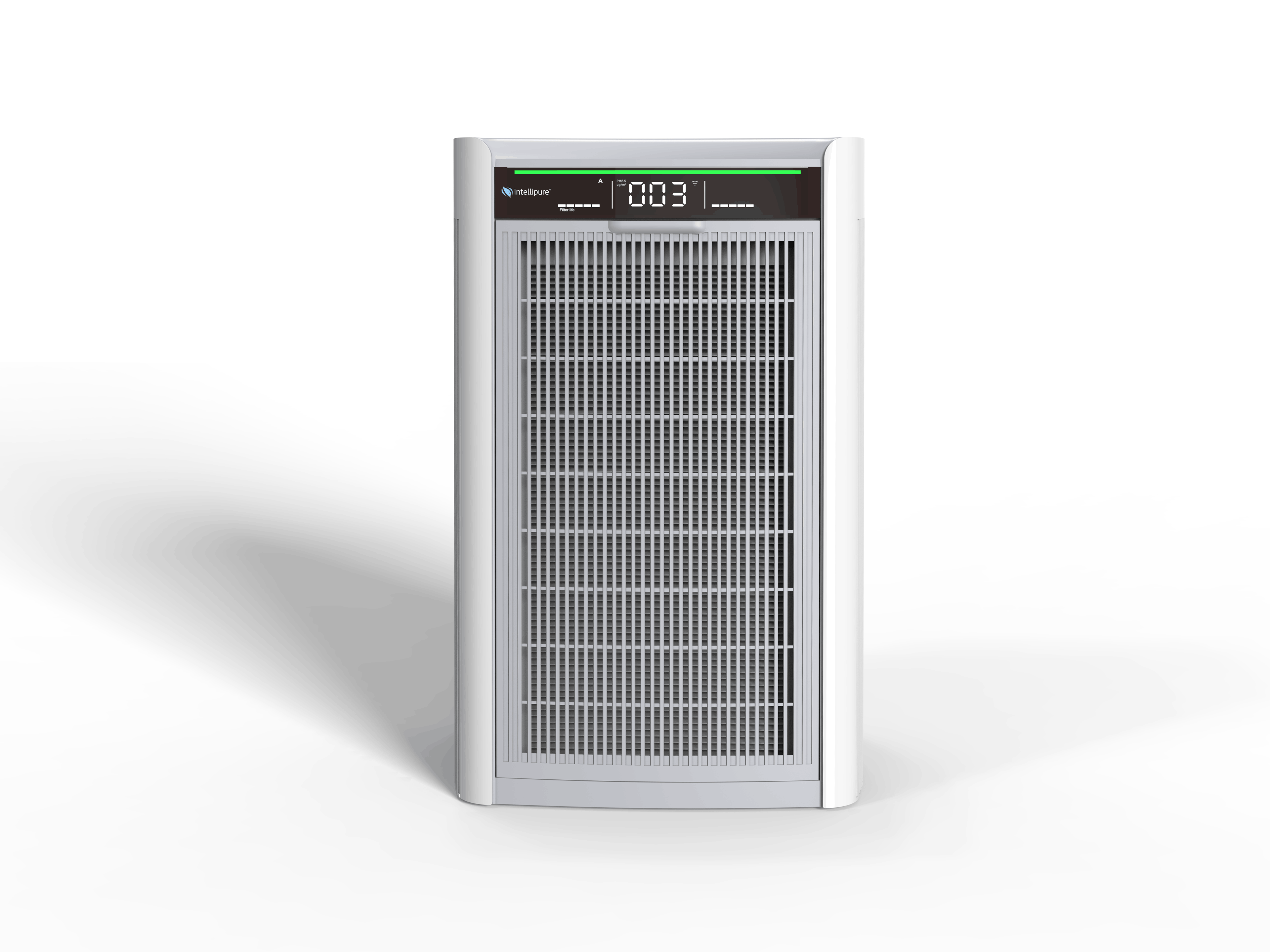
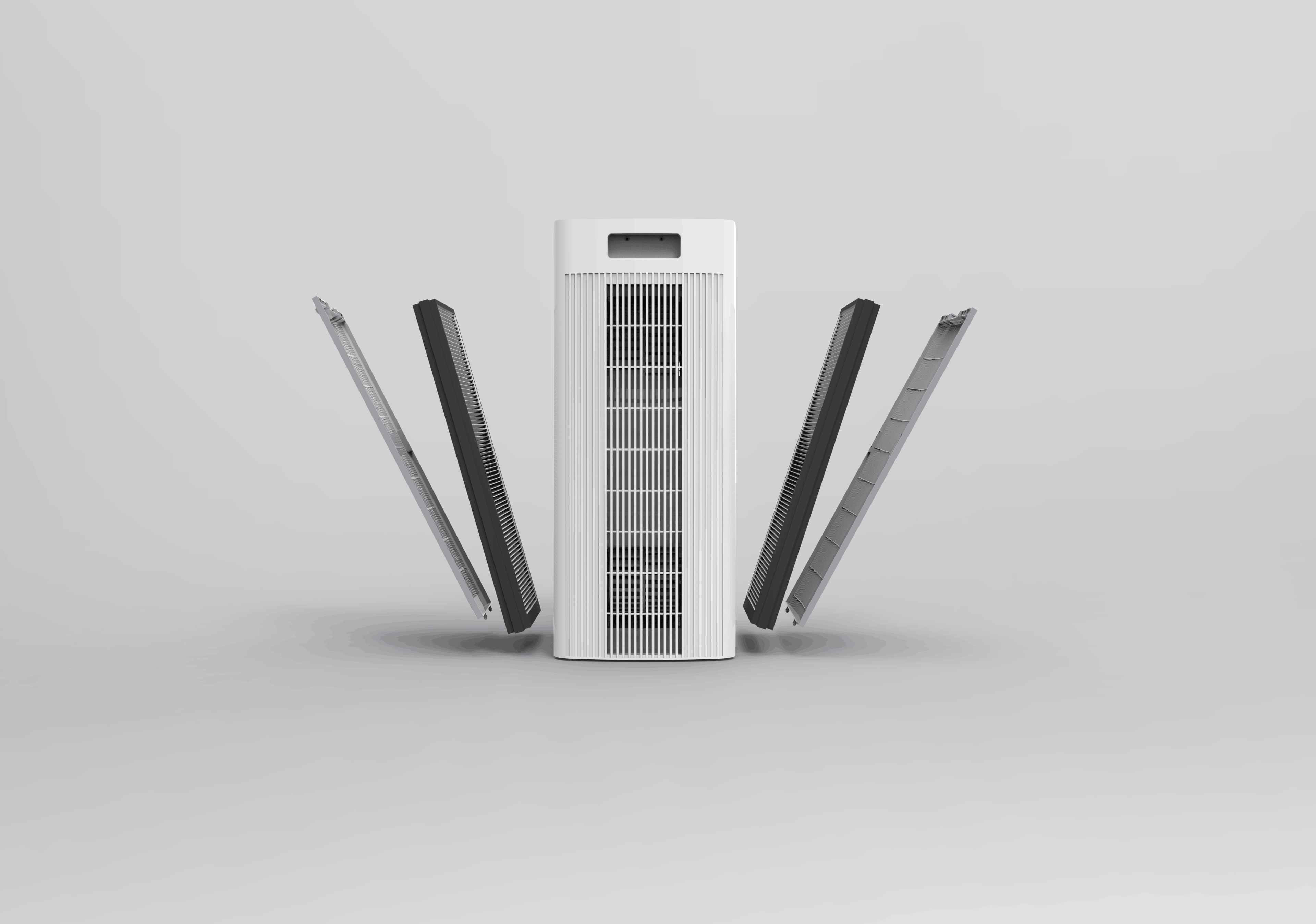
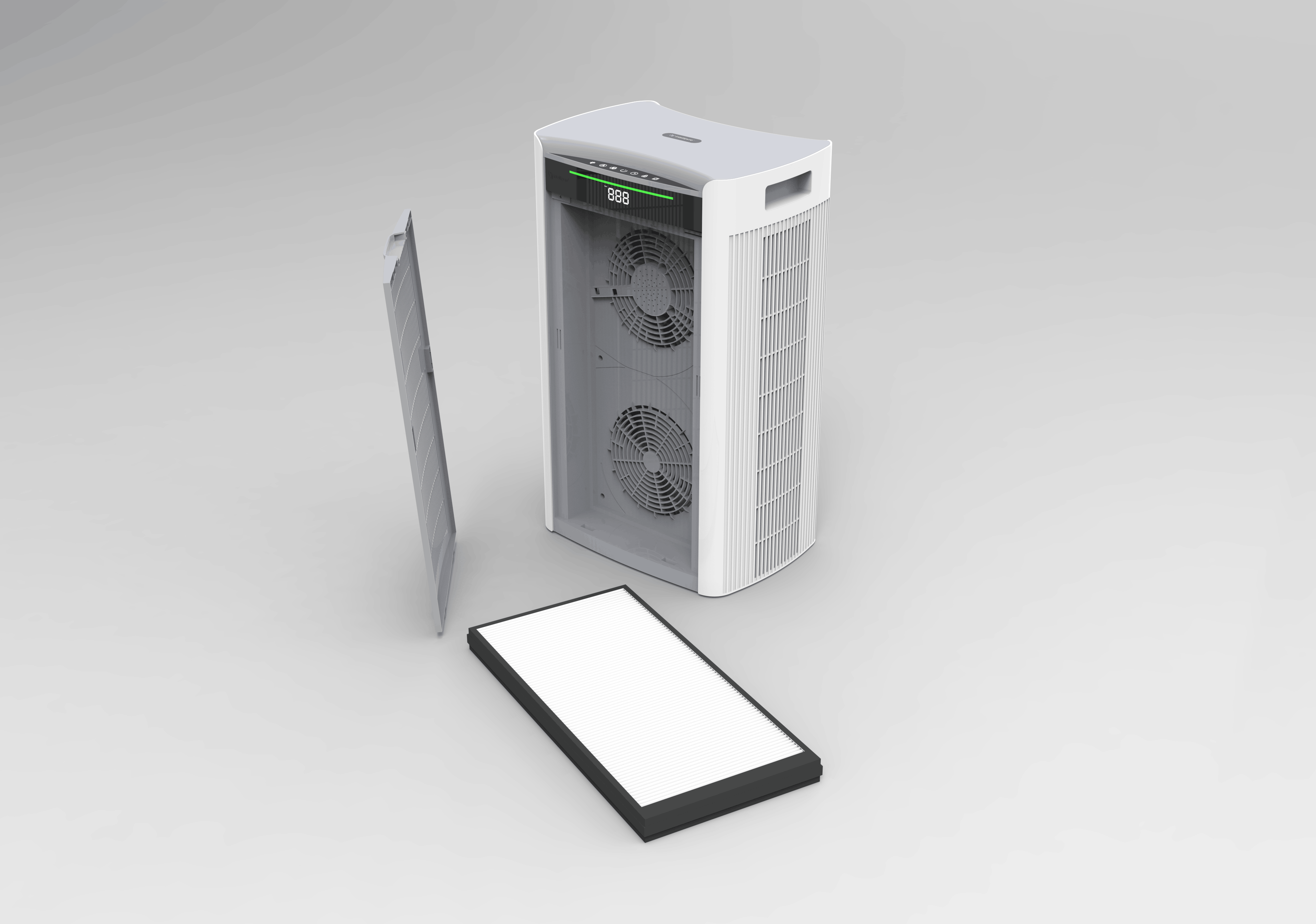
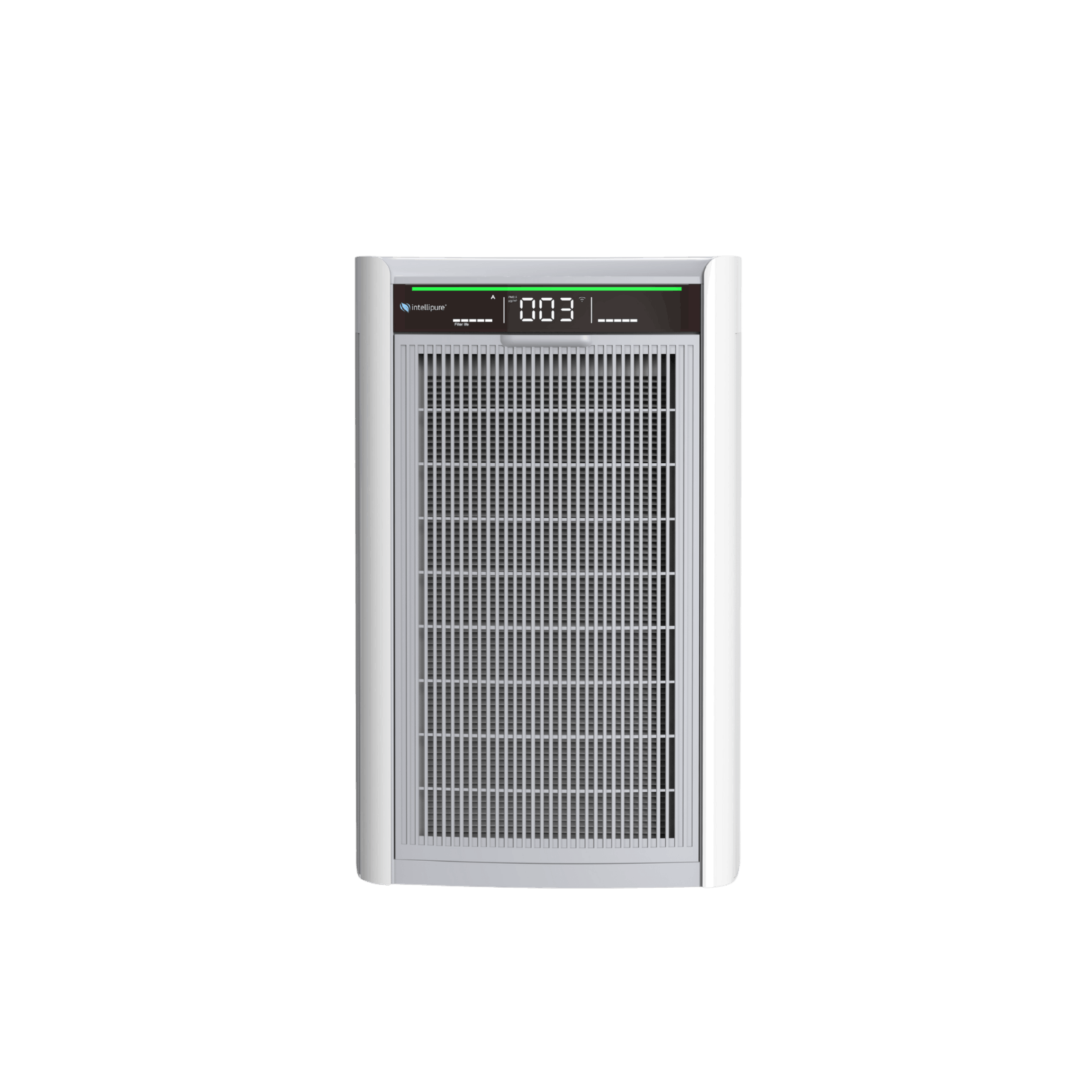
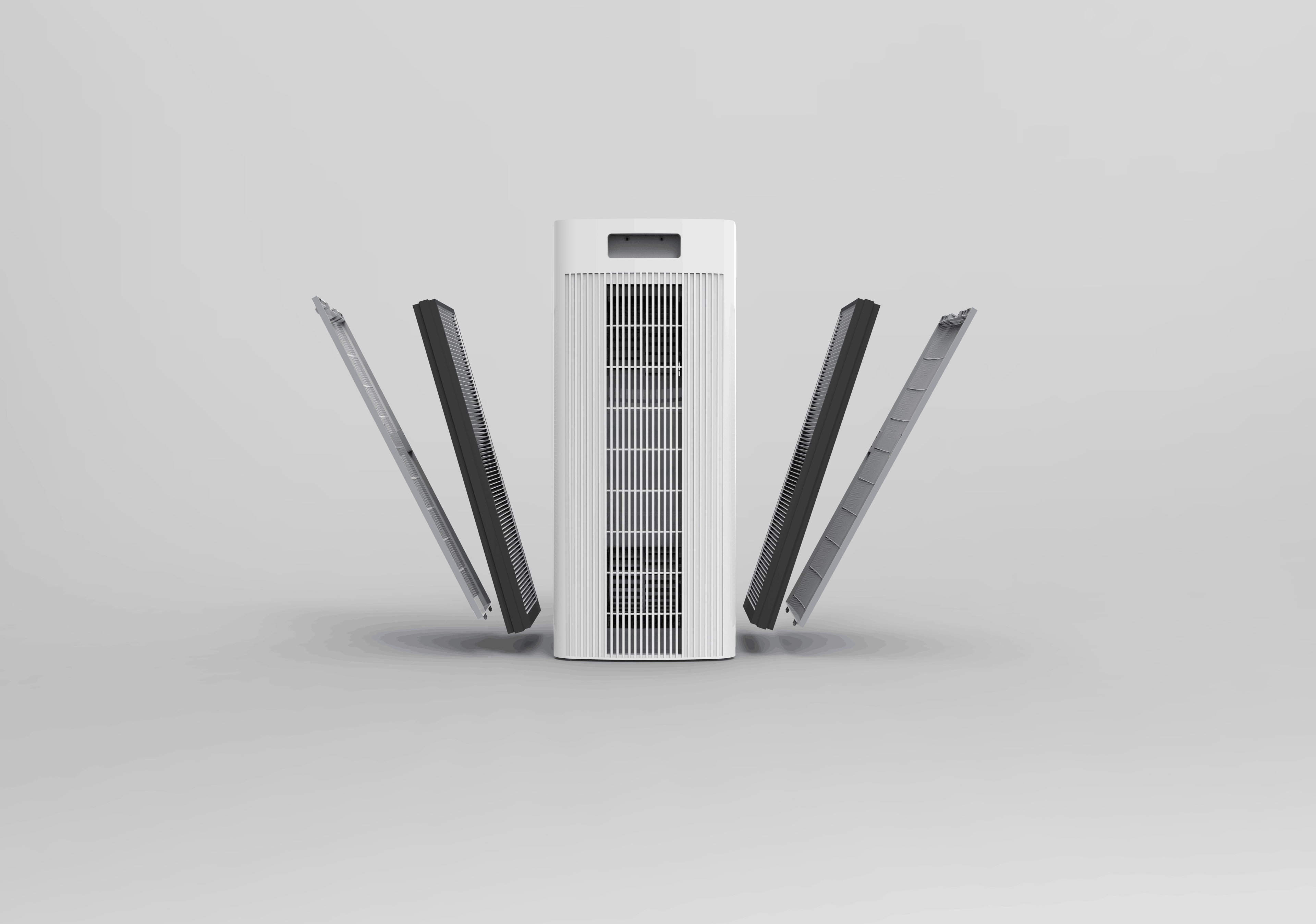
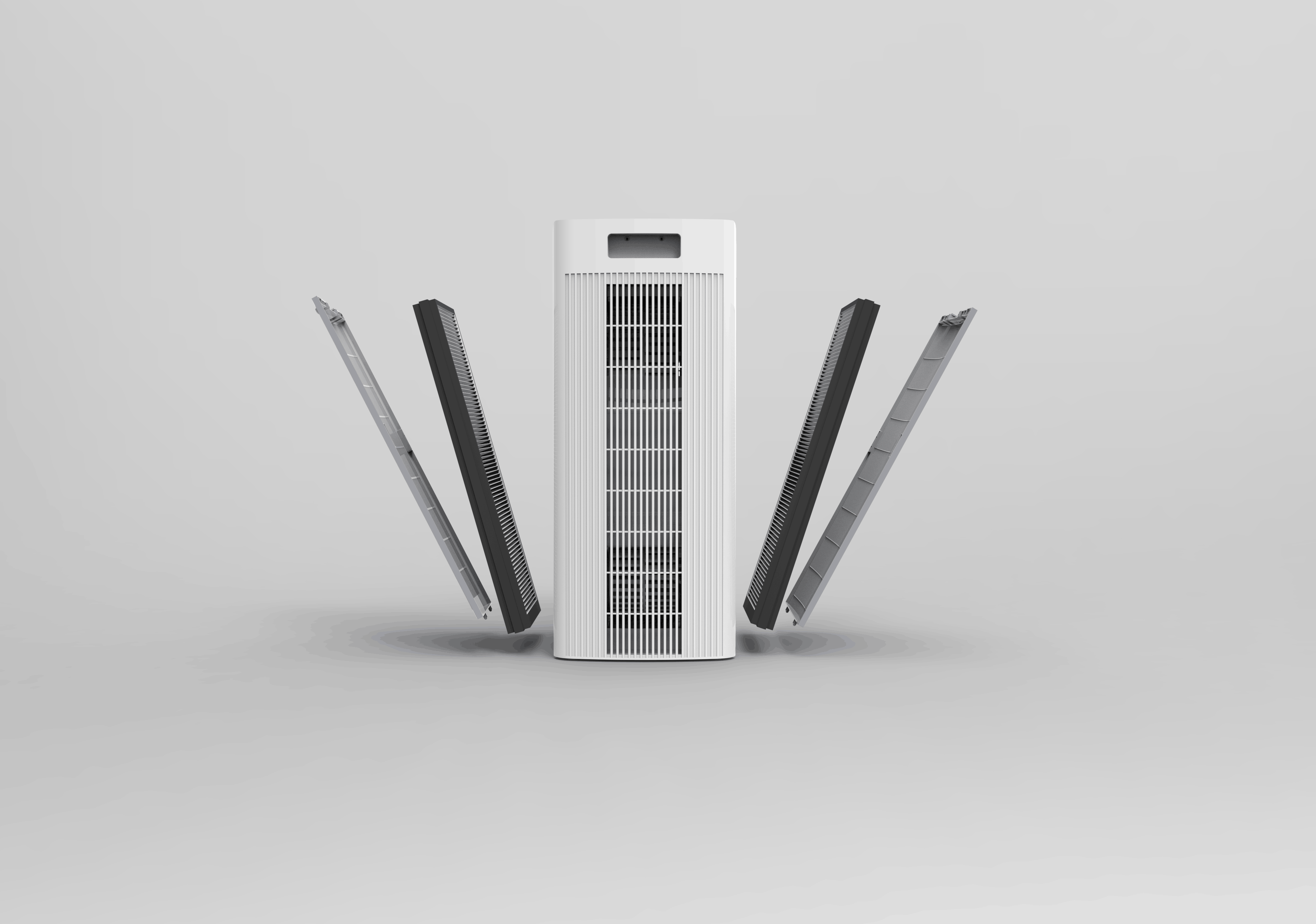
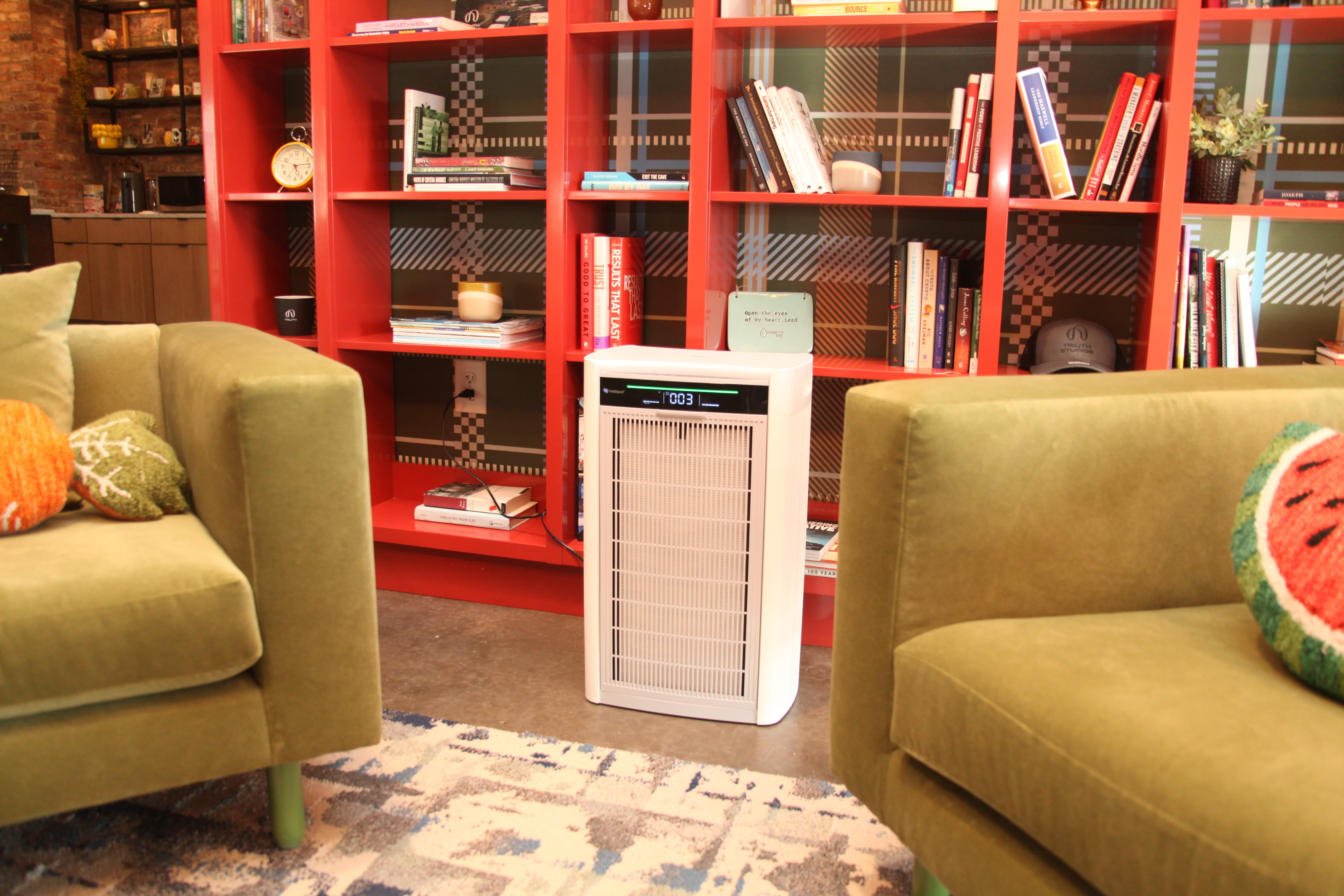
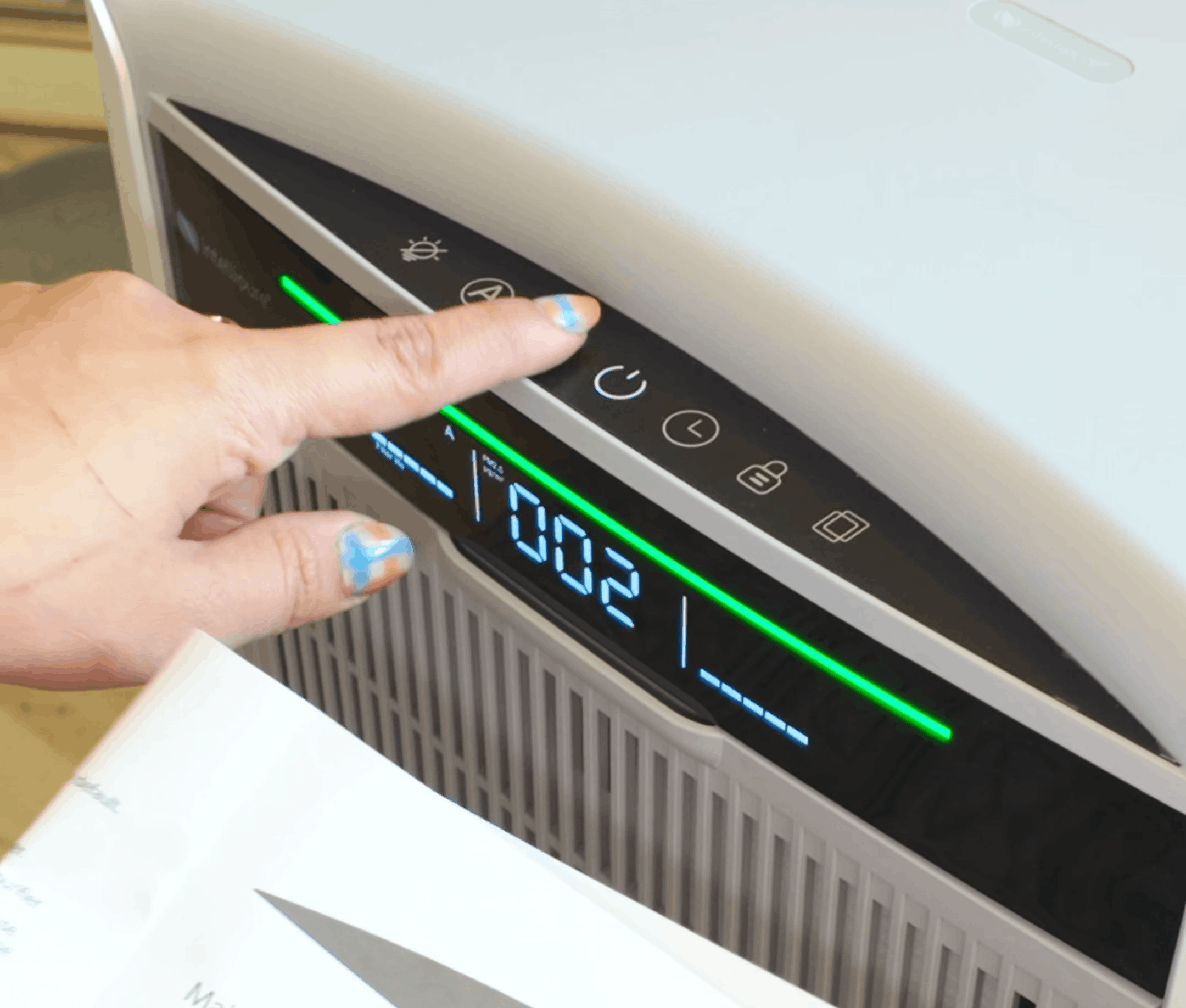
When it comes to the last bullet point Intellipure has you covered. Intellipure's line of portable air purifiers are perfect for office spaces, conference rooms, or any other area where improved air quality is desired.









Exploring The Psychological Effects of Climate Change
Air Pollution Mortality Risks Reach Beyond Just Lung Cancer