

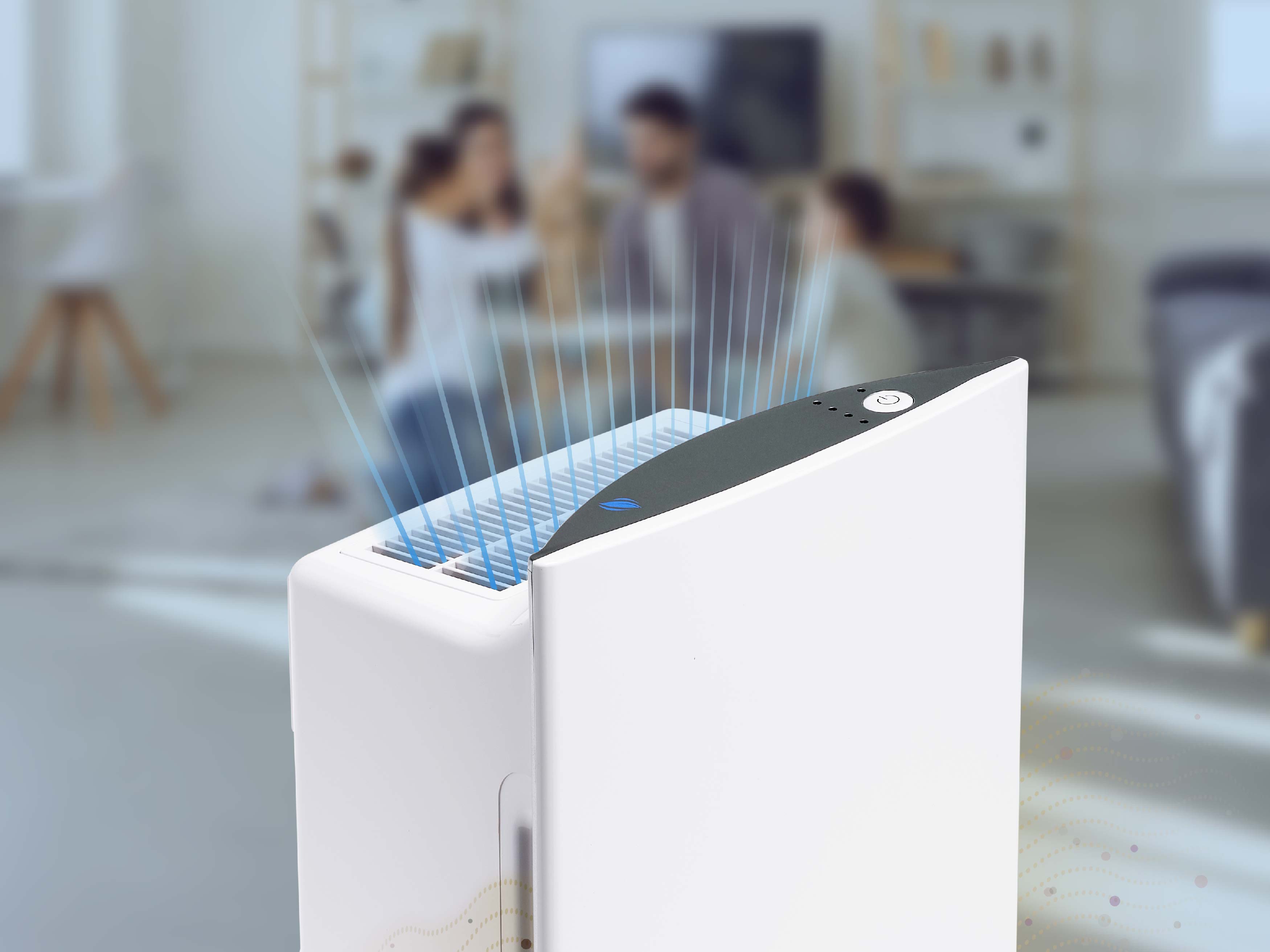
Wildfire smoke is becoming an increasingly common topic in the news. While wildfires themselves are not new, they are trending larger and burning more ferociously than in previous decades. With millions more acres burning each year it should be no surprise that wildfire smoke itself is becoming a more serious problem. Let’s take a look at how you can protect your family from the effects of wildfire smoke.
What is Wildfire Smoke and How Does it Affect Health?
First we need to understand exactly what makes wildfire smoke different from other pollution sources. Wildfire smoke is a nasty mixture of gases and tiny airborne particles. The most concerning part is microscopic PM2.5 particles. These can get deep into your lungs and even enter the bloodstream. Once in your lungs they can trigger inflammation while also impacting your respiratory & cardiovascular systems.
Exposure to wildfire smoke causes a range of symptoms. Minor things like eye, nose, throat and lung irritation. But it can also cause more severe problems like making asthma worse, chronic obstructive pulmonary disease (COPD), heart attack, and even stroke. Certain at-risk groups are particularly vulnerable to wildfire smoke's harmful effects. Groups like those with pre-existing medical conditions, seniors, infants, children, pregnant women, and people who work outside.
Why Air Purifiers Are Critical During Wildfire Season
Residential buildings are meant to be mostly air tight, but not completely sealed. There still needs to be a certain amount of air flowing through a building. That means wildfire smoke will still find its way inside. The best way to handle wildfire smoke that gets inside is to remove it using an air purifier. Since outside ventilation isn’t an option during a wildfire smoke event, it is necessary to clean the air that is already inside. That air is likely already heated, cooled or humidified to a comfortable point so that effort isn’t lost like it would be through outdoor ventilation.
Along with keeping wildfire smoke byproducts out of lungs, an air purifier also protects anything that needs air. Things like computers (especially ones with cooling fans), televisions, gaming systems, refrigerators, or anything else that depends on a supply of flowing air. Wildfire soot can accumulate and reduce cooling efficiency or even clog up air passages. While you may think your home’s HVAC filter is doing the job of removing wildfire smoke, it isn’t often the case. Since most homes use a MERV-8 HVAC filter those tiny particles are just getting recirculated. You need a MERV-13 or greater filter to do the job, but that increased filter level can impact HVAC efficiency if the system is not designed for it. That’s why a dedicated air purifier is a better solution for wildfire smoke.
Top Air Purifiers for Wildfire Smoke
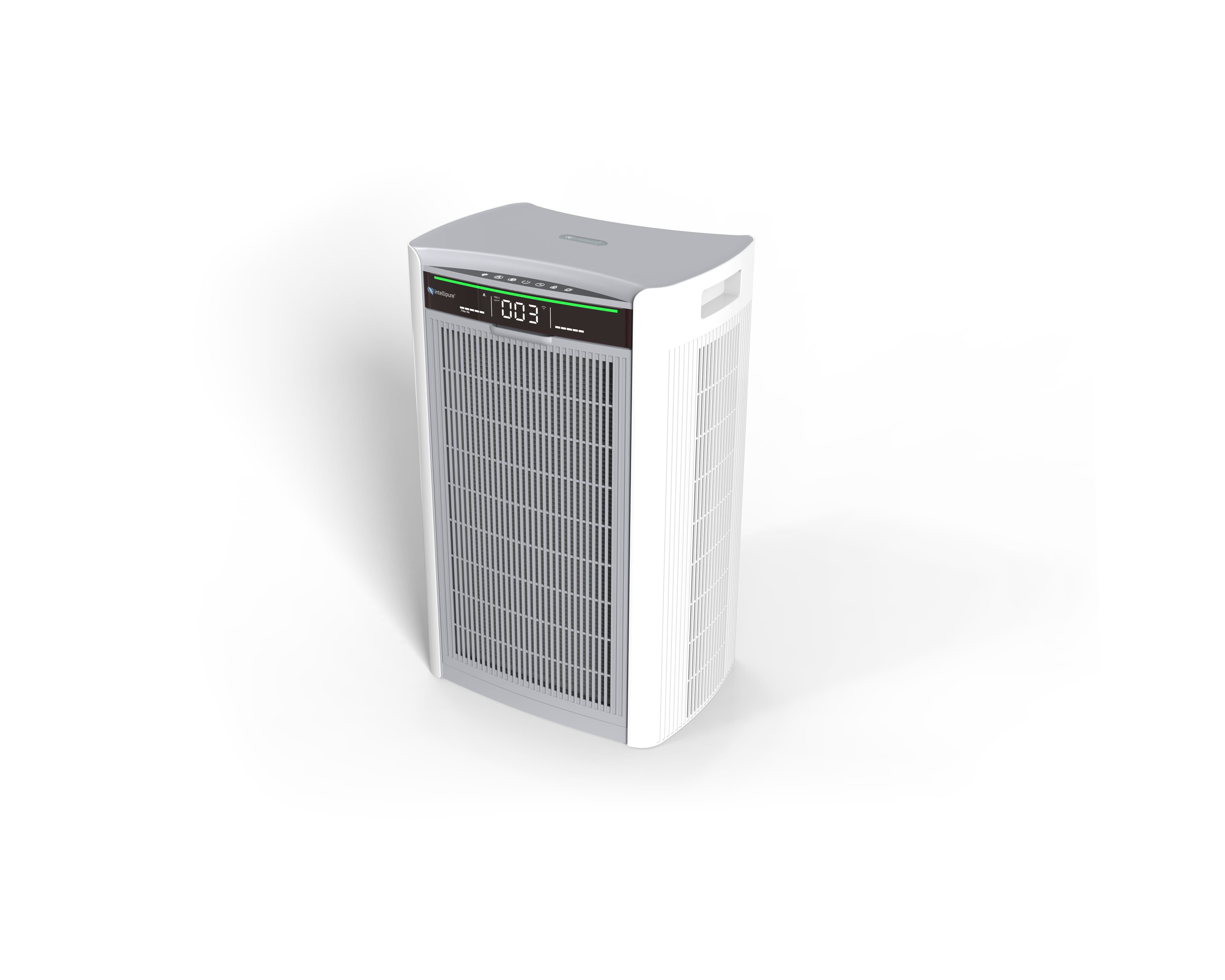
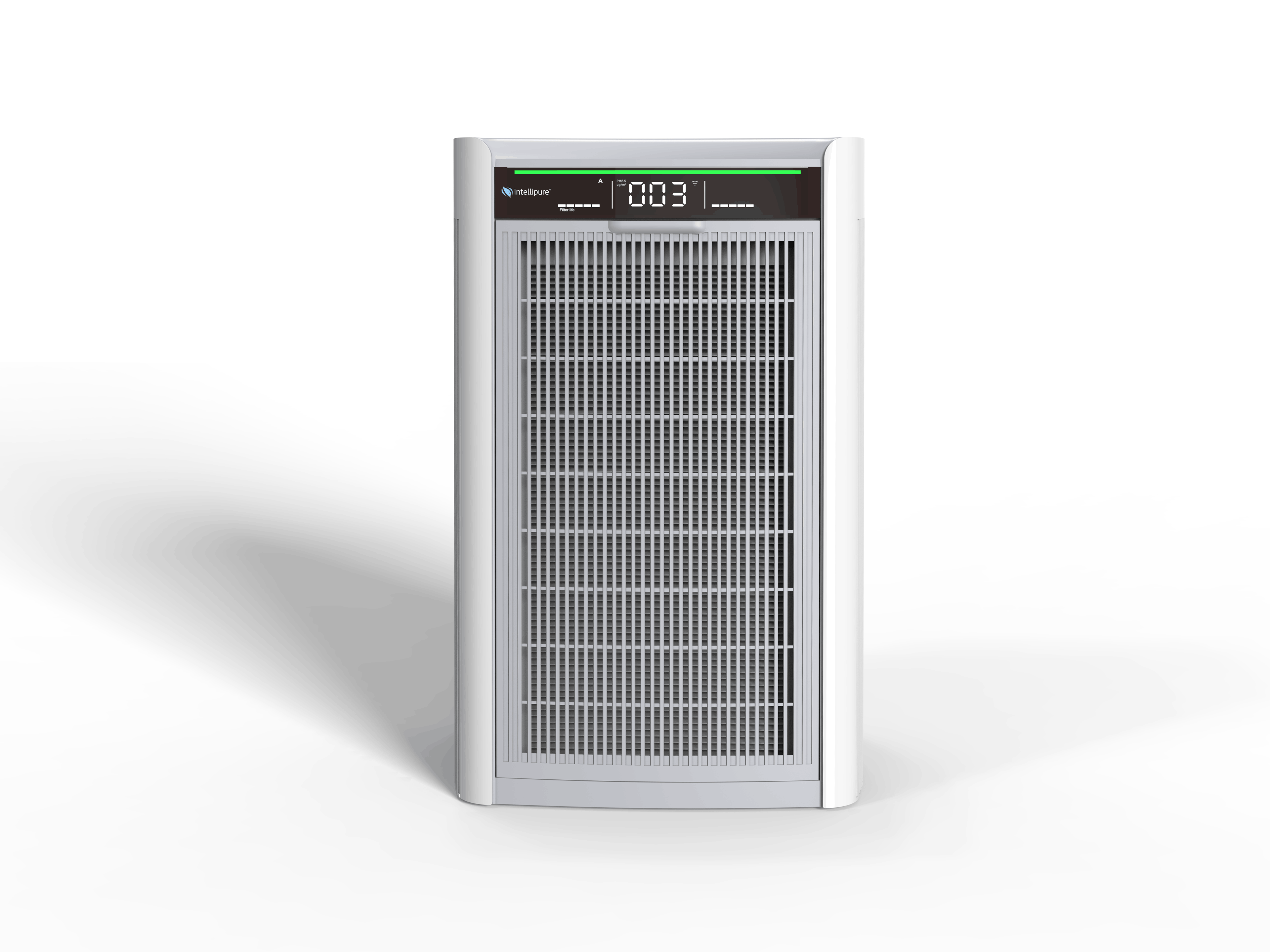
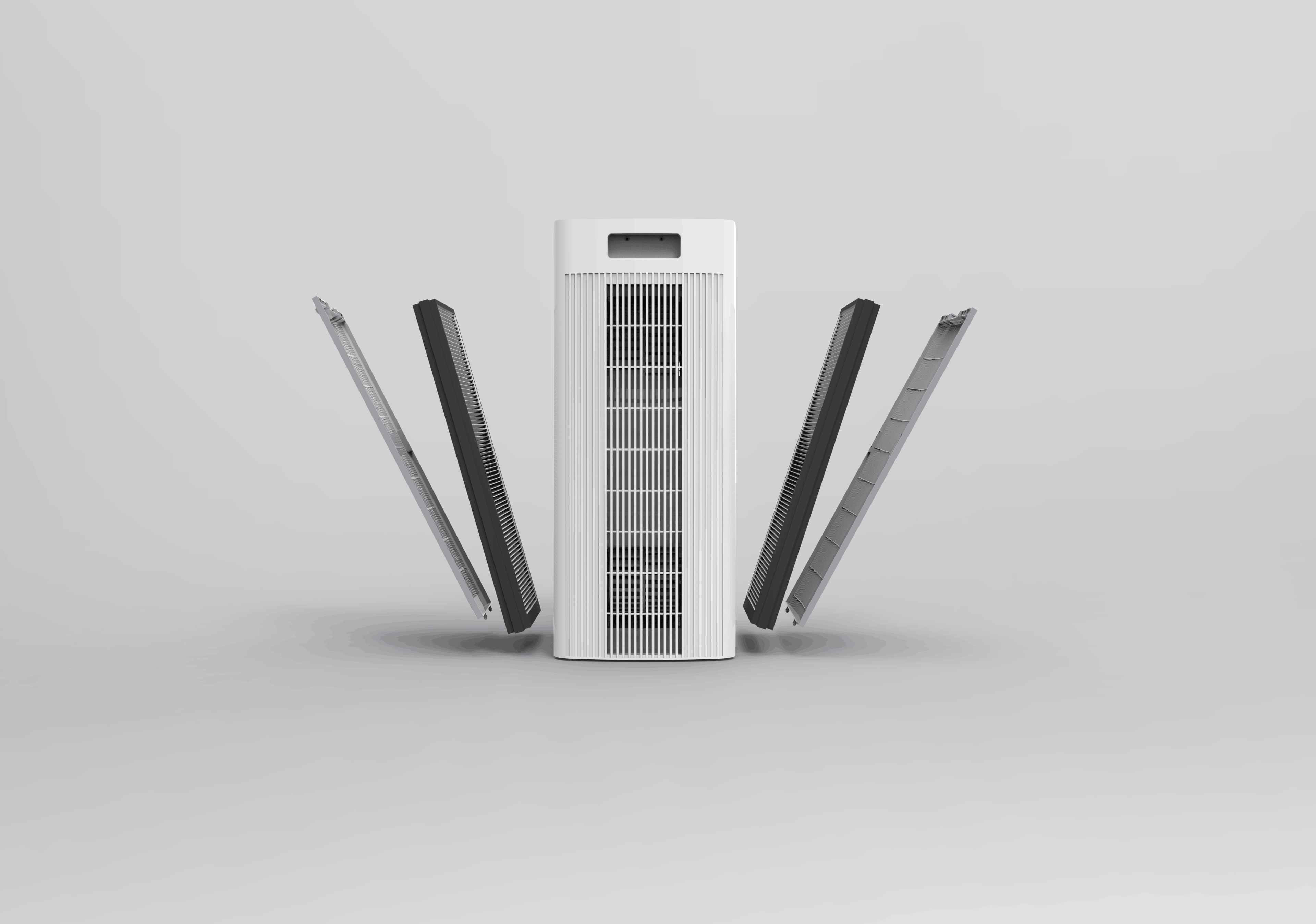
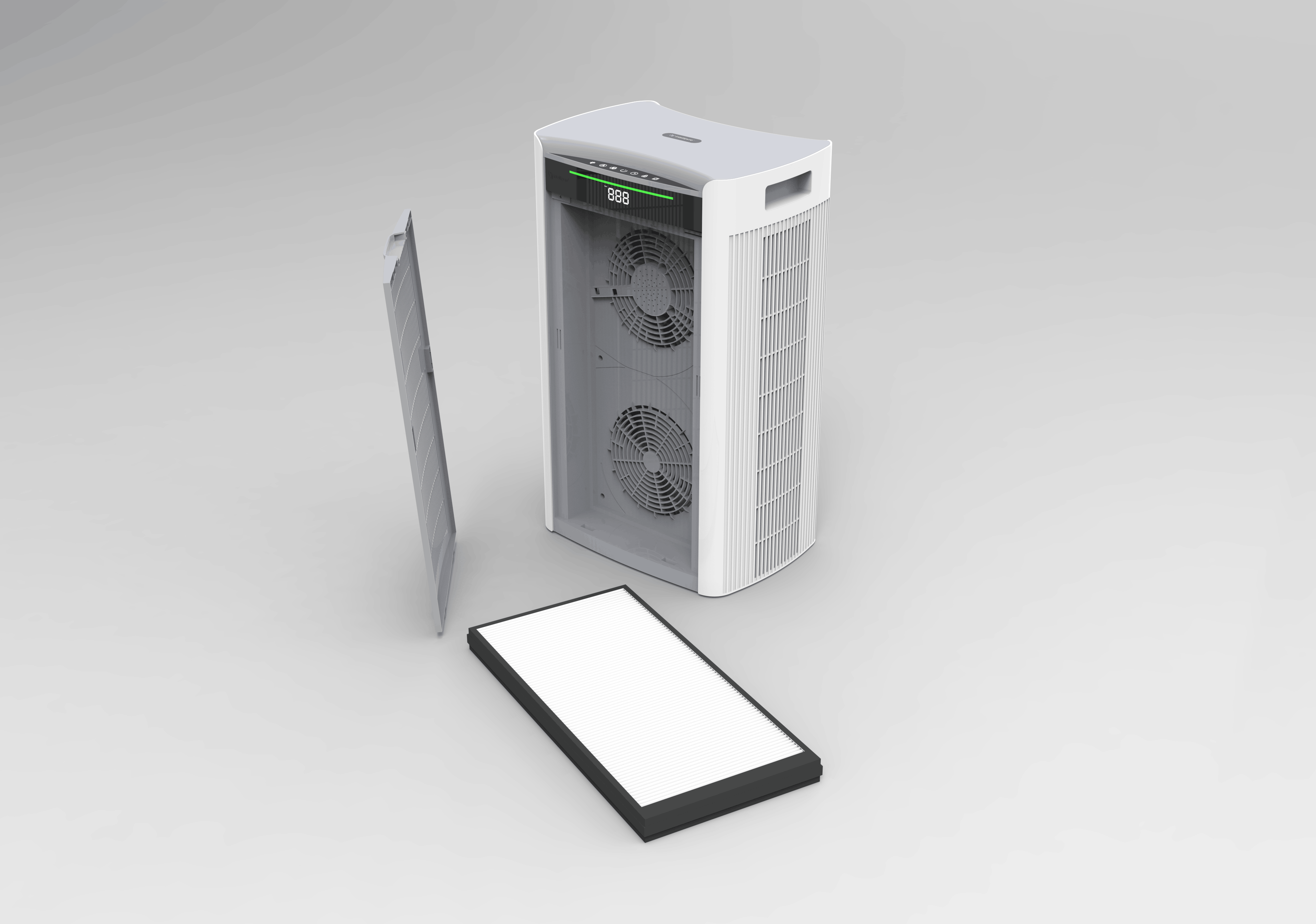
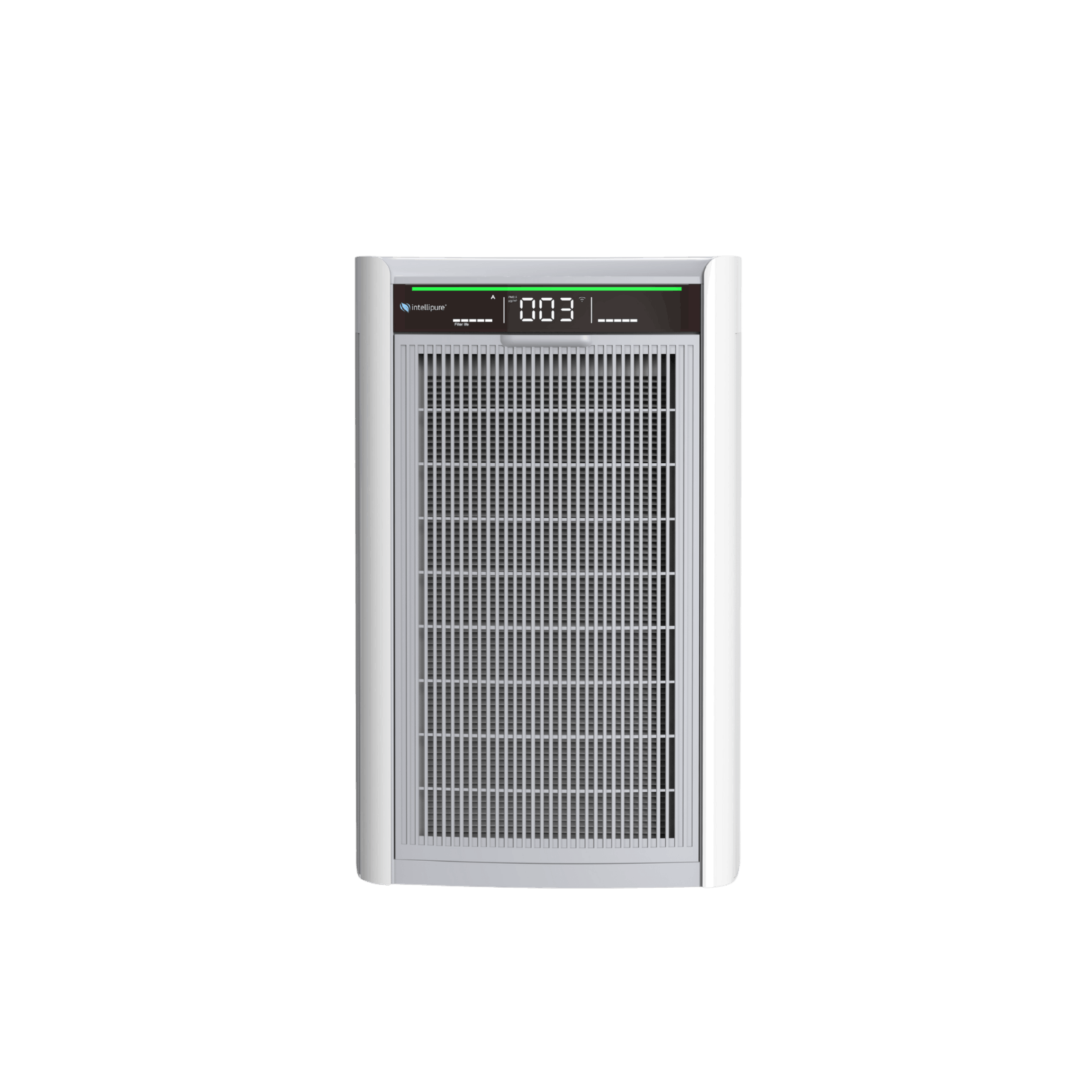
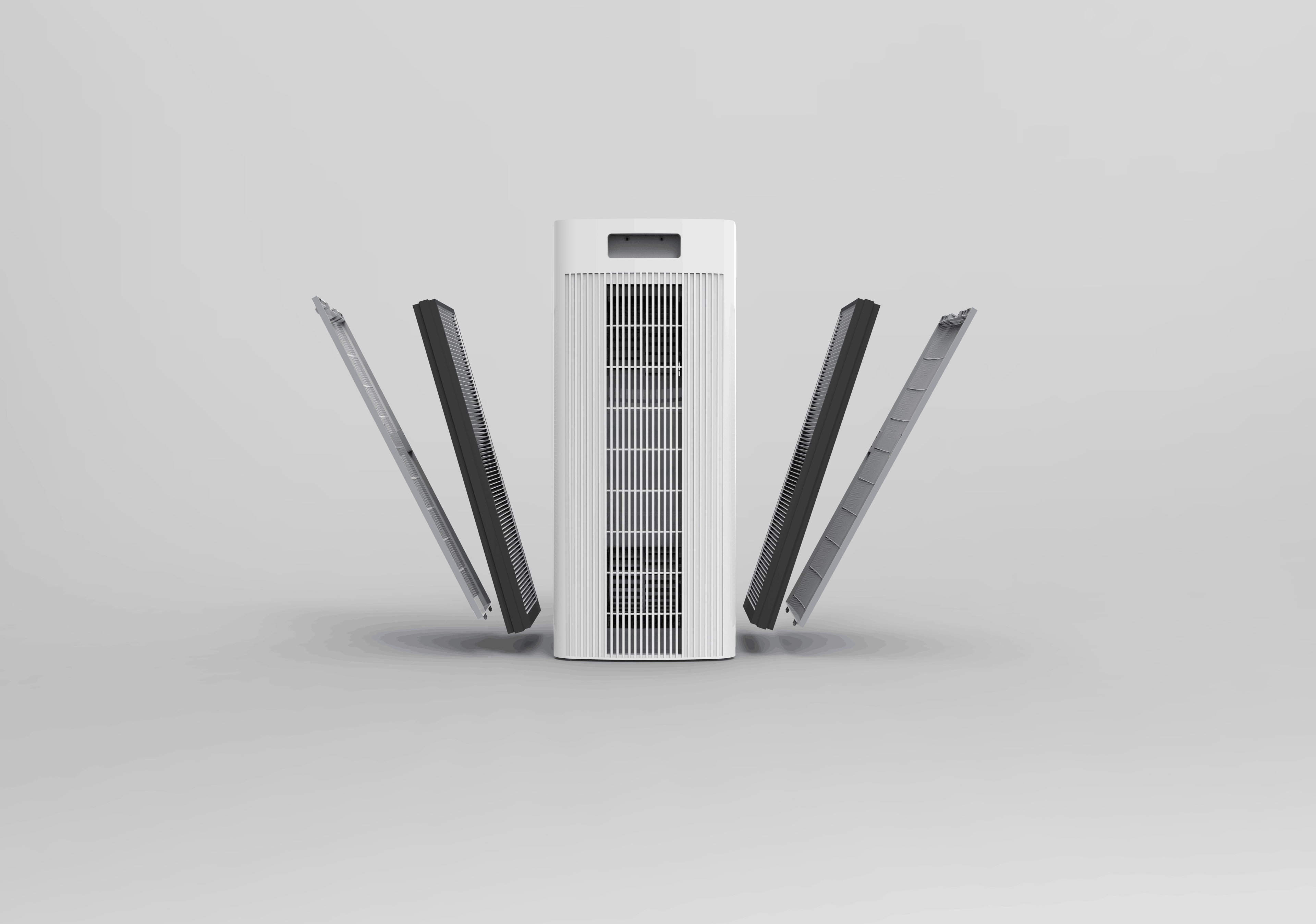
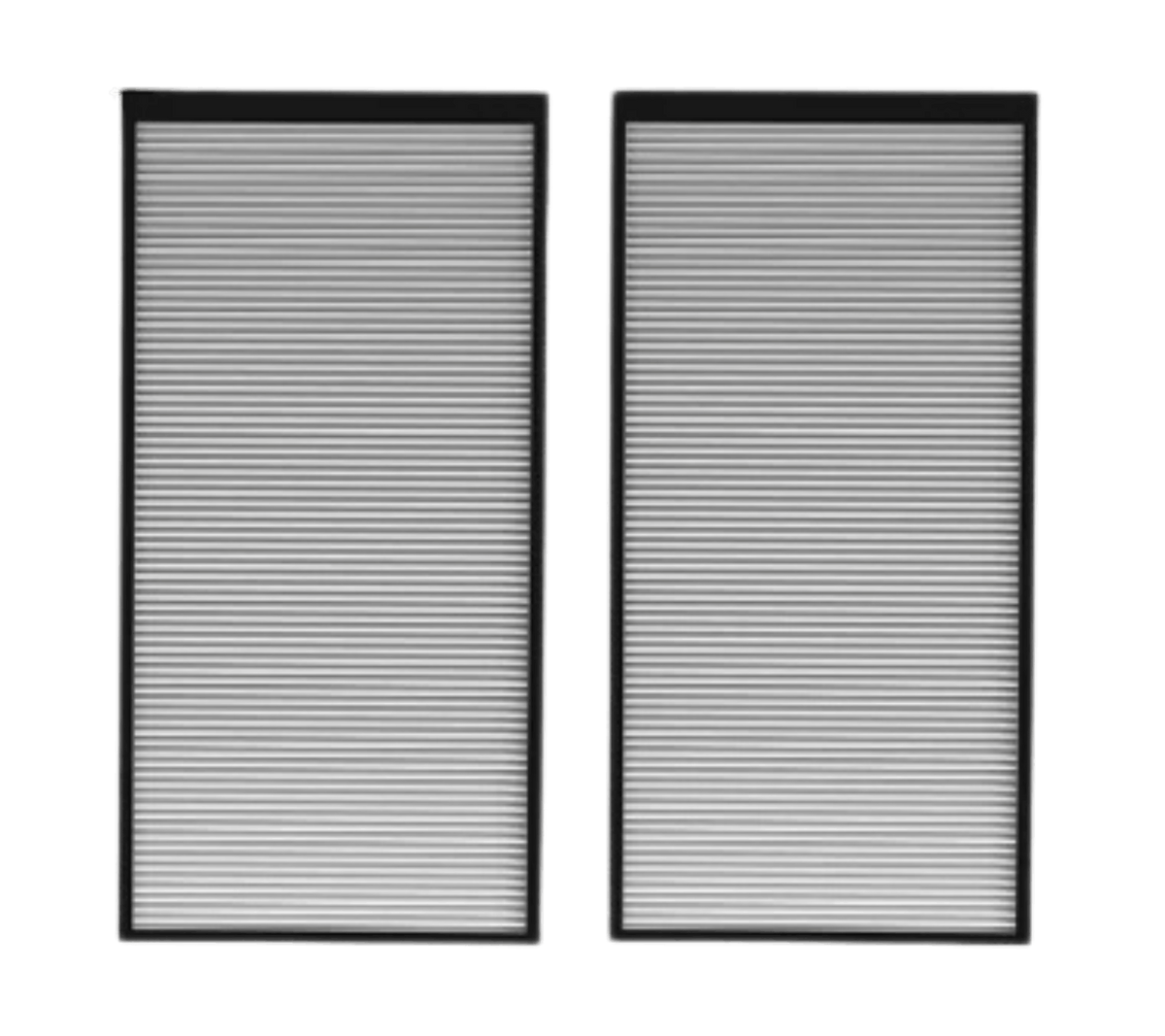
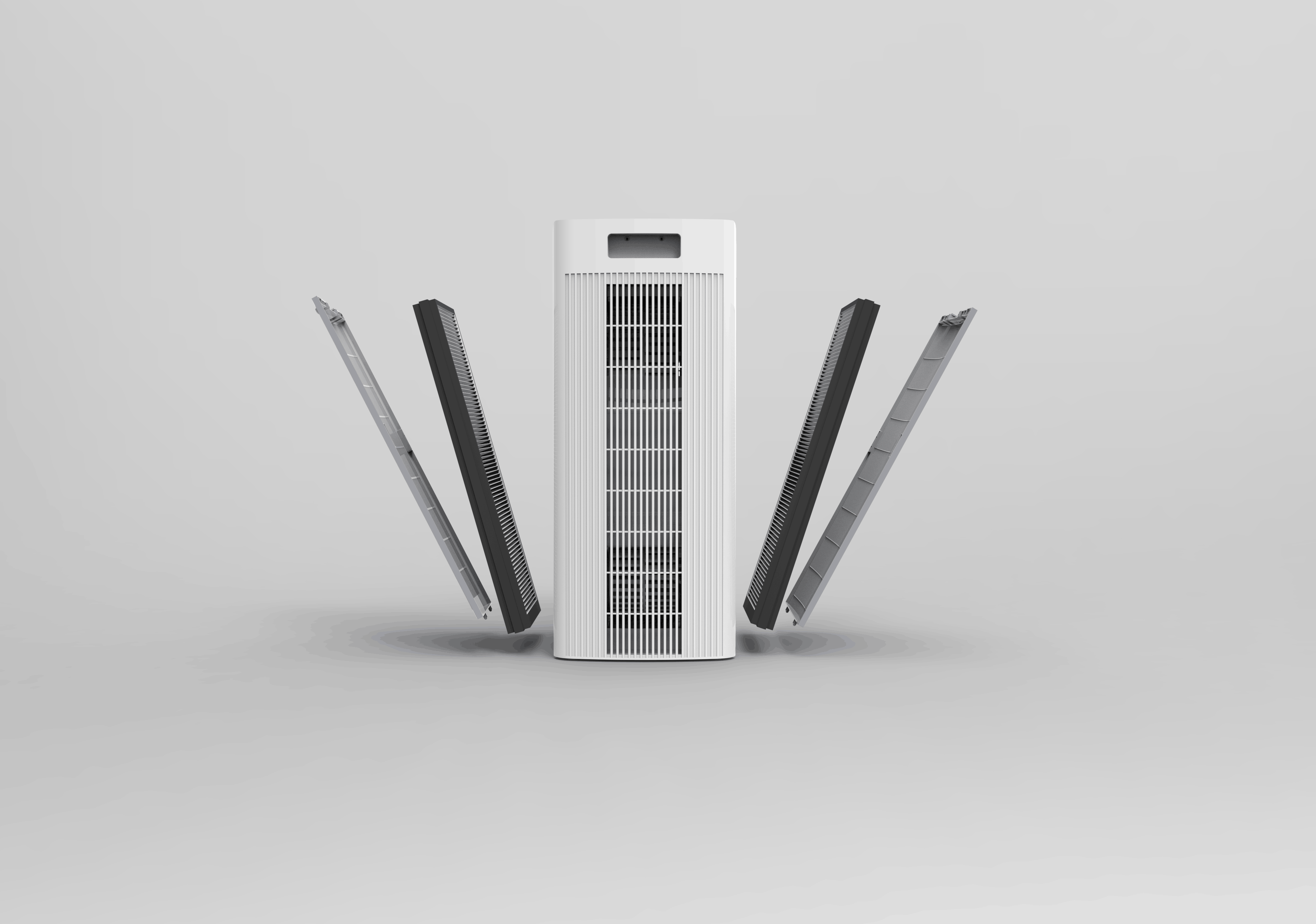
To deal with the harmful components of wildfire smoke you need an air purifier that is designed for both mechanical and chemical filtration. At the bare minimum a MERV-13 filter is necessary to trap tiny particles, but a HEPA level efficiency filter is ideal. A filter can have HEPA level efficiency without being a HEPA filter, so look for third-party testing results showing filter efficiency.
Wildfire smoke also carries harmful gases and chemicals that are not removed by mechanical filter methods. To remove volatile organic compounds (VOCs) from the air you need a special filter with embedded materials that can trap and absorb gases. Look for air purifiers that have filters made using materials such as carbon or zeolite that can actually absorb chemicals not just make their smell.
DIY Tips to Improve Indoor Air Quality During Wildfires
There are several things you can do yourself that will help safeguard your indoor air quality during wildfire season:
-
Monitor outdoor air quality - Visit the AirNow.gov website to get up to date readings on your local outdoor air quality. You can also monitor current fire and smoke conditions using the same website. Some phone weather apps also display outdoor air quality.
-
Keep doors and windows shut - This may seem obvious but it is hard to break habits. Even if the weather is nice outside, if there is wildfire smoke nearby resist the temptation to throw open the window. Also keep doors open a minimal amount of time. You want a little outdoor air as possible mixing with your indoor air.
-
Seal air leaks - Go around and make sure all the windows are tightly shut. Check for any air leaks and use strip caulk or other weatherstripping to seal up cracks. Make sure doors have weatherstripping all the way around as well as a good door sweep at the bottom.
-
Vacuum often - Some smoke particles will make their way inside and settle as dust on the floor. Make sure to vacuum often so those particles are removed from the environment instead of kicked back up in the air again.
-
Take off shoes at the door - Soot and particulates from wildfire smoke coat everything outside, especially the ground you walk on. When you come home take off your shoes at the door to prevent spreading these tiny particles around your living areas.
-
Change HVAC filters often - During wildfire season all the particles in the air can clog air filters quickly. Go ahead and stock up on HVAC filters before wildfire season hits. Change filters more frequently so your system operates efficiently.
-
Keep an eye on IAQ - It’s hard to know when the air inside your home is doing more harm than good. It’s easy to see rolling clouds of smoke outside, but inside in smaller quantities the same smoke cloud is harder to see. It’s worth picking up an indoor air monitor as long as it reads PM2.5 levels. Then you can compare between local outside readings to determine how to best handle your indoor exposure level.
-
Use an air purifier - Your HVAC filter is designed to protect the HVAC components, not your lungs. That’s why it is important to have a dedicated air purifier to remove harmful things from the air.
Now you know what you are facing when wildfire smoke threatens your area. Remember that wildfire smoke can travel hundreds of miles, so it’s a good idea to keep an eye on outdoor air quality. When the air outside does take a turn for the worst, now you know how to be prepared.
*53% reduction in Toluene over a 60 minute period within a 1,007 cubic foot test chamber.



Airborne Hazard: Why Wildfire Smoke Is Different
Learn Mold Basics: Where to Find It & How to Fix it