


Summary
Spring 2024 is bringing heavy tree pollen, the start of grass pollen season, a surge in pet shedding, and renewed mold growth. Here's a region-by-region look at what's floating around and what you can do about it.
In This Article
Spring Pollen Season Is in Full Swing
If your nose has been running nonstop lately, you're not imagining things. Spring 2024 has arrived with force, and allergy sufferers across the country are feeling it.
Areas that experienced a mild winter and early warm temperatures saw tree pollen blooms arrive ahead of schedule, and they've been especially heavy. According to the Asthma and Allergy Foundation of America, trees produce pollen as early as February in most of the United States, with southern states sometimes starting as early as December or January [1]. Warmer-than-average conditions across the southern and central United States made for a quicker, more forceful start to the season [2].
While the southern half of the country has mostly moved past the initial blast of tree pollen, the upper half is just getting hit in early May. Climate research shows that the freeze-free growing season has lengthened in 83% of 197 U.S. cities analyzed since 1970, giving pollen-producing plants more time to do their thing [2].
Grass pollen is now emerging across the southern states. Research shows that grass pollen can be detected in the atmosphere from March through November, with longer seasons occurring at lower latitudes [3]. Areas along the Atlantic coast from Georgia to North Carolina may catch a break with lower-than-average grass pollen counts. Weed pollen, thankfully, is still mostly quiet across the country in May, but that won't last long once summer rolls around.
Region-by-Region Pollen Guide
Here's a look at common pollen producers you can expect across the United States this May. Tree pollen is the dominant player, with grass pollen ramping up and early-season weeds beginning to appear.
Northeast: Tree pollen from American elm, ash, black walnut, cottonwood, maple, mulberry, oak, pecan, and sycamore. Grass pollen from Bermuda, Kentucky bluegrass, meadow fescue, and ryegrass. Early weeds include dock, plantain, and sorrel.
Southeast: Ash, black walnut, cottonwood, elm, maple, mulberry, oak, pecan, and sycamore lead the tree pollen charge. Grass and weed species mirror the Northeast.
Midwest: Expect tree pollen from ash, birch, black walnut, cedar, cottonwood, elm, juniper, maple, mulberry, oak, pecan, and sycamore. Grass and weed species are consistent with other regions.
South Central: Similar tree pollen profile to the Midwest, with ash, birch, cedar, cottonwood, elm, juniper, maple, mulberry, oak, pecan, and sycamore. Grass pollen from Bermuda, Kentucky bluegrass, meadow fescue, and ryegrass.
Southwest: Ash, black walnut, cottonwood, elm, mesquite, oak, pecan, and sycamore for tree pollen. Bermuda, meadow fescue, and ryegrass for grasses.
Northwest: Ash, black walnut, cottonwood, maple, oak, pine, and sycamore. Kentucky bluegrass, meadow fescue, and ryegrass for grasses.
Across all regions, early-season weeds like dock, plantain, and sorrel are beginning to appear.
Pet Shedding Season: More Fur, More Dander
If you have a furry companion (or two), you already know the drill with random tufts of fur. But spring kicks it into another gear. Around April and May, many dogs and cats begin shedding their thick winter coats in preparation for warmer weather.
What triggers this seasonal shed? Primarily changes in daylight. Veterinary research has shown that photoperiod, the number of daylight hours each day, is the dominant environmental cue for seasonal coat changes in dogs and cats. As days get longer in spring, follicles shift from a resting phase to an active shedding phase, releasing the dense undercoat that kept your pet warm through winter. Temperature plays a supporting role, but it's really the light that flips the switch.
All that extra shedding means more pet dander floating through your home. Pet dander consists of tiny flakes of skin that become airborne easily and can remain suspended in the air for long periods [4]. The American Lung Association identifies pet dander as a significant indoor air pollutant that can trigger allergic reactions, asthma symptoms, and respiratory irritation [4].
Here's what you can do:
- Brush your pet regularly. Consistent grooming helps remove loose fur before it becomes airborne. Research has shown that regular bathing can reduce recoverable allergen levels on dogs by up to 84%, though the effect is temporary and requires twice-weekly washing to maintain [5].
- Vacuum more often. Picking up settled fur and dander from carpets and furniture makes a real difference.
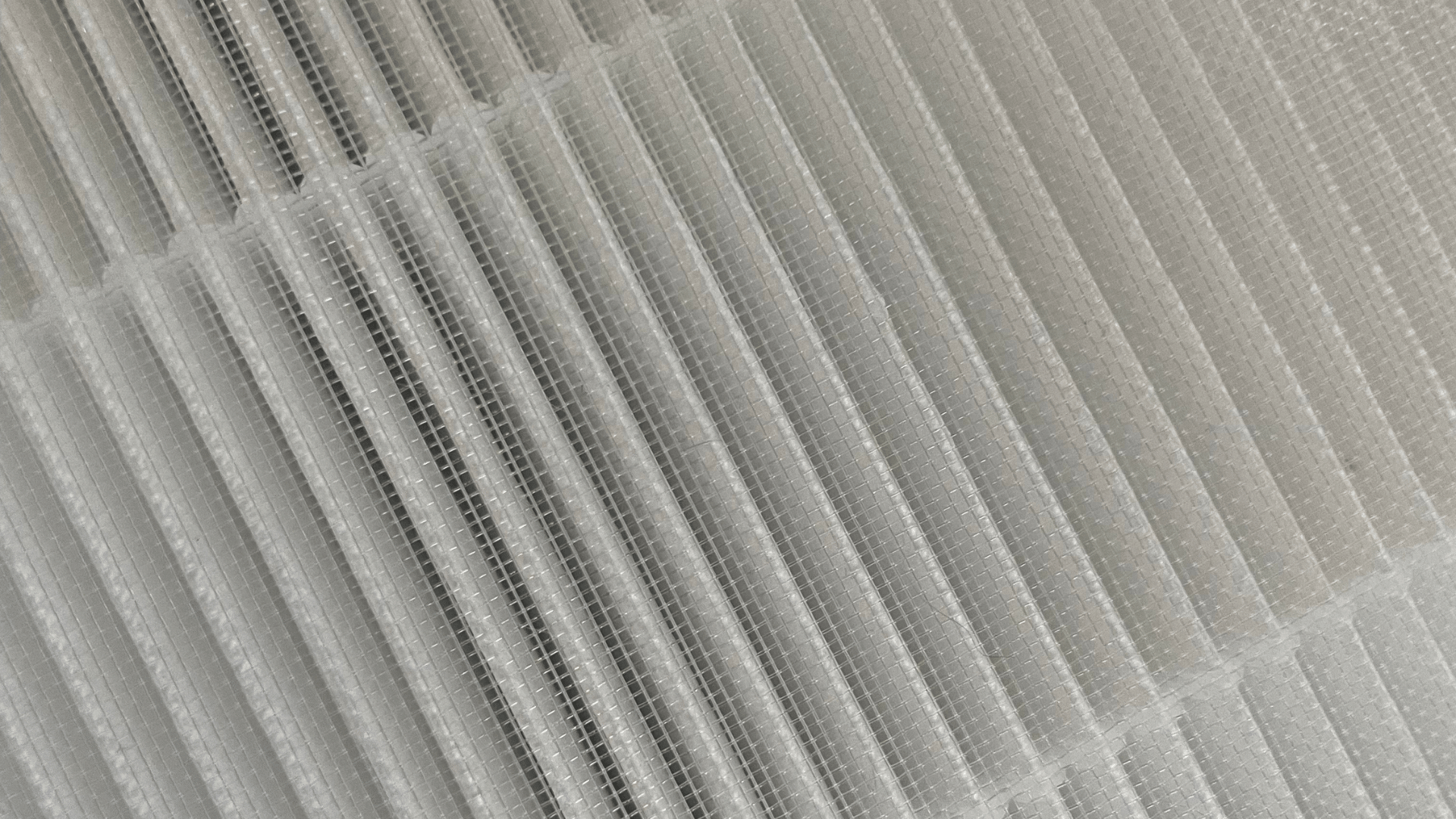
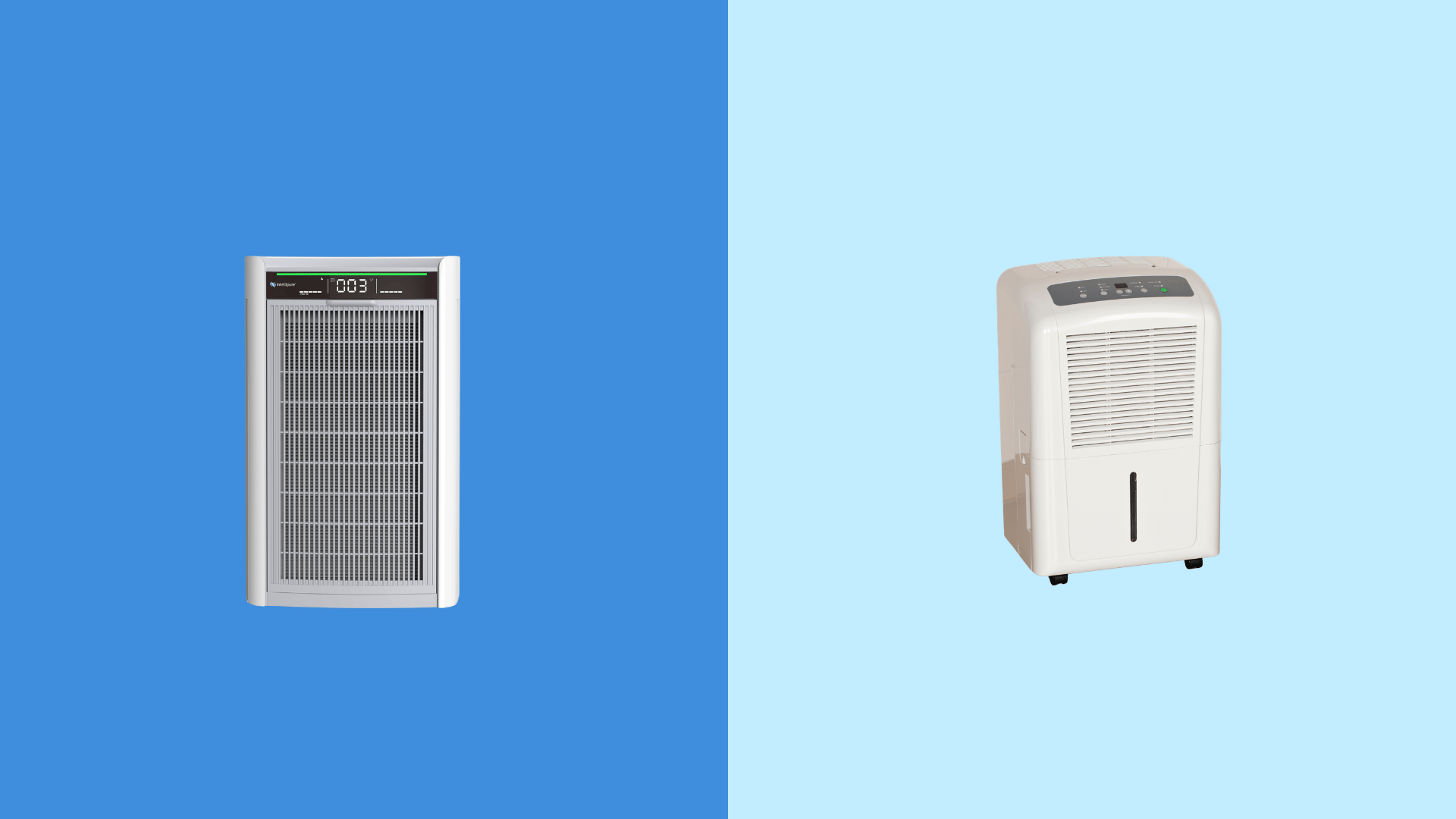
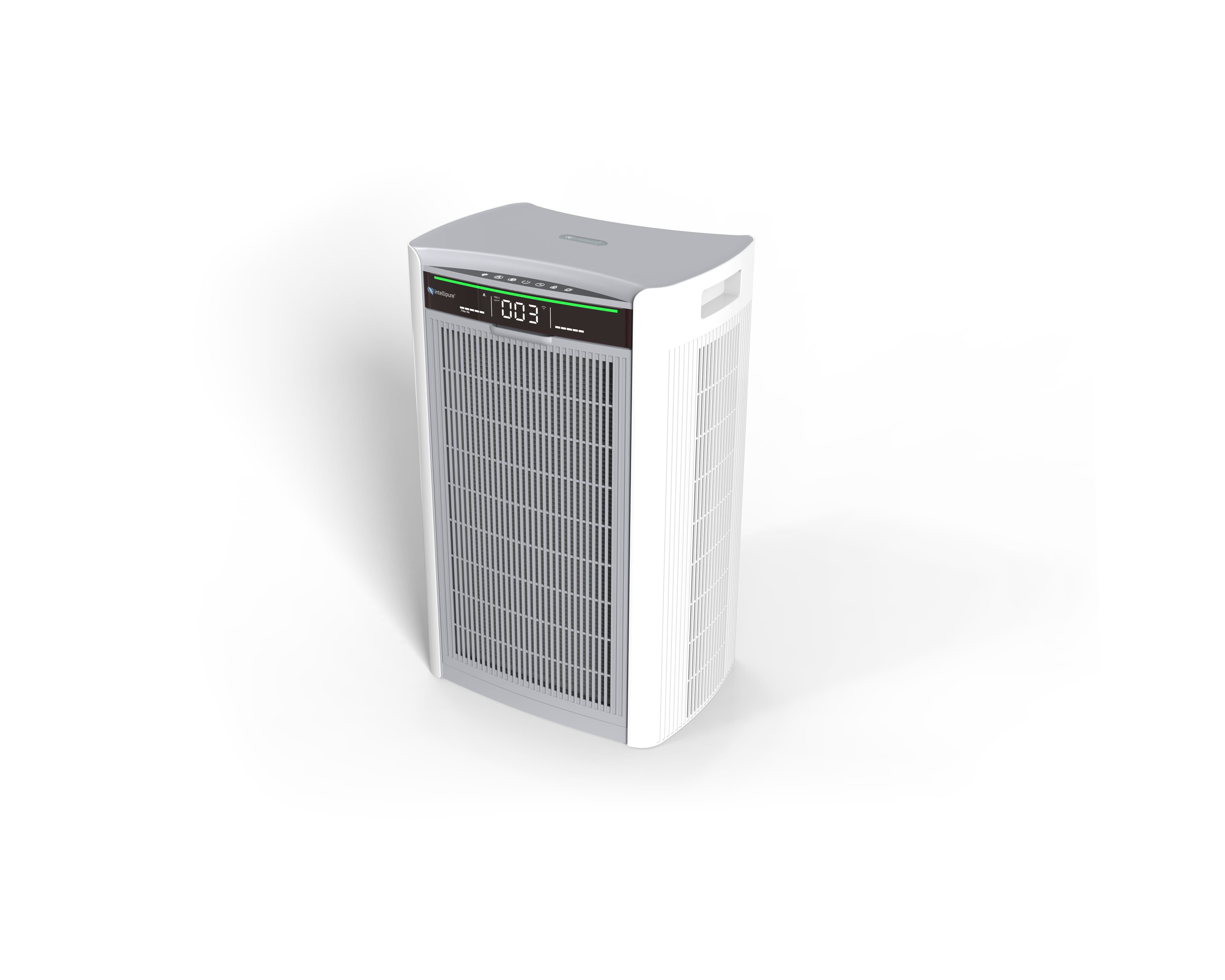
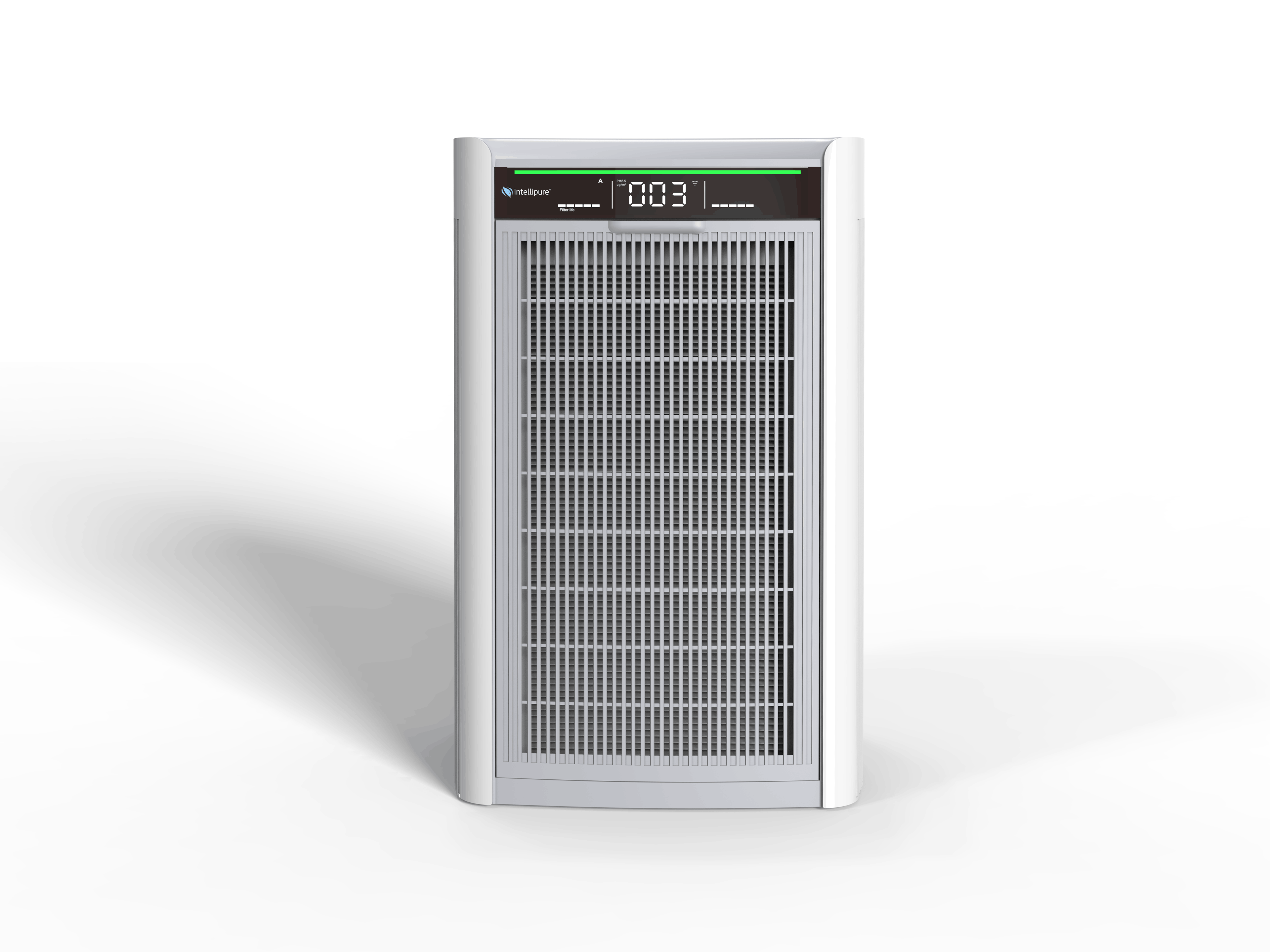
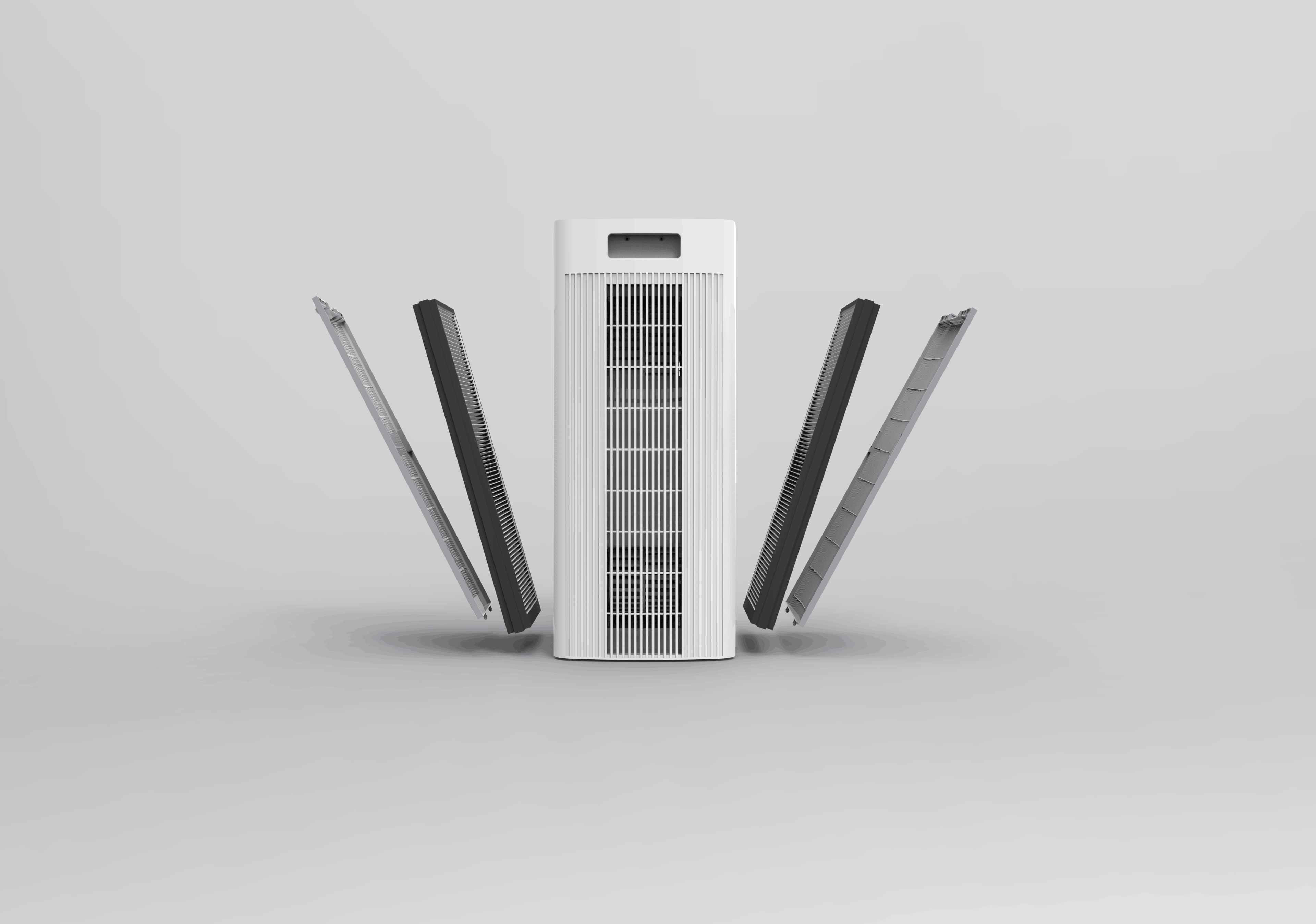
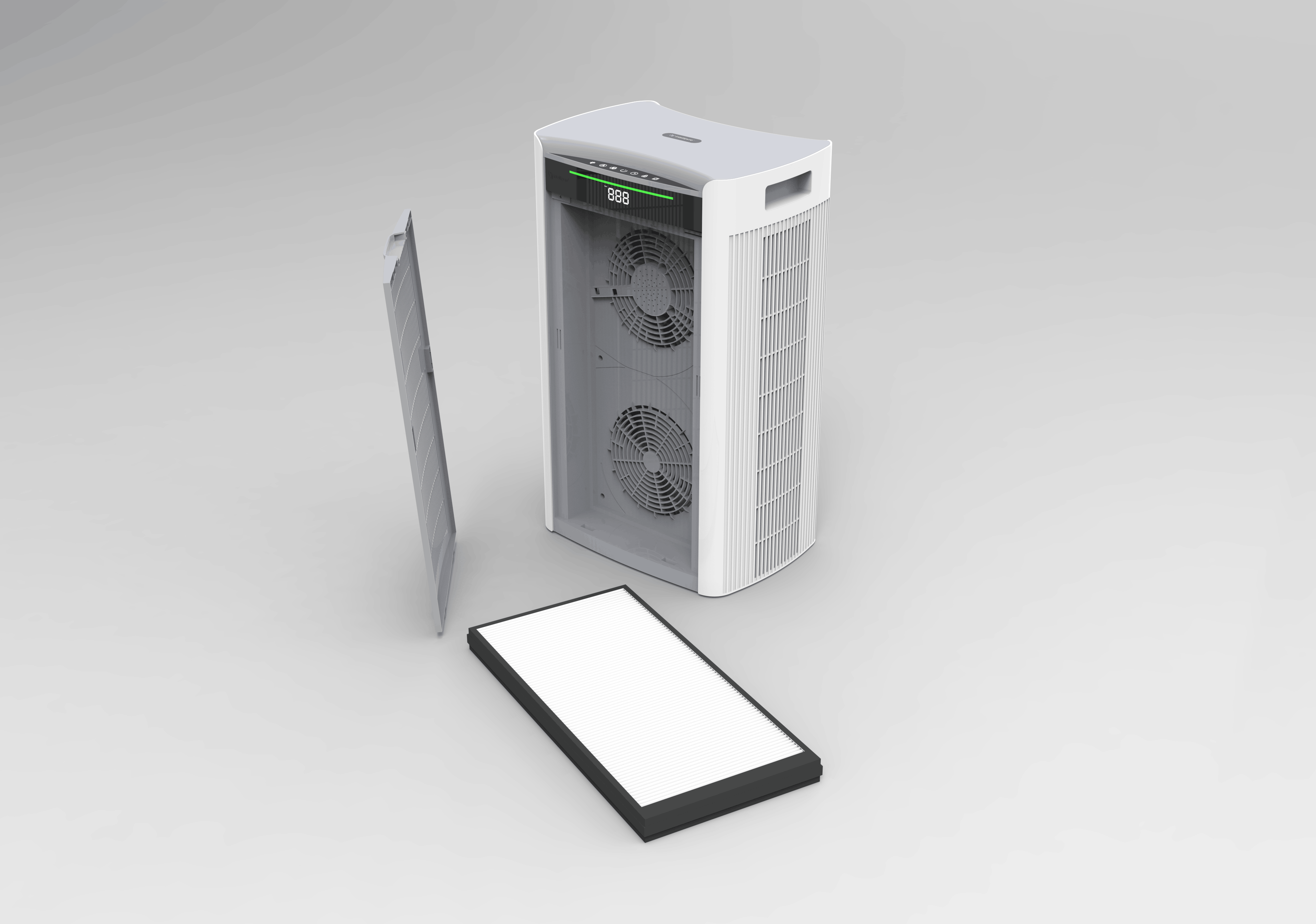
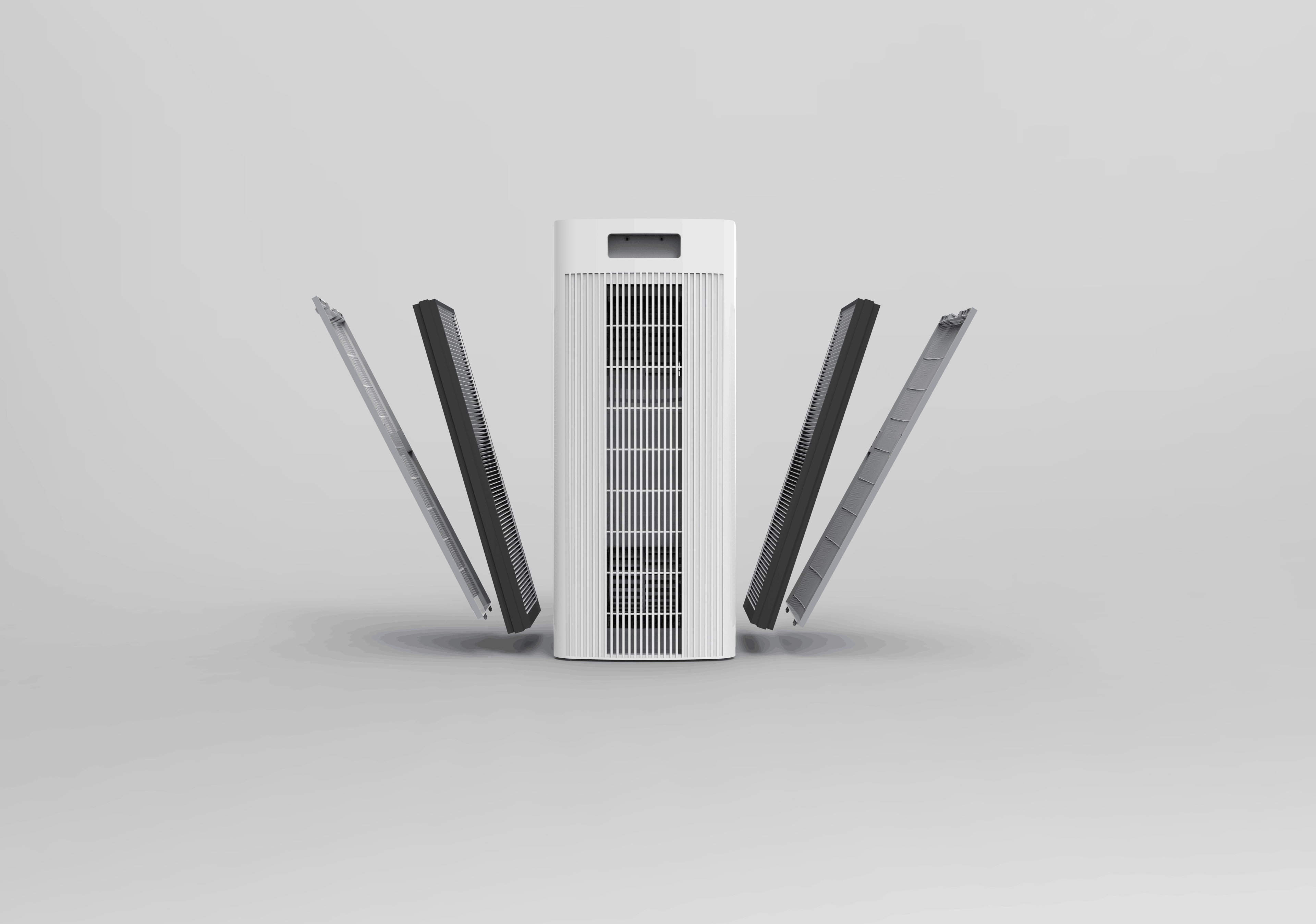
- Run an air purifier. According to the EPA, HEPA filters can theoretically remove at least 99.97% of airborne particles at 0.3 microns, including dust, pollen, and dander [6].
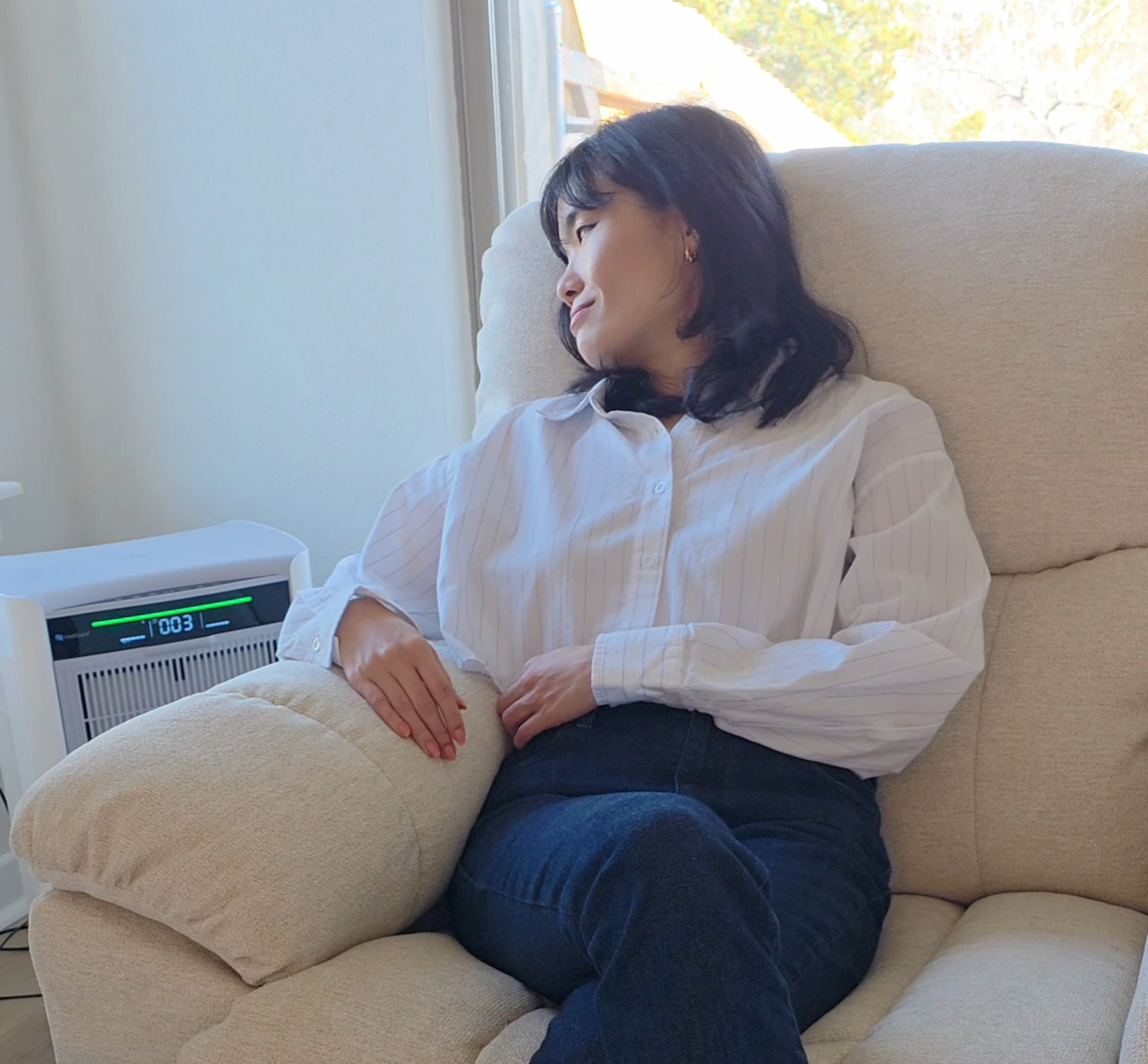
One thing to keep in mind: relying solely on your HVAC filter may not be enough during spring, because pleasant weather means you're running your heating and cooling less often. When the system isn't cycling air, that filter isn't filtering. That's why a standalone air purifier can be such a valuable addition to your allergen-fighting team.
Mold Is Back (Well, It Never Really Left)
Mold spores are a year-round presence, but their activity level changes dramatically with the seasons. During winter, cold temperatures and dry air slow mold growth significantly, with most species becoming dormant below about 40°F. But mold doesn't die in the cold; it just waits.
As spring arrives with warmer temperatures and rising humidity, mold growth picks back up. If you live in the Southeast, where temperatures are already climbing into the high 80s with plenty of moisture, conditions are ideal for mold to thrive. The EPA recommends keeping indoor humidity below 60%, ideally between 30% and 50%, to help prevent mold growth [7].
Spring cleaning is a great opportunity to get into those deep recesses in the basement and attic where mold likes to take hold. But here's the catch: disturbing mold during cleanup can send spores into the air. The EPA warns that remediation activities should be conducted carefully to prevent mold spores from being dispersed throughout indoor spaces where they can be inhaled [8].
Common mold allergy symptoms include sneezing, nasal congestion, and sinus headaches. The ACAAI notes that mold is among the allergens that can trigger headaches even without other allergy symptoms [9]. And unlike some allergens that trigger immediate reactions, mold exposure can cause both immediate and delayed responses. Research has documented that mold allergens can induce late-phase reactions involving inflammatory cell infiltration, meaning symptoms may not appear right away [10].
To help keep mold spore allergies at bay:
- Dry out damp areas. Fix leaks, improve drainage, and use dehumidifiers in moisture-prone spaces like basements.
- Clean carefully. When tackling mold in enclosed areas, wear a mask and ventilate the space.
- Use an air purifier. HEPA filtration can help capture airborne mold spores. According to the EPA, HEPA filters can theoretically remove at least 99.97% of airborne particles with a size of 0.3 microns, including mold spores, pollen, and dust [6].
Your Clean Air Game Plan
While the only way to control outdoor pollen is a good rainstorm, indoors it's a different story. The EPA has found that indoor levels of some pollutants may be two to five times higher than outdoor levels [11]. That means your home, the place where you spend most of your time, deserves attention when it comes to air quality.
The good news? You have options.
Between pollen, pet dander, and mold spores, spring gives your indoor air a lot to deal with.
References
- Asthma and Allergy Foundation of America. Tree pollen: spring's first allergy offender [Internet]. Arlington (VA): AAFA; 2025 [cited 2026 Feb 13].
- Climate Central. Warming climate, more pollen, worse allergies [Internet]. Princeton (NJ): Climate Central; 2024 [cited 2026 Feb 13].
- LoF, BitzCM, BattistiDS, HessJJ. Pollen calendars and maps of allergenic pollen in North America. Aerobiologia. 2019;35(4):613-633. doi:10.1007/s10453-019-09601-2.
- American Lung Association. Pet dander [Internet]. Chicago (IL): American Lung Association; 2025 [cited 2026 Feb 13].
- HodsonT, CustovicA, SimpsonA, ChapmanM, WoodcockA, GreenR. Washing the dog reduces dog allergen levels, but the dog needs to be washed twice a week. J Allergy Clin Immunol. 1999;103(4):581-585. doi:10.1016/s0091-6749(99)70227-7.
- United States Environmental Protection Agency. What is a HEPA filter? [Internet]. Washington (DC): EPA; 2026 [cited 2026 Feb 13].
- United States Environmental Protection Agency. A brief guide to mold, moisture, and your home [Internet]. Washington (DC): EPA; 2024 [cited 2026 Feb 13].
- United States Environmental Protection Agency. Mold remediation in schools and commercial buildings [Internet]. Washington (DC): EPA; 2024 [cited 2026 Feb 13].
- American College of Allergy, Asthma and Immunology. Allergy headaches [Internet]. Arlington Heights (IL): ACAAI; 2024 [cited 2026 Feb 13].
- TwarochTE, CurinM, ValentaR, SwobodaI. Mold allergens in respiratory allergy: from structure to therapy. Allergy Asthma Immunol Res. 2015;7(3):205-220.
- United States Environmental Protection Agency. Volatile organic compounds' impact on indoor air quality [Internet]. Washington (DC): EPA; 2025 [cited 2026 Feb 13].




How to Improve Indoor Air Quality in Restaurants
September Air Quality and Allergen Report: What's in the Air This Fall