


Summary
A growing body of research links long-term exposure to fine particulate matter and ultrafine particles to accelerated cognitive aging and increased dementia risk. Here's what you need to know about protecting your brain health through cleaner indoor air.
In This Article
The Invisible Threat You're Breathing
When we talk about air pollution, most people picture smoggy highways or factory smokestacks. But here's what might surprise you: the air inside your home can contain pollutant concentrations two to five times higher than what's outside [1]. And some of the smallest particles floating in that air may be affecting more than just your lungs.
Recent research is painting a concerning picture about the connection between airborne particles and brain health. Scientists are finding that long-term exposure to fine and ultrafine particles may contribute to cognitive decline, accelerated brain aging, and increased risk of neurodegenerative diseases [2]. That's a big deal, especially considering Americans spend roughly 90 percent of their time indoors [1].
Let's break down what we know, what the science says, and what you can do about it.
What Are Ultrafine Particles?
You've probably heard of PM2.5, or fine particulate matter, which refers to particles 2.5 microns or smaller in diameter. But there's an even tinier category that researchers are increasingly focused on: ultrafine particles (UFPs), generally classified as particles less than 0.1 micrometers in diameter [3]. To put that in perspective, these particles are so small that hundreds of them could fit across the width of a single human hair.
What makes ultrafine particles especially concerning is their size. Because they're so tiny, they can penetrate deep into the lungs and even enter the bloodstream. The World Health Organization notes that fine particulate matter can penetrate through the lungs and enter the body via the blood stream, affecting all major organs [4].
How Air Pollution Affects the Body
The health effects of particulate matter exposure are well documented. The International Agency for Research on Cancer (IARC), the specialized cancer agency of the WHO, classified outdoor air pollution as carcinogenic to humans (Group 1) in 2013 [5]. According to the EPA, exposure to elevated concentrations of PM2.5 can trigger cardiovascular disease-related events, including heart attacks and stroke [6]. Longer-term exposure has been linked to increased risk of cardiovascular mortality and decreased life expectancy [6].
The EPA also notes that long-term exposure to indoor air pollutants can contribute to respiratory diseases, heart disease, and cancer [7]. Older adults and people with preexisting cardiovascular conditions face heightened sensitivity to these effects [6].
The Brain Connection: Air Pollution and Cognitive Decline
Here's where things get particularly interesting for us air nerds. A growing number of studies suggest that the damage doesn't stop at the heart and lungs. Airborne particles, especially ultrafine particles from combustion sources, may also affect the brain.
A 2022 review published in Environmental Science & Technology examined how combustion-derived nanoparticles reach the brain. The researchers documented that nanoparticles had been found in critical brain organelles during autopsies of children and young adults from highly polluted areas, and that young residents of Mexico City showed cognitive deficits alongside documented Alzheimer's and Parkinson's disease pathology [2]. The findings suggest a potential link between chronic air pollution exposure and the early stages of neurodegenerative disease.
Another landmark study, published in the Proceedings of the National Academy of Sciences in 2022, analyzed data from older women, assessing air quality changes over the preceding decade and tracking health outcomes for a median of about six years. The researchers found that women who experienced improvements in air quality (specifically, reductions in PM2.5 and nitrogen dioxide levels) had a lower risk of dementia [8]. This was an encouraging finding because it suggests that reducing air pollution exposure may actually help protect cognitive health.
Alzheimer's Disease by the Numbers
Why does this matter so much? Consider the scale of the problem. According to the Alzheimer's Association, an estimated 7.2 million Americans age 65 and older currently live with Alzheimer's dementia [9]. Without medical breakthroughs to prevent or cure the disease, that number could grow to a projected 12.7 million by 2050 [9].
Alzheimer's is a progressive, irreversible brain disorder that gradually destroys memory and cognitive function [10]. It was the sixth-leading cause of death among Americans age 65 and older in 2022 [9], and the total cost of care for people with dementia is estimated at $384 billion in 2025 alone [9].
While air pollution is just one of many factors that may influence dementia risk, the emerging research adds another compelling reason to take the quality of the air you breathe seriously.
What You Can Do About It
You can't single-handedly control outdoor air quality, but you absolutely have a say in what you breathe indoors. Here are practical steps to help reduce your exposure:
- Manage your indoor air quality. Since we spend most of our time inside, focusing on indoor air quality is one of the most impactful things you can do. Reduce sources of indoor pollution like tobacco smoke, strong cleaning chemicals, and poorly ventilated cooking fumes.
- Ventilate wisely. Open windows when outdoor air quality is good to flush out stale indoor air. On high-pollution days, keep windows closed and rely on filtration instead.
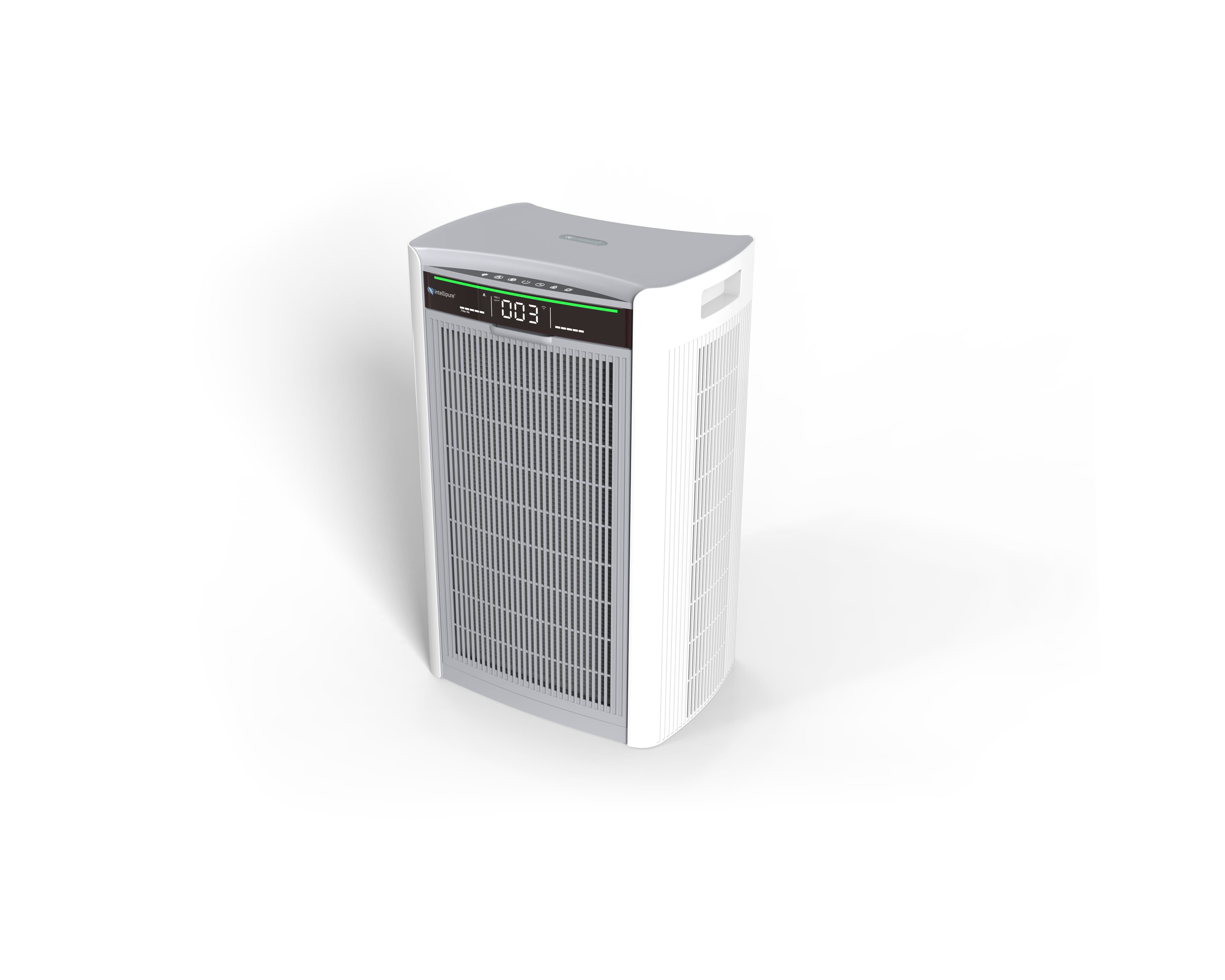
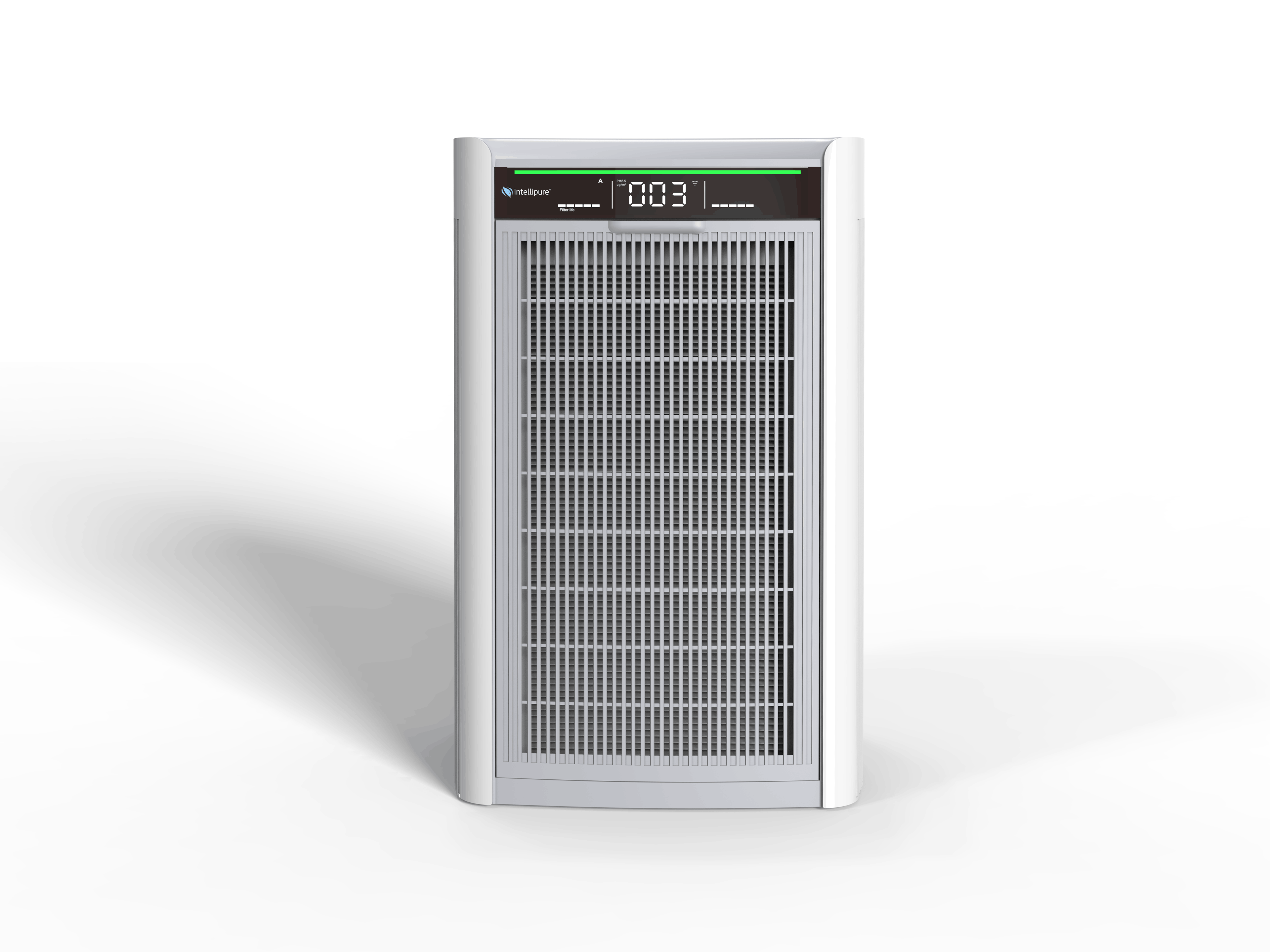
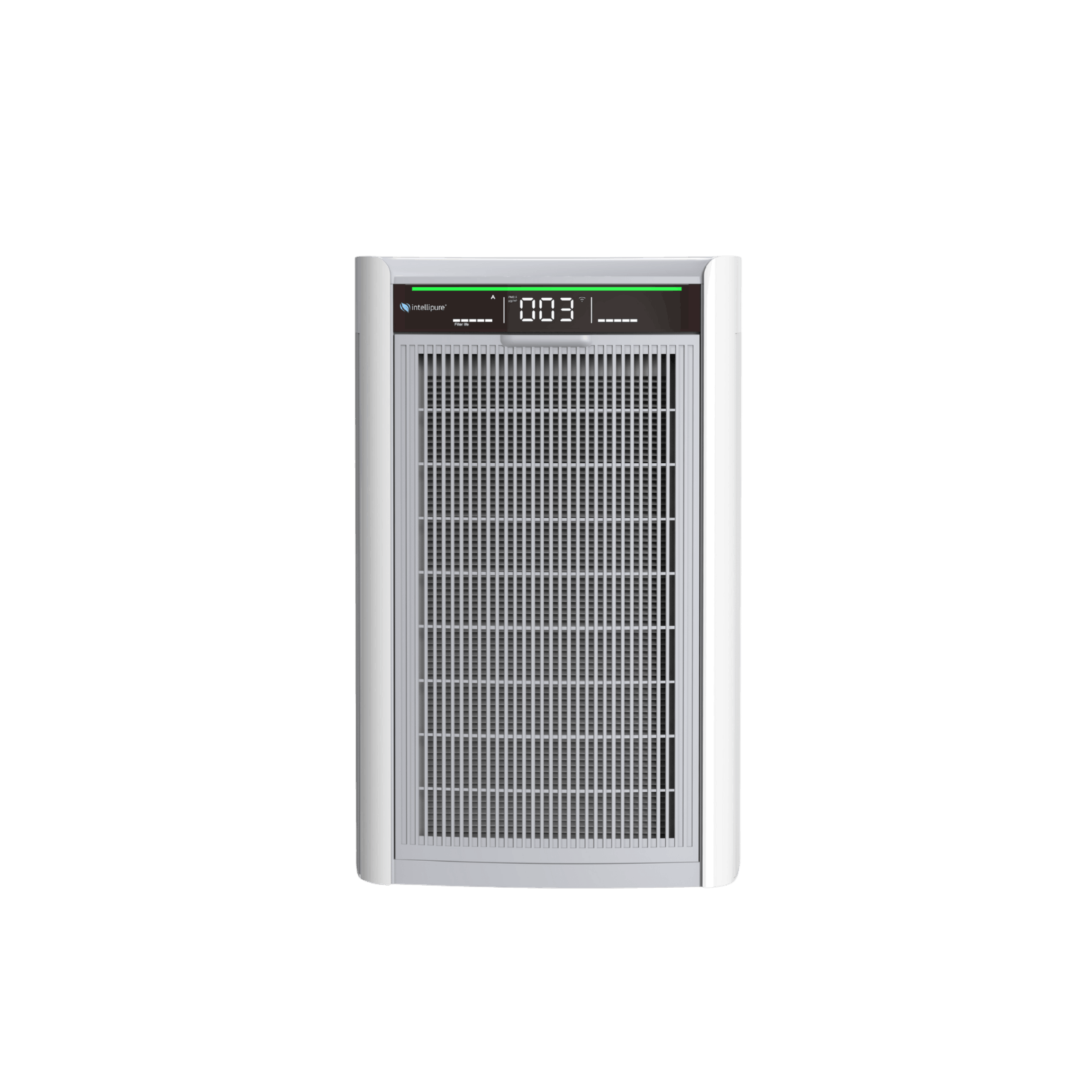
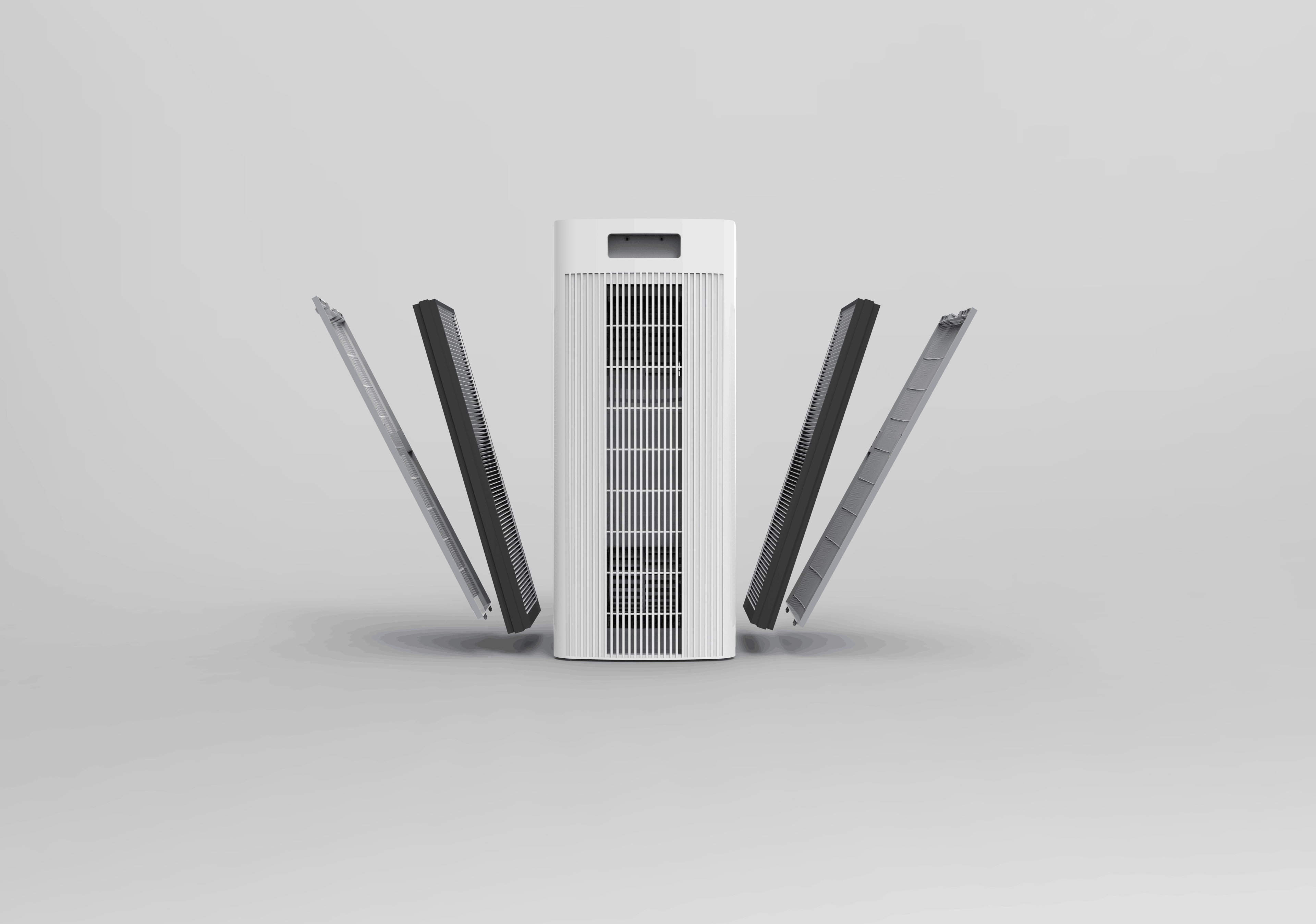
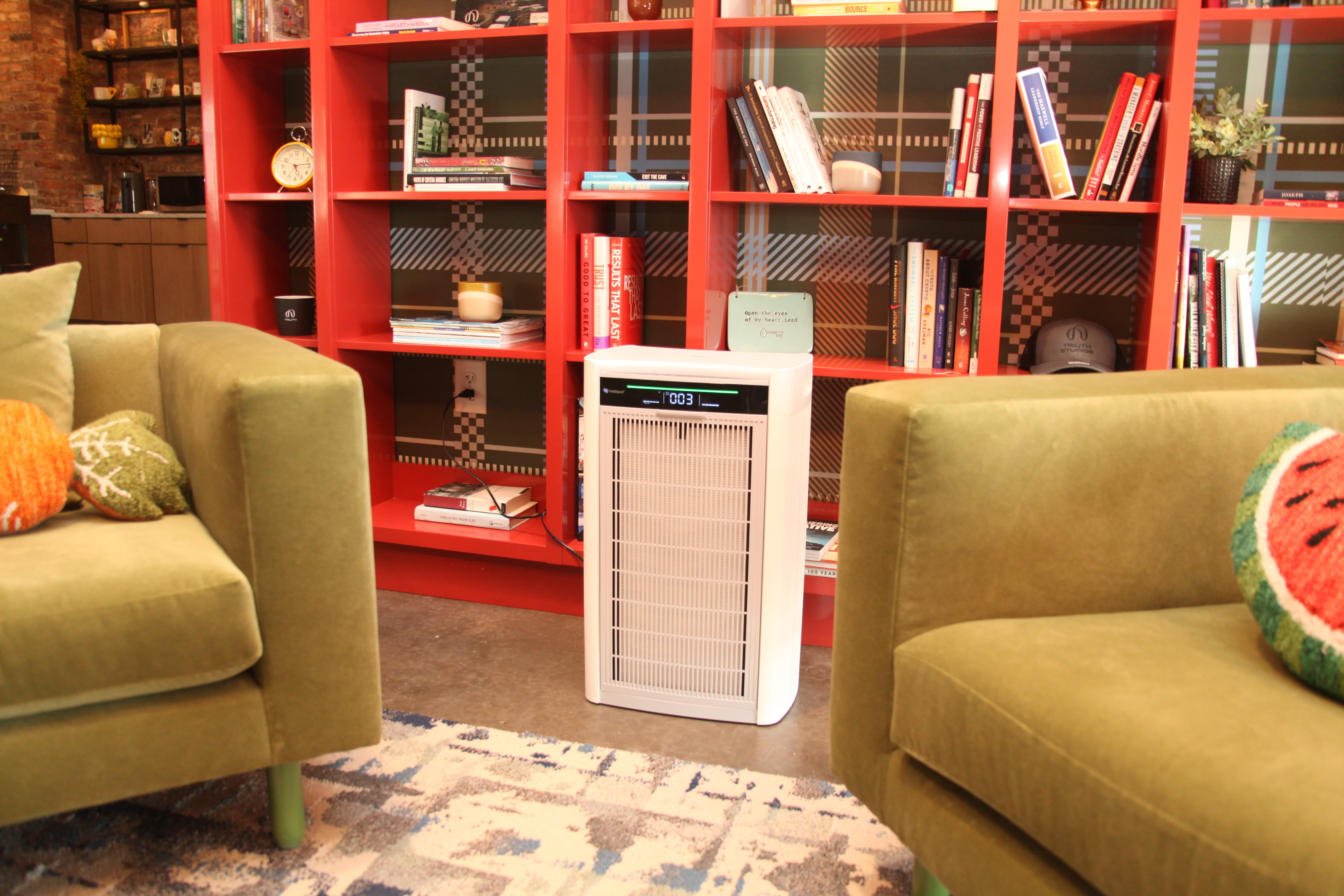
- Invest in effective air purification. An air purifier with advanced HEPA filtration can help capture fine particles, allergens, pet dander, mold spores, and other airborne contaminants.
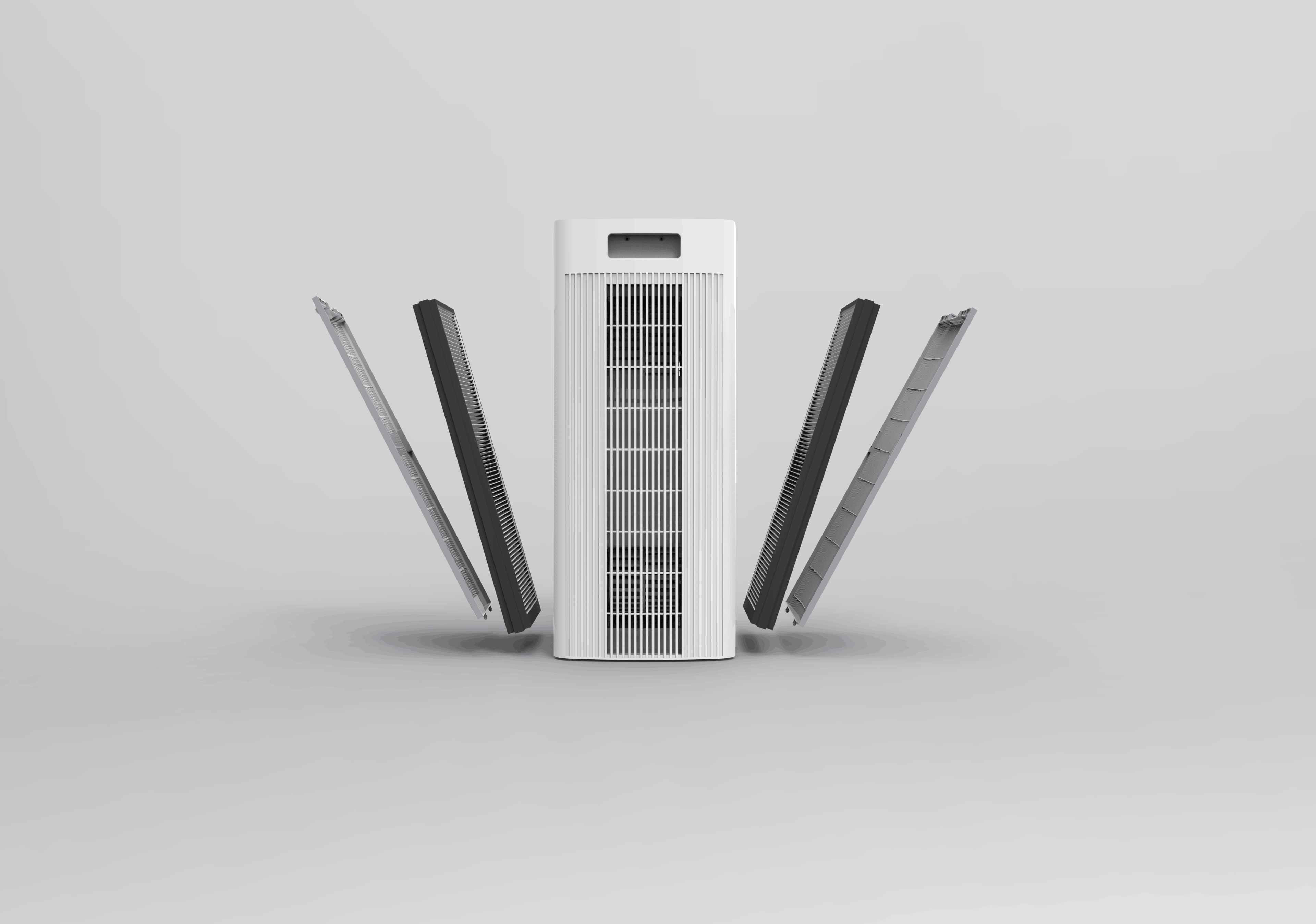
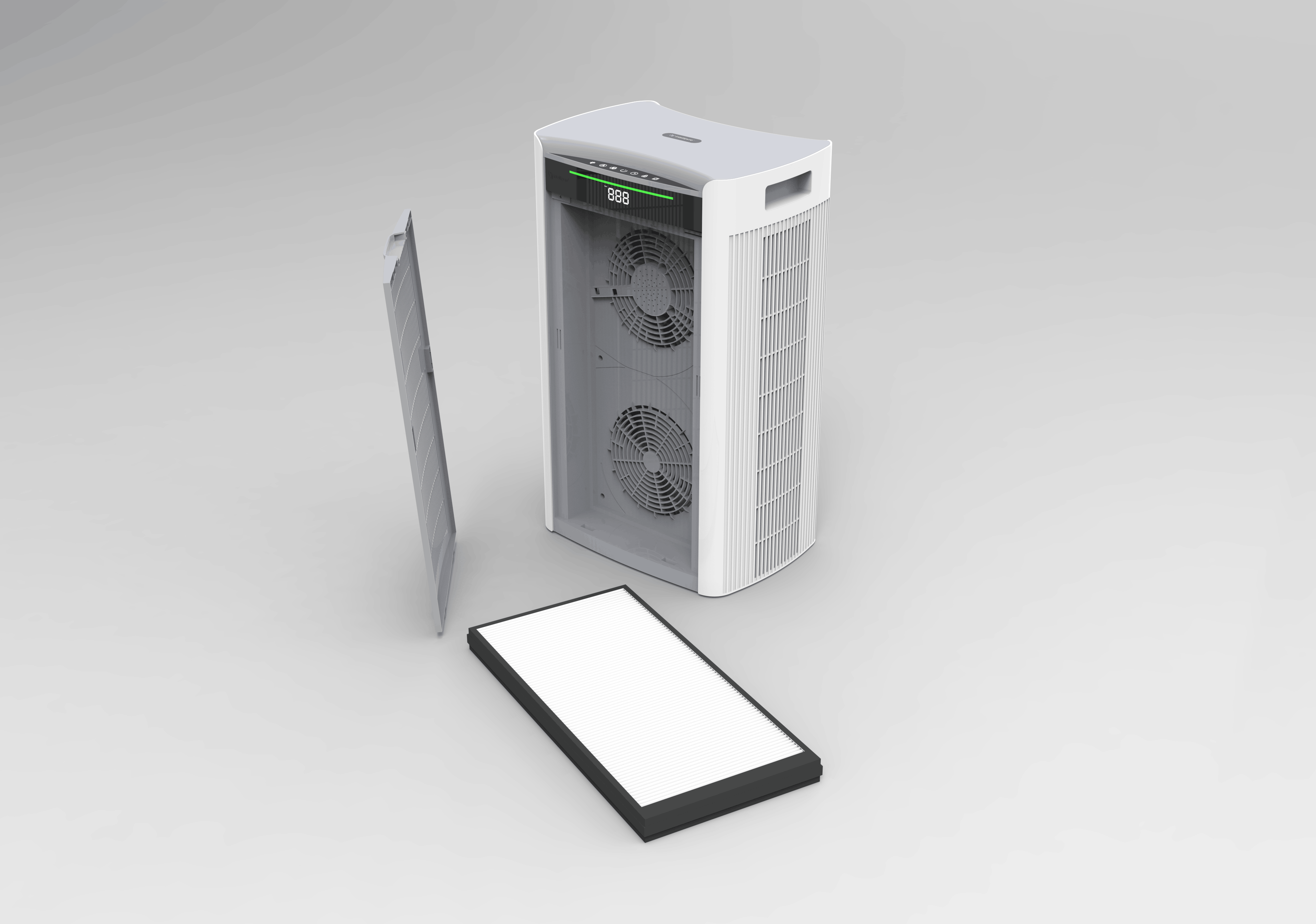
- Keep up with filter maintenance. Even the best air purifier loses effectiveness with a dirty filter. Replacing your filters on schedule helps ensure consistent performance.
Protecting your brain health is a long game. While researchers continue to study the relationship between air pollution and cognitive aging, one thing is clear: cleaner air is better for your body and your mind. Taking steps to improve your indoor air quality today is an investment in your well-being for years to come.
References
- United States Environmental Protection Agency. Indoor air quality [Internet]. Washington (DC): EPA; 2025 [cited 2026 Feb 13]..
- Calderón-GarcidueñasL, AyalaA. Air pollution, ultrafine particles, and your brain: are combustion nanoparticle emissions and engineered nanoparticles causing preventable fatal neurodegenerative diseases and common neuropsychiatric outcomes? Environ Sci Technol. 2022;56(11):6847-6856. doi:10.1021/acs.est.1c04706..
- United States Environmental Protection Agency. What is particle pollution? [Internet]. Washington (DC): EPA; 2024 [cited 2026 Feb 13]..
- World Health Organization. What are the WHO air quality guidelines? [Internet]. Geneva: WHO; 2021 [cited 2026 Feb 13]..
- International Agency for Research on Cancer. IARC: outdoor air pollution a leading environmental cause of cancer deaths [Internet]. Lyon: IARC/WHO; 2013 [cited 2026 Feb 13]..
- United States Environmental Protection Agency. Air pollution and cardiovascular disease basics [Internet]. Washington (DC): EPA; 2025 [cited 2026 Feb 13]..
- United States Environmental Protection Agency. Introduction to indoor air quality [Internet]. Washington (DC): EPA; 2025 [cited 2026 Feb 13]..
- WangX, YounanD, MillsteinJ, et al. Association of improved air quality with lower dementia risk in older women. Proc Natl Acad Sci U S A. 2022;119(2):e2107833119. doi:10.1073/pnas.2107833119..
- Alzheimer's Association. 2025 Alzheimer's disease facts and figures. Alzheimers Dement. 2025;21(4):e70235. doi:10.1002/alz.70235..
- Centers for Disease Control and Prevention. About Alzheimer's disease [Internet]. Atlanta (GA): CDC; 2025 [cited 2026 Feb 13]..







September Air Quality and Allergen Report: What's in the Air This Fall
Mold in Your Home: Health Risks and What You Can Do About It