

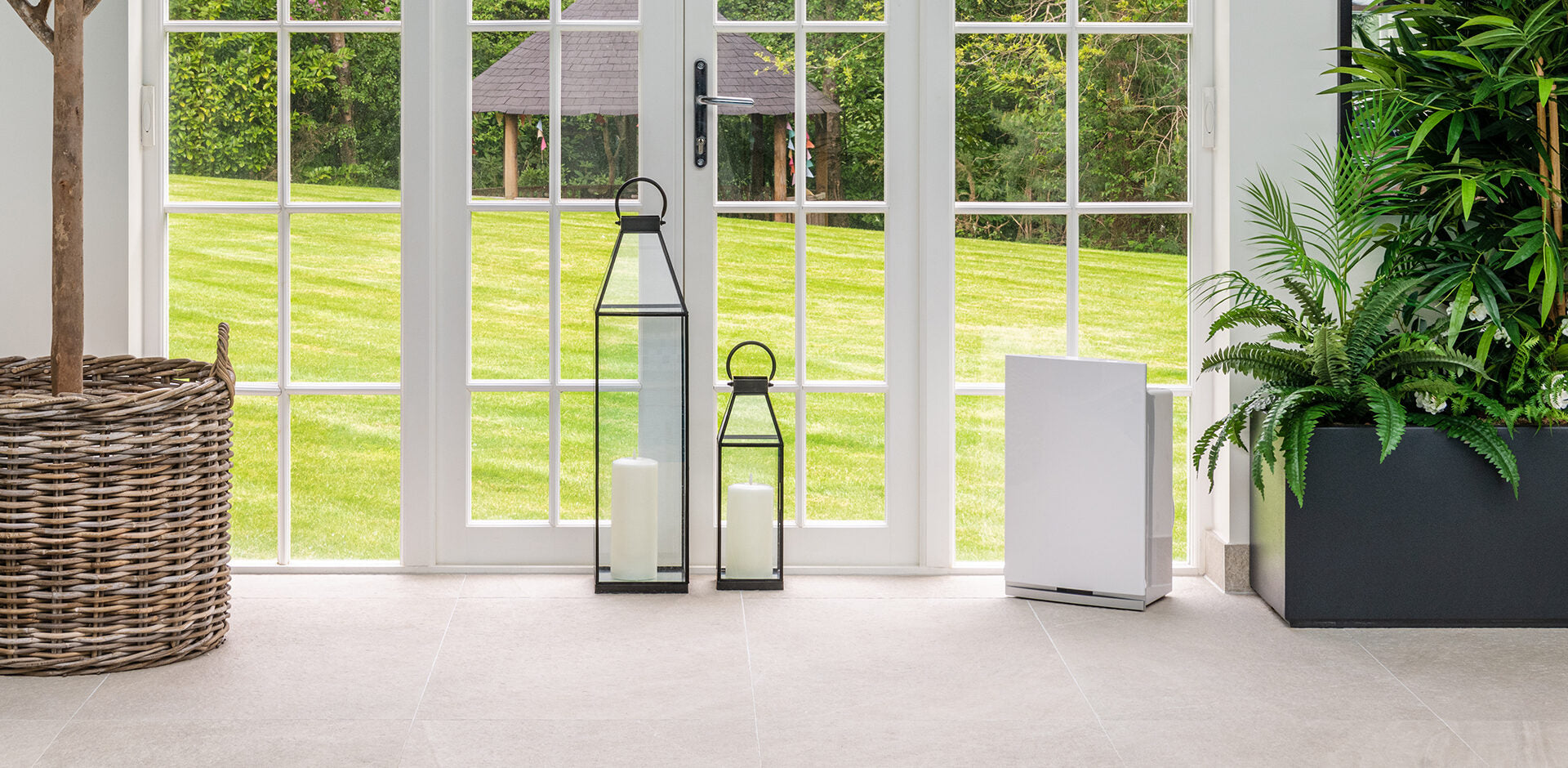
Understanding air quality is the first step in improving your home's indoor air. Air quality refers to the condition of the air surrounding us and is determined by the presence of both natural and human-made pollutants.
Natural sources include dust, pollen, volcanic emissions and wildfires, while human activities create artificial pollutants such as emissions from vehicles, industrial processes, power generation and the burning of fossil fuels. These pollutants include particulate matter, gases such as carbon monoxide and sulfur dioxide, volatile organic compounds (VOCs) and ozone.
These pollutants can have more than one negative impact. Poor air quality can have detrimental effects on human health, leading to respiratory problems, allergies, heart and lung diseases and even premature death. It also can harm ecosystems, reduce crop yields and contribute to climate change.
Our air quality is constantly changing based on pollution levels, wind patterns, the season and much more that is out of our control. What can you control? Your understanding of what air quality is and how you can make small changes to improve the safety of the air you breathe!
Taking action to improve indoor air quality also can have economic benefits. Improved air quality can reduce medical costs and increase productivity. Investing in air purification systems and regular maintenance can lead to long-term savings.
How is air quality affected during the summer?
Despite the beauty and fun of the season, there are several reasons why air quality can be affected during the summer months.
Increased Ozone Formation
Ozone pollution, also known as smog, tends to be more prevalent during the summer months. It forms when pollutants like nitrogen oxides and VOCs (Volatile Organic Compounds) react with sunlight. Higher temperatures and stronger sunlight during summer create favorable conditions for ozone formation. This can lead to poor air quality, especially in urban areas with high vehicle traffic and industrial activities.
More Particulate Matter
Summertime activities such as construction, road dust, and agricultural practices can contribute to higher levels of particulate matter in the air. Dust particles from dry soil, pollen, and wildfires can also be more abundant during this season. These particles can exacerbate respiratory issues and reduce air quality.
Burning Wildfires
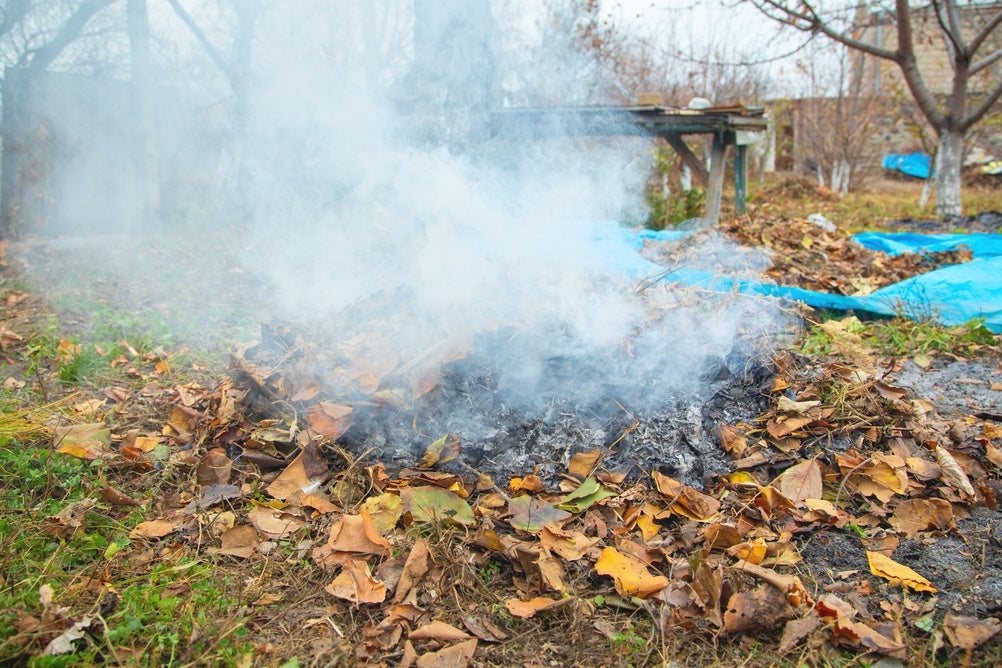
Wildfires are common in many regions during the summer, particularly in drier areas. These fires release significant amounts of smoke, which contains harmful pollutants like fine particulate matter and toxic gasses. The smoke can travel long distances, affecting air quality in nearby and faraway regions. Just because you can't see or smell wildfire smoke doesn't mean it can't affect your health.
Higher Energy Consumption
Higher temperatures mean the need for cooler air. We run our air conditioning more in the summer, which leads power plants and industrial facilities to operate at higher capacities. This results in increased emissions of pollutants that negatively impact air quality, especially in areas heavily reliant on fossil fuel-based energy production.
Stagnant Air Conditions
During the summer, weather patterns can lead to stagnant air conditions. Hot, stable air masses can trap pollutants closer to the ground, preventing their dispersion and dilution. This stagnant air can result in the accumulation of pollutants and worsen air quality, particularly in areas with high emissions and limited ventilation.

How can an air purifier help during the summer?
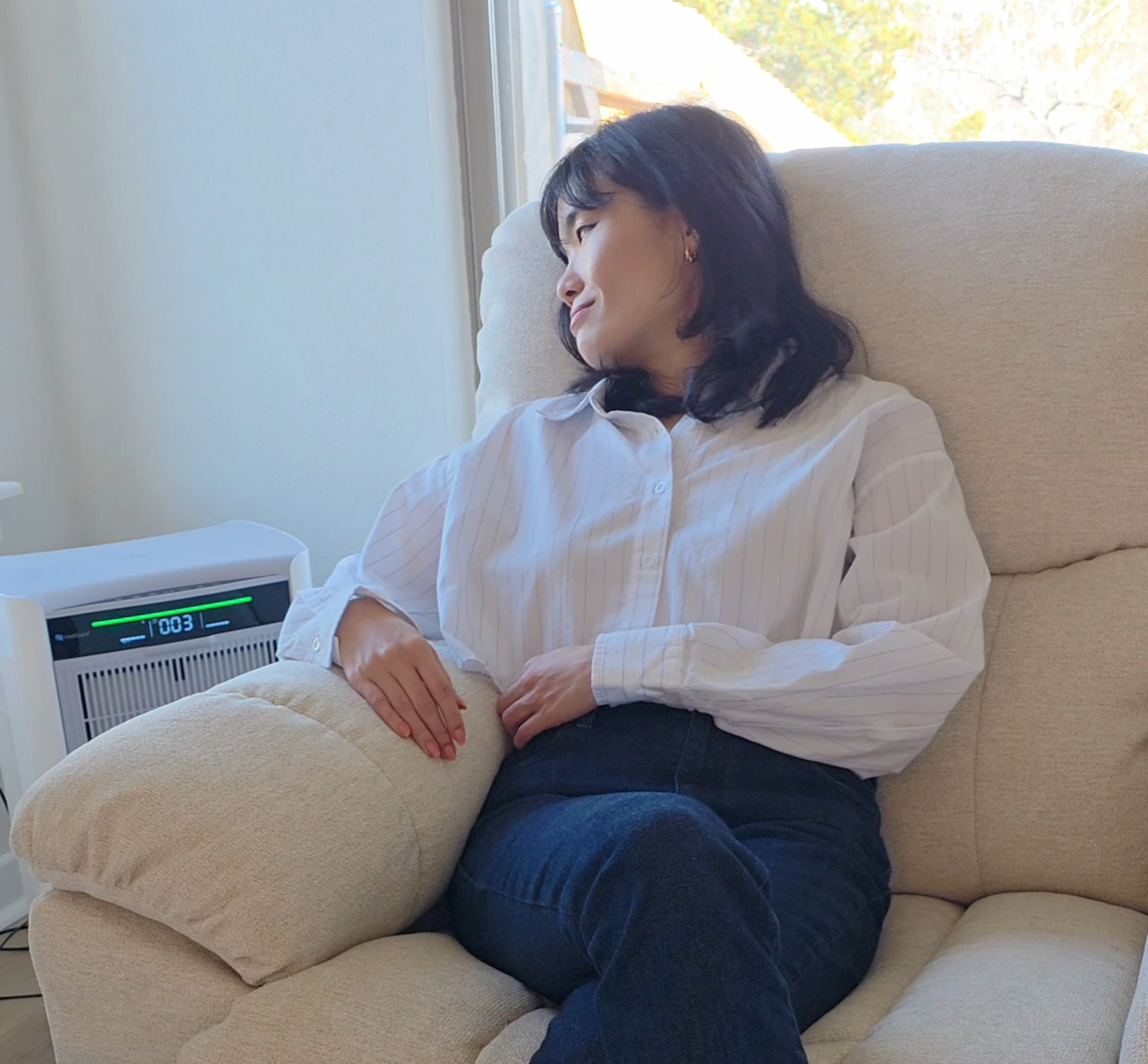
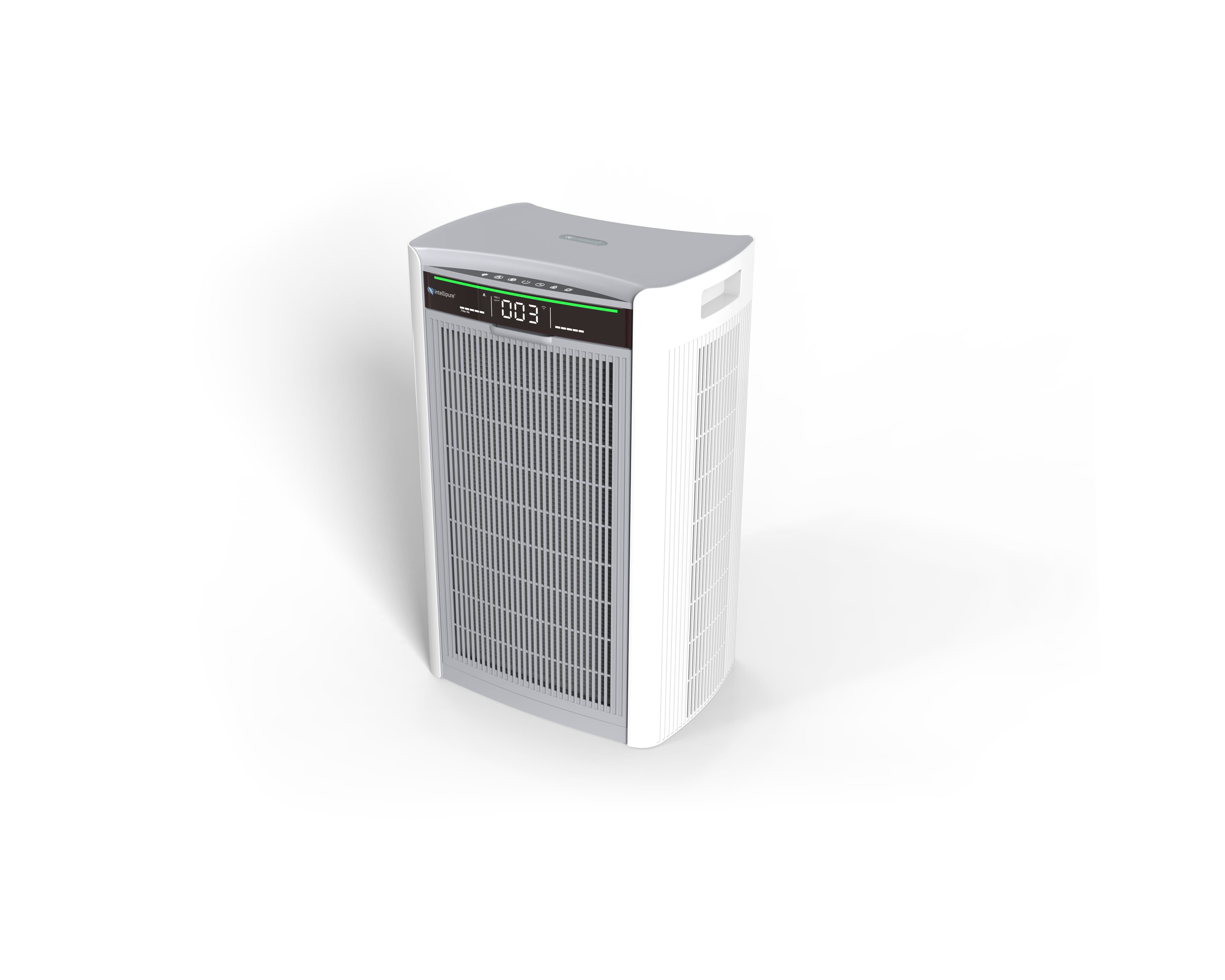
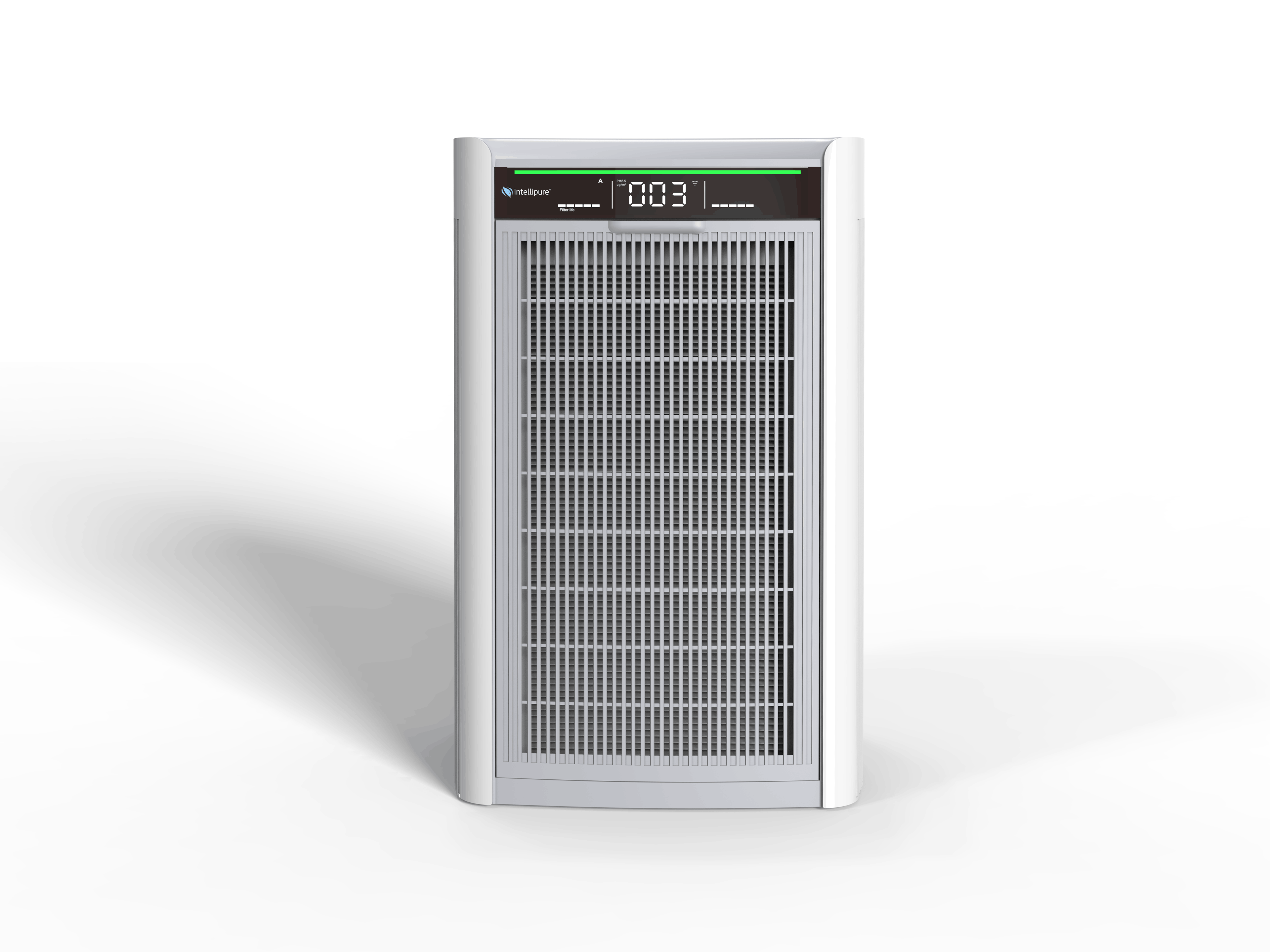
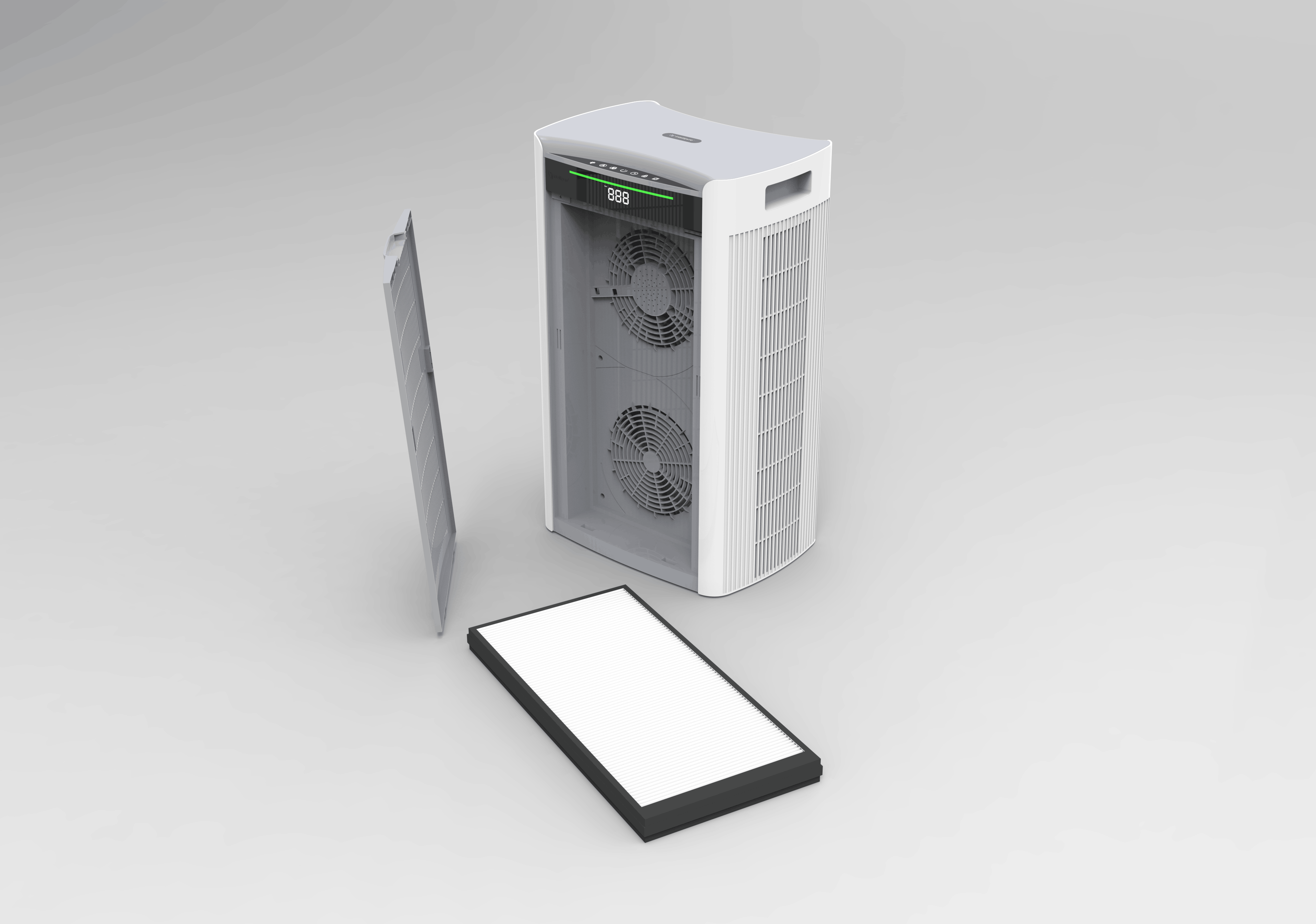
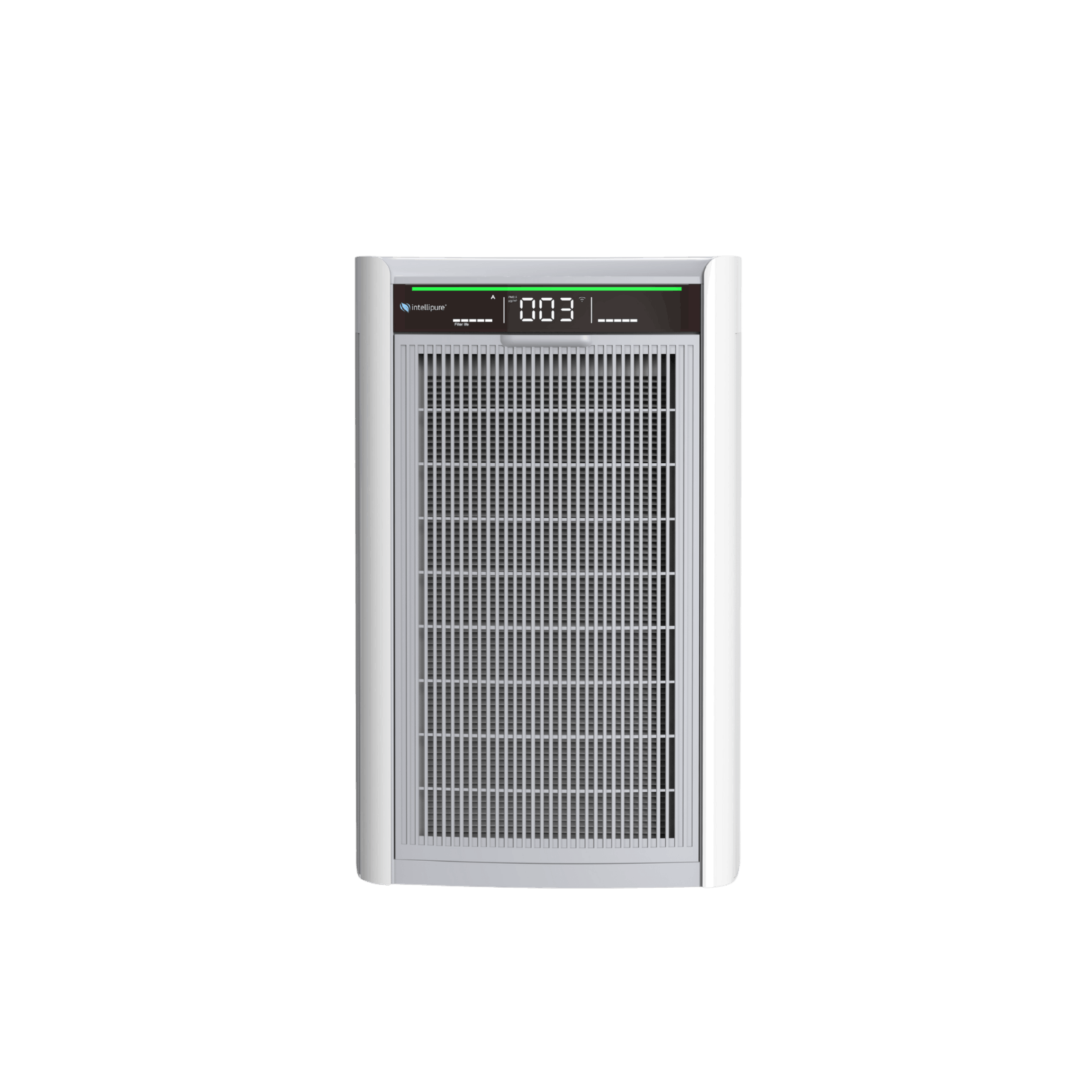
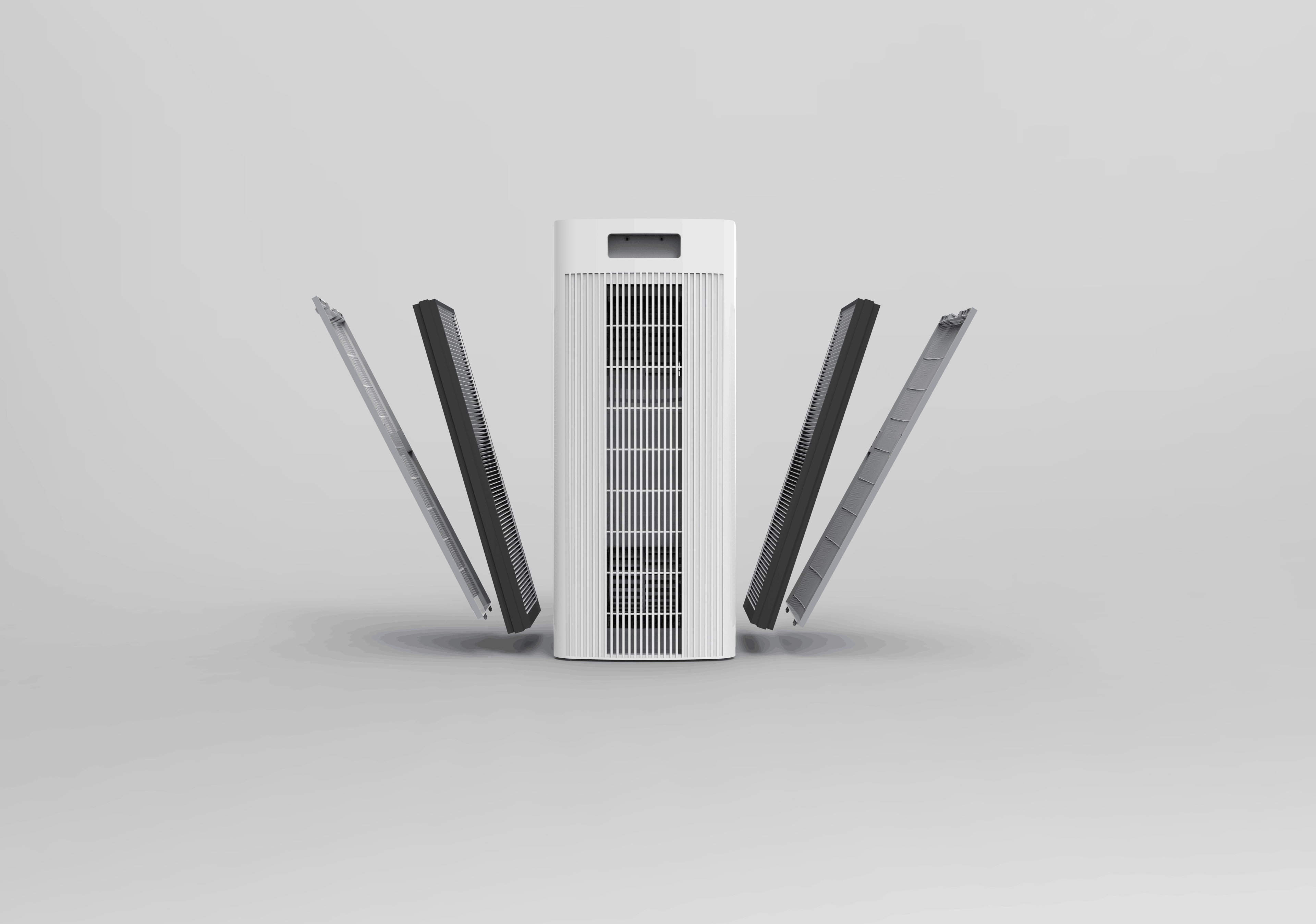
Understanding the importance of having an air purifier is crucial, especially since it's summer, and your air quality is suffering. However, with the help of a high-quality air purifier, you don't have to. Intellipure air purifiers are designed to remove harmful pollutants from the indoor air you breathe, so your indoor air quality will remain healthy, despite the poor air quality outdoors.
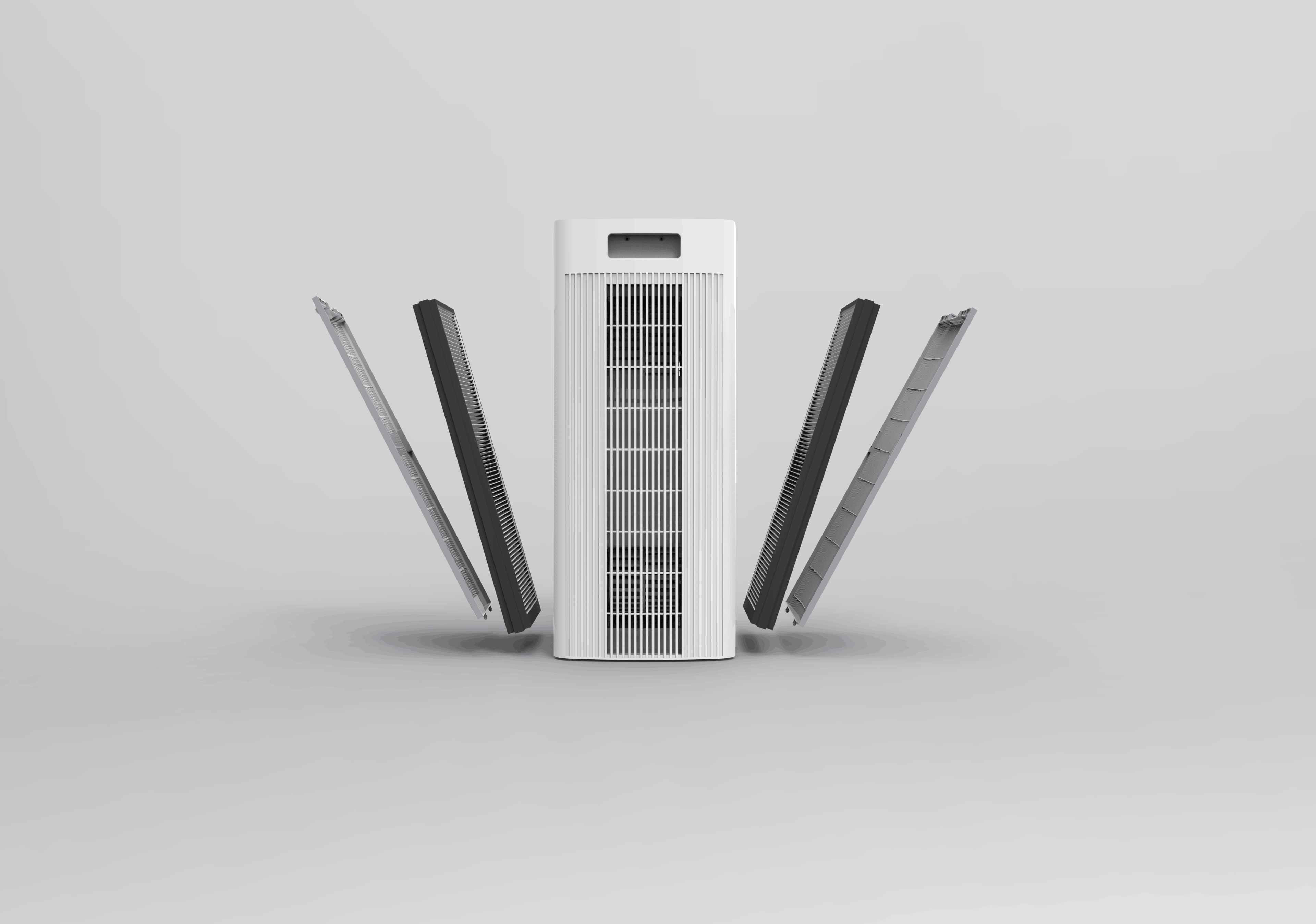
Summer often brings outdoor pollutants, such as pollen, dust, and allergens. An efficient air purifier can capture these particles, reducing their presence indoors and helping to alleviate allergies and respiratory issues. Plus, because these pollutants can cause a dirty and unpleasant scent in your home, by eliminating them, your home will smell fresh, too with the help of a VOC filter.
Running an air purifier in your home during the summer can help you keep your home environment healthy without worrying about what to keep in and out. There may be some cooler summer days when you want to open the windows, or a day when your kids are running in and out of your home. But, there will be hotter days when you keep the windows and doors shut to keep cool air inside. You can have the best of both and enjoy clean air with an air purifier.
By incorporating an air purifier into your summer home-prep routine, you can enjoy cleaner, fresher air and alleviate common summer-related concerns such as allergies, odors, and indoor pollutants. It's a valuable investment in your well-being and contributes to a more enjoyable indoor environment for you and your loved ones!
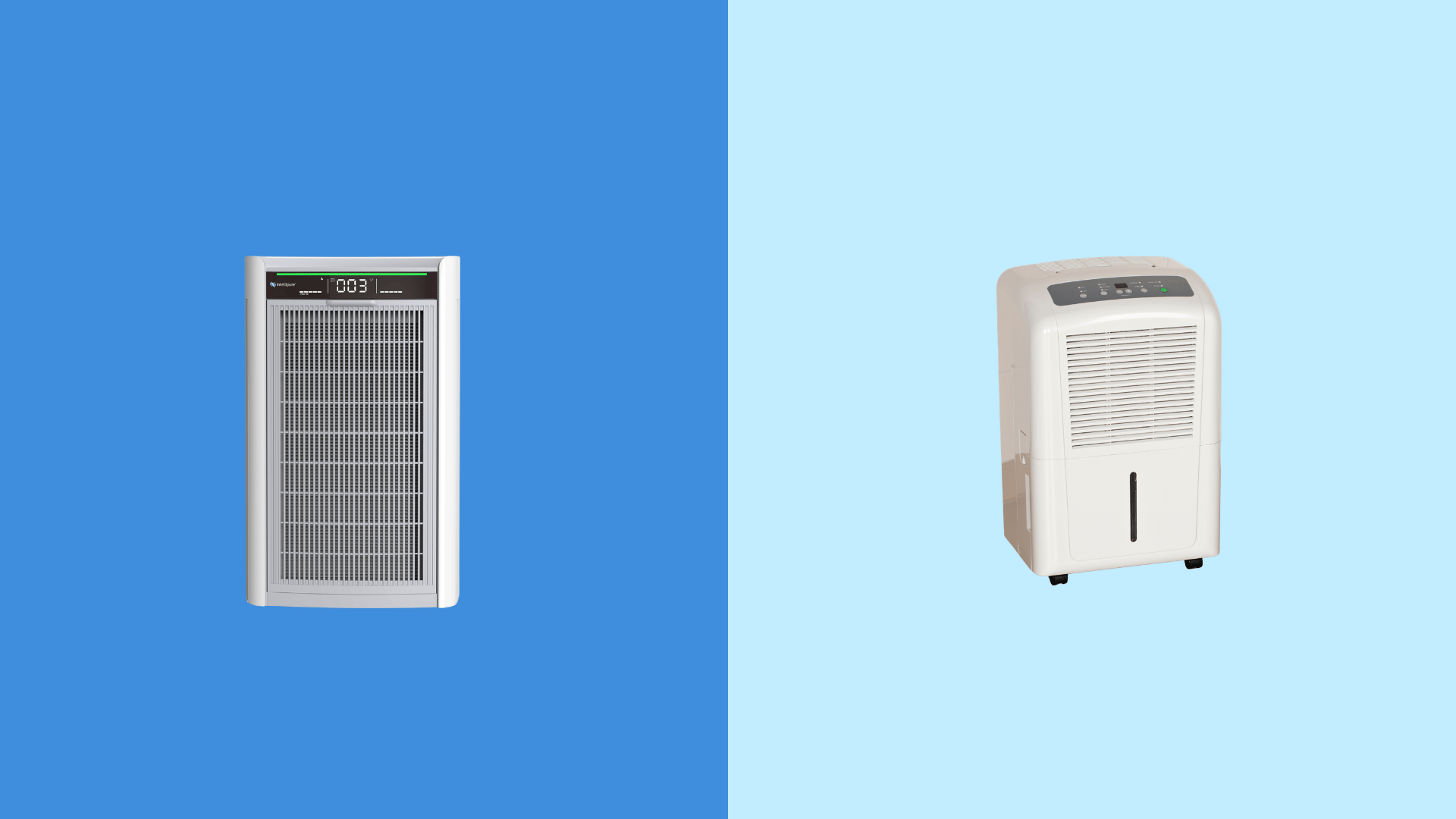
Don't I already have an air filter in my HVAC unit?
While it's true that the air filter in your HVAC system plays a role in cleaning the air inside your home, its primary function is actually to protect the internal components of the HVAC unit itself. By preventing dust, debris, and other particles from accumulating on sensitive parts like the fan, fan motor, and coils, the filter helps maintain the system's efficiency and prolong its lifespan. So it does remove some things from the air, but the HVAC filter is not replacement for a proper air purifier.
Breathing clean air all year round with Intellipure
We know how important it is to have a healthy home. That's why we're reimagining air purification technology - to make it easy to keep your space safe all year long.
Each air purification unit is thoroughly tested for total system efficiency to ensure you and your family breathe safe air in any room.
If you are ready to start your journey to clean and comfortable air, shop our air purifiers to find the right solution for your family. Or, contact one of our clean air specialists! We are here to help you take a deep breath of fresh air and live a happier and healthier life.






What are "Safe" Air Pollution Levels?
Why an Air Purifier Should Be on Your Back-to-School Shopping List