

Summary
This quick, seasonal IAQ refresher walks through five smart, manageable ways to freshen your indoor air, from dialing back fragrance overload to using ventilation, humidity control, and air purifiers more effectively. Small shifts, better air, no major lifestyle overhaul required.
In This Article
Love is in the air! But there's some other stuff floating around, too. So here's a seasonal IAQ tips roundup for anyone who wants their home to smell less like "mystery candle + yesterday's dinner" and more like… nothing at all (the goal).
If you've ever walked into your house and thought, "Why does it smell in here?"—you're not alone. Not unlike people, indoor air can sometimes hold onto a lot of baggage: VOCs (volatile organic compounds) from everyday products, lingering indoor odors from cooking and pets, and the general funk that shows up when we're buttoned up indoors.
Here's the not-so-great part: Many VOCs are often at higher levels indoors than outdoors. Sometimes by a lot. Unless they're paying bills, you should probably give them the boot.
While odor isn't necessarily the same thing as imminent bodily danger, some pollutants play the long game. (VOC exposure has been associated with a range of health effects.) Besides, the human nervous system doesn't really concern itself with semantics.
So this month, let's give your air a little attention with five smart moves that can make your space feel fresher, calmer, and easier to breathe in.
1) Do a quick VOC and odor audit
Start with the simplest question: What's adding stuff to your air?
VOCs come from a huge list of common household products: cleaners, paints, adhesives, fragrances, hobby supplies, and some furniture or building materials. [1] The sneakiest sources are things like wall plug-ins and candles. If the smell includes the words "fresh," "citrus," or "spring breeze," there's a decent chance the air is carrying extra chemistry along with the vibes. And really, what does a spring breeze smell like anyway?
Try this. (It'll take 10 minutes, max):
- Pick one "hot zone" (kitchen, bathroom, laundry area, the candle shelf).
- Remove or seal the biggest suspects (strong cleaners, air fresheners, solvent-based products).
- If you're buying replacements, look for low-VOC options when available.
Air Nerd note: Odors are often a signal that something is off (could be something like poor ventilation, moisture, or just heavy fragrance use), even when the source is "normal."
2) Ventilate like you mean it
Ventilation is one of the more underrated odor control strategies out there. Probably because it's not as glamorous as a $20 candle. But 2026 is the year of good air flow (we're making this a thing), so it's time to start taking ventilation seriously.
When you bring in fresh, high-quality outdoor air, you dilute indoor pollutants and help move lingering odors out. Bye, bye stink! The EPA consistently frames indoor air improvement around basics like managing sources and—you guessed it—ventilation. [1] And if you're doing anything that creates fumes (painting, using strong products), moving fresh air into stuffy, stinky spaces matters even more.
Need to vent? Here are some super simple air hacks you can DIY in seconds:
- Crack windows for short bursts when outdoor air quality is good.
- Use your kitchen exhaust fan while cooking (and a bit after).
- Run bathroom fans during showers and for 15–20 minutes afterward.
If it's a high-pollen month where you live, or if your local outdoor air isn't cooperating, you can still ventilate strategically (short bursts, off-peak times) and lean more on filtration—which brings us to…
3) Keep humidity in the "not musty, not desert" zone
Humidity is a balancing act. Too high and you can get that damp, musty smell. Too low and everything feels dry and irritated.
The EPA's consumer guidance commonly recommends keeping indoor humidity between 30% and 50%. [2] That range tends to feel comfortable, helps discourage moisture issues, and makes your home smell more like itself and less like a basement.
Show your air some love by:
- Running the bathroom fan every shower (yes, every time).
- Fixing small leaks before they turn into big smells.
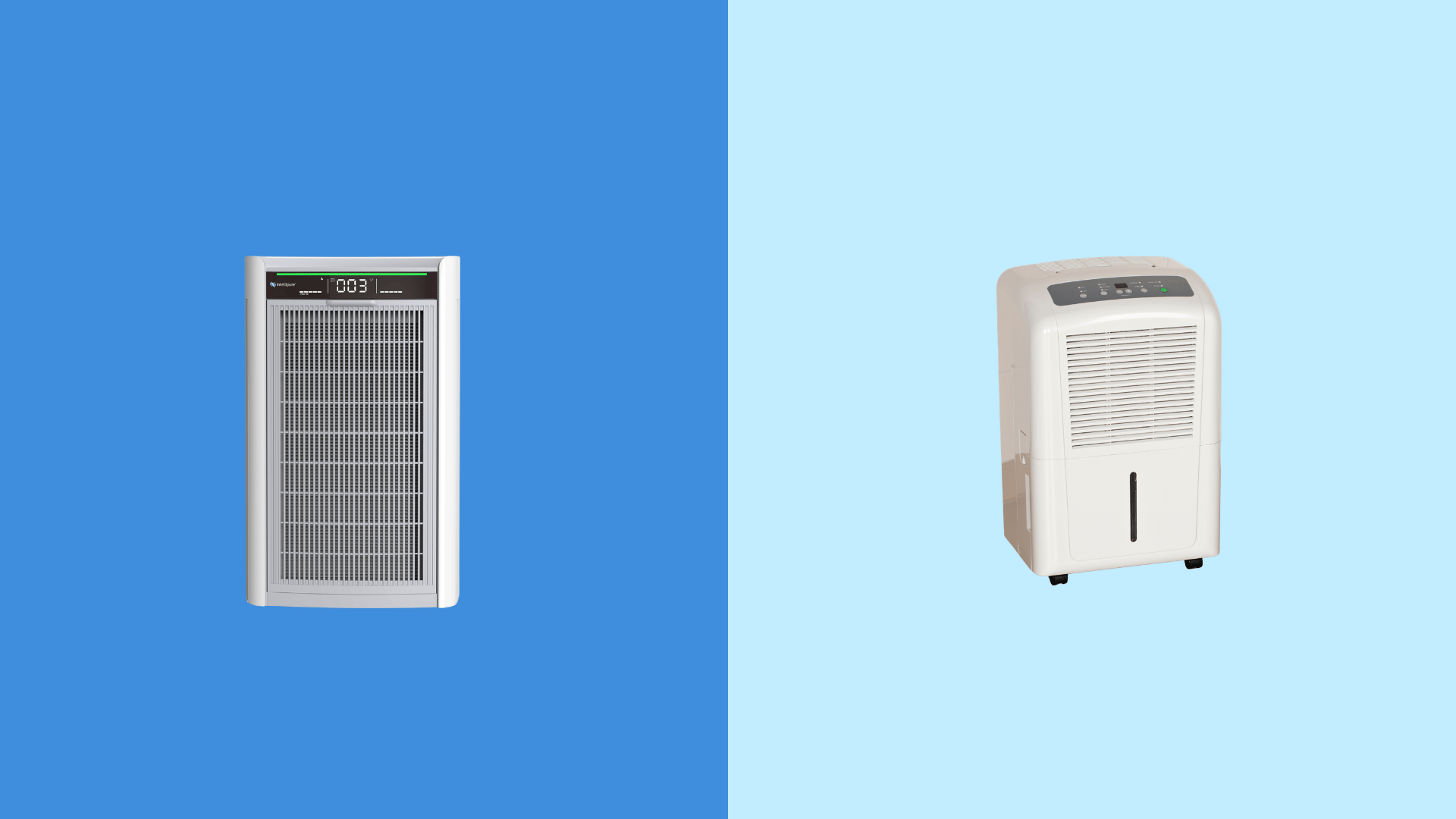
- Using a dehumidifier in chronically damp rooms.
Bonus tip: Grab a cheap hygrometer, a tool that measures humidity (you can find them online or at your local hardware store for as little as $10), and let the numbers talk.
4) Swap cover-up fragrances for actual cleanup
If we've said it once, we've said it a thousand times. Not every candle and spray is your friend. This is the part where we gently roast the flowery idea of that deceptive "clean" smell.
A lot of "fresh" products work by adding more scent to the air, not by removing what caused the stink in the first place. If you're trying to reduce indoor odors and VOC load, shifting away from constant fragrance is a surprisingly effective move—especially in bedrooms and small spaces.
Instead of masking odors:
- Take out trash and compost more often (tiny habit, huge impact).
- Wash soft goods that hold smells: throw blankets, pet bedding, bath mats.
- Clean the real odor sources: drains, garbage disposals, litter areas, damp towels.
This doesn't require a minimalist lifestyle or some major healthy habit overhaul. It just means your air doesn't have to carry five competing smells at all times.
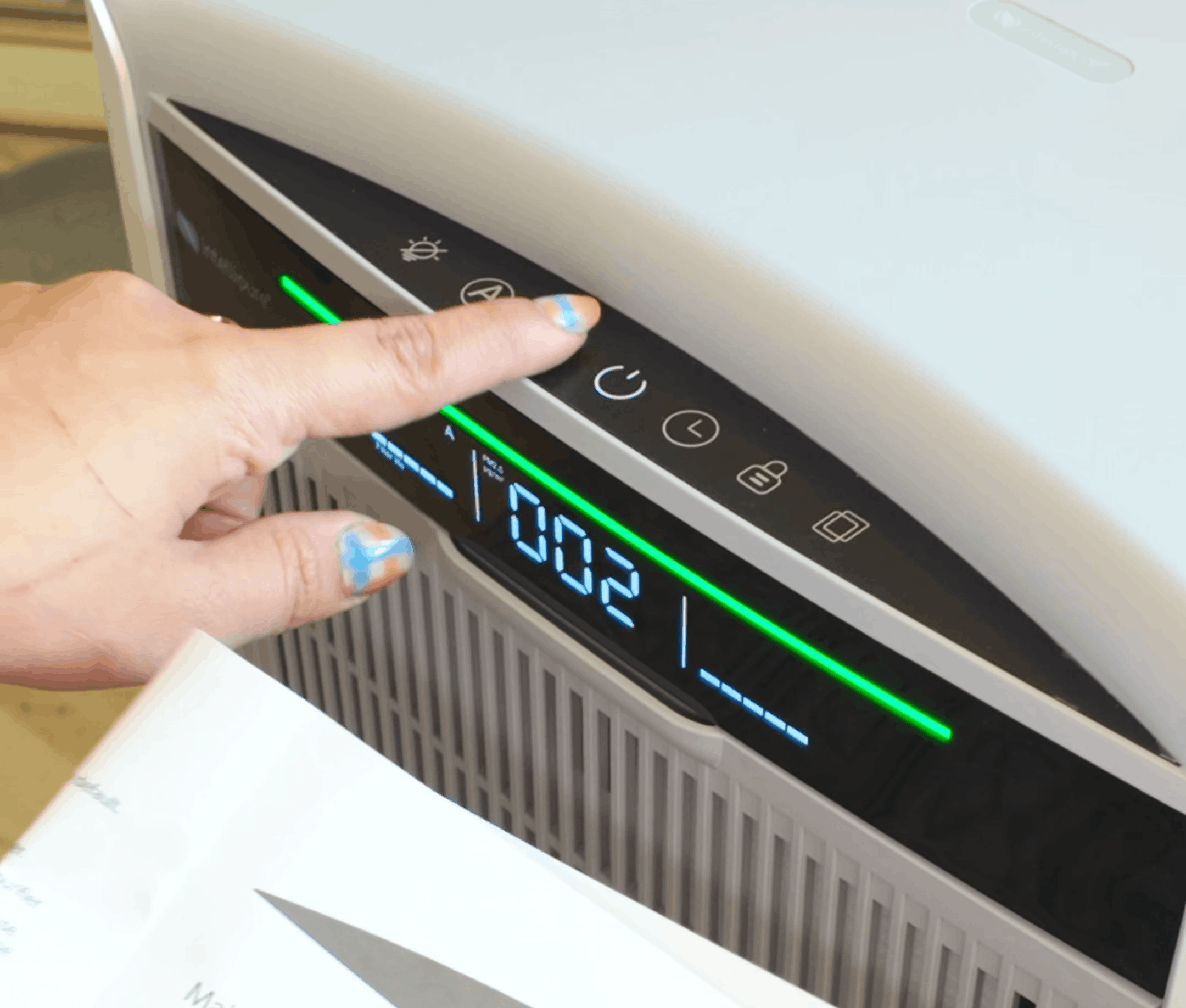
5) Use an air purifier for odors the right way
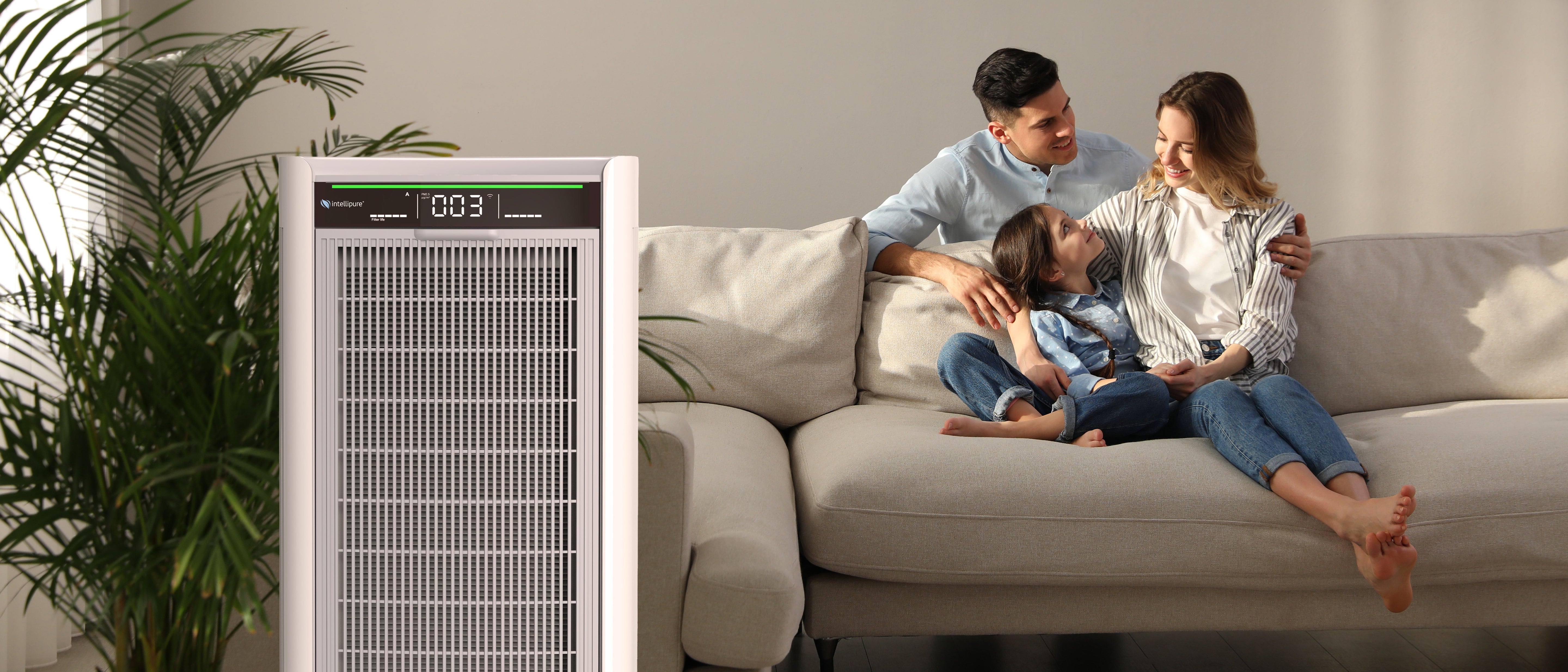
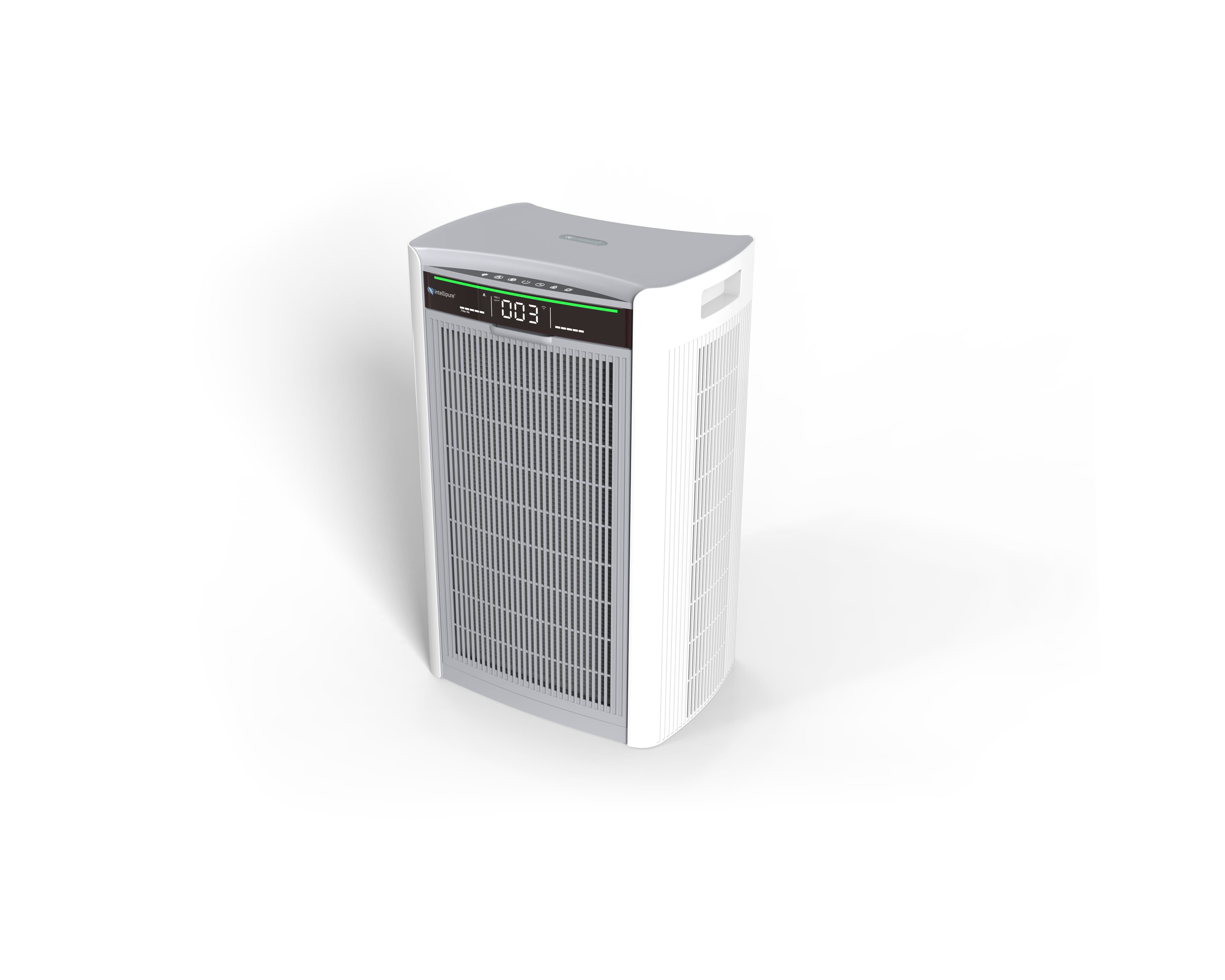
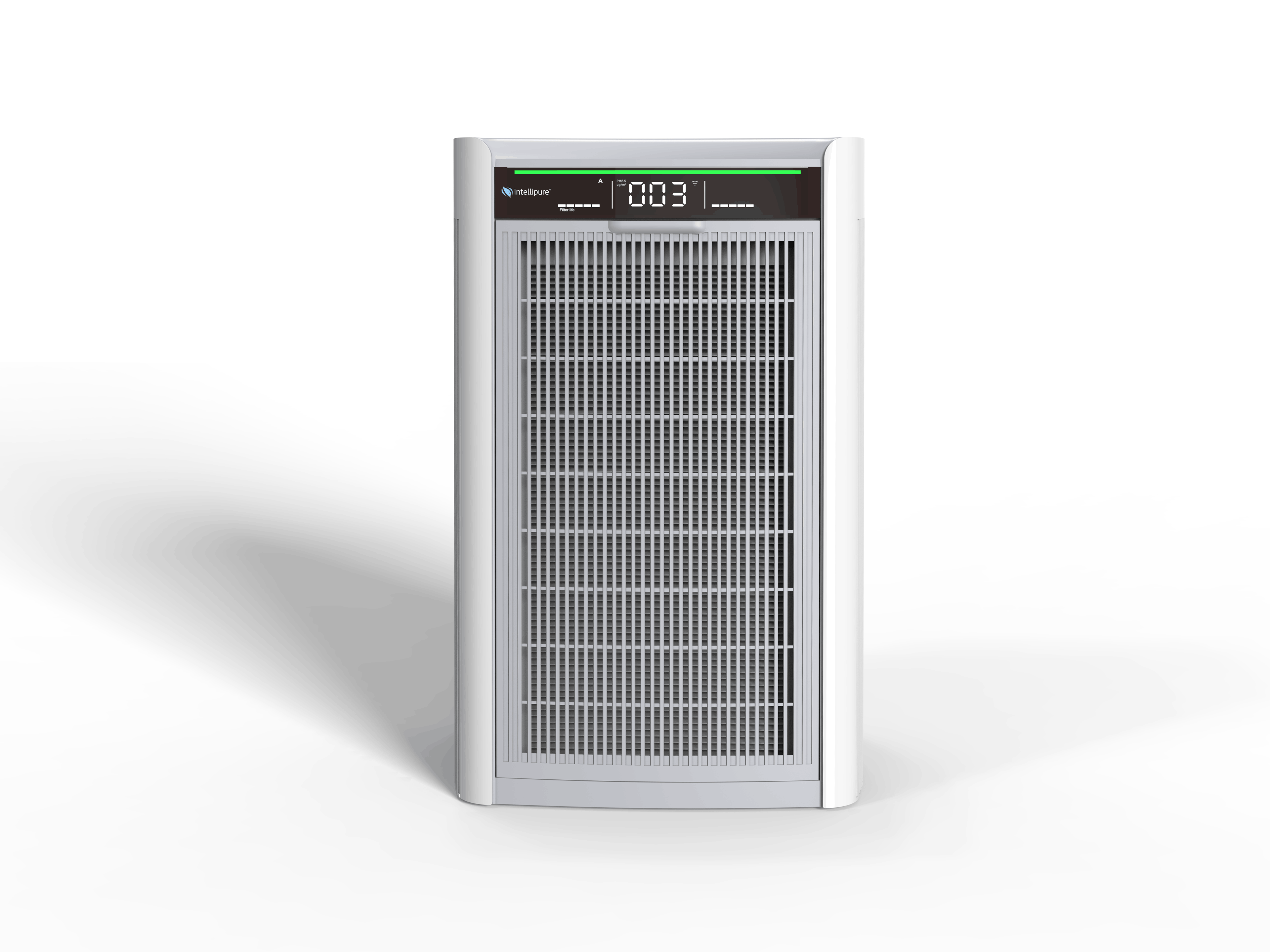
If you're shopping for an air purifier for home use and your main complaint is smell, here's the key: Particle filtration and gas/odor removal are not the same job.
To filter gases, you'll want a unit with an activated carbon filter (or similar gas-targeting media). Keep in mind that common ratings like clean air delivery rate (CADR) are for particles, not gases. [3] In other words: The best air purifier for dust might not be the best air purifier for odors.
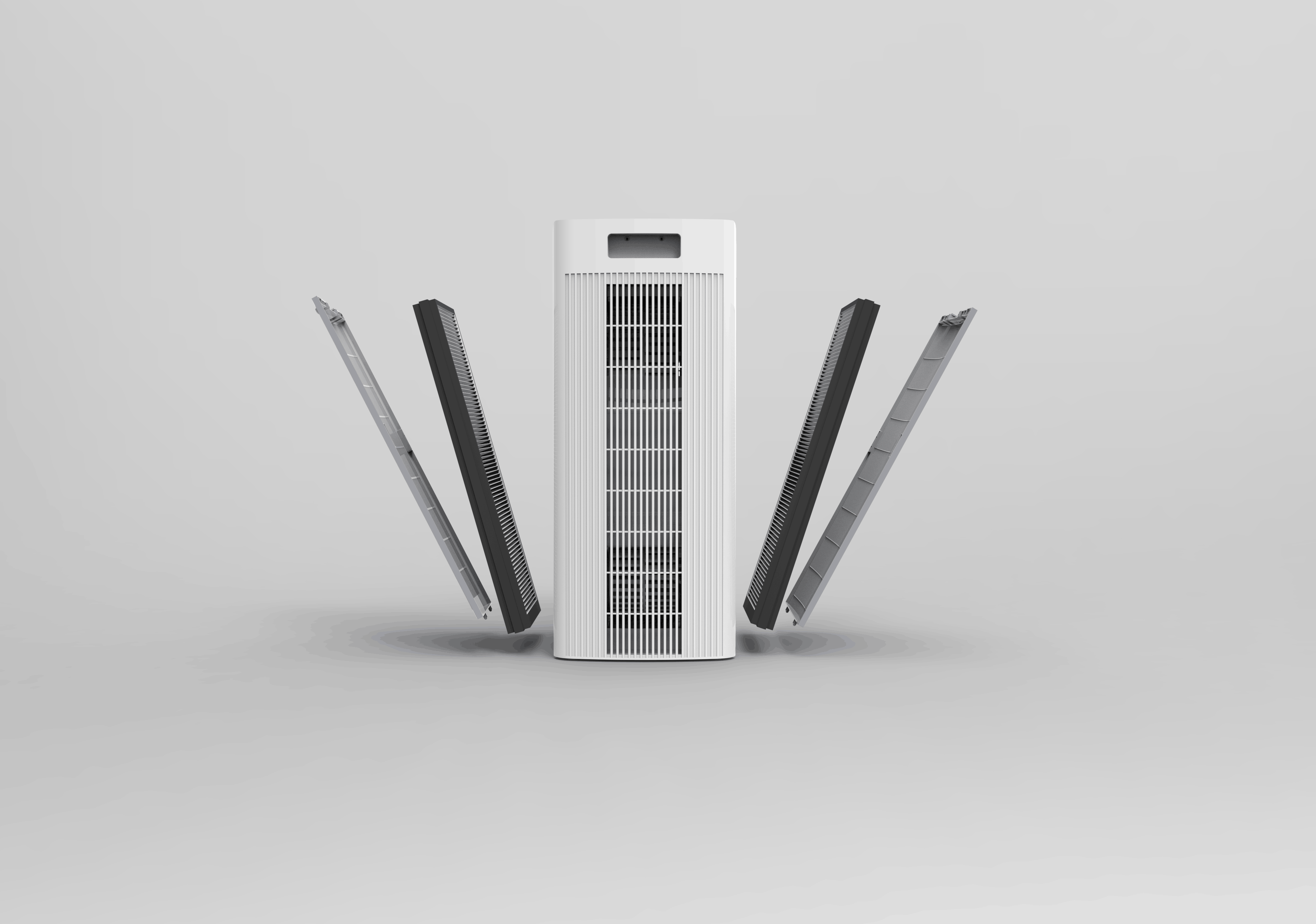
Also important: Activated carbon performance depends on how much carbon you have and how quickly it gets saturated. Research on activated carbon sorbents notes that the amount of activated carbon is critical to reasonable filter lifetime in an air purification device. [4] Translation: A perfunctory sprinkle of carbon won't do much for long.
To get more from your air purifier:
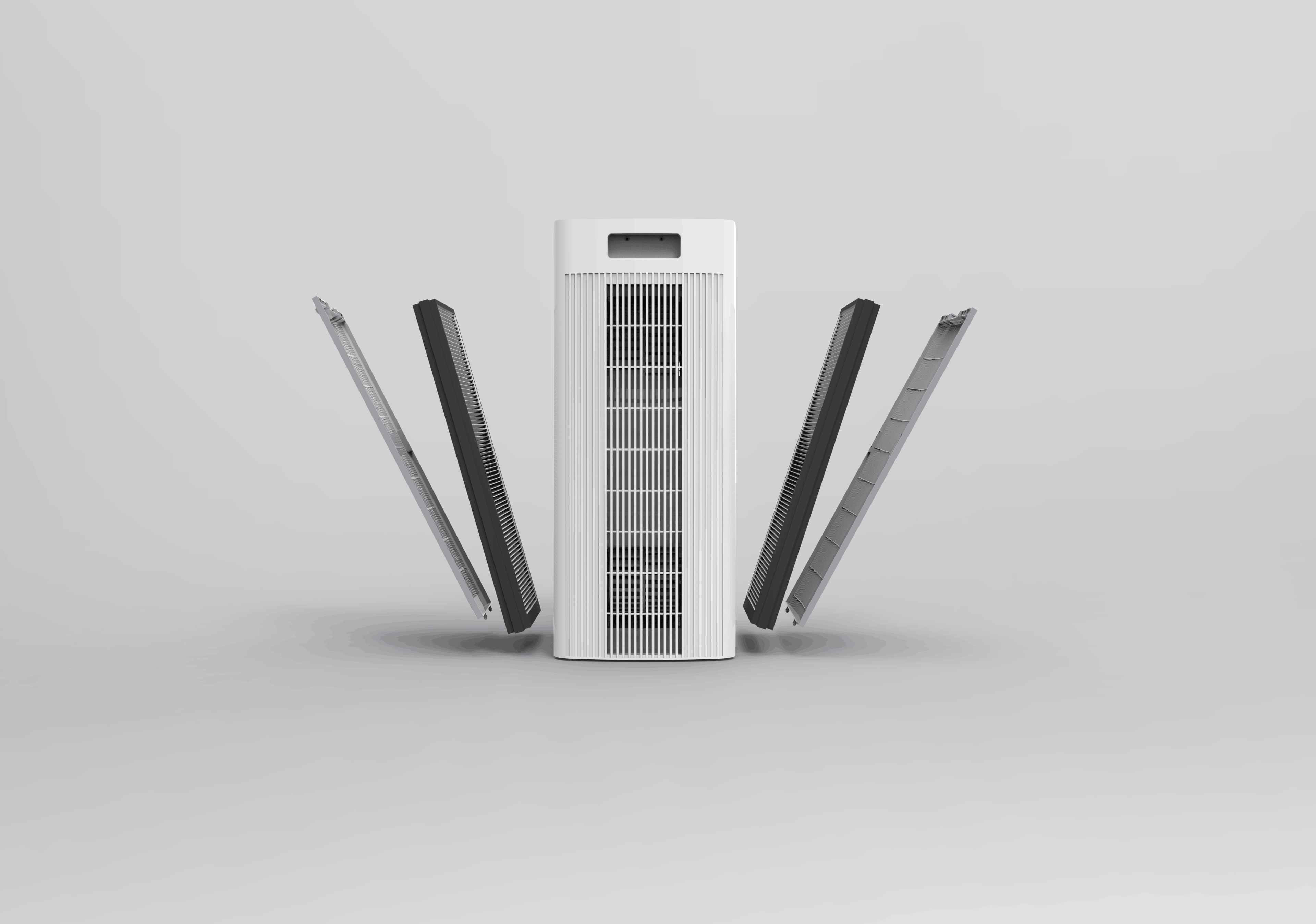
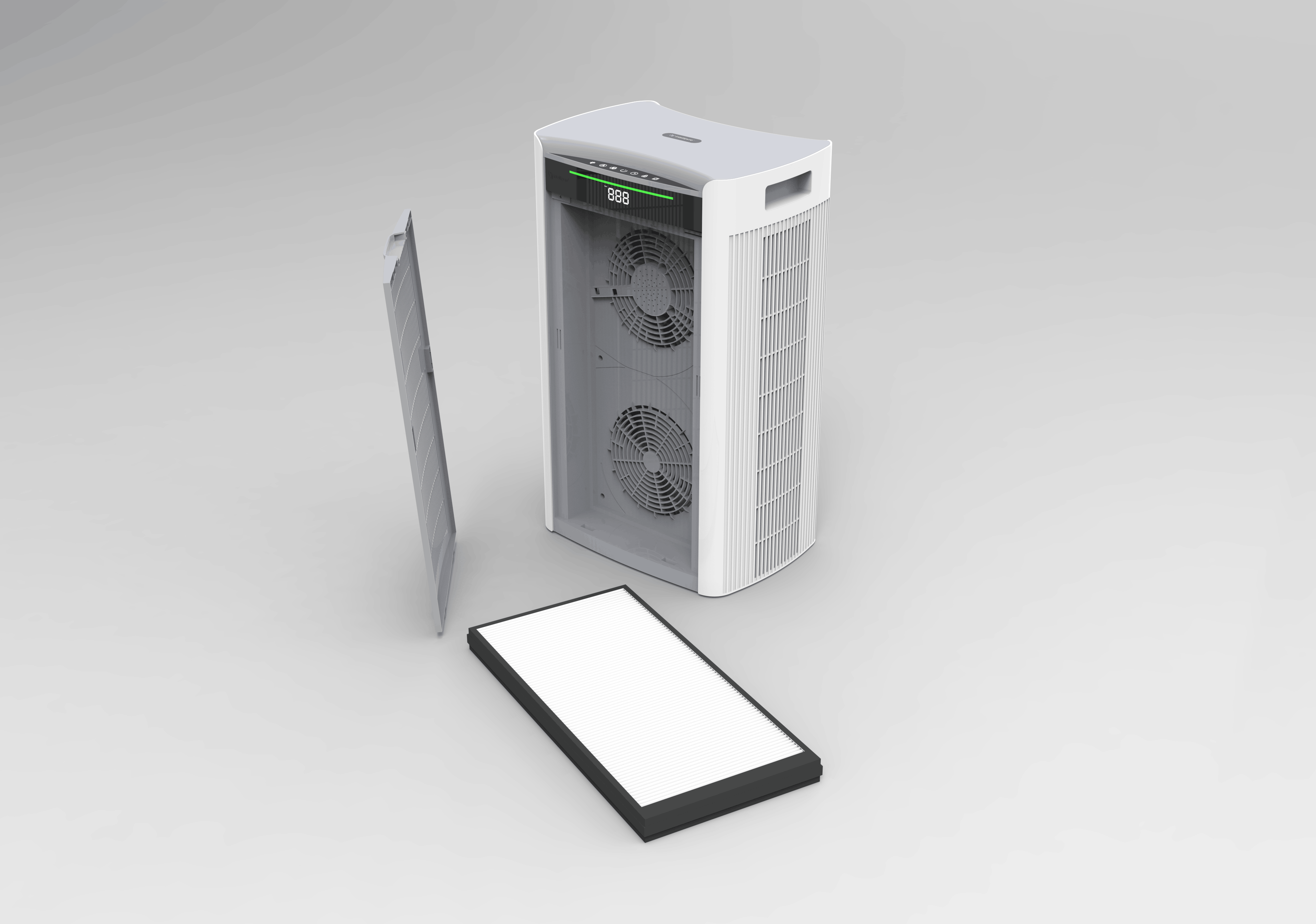
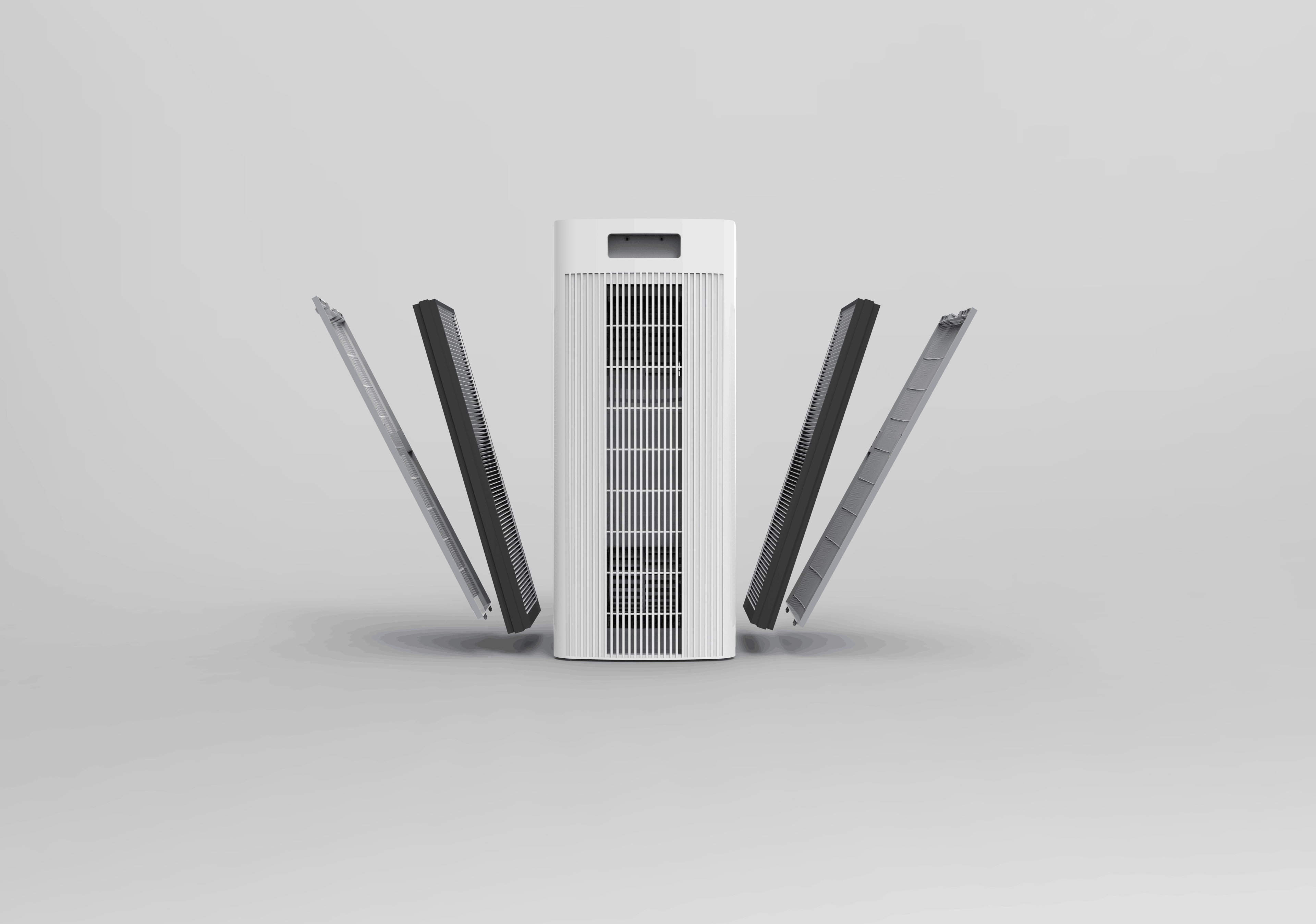
- Prioritize HEPA + substantial activated carbon if odors/VOCs are your focus. [5]
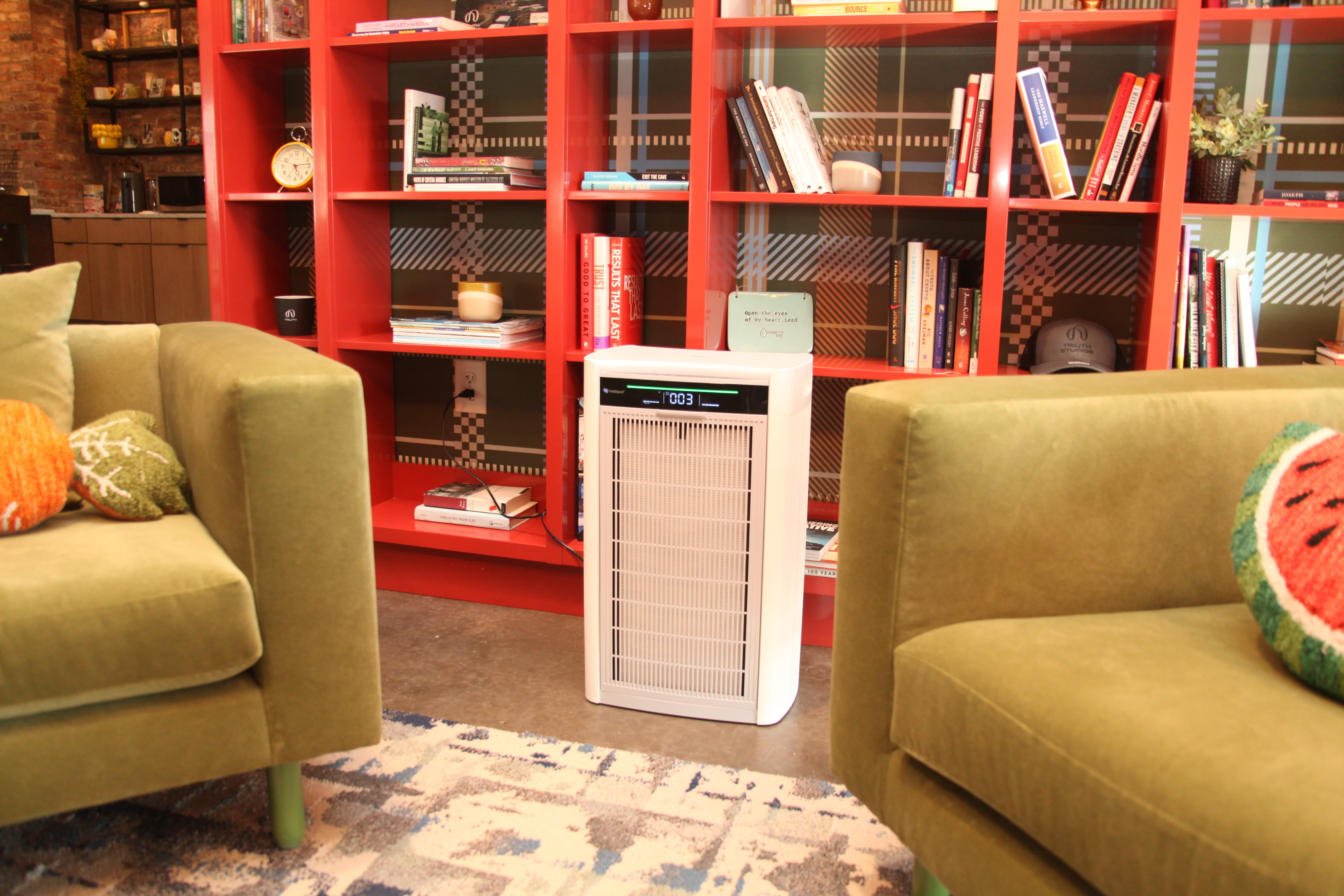
- Place it where the odor problem lives (kitchen-adjacent, litter area, musty room), not where it looks cutest.
- Run it consistently—odors don't care about vibes, they care about airflow.
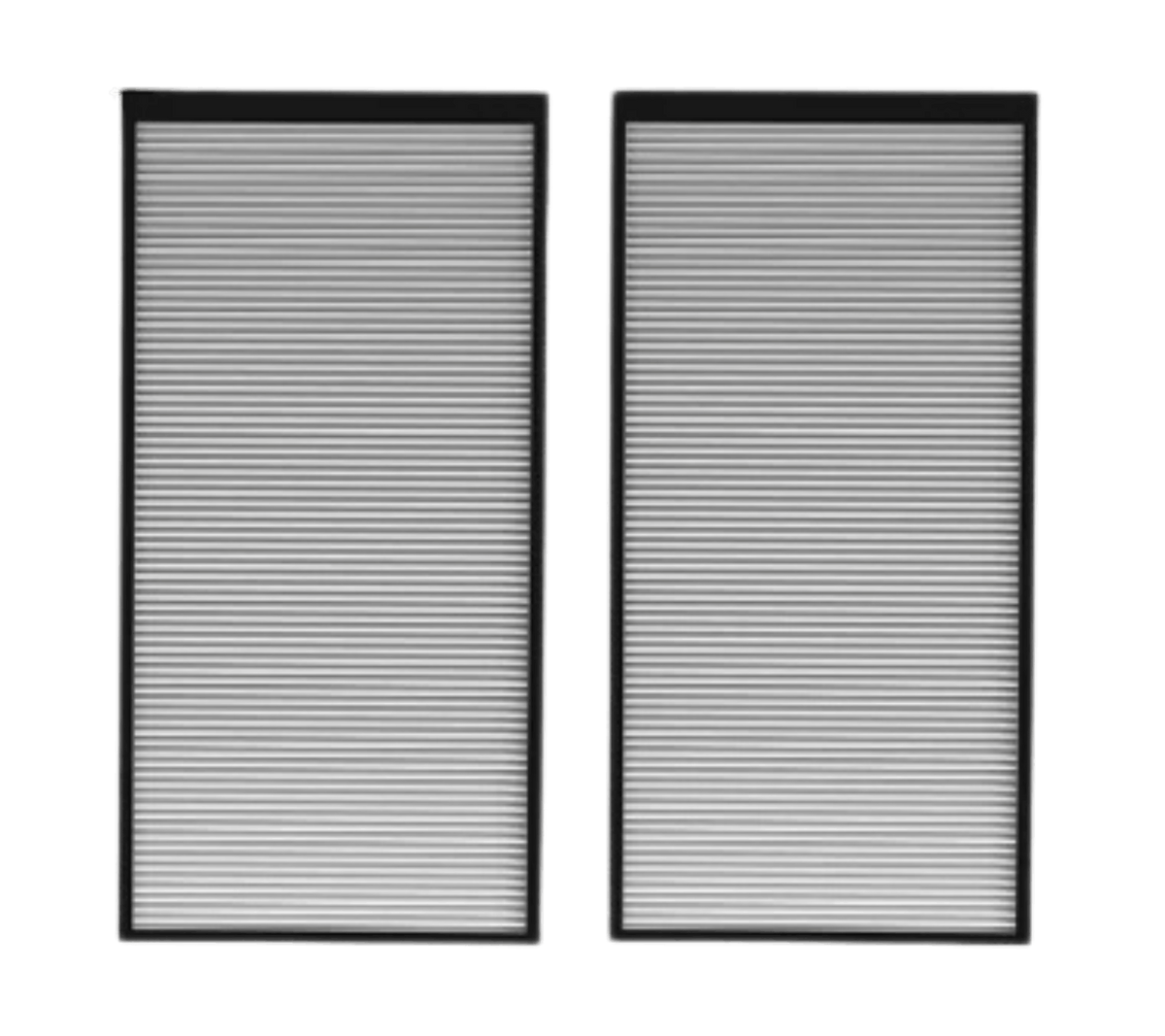
- Replace filters on schedule (a saturated carbon filter can't keep absorbing).
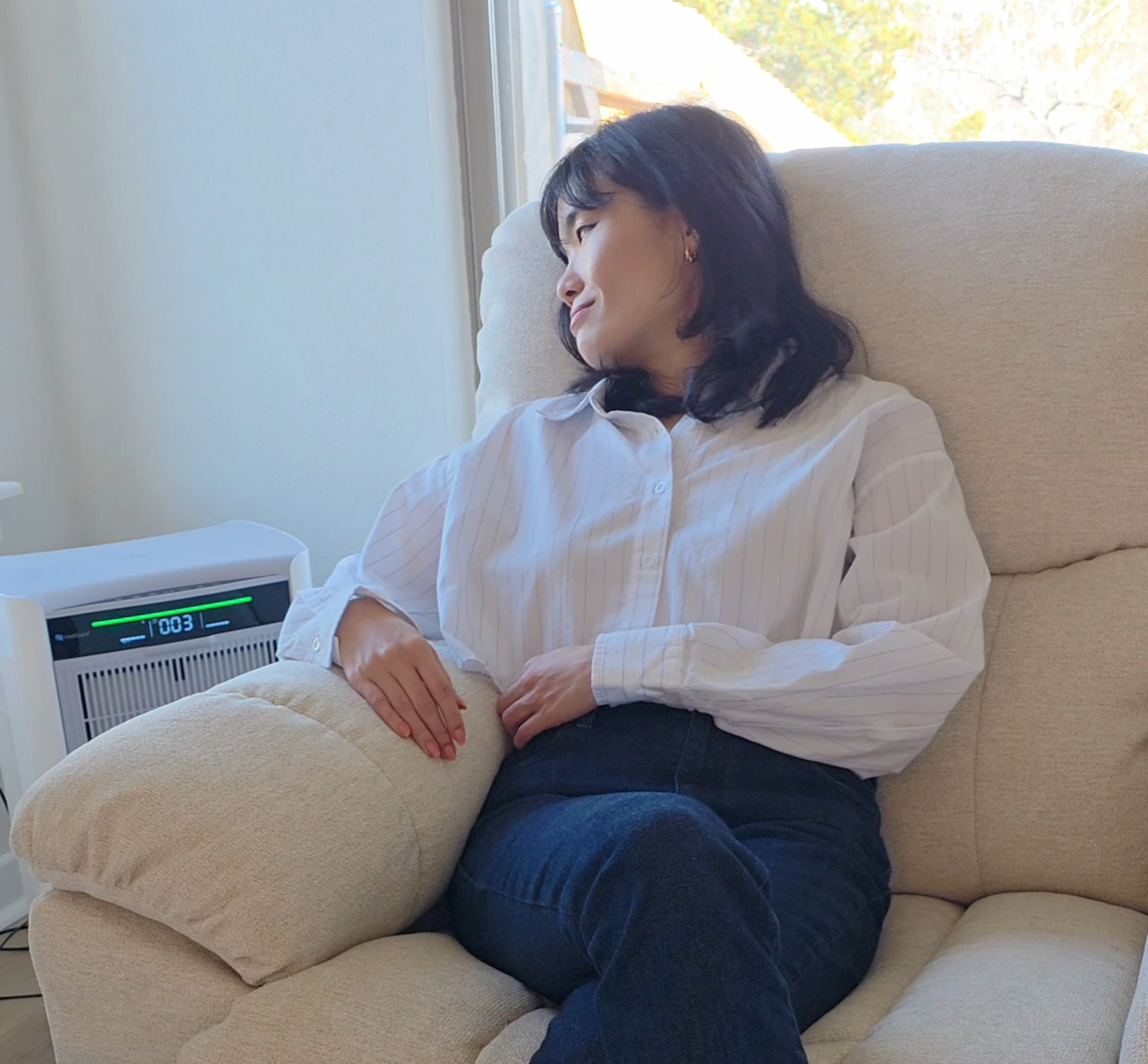
If your goal is less noticeable air, this is where a high-quality purifier can really shine—especially alongside source control and ventilation.
[CTA: Shop HEPA Filtration]
A quick reality check
If you want the biggest impact, use the classic trio:
- Reduce sources
- Ventilate
- Filter/clean the air
That's the backbone of practical IAQ improvement.
None of this has to be all-or-nothing. Pick one room. Pick one habit. Pick one product swap. Make the little changes to get to the big impact—better IAQ. Your air will take the compliment.
References
- U.S. Environmental Protection Agency. Volatile Organic Compounds' Impact on Indoor Air Quality [Internet]. U.S. Environmental Protection Agency. Available from: https://www.epa.gov/indoor-air-quality-iaq/volatile-organic-compounds-impact-indoor-air-quality.
- Care for Your Air: A Guide to Indoor Air Quality [Internet]. U.S. Environmental Protection Agency; 2008. Available from: https://www.epa.gov/indoor-air-quality-iaq/care-your-air-guide-indoor-air-quality.
- U.S. Environmental Protection Agency. Guide to Air Cleaners in the Home [Internet]. U.S. Environmental Protection Agency; 2008. Available from: https://www.epa.gov/indoor-air-quality-iaq/guide-air-cleaners-home.
- Liu N, Bu Z, Liu W, Kan H, Zhao Z, Deng F, Huang C, Zhao B, Zeng X, Sun Y, Qian H, Mo J, Sun C, Guo J, Zheng X, Weschler LB, Zhang Y. Health effects of exposure to indoor volatile organic compounds from 1980 to 2017: A systematic review and meta-analysis. Indoor Air. 2022;32(5):e13038. doi:10.1111/ina.13038.
- Maximoff SN, Mittal R, Kaushik A, Dhau JS. Performance evaluation of activated carbon sorbents for indoor air purification during normal and wildfire events. Chemosphere. 2022;304:135314. doi:10.1016/j.chemosphere.2022.135314.





Why Your Air Purifier's Child Lock Matters More Than You Think
When Good Smells Go Bad: How Synthetic Fragrances Can Affect Your Health