

Summary
Your air purifier is only as good as the filter inside it. Genuine replacement filters ensure proper fit, proven filtration performance, and the clean indoor air you invested in.
In This Article
Your Air Purifier Is a System, Not Just a Fan
You did the research. You found the right air purifier for your home. Now it's time for a filter change, and you're staring at a lineup of options: the manufacturer's genuine replacement, plus a handful of third-party alternatives that promise to do the same job for less. Tempting, right?
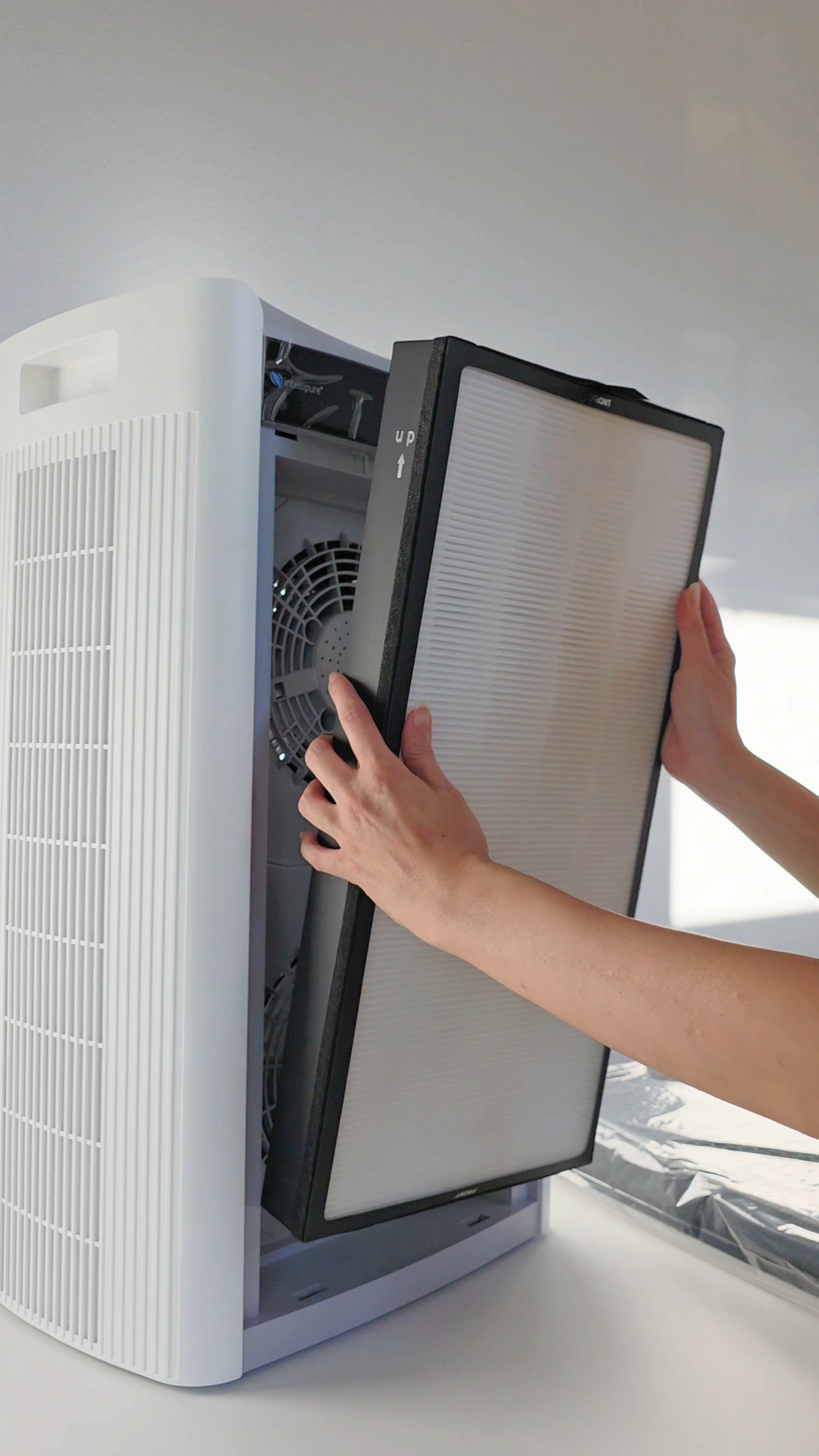
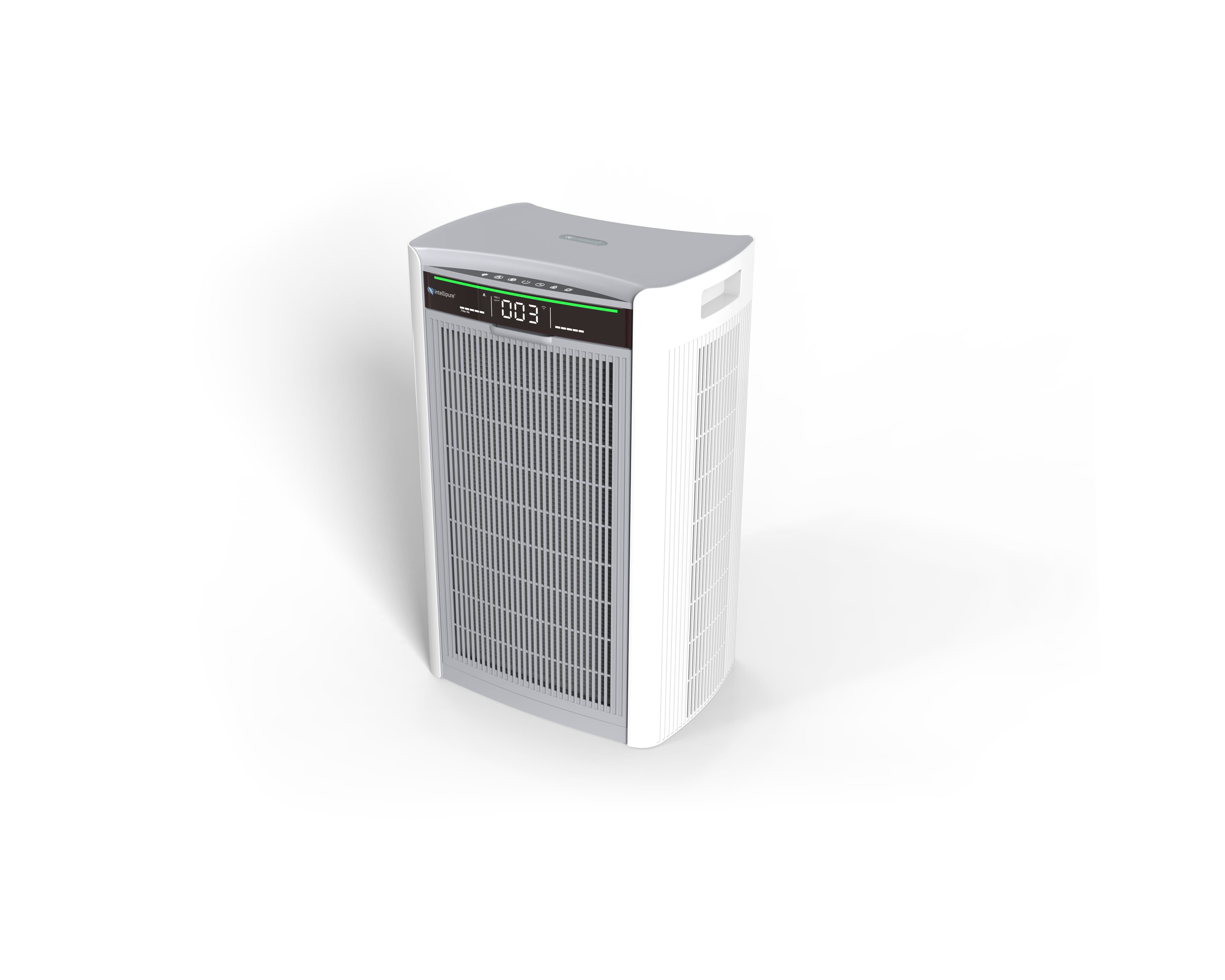
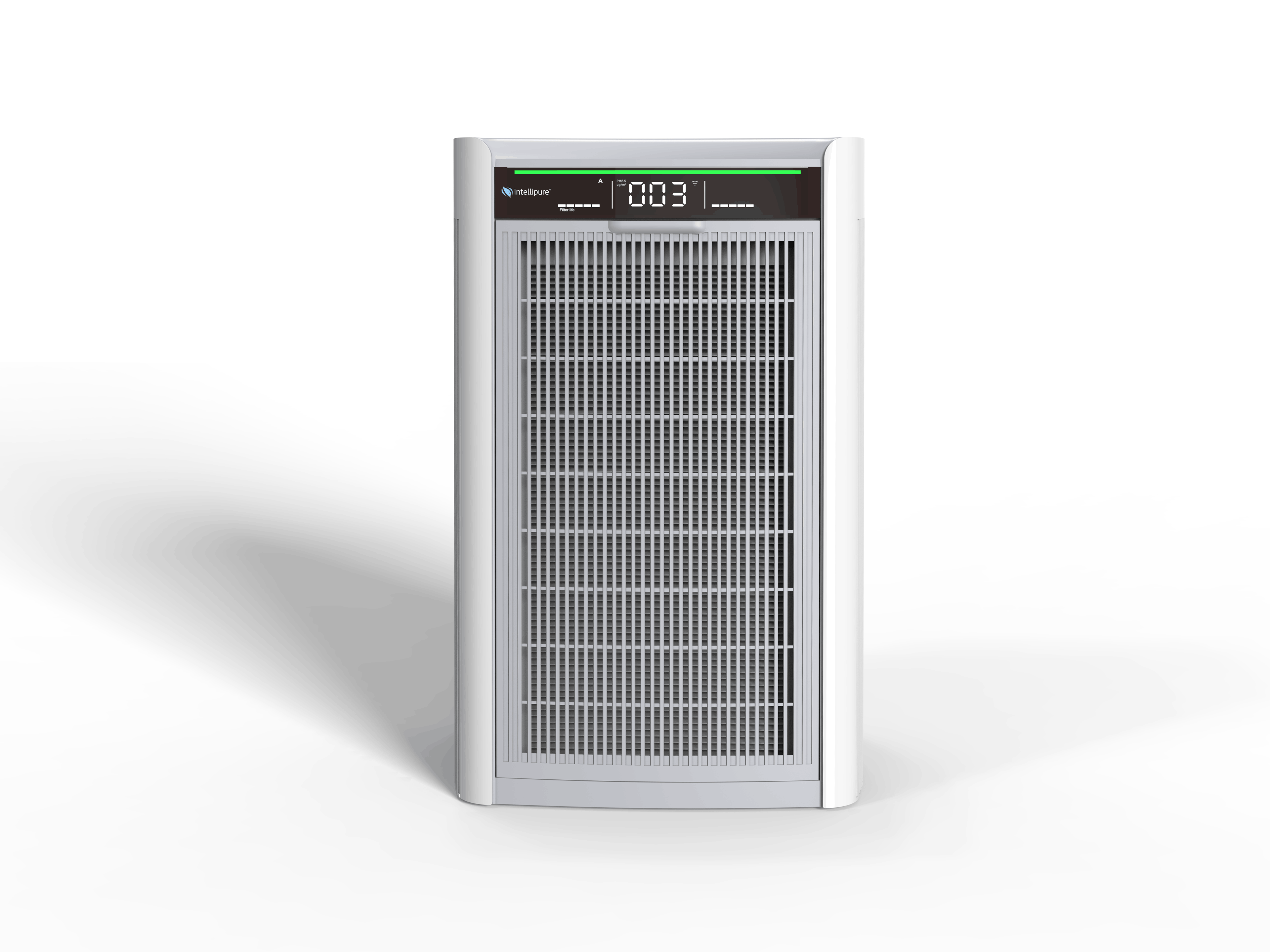
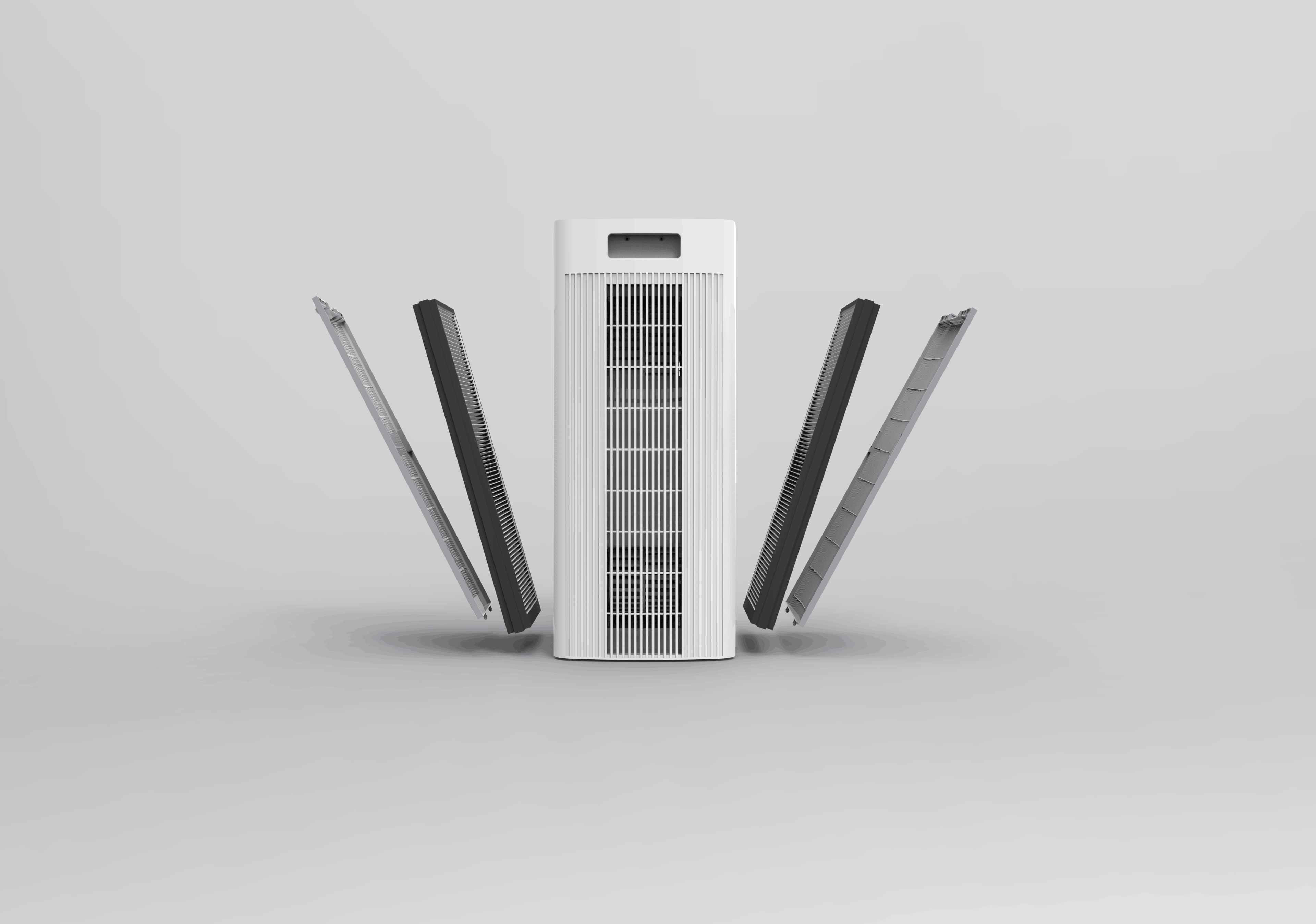
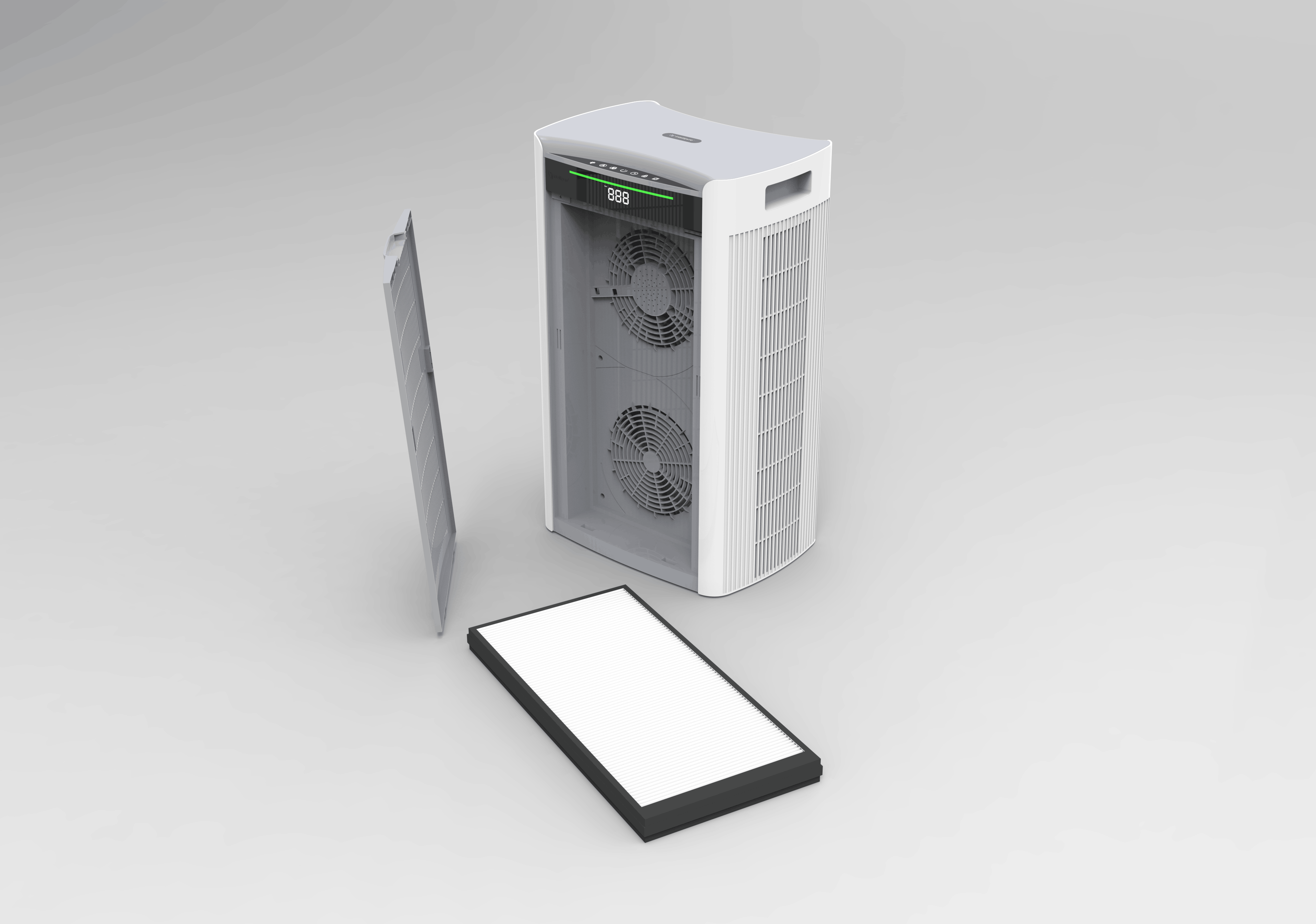
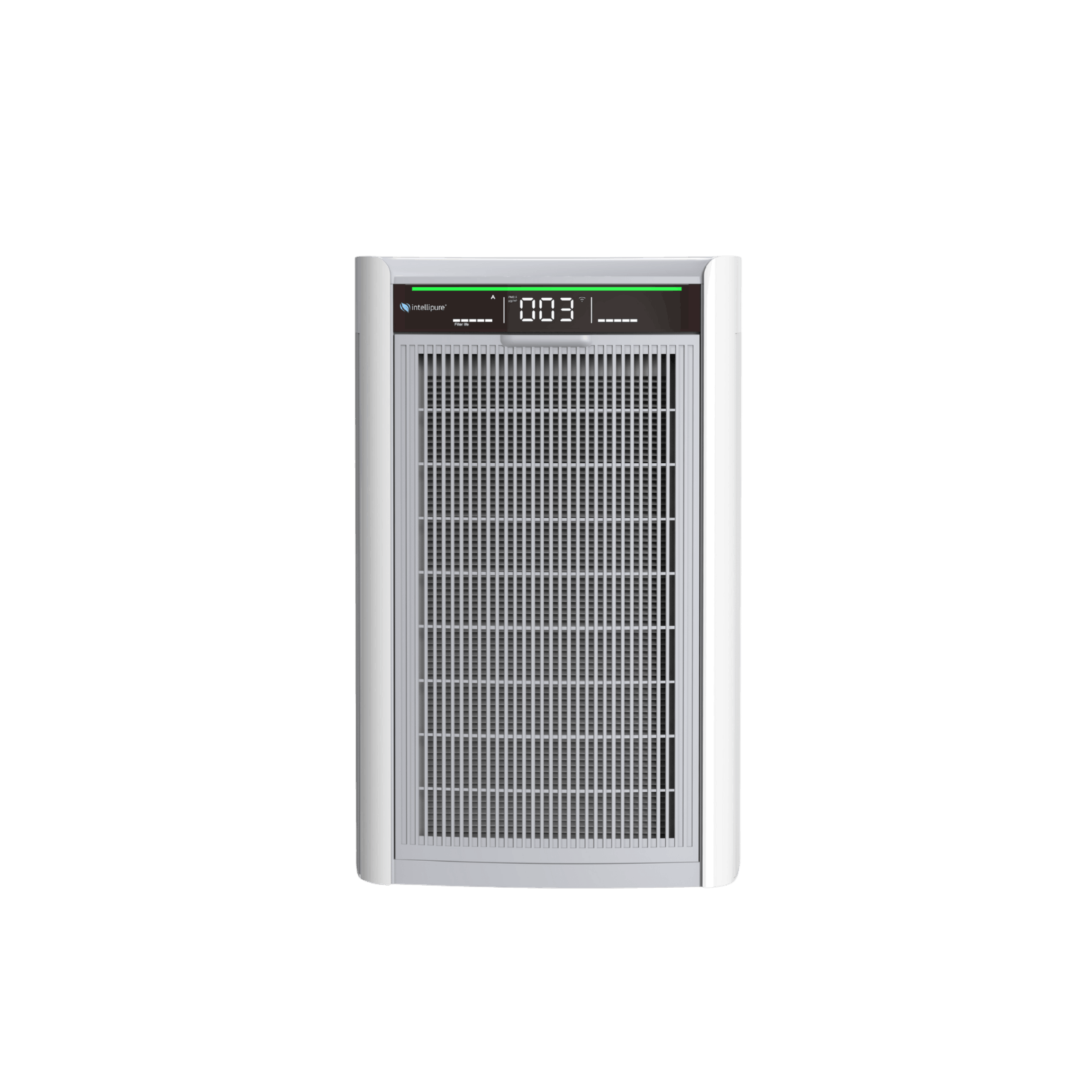
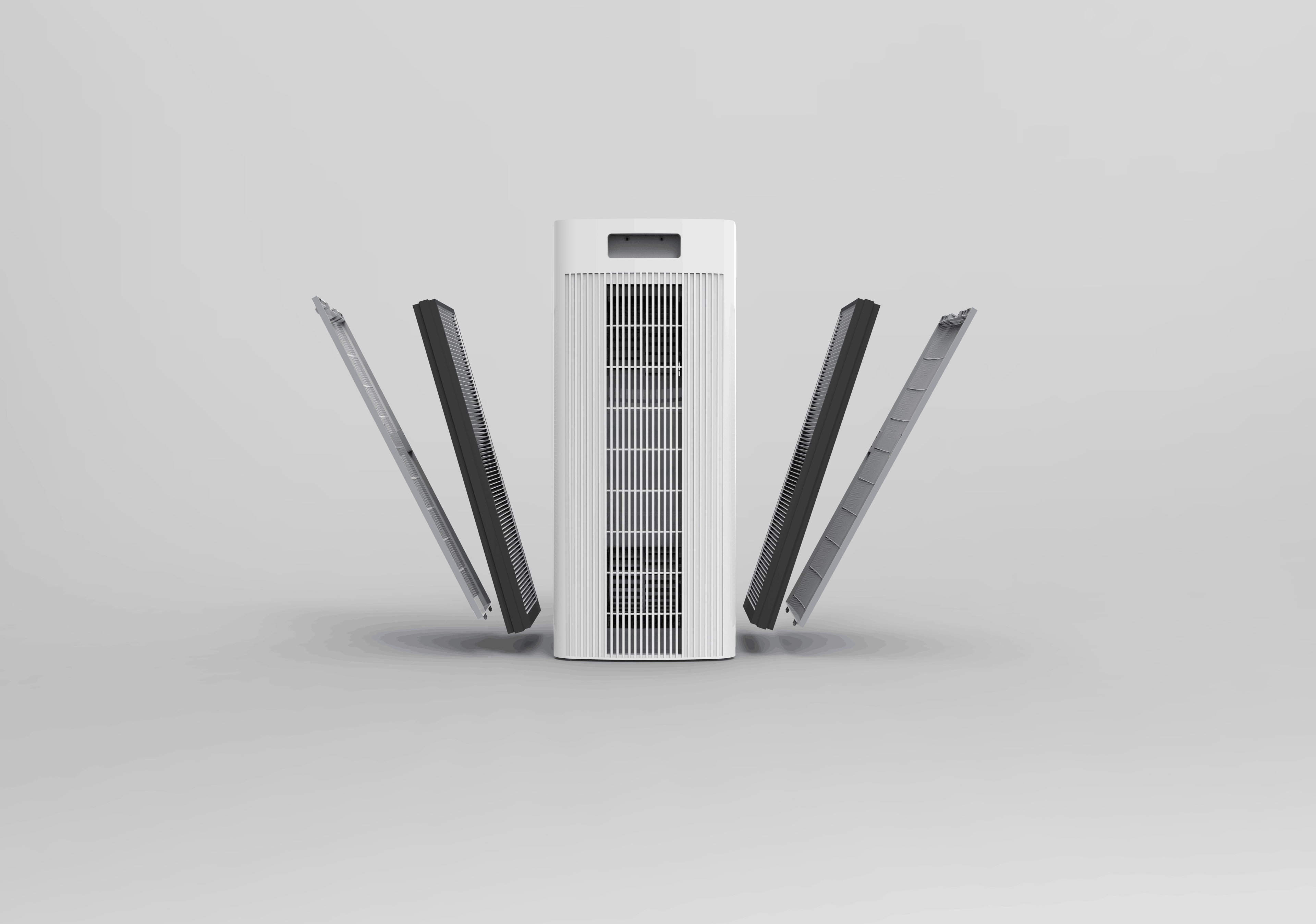
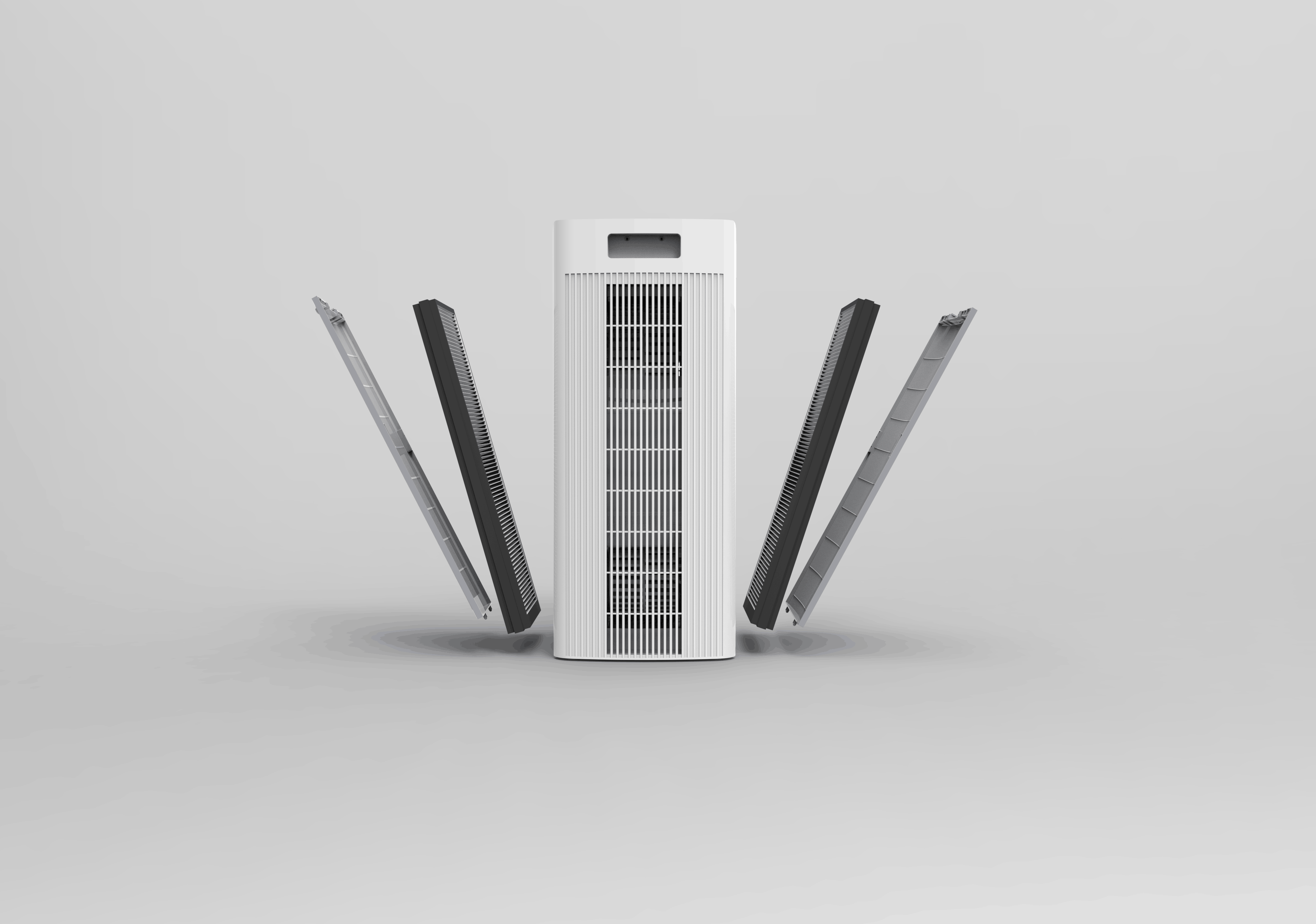
Here's the thing: your air purifier isn't just a fan blowing air through a screen. It's an engineered system where the fan motor, internal ducting, filter chamber, and exhaust port are all tuned to work together. The filter is a critical part of that equation. A replacement that looks similar on the outside can perform very differently on the inside.
Let's break down why genuine filters are worth it.
Filter Quality You Can Count On
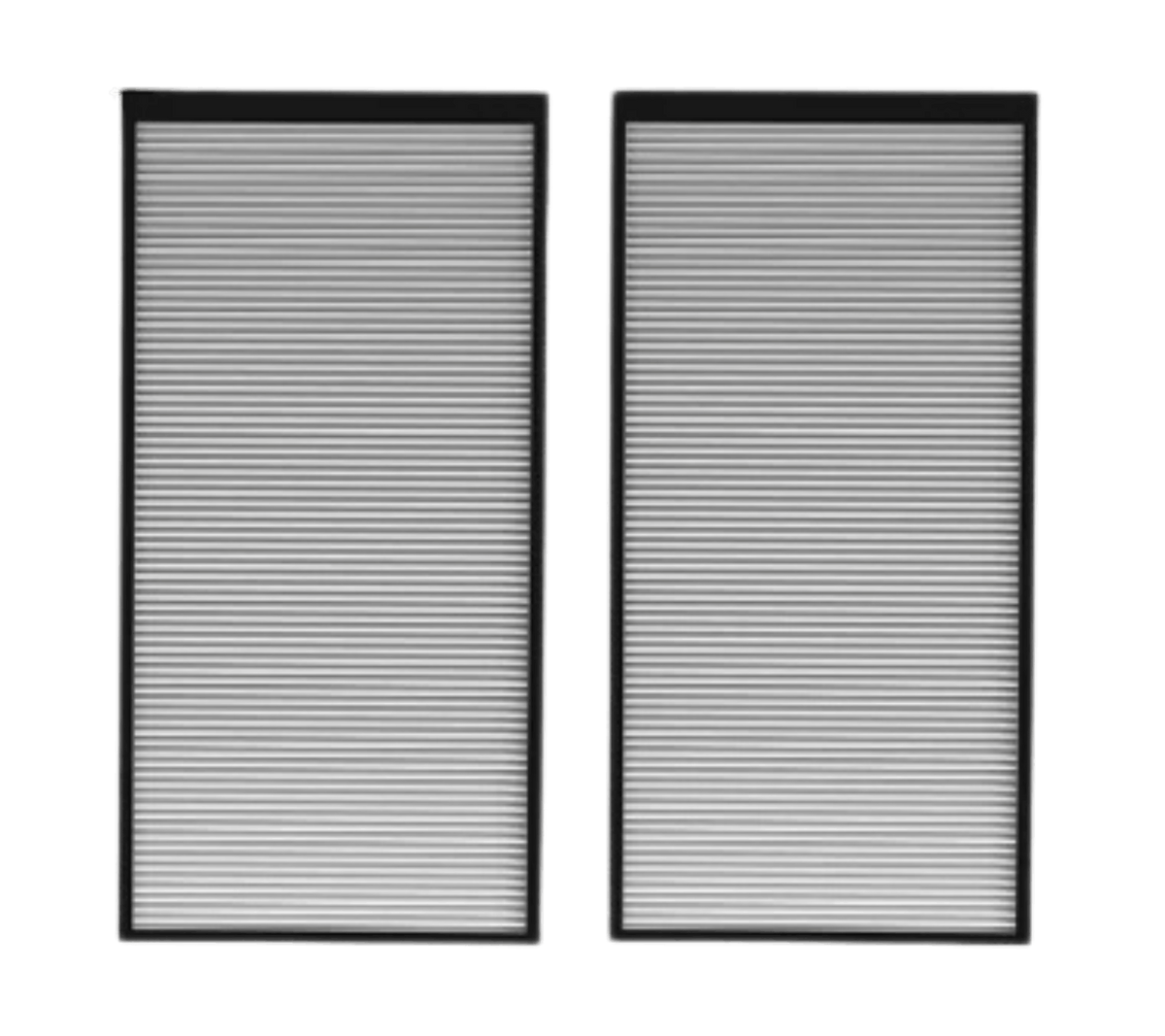
Genuine replacement filters are manufactured under the same quality controls as the original that came with your unit. That means consistent materials, consistent construction, and consistent performance.
Why does this matter? Consider air purifiers that pair a High-Efficiency Particulate Air (HEPA) filter with an activated carbon layer. The HEPA component captures particles, while the activated carbon adsorbs gases and odors. According to the EPA, activated carbon filters are effective at removing gaseous pollutants, including volatile organic compounds (VOCs), provided sufficient material is used in the filter [1]. Third-party filters may skip or reduce the activated carbon layer, which means your purifier loses its ability to help reduce VOCs and household odors.
And when we talk about HEPA performance, the bar is high. As defined by the U.S. Department of Energy and referenced by the EPA, a true HEPA filter must capture at least 99.97% of airborne particles at 0.3 microns in size [2]. That 0.3-micron threshold is no accident; the EPA notes that it corresponds to the most penetrating particle size (MPPS), meaning particles of that diameter are the hardest for filters to catch [2]. If a third-party filter doesn't meet this standard, your indoor air quality takes the hit.
Why Filter Fit Is a Big Deal
A filter that doesn't fit precisely inside the chamber creates gaps. And air, being air, will always take the path of least resistance. That means unfiltered air can slip right around a poorly fitting filter and back into your room.
ASHRAE, the leading authority on building ventilation and air quality, puts it simply: a filter needs to be installed so that all the air goes through it. If air bypasses the filter, it doesn't get cleaned [3]. Genuine filters are designed to match the exact dimensions of your unit's filter chamber, often incorporating integrated gaskets or seals to prevent bypass. Third-party alternatives may not account for these tight tolerances, and even small gaps can undermine your purifier's effectiveness.
Air Cleaning Performance
Your air purifier's clean air delivery rate (CADR) indicates the volume of filtered air the unit delivers, with separate scores for smoke, dust, and pollen particles [4]. CADR is the standard used by the Association of Home Appliance Manufacturers (AHAM), and the rating is specific to the unit as tested with its original filter [4].
Swap in a third-party filter with different airflow resistance, and the system's balance shifts. A filter with higher resistance than the original forces the fan motor to work harder, increasing energy consumption and potentially leading to motor burnout [5]. A filter with lower resistance may let air pass through too easily, reducing particle capture. Either way, you're not getting the CADR performance you paid for.
The relationship between filter pressure drop and system performance is well documented. The DOE notes that ECM motors will keep trying to hit their target airflow even as resistance climbs, working harder and harder until the motor fails [5]. Your air purifier was engineered for a specific filter; substituting a different one changes the equation.
A Note on Warranties
Many air purifier manufacturers specify genuine filters in their warranty terms. It's worth noting that the federal Magnuson-Moss Warranty Act generally prohibits manufacturers from conditioning a warranty on the use of a specific branded product [6]. However, manufacturers can disclaim coverage for damage demonstrably caused by using an incompatible filter [7]. In practice, if a non-genuine filter causes your fan motor to overwork or damages internal components, the resulting repair may not be covered.
The takeaway? Using genuine filters keeps you on solid ground with your warranty and helps protect your investment.
Keep Your Clean Air Uninterrupted
Your air purifier works hard to help keep your indoor air fresh and clean. Considering that concentrations of some pollutants can be two to five times higher indoors than outdoors [8], a well-maintained purifier is a meaningful part of your home's wellness routine.
Here are a few practical tips to stay ahead of filter changes:
- Check your owner's manual for the recommended replacement schedule. Most filters last several months to a year, depending on usage and local air quality.
- Keep a spare filter on hand so you're never caught with an overdue replacement.
The bottom line: genuine replacement filters ensure your air purifier delivers the performance it was designed for. The filter is the heart of the system, so give it the real thing.
References
- United States Environmental Protection Agency. Guide to air cleaners in the home [Internet]. Washington (DC): EPA; [cited 2026 Feb 13]..
- United States Environmental Protection Agency. What is a HEPA filter? [Internet]. Washington (DC): EPA; [cited 2026 Feb 13]..
- American Society of Heating, Refrigerating and Air-Conditioning Engineers. Filtration and disinfection FAQ [Internet]. Atlanta (GA): ASHRAE; [cited 2026 Feb 13]..
- Association of Home Appliance Manufacturers. Air filtration standards [Internet]. Washington (DC): AHAM Verifide; [cited 2026 Feb 13]..
- Pacific Northwest National Laboratory. High-MERV filters [Internet]. Richland (WA): Building America Solution Center, U.S. Department of Energy; [cited 2026 Feb 13]..
- United States Congress. Magnuson-Moss Warranty Act, 15 U.S.C. § 2302(c). Washington (DC): U.S. Government; 1975..
- Federal Trade Commission. Prohibited tying, 16 C.F.R. § 700.10 [Internet]. Washington (DC): FTC; [cited 2026 Feb 13]..
- United States Environmental Protection Agency. Indoor air quality [Internet]. Washington (DC): EPA; [cited 2026 Feb 13]..




How to Get Rid of Musty Smells in Your Home and Clothes
Why Your Air Purifier's Child Lock Matters More Than You Think