

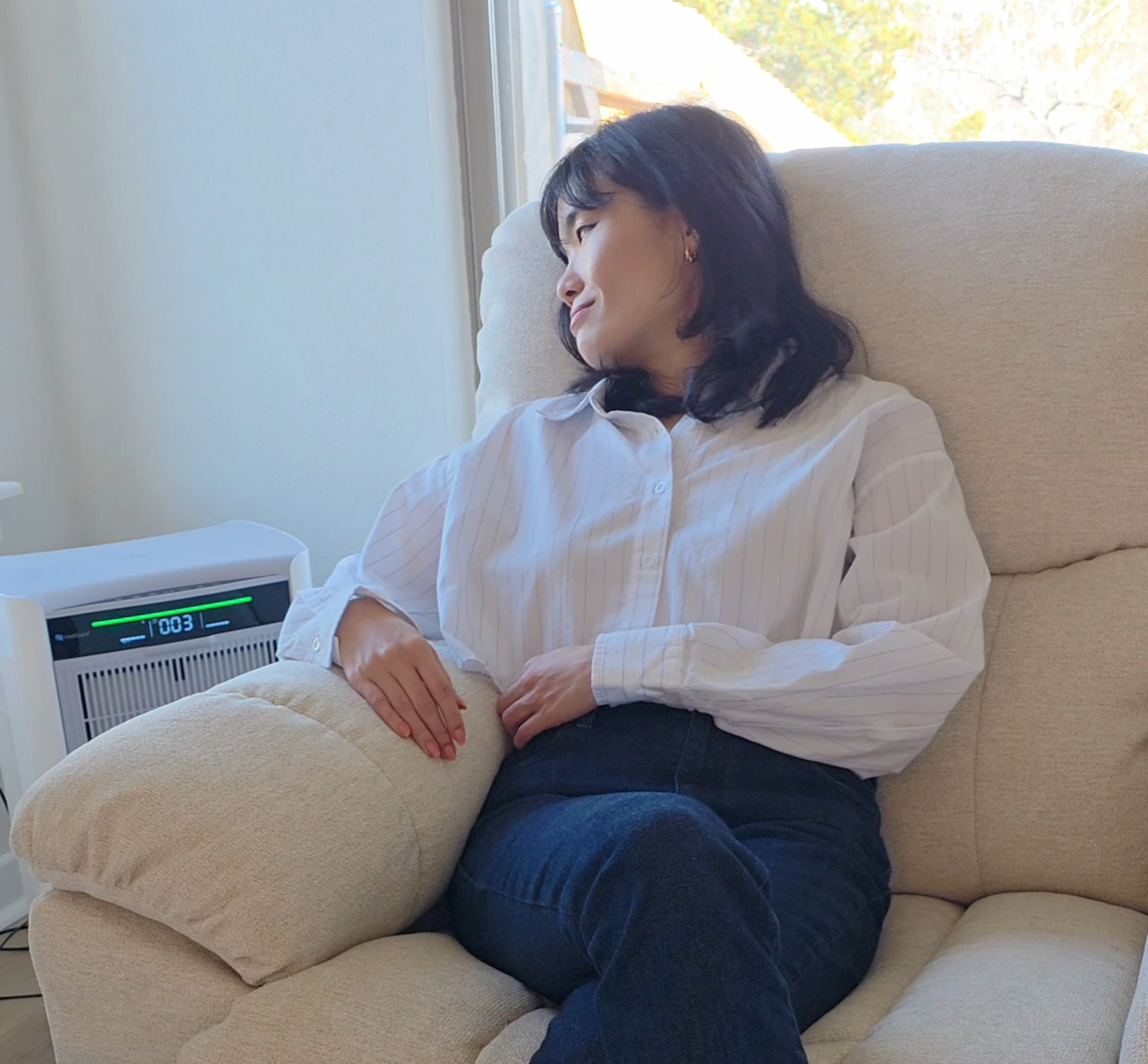
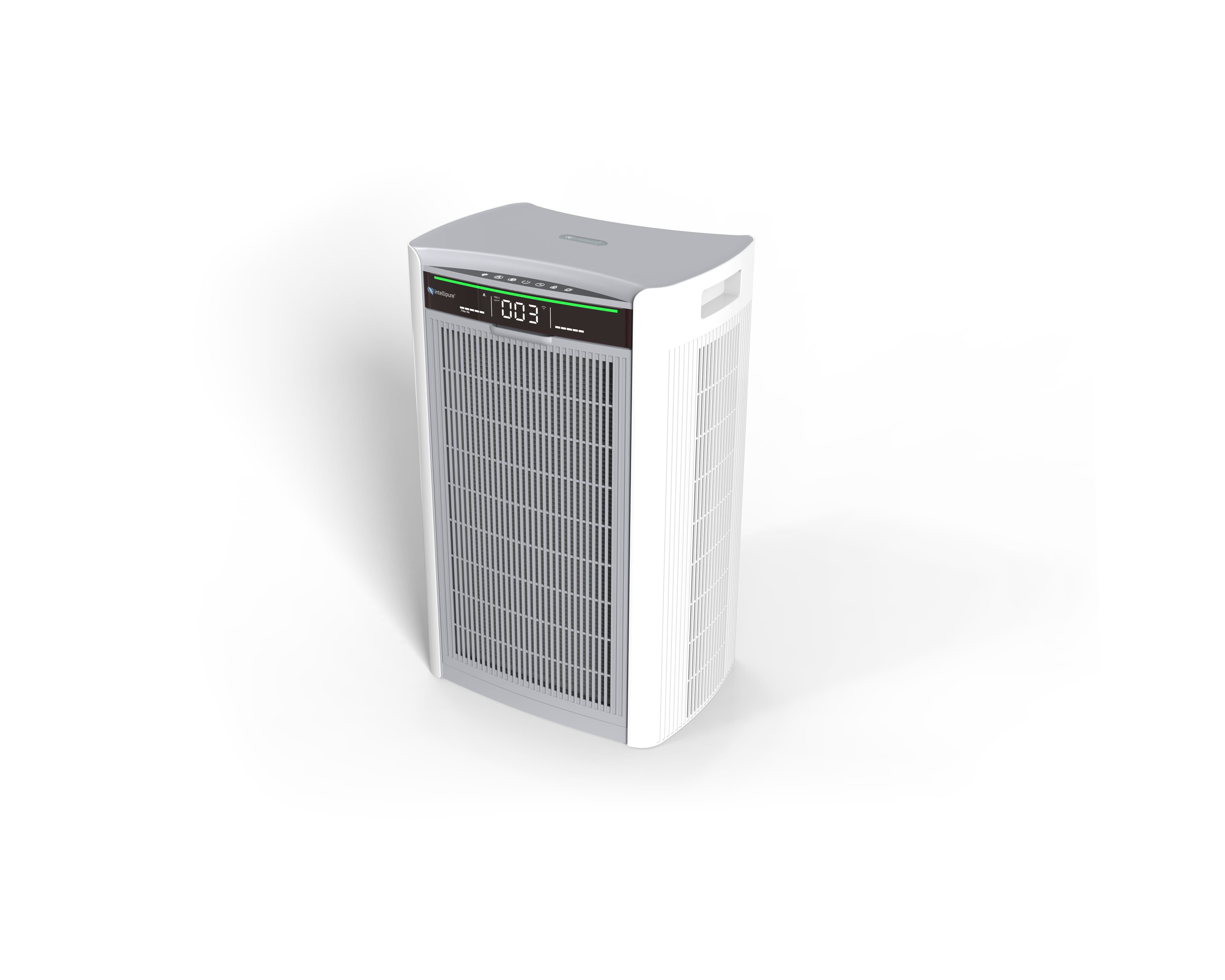
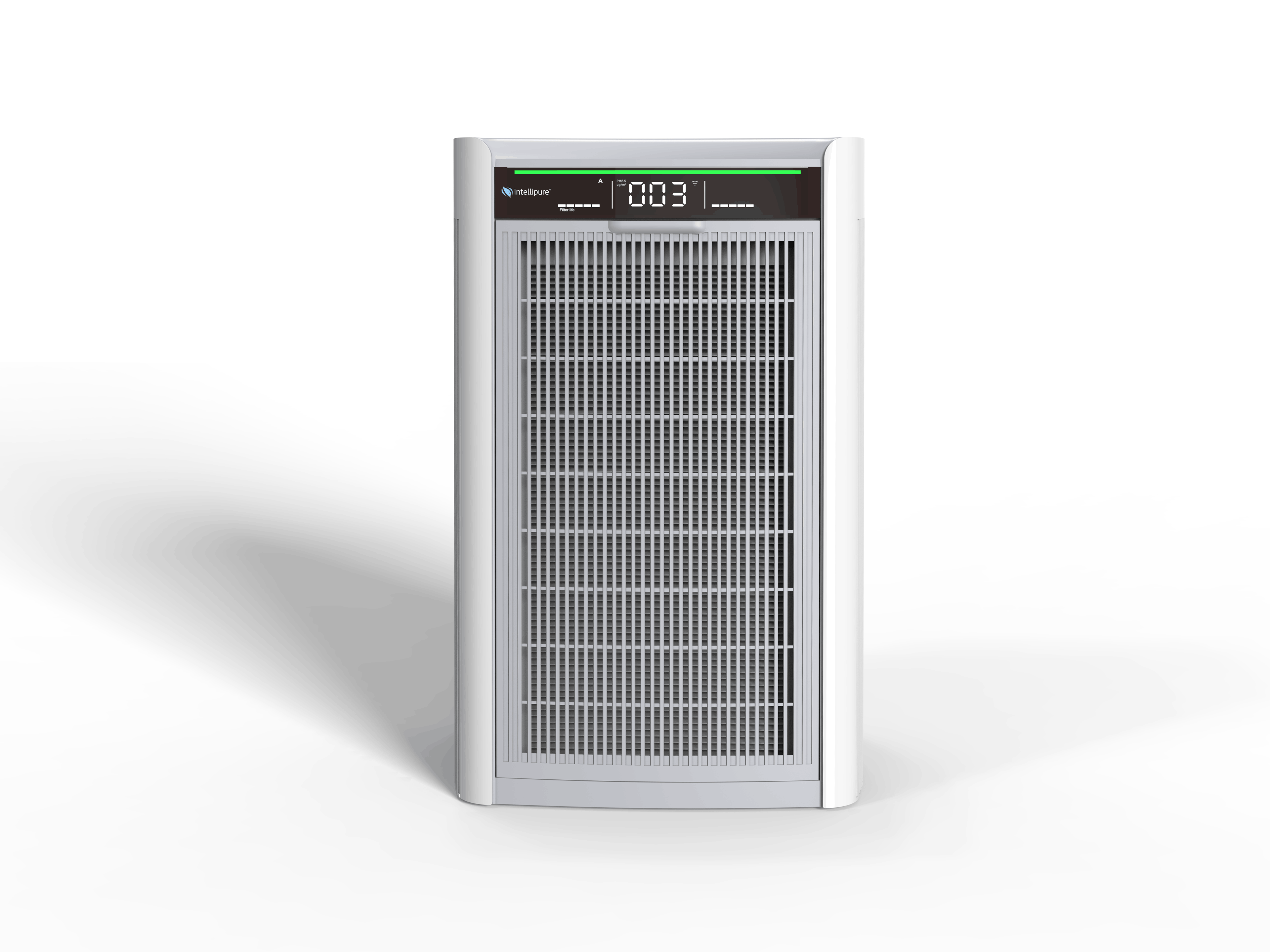
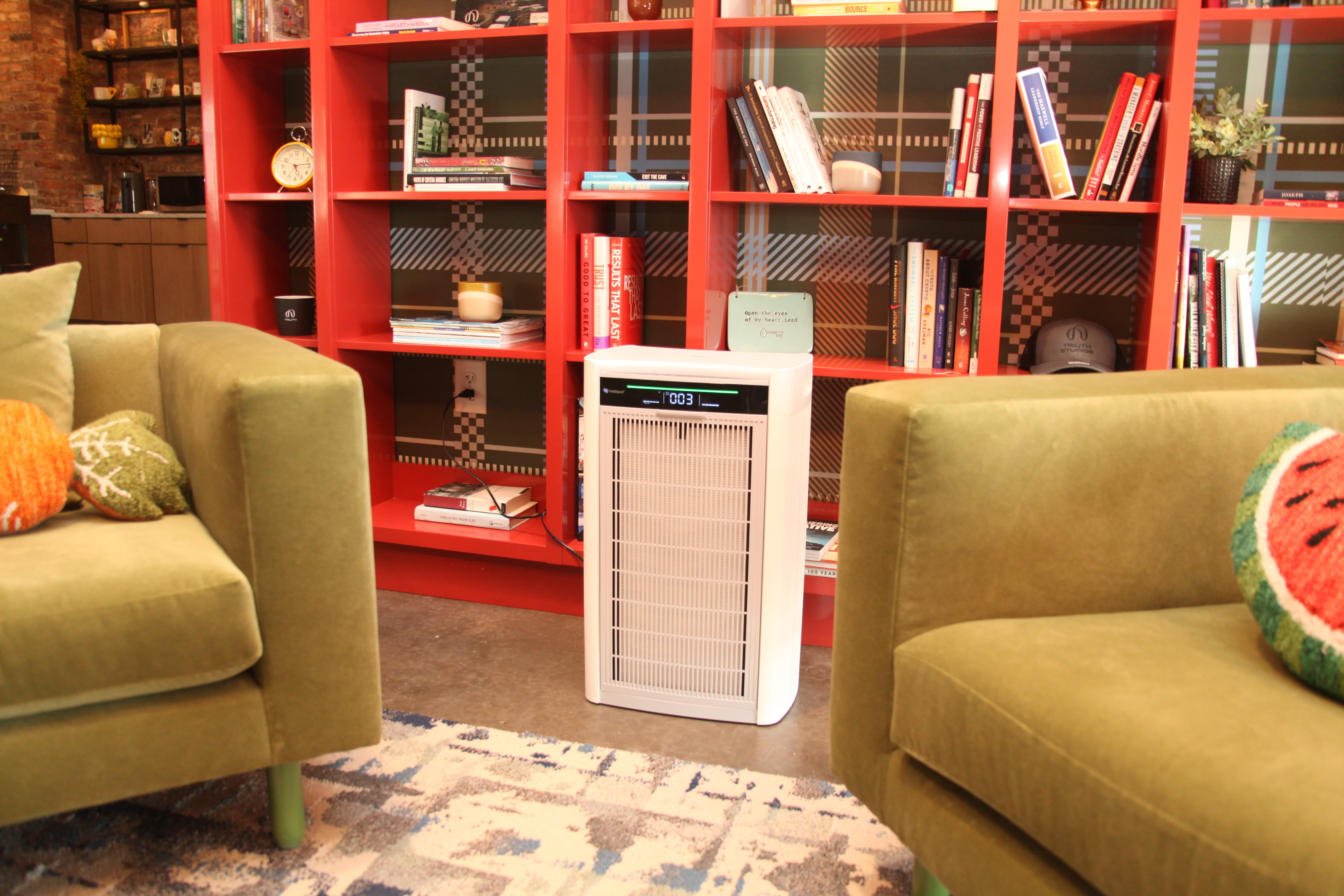
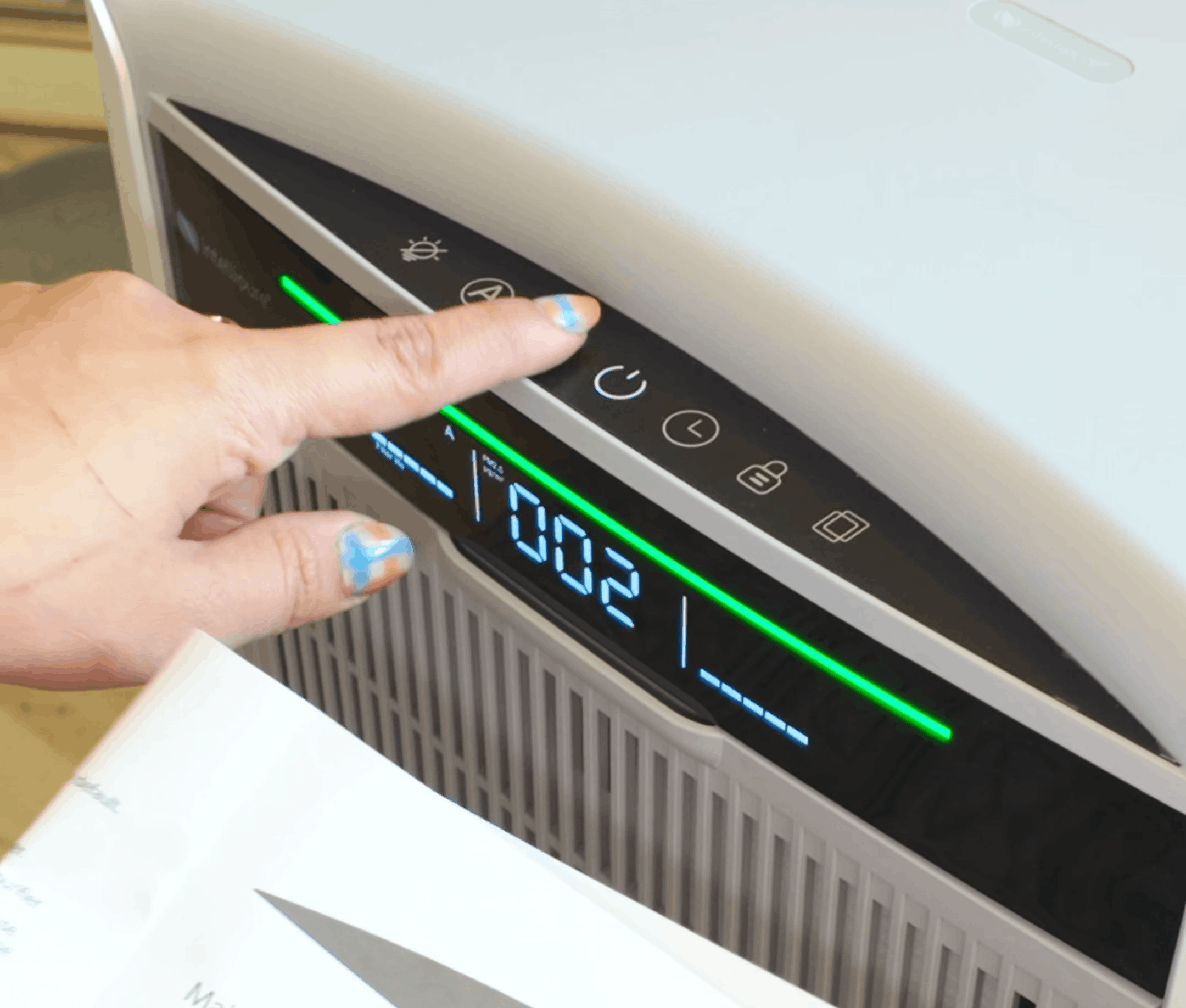
People are becoming more aware of the environment around them, especially things that are bad for their health. We’ve known air pollution is harmful to our health for decades, but that information came from reports done by scientists in far flung places. Today we can actually access real-time data that shows what airborne pollutants are affecting us in our own space, right now. If you have an air purifier with a built-in PM2.5 monitor then you too can be informed of your current indoor air quality and take action to make it better.
What is PM2.5?
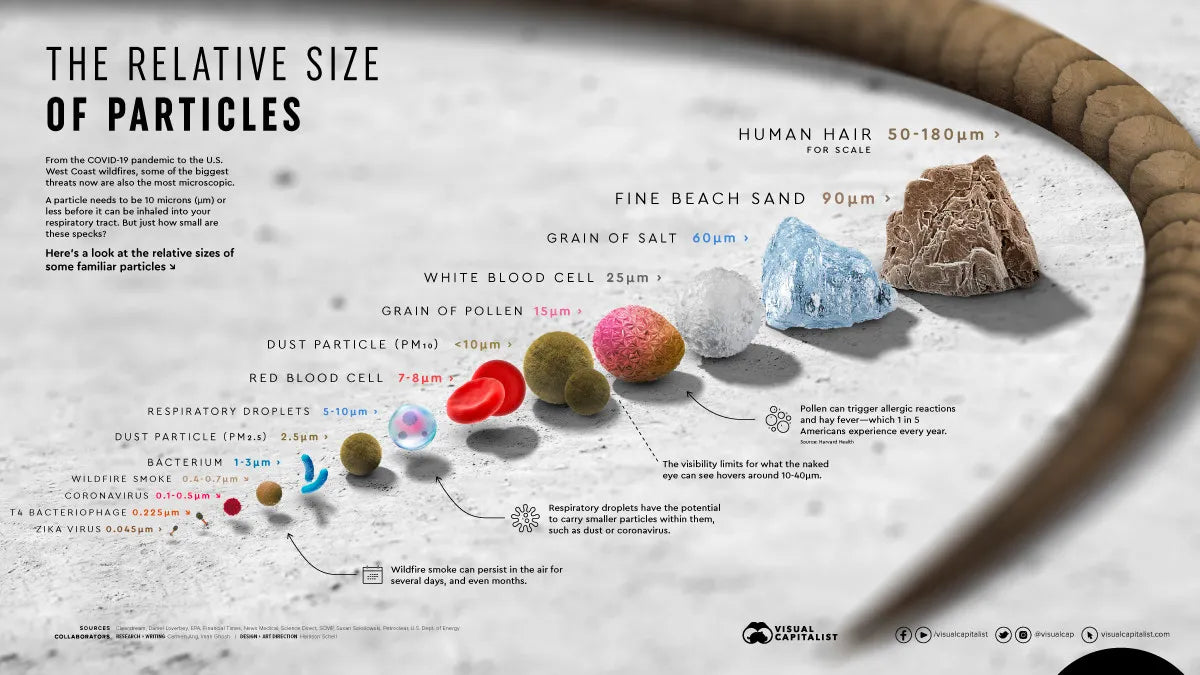
The term PM2.5 refers to any fine particulate matter that is 2.5 microns in diameter or smaller. That’s roughly 30 times smaller than the width of a human hair! PM2.5 can be solid particles or liquid droplets. People have been measuring particles in the air since the 1800s, but it wasn’t until the 1980s that the 2.5 micron size was used as a measuring point. In 1997 the National Ambient Air Quality Standards (NAAQS) adopted PM2.5 as a standard.
Where Does PM2.5 Come From?
PM2.5 comes from a number of man made and natural sources. Among the major man made sources are:
- Burning fossil fuels - Anything that uses coal, oil, or even natural gas
- Industrial emissions - Certain industrial processes generate fine particles as a byproduct
- Agriculture - Diesel engines, plowing, even spraying fertilizer that can spread particles.
- Cooking - Frying, broiling, and grilling can create PM2.5.
- Tobacco smoke - No surprise that cigarette and cigar smoking create tiny particles.
PM2.5 can also come from natural sources:
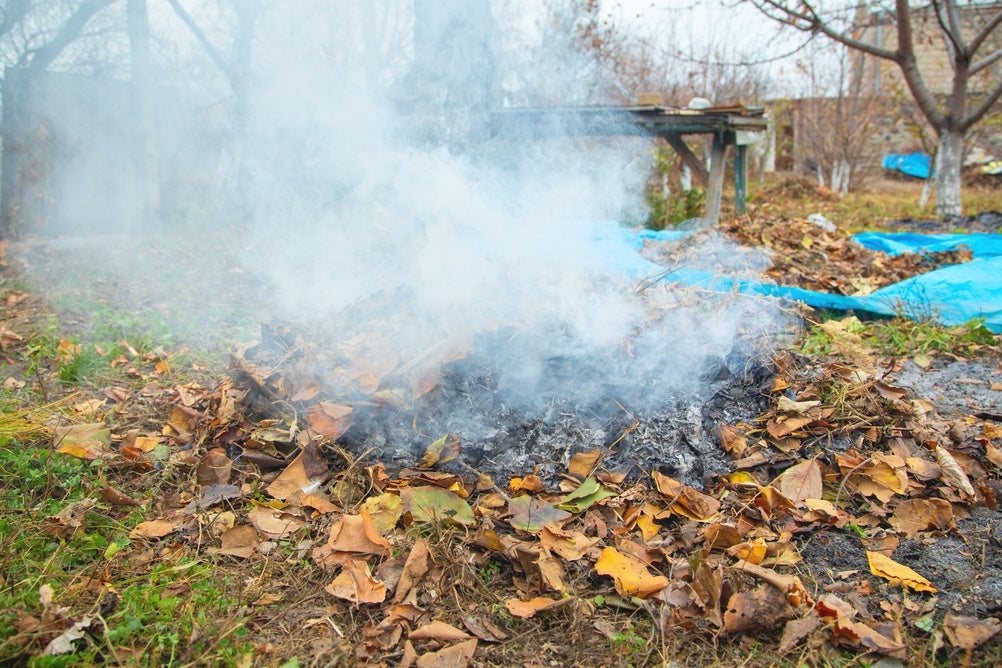
- Wildfires - Forest fires seem to be on rise along with the soot and ash they pump into the air.
- Dust storms - Dry climates and droughts create plenty of powdery dust that is easily carried into the wind.
- Volcanic eruptions - Ash and soot from an eruption can travel vast distances.
- Sea spray - Most people don’t realize that the salt in saltwater is actually made up of minerals that are left behind when water evaporates, leaving tiny crystals.
These sources all vary by location. They can be in the heart of a city or in the middle of the wilderness. PM2.5 can also form in the atmosphere when volatile organic compounds (VOCs) react with other pollutants.
Why Does It Matter?
Experts agree that PM2.5 is a serious threat to our health. It is a contributing factor in many illnesses, causes of early death, and lower quality of life. Smog and haze caused by PM2.5 makes for a depressing landscape in general. Due to the wide ranging impact PM2.5 has on our lives, controlling it is a major priority across the globe. Just a few health issues linked to PM2.5 include:
- Heart disease
- Stroke
- Asthma
- COPD
- Pneumona
- Cancer
- Dementia
- Impaired early childhood development
Vulnerable groups such as children, seniors, and those with pre-existing health conditions are at higher risk for PM2.5 linked health problems.
What Your Air Purifier PM2.5 Reading Means
If your air purifier has a built-in PM2.5 sensor you can get an immediate idea of your indoor air quality. But what does your PM2.5 reading mean? PM2.5 is measured in micrograms per cubic meter. The lower the number, the cleaner the air and better for your health. Here are the general guidelines from the U.S. Environmental Protection Agency (EPA) from the The National Ambient Air Quality Standards for Particle Pollution:
- Good - 0 to 9
- Moderate - 9.1 to 35.4
- Unhealthy for at risk groups - 35.5 to 55.4
- Unhealthy - 55.5 to 125.4
- Very unhealthy - 125.5 to 225.4
- Hazardous 225.5+
How To Lower Your Indoor PM2.5
If PM2.5 levels inside your house are too high, there are a few steps you can take to bring things back down to a healthy level. Start by reducing the indoor PM2.5 sources. Avoid burning candles, incense, fireplaces or wood stoves. When cooking make sure to use an adequately sized ventilation hood that is vented outside. Open a kitchen window when using the ventilation hood to allow plenty of airflow.
Clean often. Wipe down surfaces with a damp cloth to remove dust. Use a HEPA filter equipped vacuum so tiny particles aren’t spread back around the room during chore time. Check your local outdoor air quality. If it is better than your current indoor air quality, open a few windows for fresh air. Unfortunately this option isn’t always possible.
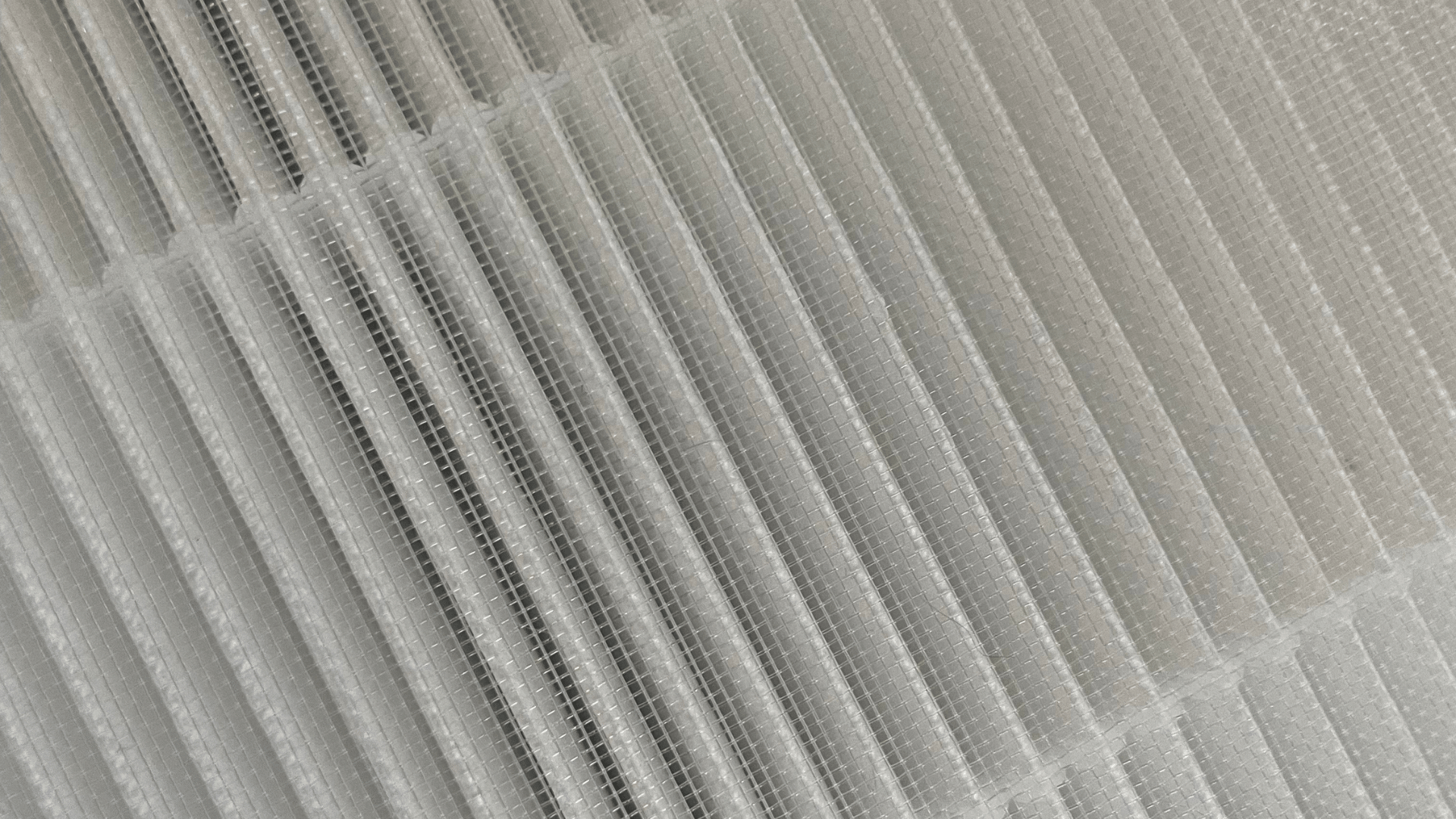
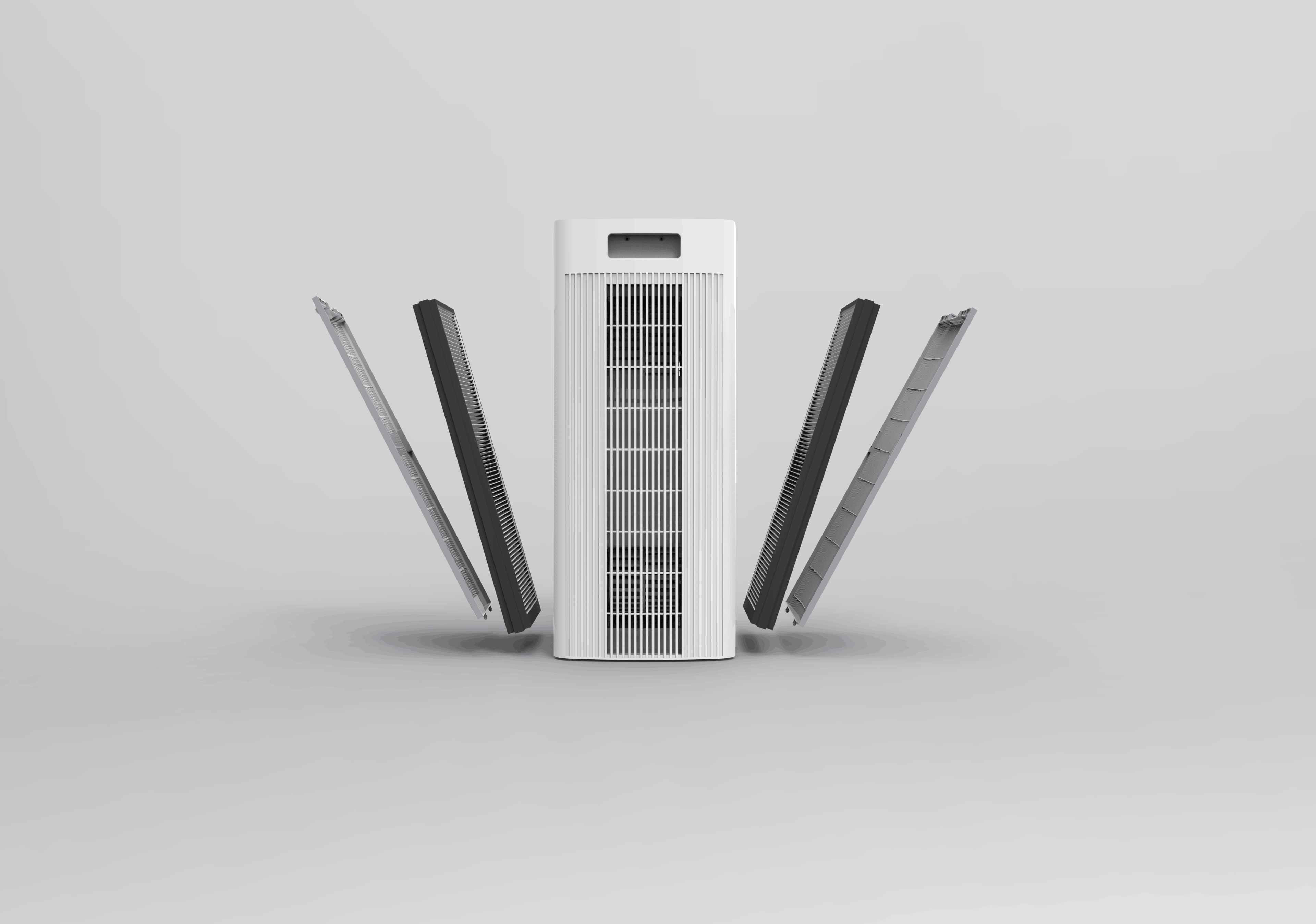
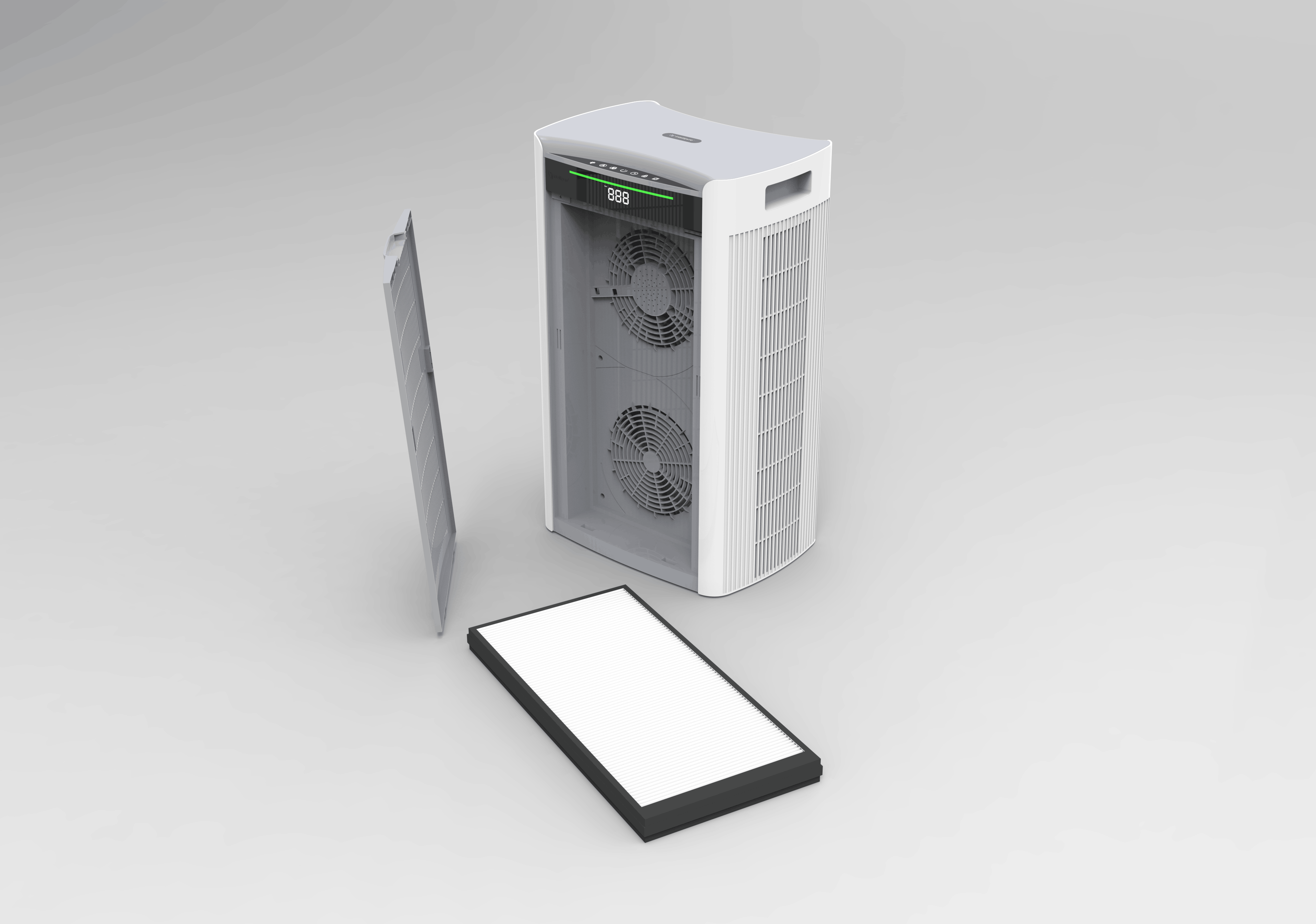
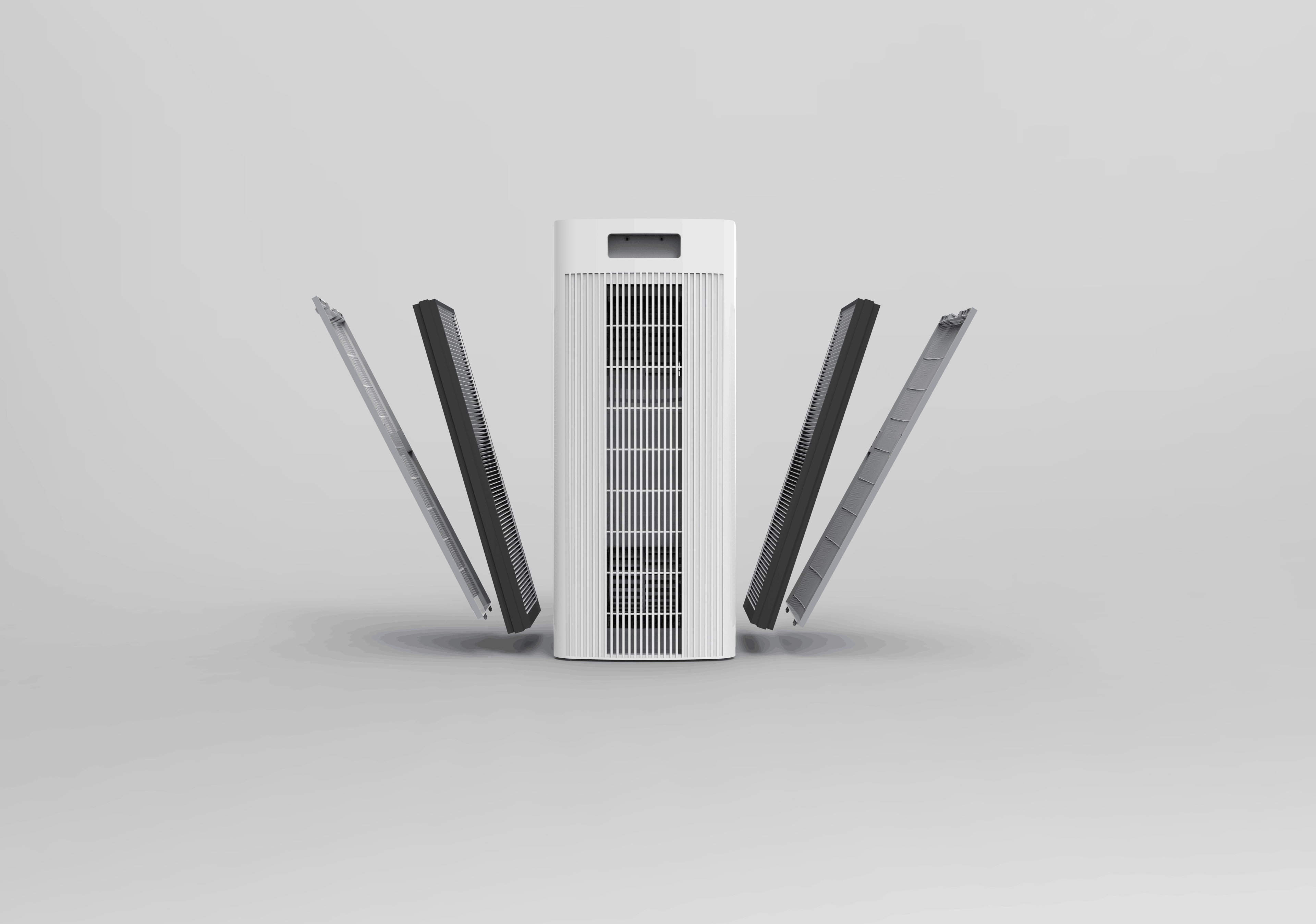
Using an air purifier is an excellent way to keep PM2.5 under control. Choose an air purifier with a HEPA filter (or equivalent performance) that is able to remove fine particles. A properly sized air purifier with sufficient clean air delivery rate (CADR) can make a big difference in indoor air pollution levels in just a few hours.




Why You Should Deep Clean After Hosting
Holiday Allergy Triggers: Deck the Halls, Protect Your Lungs