
Airborne Hazard: Why Wildfire Smoke Is Different

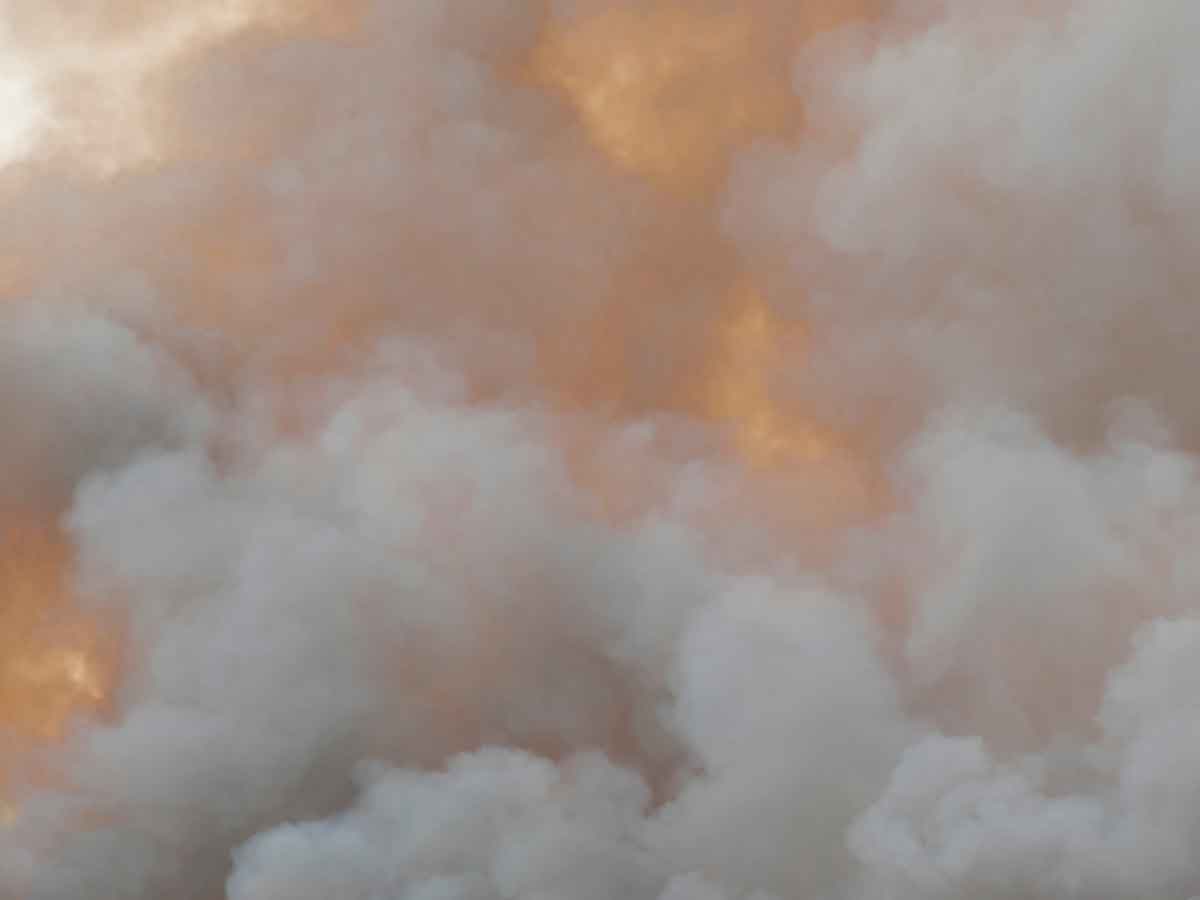
You’ve probably been hearing a lot about wildfires in the news the last few years. While the number of actual fires themselves has gone down, their size and intensity have gone up. Fires are also burning more areas inhabited by humans, destroying homes, businesses and infrastructure along the way. The fire itself is only one component of a wildfire, the other component is the smoke.


What Is In Wildfire Smoke?

Wildfire smoke isn’t like your typical campfire smoke, it is actually very complex. Both are bad for you, but wildfire smoke is much worse. Wildfires burn everything in their path across huge areas for a long period of time, while a campfire only burns a small amount of wood in a small area for a little while. Not only are trees, bushes, brush and any other plant materials burning, so are houses and any other buildings in the way. That adds materials like plastic, wiring, electronics, insulation, chemically treated wood, and any common household chemicals. Wildfires also burn hotter and with less oxygen, creating smoke that has harmful chemicals that can create nasty byproducts. 


Amazingly wildfire smoke can actually change over time as it travels. Chemicals in the smoke can react with things in the air, making new substances that can be more dangerous. Smoke particles can even grow larger in size as they float along and combine with other things. As the smoke floats along it even interacts differently with light over time, absorbing less light as time goes on. Chemical components like potassium remain about the same level, things like ammonium actually increase. All these changes can make the smoke more harmful to breathe and are why anyone living downwind from these fires should take precautions to protect themselves.


How Does Wildfire Smoke Move Around?

Intense heat from a wildfire lifts the smoke high into the air in the beginning. This can happen in multiple places along the fire area, making different smoke plumes that reach different heights. Once the smoke hits the upper atmosphere layers it can travel hundreds of miles away from the fire itself. Wildfire smoke moves differently depending on the terrain. Mountainous areas can channel wind through valleys and passes, moving smoke at a faster rate. Even the time of day can affect how smoke moves. During the day heat from the sun helps move smoke up into the atmosphere, but at night things cool down making the smoke act differently. When cooler night air starts to sink it can actually push wildfire smoke down to ground level. These temperature changes can also lead to the chemical changes in the smoke as mentioned previously.


When Is Wildfire Season?


This isn’t as easy an answer as it used to be. Due to growing fluctuations in the global climate, it is getting harder and harder to pinpoint when wildfire season occurs. In areas like California wildfires are happening year-round now. There is some seasonality for certain regions that can still be applied, but are not absolute. Here are a few examples:

  • West Coast - June through October

  • Southwest - May through September

  • Rocky Mountains and Midwest - June through September

  • Southeast - All year, but can be more active in Spring and Fall

  • Alaska - June through August


Wildfires can happen any time in any region, so the best advice is to stay informed. You can check the NOAA website for wildfire favorable weather conditions. You can also track current wildfires on AirNow.gov to see where wildfires are active across the United States.


Protecting Yourself From Wildfire Smoke

There are a few things you can do to protect yourself and your loved ones from the effects of wildfire smoke. 

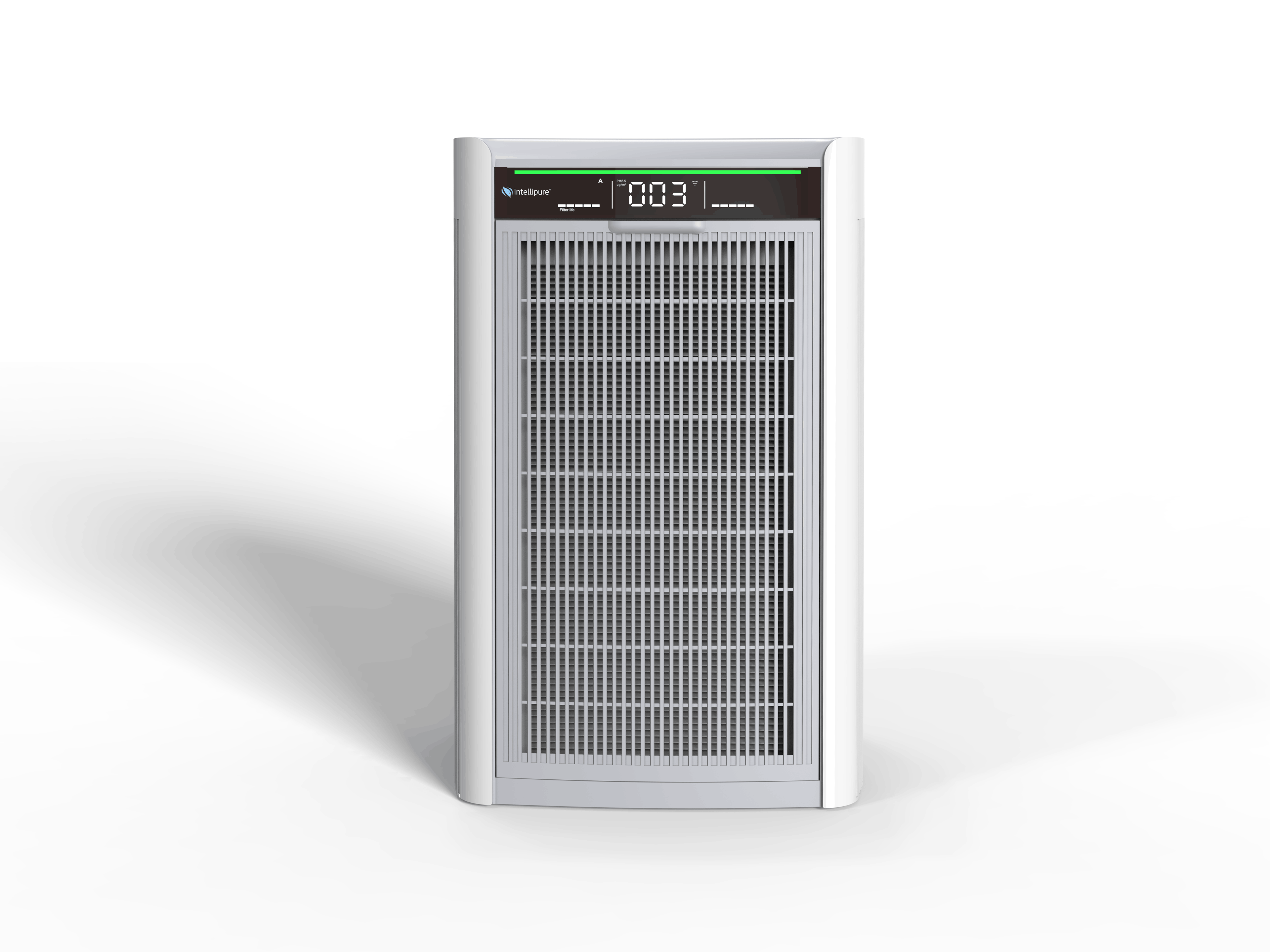
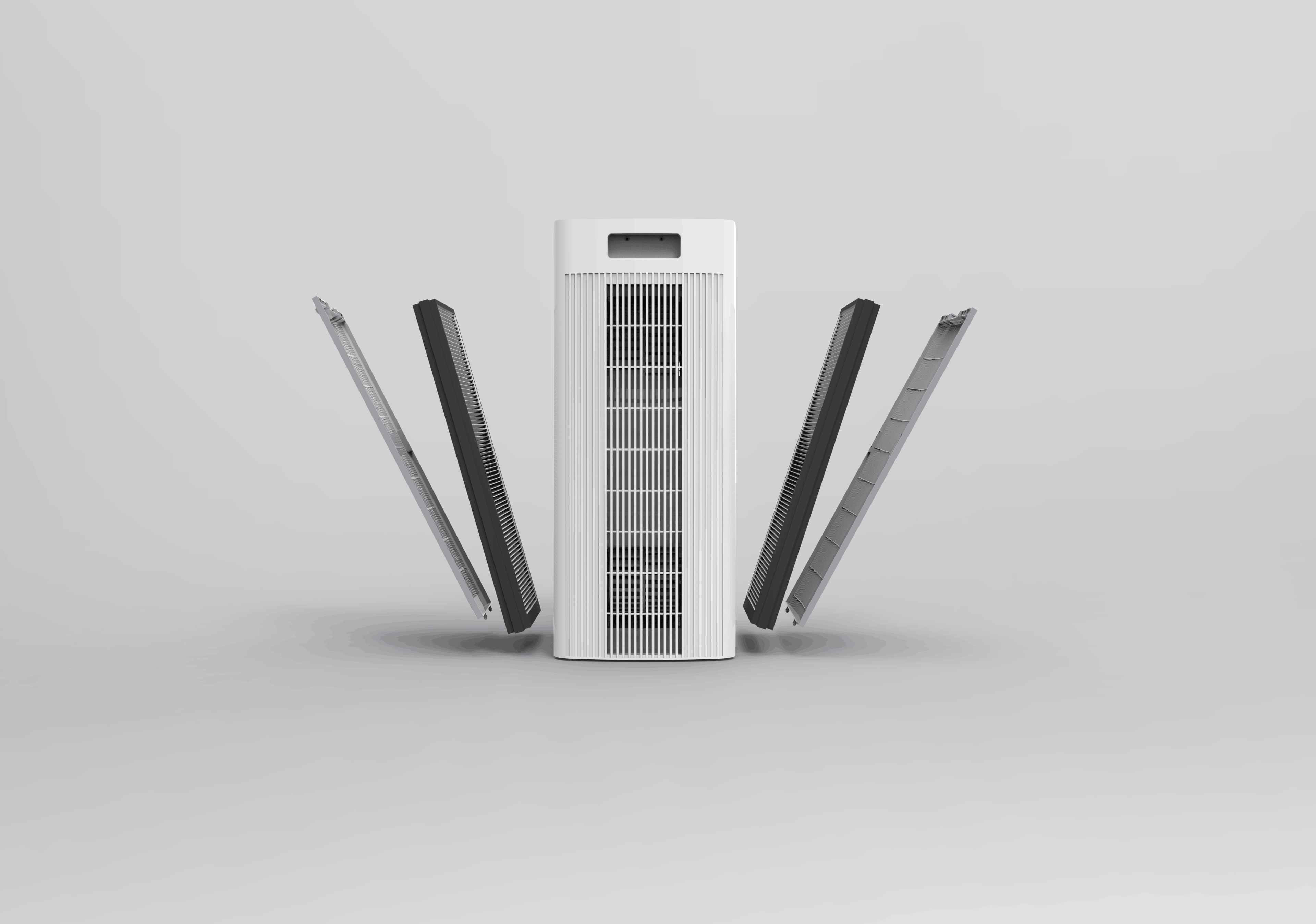
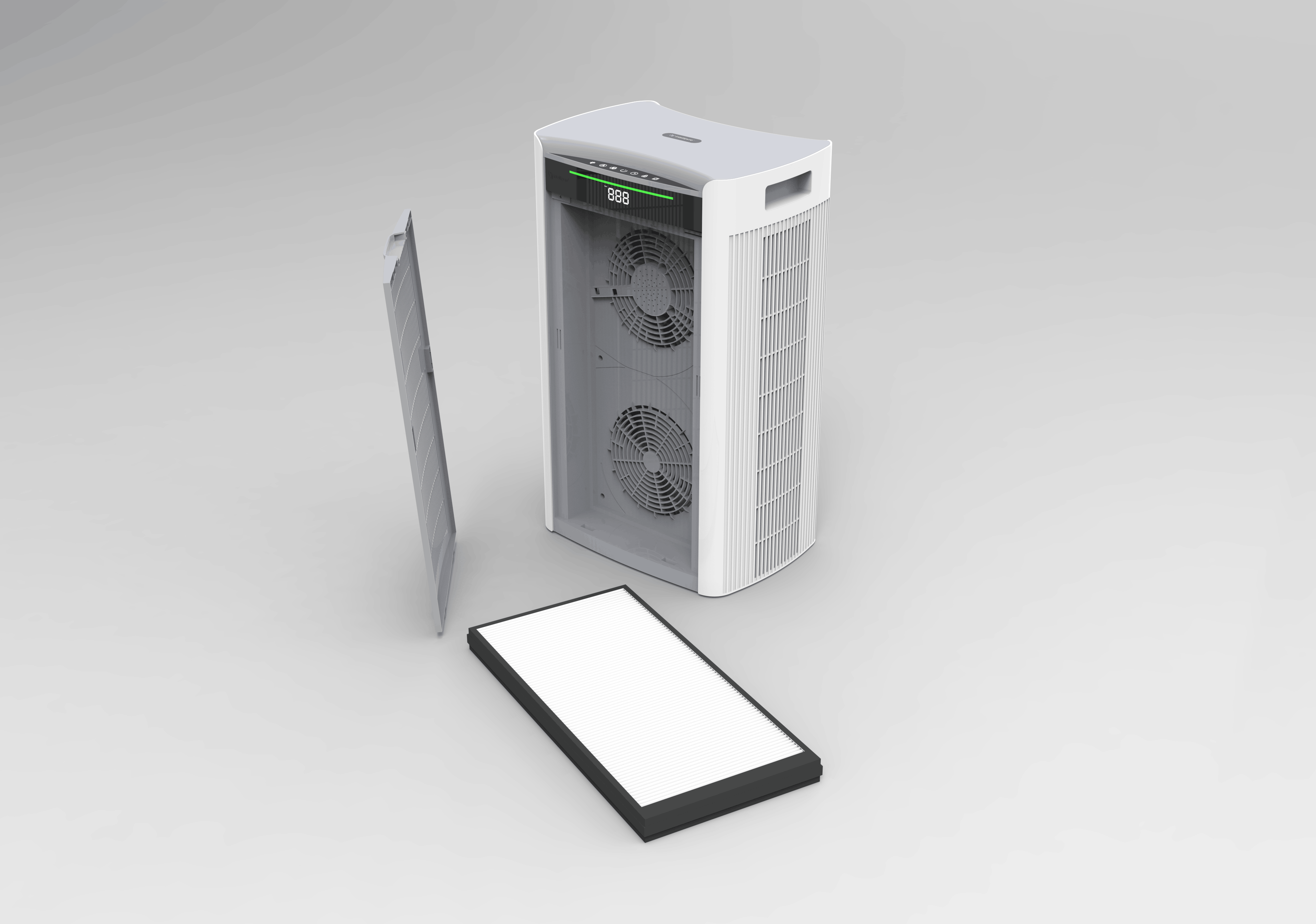
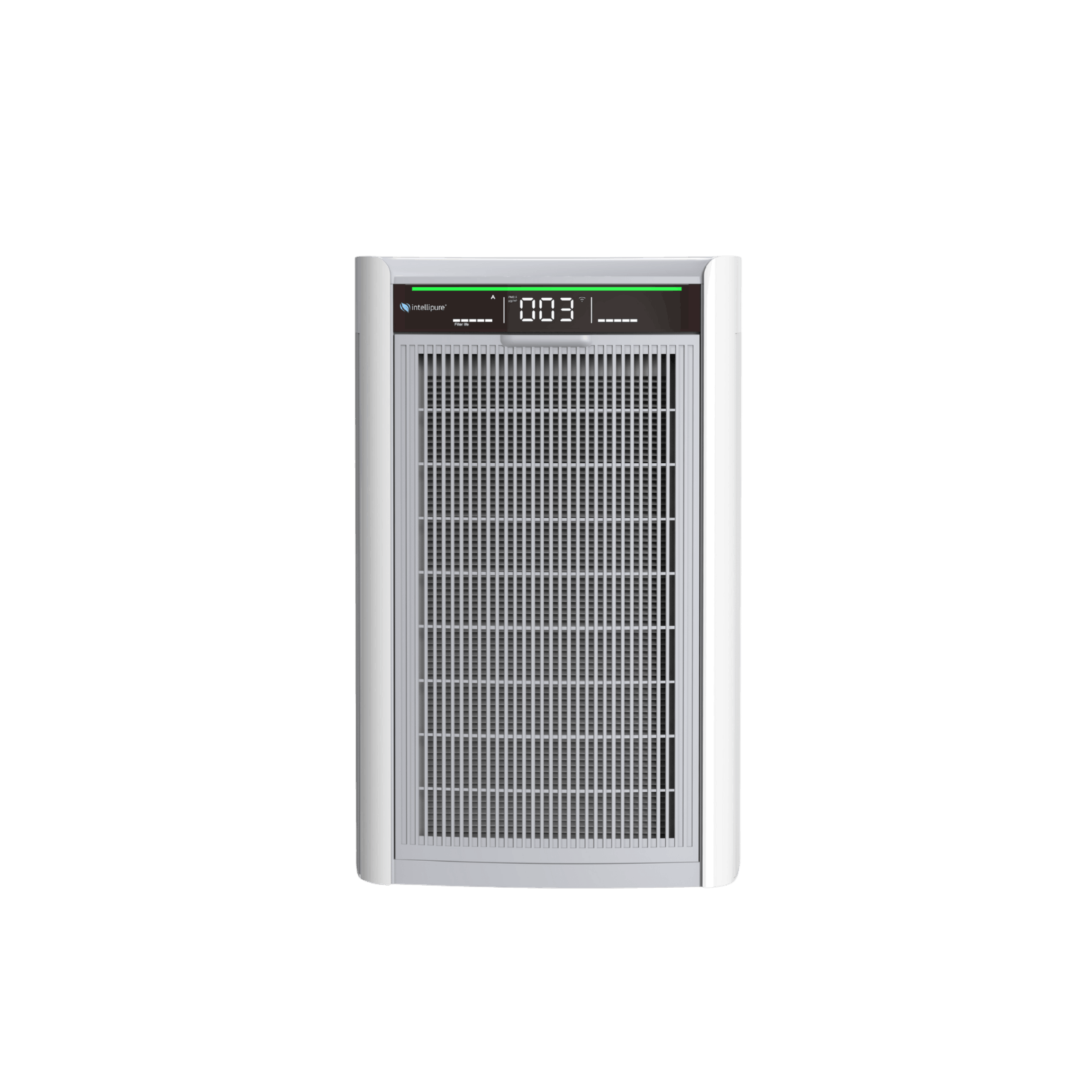
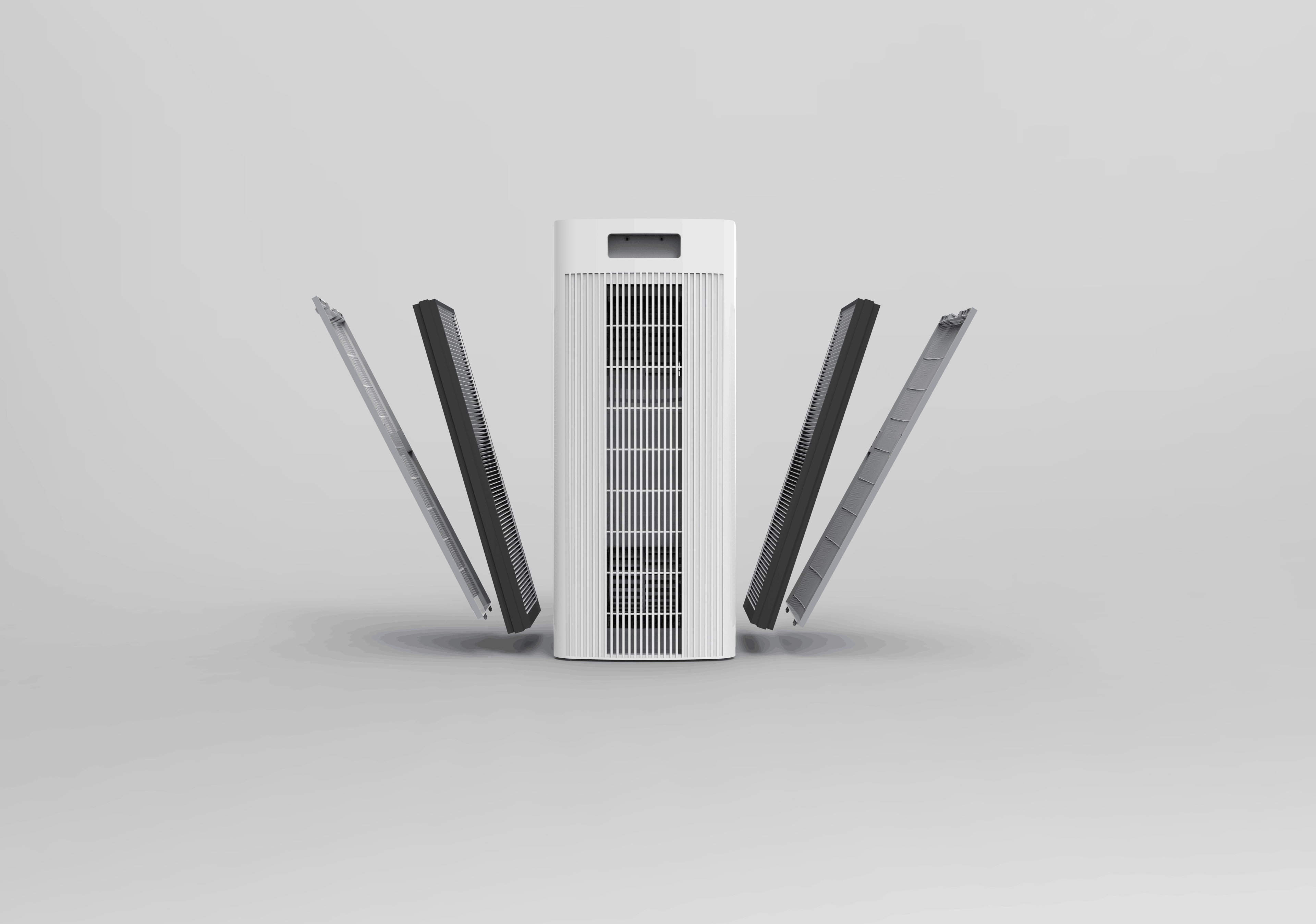
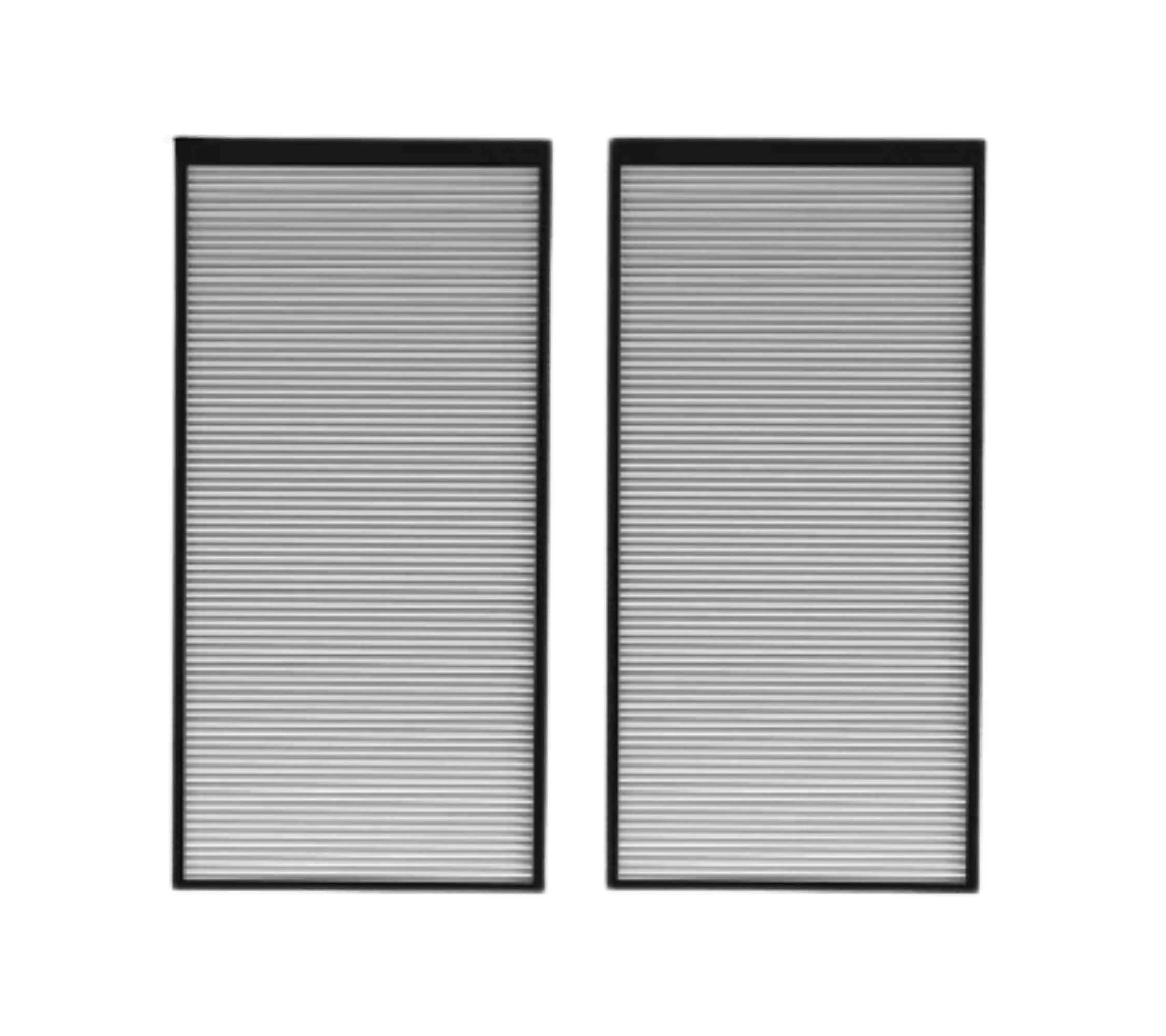
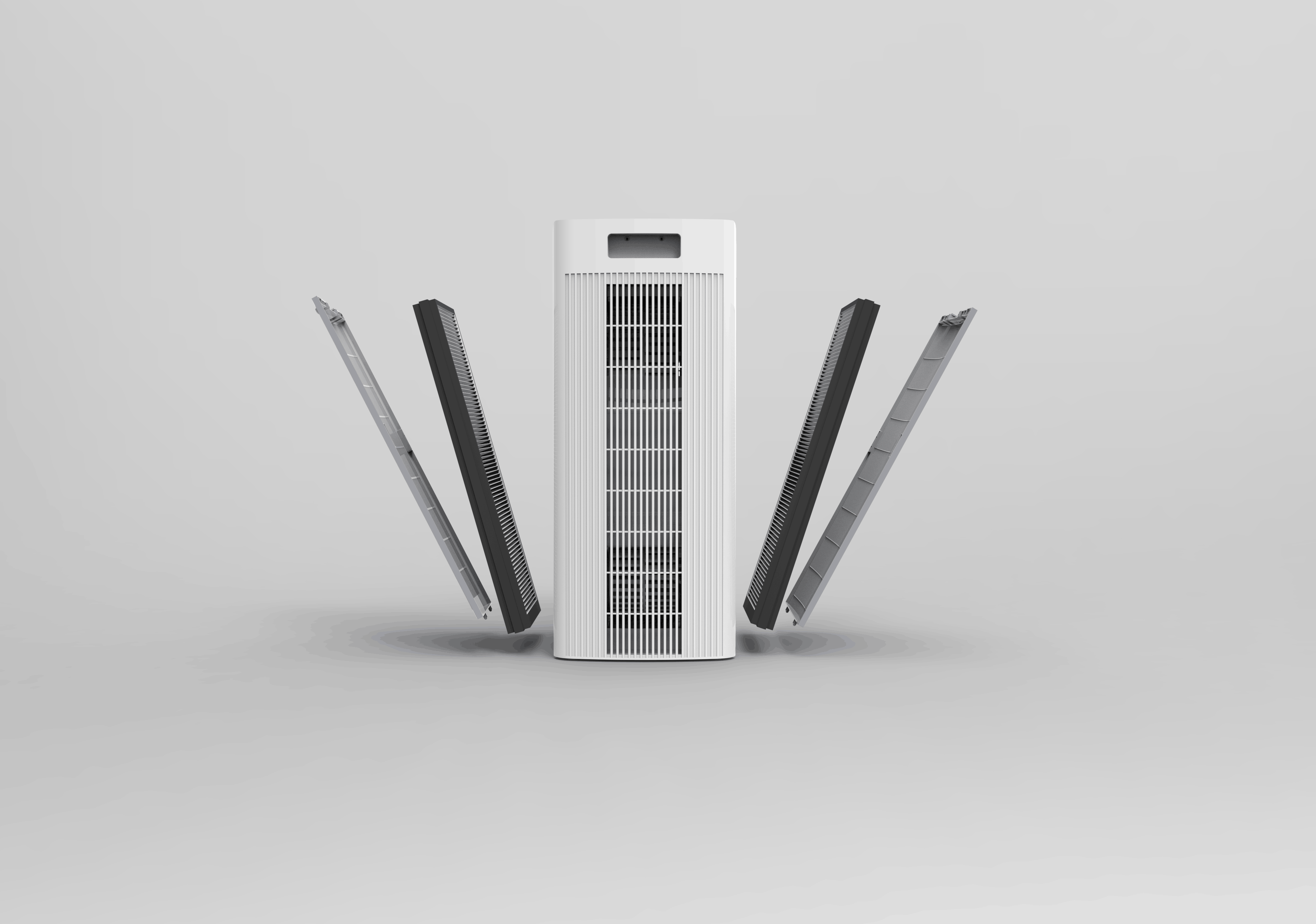
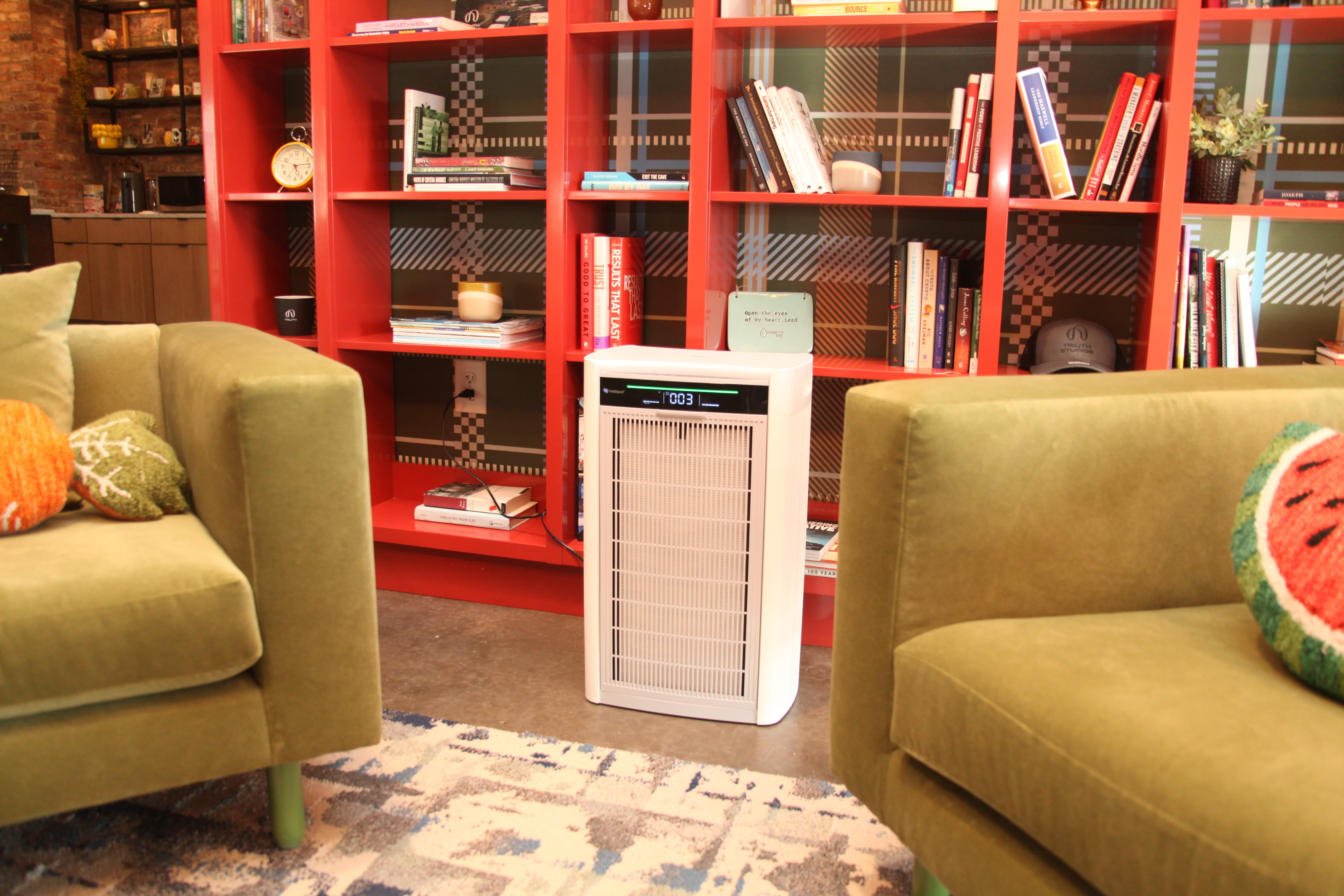
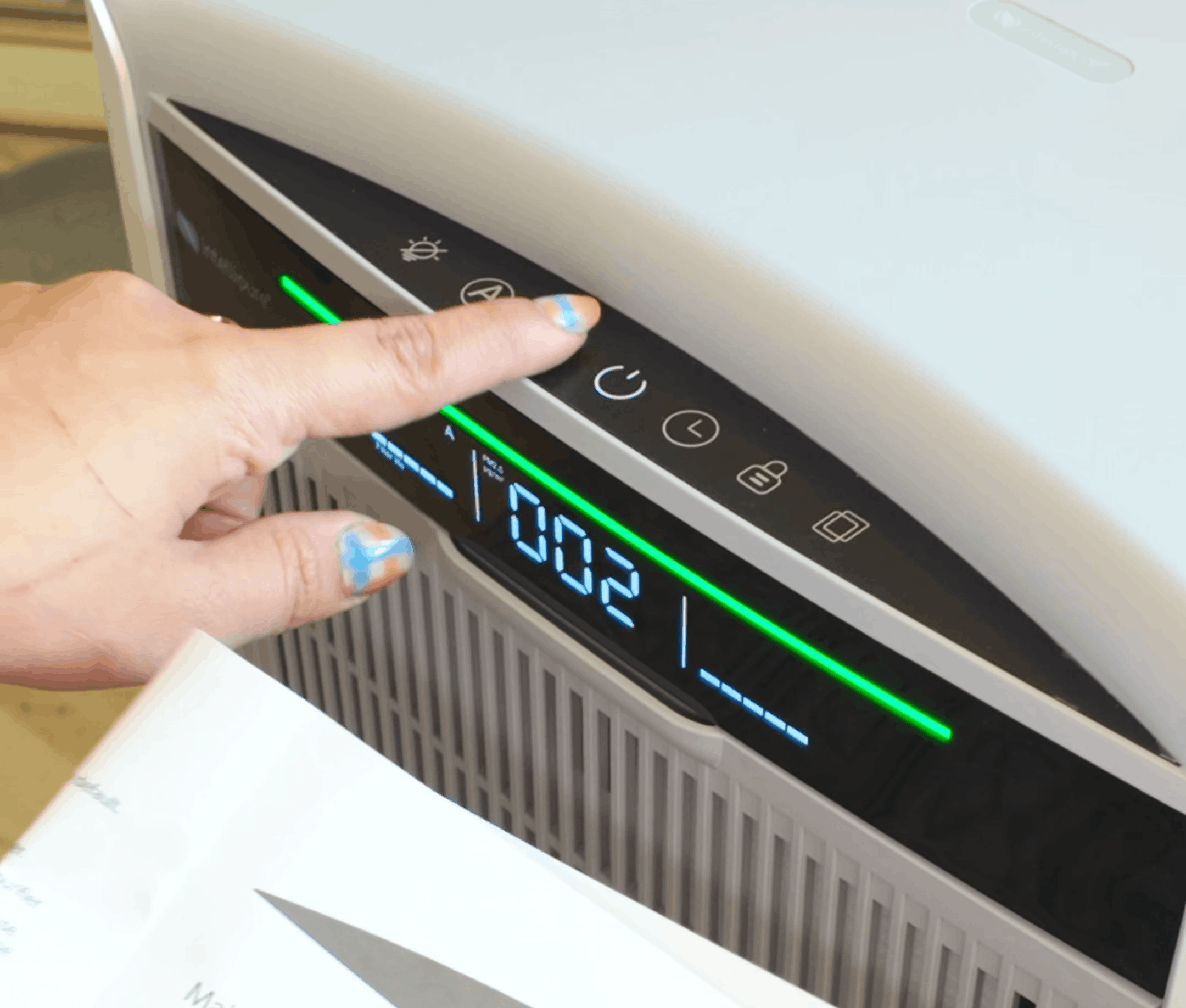
Intellipure offers high-quality indoor air filtration units that can remove harmful airborne smoke particulates and chemical compounds. Now that you know more about how wildfire smoke works you can be better prepared when a wildfire breaks out. Just remember that wildfire smoke can travel vast distances, so you can be affected by even a distant wildfire. Stock up on N95 face masks and make sure your air purifier is always in good working order by replacing the filters as recommended.


*Third party testing shows a 53% reduction in Toluene over a 60 minute period within a 1,007 cubic foot test chamber.

 

Explore the Breathe Easy Blog

View all

Outside In: How Your Yard Affects Your Indoor Air Quality

Outside In: How Your Yard Affects Your Indoor Air Quality

Counterintuitively, a big part of maintaining good indoor air quality (IAQ) is being more mindful of the air outside your home. That's because half of what's in the air outside can make its way inside [1][1].

From pollen and mold spores to pesticides and other lawn treatments, lots of different outdoor contaminants find their way into the air you breathe when you're chilling on the couch, eating lunch at the kitchen table, or even tucked under the covers in bed. 

Read more

The Skin-Deep Side of Summer IAQ

The Skin-Deep Side of Summer IAQ

As a lifelong resident of the Sunshine State, I consider myself an authority on all things sunny. So, I speak from experience when I say: Summer has a way of making skincare routines and hair maintenance schedules feel like full-time jobs. 

Read more

Summer Staples That Threaten Clean Indoor Air

Summer Staples That Threaten Clean Indoor Air

Summer is all about getting outside and having fun, but for many families, it also means a rush of indoor air pollutants that go largely unnoticed.

From sunscreen sprays to insect repellents to beachy scented candles, the products we use to help us enjoy summer can measurably degrade our indoor air quality (IAQ). Volatile organic compounds (VOCs) from these everyday items can accumulate to concentrations much higher indoors than outdoors, triggering everything from mild irritation to more serious long-term health consequences [1][1]

Read more

The Smoky Side of Summer

The Smoky Side of Summer

Grills firing up. Fireworks cracking overhead. Citronella candles glowing on the patio. Personally, I'm excited for the festivities. But some of summer's most familiar moments come with a little smoke.

We usually think of these as outdoor activities, which makes them feel separate from the air inside our homes. But your indoor air doesn't exist in a hermetically-sealed bubble. Smoke can drift through open doors, screened porches, cracked windows, attached garages, and nearby air intakes. And once those tiny particles make their way inside, they can linger longer than the fun.

Read more

Breathing Activities to Help Kids Keep Their Cool

Breathing Activities to Help Kids Keep Their Cool

Big emotions are a regular part of childhood, but kids don't always know how to manage them without support. One of the simplest and most effective emotional regulation tools they can learn also happens to be completely free: mindful breathing. For kids and adults, deep breathing helps calm the body's stress response, making it easier to control emotions, refocus, and navigate challenging situations. 

Read more

Shedding Light on Pet Allergens: How Pets Affect Indoor Air Quality

Shedding Light on Pet Allergens: How Pets Affect Indoor Air Quality

We love our pets. We love their little routines, their tiny dramatic sighs, their oddly specific favorite spots around the house. What we don't love quite as much? We love our pets. We love their little routines, their tiny dramatic sighs, their oddly specific favorite spots around the house. What we don't love quite as much? The fur tumbleweeds, the mystery smells, and the microscopic particles they leave behind.

Read more

Summer Air Myths

Summer Air Myths

Summer is often portrayed as the season of fresh air, when you're supposed to get out of the house and enjoy the great outdoors, or at least crack open a window or two. But well-meaning advice about "getting fresh air" isn't always supported by science. This article debunks five common myths about summer air quality, so you can make more informed decisions about your home environment. 

Read more

From the Ballpark to the Boardroom: What Sports Science Can Tell Us About Air Quality and Mental Clarity

From the Ballpark to the Boardroom: What Sports Science Can Tell Us About Air Quality and Mental Clarity

You've probably heard that air pollution is bad for your lungs, but have you ever thought about how it might affect your brain? A growing body of research suggests that the air you breathe has a measurable impact on cognitive performance, and some of the best evidence comes from pretty unexpected places: baseball, football, and soccer fields. 

Read more

Sleep Better With Cleaner Air

Sleep Better With Cleaner Air

You've probably heard a lot of common tidbits of sleep advice before: Dim the lights. Put your phone away. Keep the room cool. Avoid caffeine too late in the day. Maybe add a fan, sound machine, or "rainfall in a forest" playlist (if that's your thing). All good ideas. But there's another part of your sleep environment that deserves a spot in the routine: the air you breathe all night.

Read more