
Where Do I Place My Air Purifier?

Ask the Right Questions

The hard part is over - you did your research and found an air purifier that fits your lifestyle and indoor air quality needs. Now you're asking, "Where do I place my air purifier for maximum efficiency?"


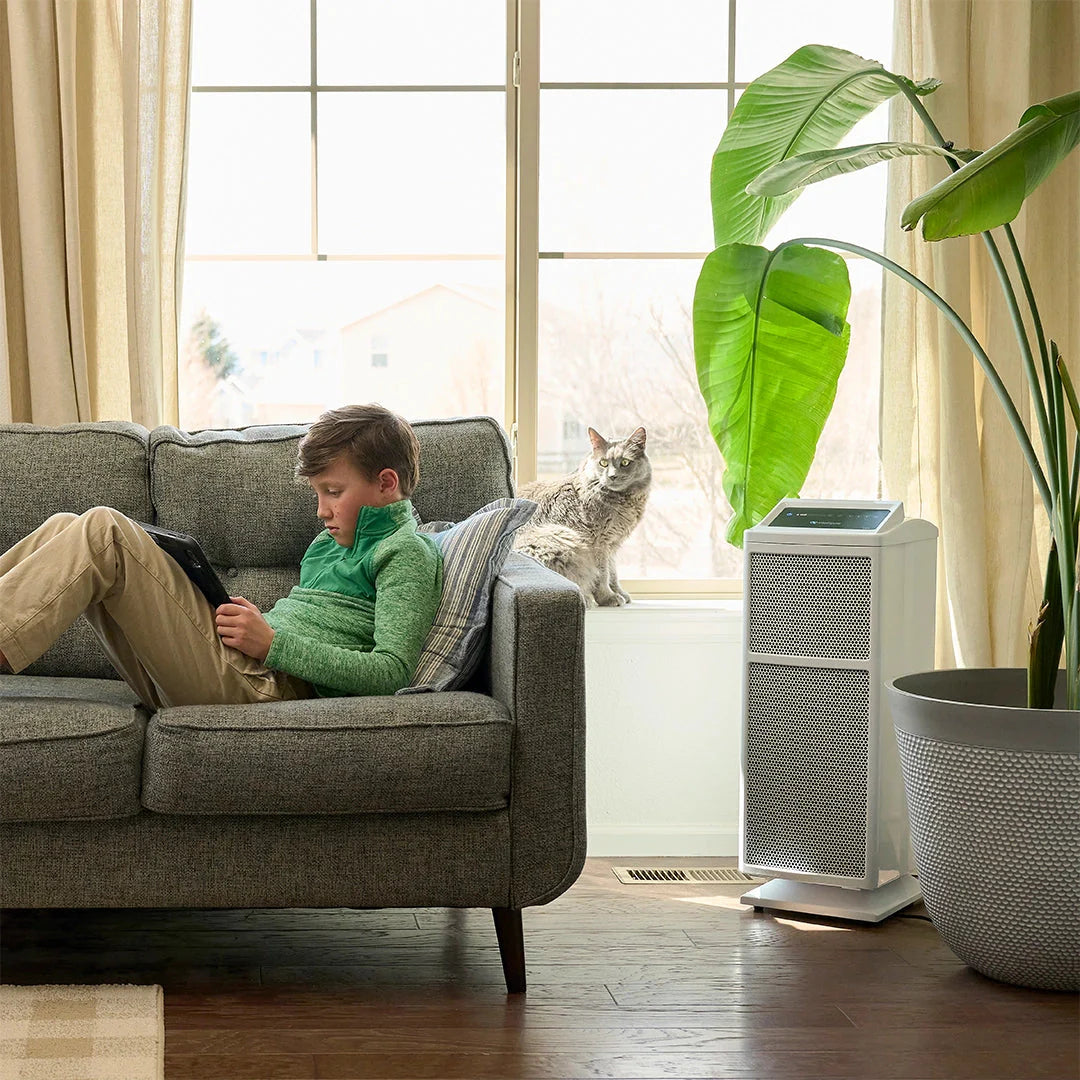
When considering the ideal location, think of a high-traffic area or an area where your air quality matters most to you. The target location should fall within the square footage of the coverage area stated by the manufacturer for maximum air exchanges. Should it be your living room, where your children and pets like to play and relax regularly? Or your home office, where you spend most of your day?


Can I place my air purifier in the foyer?

If you're constantly opening the front door, this can let in outdoor pollen and germs. Placing the air purifier in a central area or near the most-used entrance can help remove contaminants flowing into living space.


Can I use my air purifier near a window?

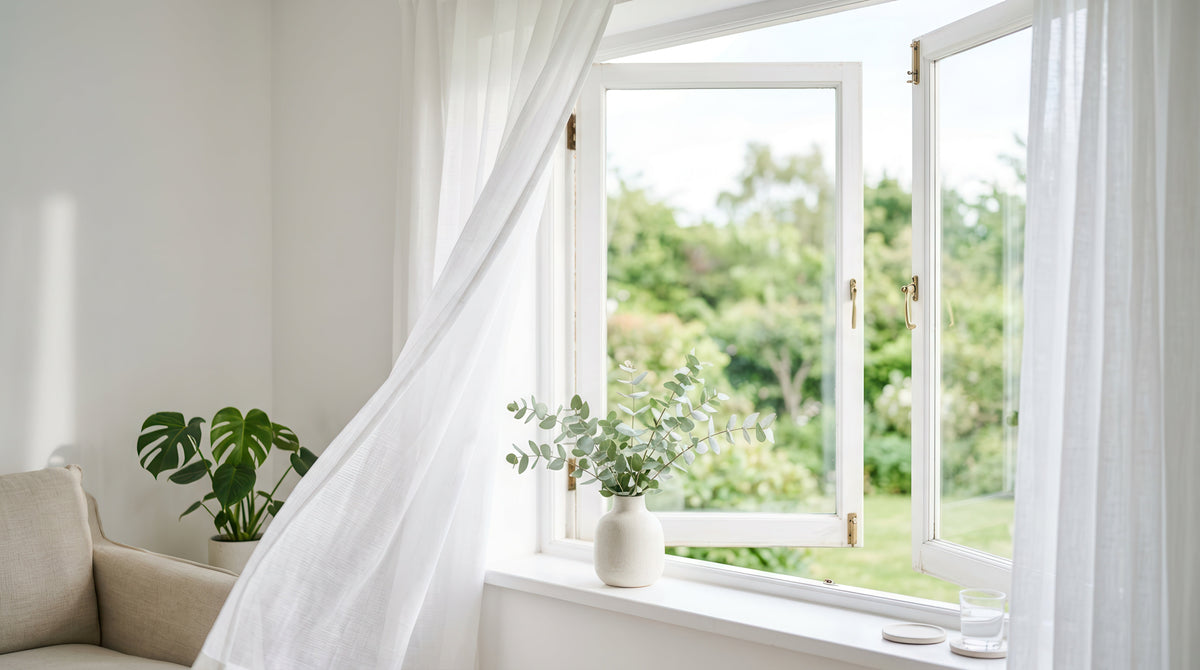
Using the system near an open window is a great way to reduce allergens and particulates flowing into the home along with the fresh air. If the system is used near an open window or frequently used outside air source, you may want to monitor or change the pre-filter more often.


What do I want to take out of the air?

Say you're trying to remove a specific particle, such as mold. Although an air purifier will not stop mold buildup, placing it in a mold-prone area can reduce the amount of airborne mold spores. For more tips on conquering mold, check out this article.


Prime Locations to Place an Air Purifier

  • Foyer
  • Kitchen
  • Laundry room
  • Rooms with strong smells, like where you keep your cat's litter box
  • Nursery
  • Home office
  • Dorm rooms
  • Newly painted/renovated rooms
  • Home gym
  • Mud room

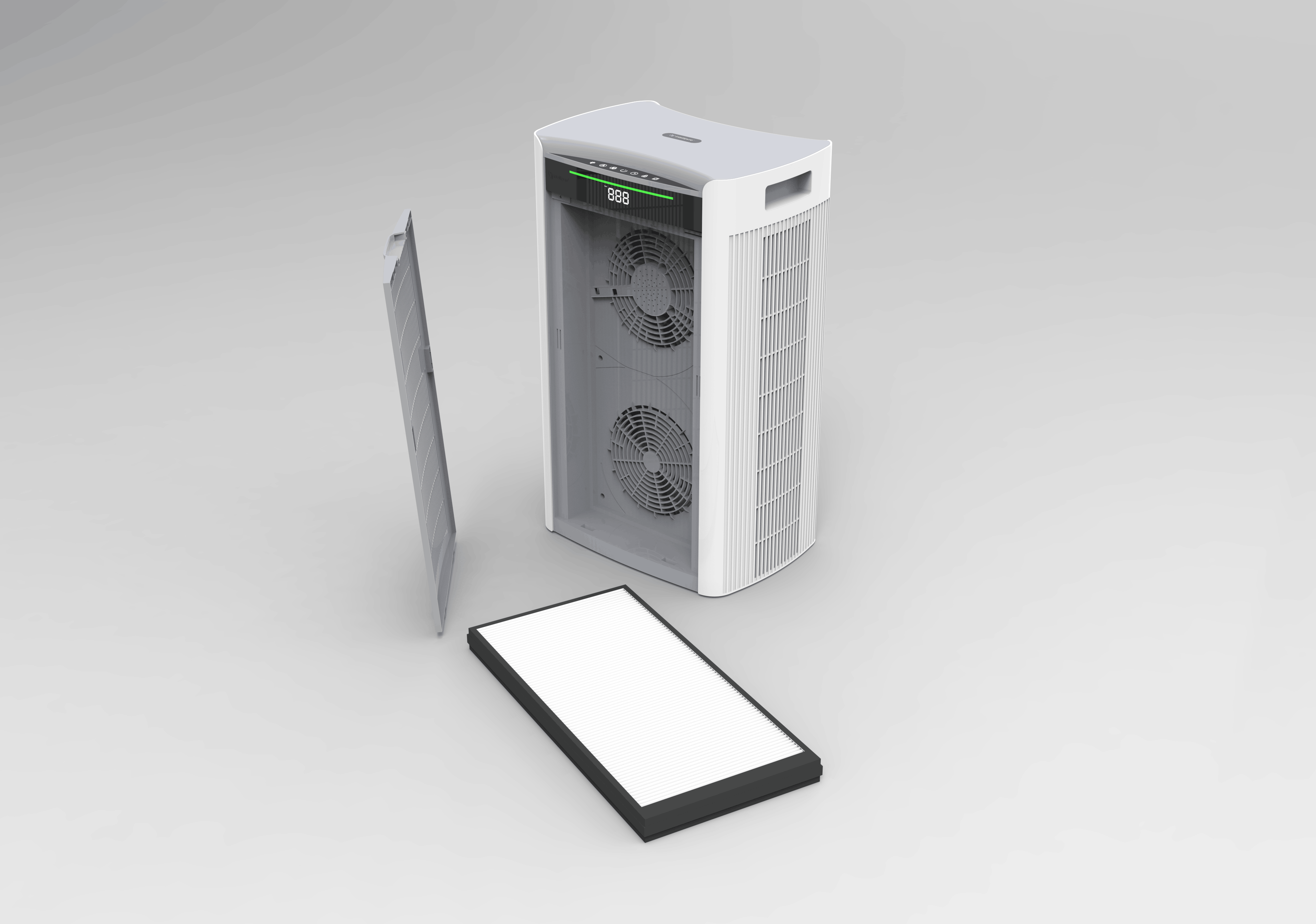
For the most effective results, place your air purifier in an area where you spend the most time and airflow won't be restricted. Remember to give your air purifier enough "breathing room" to take in harmful particles and let out as much clean, fresh air as possible. We also recommend not placing objects directly on top of your air purifier, as this can restrict the amount of air coming out of the unit.


Do the Math: How Do I Calculate Air Exchange?

Air exchange is just what it sounds like - the amount of times air circulates completely within an indoor space. Larger areas will take longer, since there is more area to cover.


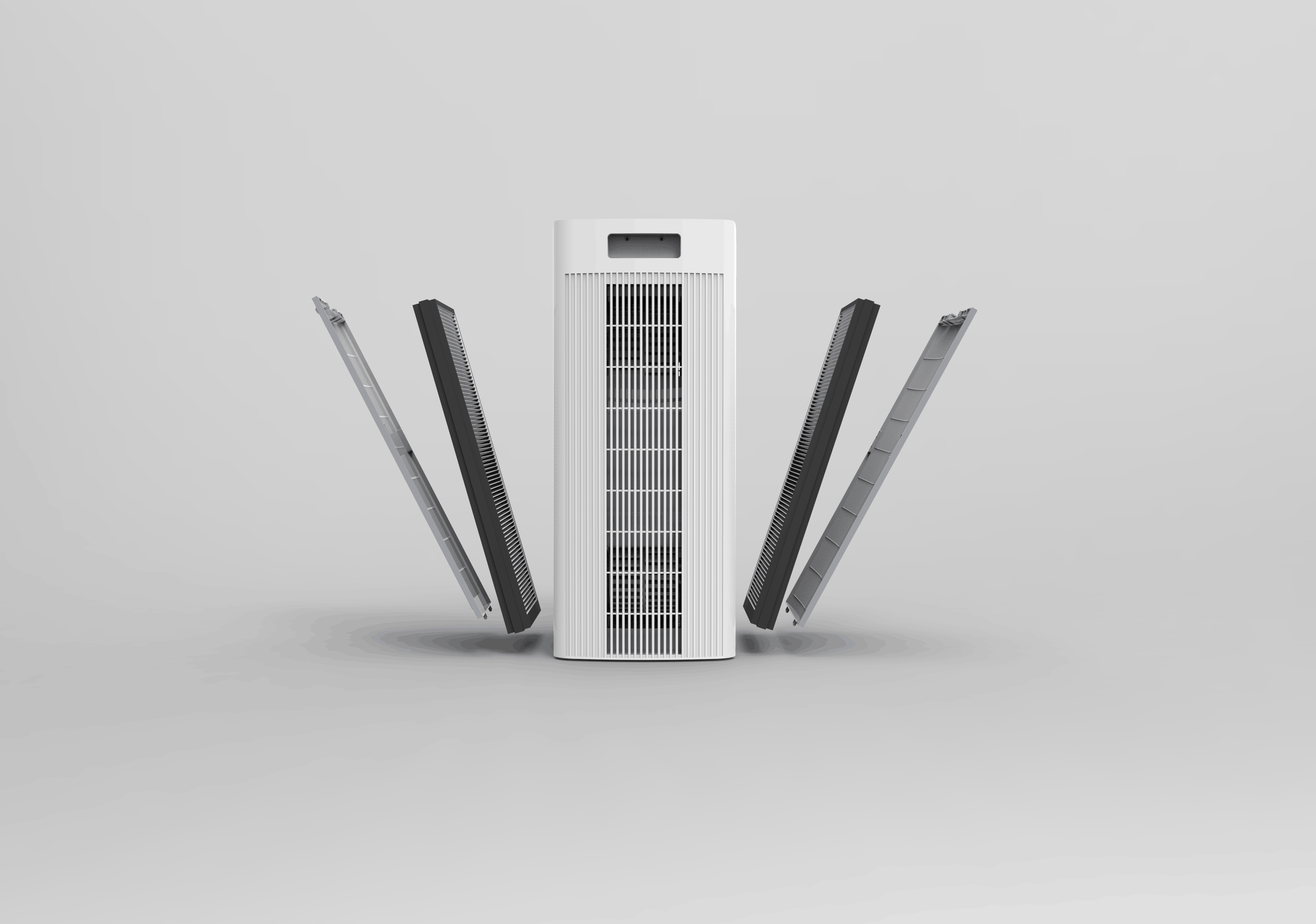
The air flow of an Intellipure Compact air purifier.


For example, a 10x10 foot room with 8 foot ceilings has 100 square feet of floor space and 800 cubic feet of air. At low speed, it will take 36 minutes to exchange the air in the space (800/22), so there will be 1.6 air exchanges an hour (60/36).

Explore the Breathe Easy Blog

View all

How to Improve Ventilation in a Room

How to Improve Ventilation in a Room

The exchange of indoor and outdoor air in residential and commercial buildings is known as ventilation. Without good ventilation, harmful pollutants and moisture can get trapped inside your insulated, airtight house [1][1].

Whether you're here because you're experiencing an air quality, air comfort, or mold growth problem in one or more of your rooms, or because you simply want to learn more about the topic, you've come to the right place to get an overview of all things ventilation. (Well, almost all things. There's always more to discover when it comes to the air we breathe.)

Read more

How Do Airborne Viruses Spread? A Guide to Sharing Air, Not Germs

How Do Airborne Viruses Spread? A Guide to Sharing Air, Not Germs

There's nothing quite like an unexpected houseguest, especially one you can't see. And during cold and flu season (which feels like it gets longer every year) airborne viruses have a habit of showing up uninvited.

In the modern, post-pandemic world, most of us know the basics: Cover your coughs, wash your hands, and steer clear of anyone who's sick. But what about the germs we can't see, like the ones floating around in the air we breathe?

Read more

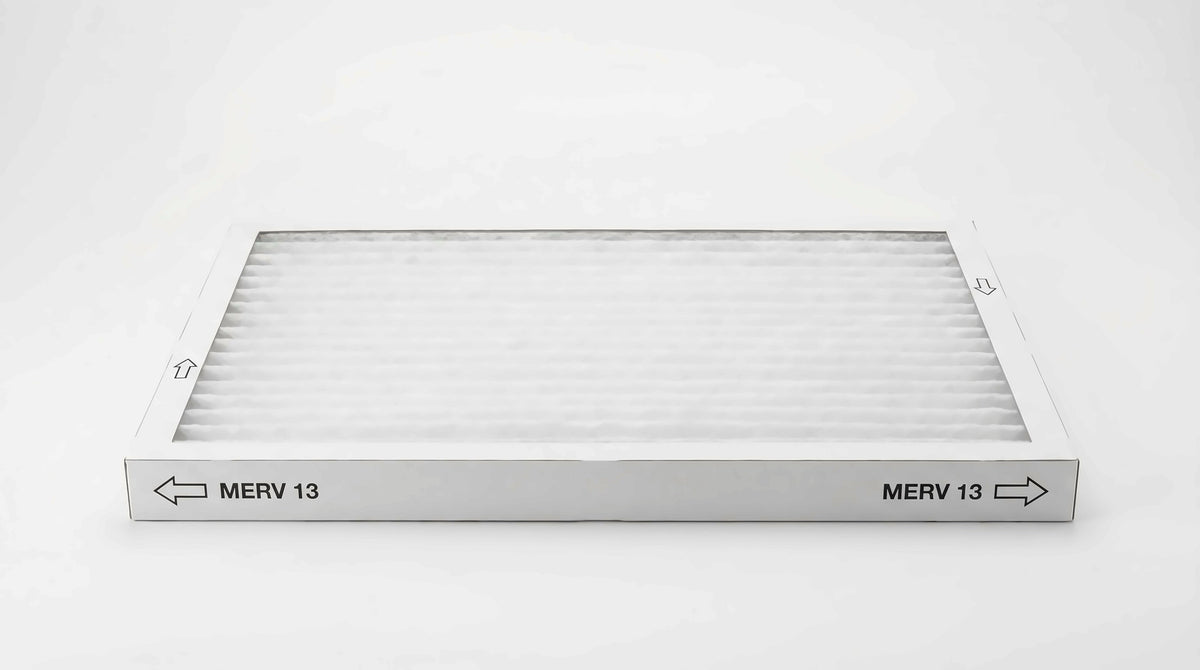
Wait, So What Is MERV?

Wait, So What Is MERV?

On average, people spend about 90% of their time indoors, mostly in their houses [1][1]. We reference this stat quite a bit in our articles because it highlights that most of your exposure to airborne pollutants is likely happening inside your own home.

Particles, gases, volatile organic compounds (VOCs), mold, pollen, and other common indoor air pollutants can be harmful to your health. Some let themselves into your home from outside, through open windows and doors and tiny cracks and crevices. Others come from indoor activities and sources, including building materials, home furnishings, cleaning and consumer products, smoking, and cooking.

Read more

When Outdoor Air Pollution Becomes an Indoor Problem

When Outdoor Air Pollution Becomes an Indoor Problem

When the weather cools down, closing the windows to secure some cozy warmth just feels like common sense. You keep the cold air out, turn up the heat, and settle in for the season. Maybe throw on some comfy socks, too. 

But closing up your home changes more than the temperature. It also changes how air moves through your space. (Or doesn't.) With less ventilation, pollutants generated indoors can stick around longer, while outdoor pollution that has already made its way inside doesn't simply disappear.

Read more

Can You Use FSA or HSA Funds for an Air Purifier?

Can You Use FSA or HSA Funds for an Air Purifier?

Cleaner air at home may be even more affordable than you think. If you have a Flexible Spending Account (FSA) or Health Savings Account (HSA), you may be able to use those funds to help cover the cost of an air purifier and, in some cases, its replacement filters. It's one of the lesser-known ways these healthcare accounts can work for you. A health hack, if you will.

Read more

Breathe Better, Learn Better

Breathe Better, Learn Better

Most schools in our country are old enough to have a mid-life crisis. According to the U.S. Department of Education, the average school building is 42 years old, which is significant because after about 40 years, buildings start to deteriorate quickly unless they're maintained well [1][1]. And, spoiler alert, many aren't. Up to one-fourth of the nation's schools have at least one building in need of extensive repair or replacement. 

Read more

What a Super El Niño Could Mean for the Air You Breathe

What a Super El Niño Could Mean for the Air You Breathe

When El Niño makes headlines, the conversation usually centers on rain, drought, storms, and temperature swings. This year, there's good reason for the extra attention: El Niño is strengthening, and the National Oceanic and Atmospheric Administration (NOAA) now says there's a greater than 90% chance it will become a very strong event during fall and winter 2026–2027 [1][1].  But weather and air quality don't exactly live separate lives.

Read more

Fall Leaf Burning and Air Quality

Fall Leaf Burning and Air Quality

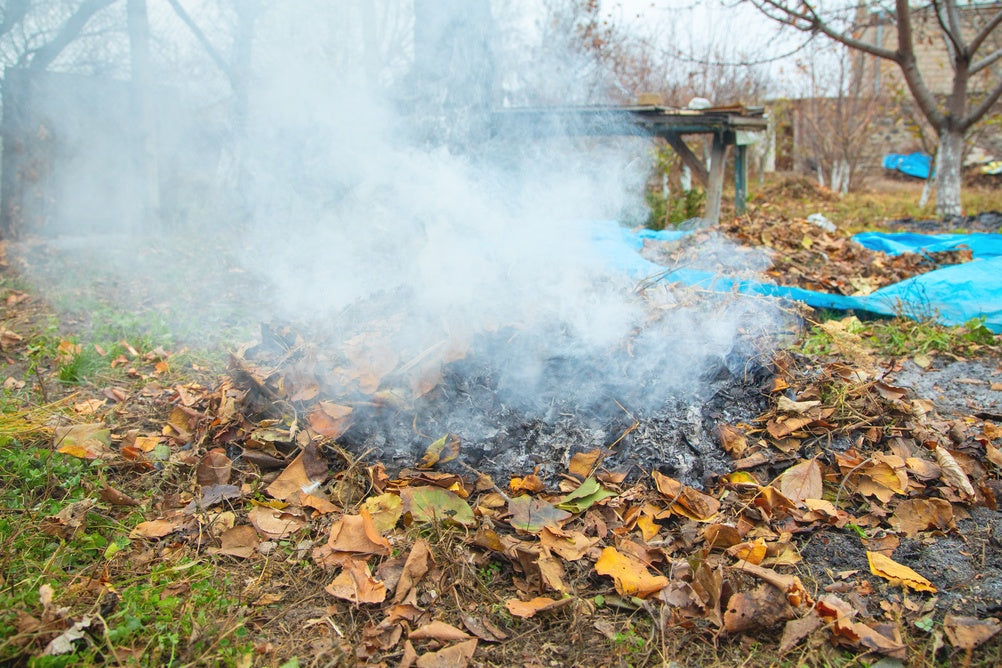
Backyard burning is pretty much exactly what it sounds like. On their own properties, people burn vegetative waste or household trash that would typically be recycled or sent to a landfill. Burning can happen in a barrel, homemade burn box, wood stove, outdoor boiler, or an open pit [1][1].

Some people think of backyard burning as a nostalgic autumn tradition and convenient, affordable way to get rid of leaves and waste. Others don't think about it at all … until the smoke from their neighbor's burn pile shows up in the air around and inside their home. 

Read more

Smoking Is Making a Comeback. What Does That Mean for Your Air?

Smoking Is Making a Comeback. What Does That Mean for Your Air?

Cigarettes are having a cultural moment again. For a while, they seemed destined to become a relic of another era. Then came vaping, sleek electronic devices, flavored nicotine, a way to smoke almost anywhere, and a whole new aesthetic. 

Now, the pendulum appears to be swinging again.

Recent cultural coverage has pointed renewed interest in something trendsetters are calling analog smoking, especially among younger consumers. Cigarettes are showing up in fashion, celebrity imagery, nightlife culture, and social media feeds, alongside terms like cigfluencers, Gen Z smoking, and even vape fatigue.

Read more