

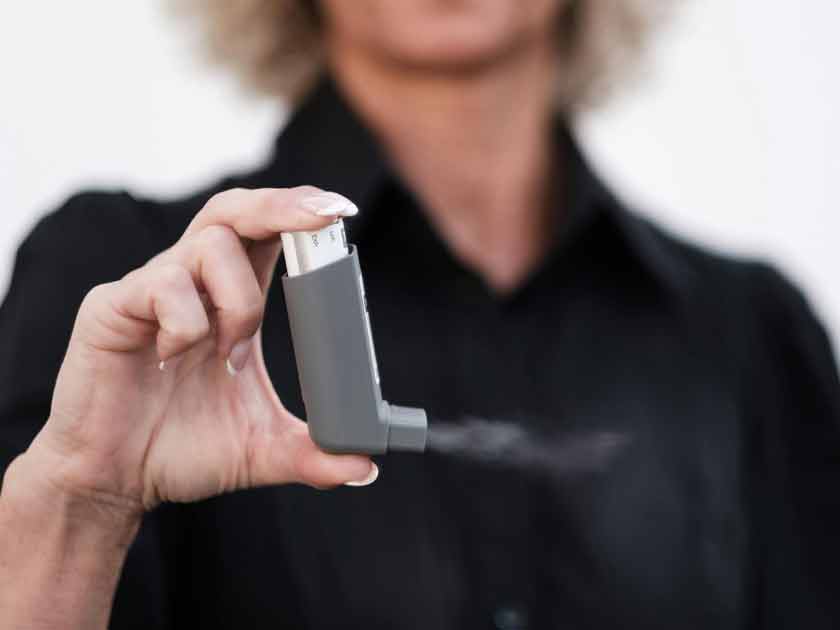
Asthma is a chronic lung disease that causes your airways to become swollen, making it hard to breathe. Over 25 million people in the United States have asthma. It is the most common chronic childhood disease affecting over 5.1 million children in the United States alone. There is no cure for asthma, but there are ways to ease the symptoms. We’ll take a look at how an air purifier can benefit those who suffer from asthma.
Effectiveness of Air Purifiers for Asthma
According to the Asthma and Allergy Foundation of America (AAFA) there are multiple triggers that can cause an asthma attack. Most people associate asthma triggers with pollutants or allergies, but there can also be environmental triggers, exercise triggers, even emotional triggers.
Research has shown that using air purifiers equipped with high-efficiency particulate air (HEPA) filters can make a quality of life improvement for those who suffer from allergy induced asthma by reducing allergen air particles present. Another research project found that air-cleaning devices with HEPA filters greatly improved quality of life for children who have asthma. The Environmental Protection Agency (EPA) also suggests that air purifiers with HEPA filters can improve asthma symptoms.
It is clear that there is a connection between indoor air quality, indoor pollution, and respiratory function in those with asthma. It is also clear that an air purifier can help reduce certain asthma triggers for better quality of life.
Air Purifiers vs. Other Devices
While medically a metered dose asthma inhaler is the best solution, there are a few other options that are popular. Some of these options can be found as portable units while others can be fitted to an existing HVAC system.
Humidifier - Dry air can be an asthma trigger, so finding a way to increase humidity can help. There are many different humidifiers on the market but they all add moisture to the air. But too much humidity can lead to mold growth, which is another common asthma trigger. A humidifier also does not directly remove indoor pollutants.
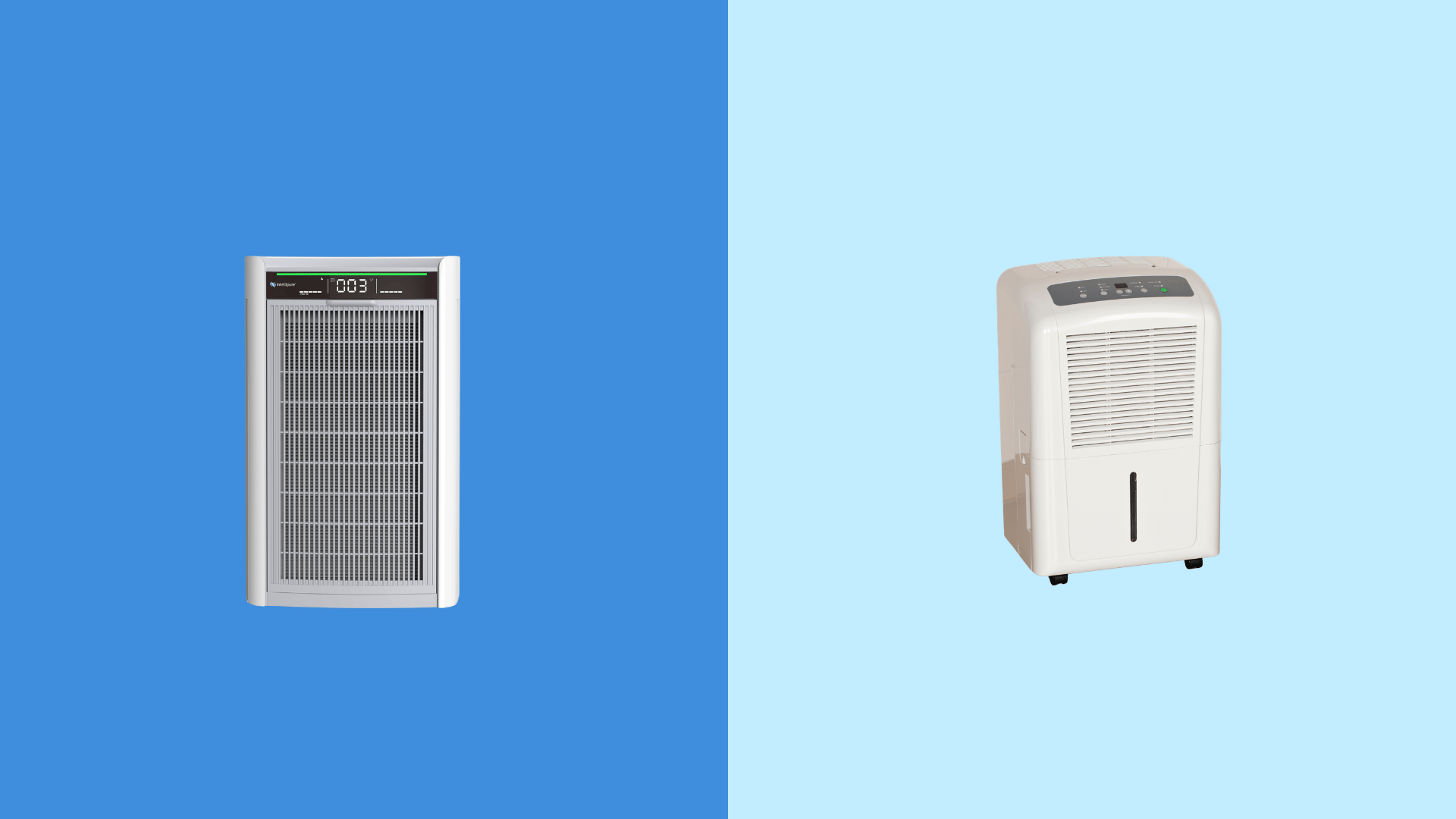
Dehumidifier - If the problem is too much moisture in the air leading to mold growth, a dehumidifier is just the ticket. While a dehumidifier won’t directly remove allergens, it does help keep mold and dust mites at bay.
Ionizing air cleaners - While an ionizing air purifier may help remove particles from the air, there is a risk of creating ozone as a byproduct. Ozone is also an asthma trigger. It is important to choose only devices that are certified ozone free.
Essential oil diffuser - While not an actual air filter, they can make the air smell nice. Unfortunately they can also trigger an asthma attack. Essential oils are made up of volatile organic compounds (VOCs) that can aggravate asthma symptoms.
Choosing an Air Purifier for Asthma
When it comes to picking an air purifier to help alleviate asthma symptoms, there are a few things to consider.
Filtration Level
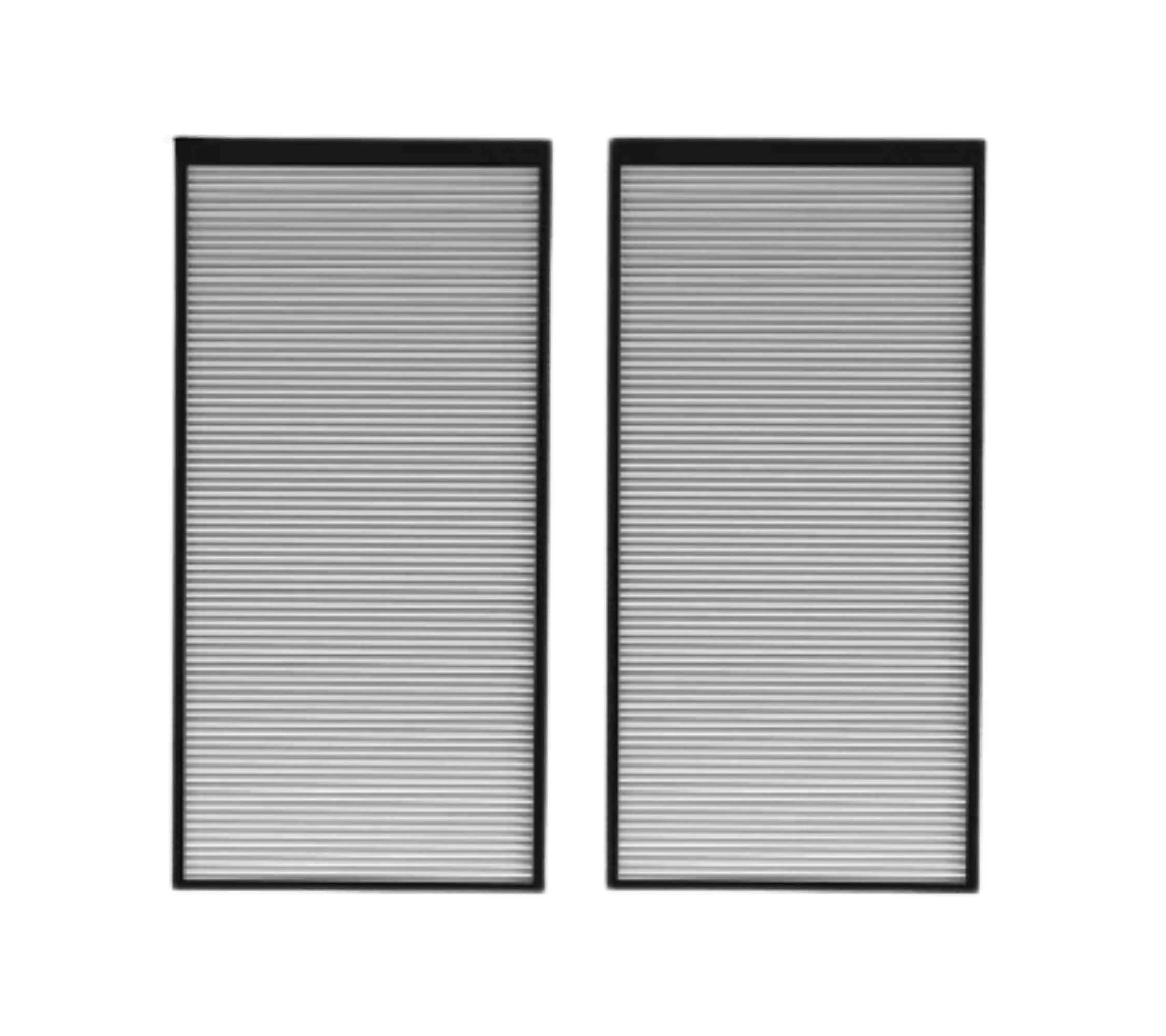
A HEPA filter or equivalent performance is a must. The HEPA standard states that a filter must capture 99.97% of particles at 0.3 microns in a single pass. The finer the filtration level, the fewer allergens and asthma triggers in the air.
Clear Air Delivery Rate
It is important to know how much an air purifier cleans in a given timeframe. Clean air delivery rate (CADR) is how air purifiers are rated. The CADR is measured in cubic feet of air per minute cleaned in a single pass. If the clean airflow rate isn’t listed for an air purifier, it is best to choose a different unit.
Room Size
If you know the room size you can match the air purifier by its CADR. Experts recommend cleaning all the air in a room 4 times per hour. Measure the length, width and height of a room to find the total cubic feet. Divide the room cubic feet by the air purifier’s CADR to find how many times it will clean the room air per hour. If it is less than 4, you may need a bigger air purifier or multiple units.
Environment
Environmental asthma triggers are everywhere. If you live near a busy road the air is likely filled with dust and pollutants generated by passing vehicles. Do you live in an area often affected by wildfires? Wildfire smoke contains not only tiny particles but also VOCs and chemicals, so a hybrid air purifier with both a mechanical filter and an activated charcoal filter is needed. Do you have carpets or hardwood floors? Carpets harbor dust mites, so a good high quality vacuum is a good partner to an HEPA-level efficiency air purifier.
Zero Ozone Rating
Certain air purifier technologies may generate ozone either directly or as a byproduct. Look for an air purifier that is UL 2998 zero-ozone certified. Being UL 2998 compliant means an air purifier cannot generate ozone emissions more than 5 parts per billion, which is almost too small to measure.
Ozone Air Purifiers and Asthma
Ozone is one of the known asthma triggers and a source of lung irritation. Some ionizing air purifiers generate ozone as a byproduct. There are also ozone generators marketed as air purifiers which change the chemical composition of particles to remove odors. Ozone has been linked to glucocorticoid resistance and neutrophilic airway inflammation due to ozone-induced oxidative stress, which makes asthma more difficult to treat. Exposure to ozone has been linked to increased possibility of respiratory infections. For those with asthma it is vital to only use a certified ozone-free air purifier. An air purifier with a mechanical HEPA filter is a far better choice over ionizers or ozone generators.
Reducing Allergens in the Home
Here are a few steps that can be taken to improve indoor air quality and reduce asthma symptoms:
Keep Humidity in Check
Humidity control is key to mold prevention and keeping dust mites under control. Both need a certain amount of moisture in the air in order to spread. Your air conditioner may even have a dehumidify mode, so use it if possible. Otherwise invest in a standalone or HVAC integrated dehumidifier.
Don’t Ignore Bedding
A good hot water washing for bedding and stuffed animals helps remove dust mites. You can also use allergen-resistant bedcovers to keep your mattress from collecting dust mites, pet dander or pollen.
Banish Bugs
Some people have allergies to insects like cockroaches or dust mites, which can also trigger an asthma attack. There are lots of DIY pest control options on the market, or simply hire a local pest control service. Make sure to keep things tidy as well so bugs don’t have a place to eat or hide.
Tidy Up
Taking the time for surface clutter removal also gives you a chance to wipe down surfaces. Dust is made up of dead skin cells, hair, dirt, pollen, pet dander, mold spores and other allergens. Often just a damp microfiber towel is enough to remove dust and lint from hard surfaces. You can also try using natural cleaning products to reduce your VOC exposure.
Vacuum Often
Give the floor a good vacuum often with a high-quality vacuum cleaner. There are vacuums on the market with HEPA filters, which are ideal due to the size of allergen particles. You don’t want to vacuum up tiny particles and just blow them right back into the room as they pass through a porous filter design.
Use an Air Purifier
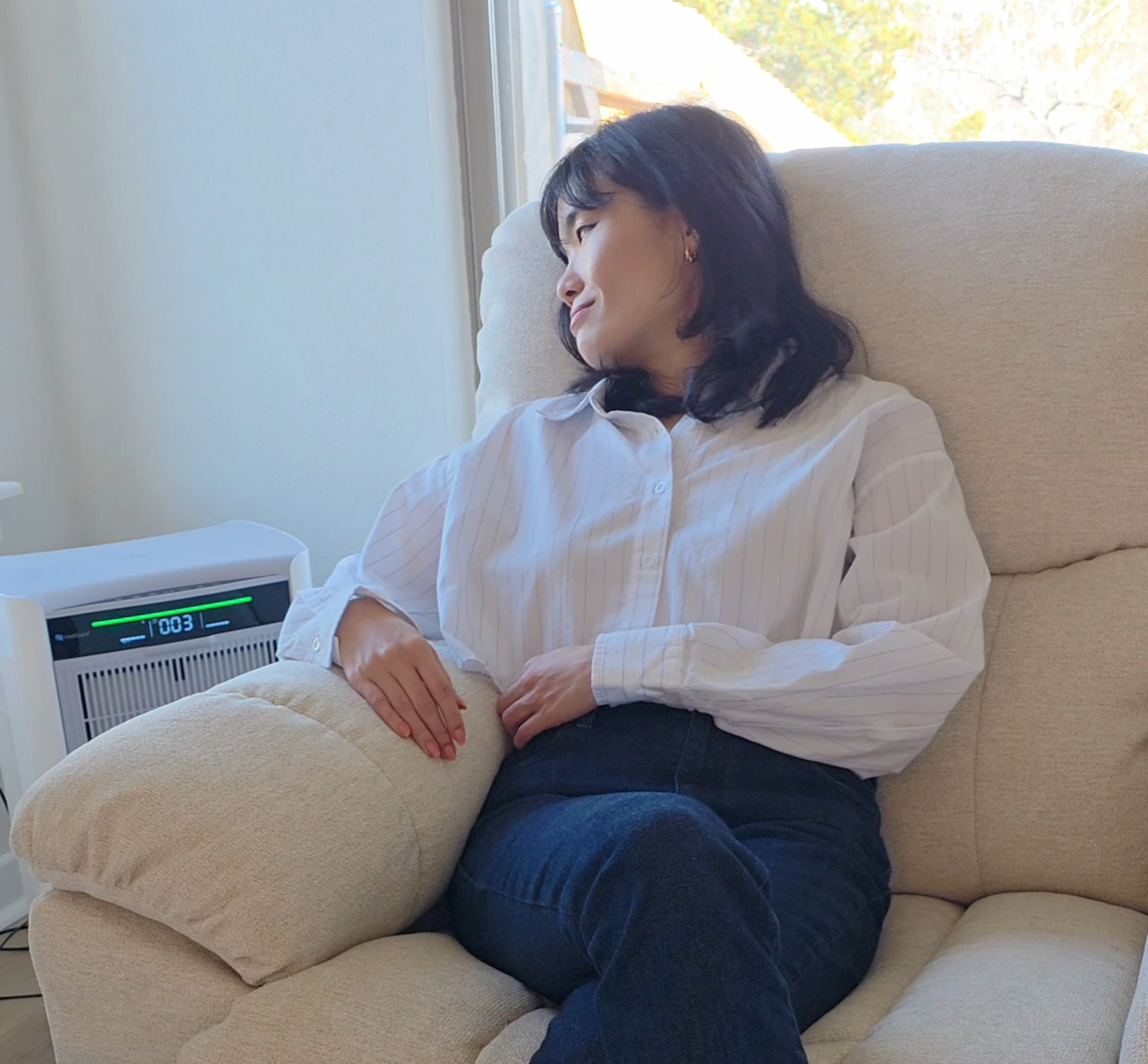
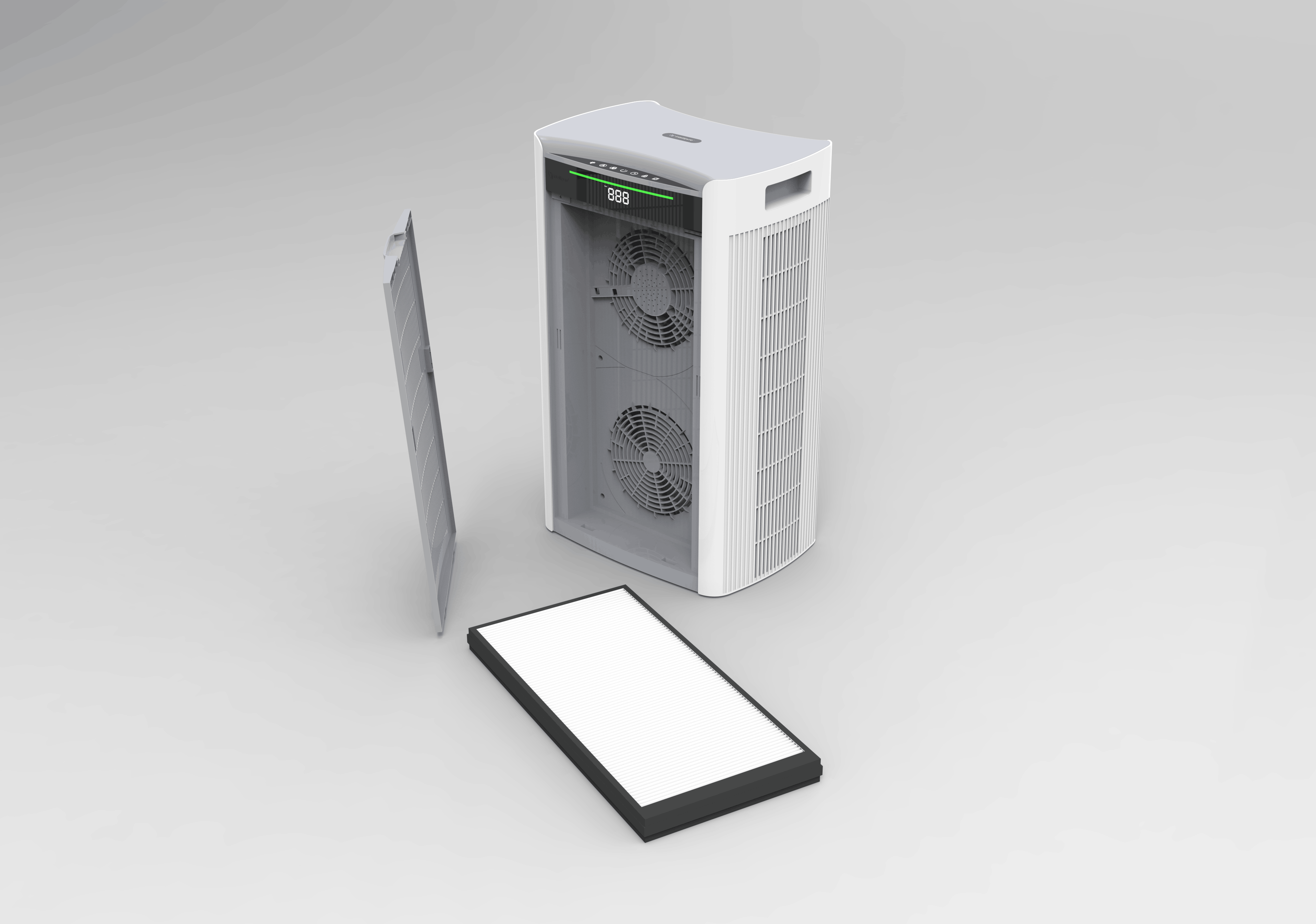
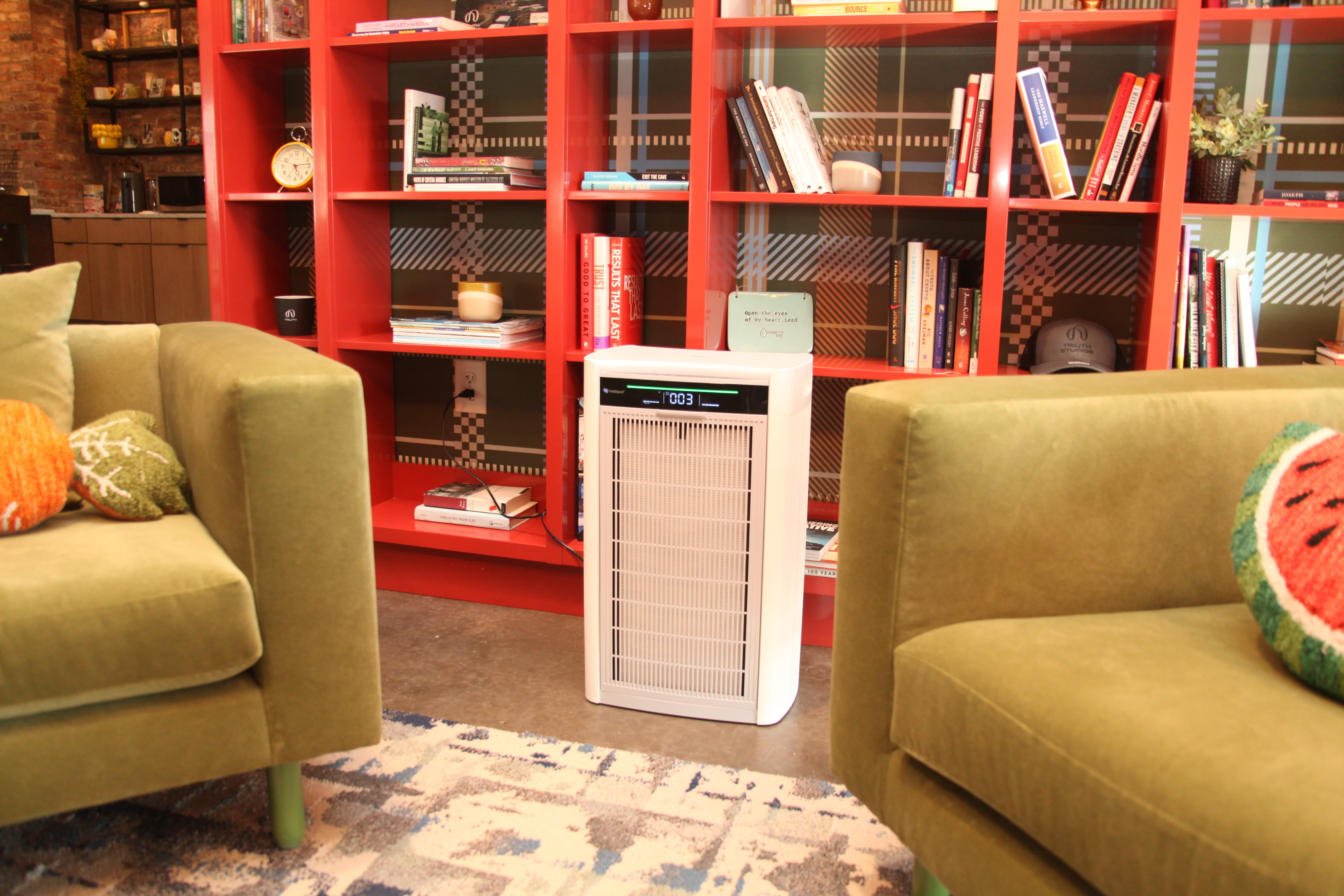
Air purifiers with HEPA filters (or equivalent rating) are great for reducing allergens and pollutants. When considering the location of the purifier keep in mind that air needs to flow freely in and out of it. Don’t put it against a wall or near anything that could obstruct airflow. Ideally it should be elevated between 3-5 feet off the ground in the middle of the room.
Self-Care Tips for Asthma
If you have been diagnosed with asthma one of the most important things to do is learn what triggers your symptoms. Asthma triggers can take a wide array of forms, so don’t limit the possibilities to just dust, allergies or secondhand smoke. Even heartburn triggers asthma in some people. One of the common weather triggers is cold, dry air during winter (known as “hockey cough” in some areas). Asthma doesn't always present itself as a sudden coughing or wheezing event, so take note of any breathing issues and the situation in which it occurs.
Make an Asthma Plan
Most people think the only treatment for asthma is a rescue inhaler, but your healthcare provider knows about the numerous options available today that make asthma much more manageable than it was in the past. Your asthma treatment plan depends on the severity of your asthma, which is graded on a four step scale. Your healthcare provider can help diagnose personal asthma severity level. Once you know more about your condition you and your healthcare providers can create an asthma action plan. While everyone with asthma should have an action plan, it is especially important to have one for children. Provide a copy of your child’s asthma action plan to their school and any other caregivers.
Focus on Self Care
Breathing exercises and relaxation techniques can help manage asthma symptoms. Managing stress is also part of asthma care. Try a few of these methods:
- Belly breathing - deep, slow breathing from the diaphragm
- Pursed lip breathing - in through the nose, out through slightly opened lips
- Yoga breathing - various techniques based on the pose
- Calming sounds - rain, forest noise, breaking ocean waves
- Meditation - focused attention to calm the mind
Keeping a healthy lifestyle also includes healthy habits. Regular moderate exercise can help maintain a moderate weight, just make sure to keep your emergency inhaler on hand. A heart-healthy diet can help keep your body in good shape and research suggests it may also play a role in asthma prevention.
Keep it Clean at Home
There are a few indoor environmental control practices that can help alleviate asthma symptoms.
- Keep humidity under control (between 35% and 50%)
- Vacuum often
- Wash bedding weekly
- Wipe down surfaces
- Choose non-toxic cleaning products
- Use a high-quality air purifier






Are Air Purifiers Effective Against Viruses and Bacteria?
How Long Should You Run an Air Purifier Daily?