
Where Do I Place My Air Purifier?

Ask the Right Questions

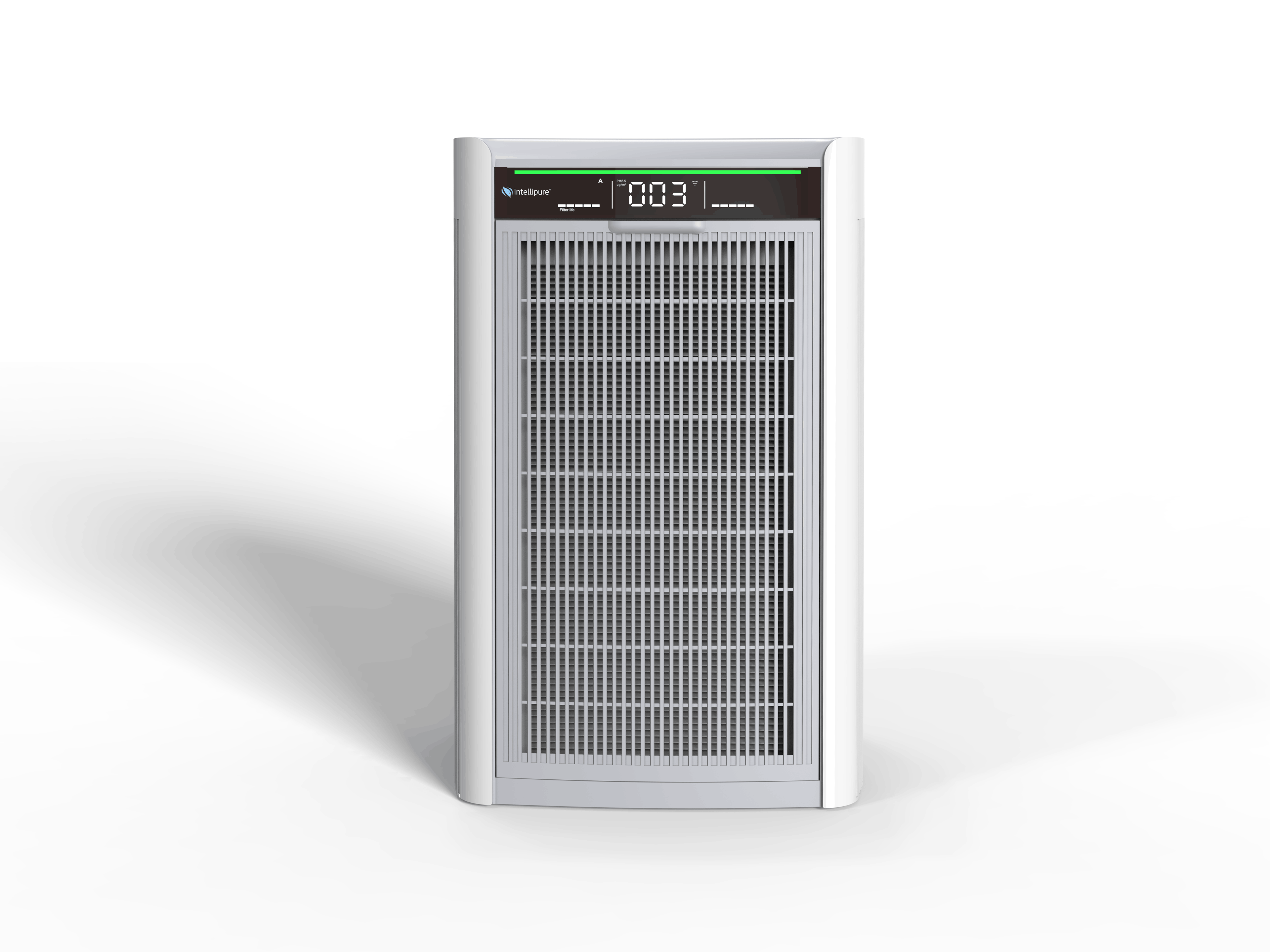
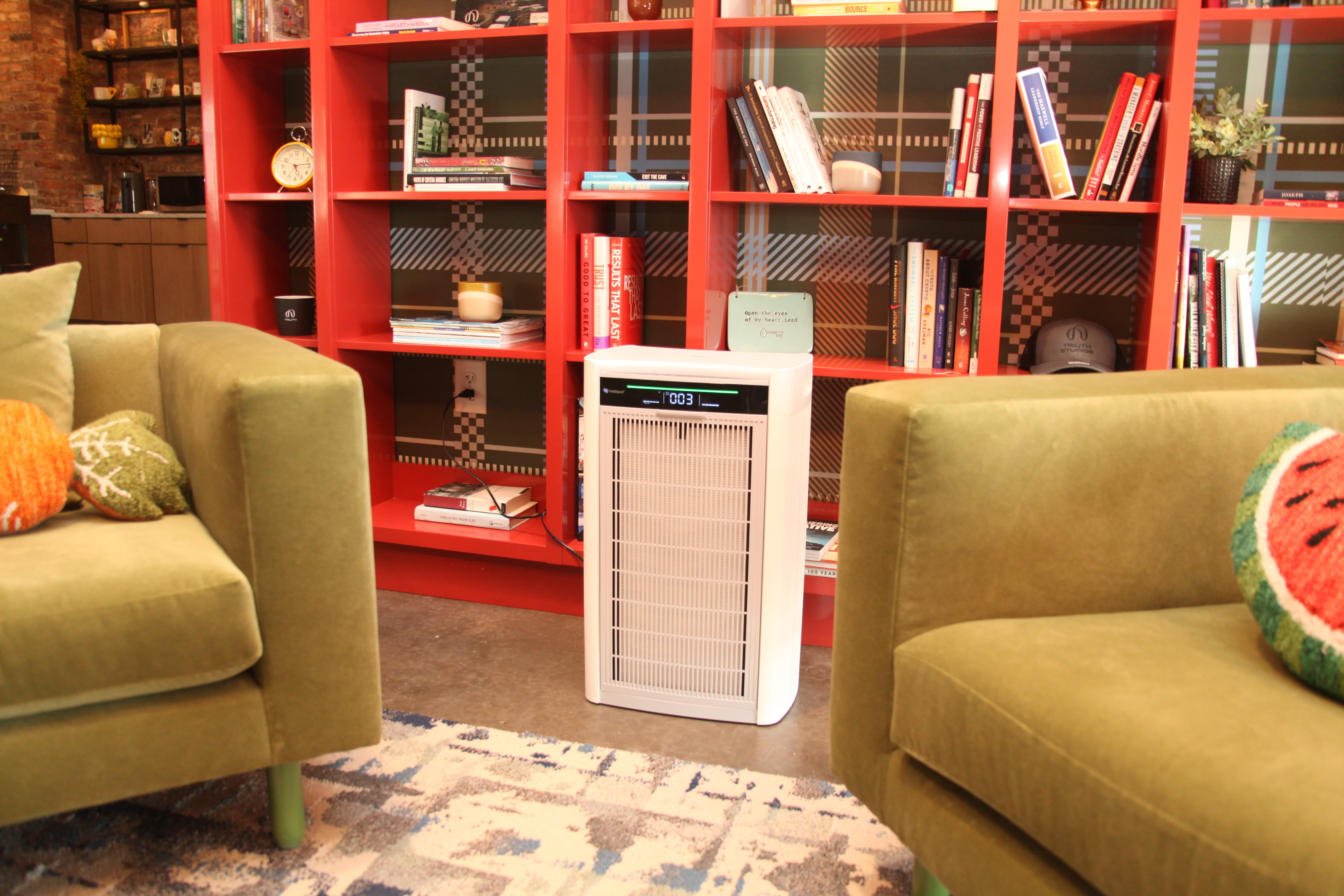
The hard part is over - you did your research and found an air purifier that fits your lifestyle and indoor air quality needs. Now you're asking, "Where do I place my air purifier for maximum efficiency?"


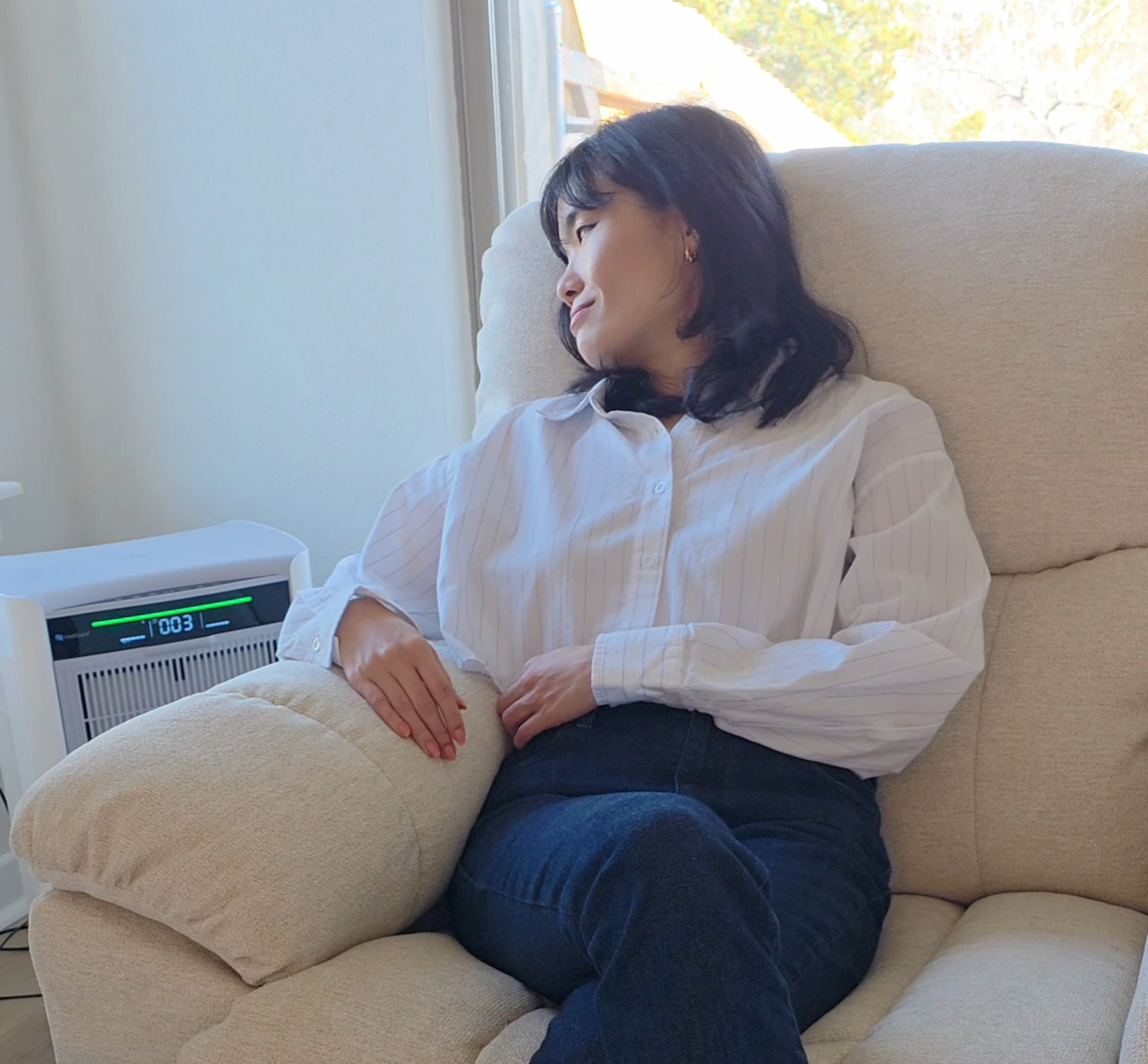
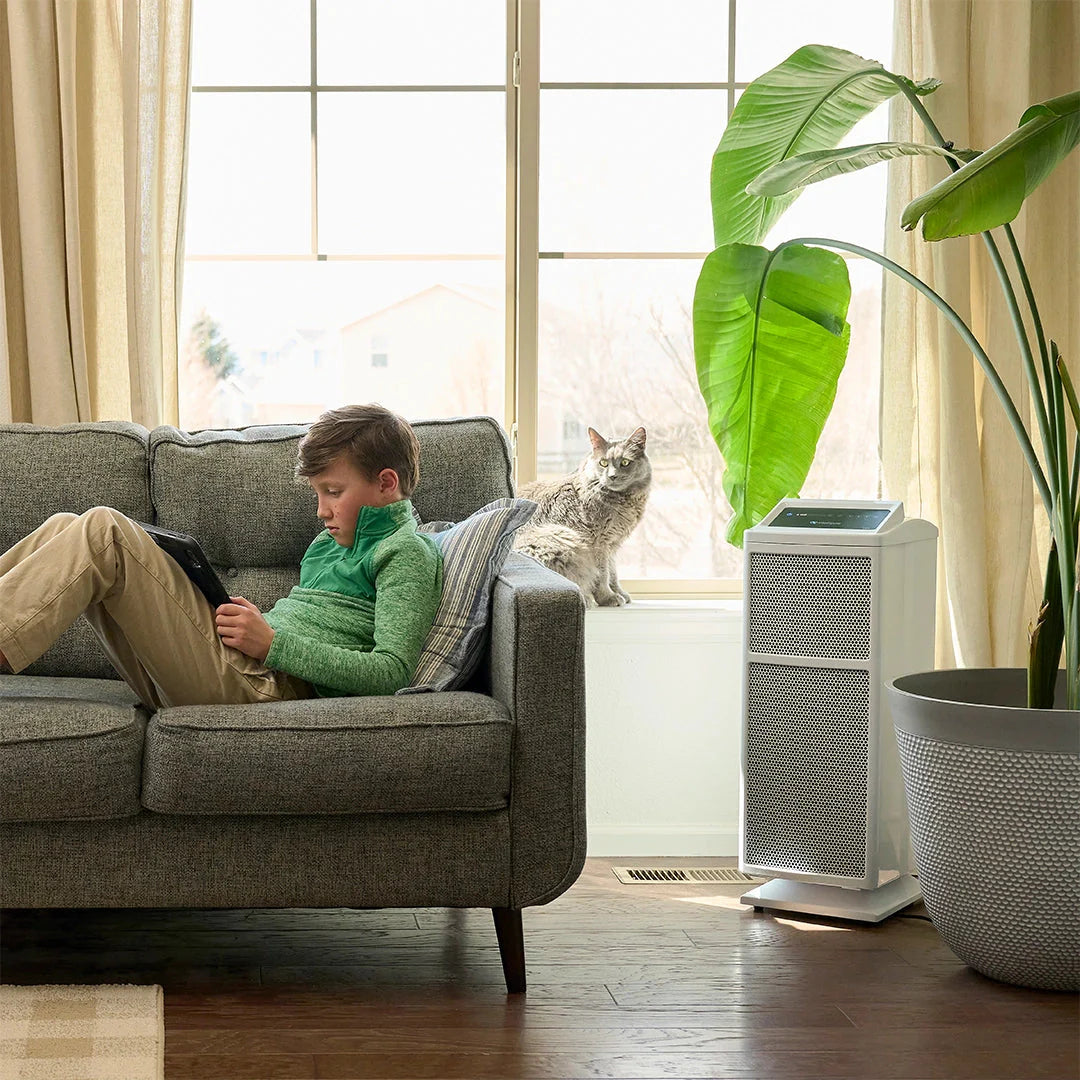
When considering the ideal location, think of a high-traffic area or an area where your air quality matters most to you. The target location should fall within the square footage of the coverage area stated by the manufacturer for maximum air exchanges. Should it be your living room, where your children and pets like to play and relax regularly? Or your home office, where you spend most of your day?


Can I place my air purifier in the foyer?

If you're constantly opening the front door, this can let in outdoor pollen and germs. Placing the air purifier in a central area or near the most-used entrance can help remove contaminants flowing into living space.


Can I use my air purifier near a window?

Using the system near an open window is a great way to reduce allergens and particulates flowing into the home along with the fresh air. If the system is used near an open window or frequently used outside air source, you may want to monitor or change the pre-filter more often.


What do I want to take out of the air?

Say you're trying to remove a specific particle, such as mold. Although an air purifier will not stop mold buildup, placing it in a mold-prone area can reduce the amount of airborne mold spores. For more tips on conquering mold, check out this article.


Prime Locations to Place an Air Purifier

  • Foyer
  • Kitchen
  • Laundry room
  • Rooms with strong smells, like where you keep your cat's litter box
  • Nursery
  • Home office
  • Dorm rooms
  • Newly painted/renovated rooms
  • Home gym
  • Mud room

For the most effective results, place your air purifier in an area where you spend the most time and airflow won't be restricted. Remember to give your air purifier enough "breathing room" to take in harmful particles and let out as much clean, fresh air as possible. We also recommend not placing objects directly on top of your air purifier, as this can restrict the amount of air coming out of the unit.


Do the Math: How Do I Calculate Air Exchange?

Air exchange is just what it sounds like - the amount of times air circulates completely within an indoor space. Larger areas will take longer, since there is more area to cover.


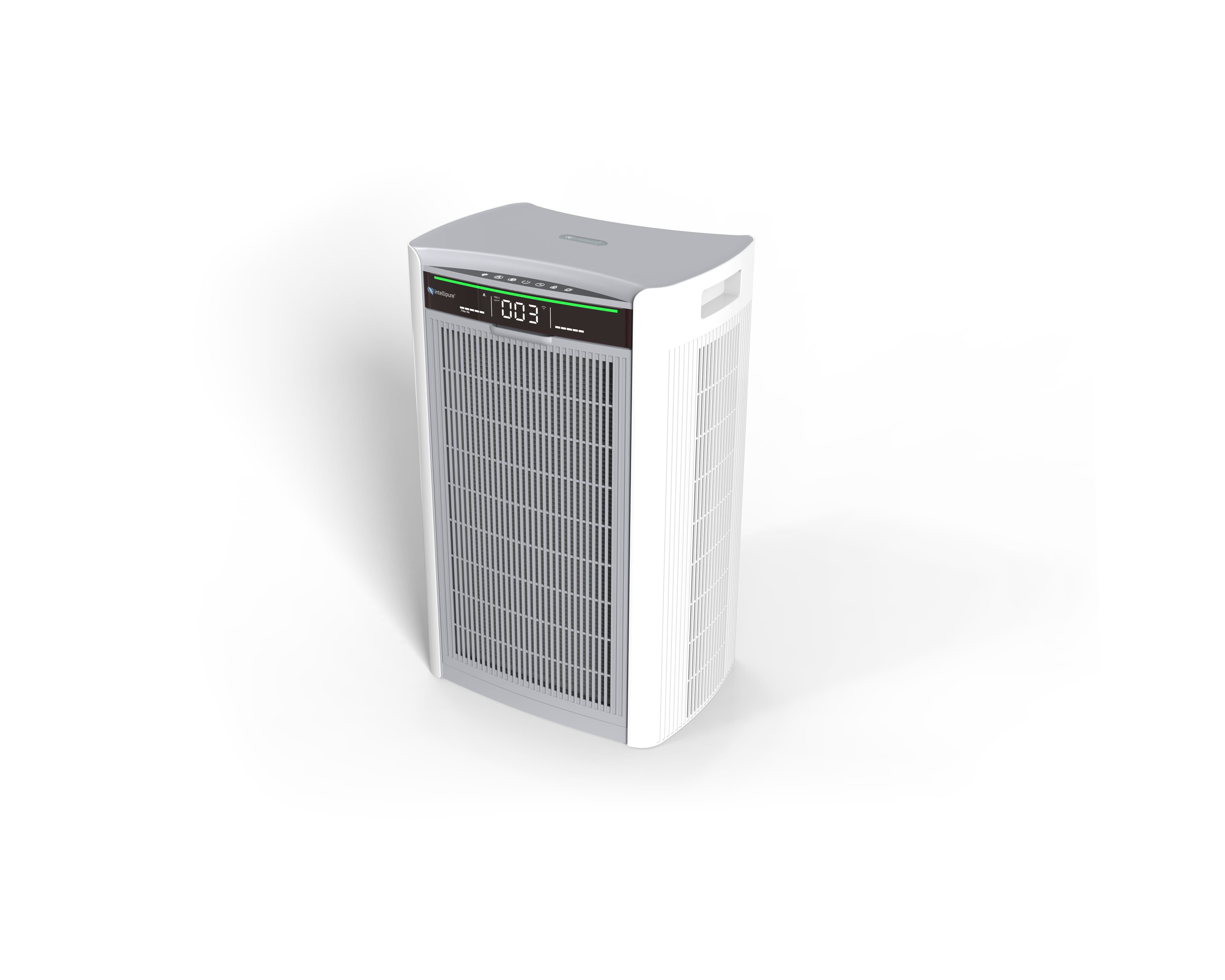
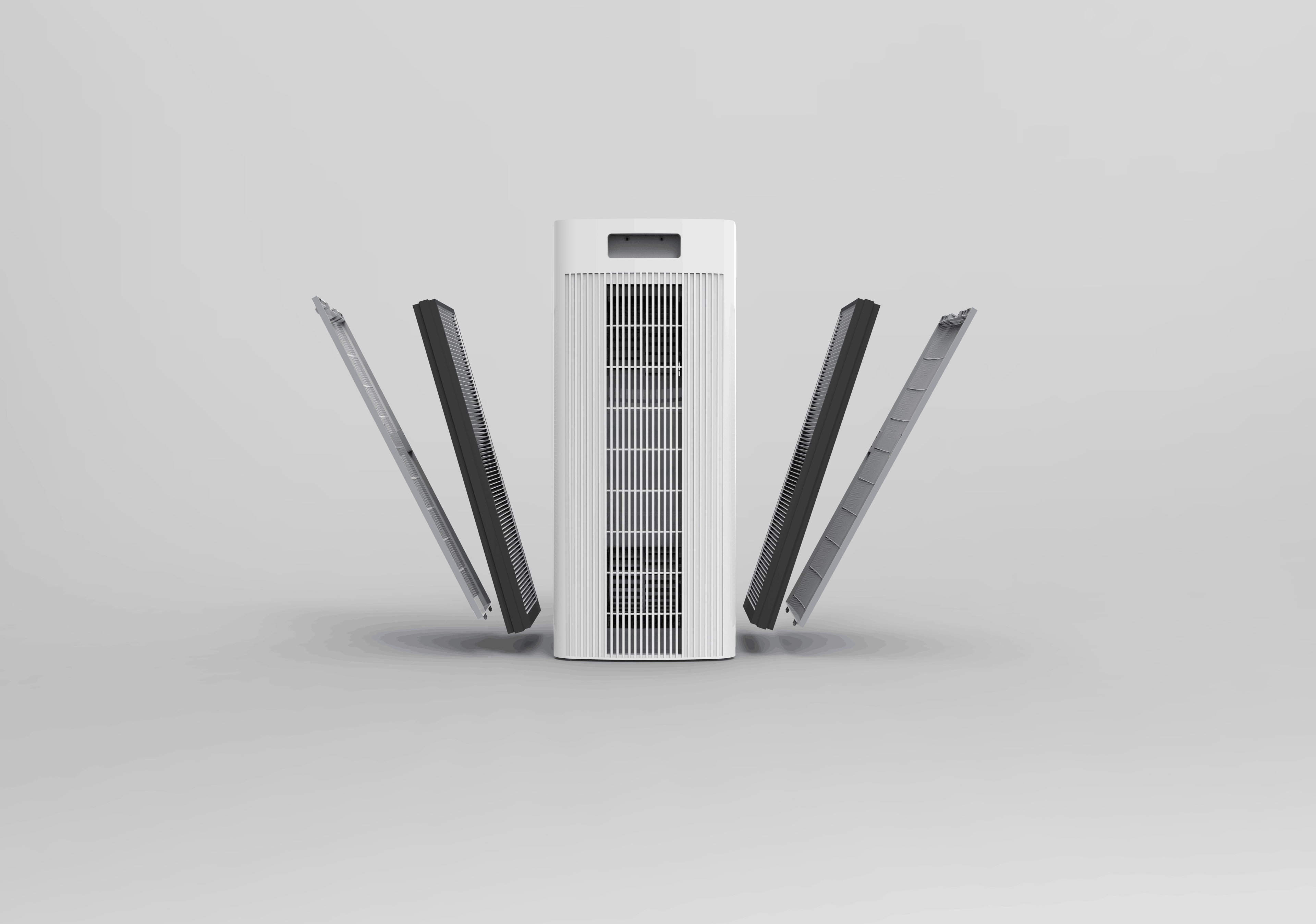
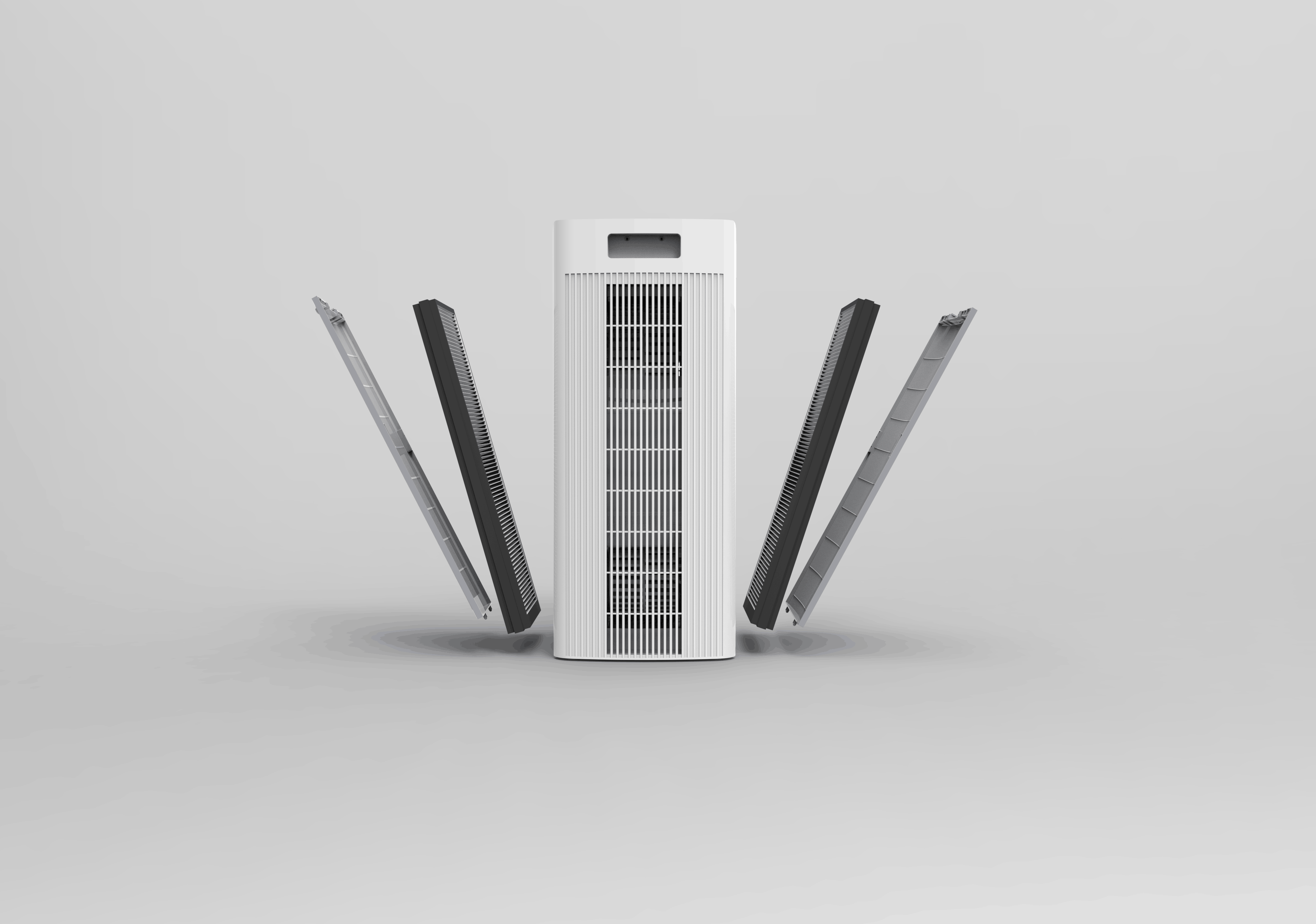
The air flow of an Intellipure Compact air purifier.


For example, a 10x10 foot room with 8 foot ceilings has 100 square feet of floor space and 800 cubic feet of air. At low speed, it will take 36 minutes to exchange the air in the space (800/22), so there will be 1.6 air exchanges an hour (60/36).

Explore the Breathe Easy Blog

View all

Clean Air Self-Care: Small Ways to Breathe and Feel Better at Home

Clean Air Self-Care: Small Ways to Breathe and Feel Better at Home

As I live and breathe, National Wellness Month is finally here! And what better time to talk about personal wellness tips and tricks than this? Self-care can take many forms.


As I live and breathe, National Wellness Month is finally here! And what better time to talk about personal wellness tips and tricks than this?

Self-care can take many forms. For some, it's a better bedtime routine. Morning people might tell you it's a few quiet minutes before the day begins.

Read more

Outside In: How Your Yard Affects Your Indoor Air Quality

Outside In: How Your Yard Affects Your Indoor Air Quality

Counterintuitively, a big part of maintaining good indoor air quality (IAQ) is being more mindful of the air outside your home. That's because half of what's in the air outside can make its way inside [1][1].

From pollen and mold spores to pesticides and other lawn treatments, lots of different outdoor contaminants find their way into the air you breathe when you're chilling on the couch, eating lunch at the kitchen table, or even tucked under the covers in bed. 

Read more

The Skin-Deep Side of Summer IAQ

The Skin-Deep Side of Summer IAQ

As a lifelong resident of the Sunshine State, I consider myself an authority on all things sunny. So, I speak from experience when I say: Summer has a way of making skincare routines and hair maintenance schedules feel like full-time jobs. 

Read more

Summer Staples That Threaten Clean Indoor Air

Summer Staples That Threaten Clean Indoor Air

Summer is all about getting outside and having fun, but for many families, it also means a rush of indoor air pollutants that go largely unnoticed.

From sunscreen sprays to insect repellents to beachy scented candles, the products we use to help us enjoy summer can measurably degrade our indoor air quality (IAQ). Volatile organic compounds (VOCs) from these everyday items can accumulate to concentrations much higher indoors than outdoors, triggering everything from mild irritation to more serious long-term health consequences [1][1]

Read more

The Smoky Side of Summer

The Smoky Side of Summer

Grills firing up. Fireworks cracking overhead. Citronella candles glowing on the patio. Personally, I'm excited for the festivities. But some of summer's most familiar moments come with a little smoke.

We usually think of these as outdoor activities, which makes them feel separate from the air inside our homes. But your indoor air doesn't exist in a hermetically-sealed bubble. Smoke can drift through open doors, screened porches, cracked windows, attached garages, and nearby air intakes. And once those tiny particles make their way inside, they can linger longer than the fun.

Read more

Breathing Activities to Help Kids Keep Their Cool

Breathing Activities to Help Kids Keep Their Cool

Big emotions are a regular part of childhood, but kids don't always know how to manage them without support. One of the simplest and most effective emotional regulation tools they can learn also happens to be completely free: mindful breathing. For kids and adults, deep breathing helps calm the body's stress response, making it easier to control emotions, refocus, and navigate challenging situations. 

Read more

Shedding Light on Pet Allergens: How Pets Affect Indoor Air Quality

Shedding Light on Pet Allergens: How Pets Affect Indoor Air Quality

We love our pets. We love their little routines, their tiny dramatic sighs, their oddly specific favorite spots around the house. What we don't love quite as much? We love our pets. We love their little routines, their tiny dramatic sighs, their oddly specific favorite spots around the house. What we don't love quite as much? The fur tumbleweeds, the mystery smells, and the microscopic particles they leave behind.

Read more

Summer Air Myths

Summer Air Myths

Summer is often portrayed as the season of fresh air, when you're supposed to get out of the house and enjoy the great outdoors, or at least crack open a window or two. But well-meaning advice about "getting fresh air" isn't always supported by science. This article debunks five common myths about summer air quality, so you can make more informed decisions about your home environment. 

Read more

From the Ballpark to the Boardroom: What Sports Science Can Tell Us About Air Quality and Mental Clarity

From the Ballpark to the Boardroom: What Sports Science Can Tell Us About Air Quality and Mental Clarity

You've probably heard that air pollution is bad for your lungs, but have you ever thought about how it might affect your brain? A growing body of research suggests that the air you breathe has a measurable impact on cognitive performance, and some of the best evidence comes from pretty unexpected places: baseball, football, and soccer fields. 

Read more