


Summary
Holiday decorating can stir up more than cheer—dust, mold spores, and chemical fumes often hitch a ride from storage boxes, greenery, and new décor, lingering indoors when windows stay closed. This guide breaks down the most common holiday air-quality triggers and explains why they matter for your lungs. The good news: with a few smart prep steps and better filtration, you can keep the festive vibes high and the indoor air clean.
In This Article
Holiday cheer is in the air—among other things. Between pulling boxes of decorations down from the attic, unrolling yards of glittery wrapping paper, and (for those who celebrate with one) faithfully reviving the artificial tree you bought in 2009, there's a good chance you're stirring up more than just cheer.
Dust, mold, and hidden pollutants love to crash the decorating party. And when your windows are sealed tight for the winter, those unwelcome guests hang around a lot longer than you'd think, lowering your indoor air quality (IAQ).
But you don't have to sacrifice your festive spirit for cleaner air. You just need to deck the halls wisely, and understand what's really in the air—and what you can do about it—while you're doing it.
When "Holiday Cheer" Comes with a Side of Dust
For most of us, decorating starts wherever you store your decorations when they're not brightening the neighborhood or decking your halls. It's often a place that's anything but merry: the basement, attic, or garage.
Those storage areas are prime real estate for dust, mold spores, and even pest allergens. Every time you drag a box across the floor or shake out an old wreath, fine particles become airborne. These ultrafine particles—especially those smaller than 2.5 microns (PM2.5)—can linger in the air for hours and travel deep into your lungs. [1]
Real Trees & Fresh Greenery: Natural, but Not Always Clean-Air Friendly
Real trees, wreaths, and garlands bring that classic holiday scent. But they come with their own indoor air quality quirks. Fresh greenery can carry pollen, mold spores, and microbial VOCs from outdoor environments or from being stored in damp tree lots.
Studies have shown that live Christmas trees can host dozens of mold species, including Cladosporium and Alternaria, which release spores into the air as the tree dries out indoors. [2, 3] Sap and pine oils can also emit naturally occurring VOCs like alpha-pinene and limonene, which can irritate sensitive lungs or react with indoor ozone to form secondary pollutants. [4] This doesn't mean you need to skip the real tree—just give it a good shake outdoors, hose it off and allow it to fully dry before bringing it in, and pair it with strong indoor air filtration to keep the cheer without the sneezes.
Already switched to an "allergy-approved" artificial tree? Even our beloved fake trees can be poor air quality culprits. Plastic, polyester, and other human-made greenery that's been boxed up for months collects its fair share of dust and pollutants. If you're sensitive to allergens or asthma triggers, it's worth giving dusty decor a quick wipe-down or vacuum-off before taking it from storage to center stage. [2]
New Decor, New Chemicals
If you've splurged on a new artificial tree, vinyl garland, or plastic ornaments this year, you might be welcoming more than sparkle into your home. Many synthetic materials "off-gas"—as in, release unwanted fumes—including volatile organic compounds (VOCs), a group of chemicals that evaporate easily at room temperature and contribute to poor indoor air quality.
Common VOCs include formaldehyde, toluene, benzene, and limonene. They're released from plastics, adhesives, coatings, and artificial fragrances, all of which are common in holiday decor. Plus, the EPA warns that VOC concentrations are often two to five times higher indoors than outdoors, and short-term exposure can lead to nasty headaches, dizziness, and throat irritation. [4] Long-term exposure has been linked to liver and nervous system effects too. [5]
The problem compounds in winter, when ventilation drops and added fragrances abound. That pine-scented candle or plug-in might smell cozy, but volatile organic compounds (VOCs) and semi-volatile organic compounds (SVOCs) from fragranced products can react with indoor ozone to form secondary pollutants.
Basement Bonus: Mold & Mildew
Damp basements and garages create perfect breeding grounds for mold, especially if your boxes are stored in cardboard. Mold growth releases spores and sometimes mycotoxins, which can trigger respiratory irritation, allergies, or asthma flare-ups.
The CDC notes that mold can cause symptoms ranging from nasal congestion to wheezing, coughing, and skin irritation—and long-term exposure can worsen chronic lung conditions. [3]
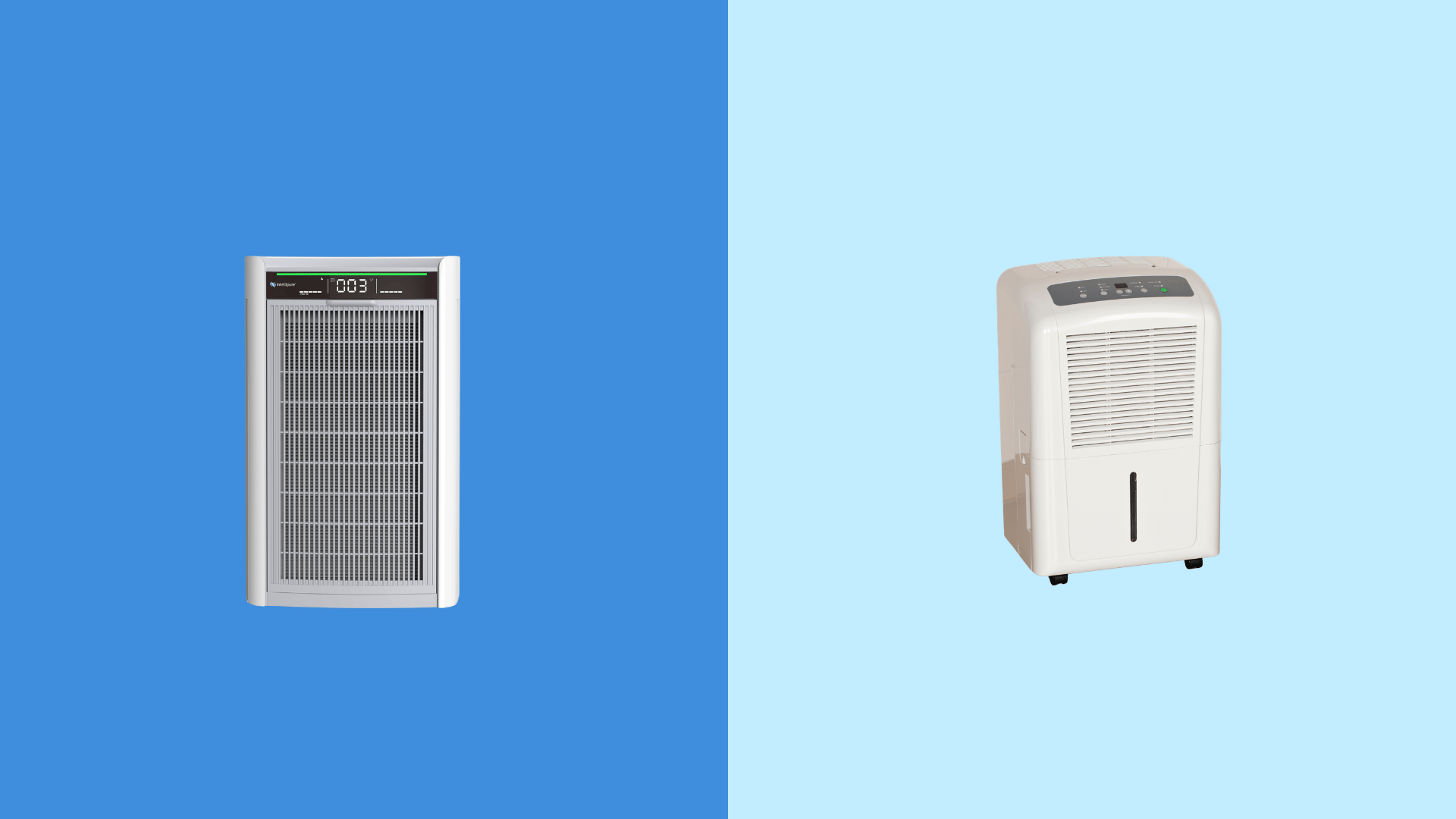
Black mold (Stachybotrys chartarum) and other common species, like Aspergillus, thrive in humidity above 60%. That's why humidity control is crucial to maintaining healthy indoor air quality, especially during the colder months when homes tend to seal in moisture. Using a dehumidifier in storage areas (and a HEPA-grade air purifier when unpacking decor) can drastically cut down exposure.
The Holiday Guests You Didn't Invite
Even if your decor looks spotless, microscopic troublemakers may still be hiding out.
- Dust mites: Thrive in warm, humid storage boxes and feed on fabric fibers
- Pollen: Can cling to outdoor garlands and wreaths brought in from the porch
- Pet dander: Sticks to ornaments and tree skirts that were last handled near pets
- Mold spores: Wait all year in dark, damp spaces for the perfect growing conditions
All of these contribute to indoor allergens that circulate longer during winter, when air exchange is limited. Studies have linked high indoor allergen levels to increased asthma and sinusitis during colder months. [6]
So while your decor may sparkle, your lungs might be working overtime.
How to Deck the Halls Without the Dust
Clean air doesn't mean skipping the sparkle—it means a few smarter steps before you unwrap the wreaths.
- Prep Before You Decorate
- Control Humidity & Mold Growth
- Choose Safer Materials
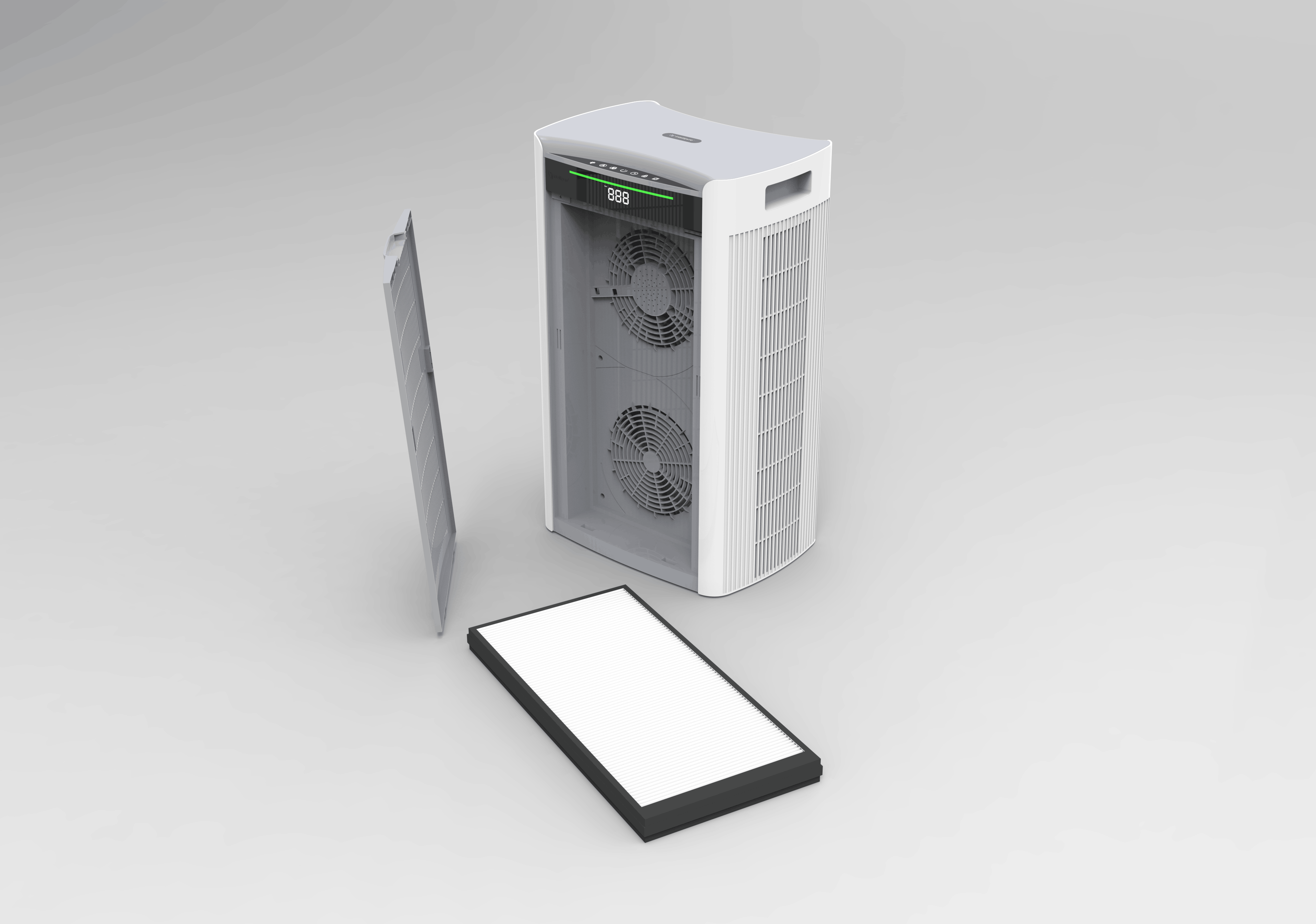
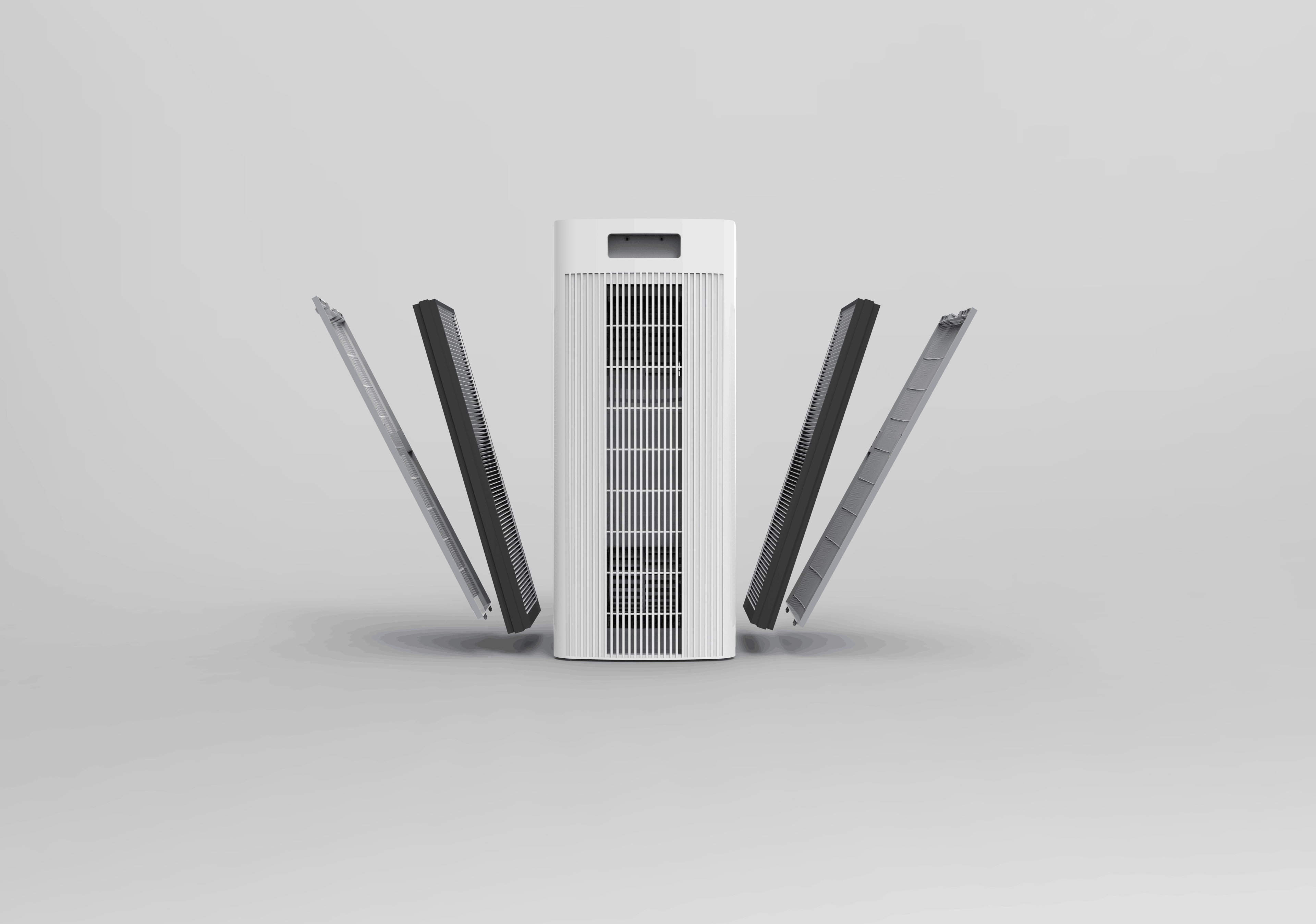
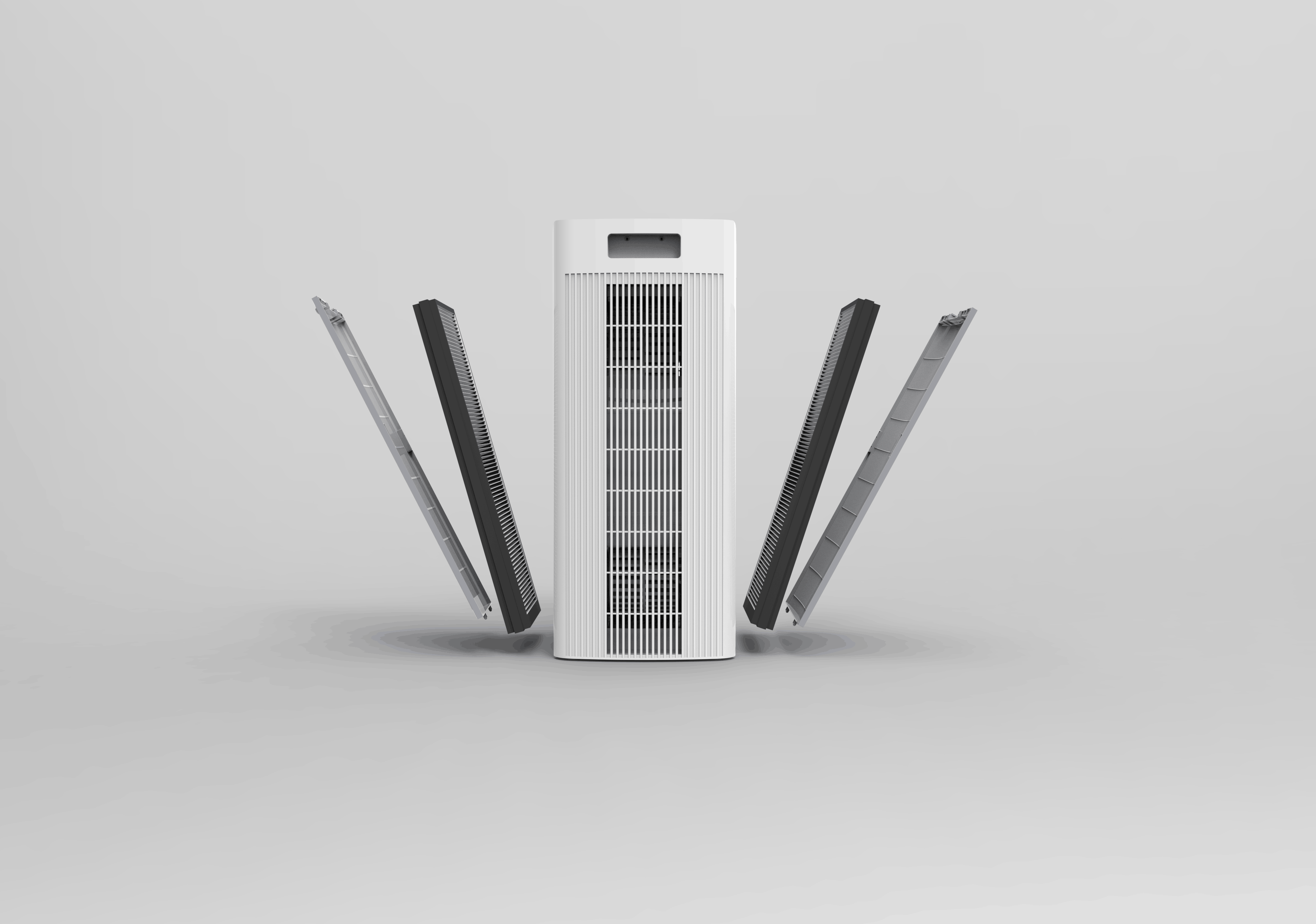
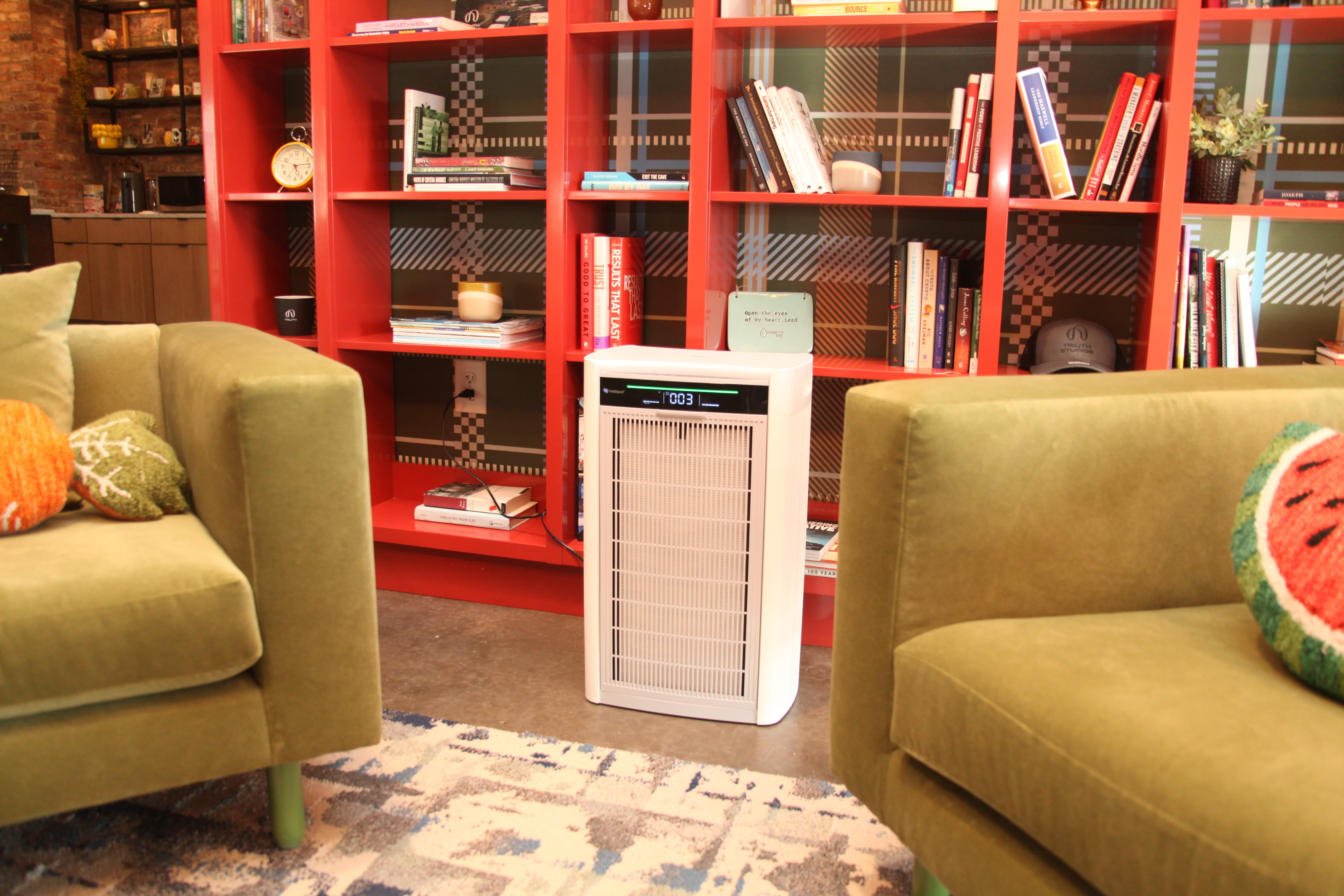
- Upgrade Your Air Filtration
- Clean Up After the Fun
Fresh Air for the Holidays
The holidays are about joy, warmth, and togetherness… but none of that feels quite as magical when you're sneezing through the season. With just a few easy changes—mindful unpacking, humidity control, and better filtration—you can keep your air clean while keeping your traditions intact.
So go ahead—hang the garland, deck the halls, light the candles, and cue the music! Just remember that every cozy, happy home starts with air that's as wholesome and invigorating as the memories you're making.
References
- Introduction to Indoor Air Quality | US EPA.
- Indoor Air Quality | National Institute of Environmental Health Sciences.
- Mold | Mold | CDC.
- Volatile Organic Compounds' Impact on Indoor Air Quality | US EPA.
- Zhou, X., Zhou, X., Wang, C., & Zhou, H. (2023). Environmental and human health impacts of volatile organic compounds: A perspective review. Chemosphere, 313, 137489. doi:10.1016/j.chemosphere.2022.137489..
- Indoor Air Pollution, Related Human Diseases, and Recent Trends in the Control and Improvement of Indoor Air Quality.





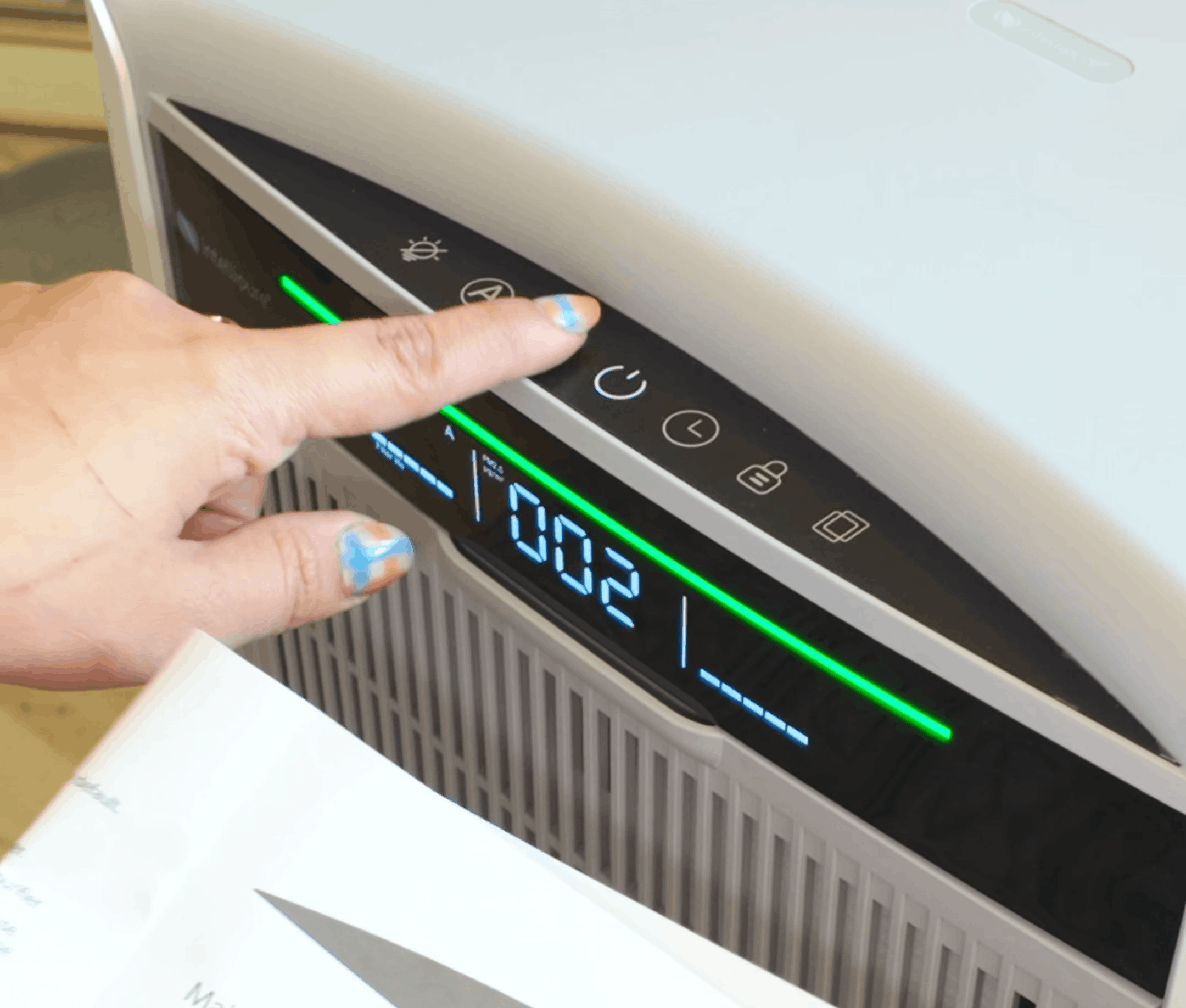
How To Understand Your Air Purifier PM2.5 Reading
Why Clean Air Matters More in the Colder Months