


Summary
Indoor air pollution has been linked to headaches, fatigue, and respiratory irritation, but practical fixes exist. Here are 11 nontoxic strategies you can use to improve the air quality in your home.
In This Article
Why Indoor Air Quality Matters
If you've ever walked into a stuffy room and immediately felt a headache coming on, you're not imagining things. The EPA has linked poor indoor air quality (IAQ) to a range of health effects, including headaches, dizziness, and fatigue [1]. And here's the kicker: the sources of that pollution are often things already inside your home.
We're talking about tobacco products, furniture, personal care and beauty products, art supplies, and everyday household cleaning products [2]. Some of these sources, like building materials and furnishings, release pollutants continuously. Others, like cooking, smoking, and cleaning, release them intermittently [2]. Improperly used or malfunctioning appliances, including gas stoves, can add even more pollutants to the mix [2].
The good news? You don't need harsh chemicals or expensive overhauls to start breathing easier. Here are 11 practical, nontoxic ways to improve your indoor air.
1. Bring Some Green Indoors
Adding houseplants to your space can brighten a room and may offer some air quality benefits, too. A well-known NASA study found that certain common houseplants can help remove volatile organic compounds (VOCs) like formaldehyde and benzene from sealed test chambers [3]. Popular, low-maintenance options include pothos, spider plants, and peace lilies.
It's worth noting that these results came from controlled laboratory settings, and the effect in a typical home is more modest [3]. Still, plants are a feel-good addition that supports your overall indoor environment.
2. Open the Windows (and Keep Your Floors Clean)
Your home recirculates the same air over and over, which can allow pollutants to build up. Cracking a window, even briefly, introduces fresh outdoor air and helps dilute indoor contaminants. The EPA recommends increasing ventilation as one of the most effective strategies for reducing indoor pollutant levels [1].
While you're at it, keep your floors clean. Regular cleaning can help reduce the dust, allergens, and pollutant particles that settle on surfaces and recirculate each time someone walks by [2].
3. Be Mindful of What You Burn
Any combustion activity produces pollutants. Cooking on a gas stove, lighting candles, using a fireplace, and smoking all generate particulate matter and potentially harmful gases [4]. The EPA notes that combustion byproducts include carbon monoxide, nitrogen dioxide, and fine particles that can irritate the respiratory system [4].
You don't have to give up your favorite candle or cozy fire. Just ventilate well during and after these activities: crack a window, turn on an exhaust fan, or run your air purifier. And if smoking is in the picture, keeping it outside is one of the single best things you can do for your indoor air.
4. Vacuum Regularly (With the Right Equipment)
Regular vacuuming can help reduce allergens, dust mites, and other particles that accumulate in carpets and on floors [2]. But here's a detail worth knowing: standard vacuums can actually stir up some of those particles and push them back into the air [2].
If anyone in your household has asthma or dust allergies, consider a vacuum with a sealed system and a high-efficiency particulate air (HEPA) filter. The Asthma and Allergy Foundation of America recommends HEPA-filter vacuums to help reduce allergen exposure [5].
5. Stay on Top of Filter Maintenance
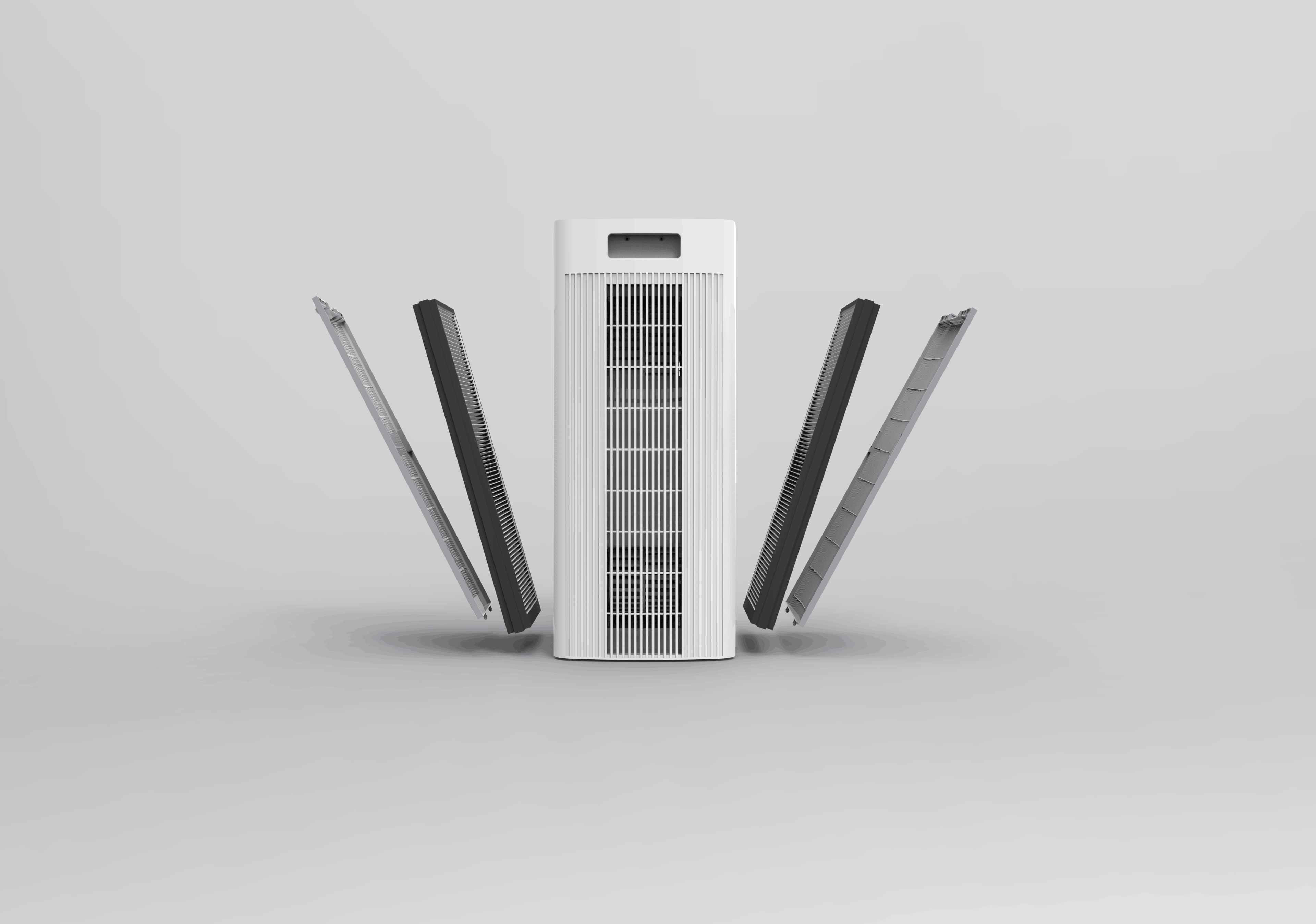
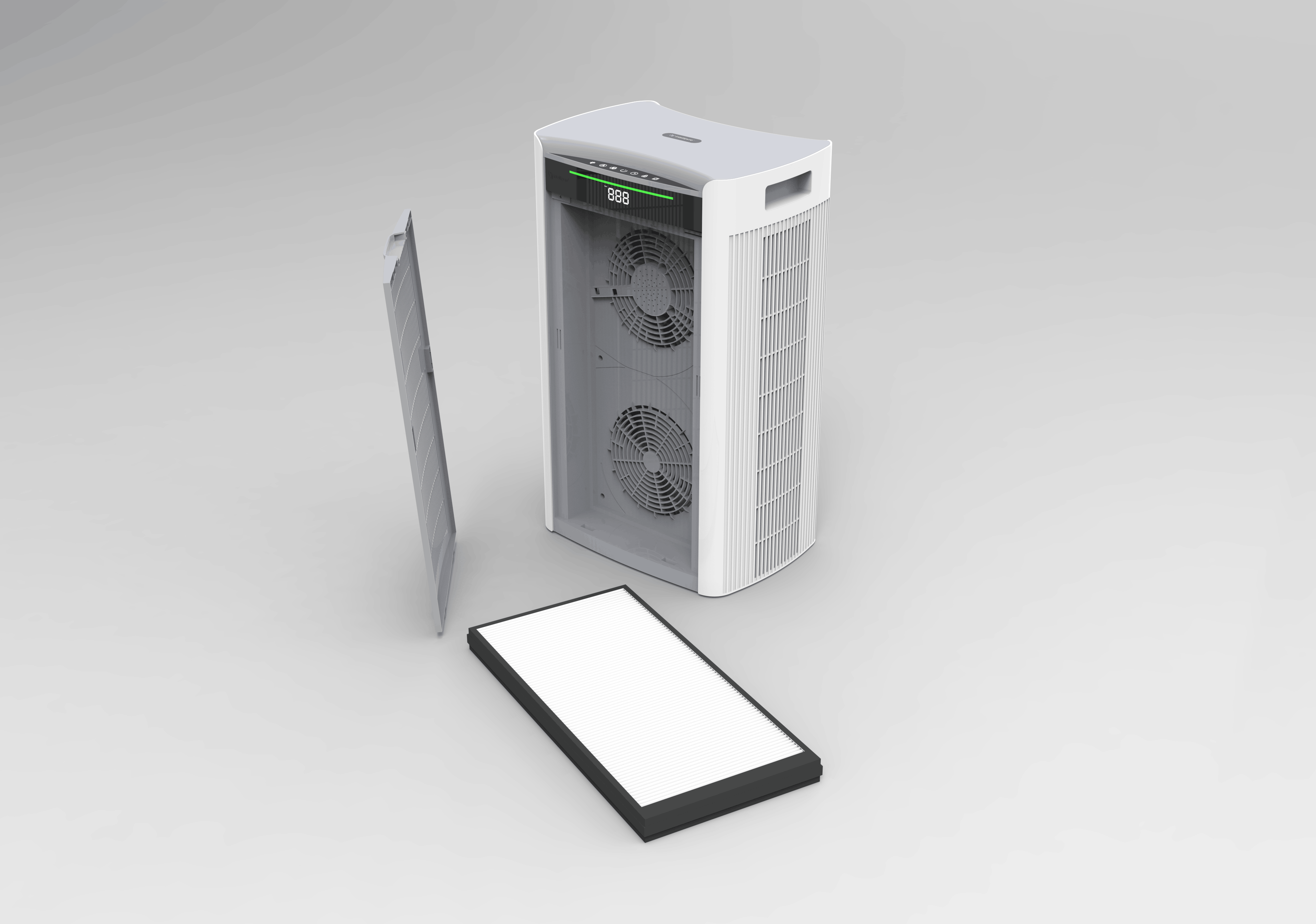
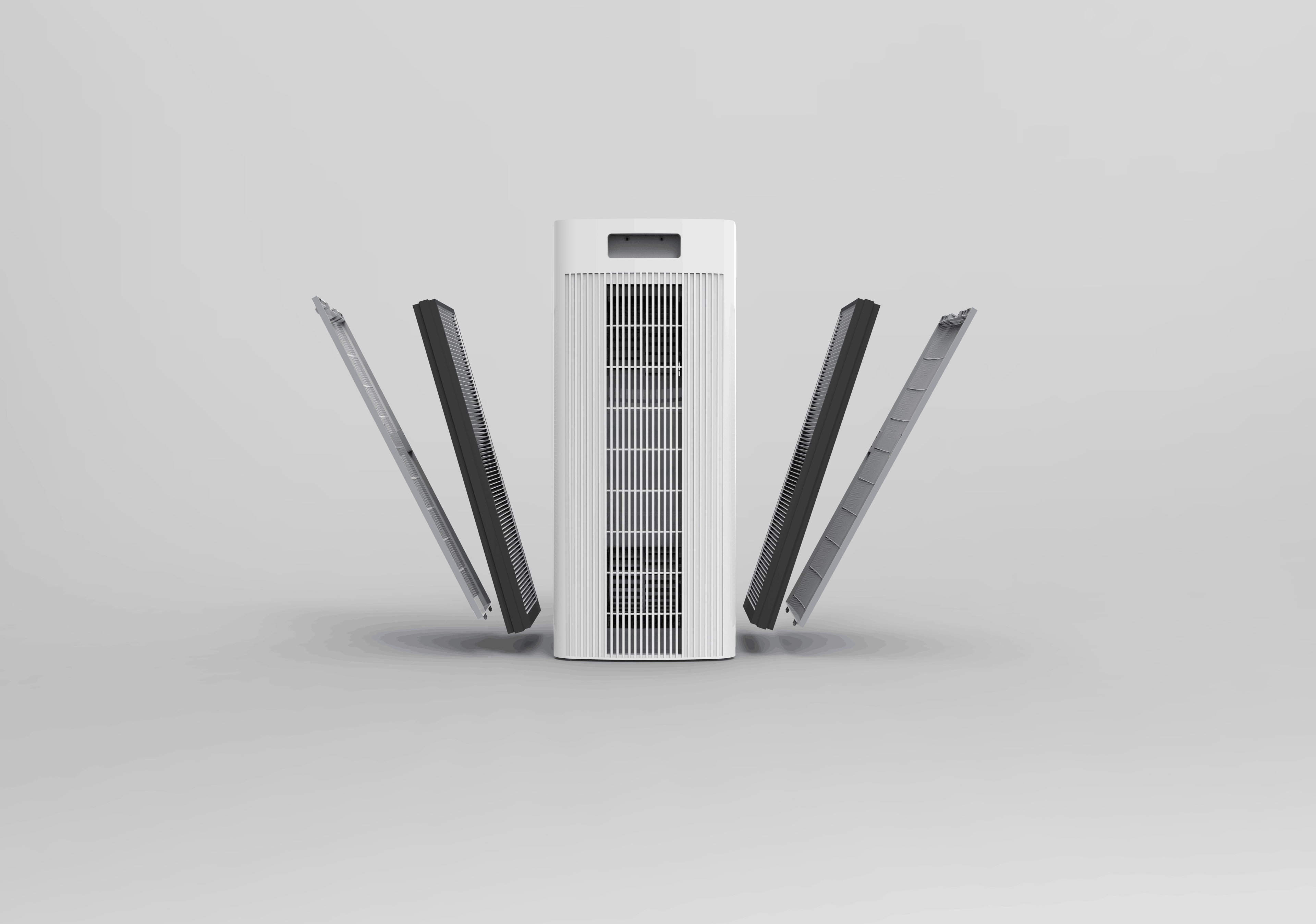
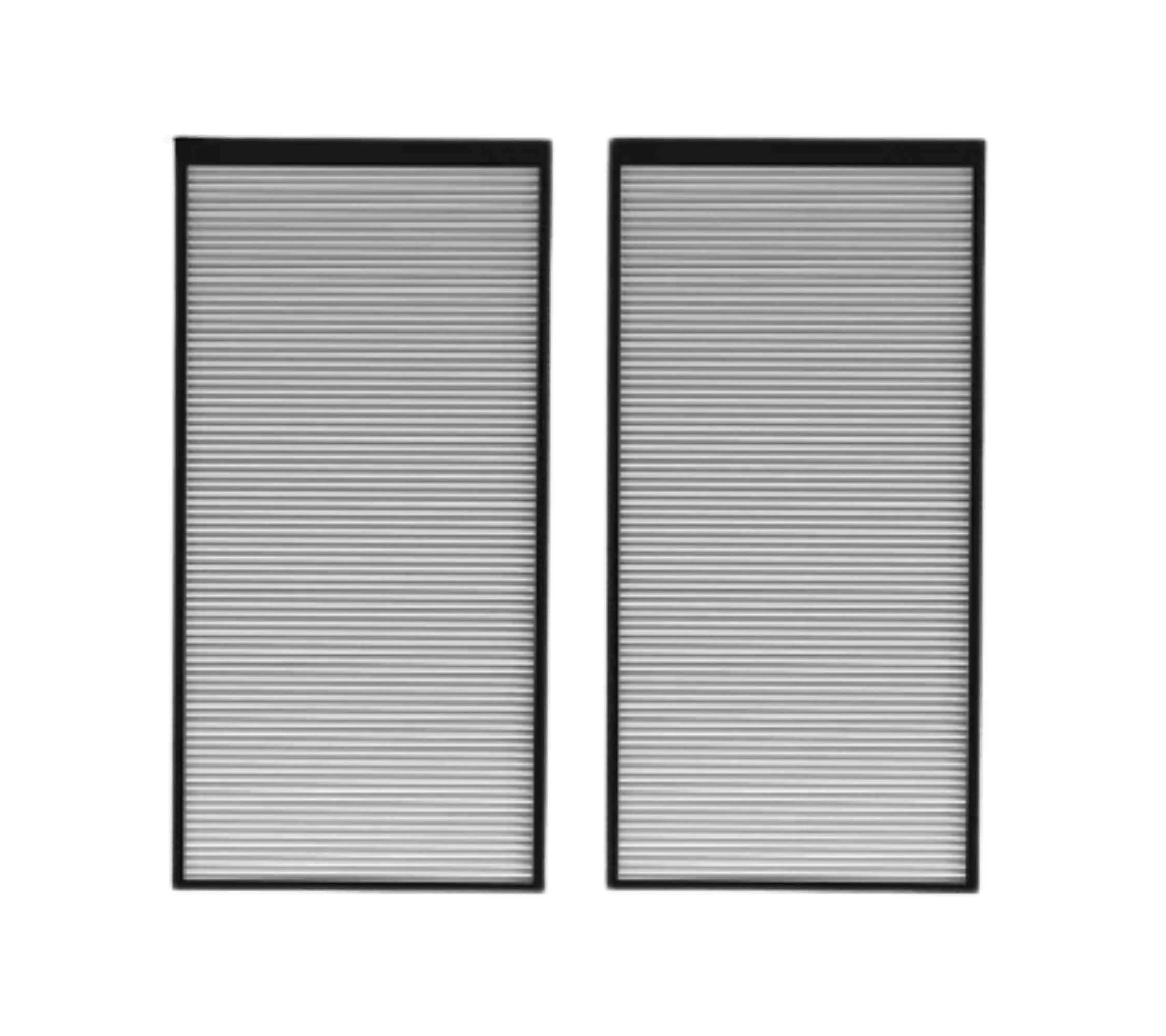
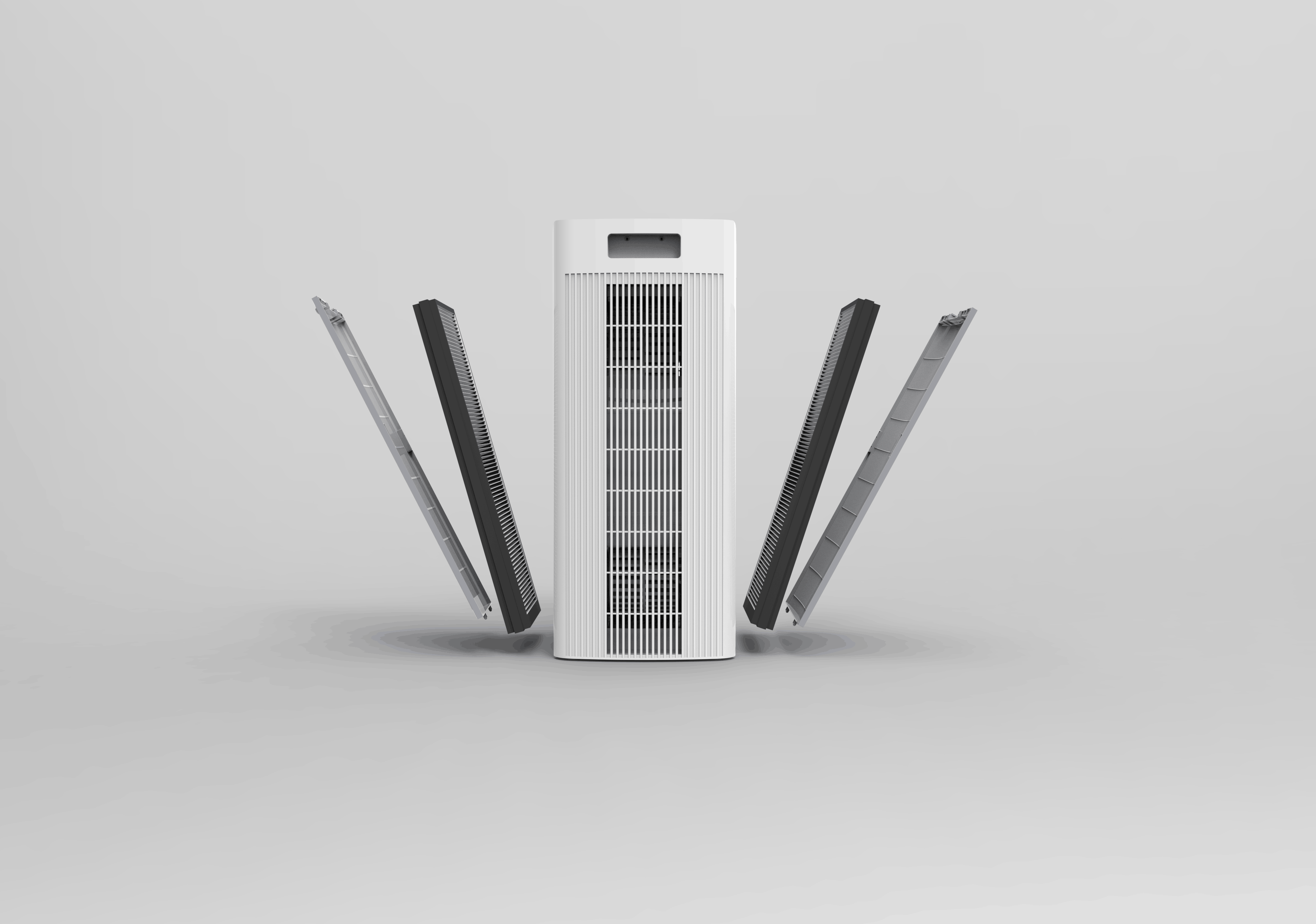
The filters in your air purifier, HVAC system, and other appliances are doing heavy lifting behind the scenes. Over time, they collect dust, mold spores, bacteria, and debris. When filters get clogged, the systems they serve become less effective.
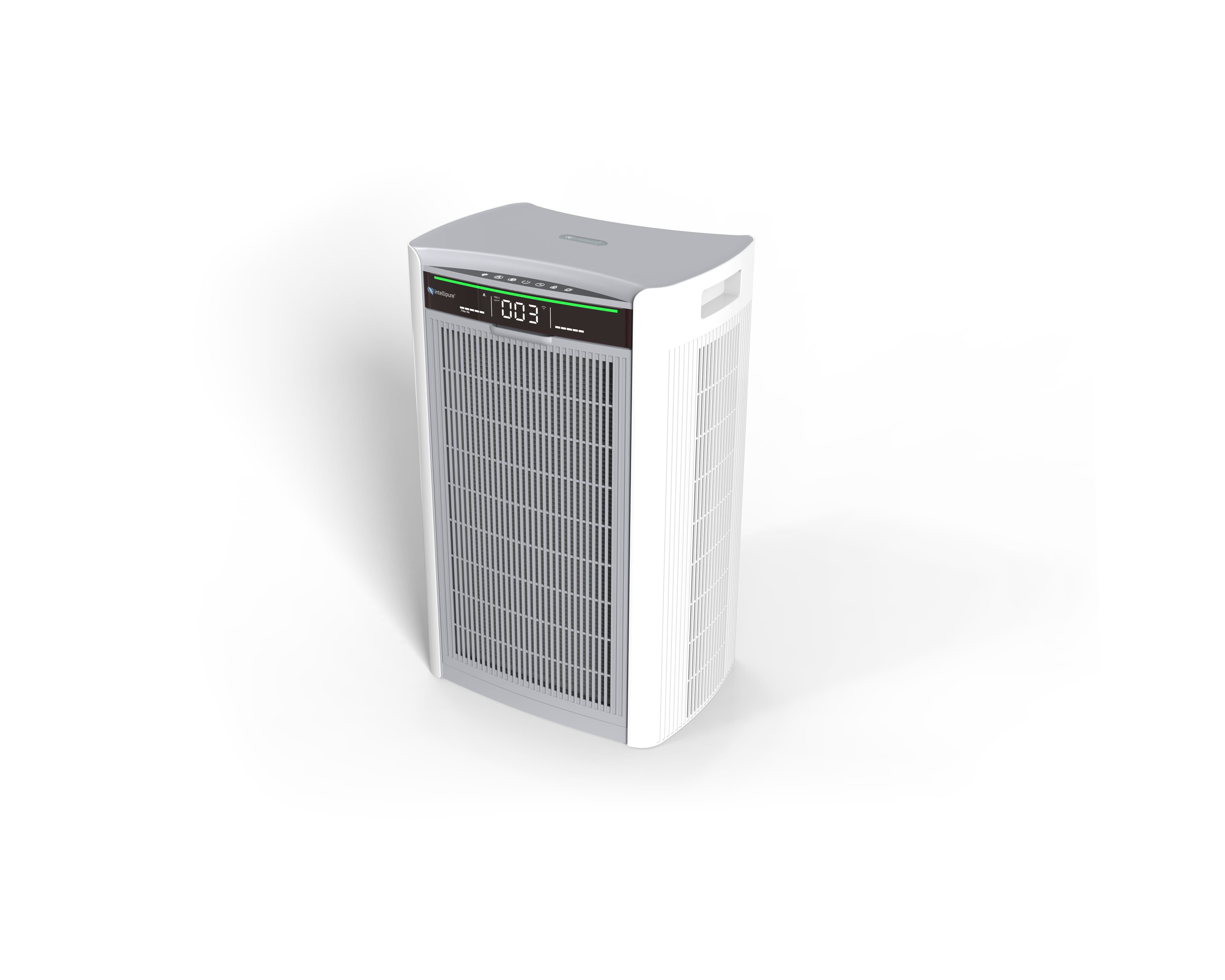
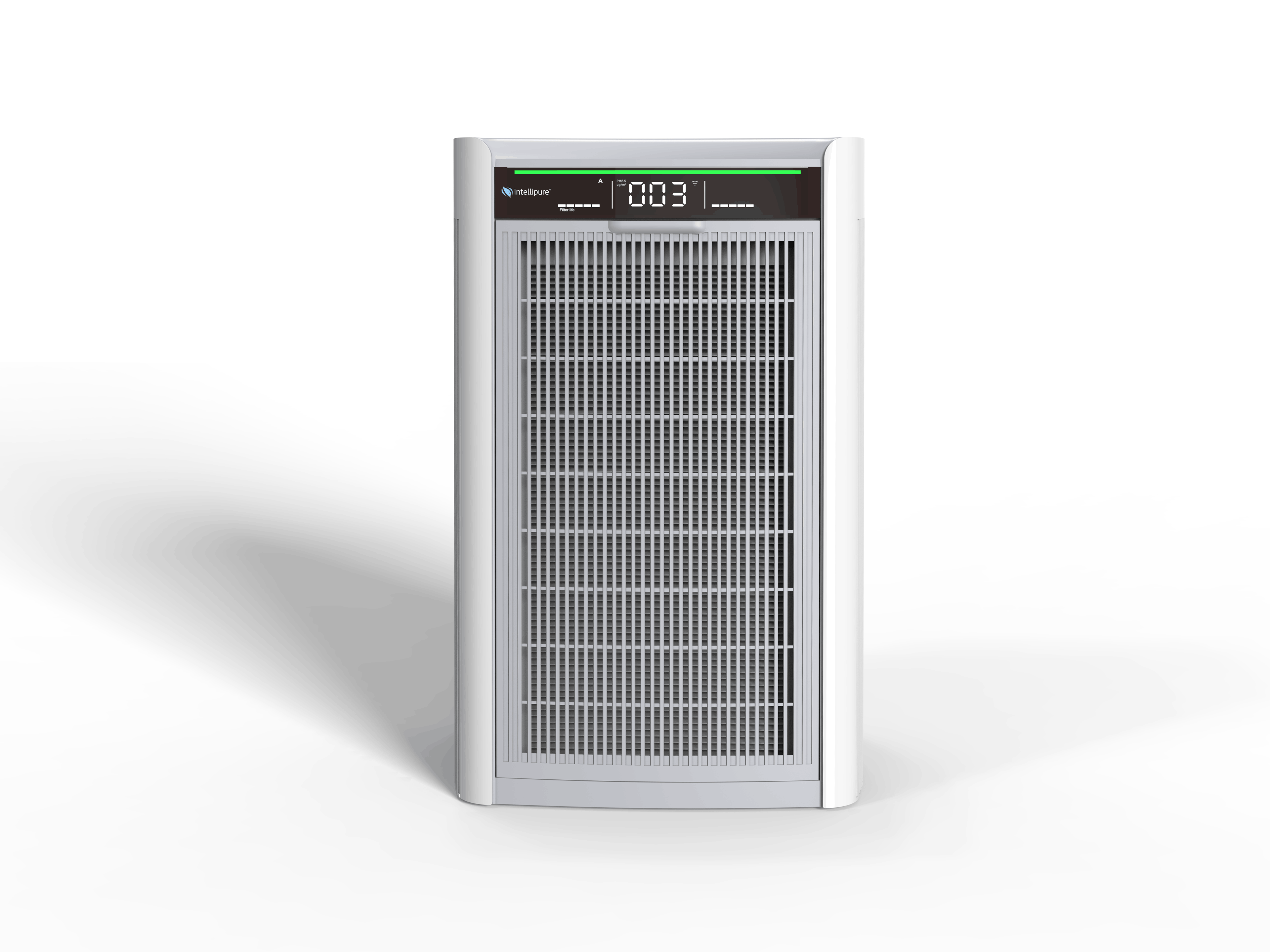
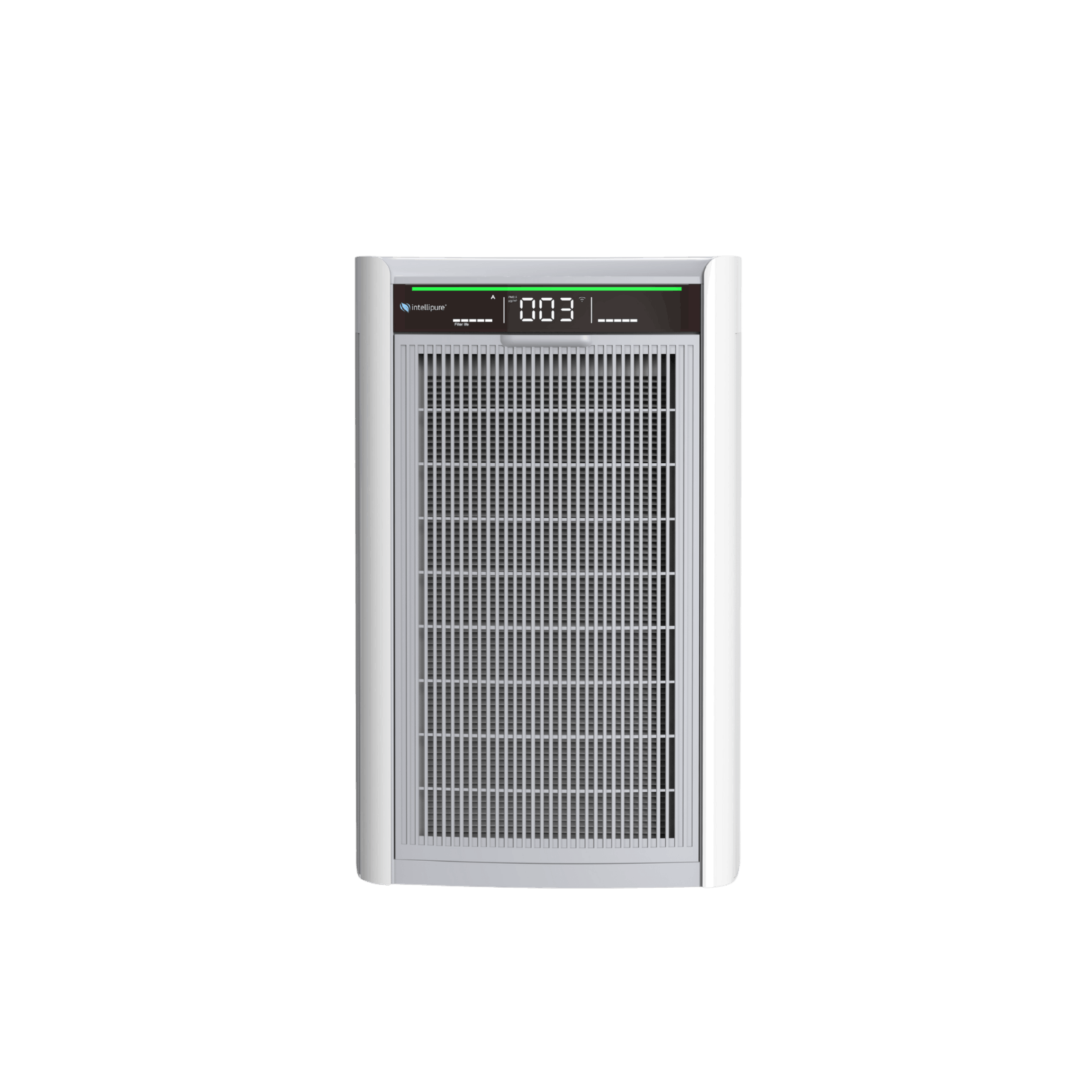
Follow the manufacturer's recommended maintenance schedule. For Intellipure air purifiers, the H1000 features app-based filter change indicators so you never have to guess. Consistent filter replacement keeps your purifier performing at its best and helps maintain clean air throughout your home.
6. Choose Nontoxic Cleaning Products
Many conventional cleaning products release VOCs that can degrade your indoor air quality [6]. Whenever possible, choose products labeled "fragrance-free" rather than "unscented." According to the EPA's Safer Choice program, "unscented" products may still contain chemicals that mask odors, while "fragrance-free" means no fragrance materials or masking scents are used [7].
For an extra layer of confidence, check the Environmental Working Group's product database for lower-toxicity alternatives, or try simple DIY solutions like vinegar-based cleaners for everyday use.
7. Watch Out for Formaldehyde in Furniture
Formaldehyde is a colorless gas commonly used in adhesives, building materials, and household products [8]. According to the National Cancer Institute, exposure to elevated levels may cause irritation of the eyes, nose, and throat, along with wheezing, nausea, and skin irritation [9].
Furniture made with pressed wood products, including plywood, medium-density fiberboard (MDF), and particleboard, can be a significant source of formaldehyde emissions [10]. When shopping for new furniture, look for items that meet low-emission standards or are made with formaldehyde-free adhesives.
8. Choose Low-VOC Paint
Volatile organic compounds in paint and coatings can vaporize and release gases long after they've dried, contributing to headaches and dizziness [6]. The EPA notes that during and for several hours after activities like paint stripping, levels of certain VOCs may be up to 1,000 times higher indoors than outdoors [6].
When painting your home, select products with minimal VOCs and hazardous air pollutants (HAPs). And even with "low-VOC" paint, ventilate thoroughly during and after application. Open windows, run fans, and give each room plenty of time to air out before settling back in.
9. Groom Your Pets Regularly
We love our furry family members, but pet dander (tiny flakes of skin shed by cats and dogs) is a common indoor allergen. According to NIOSH, animal dander can become airborne and is one of the most common ways allergens enter the body through inhalation [11]. Dander and pet hair can also accumulate in your HVAC ductwork, recirculating allergens every time the system kicks on.
Regular baths and grooming sessions help reduce the amount of dander your pets shed. Pair that with a quality air purifier to help capture airborne pet allergens, especially if anyone in your household has dander sensitivities.
10. Freeze Out Dust Mites
Dust mites thrive in warm, humid environments like bedding, stuffed toys, and pillows. If you can't wash an item in hot water, freezing can help. Research published in the Journal of Allergy and Clinical Immunology found that freezing items at typical home freezer temperatures for 48 hours can kill dust mites and their eggs [12].
Place stuffed animals or pillows in a sealed bag and pop them in the freezer for at least 24 to 48 hours. After freezing, wash the items if possible to remove the allergens left behind. And consider minimizing the number of stuffed animals and decorative pillows in bedrooms to reduce dust mite habitats.
11. Adopt a Shoes-Off Policy
Your shoes can track in more than just dirt. The EPA has noted that contaminated soil and dust tracked in from outside is a source of indoor pesticide exposure, and that 80 percent of most people's pesticide exposure occurs indoors [13]. Shoes can also carry bacteria and other outdoor pollutants across your floors.
A doormat helps, but a "shoes off at the door" policy is even more effective. It's one of those simple habits that makes a noticeable difference, especially if you have little ones spending time on the floor.
Putting It All Together
Improving your indoor air quality doesn't have to be complicated. Think of it as the clean air trifecta: reduce pollutant sources, increase ventilation, and use purification to capture what's left. These 11 nontoxic strategies tackle the first two, and a quality air purifier handles the third.
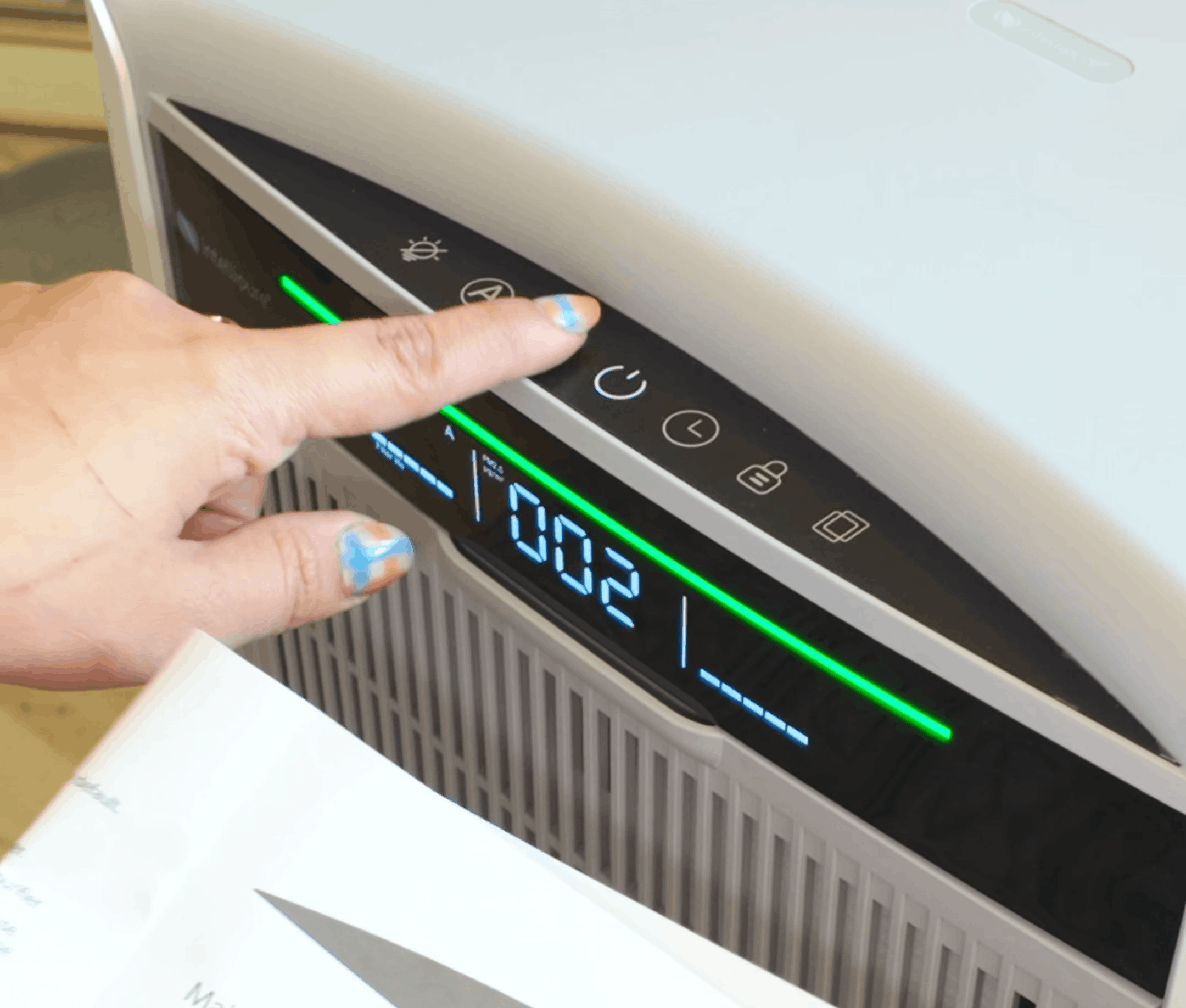
The Intellipure H1000 captures up to 99.97% of airborne particles, including dust, pollen, pet dander, and mold spores. With smart sensors that automatically adjust performance based on real-time air quality, it's the kind of set-it-and-forget-it support that makes breathing easier all year long.
References
- United States Environmental Protection Agency. Introduction to indoor air quality [Internet]. Washington (DC): EPA; 2025 [cited 2026 Feb 10].
- United States Environmental Protection Agency, United States Consumer Product Safety Commission. The inside story: a guide to indoor air quality [Internet]. Washington (DC): EPA; 1995 [cited 2026 Feb 10].
- WolvertonBC, JohnsonA, BoundsK. Interior landscape plants for indoor air pollution abatement. Stennis Space Center (MS): National Aeronautics and Space Administration; 1989.
- United States Environmental Protection Agency. Sources of combustion products [Internet]. Washington (DC): EPA; 2025 [cited 2026 Feb 10].
- Asthma and Allergy Foundation of America. Control indoor allergens to improve indoor air quality [Internet]. Arlington (VA): AAFA; [cited 2026 Feb 10].
- United States Environmental Protection Agency. Volatile organic compounds' impact on indoor air quality [Internet]. Washington (DC): EPA; [cited 2026 Feb 10].
- United States Environmental Protection Agency. Safer Choice fact sheet: fragrance-free [Internet]. Washington (DC): EPA; 2016 [cited 2026 Feb 10].
- United States Environmental Protection Agency. Facts about formaldehyde [Internet]. Washington (DC): EPA; [cited 2026 Feb 10].
- National Cancer Institute. Formaldehyde and cancer risk [Internet]. Bethesda (MD): NCI; [cited 2026 Feb 10].
- United States Consumer Product Safety Commission. An update on formaldehyde [Internet]. Bethesda (MD): CPSC; 2016 [cited 2026 Feb 10]. Publication No. 725.
- National Institute for Occupational Safety and Health. Preventing asthma in animal handlers [Internet]. Cincinnati (OH): NIOSH; 1997 [cited 2026 Feb 10]. Publication No. 97-116.
- FeichtnerCR, ArlianLG, MorganMS, Vyszenski-MoherDL. Home freezers kill house dust mites. J Allergy Clin Immunol. 2018;141(1):451-454. doi:10.1016/j.jaci.2017.09.028.
- United States Environmental Protection Agency. Pesticides' impact on indoor air quality [Internet]. Washington (DC): EPA; [cited 2026 Feb 10].








Preparing for Allergy Season with Clean Air in Your Home
Where Do I Place My Air Purifier?