


Summary
Restaurant kitchens generate a surprising range of airborne pollutants, from fine particulate matter to volatile organic compounds and nitrogen dioxide. Here's what restaurant owners and managers need to know about protecting staff, patrons, and the dining experience.
In This Article
Why Clean Air Matters in a Restaurant
Restaurant owners and managers already know the drill when it comes to keeping things clean: floors, countertops, grills, tables, bathrooms. The list never ends. But what about the air? Sure, there's a ventilation system pulling smoke and steam out of the kitchen. But other areas of the restaurant can benefit from better indoor air quality (IAQ) too.
From a culinary perspective, sight, taste, and smell all shape how a customer experiences a dish. A perfectly cooked and plated meal can be derailed by a wayward odor. Research has shown that air pollution can impair olfactory and chemosensory sensitivity, meaning polluted air may actually dull how patrons perceive aromas and flavors [1]. Clean air helps preserve the full sensory experience of food.
Clean air also helps reduce the spread of airborne illness among staff and patrons. Continuously filtering the air can capture aerosolized droplets that carry disease-causing microorganisms before they have a chance to circulate.
Then there's the team behind the scenes. Research from Harvard's T.H. Chan School of Public Health found that indoor air quality is directly linked to cognitive function: when ventilation improved and VOC levels dropped, cognitive test scores among workers increased by 61% [2]. That means cleaner air can help kitchen and front-of-house staff stay sharper, more focused, and more productive. A cleaner work environment also means higher employee satisfaction and better health.
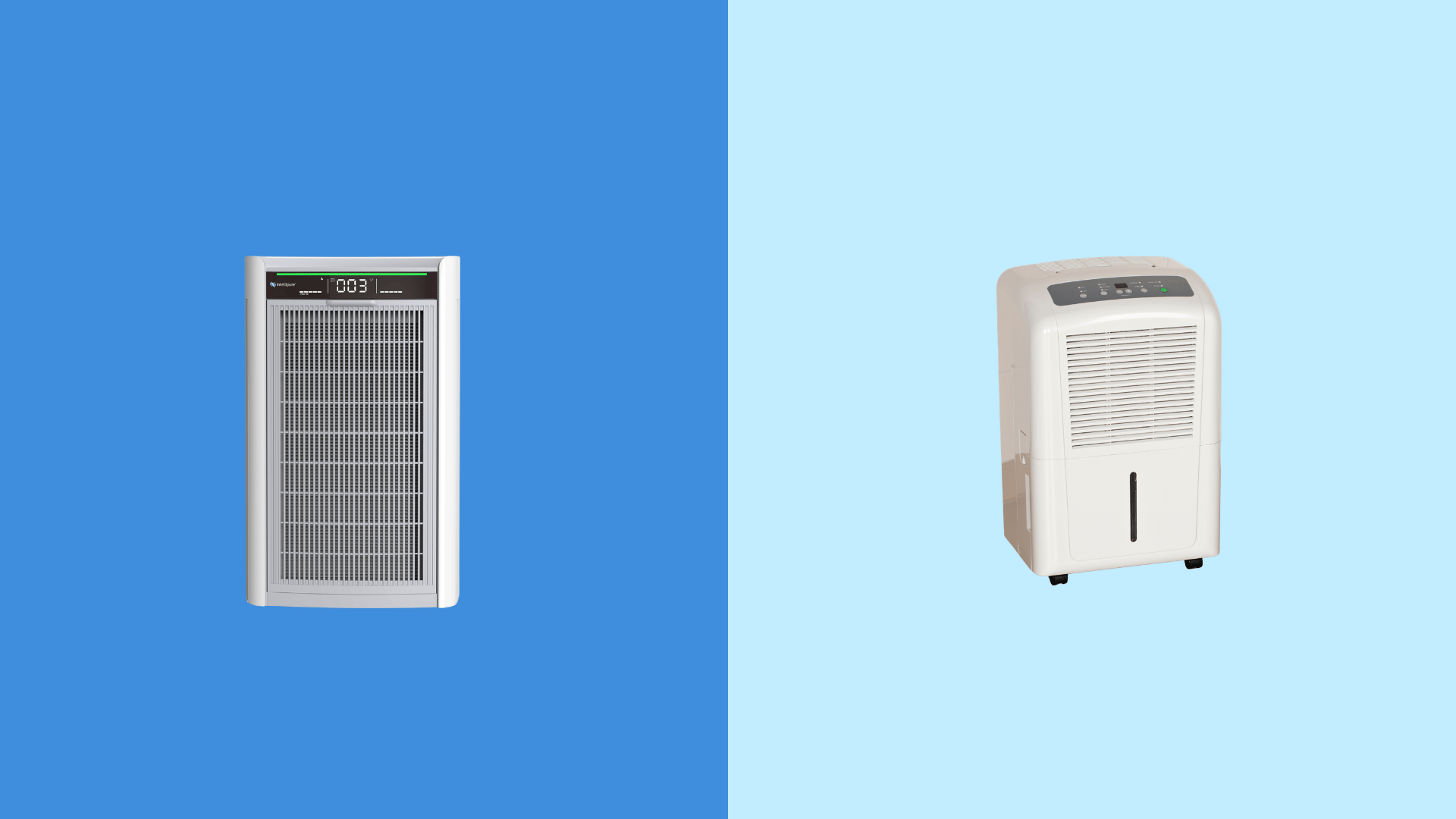
And don't forget about moisture. Excessive humidity can affect food freshness, texture, and how aromas are released. A dehumidifier helps maintain ideal relative humidity for comfort while also preventing condensation buildup. When paired with an air purifier, it creates the kind of welcoming atmosphere that keeps customers coming back.
What's Really in Restaurant Air
Restaurant kitchens are buzzing with activity: prepping, cooking, plating, washing, all happening at once. Unfortunately, all that activity can generate indoor air pollution that reaches well beyond the kitchen.
Particulate matter (PM2.5): Cooking methods like frying, grilling, and charbroiling release high amounts of fine particulate matter into the air [3]. Commercial kitchens work with large volumes of organic materials and oils that become a fine aerosol. Field testing in restaurant kitchens has found PM2.5 levels far exceeding EPA and WHO standards [3].
Volatile organic compounds (VOCs): Those delicious aromas wafting from the kitchen? They're carried by volatile organic compounds. Research has shown that cooking activity can rapidly increase total VOC levels, and these compounds don't stay in the kitchen; they migrate to dining areas and other spaces, especially when ventilation is inadequate [4].
Harmful gases: Most restaurant kitchens use natural gas for heat. Instant temperature control and low cost make it the industry standard. Unfortunately, burning natural gas releases nitrogen dioxide (NO2), carbon monoxide (CO), and other nitrogen oxides (NOx) [5]. Research has found that NO2 from gas stoves can linger for hours and reach levels that exceed World Health Organization guidelines [6]. Even charcoal grills produce carbon dioxide (CO2). Kitchen ventilation systems are supposed to exhaust these gases, but they can still travel throughout the building.
How Restaurant Air Pollution Affects Health
Exposure to indoor air pollution, especially over long periods, can have real health consequences. Most restaurants focus (rightly) on food safety, but air quality deserves attention too. Chefs and line cooks work directly at the source of airborne pollutants, and without adequate ventilation, several health issues can develop.
Respiratory effects: Particulate matter deposited on lung surfaces can induce tissue damage and inflammation [7]. Long-term exposure to PM2.5 has been linked to worsened asthma symptoms and reduced lung function [7]. The International Agency for Research on Cancer has classified emissions from high-temperature frying as a Group 2A carcinogen (probably carcinogenic to humans) [8]. VOCs can also irritate the respiratory tract and contribute to pulmonary issues [9].
Cognitive effects: Exposure to air pollution can make it harder to concentrate and stay focused. The CDC notes that carbon monoxide exposure can cause headaches, dizziness, weakness, and nausea [10]. Elevated CO2 levels from combustion may also impair cognitive performance; research has linked every 500 ppm increase in CO2 to 1.4-1.8% slower response times [2].
Cardiovascular effects: The California Air Resources Board reports that short-term PM2.5 exposure is associated with increased hospital admissions for heart and lung causes [7]. Fine particulate matter from cooking activities contributes to this risk for kitchen staff exposed daily.
Patron comfort: Customers can feel the effects of poor restaurant air, too. Outdated HVAC systems may not keep up with the volume of pollutants generated during a meal rush. Unpleasant odors, high humidity, and airborne irritants can take away from the dining atmosphere. If a customer is uncomfortable, they're not likely to return. Having a separate HVAC system for the dining area allows greater control over both air quality and comfort, and placing a few portable air purifiers in the dining room can make a noticeable difference.
Kitchen Pollution Sources (Beyond the Stove)
Cooking isn't the only source of airborne pollutants in a restaurant. The cleaning products that keep everything sanitary can introduce their own air quality challenges.
Disinfectants: Bleach is commonly used to disinfect and sanitize, but chlorine is classified as a lung-damaging agent that can irritate the respiratory system [11]. Ammonia, another common cleaning chemical, may worsen asthma symptoms in sensitive individuals and irritate the eyes [12]. Chlorine bleach and ammonia should never be mixed, as the combination produces chloramine gas, which is extremely dangerous [12].
Scented cleaners: Cleaning products with citrus or pine scents release volatile organic compounds. Products containing terpenes can react with ozone and other oxidants in indoor air to form secondary pollutants, including formaldehyde and fine particulates [13, 14].
Glass cleaners and multipurpose sprays: Many of these contain glycol ethers, which the EPA lists as toxic chemicals under EPCRA Section 313 due to their potential for kidney toxicity, liver toxicity, and other adverse effects [15].
Aerosol spray cans: Even if the liquid inside is relatively harmless, propellants like butane and propane are VOCs that add to the overall indoor air pollution load [16].
Better Ventilation, Better Air
Restaurants are required to have ventilation systems that remove harmful pollutants. Design standards like NFPA 96 specify requirements for ventilation rate, fire control equipment, and exhaust systems in commercial kitchens [17].
Range hoods: A high-efficiency range hood is the first line of defense against noxious fumes, toxic particles, and cooking aerosols. The exhaust hood captures airborne smoke and grease before it can migrate to the dining room. Pulling oil and grease particles out of the kitchen also prevents them from coating surfaces and creating safety hazards.
Moisture control: Keeping humidity in check helps staff and diners stay comfortable, prevents mold growth, and helps food maintain the textures and aromas chefs work hard to create. Proper ventilation or a dehumidifier can keep moisture from wreaking havoc on everything from bread crusts to pastries.
Fresh air intake: In some situations, it may be necessary to bring outside air in to meet indoor air quality demands. A makeup air unit connected to the HVAC system draws outdoor air into the building and filters it before passing it indoors. While this helps with ventilation, it doesn't clean existing indoor air, and care should be taken to ensure the outdoor air quality and filtration capability are adequate.
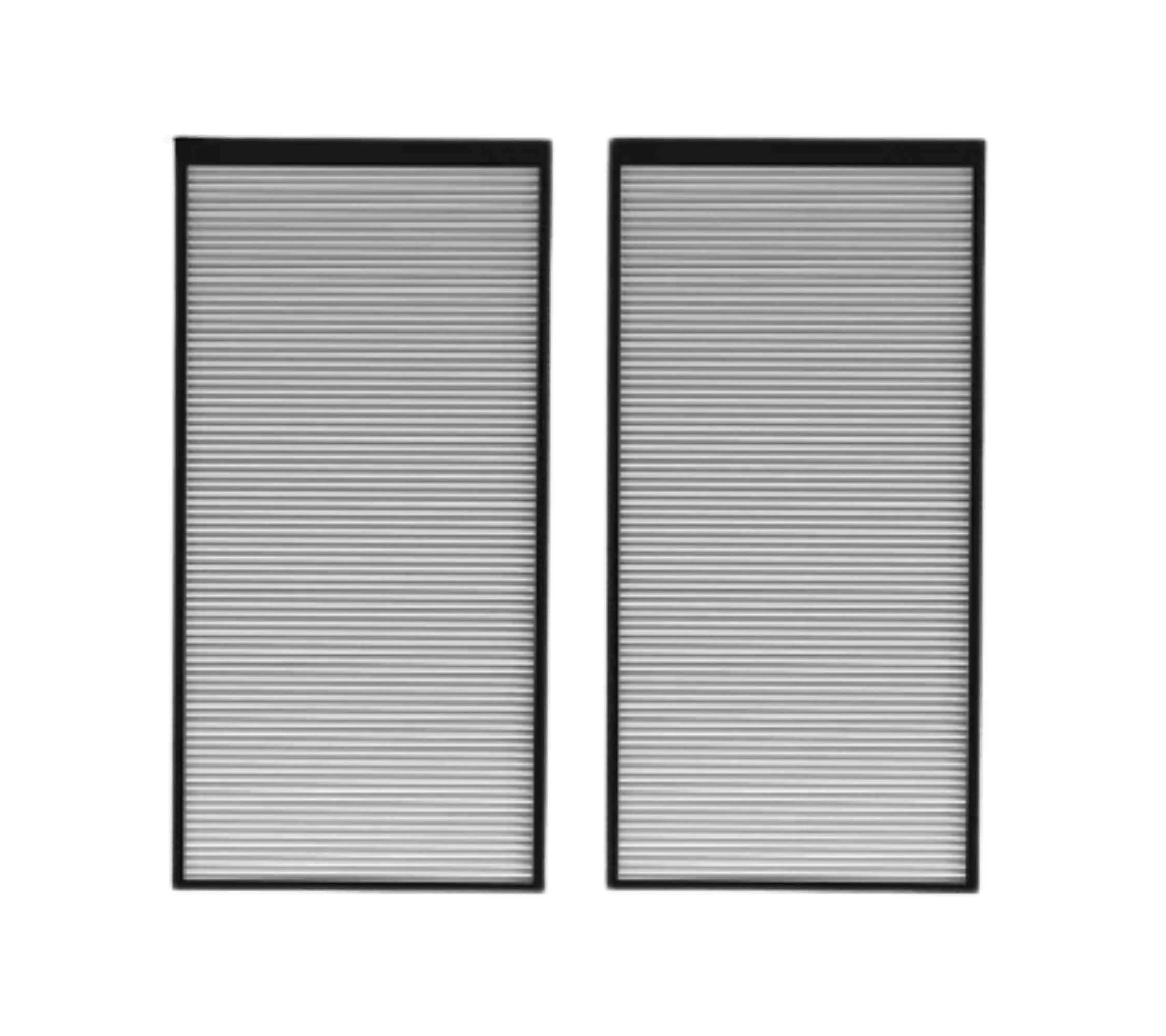
Routine maintenance: Even a top-tier HVAC system needs regular upkeep. Change air filters often to keep air flowing freely and prevent buildup. Clogged filters lead to poor circulation, pockets of stale air, or higher humidity. The kitchen ventilation system will have different maintenance needs than the dining room HVAC, so make sure range hood grease filters are cleaned on schedule to keep fan motors running efficiently.
Monitoring Air Quality
Air quality monitors give restaurant owners a way to track IAQ in real time and spot problems before they escalate. Modern sensors can detect:
- Temperature
- Humidity levels
- Particulate matter (PM2.5 and PM10)
- Nitrogen oxides
- Carbon dioxide and carbon monoxide
- Volatile organic compounds
- Ozone
Some systems connect to software that tracks air quality trends over time, helping identify problem areas or peak pollution periods. Others integrate with automated controls that can ramp up air conditioning, air purification, or dehumidification before IAQ becomes an issue. Both wired and wireless monitors are available; wireless models are convenient to install but require regular battery replacement.
Having historical data means you can anticipate needs, like increasing ventilation before the dinner rush, rather than reacting after the air quality has already dipped.
Adding Air Purification to the Mix
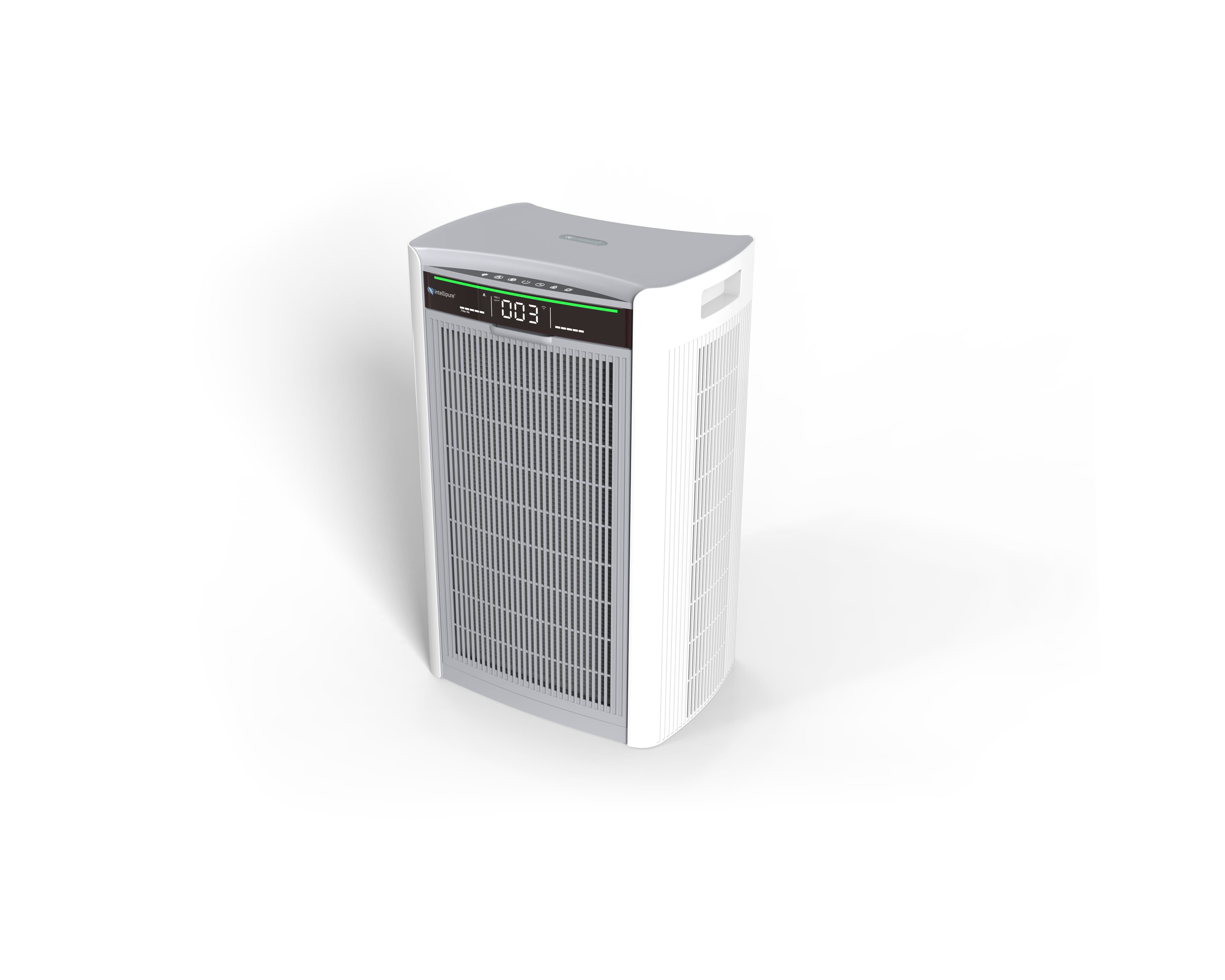
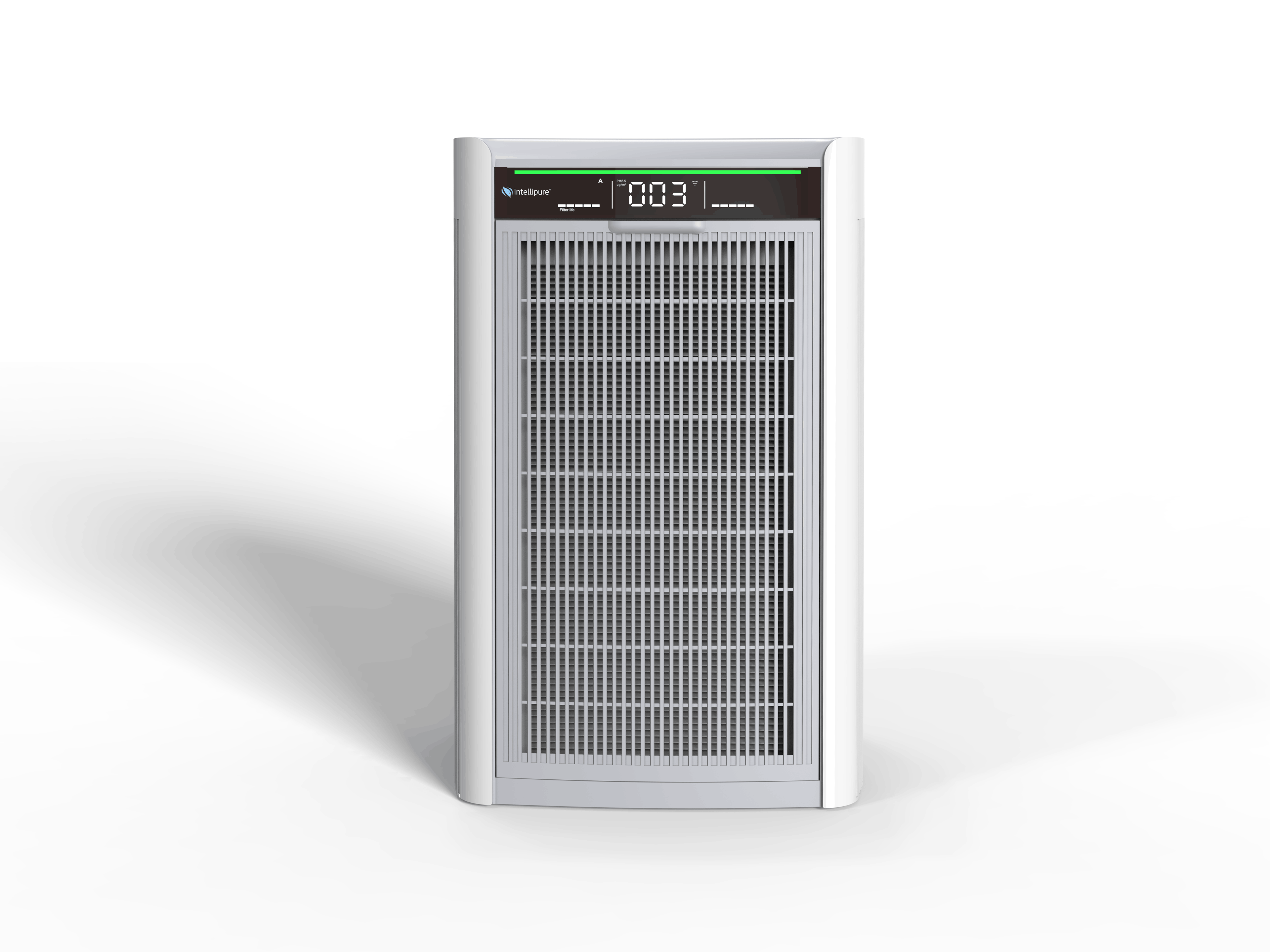
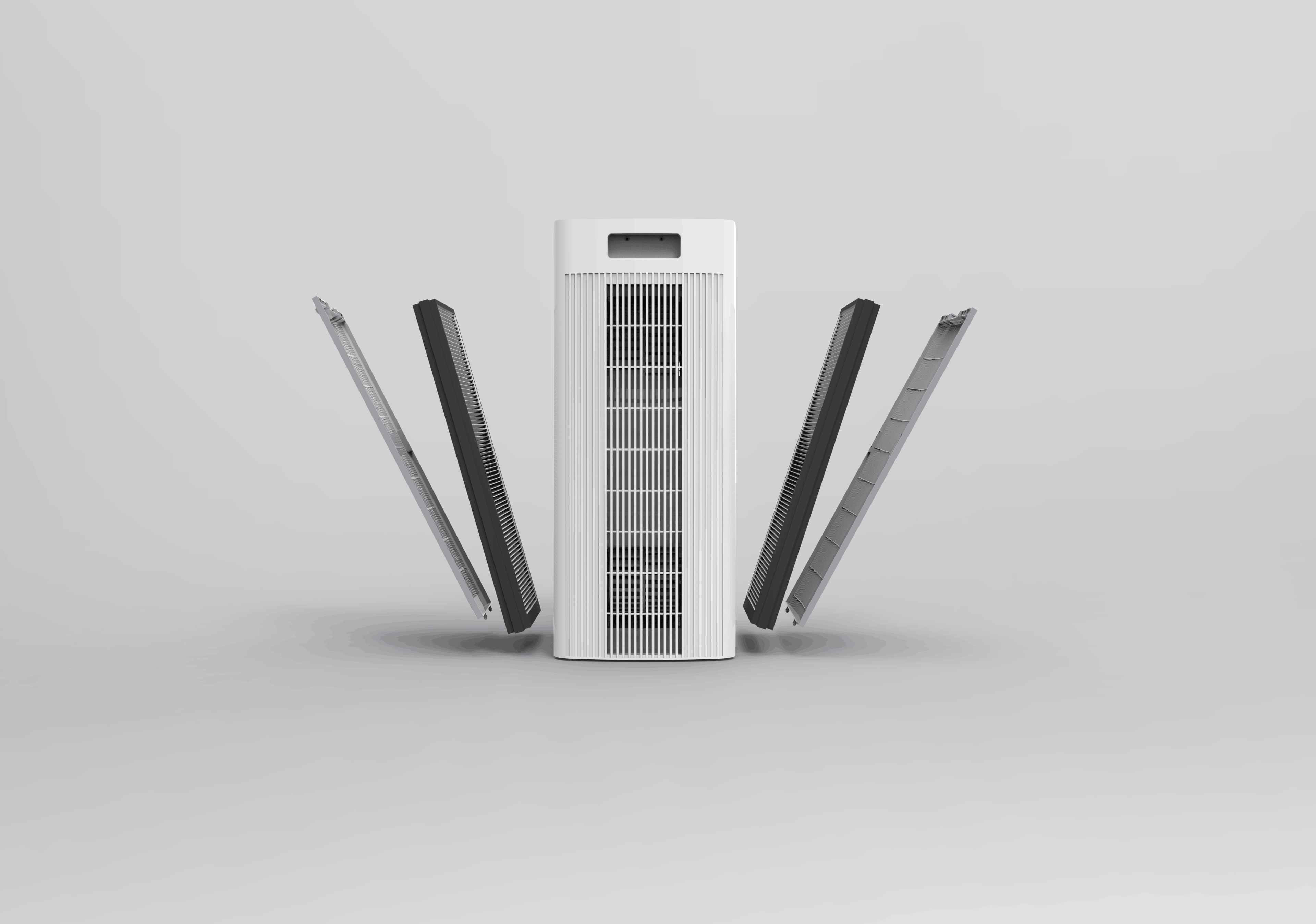
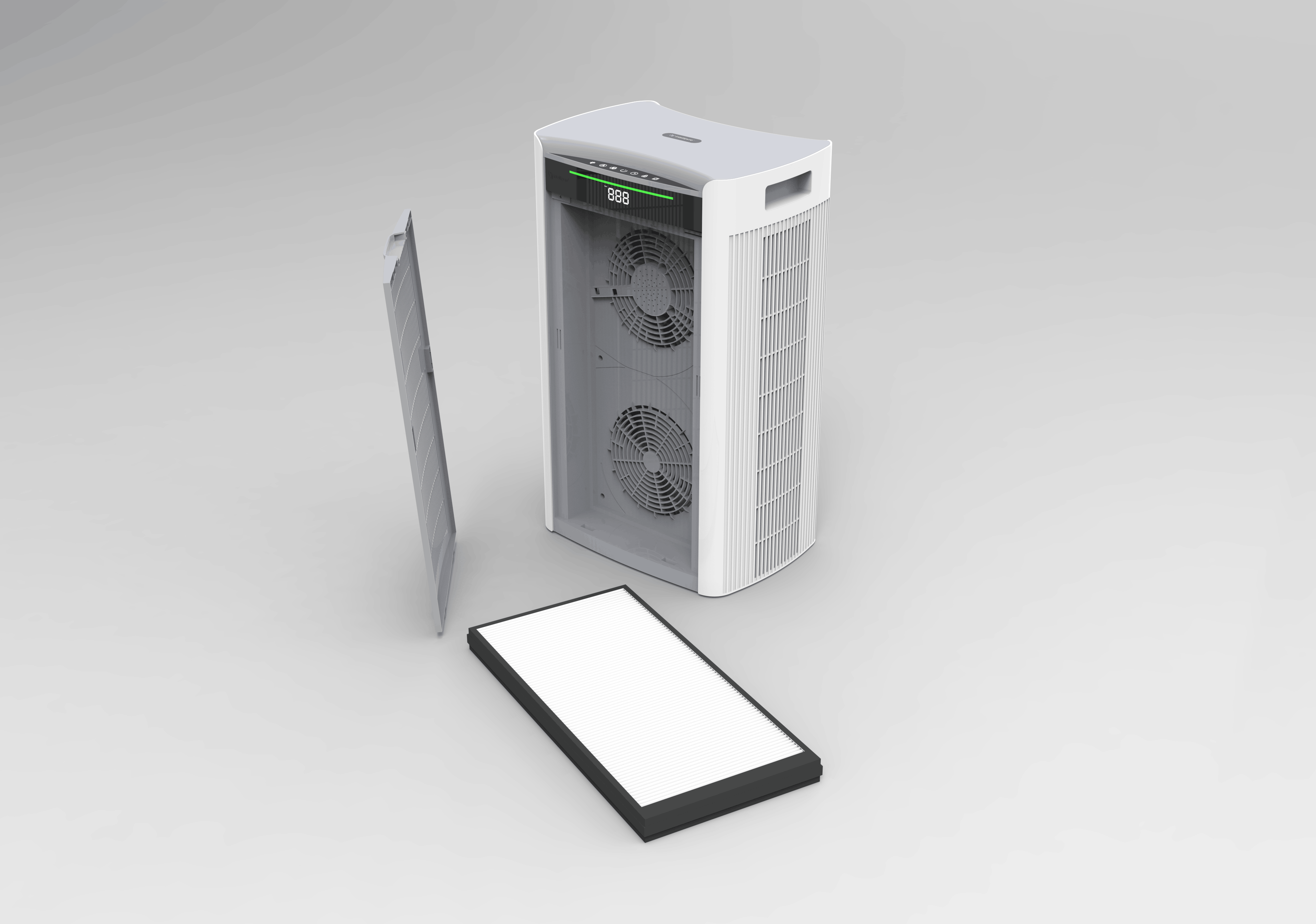
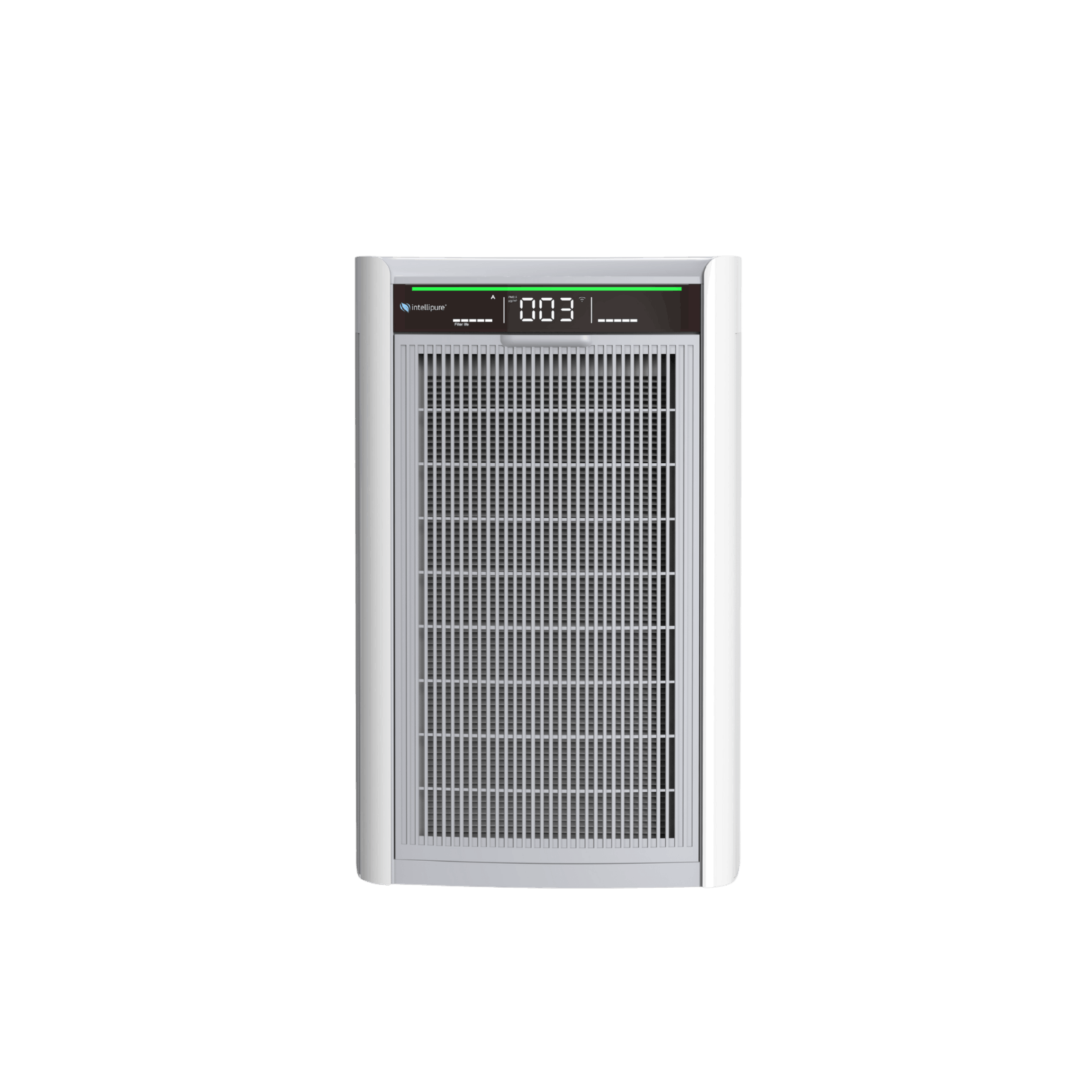
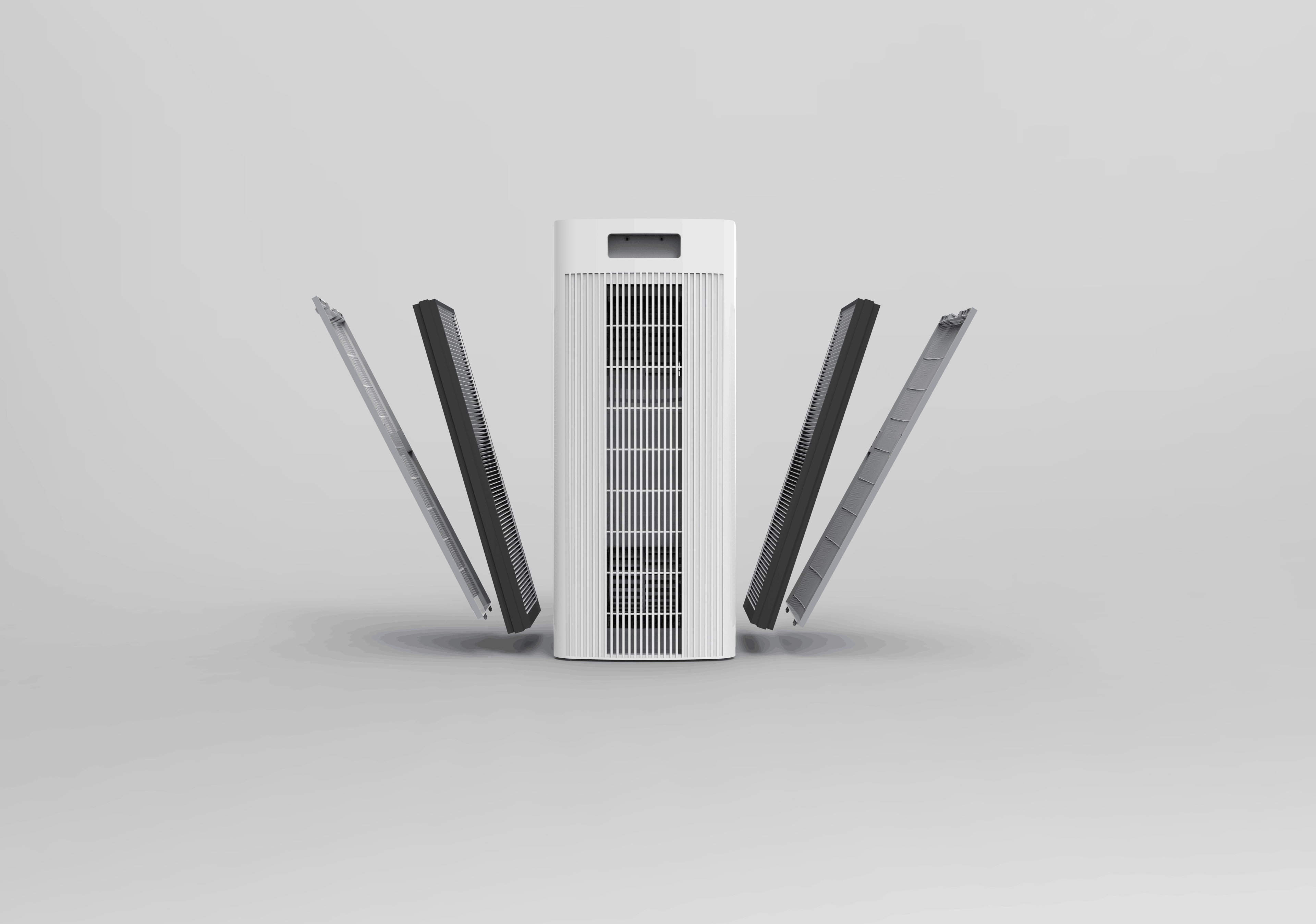
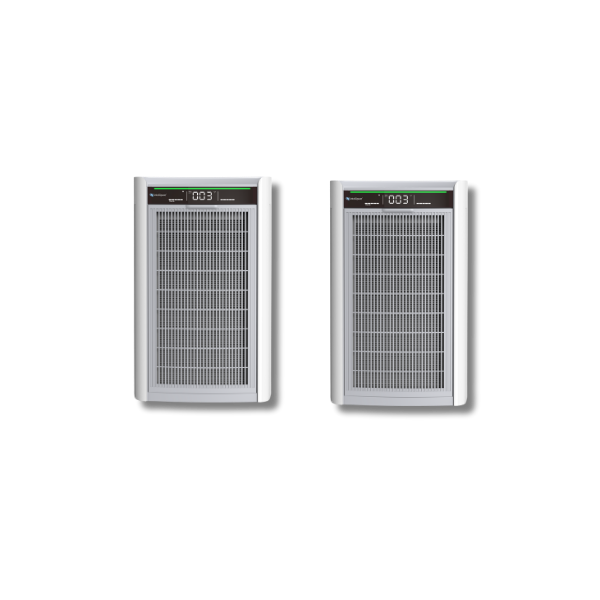
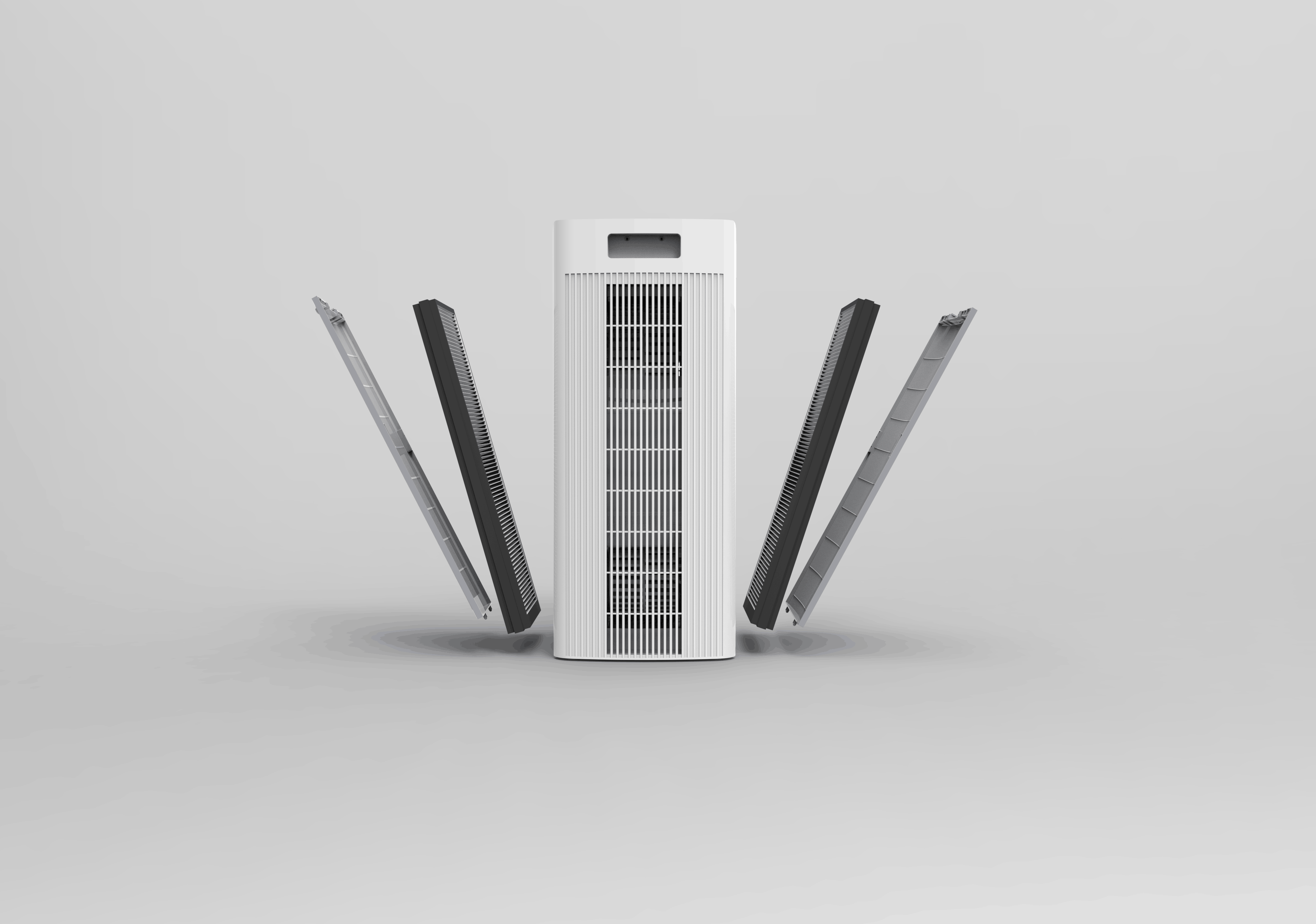
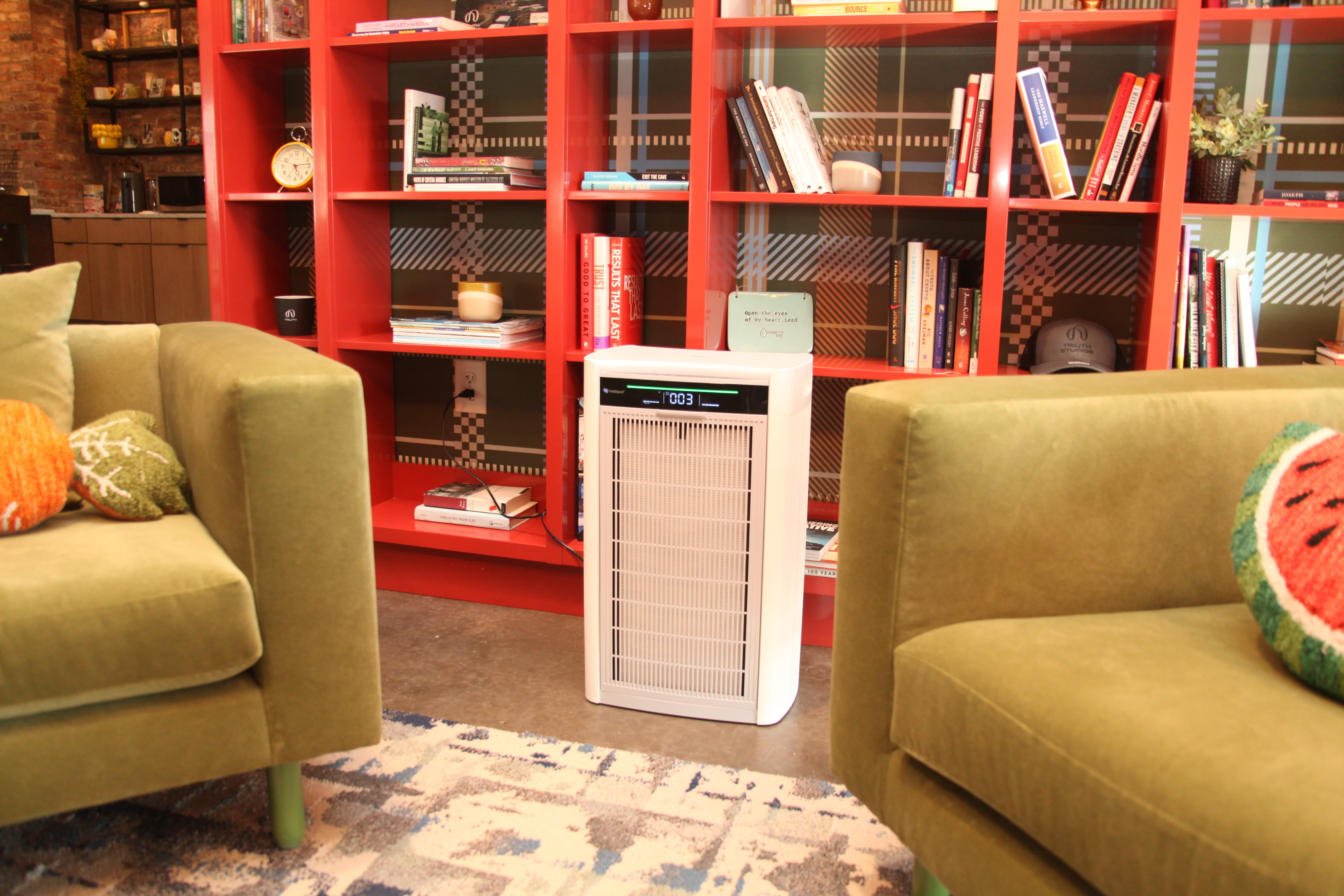
Ventilation handles a lot of the heavy lifting, but it has limits. An air purifier works alongside your HVAC system to capture particles that slip through, including fine particulate matter, allergens, and other airborne irritants.
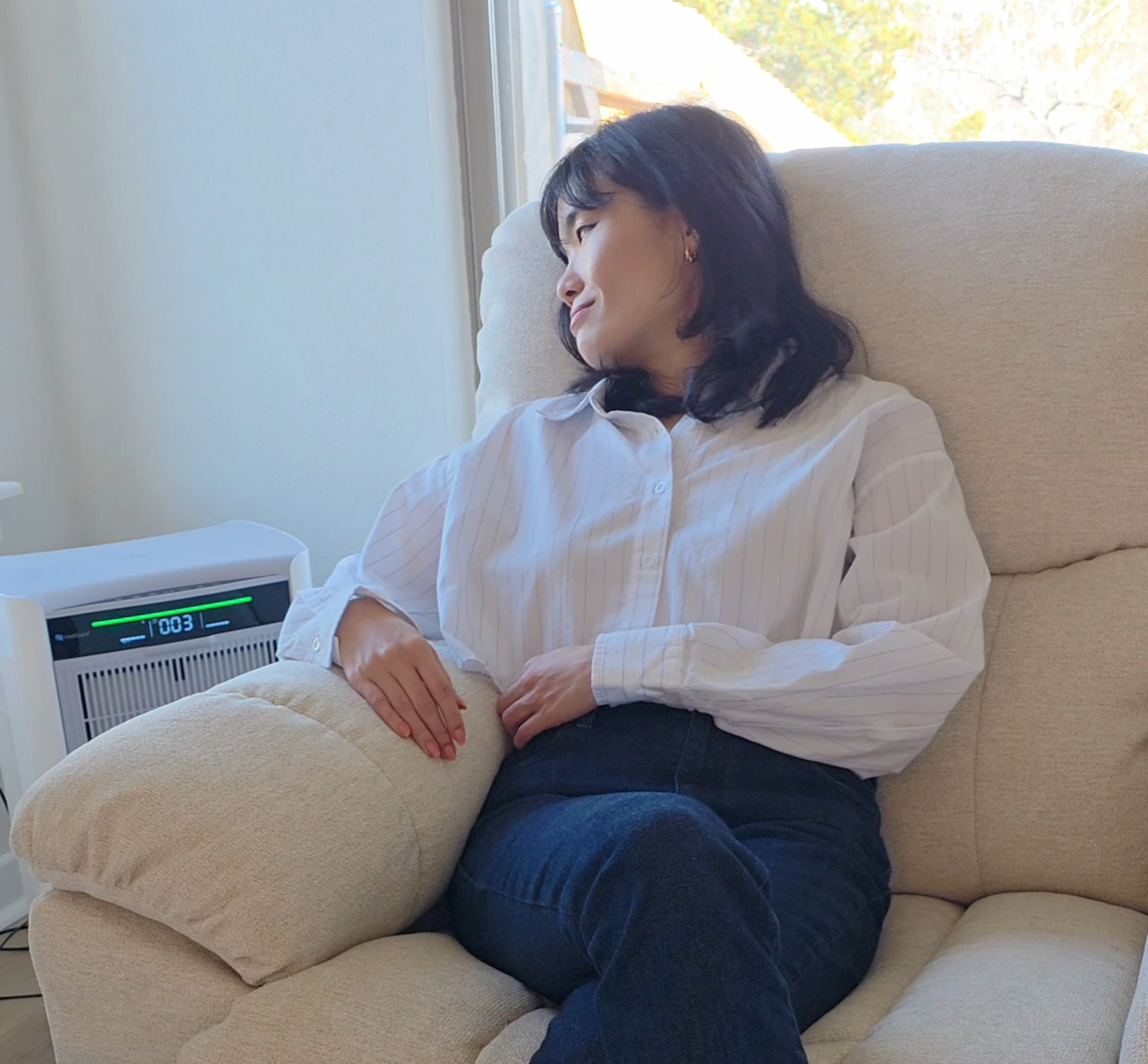
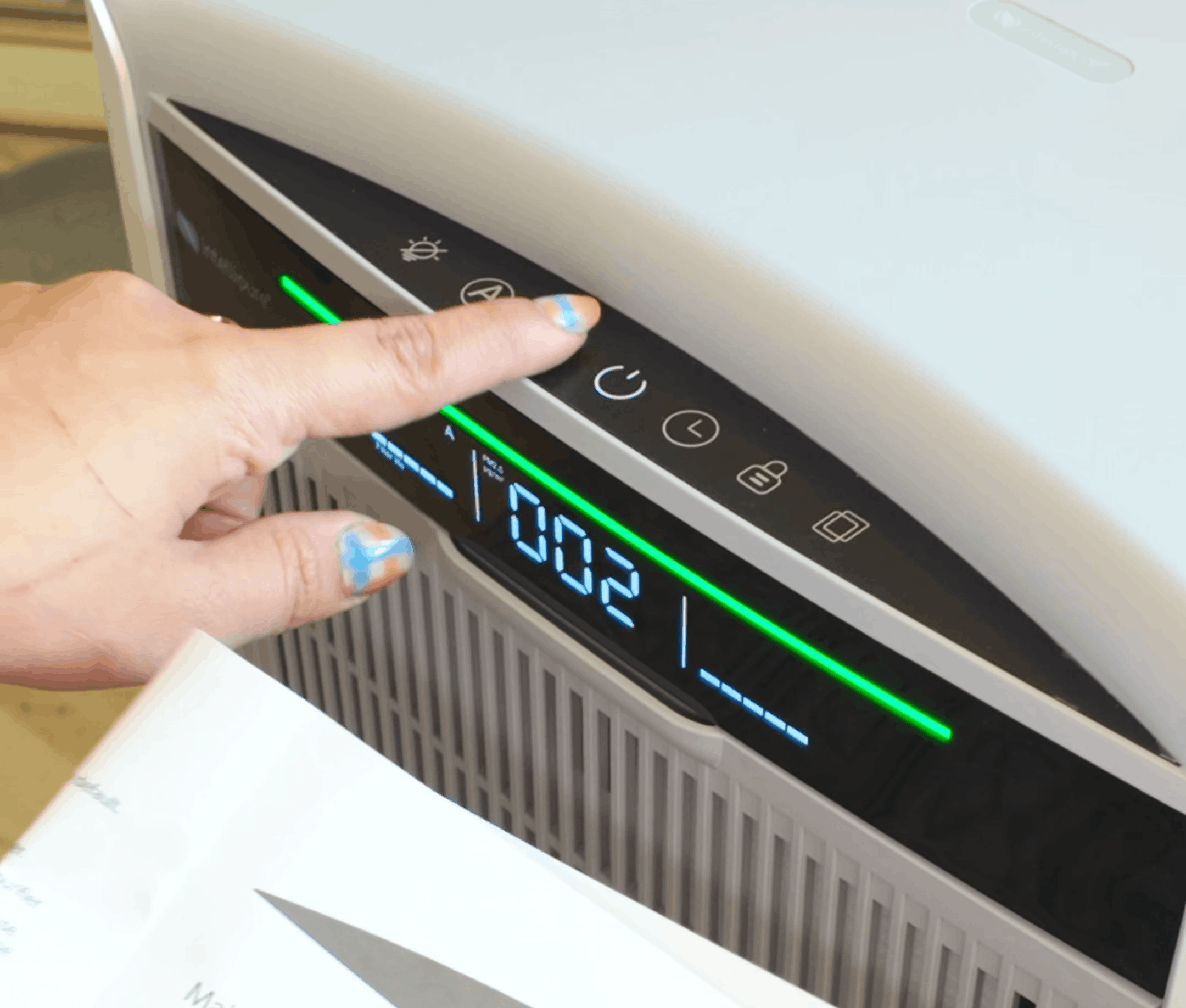
Its smart sensors automatically adjust performance based on real-time air quality, and at 23 dB on the lowest setting, it won't compete with dinner conversation. It's certified ozone-free, making it safe for continuous use in dining rooms, waiting areas, or offices.
The best approach to restaurant air quality combines what we like to call the clean air trifecta: source control (reducing pollutants at the source), ventilation (removing contaminated air), and purification (capturing what's left). When all three work together, staff stays healthier, customers are more comfortable, and the food tastes exactly as the chef intended.
References
- PieniakM, LuethiE, LeonM, et al. Ambient air pollution undermines chemosensory sensitivity: a global perspective. Sci Rep. 2024;14:28137.
- AllenJG, MacNaughtonP, SatishU, SantanamS, VallarinoJ, SpenglerJD. Associations of cognitive function scores with carbon dioxide, ventilation, and volatile organic compound exposures in office workers: a controlled exposure study of green and conventional office environments. Environ Health Perspect. 2016;124(6):805-812. doi:10.1289/ehp.1510037.
- MahmoodT, ChauhanDNS, SaqibANS, et al. Why cleaning the invisible in restaurants is important during COVID-19: a case study of indoor air quality of an open-kitchen restaurant. Environ Sci Pollut Res Int. 2021;28(26):34134-34145.
- WojnowskiW, YangA, MikovinyT, WisthalerA, ThunshellK. Exposure to cooking emitted volatile organic compounds with recirculating and extracting ventilation solutions. Build Environ. 2024;261:111743.
- LebelED, FinneganCJ, OuyangZ, JacksonRB. Methane and NOx emissions from natural gas stoves, cooktops, and ovens in residential homes. Environ Sci Technol. 2022;56(4):2529-2539. doi:10.1021/acs.est.1c04707.
- KashtanY, NicholsonM, FinneganCJ, et al. Nitrogen dioxide exposure, health outcomes, and associated demographic disparities due to gas and propane combustion by U.S. stoves. Sci Adv. 2024;10(18):eadm8680. doi:10.1126/sciadv.adm8680.
- California Air Resources Board. Inhalable particulate matter and health (PM2.5 and PM10) [Internet]. Sacramento (CA): CARB; 2024 [cited 2026 Feb 12].
- International Agency for Research on Cancer. Emissions from high-temperature frying. In: IARC Monographs on the Evaluation of Carcinogenic Risks to Humans, Volume 95. Lyon: IARC; 2010.
- AlfordKL, KumarN. Pulmonary health effects of indoor volatile organic compounds: a meta-analysis. Int J Environ Res Public Health. 2021;18(4):1578. doi:10.3390/ijerph18041578.
- Centers for Disease Control and Prevention. Carbon monoxide poisoning: about carbon monoxide poisoning [Internet]. Atlanta (GA): CDC; 2024 [cited 2026 Feb 12].
- National Institute for Occupational Safety and Health. Chlorine: lung damaging agent [Internet]. Atlanta (GA): CDC/NIOSH; 2024 [cited 2026 Feb 12].
- Agency for Toxic Substances and Disease Registry. Public health statement: ammonia [Internet]. Atlanta (GA): ATSDR; 2004 [cited 2026 Feb 12].
- NazaroffWW, WeschlerCJ. Cleaning products and air fresheners: exposure to primary and secondary air pollutants. Atmos Environ. 2004;38(18):2841-2865.
- WangC, CollinsDB, AbbattJPD. Indoor illumination of terpenes and bleach emissions leads to particle formation and growth. Environ Sci Technol. 2019;53(20):11792-11800. doi:10.1021/acs.est.9b04261.
- United States Environmental Protection Agency. Toxics Release Inventory: list of toxic chemicals within the glycol ethers category [Internet]. Washington (DC): EPA; 2000 [cited 2026 Feb 12].
- United States Environmental Protection Agency. What are volatile organic compounds (VOCs)? [Internet]. Washington (DC): EPA; 2024 [cited 2026 Feb 12].
- National Fire Protection Association. NFPA 96: standard for ventilation control and fire protection of commercial cooking operations. Quincy (MA): NFPA; 2021.







Better Office Air, Better Employee Performance: What the Research Says
Intellipure May 2024 Allergen Report: What's in Your Air This Spring