

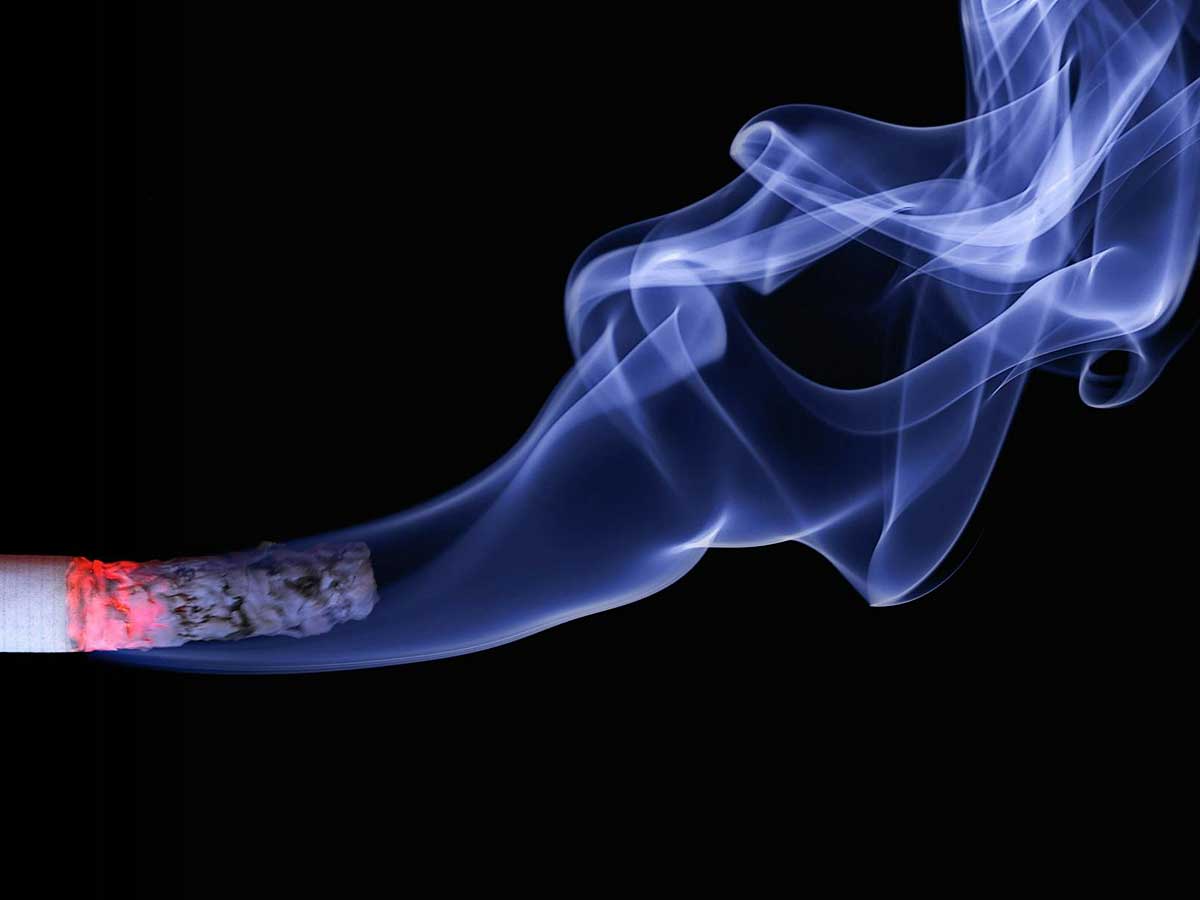
Smoke is a complicated pollutant. It is made up of both airborne particulates and gases, making it difficult to completely remove from the air. Even if the visible smoke is gone, the smoke smell can linger long afterwards. But having the right kind of air purifier can help keep smoke smells at bay.
Health Implications of Smoke
Smoke is bad for you. It doesn’t matter if it is cigarette smoke, grill smoke, campfire smoke or incense smoke; they all contain pollutants like fine particles and carcinogens. These pollutants can cause lung irritation, allergic reactions, difficulty breathing, or even an asthma attack. For tobacco smoke in particular secondhand smoke carries an increased risk of lung cancer. Smoke exposure can also lead to an increased risk of heart disease and other harmful heart conditions. Proper outside air ventilation isn't always an option, which is why HEPA air filters have become increasingly more popular in homes across the country.
Mechanisms of Air Purifiers
Depending on the type of air purifier there are different methods for removing airborne pollutants. There are several common types of air purifiers on the market today.
Mechanical Filter Air Purifier
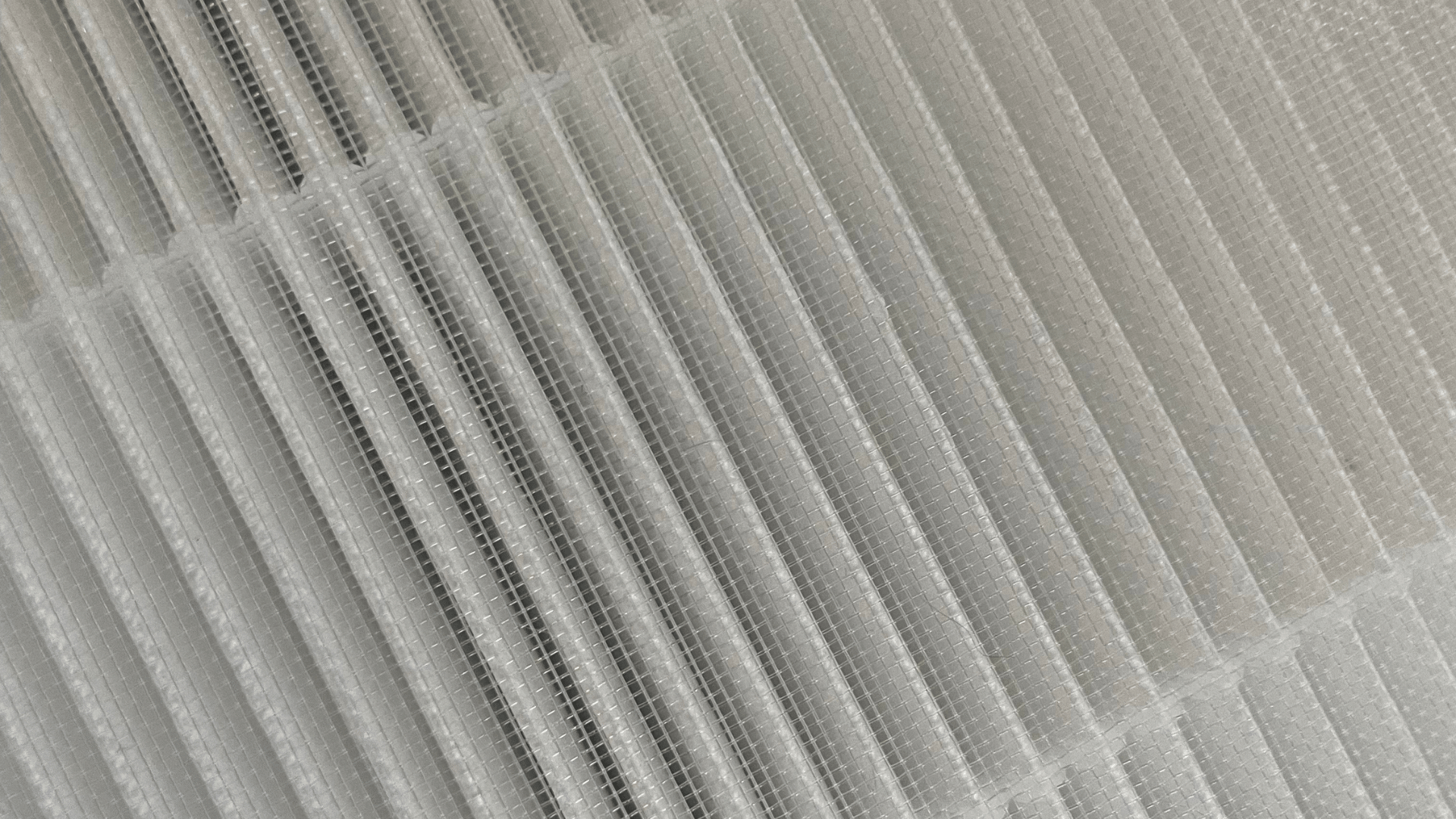
This type of air purifier uses filter media to capture airborne particles. The filter itself is made up of multiple fine fiber layers that catch fine particulates. Most physical air filters are graded by the Minimum Efficiency Reporting Value (MERV) standard, which ranges from 1-16. There is also the HEPA (High-Efficiency Particulate Air) standard for air filters. A HEPA filter must remove at least 99.97% of particles that are 0.3 microns in diameter in order to meet the HEPA standard. While a mechanical filter does remove tiny particles, it does not remove harmful chemicals.
Adsorbent Filter Air Purifier
If the main goal is to remove chemicals and odors, then a charcoal-based activated carbon filter is needed. Sometimes called an odor remover filter, it captures chemicals and volatile organic compounds (VOCs) through adsorption. Activated carbon has an extremely high surface area ratio which creates numerous tiny holes where nasty gas and liquid molecules can be captured. Heavy-duty carbon filtration is extremely useful for commercial applications where odors need to be kept under control.
Ultraviolet Light (UV) Air Purifier
Scientists discovered that exposure to certain wavelengths of ultraviolet light is harmful to microorganisms. In particular UVC light in the 100–280 nm range is highly effective at deactivating the DNA of bacteria, viruses and other microbes. This prevents the microorganisms from replicating and spreading disease. It should be noted that UV air purifiers do not remove airborne particles.
Ionizing Air Purifier
This type of air purifier uses a special electronic generator to disperse charged ions (usually negatively charged) into the air. The ions induce a charge on nearby airborne particles, causing them to clump together. They also collect on nearby oppositely charged surfaces (sometimes on collection plates inside the air purifier). While the particles are removed from the air, they are not removed from the room and may become airborne again if disturbed. This type of air purifier only affects particles and does not remove smells or chemicals.
Ozone Air Purifier
While these kinds of air purifiers are available, they are meant to be used in unoccupied spaces. Ozone is a known pollutant and is dangerous to all living things. Ozone reacts with airborne odor-causing molecules so they no longer cause a stink, but the ozone itself also creates an unpleasant odor. Ozone air purifiers are more suited to commercial odor-removal applications. It should also be noted that ozone air purifiers do not remove airborne particles.
Hybrid Air Purifier
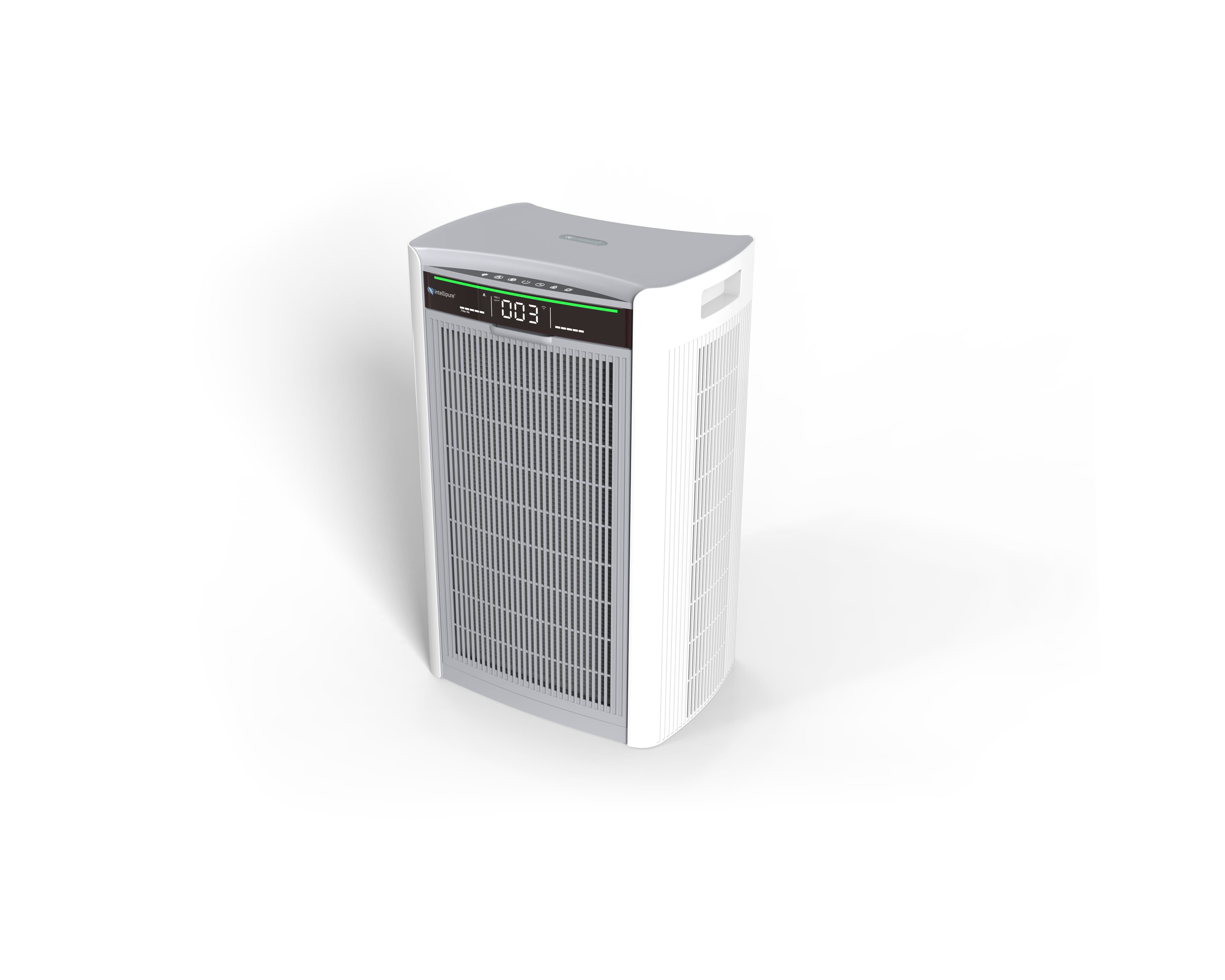
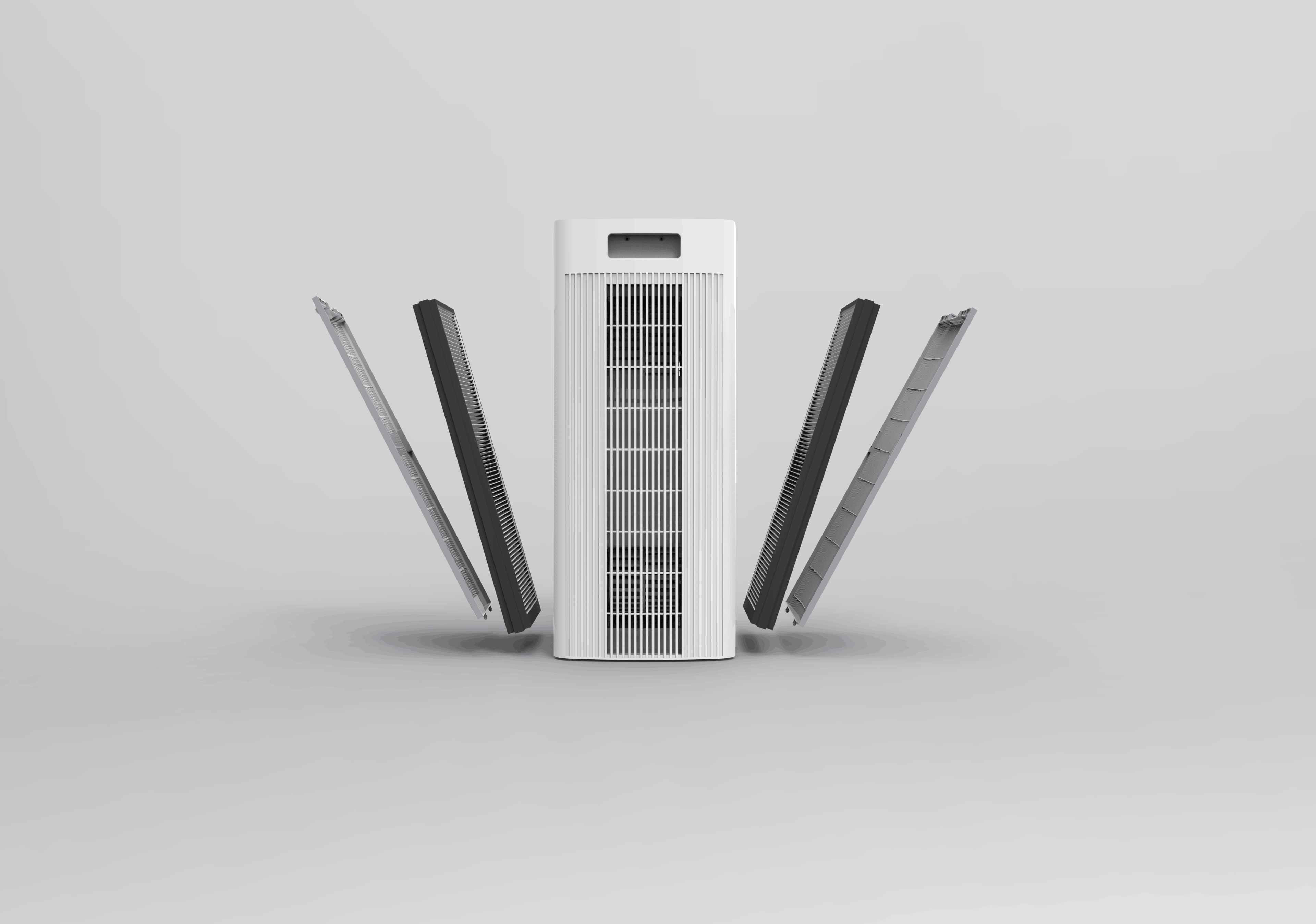
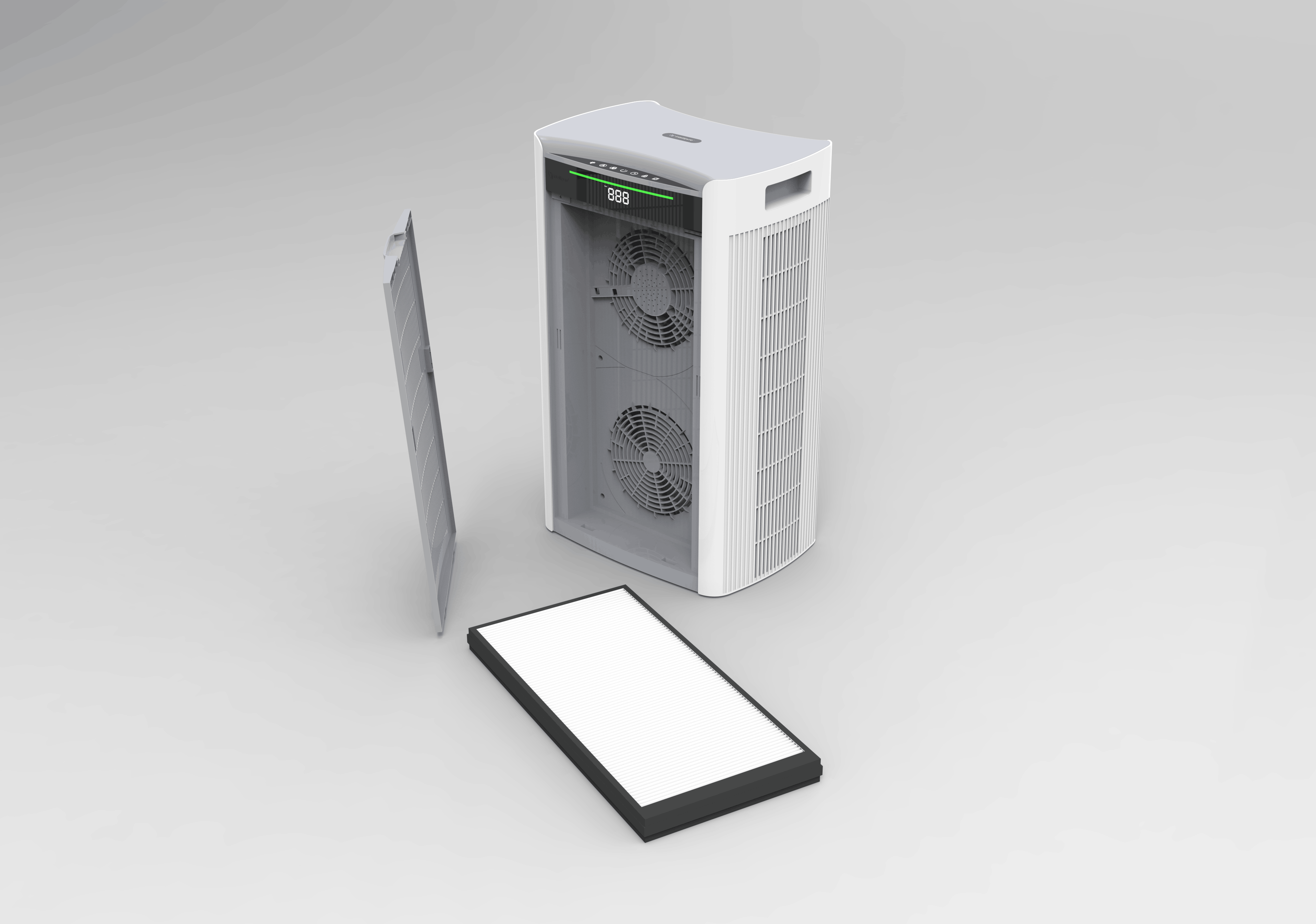
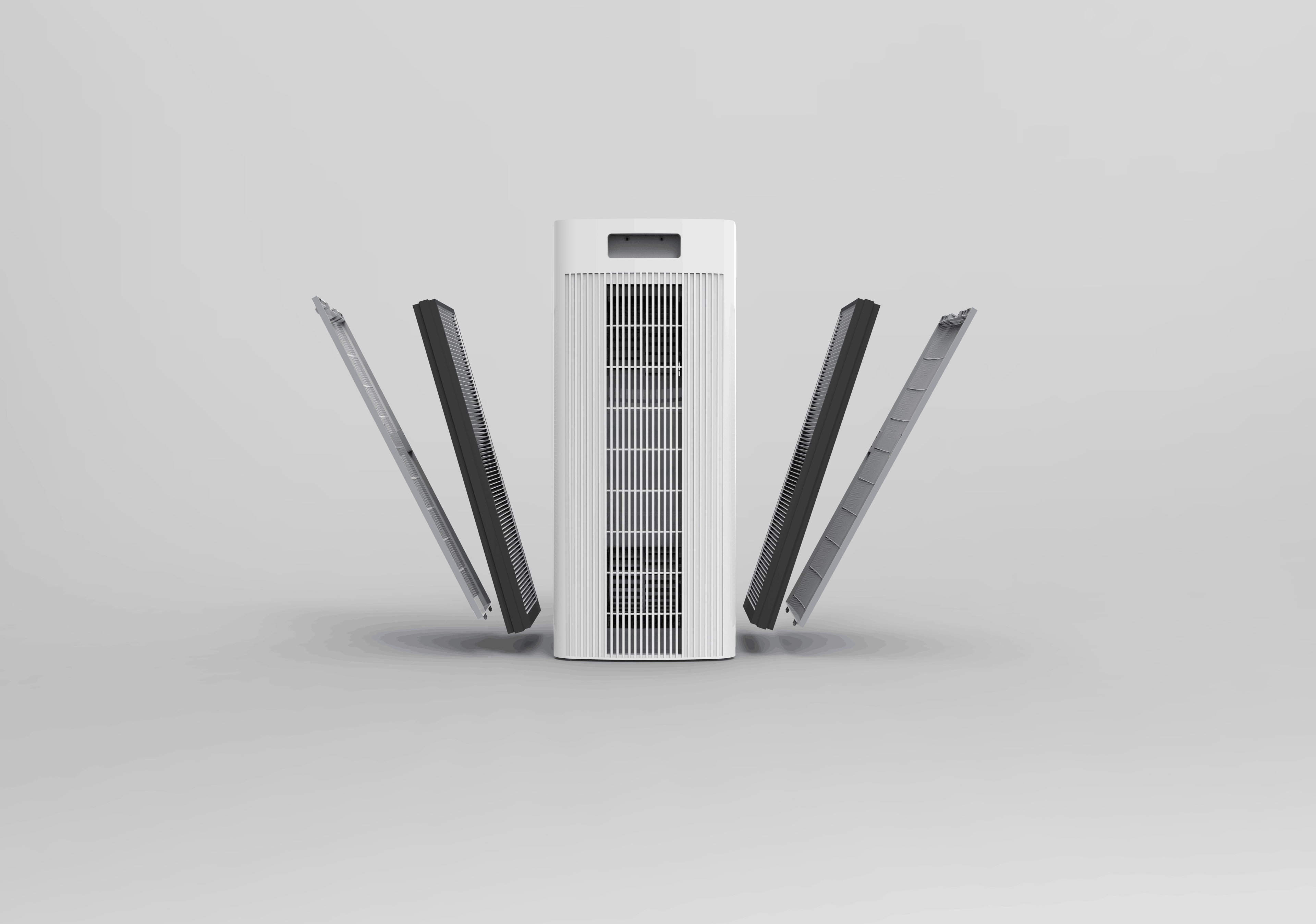
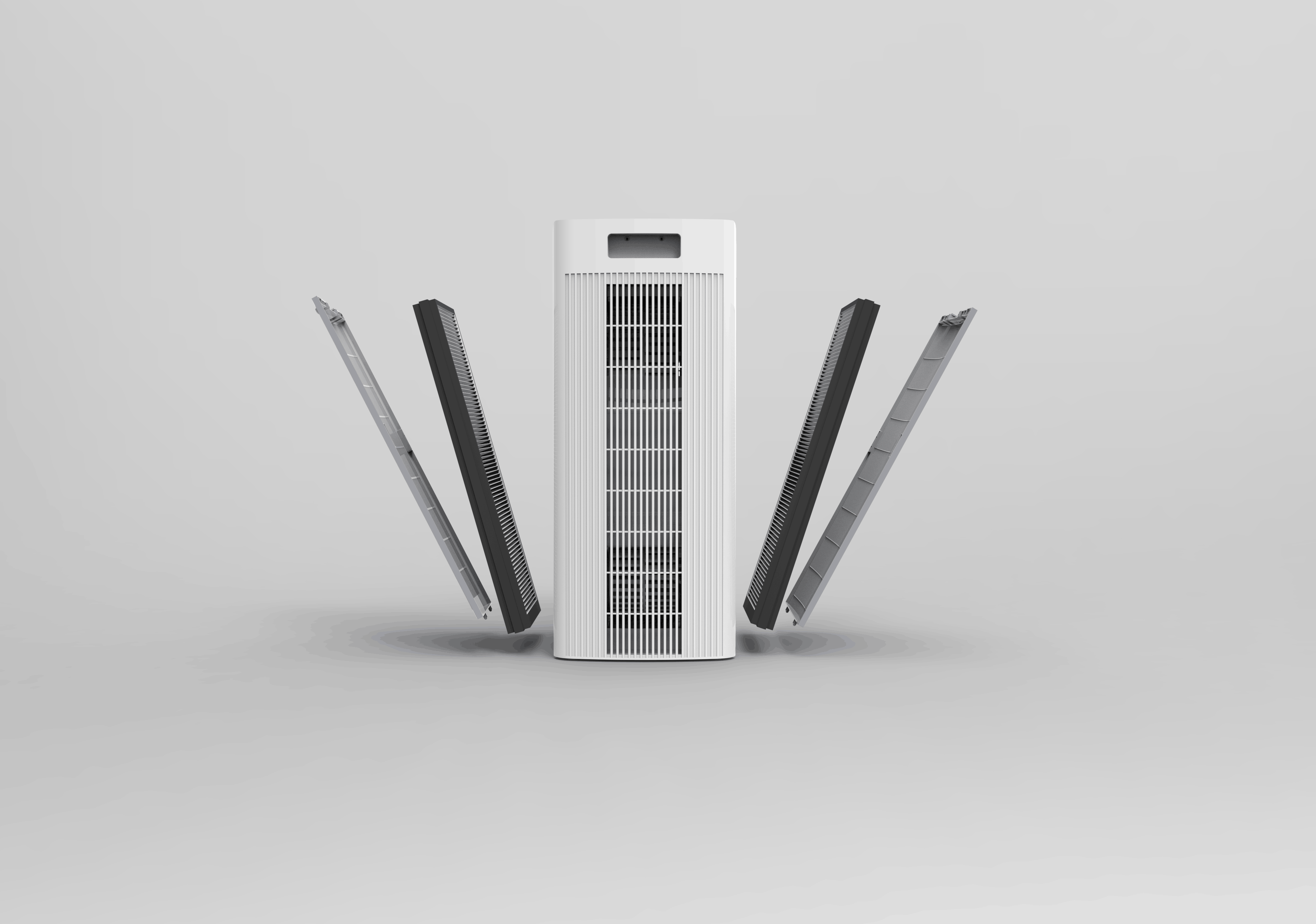
Some air purifiers use a combination of different air cleaning methods. The most popular is a HEPA and carbon combination filter. This allows a single filter to remove both particle and chemical pollutants. An air purifier may also have separate HEPA and activated carbon filters to allow for different filter change schedules. By using the two methods together most of the components that cause smoke smell can be removed.
Effectiveness of Air Purifiers Against Smoke Smell
When it comes to removing smoke smells from indoor air, air purifiers can be highly effective. Whether it is tobacco smoke or wildfire smoke the same issues are present: odor causing smoke particles and noxious gases. Secondhand smoke from cigarette smoke is particularly bad due to the stickiness of nicotine tar, making it cling to surfaces and give off smells for a long time. In order to remove smoke smells both the odor causing particles and gases need to be captured. Look for an air purifier with an activated carbon filter and a HEPA filter. The carbon filtration will capture the gases and fumes that carry heavy odors while the HEPA filter will capture sooty particles that can cause odors to linger.
Types of Air Purifiers for Smoke
When it comes to dealing with smoke particles and hard-to-filter gases certain types of air purifiers are better than others. To physically remove the fine particulate matter smoke carries a HEPA filter is necessary. But to remove smoke odors caused by noxious gases, an activated charcoal filter must be used. By combining both of these powerful filters in a single hybrid air purifier it is possible to almost erase any signs of wildfire or cigarette smoke. While other air cleaning techniques have their places, an air purifier that combines HEPA level air cleaning power with activated charcoal is the best solution for dealing with smoke.
In the case of commercial applications like restaurants and bars, specialty air scrubber machines dubbed “smoke eaters” are used to remove cigarette/cigar smoke. These machines (typically ceiling mounted) are loud and bulky which does not make them useful for residential use.
Additional Methods to Reduce Smoke Smell
An air purifier with HEPA filtration and activated carbon filter is the best method for removing smoke smells, but there are other simple home remedies you can try.
Ventilation - If the source of the smoke smell (like cigarette smoke or other secondhand smoke) is from inside the home, then opening a few windows can help. This only works if the outside air quality is acceptable, so be sure to check first.
Smoke Screen - Using sweet-smelling herbs like lavender, rosemary, mint or even rose petals can help mask the smoke smell. These won’t reduce the particulate matter or gases in smoke that cause smoke smell, but they can help cover it up.
Surface Cleaning - Wiping down walls, ceilings and floors to remove traces of smoke residue can help with lingering smells. This is especially true for tobacco smoke, which tends to leave a sticky nicotine tar residue.
Deep Cleaning - Wash curtains, drapes and bed linens. Sprinkle baking soda on carpets and upholstery then let it sit overnight before vacuuming. For stubborn smells it may be worth renting a carpet cleaning machine.
Conclusion
The best way to fight smoke smell is with a HEPA filter and activated carbon filtration. By combining both of these techniques you can remove not only the particles that cause smoke odors but the gases as well.



How Many Air Purifiers Do I Need for My Home?
Air Purifiers: Essential for a Healthy Nursery