

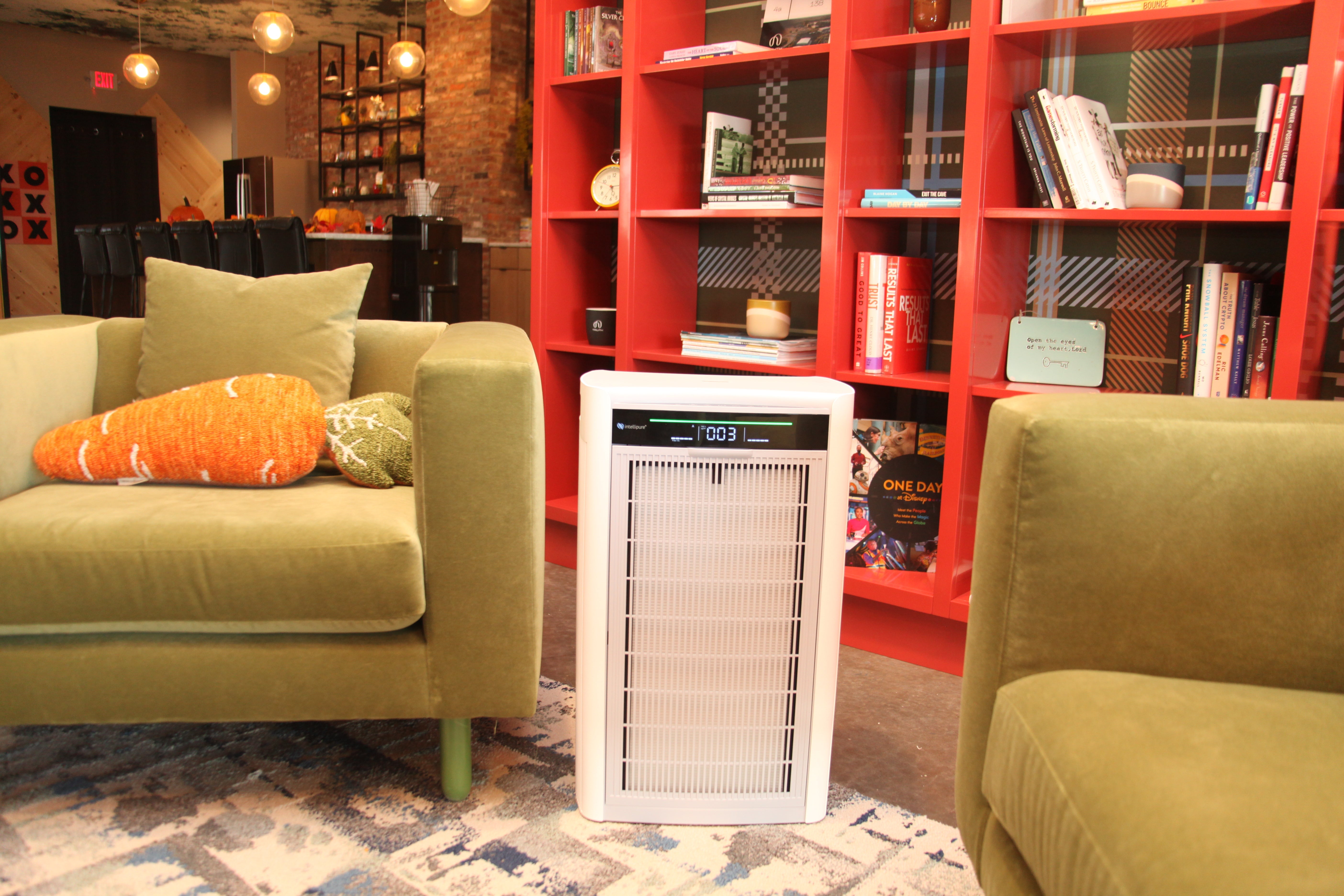
If you are thinking of buying an air purifier or already have one you might be wondering how long you have to wait before benefitting from cleaner air. In order to answer that question there are a few factors to consider.
The Impact of Air Purifiers on Air Quality
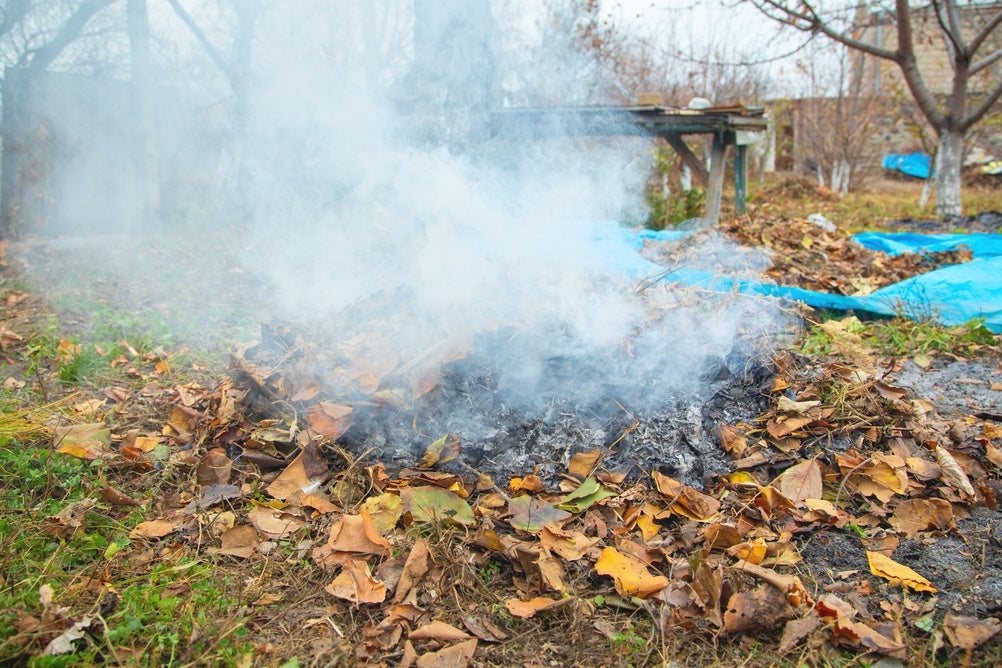
When it comes to improving indoor air quality the best solution is an air purifier. Unfortunately there are times when throwing open a window for fresh air might actually introduce more airborne pollutants. For example during wildfire season the outside air is filled with harmful particulate matter, volatile organic compounds (VOCs), and smoke odors. All of those contaminants can work their way inside too, which is why having an air purifier ahead of time is a wise idea.
Air purifier features such as HEPA filters and activated carbon filters remove a high percentage of the airborne harmful pollutants found inside the home. Allergens such as pollen, dust mites, pet dander, and mold particles can all wreak havoc on your health. Cleaner air benefits respiratory and cardiovascular health including those who suffer from asthma or chronic obstructive pulmonary disease (COPD).
Air Purifier Efficiency and Performance
When it comes to how effective an air purifier is at improving air quality there are a few areas that affect overall performance.
Clean Air Delivery Rate (CADR)
CADR is basically how air purifier power is measured. With the air purifier fan speed set at its highest level, air exiting the unit is tested. The volume of clean air in cubic feet for a specific particle size is the resulting CADR.
Room Size
The physical size of the space makes a difference in how effective an air purifier will be based on the CADR. An air purifier with a low CADR placed in a large space will not be able to clean the volume of air in a timely manner. The resulting air cycling speed, called the air change rate (ACH), will not be sufficient. ACH is the number of times all the air in a room is cleaned in an hour.
Location
Air purifier placement can affect how well it cleans the air. The ideal location is in the center of the room 3-5 feet off the ground. If an air purifier is surrounded by obstructions that prevent free air circulation it will not clean the air effectively.
Pollutant Levels and Types
Certain pollution situations can be more difficult than others. For example protecting yourself against wildfire smoke requires HEPA filters, but the sheer volume of constant smoke can drastically reduce filter lifespan.
Filter
Filter type dictates the kind of pollutants that are removed by the air purifier. Not all air purifiers are the same in their ability to remove things from the air. A HEPA filter must be able to remove 99.97% of particles 0.3µm in size. In order to remove odors or VOCs you need an adsorbent filter, most commonly an activated charcoal filter. Most portable air purifiers include both types of filters due to the complex nature of air pollutants.
Factors Affecting Air Purification Time
The amount of time it takes to clean all of the air in a room can depend on a few conditions.
Air Purifier CADR
The CADR of the air purifier plays a large part in how fast it can clean all of the air in a given space. The higher the CADR, the faster the air is cleaned but room size must be taken into account. A higher CADR also means more ACHs thanks to increased airflow.
Air Quality Starting Point
If the initial air quality and pollutant levels are bad, then it will take longer to clean all of the air in the room. Remember that the air in the room is constantly mixing rather than all being sent through the air purifier at once. As air cycles through the unit, the overall pollution in the room drops over time. If the air is heavily polluted filter maintenance may need to be performed early (like changing out pre-filters).
Internal Pollution Sources
Common indoor air pollution sources can continue to reduce indoor air quality. Things like flooring that gives off formaldehyde all the way to household cleaning products can contribute to indoor air pollution. Luckily there are ways to reduce your exposure.
External Air Quality
If the air outside is highly polluted, it will constantly creep inside. Some areas of the country suffer from worse outdoor air quality than others, so check your local air quality often. Unfortunately outdoor air ventilation isn’t always an option in some cases, as the outdoor air may actually be worse!
Testing Air Purifier Effectiveness
The most effective way to test how well an air purifier is working is with an air quality monitor. Most air quality monitors measure PM2.5 or PM10 particulate levels. Simply record the current reading and turn on the air purifier. After an hour check the particulate levels again and note any change. Compare the results to the air purifier’s advertised CADR when the room size is taken into account. You should see a coinciding drop in particulate levels.
If the air purifier is equipped with activated carbon filters you can do a simple odor test. Just place the air purifier in an area where nuisance smells occur, turn it on and come back later. The smell should be gone as long as the source is not constantly renewed (like an air freshener).
More precise air purifier testing usually requires a laboratory. Technicians perform an airflow test to measure how many cubic feet per minute an air purifier can move. There is also a timed smoke particle removal test as well as microorganism removal. One type of filter test is a special dust test that measures how much dust load a filter can hold. All of these tests require sensitive equipment and a highly controlled environment,
If you want more details about what is in your air and if your air purifier is removing specific contaminants, professional IAQ testing is available.
Time Estimates Based on Pollutant Type
Depending on the type of air pollutant it may take different amounts of time to clear the air. Note that time estimates can vary based on airflow speed and the air cleaning efficiency of the specific air purifier. Room size and whether a central HVAC system is running (diffusing the pollutant) can also make a difference. Here’s how long it should take to remove a few common pollutants:
- Dust and pollen - 1 hour
- Smoke - 1 hour to remove smoke particles, up to 24 hours to remove smoke odors
- Mold spores - 1 hour
- Gases/VOCs - Odors and VOCs removal can take up to 24 hours or more
- Pet dander - 1 hour up to 48 hours if pets are present
Times estimates are based on the use of HEPA filters and activated carbon filters as well as an appropriately sized air purifier for the space providing an ACH of 4.
Tips for Optimizing Air Purifier Use
Here are a few tips to help get the best air cleaning performance from your portable or whole-home active air purifier.
- Know your CADR rating - Make sure the air purifier can handle cleaning the space it is in.
- Perform regular maintenance - Don’t put off filter changes, stick to the schedule in the owner’s manual.
- Location matters - Optimal placement for portable air purifiers means no obstructions and unobstructed airflow all around.
- Use real-time monitoring - Invest in an air quality monitor so you can adjust fan speed if pollution levels rise.
- Know your outdoor air too - Natural ventilation can be great, but don’t introduce outdoor pollutants by accident.
- Leverage technology - If your air purifier has smart features, read the owner’s manual and use them to your advantage.
By following these tips your indoor air can be world-class all year round.

Can I Leave My Air Purifier On 24/7?
How Many Air Purifiers Do I Need for My Home?