


- by Savannah Green
Hurricane Season Starts Outside. The Air Prep Starts at Home.
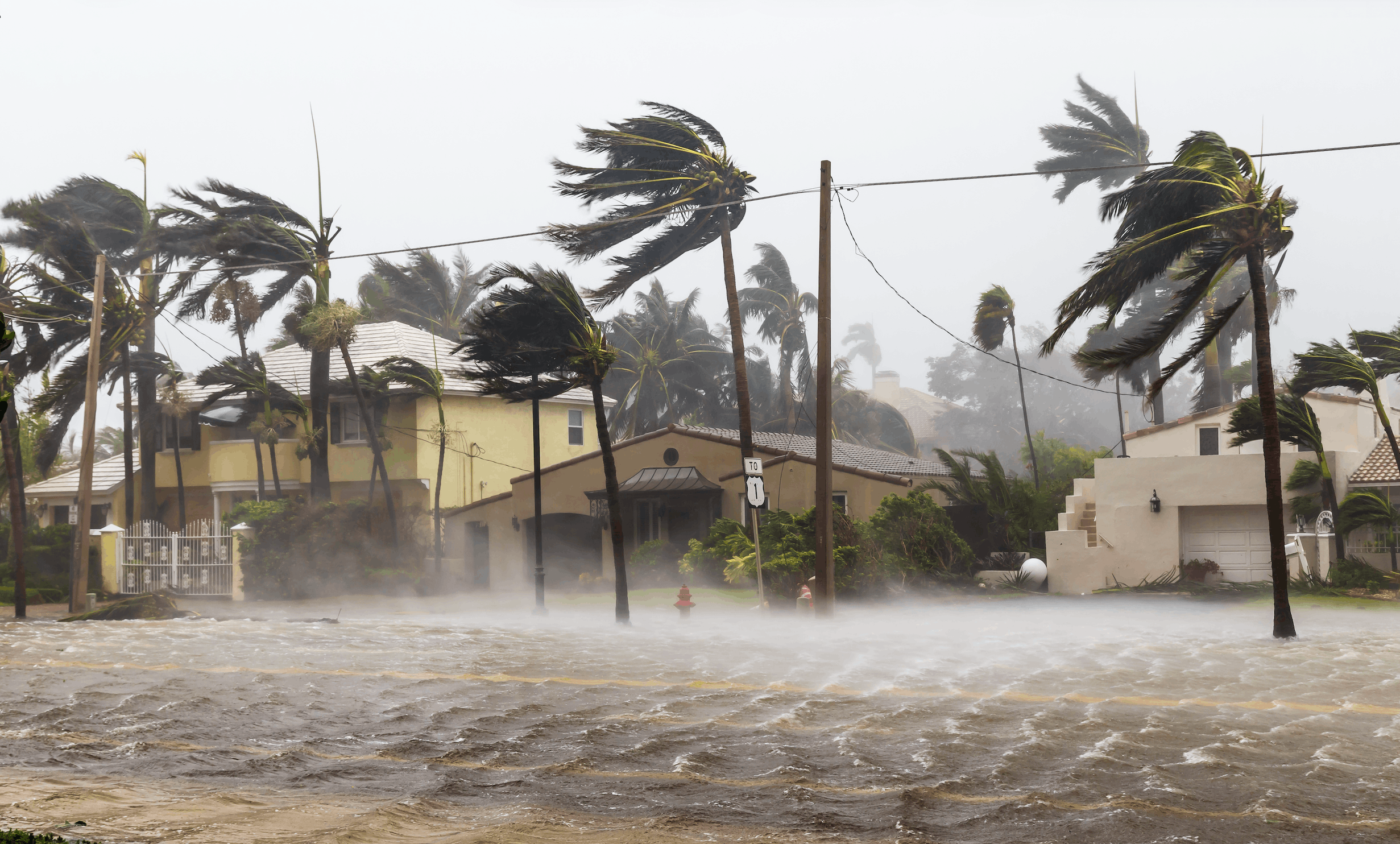
Hurricane prep usually starts with the obvious: batteries, bottled water, flashlights, medications, and a plan for where to go if conditions turn dangerous. But hurricane season home preparation should also include the air inside your home.
I've lived in Florida my whole life, so hurricane prep feels almost like a seasonal ritual. Still, indoor air can be easy to overlook when there are shutters to hang and supplies to track down.

- by Savannah Green
The Skin-Deep Side of Summer IAQ
As a lifelong resident of the Sunshine State, I consider myself an authority on all things sunny. So, I speak from experience when I say: Summer has a way of making skincare routines and hair maintenance schedules feel like full-time jobs.

- by Amy LoParo
Summer Staples That Threaten Clean Indoor Air
Summer is all about getting outside and having fun, but for many families, it also means a rush of indoor air pollutants that go largely unnoticed.
From sunscreen sprays to insect repellents to beachy scented candles, the products we use to help us enjoy summer can measurably degrade our indoor air quality (IAQ). Volatile organic compounds (VOCs) from these everyday items can accumulate to concentrations much higher indoors than outdoors, triggering everything from mild irritation to more serious long-term health consequences [1][1].
- by Savannah Green
Clean Air Month Starts at Home
As the title suggests, May is Clean Air Month. No, really, it is. Clean Air Month is an annual observance held throughout May in the United States to raise awareness about air pollution, promote healthy, clean air, and encourage actions to reduce carbon footprints. When we think about air, our brain tends to focus on what's happening outside. Smog, pollen, pollution, wildfire smoke.
- by Savannah Green
When Good Smells Go Bad: How Synthetic Fragrances Can Affect Your Health
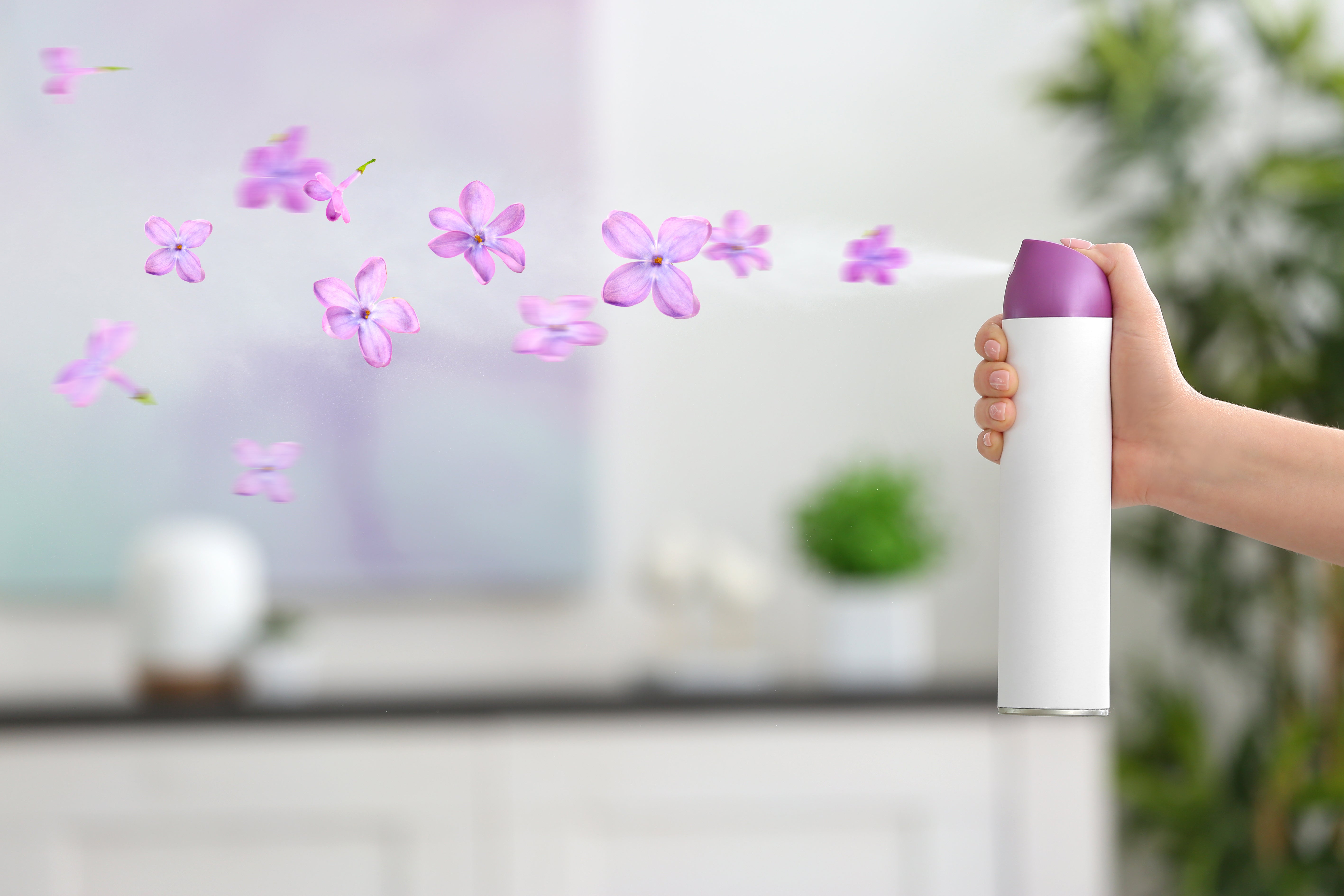
Synthetic fragrances are designed to smell good, but once they’re in the air, they don’t always behave as harmlessly as we assume. This article explores how fragranced products can contribute to indoor air pollution, why some people experience fragrance sensitivity, and what actually helps reduce lingering odors at home. Sometimes, the cleanest-smelling air is the kind you barely notice at all.

- by Intellipure Editorial Team
Air Pollution and Your Brain: What the Research Says About Cognitive Aging
A growing body of research links long-term exposure to fine particulate matter and ultrafine particles to accelerated cognitive aging and increased dementia risk. Here's what you need to know about protecting your brain health through cleaner indoor air.
- by Molly Dickinson
Natural Gas & Indoor Air Quality: Winter Safety Tips
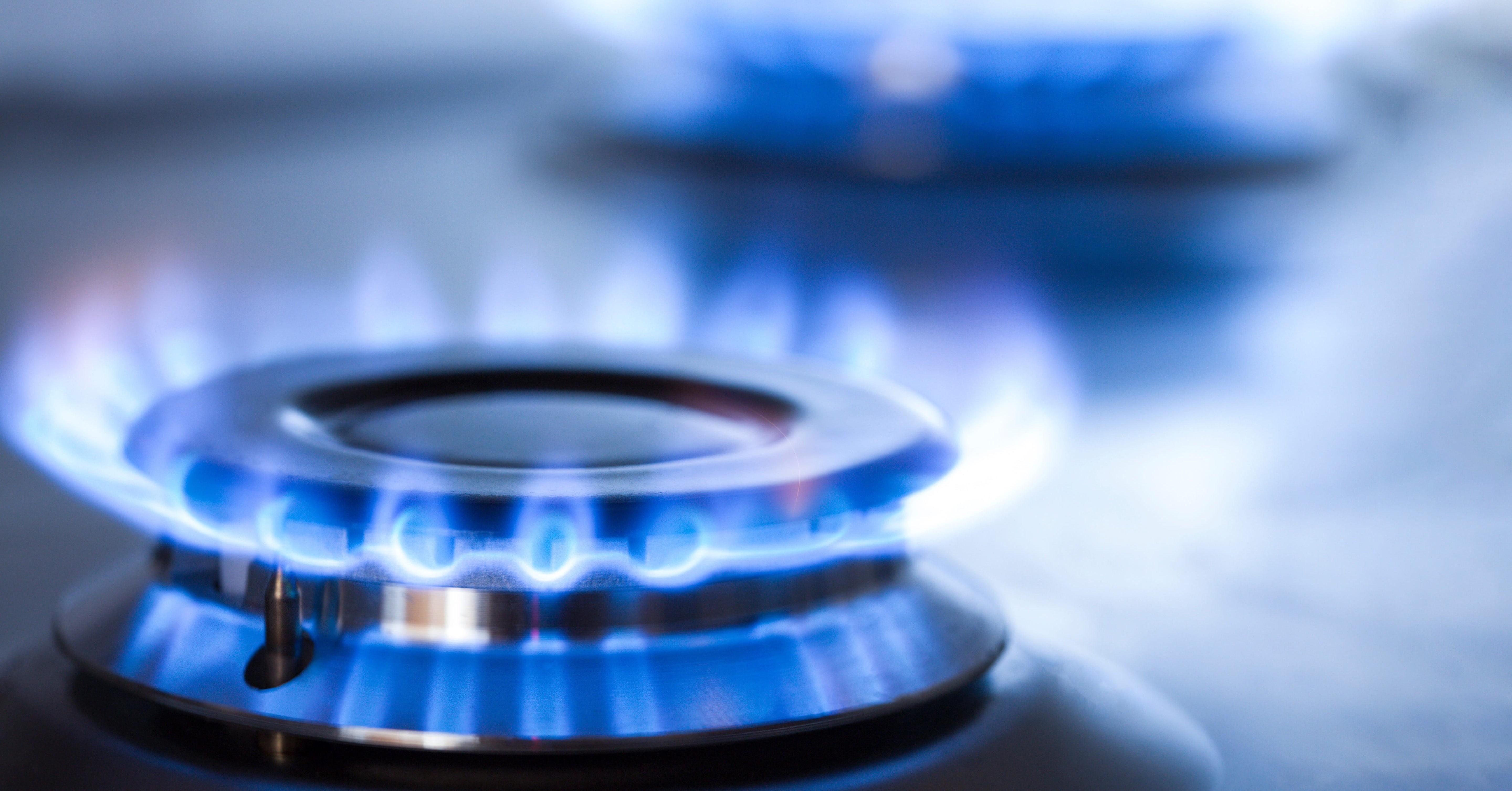
Natural gas appliances—from stoves and fireplaces to space heaters—can quietly impact indoor air quality in winter by releasing pollutants like nitrogen oxides, carbon monoxide, and VOCs, especially in tightly sealed homes. This article explains where the biggest IAQ risks come from, why winter use amplifies them, and how proper ventilation, filtration, and monitoring can reduce exposure. With a few smart safety habits, you can stay warm, cozy, and breathe easier all season long.
- by Intellipure
How To Understand Your Air Purifier PM2.5 Reading
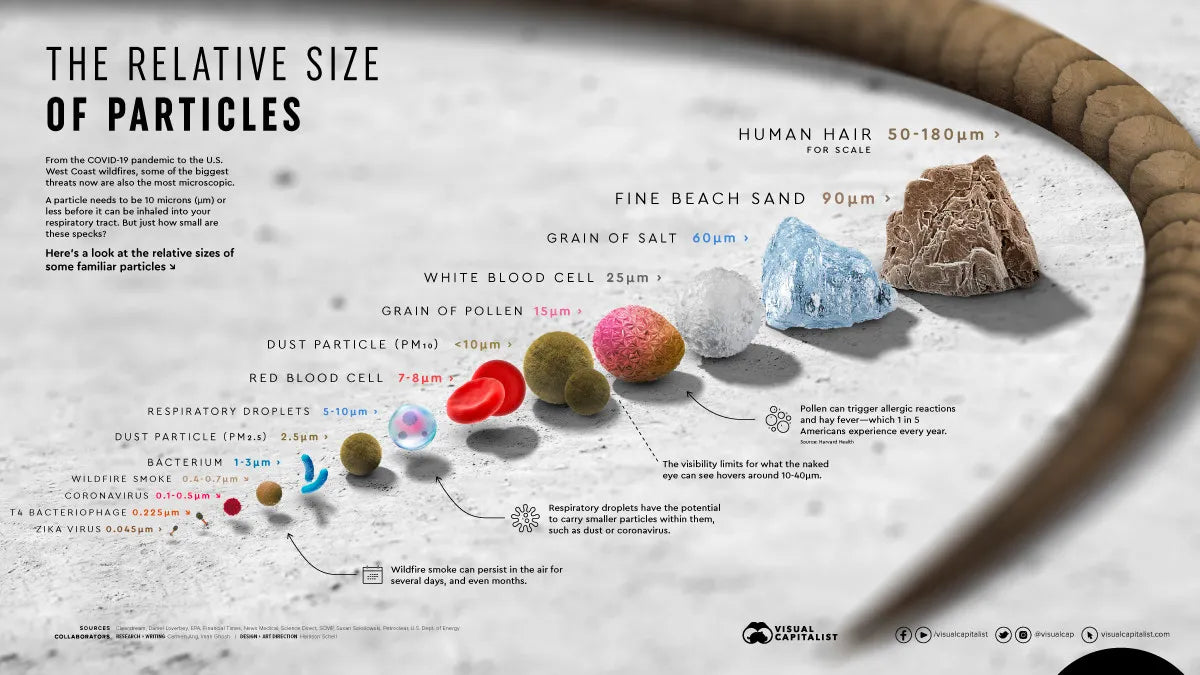
People are becoming more aware of the environment around them, especially things that are bad for their health. We’ve known air pollution is harmful to our health for decades, but that information came from reports done by scientists in far flung places. Today we can actually access real-time data that shows what airborne pollutants are affecting us in our own space, right now. If you have an air purifier with a built-in PM2.5 monitor then you too can be informed of your current indoor air quality and take action to make it better.
- by Intellipure Editorial Team
What Causes Poor AQI and How to Protect Your Family
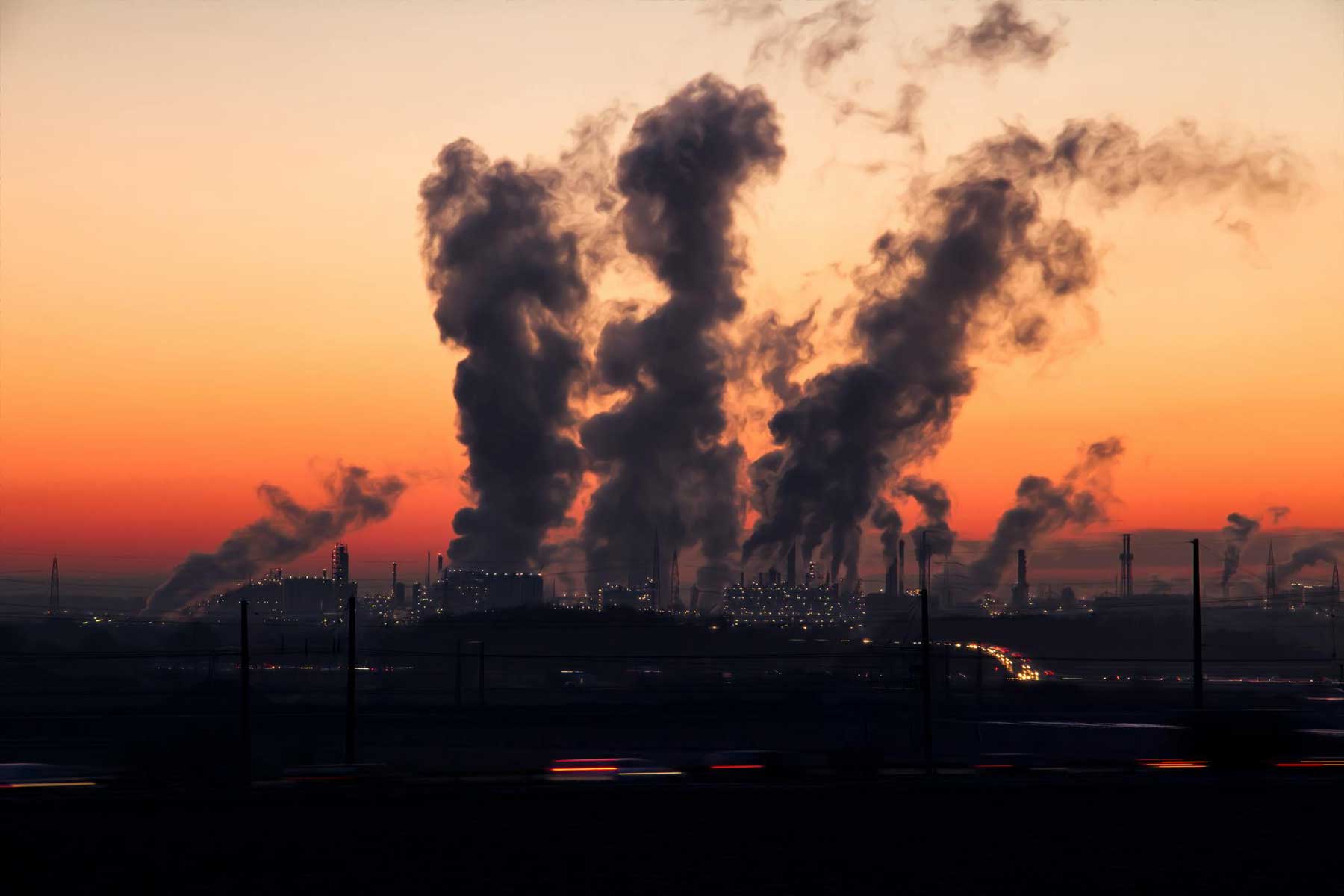
The Air Quality Index (AQI) measures pollution levels on a color-coded scale so you can gauge health risk at a glance. Understanding what drives those numbers higher can help you take practical steps to protect your household, from sealing gaps and running a HEPA air purifier to supporting cleaner energy in your community.
- by Intellipure Editorial Team
Is Your Cozy Home Hiding Dirty Air?
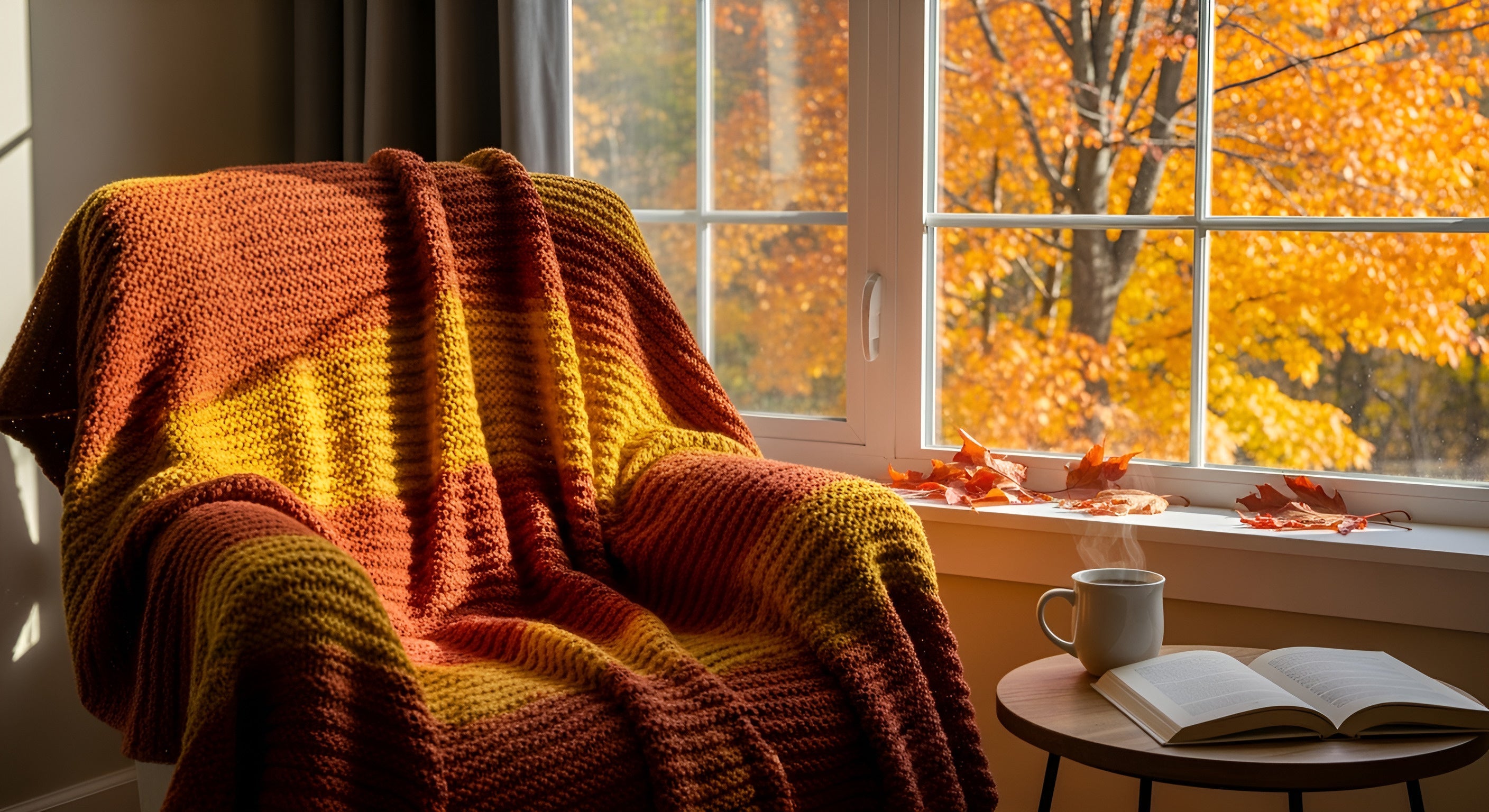
The air inside your home can be two to five times more polluted than outdoor air, thanks to everyday sources like cleaning products, candles, and cooking. Here's how to spot the invisible culprits and take practical steps toward cleaner indoor air.
- by Intellipure Editorial Team
Are Fall Fragrances Harming Your Indoor Air?
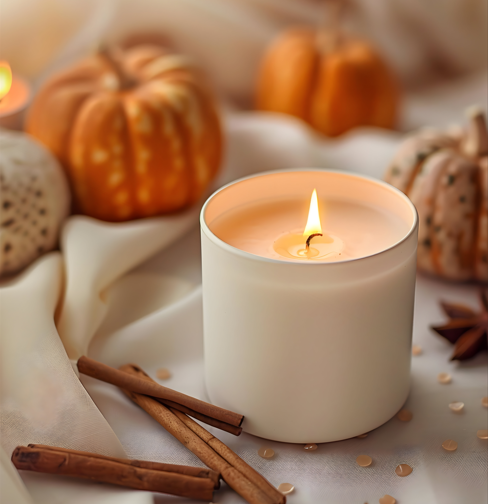
Seasonal candles, sprays, and plug-ins can release volatile organic compounds that compromise the air you breathe indoors. Here's what the science says about fall fragrances and how to enjoy cozy scents without sacrificing air quality.
- by Intellipure
American Lung Association Reports 2025 "State Of The Air" Findings
Each year since 2000 the American Lung Association (ALA) has published their “State of the Air” report. Recently the ALA released the 2025 edition filled with information about air quality across the United States. Here’s an overview of what they found.

- by Intellipure
May Is National Clean Air Month: Why Better Air Quality Is Important
We all deserve to breathe clean, safe air no matter the environment we are in. That means we each have to do our part and be aware of the impact we have on the spaces and people around us. While you are sitting outside enjoying the weather, or relaxing in your home's family room, take a moment to think about the air you are breathing. What are you doing to keep it clean? Are there things you could be doing differently for improved air quality for yourself and those around you?
- by Intellipure
Do Air Purifiers Really Help With Dust? What You Need To Know
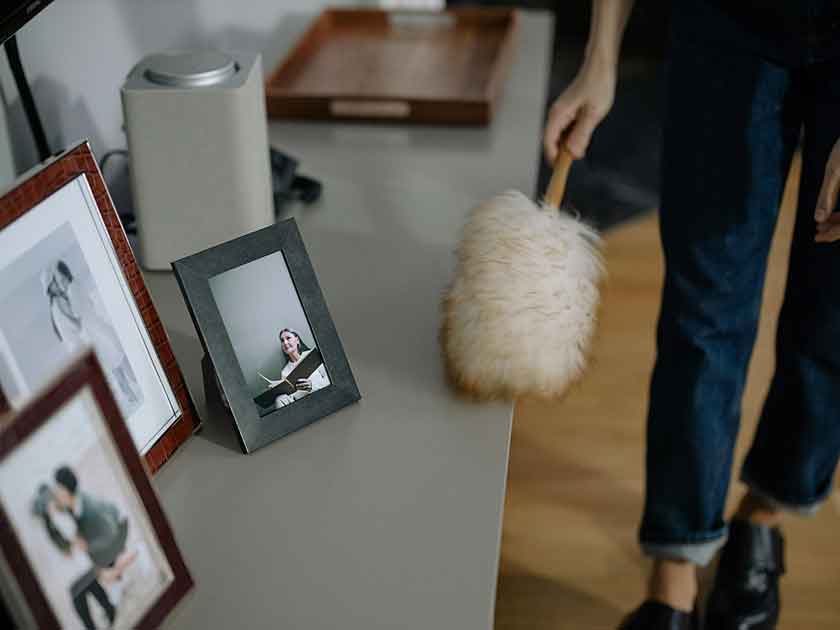
You probably already know that an air purifier can help clean the air inside your home, but you may be surprised to learn it can also help with airborne dust levels. Simply opening the doors and windows to let in fresh air isn’t enough to clear the air due to outdoor air pollution levels. Let’s take a look at what you need to know about air purifiers and dust.

- by Intellipure
Do You Live In One Of The Most Polluted Counties?
Each year the American Lung Association (ALA) puts out their “State of the AIR” report to bring awareness about particulate and ozone pollution across the United States. This report helps people understand not only what exposure risks are like in their area, but also which at-risk groups need to pay attention to outdoor air quality.

Content Reviewed by Trusted Experts
Learn more about the healthcare professionals and industry experts who help review our educational content for accuracy, clarity, and scientific integrity.