


- by Amy LoParo
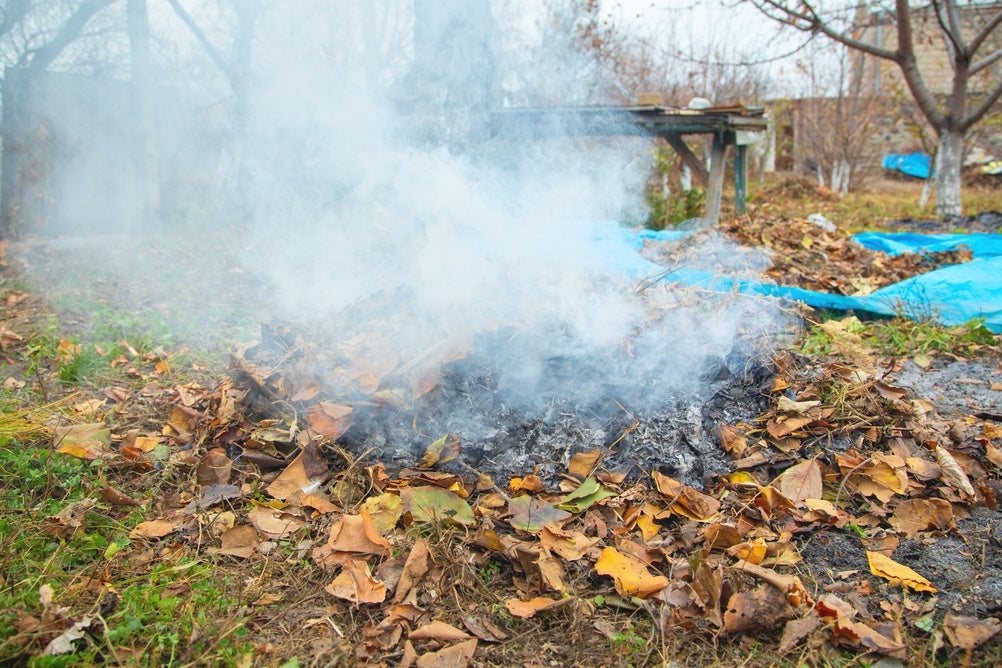
Fall Leaf Burning and Air Quality
Backyard burning is pretty much exactly what it sounds like. On their own properties, people burn vegetative waste or household trash that would typically be recycled or sent to a landfill. Burning can happen in a barrel, homemade burn box, wood stove, outdoor boiler, or an open pit [1][1].
Some people think of backyard burning as a nostalgic autumn tradition and convenient, affordable way to get rid of leaves and waste. Others don't think about it at all … until the smoke from their neighbor's burn pile shows up in the air around and inside their home.
- by Savannah Green
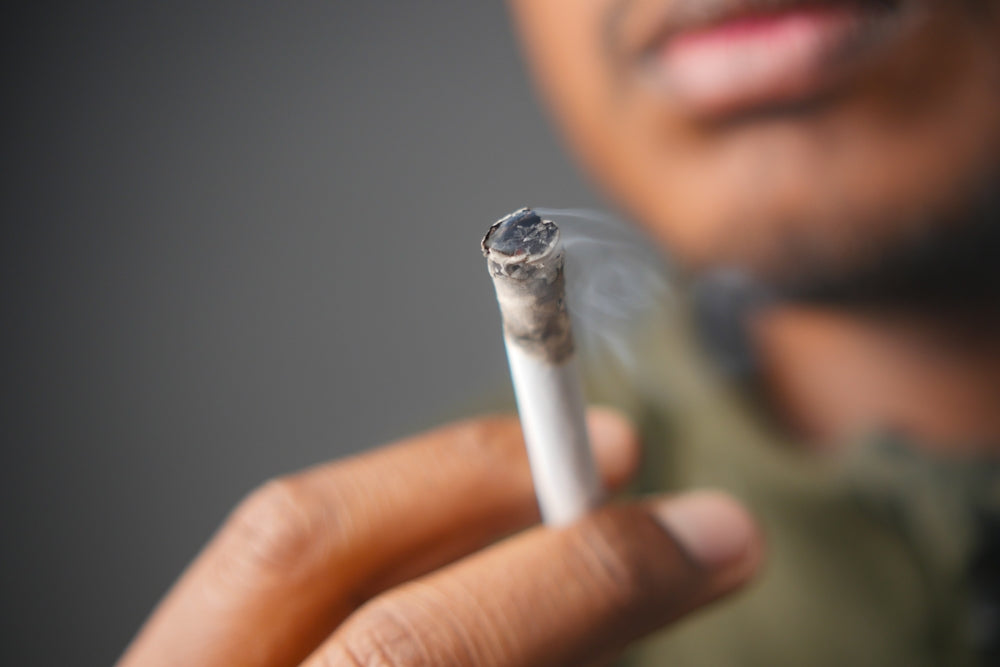
Smoking Is Making a Comeback. What Does That Mean for Your Air?
Cigarettes are having a cultural moment again. For a while, they seemed destined to become a relic of another era. Then came vaping, sleek electronic devices, flavored nicotine, a way to smoke almost anywhere, and a whole new aesthetic.
Now, the pendulum appears to be swinging again.
Recent cultural coverage has pointed renewed interest in something trendsetters are calling analog smoking, especially among younger consumers. Cigarettes are showing up in fashion, celebrity imagery, nightlife culture, and social media feeds, alongside terms like cigfluencers, Gen Z smoking, and even vape fatigue.
- by Savannah Green
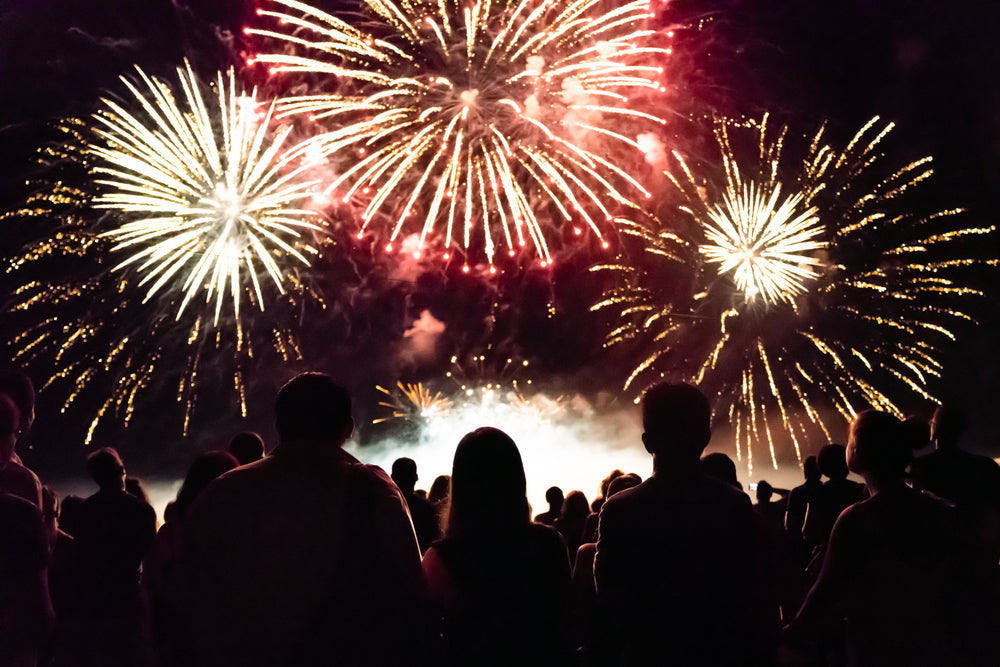
Grills firing up. Fireworks cracking overhead. Citronella candles glowing on the patio. Personally, I'm excited for the festivities. But some of summer's most familiar moments come with a little smoke.
We usually think of these as outdoor activities, which makes them feel separate from the air inside our homes. But your indoor air doesn't exist in a hermetically-sealed bubble. Smoke can drift through open doors, screened porches, cracked windows, attached garages, and nearby air intakes. And once those tiny particles make their way inside, they can linger longer than the fun.
- by Savannah Green
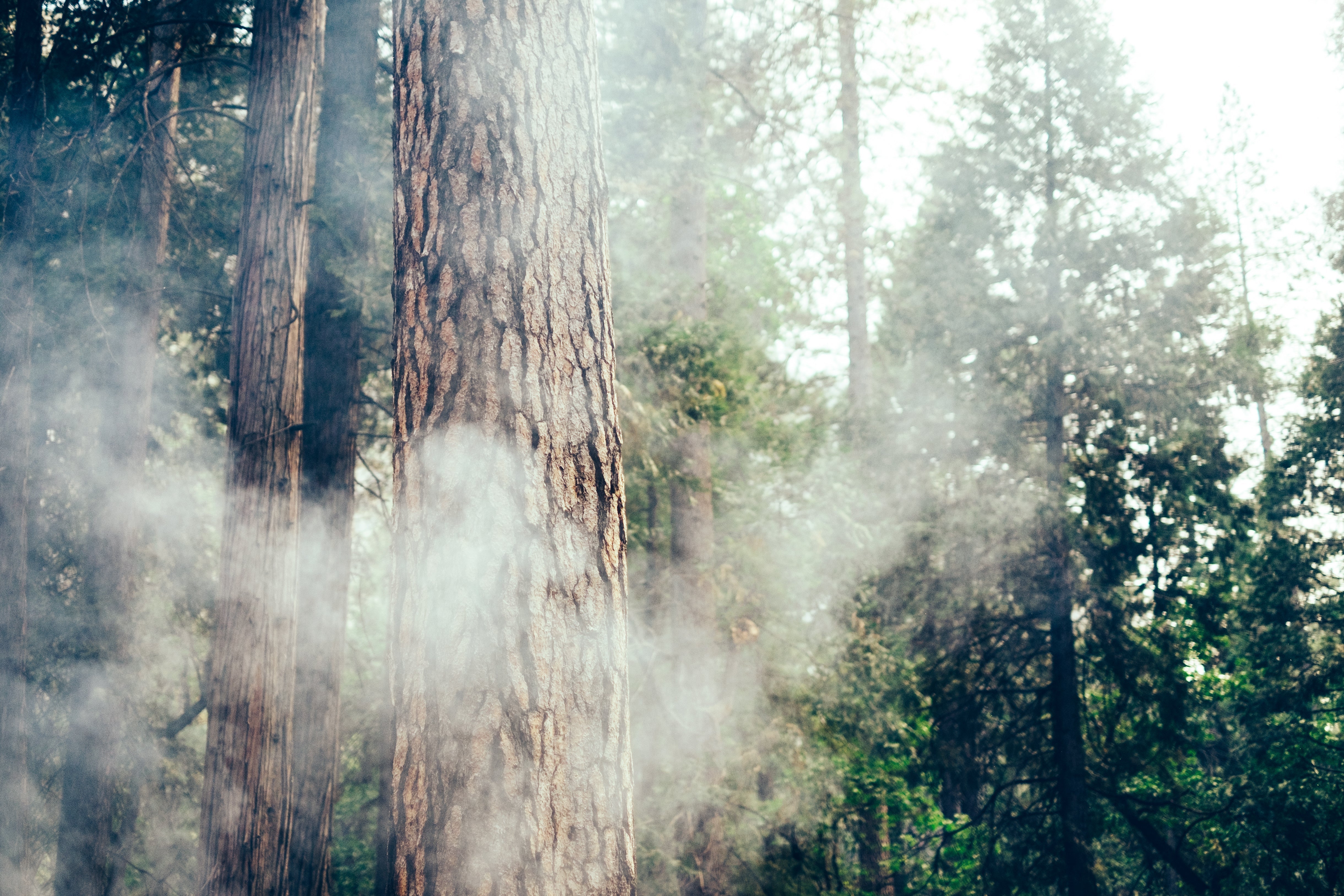
Aftereffects of Wildfire Smoke Indoors
Wildfire smoke doesn’t stop at the front door. It lingers in the air, on surfaces, and in the systems that circulate it through your home. This guide breaks down what’s left behind after a smoke event and how to properly clean, reset, and maintain your indoor air, from surface cleaning to filtration and filter replacement.
- by Intellipure Editorial Team
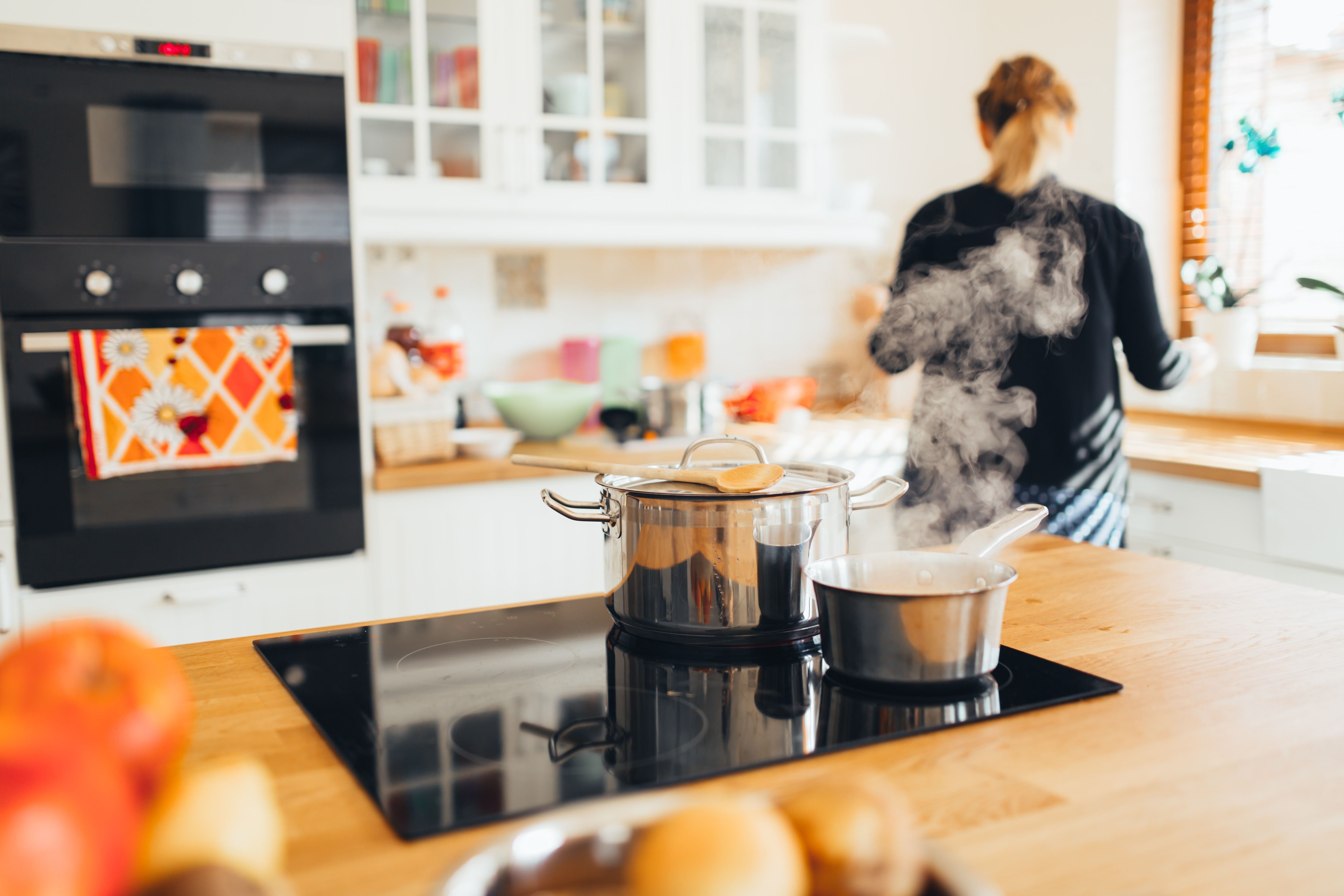
Are Cooking Odors and Smoke Affecting Your Indoor Air?
Everyday cooking releases pollutants including particulate matter, nitrogen dioxide, and volatile organic compounds into your home. Understanding what these emissions are and how to manage them through ventilation and filtration can help you protect your household's air quality.
- by Amy LoParo
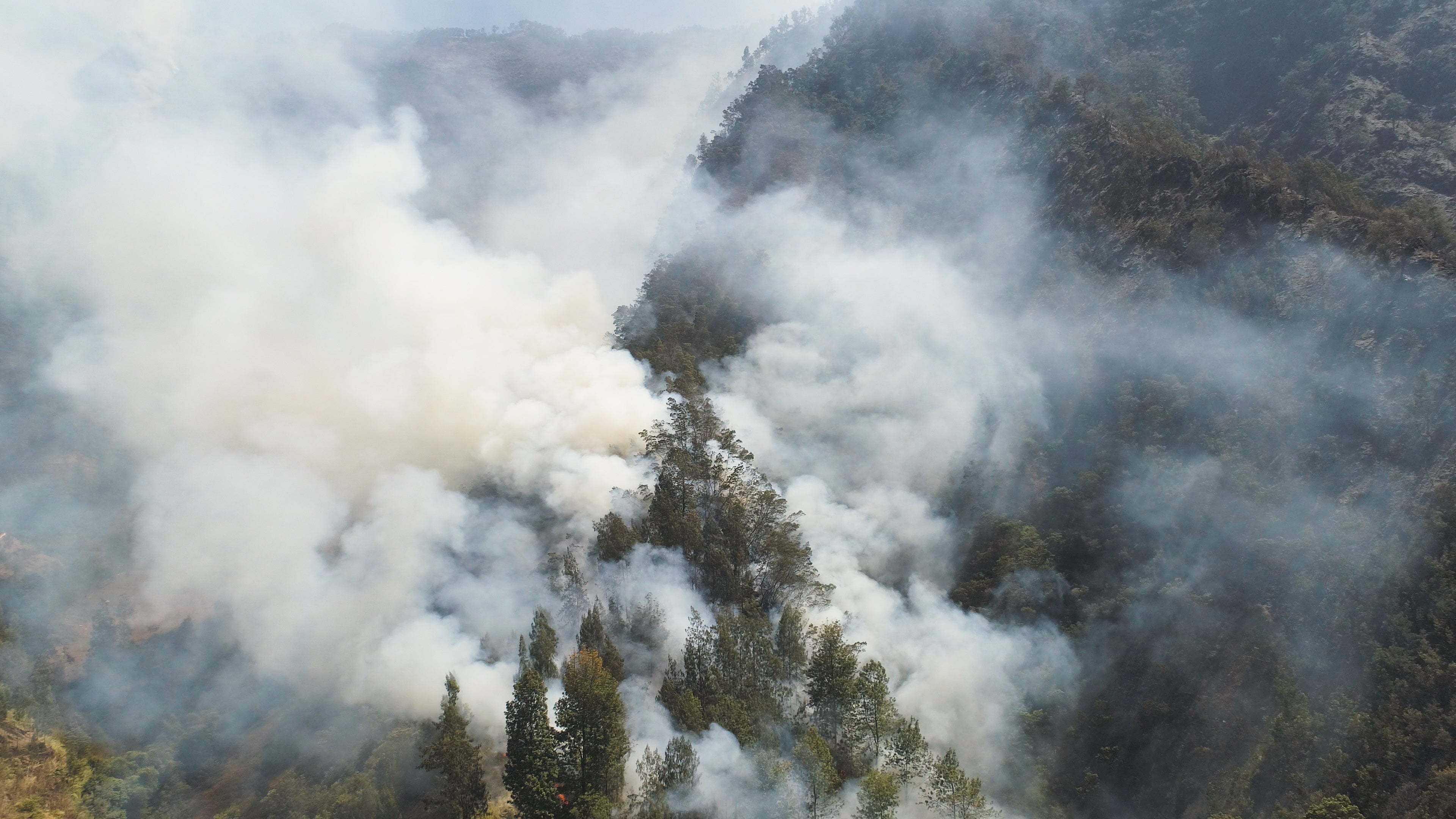
Lessons About Wildfire Smoke, One Year After the Los Angeles Fires
The 2025 L.A. wildfires revealed that urban wildfire smoke is a "toxic soup." Researchers found benzene, hexavalent chromium (the "Erin Brockovich" carcinogen), and other dangerous chemicals that lingered indoors for weeks after fires ended, absorbed by furniture and drywall. Wildfire smoke kills ~40,000 Americans annually, projected to rise 70% by 2050. In the 90 days post-fire, L.A. hospitals saw a 47% spike in heart attacks and 24% increase in respiratory issues. Protection tips: monitor AQI via AirNow, keep windows closed during poor air quality, use HEPA air purifiers (properly sized, no ozone), and keep N95 masks handy.
- by Intellipure Editorial Team
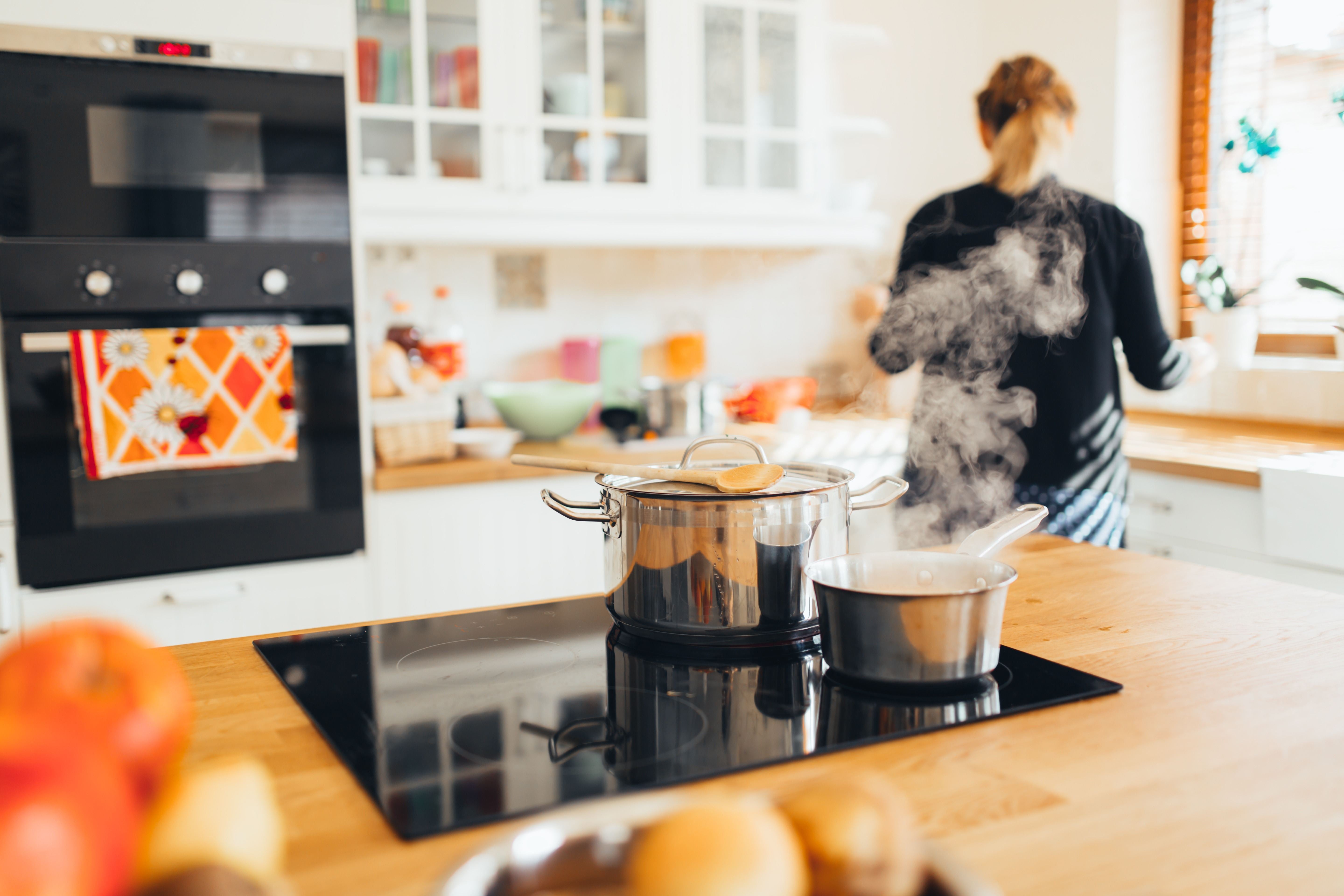
Are Cooking Odors and Smoke Dangerous?
Cooking fills your home with more than just aromas. Everyday meal prep can release volatile organic compounds, particulate matter, and other pollutants that affect indoor air quality, but practical steps like proper ventilation and air purification can help you breathe easier.
- by Intellipure
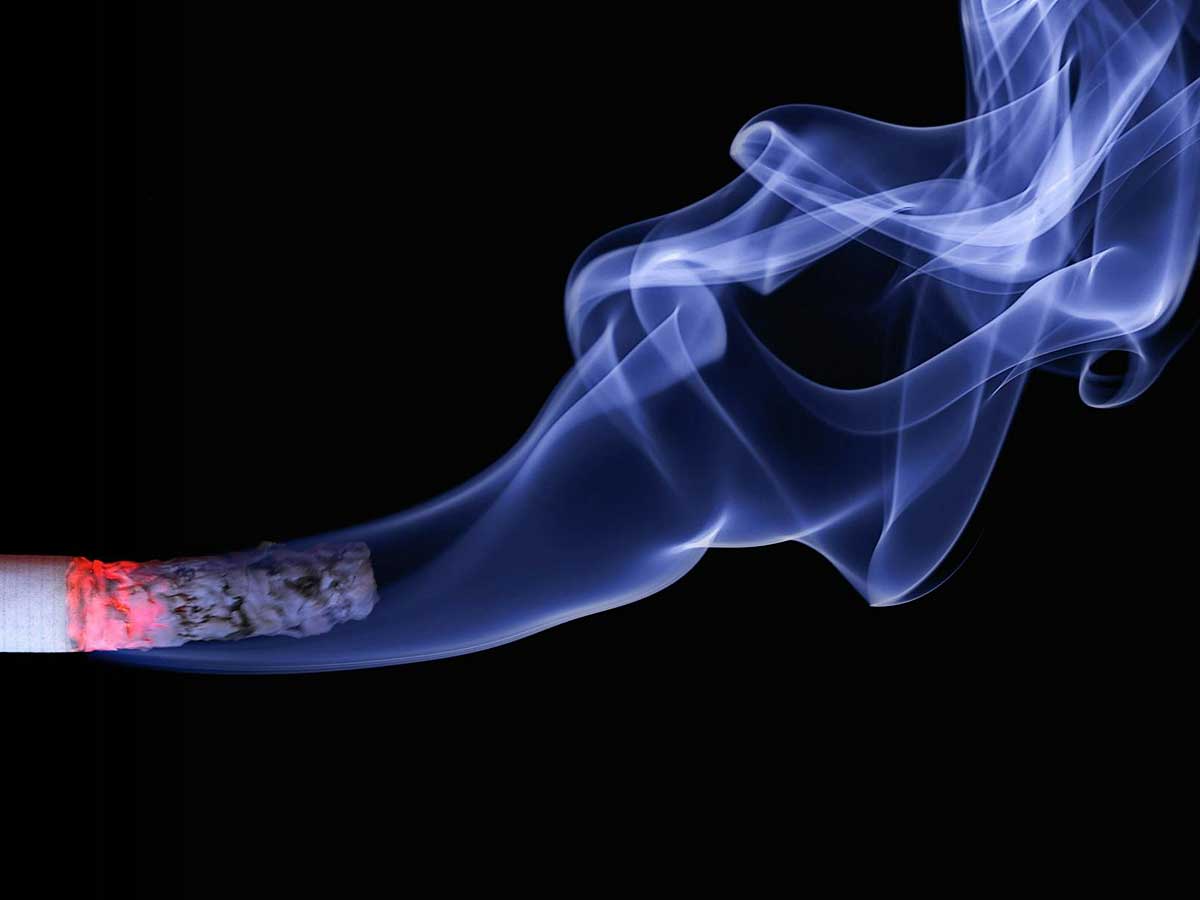
Do Air Purifiers Help with Smoke Smell Removal?
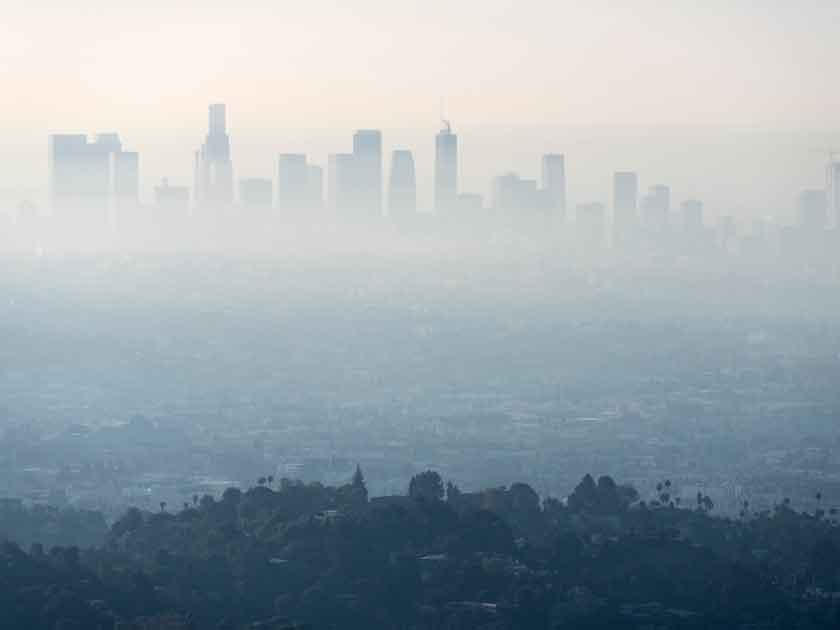
Smoke is a complicated pollutant. It is made up of both airborne particulates and gases, making it difficult to completely remove from the air. Even if the visible smoke is gone, the smoke smell can linger long afterwards. But having the right kind of air purifier can help keep smoke smells at bay.
- by Intellipure
Urban Wildfire Smoke Is A Greater Threat Than You Think
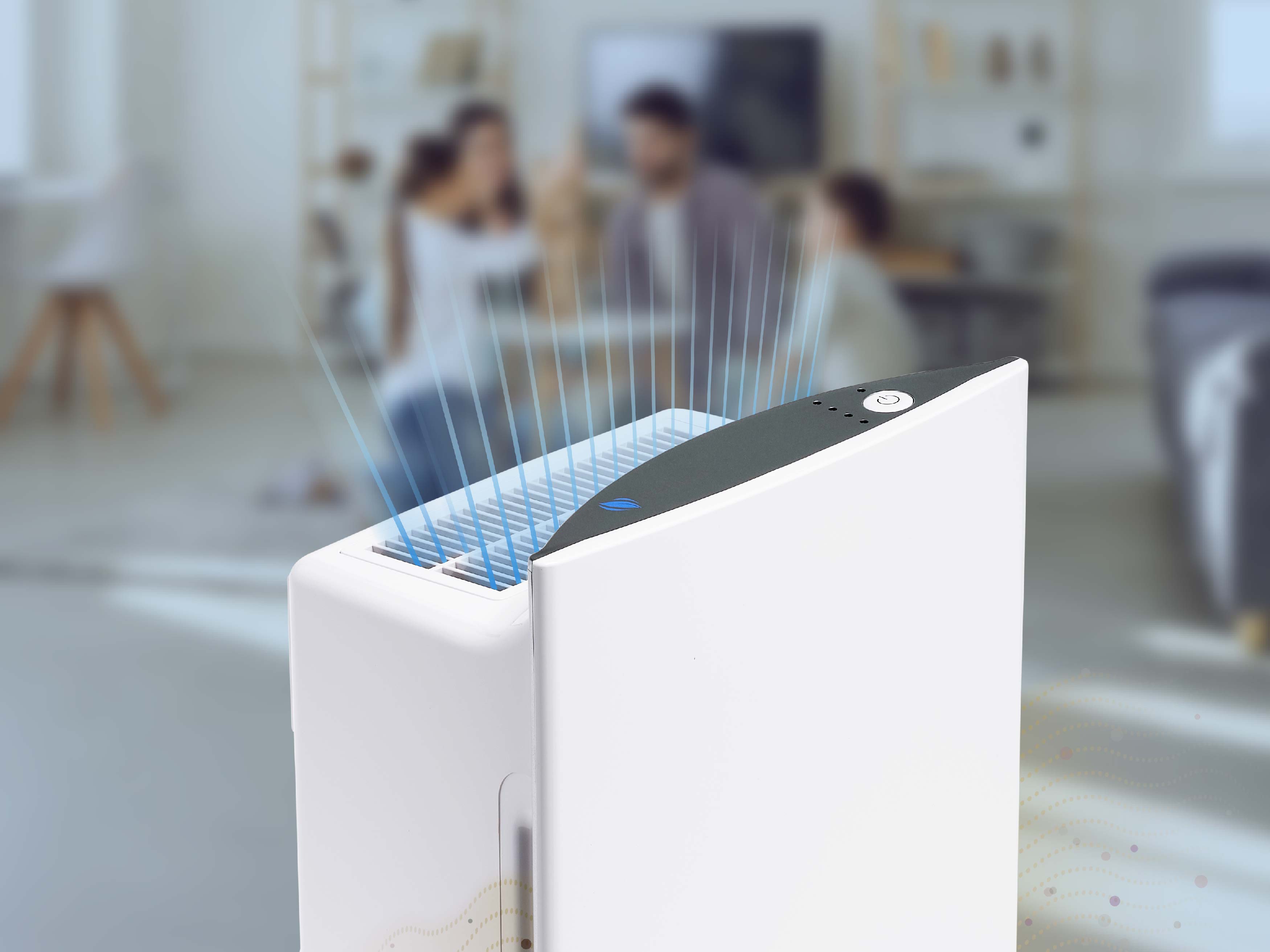
Unfortunately wildfires are once again at the top of the news cycle. In early 2025 devastating fires roared through southern California. Devastation from the Eaton fire, Hurst fire, Palisades fire, Kenneth fire, and Lidea fire covered thousands of acres. These urban wildfires are a unique and growing threat, distinct from their wilderness counterparts.
- by Intellipure
How to Protect Your Family from Wildfire Smoke: Health Tips & Air Purifiers
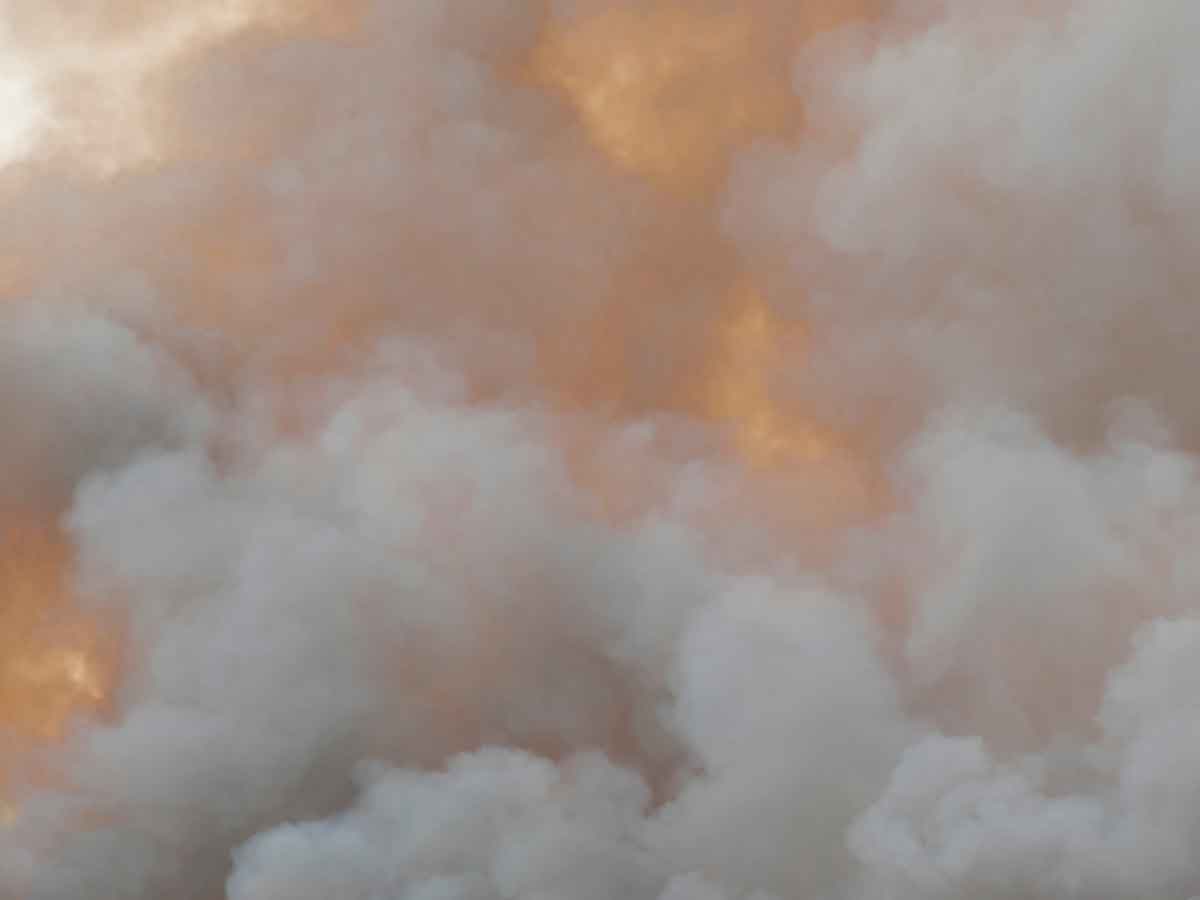
Wildfire smoke is becoming an increasingly common topic in the news. While wildfires themselves are not new, they are trending larger and burning more ferociously than in previous decades. With millions more acres burning each year it should be no surprise that wildfire smoke itself is becoming a more serious problem. Let’s take a look at how you can protect your family from the effects of wildfire smoke.
- by Intellipure
Airborne Hazard: Why Wildfire Smoke Is Different
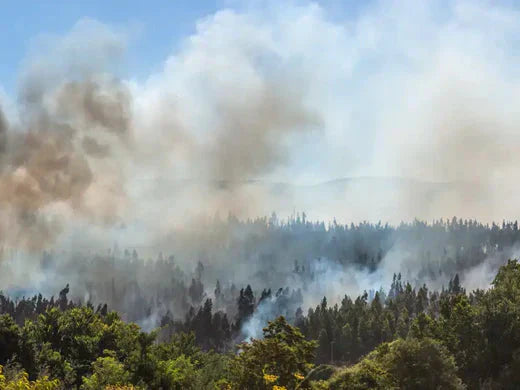
You’ve probably been hearing a lot about wildfires in the news the last few years. While the number of actual fires themselves has gone down, their size and intensity have gone up. Fires are also burning more areas inhabited by humans, destroying homes, businesses and infrastructure along the way. The fire itself is only one component of a wildfire, the other component is the smoke.
- by Intellipure
Wildfire Smoke and Indoor Air Quality: Why an Air Purifier is Essential
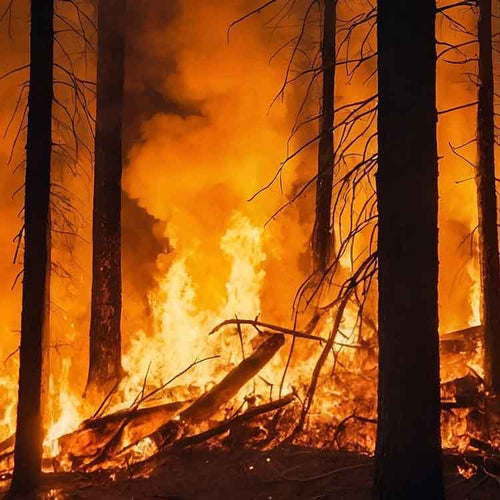
Imagine this: You wake up one day and the sky is hazy with smoke from wildfires burning a hundred miles away. This exact scenario has played out in several areas across the United States over the last few years. You might think you're safe indoors, but that smoky air can sneak into your home putting your health at risk. That's why you need an air purifier to protect you and your loved ones from the harmful effects of wildfire smoke.
- by Intellipure
Air Quality Alert: Wildfires Erupt Across Western United States
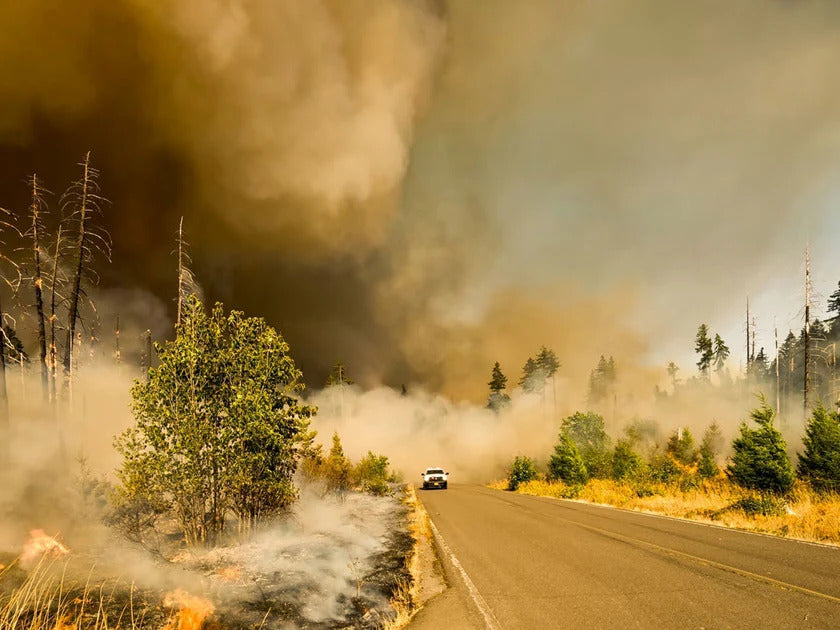
Large portions of the western United States, including parts of California, Idaho, Utah, Colorado, Wyoming, Oregon and Washington, are under air quality alerts due to raging wildfires. Fires such as the Park Fire spanning Butte and Tehama counties in California are sending huge amounts of fine particulate matter into the air, which is then carried hundreds of miles away.
- by Intellipure
How Smoke Affects Indoor Air Quality
Your home is a sanctuary; a place where you can escape the hustle and bustle of the outside world, unwind, and recharge. However, lurking within the cozy confines of your living space may be an invisible threat to your health and well-being: smoke. Whether it's from tobacco, cooking, candles, or nearby wildfires, smoke can significantly impact indoor air quality, compromising the very air you breathe.

Content Reviewed by Trusted Experts
Learn more about the healthcare professionals and industry experts who help review our educational content for accuracy, clarity, and scientific integrity.