


- by Savannah Green
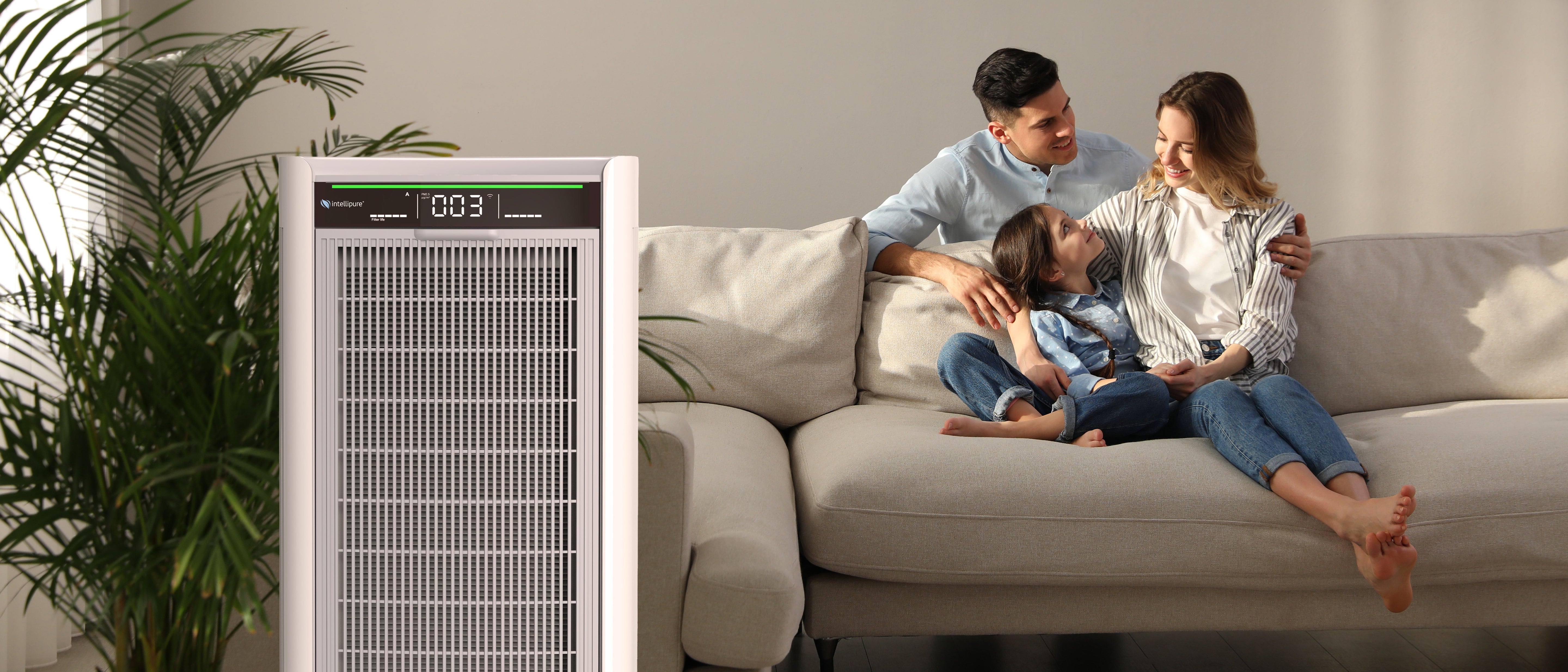
5 Ways to Show Your Air Some Love This Month
This quick, seasonal IAQ refresher walks through five smart, manageable ways to freshen your indoor air, from dialing back fragrance overload to using ventilation, humidity control, and air purifiers more effectively. Small shifts, better air, no major lifestyle overhaul required.
- by Intellipure Editorial Team
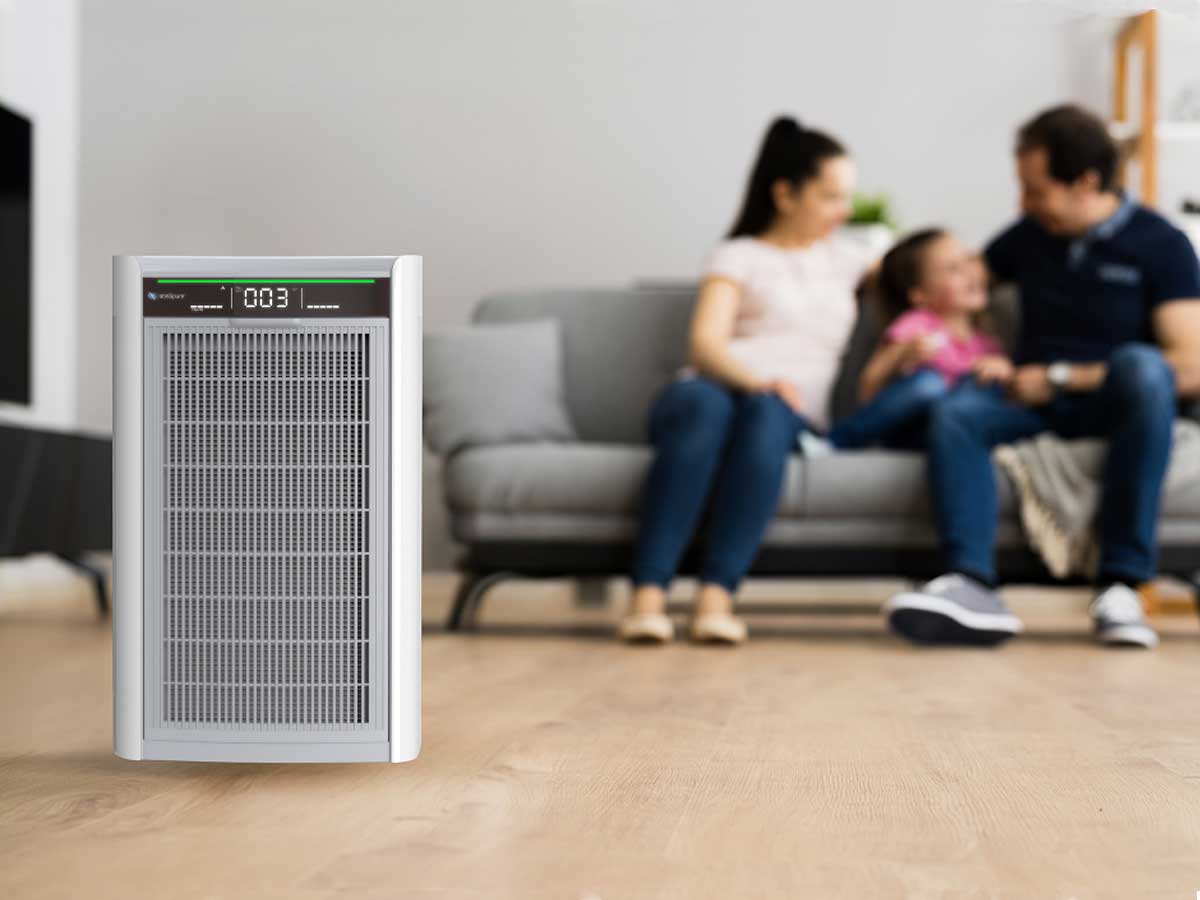
Why Your Air Purifier's Child Lock Matters More Than You Think
Your air purifier's child lock does more than prevent button-mashing: it keeps indoor air quality consistent, protects the device from unnecessary wear, and gives you one less thing to worry about in a busy household with kids.
- by Intellipure Editorial Team
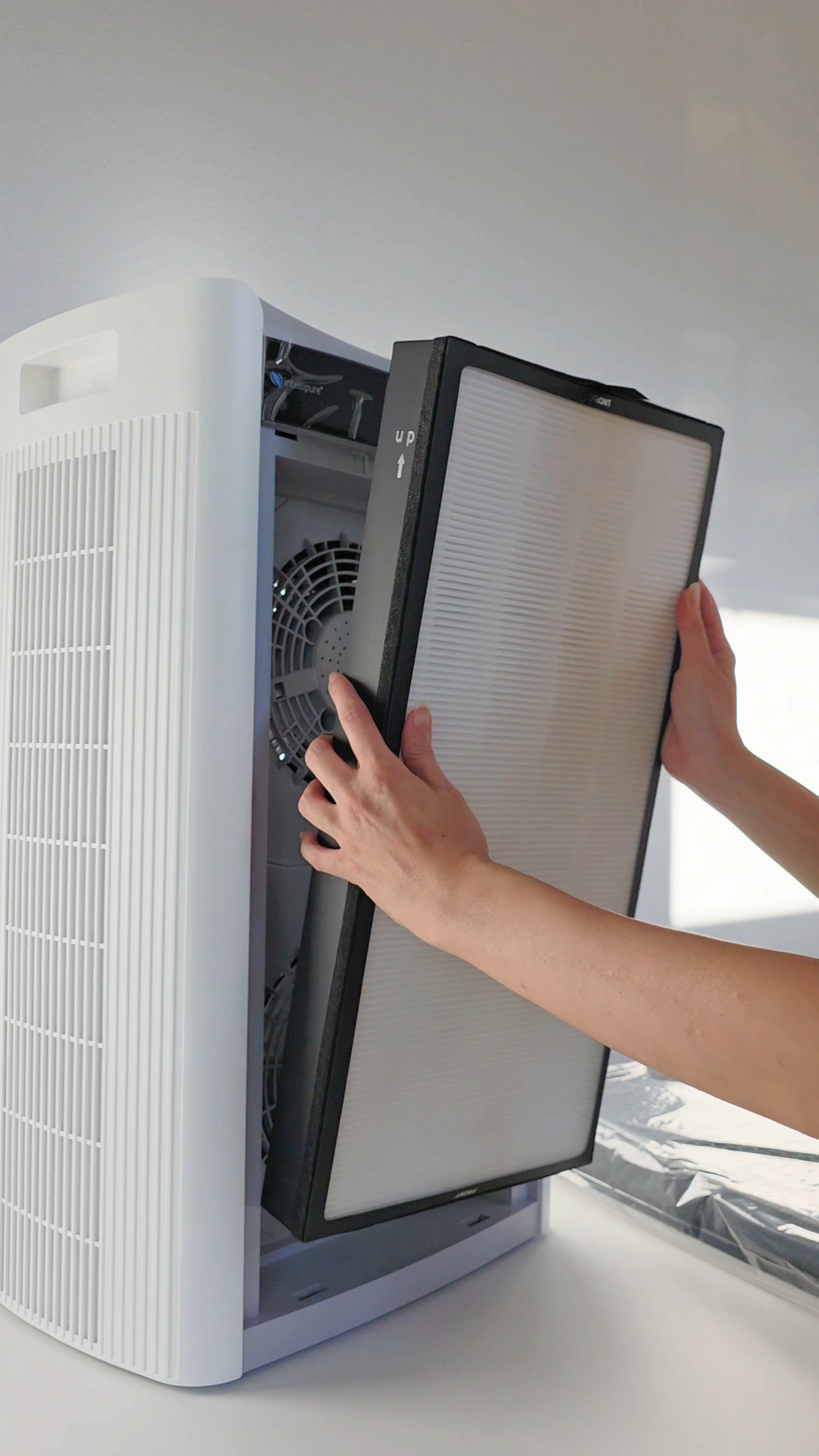
Why Genuine Replacement Filters Matter for Your Air Purifier
You did the research. You found the right air purifier for your home. Now it's time for a filter change, and you're staring at a lineup of options: the manufacturer's genuine replacement, plus a handful of third-party alternatives that promise to do the same job for less. Tempting, right?

- by Intellipure Editorial Team
How to Get Rid of Musty Smells in Your Home and Clothes
Musty odors are more than just unpleasant; they signal mold or mildew growth that can affect your respiratory health. Here's how to identify the source, clean it up safely, and keep it from coming back.
- by Intellipure Editorial Team
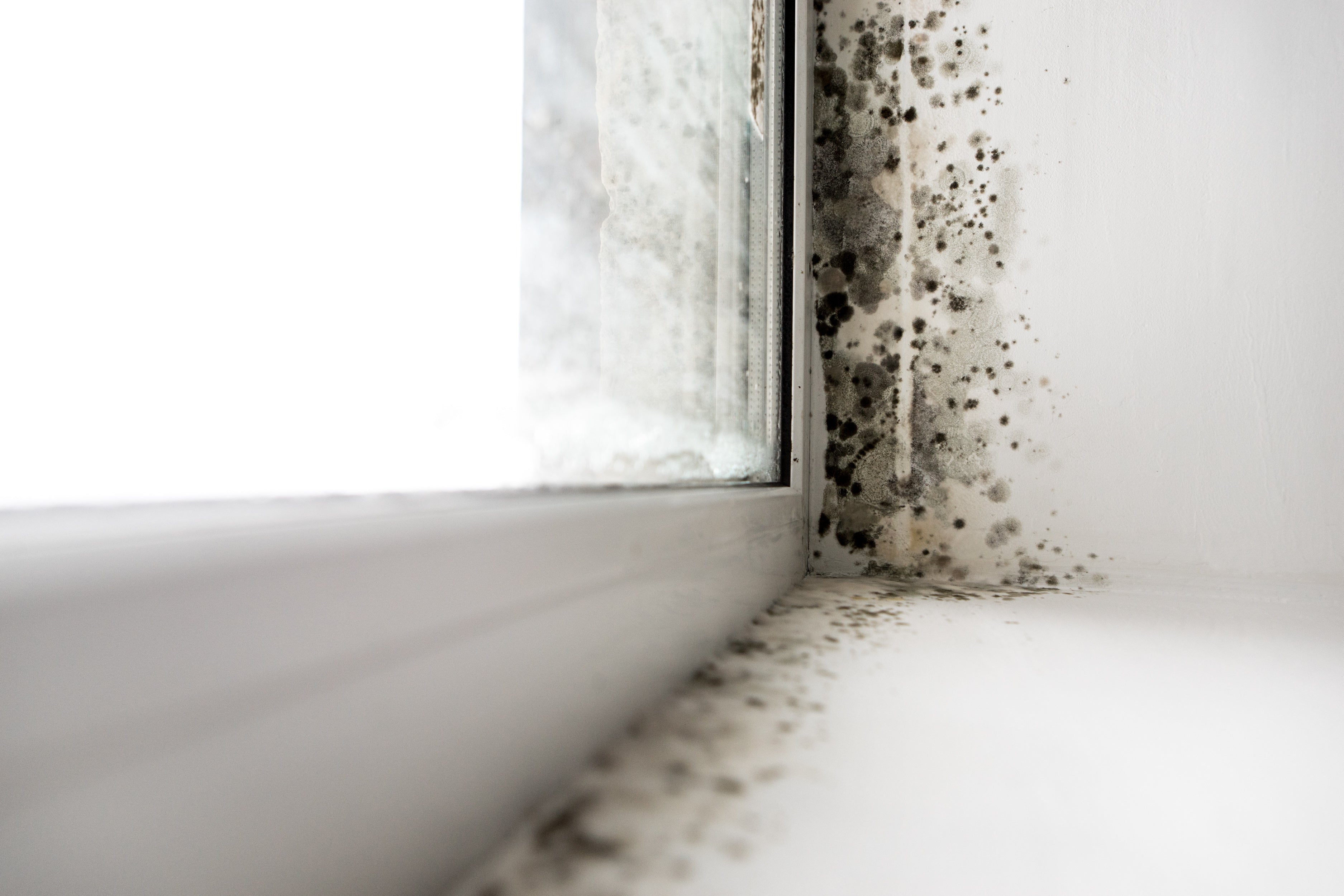
Mold in Your Home: Health Risks and What You Can Do About It
Mold is one of the most common yet overlooked indoor air quality hazards, linked to respiratory symptoms, allergic reactions, and even mood changes. Here's what the science says and the practical steps you can take to protect your family.

- by Intellipure Editorial Team
Air Pollution and Your Brain: What the Research Says About Cognitive Aging
A growing body of research links long-term exposure to fine particulate matter and ultrafine particles to accelerated cognitive aging and increased dementia risk. Here's what you need to know about protecting your brain health through cleaner indoor air.

- by Intellipure Editorial Team
September Air Quality and Allergen Report: What's in the Air This Fall
Ragweed pollen peaks across the country in September while wildfire smoke threatens western air quality. Here's your region-by-region pollen breakdown and practical tips for keeping indoor air clean as the seasons change.

- by Intellipure Editorial Team
Intellipure May 2024 Allergen Report: What's in Your Air This Spring
If your nose has been running nonstop lately, you're not imagining things. Spring 2024 has arrived with force, and allergy sufferers across the country are feeling it. Areas that experienced a mild winter and early warm temperatures saw tree pollen blooms arrive ahead of schedule, and they've been especially heavy.

- by Intellipure Editorial Team
How to Improve Indoor Air Quality in Restaurants
Restaurant kitchens generate a surprising range of airborne pollutants, from fine particulate matter to volatile organic compounds and nitrogen dioxide. Here's what restaurant owners and managers need to know about protecting staff, patrons, and the dining experience.

- by Intellipure Editorial Team
Better Office Air, Better Employee Performance: What the Research Says
Research from Harvard shows that improving office air quality can boost cognitive performance by up to 101% and yield $6,500 in productivity gains per employee, all for less than $40 per person per year in energy costs.
- by Intellipure Editorial Team
Benefits of a Smart, Connected Air Purifier for Your Home
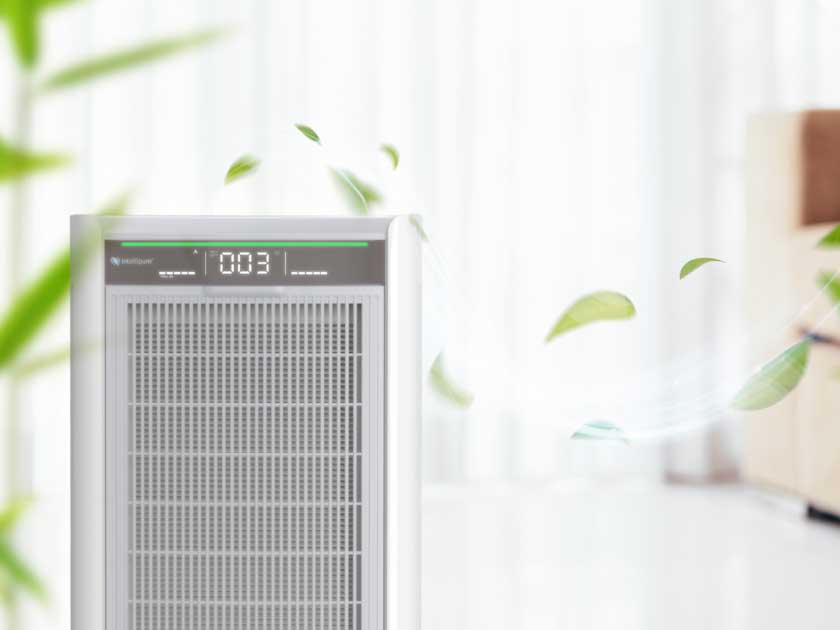
Smart air purifiers bring Wi-Fi connectivity, real-time air quality monitoring, and voice assistant integration to your indoor air quality routine, making it easier than ever to breathe cleaner air at home.
- by Intellipure Editorial Team
Allergen Report: What's in Your Air This February
By now, the worst of winter is likely behind us in most of the country. Warm weather will soon be sneaking in to kickstart spring plant growth, which means the short reprieve of a pollen-free January has come to an end. While grasses and weeds still slumber through the cold, the first trees across the country are getting a head start on pollen season.

- by Intellipure Editorial Team
Are Cooking Odors and Smoke Affecting Your Indoor Air?
Everyday cooking releases pollutants including particulate matter, nitrogen dioxide, and volatile organic compounds into your home. Understanding what these emissions are and how to manage them through ventilation and filtration can help you protect your household's air quality.

- by Intellipure Editorial Team
12 Tips for Better, More Restorative Sleep
Quality sleep is one of the most important things you can do for your health, yet millions of us struggle to get enough. Here are 12 practical, science-backed tips to help you wind down, fall asleep faster, and wake up feeling refreshed.

- by Intellipure Editorial Team
Allergen Report: What's in the Air This October
As pollen season winds down across most of the country, October brings a shift toward indoor allergens like dust mites and leaf mold, plus the start of cold and flu season. Here's your region-by-region pollen breakdown and practical tips for breathing easier this fall.

Content Reviewed by Trusted Experts
Learn more about the healthcare professionals and industry experts who help review our educational content for accuracy, clarity, and scientific integrity.