



- by Amy LoParo
You've probably heard that air pollution is bad for your lungs, but have you ever thought about how it might affect your brain? A growing body of research suggests that the air you breathe has a measurable impact on cognitive performance, and some of the best evidence comes from pretty unexpected places: baseball, football, and soccer fields.

- by Savannah Green
You've probably heard a lot of common tidbits of sleep advice before: Dim the lights. Put your phone away. Keep the room cool. Avoid caffeine too late in the day. Maybe add a fan, sound machine, or "rainfall in a forest" playlist (if that's your thing). All good ideas. But there's another part of your sleep environment that deserves a spot in the routine: the air you breathe all night.
- by Savannah Green
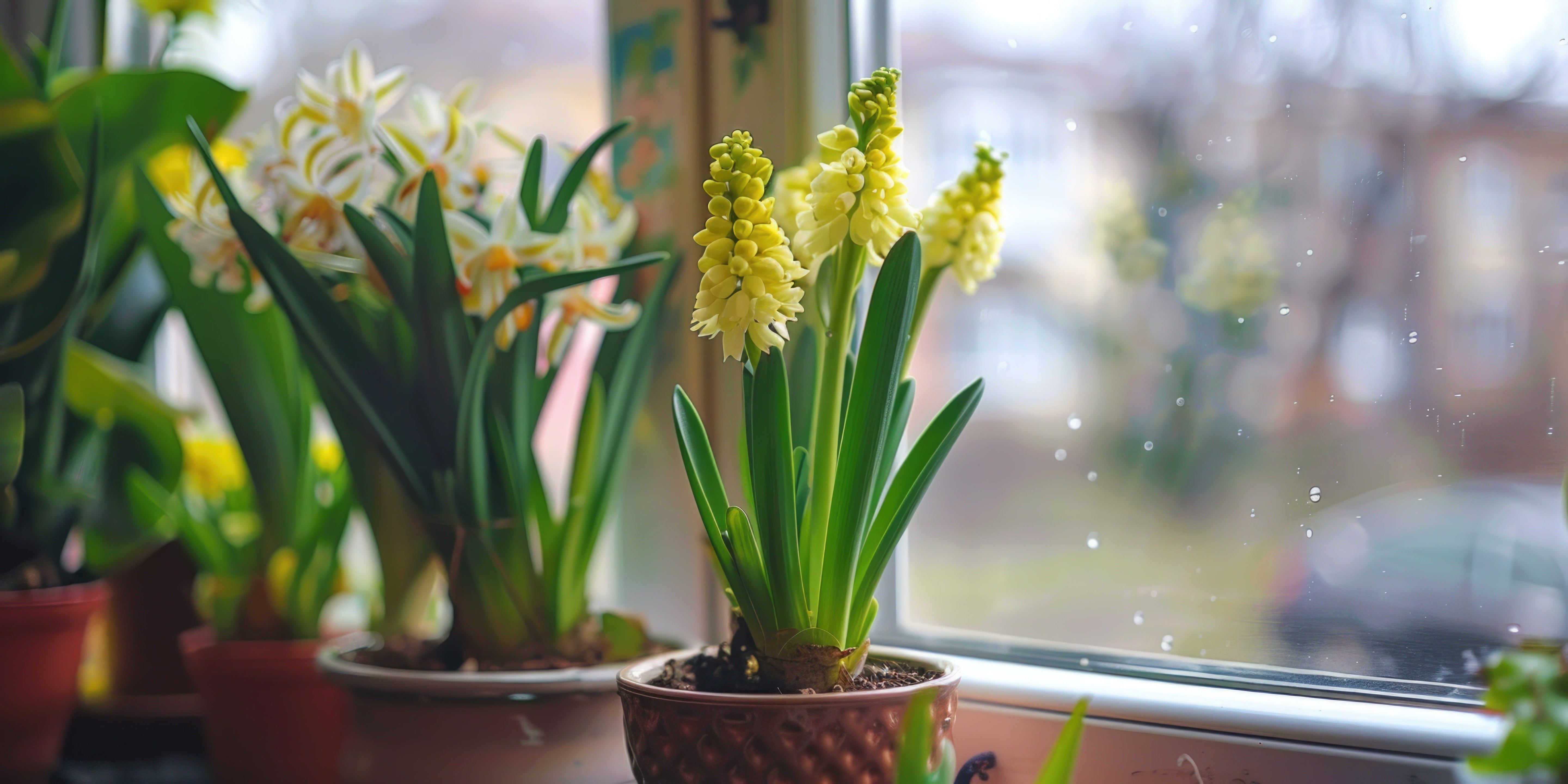
May Flowers, Meet Indoor Air: Why Allergy Season Doesn’t Stop at the Door
Open the windows. Let the breeze in. Put some lilies in a vase. Finally, your home feels fresh again. Well, that's the idea, at least. In reality, the air this time of year has a way of blurring the line between "fresh" and "irritating." The same air that carries in that light, mid-to-late spring feeling also brings along something less welcome: pollen, particles, and other such respiratory irritants.
- by Amy LoParo
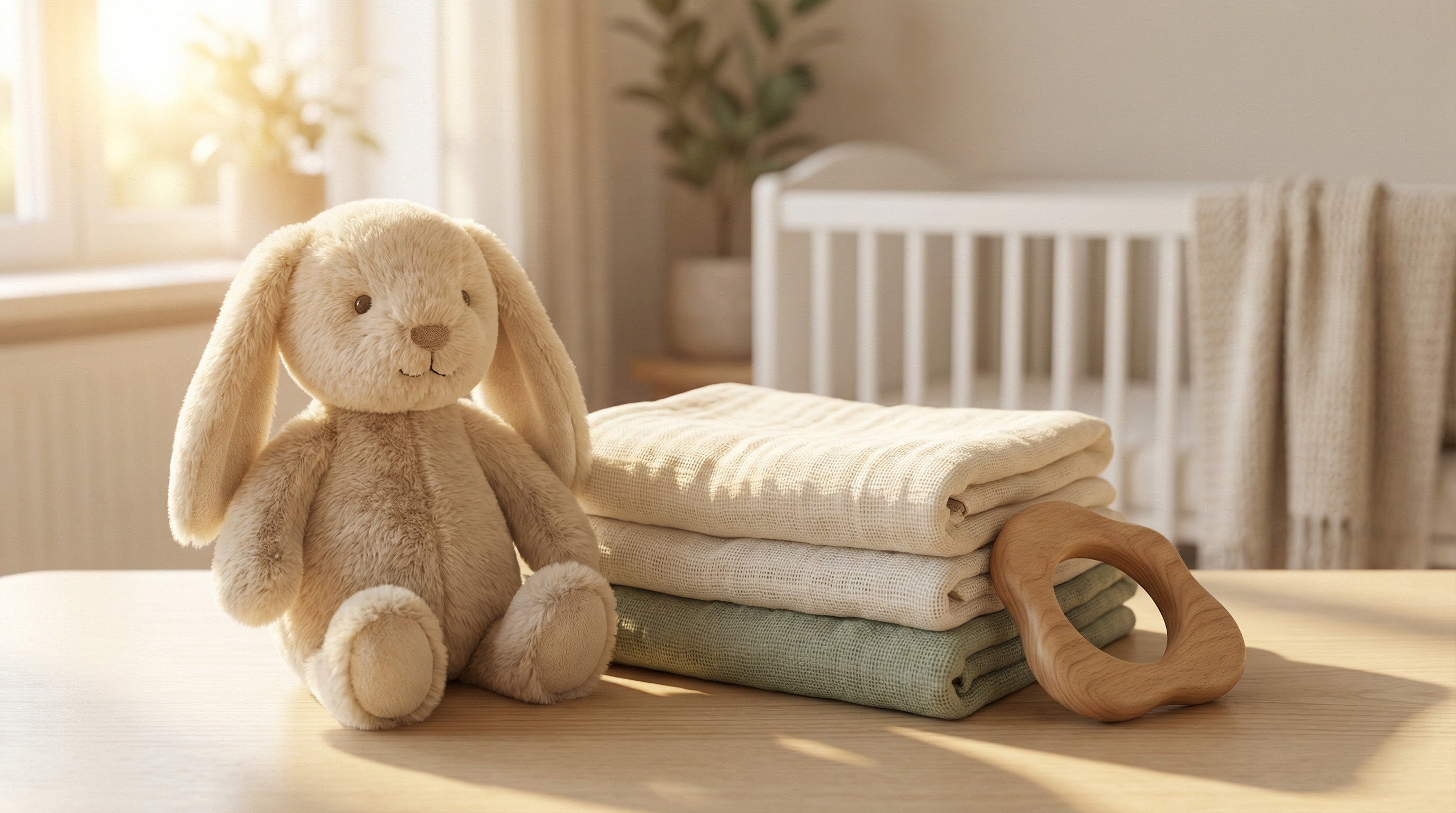
Indoor Air Quality (IAQ) in Baby’s Nursery
My third baby is turning one this week. Reflecting back, the newborn and infant phases were different this time around. For starters, he's a really chill little guy who loves sleep (and trust me, we earned it after our first two). There was also a noticeable lack of late-night internet searching and spiraling.
- by Savannah Green
Clean Air Month Starts at Home
As the title suggests, May is Clean Air Month. No, really, it is. Clean Air Month is an annual observance held throughout May in the United States to raise awareness about air pollution, promote healthy, clean air, and encourage actions to reduce carbon footprints. When we think about air, our brain tends to focus on what's happening outside. Smog, pollen, pollution, wildfire smoke.
- by Amy LoParo
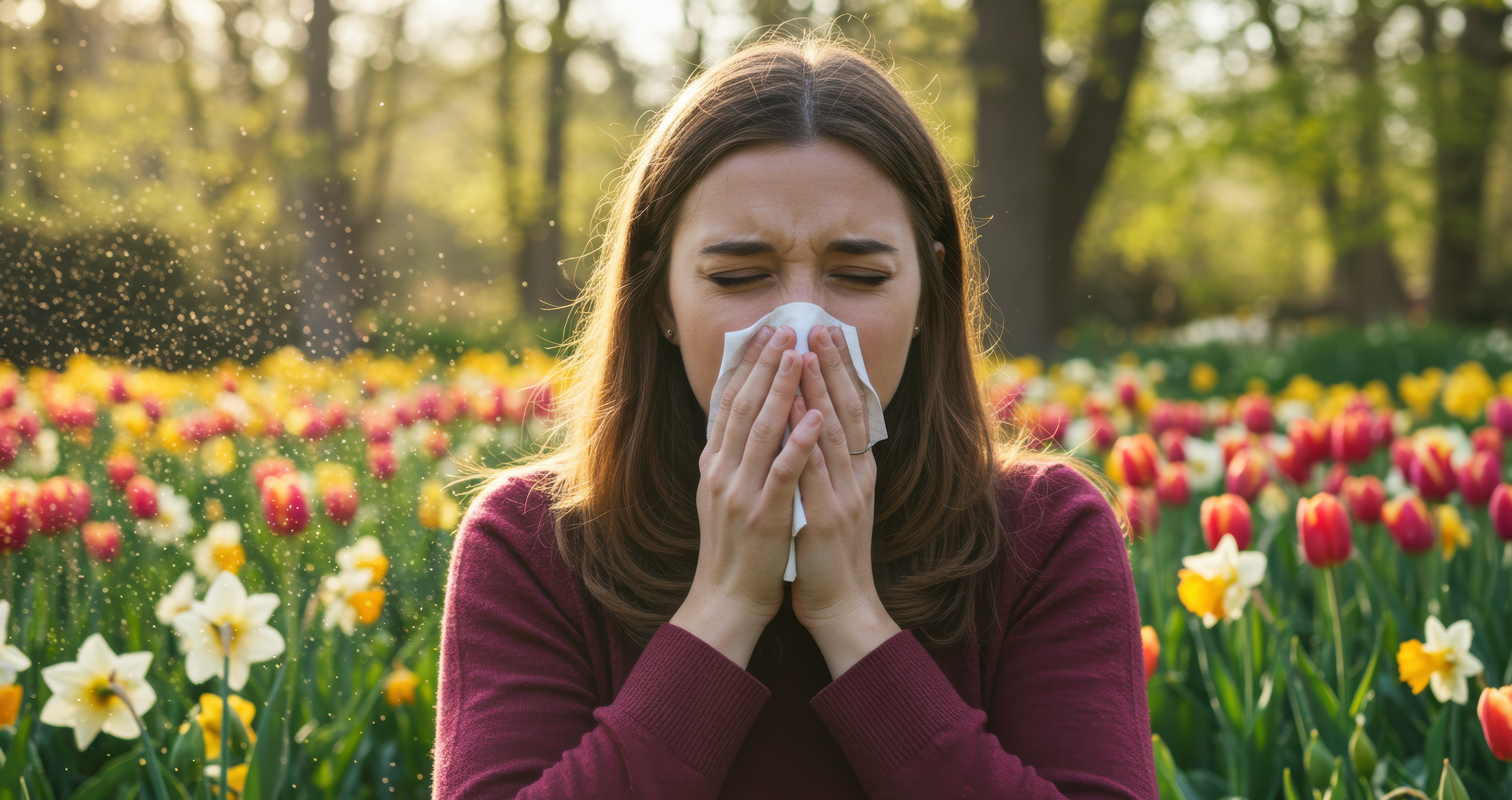
Spring Cold or Spring Allergies?
We've all been there. You're crammed in a room for an office happy hour or some other gathering, huddled up with old friends and fresh faces, and you notice the person whose hand you've just shaken is clearing their throat an awful lot. They're sniffling too. And is that a rasp in their voice?

- by Intellipure
HealthWay Unveils Fresh Perspective in Air Purification
HealthWay Family of Brands has announced a new chapter, marking an evolution in how HealthWay and Intellipure work together to deliver trusted, high-performance indoor air purification solutions. This next phase reflects a more unified brand vision, deeper alignment between HealthWay and Intellipure, and continued investment in technologies that support better breathing and healthier indoor environments for all.
- by Savannah Green
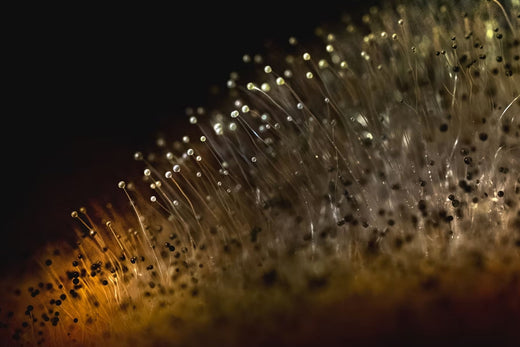
April Showers Bring… Mold and Mildew?
Spring has sprung a leak. When rainy weather moves in, most of us think about blooming flowers, greener lawns, and maybe a little extra mud by the front door. What we don't always think about is what all that moisture is doing inside the home. A few wet umbrellas by the entryway. Damp shoes on the floor. A basement that suddenly smells a little off. A crawlspace that stays humid for days after a storm.

- by Amy LoParo
“The Pollening”: Yellow Air, Here, There, and Everywhere
This guide explains that pollen, a powdery substance released by trees, grasses, and weeds to fertilize other plants, is one of the most common triggers of seasonal allergies. The article provides pollen season timelines, identifies common allergenic trees, and describes how factors like "botanical sexism" have contributed to more intense pollen seasons.
- by Savannah Green
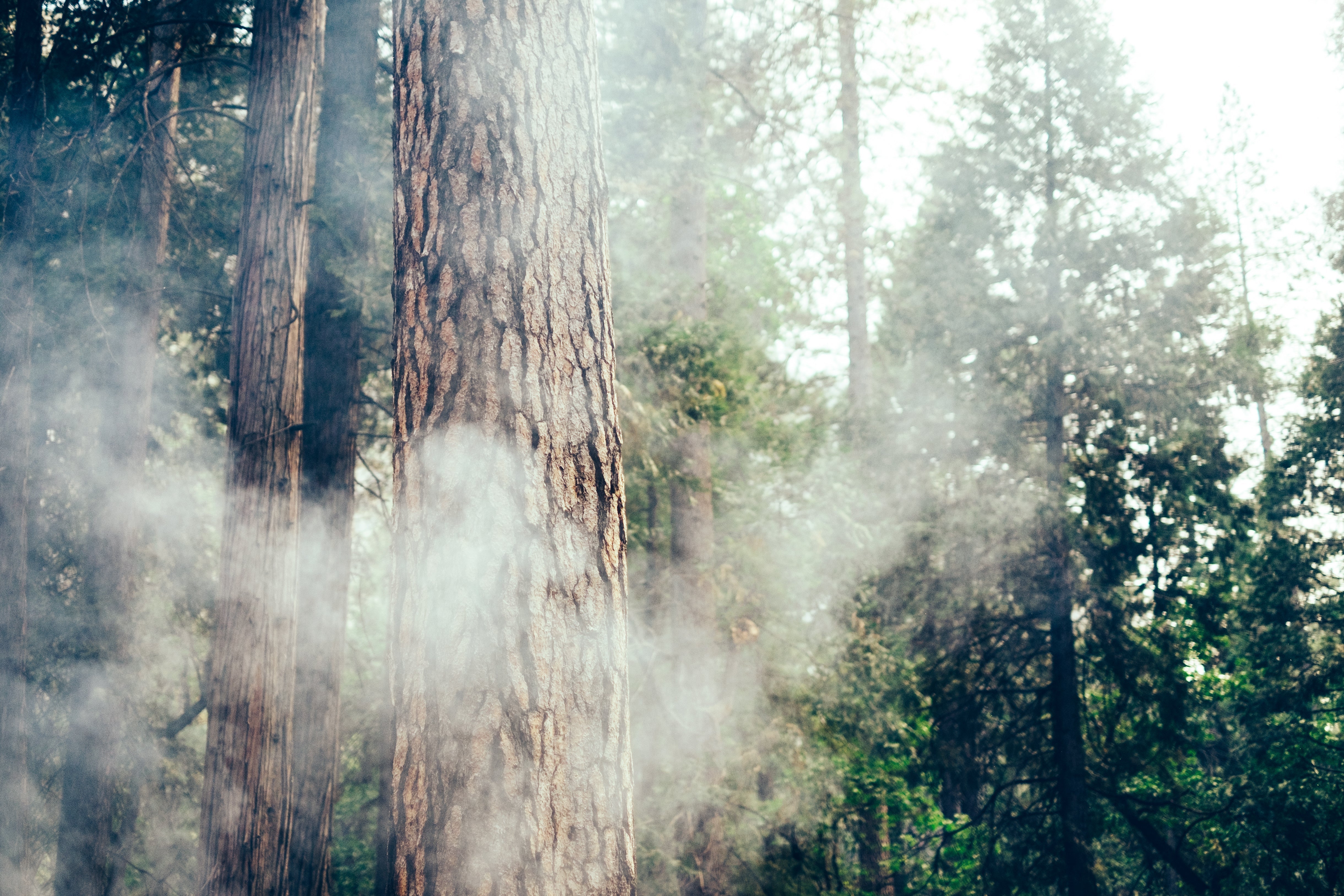
Aftereffects of Wildfire Smoke Indoors
Wildfire smoke doesn’t stop at the front door. It lingers in the air, on surfaces, and in the systems that circulate it through your home. This guide breaks down what’s left behind after a smoke event and how to properly clean, reset, and maintain your indoor air, from surface cleaning to filtration and filter replacement.
- by Amy LoParo
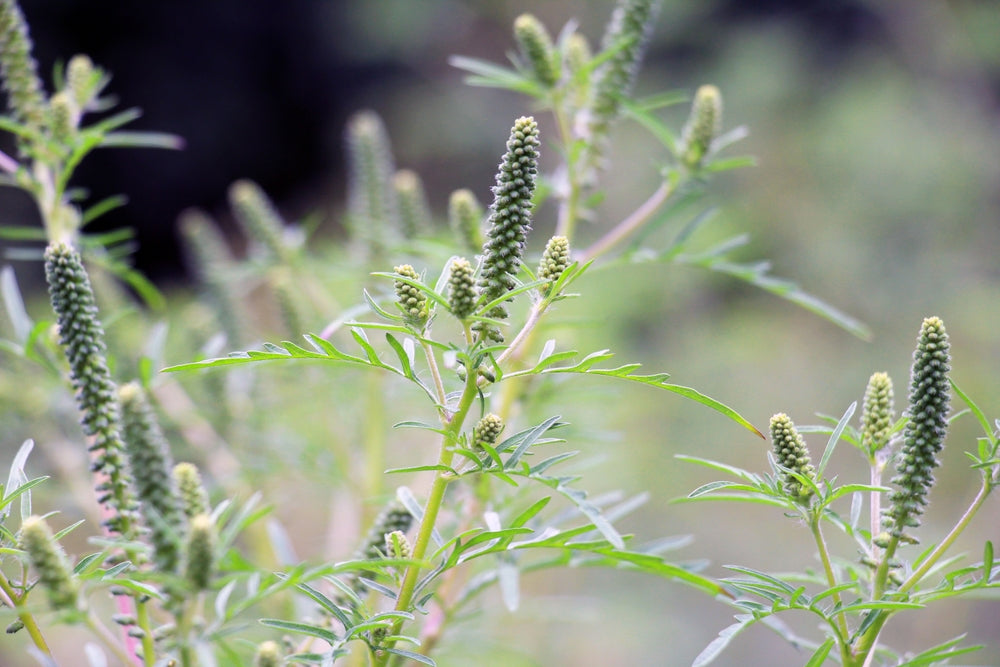
Ragweed Guide: When, How, and Why You Should Protect Your Home from Pollen
This comprehensive ragweed guide explores ragweed pollen basics; allergy symptoms, diagnosis methods, and treatments; and ragweed pollen's potential impact on indoor air quality (IAQ). Ragweed pollen is the leading cause of fall allergies, and its peak season is lengthening due to climate change. Controlling outdoor pollen levels is impossible, but you can protect your home's IAQ through source control strategies like keeping windows shut and removing shoes before entering the house, plus using air purifiers to capture allergens and create a refuge from ragweed season.
- by Savannah Green
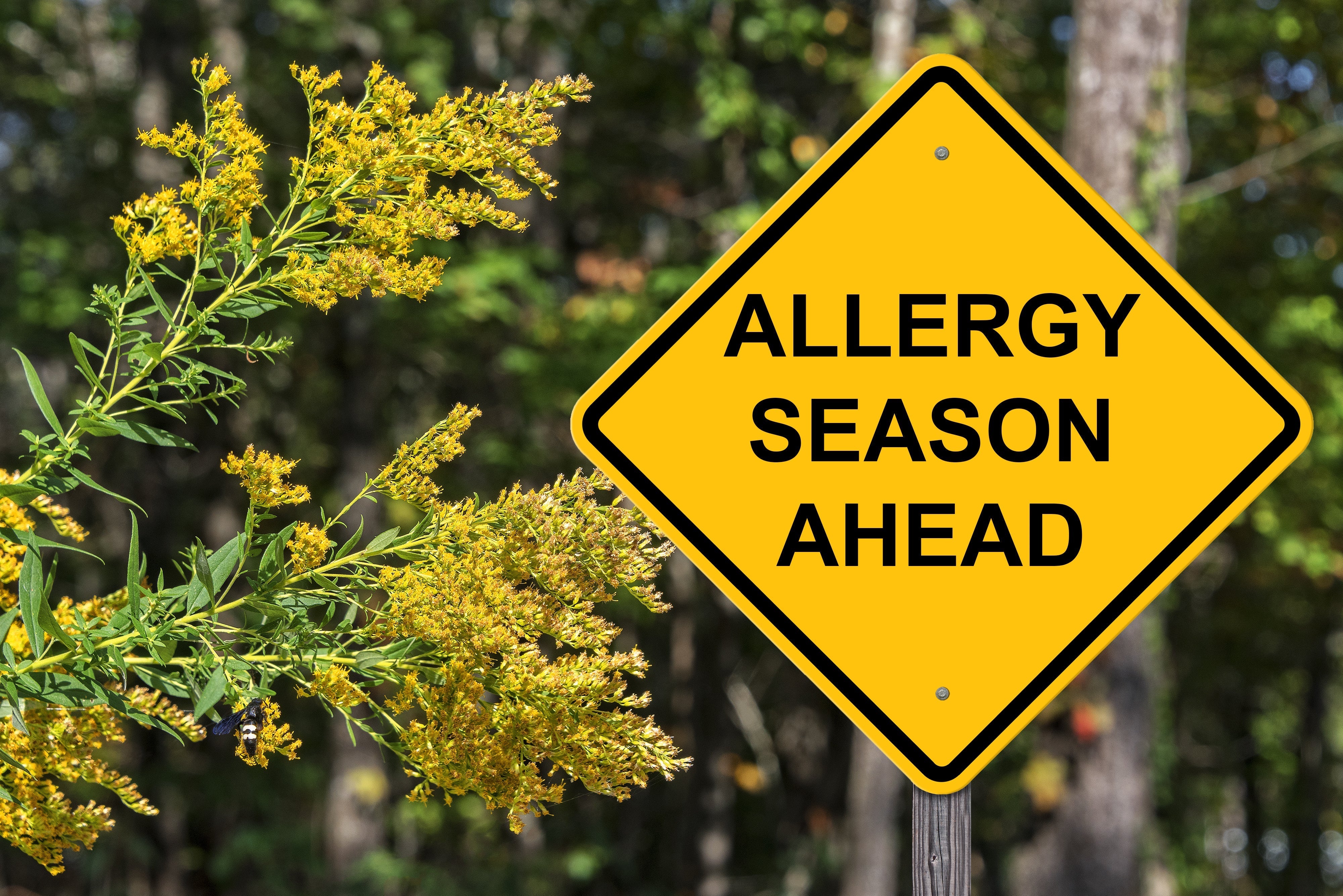
The Official Home Allergy-Proofing Checklist
This practical home allergy-proofing checklist covers simple steps to reduce indoor pollen, from smarter cleaning habits and humidity control to using HEPA air purifiers effectively. A few seasonal adjustments can help keep your indoor air cleaner and more comfortable throughout allergy season.
- by Amy LoParo
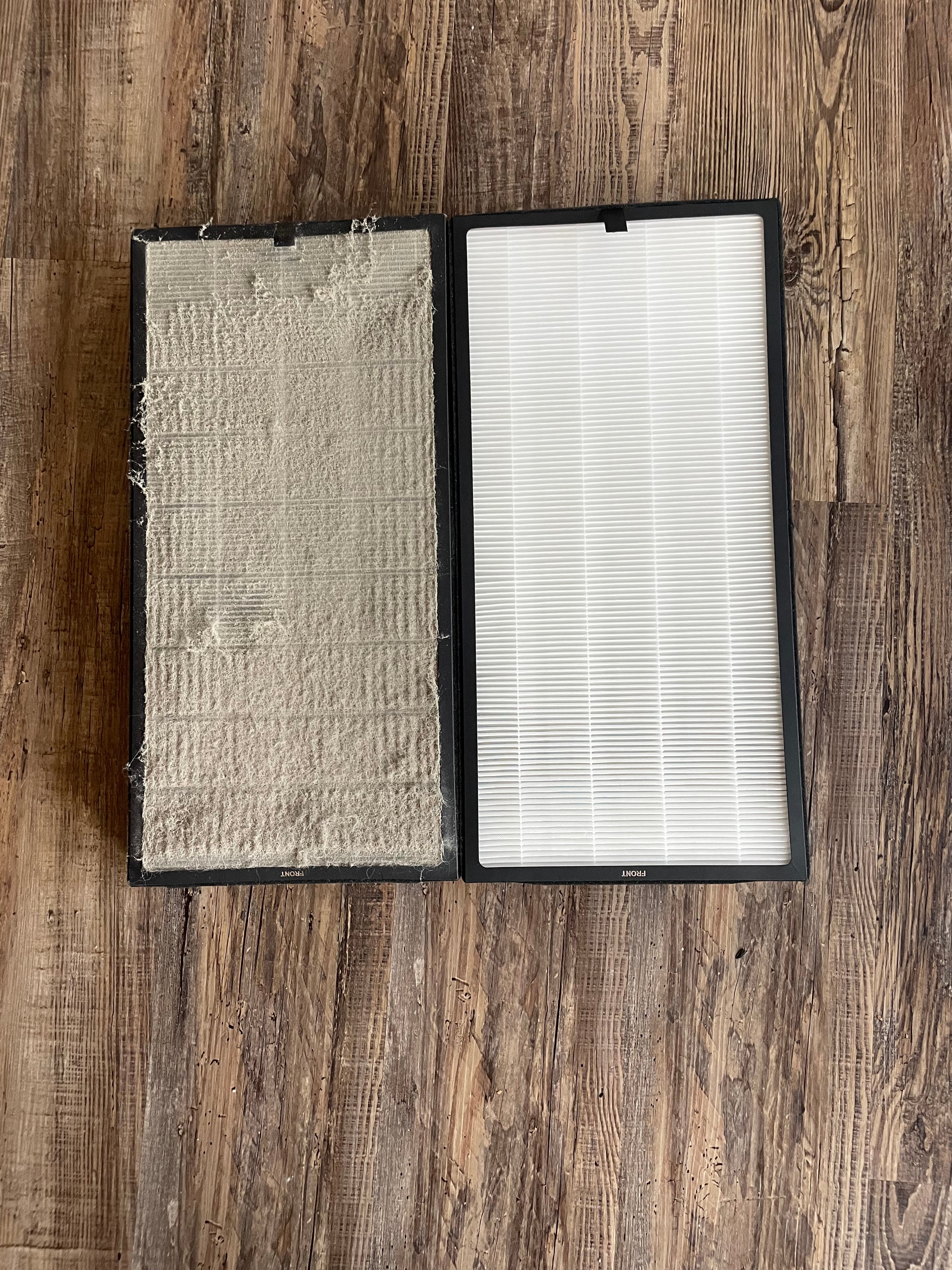
What Really Happens If I Don’t Change My Air Filter?
This article explores what happens when you neglect to change your air purifier's filters, concluding that while a short delay won't cause disaster, timely replacement maximizes health benefits, energy efficiency, and product lifespan. Clean filters can also help save you money, improve your air quality and sleep quality, and keep your purifier's warranty active. The piece includes practical guidance on when and how to change air purifier filters, a step-by-step guide to replacing the Intellipure H1000's filters, and information about filter subscriptions that are available to simplify purifier maintenance.
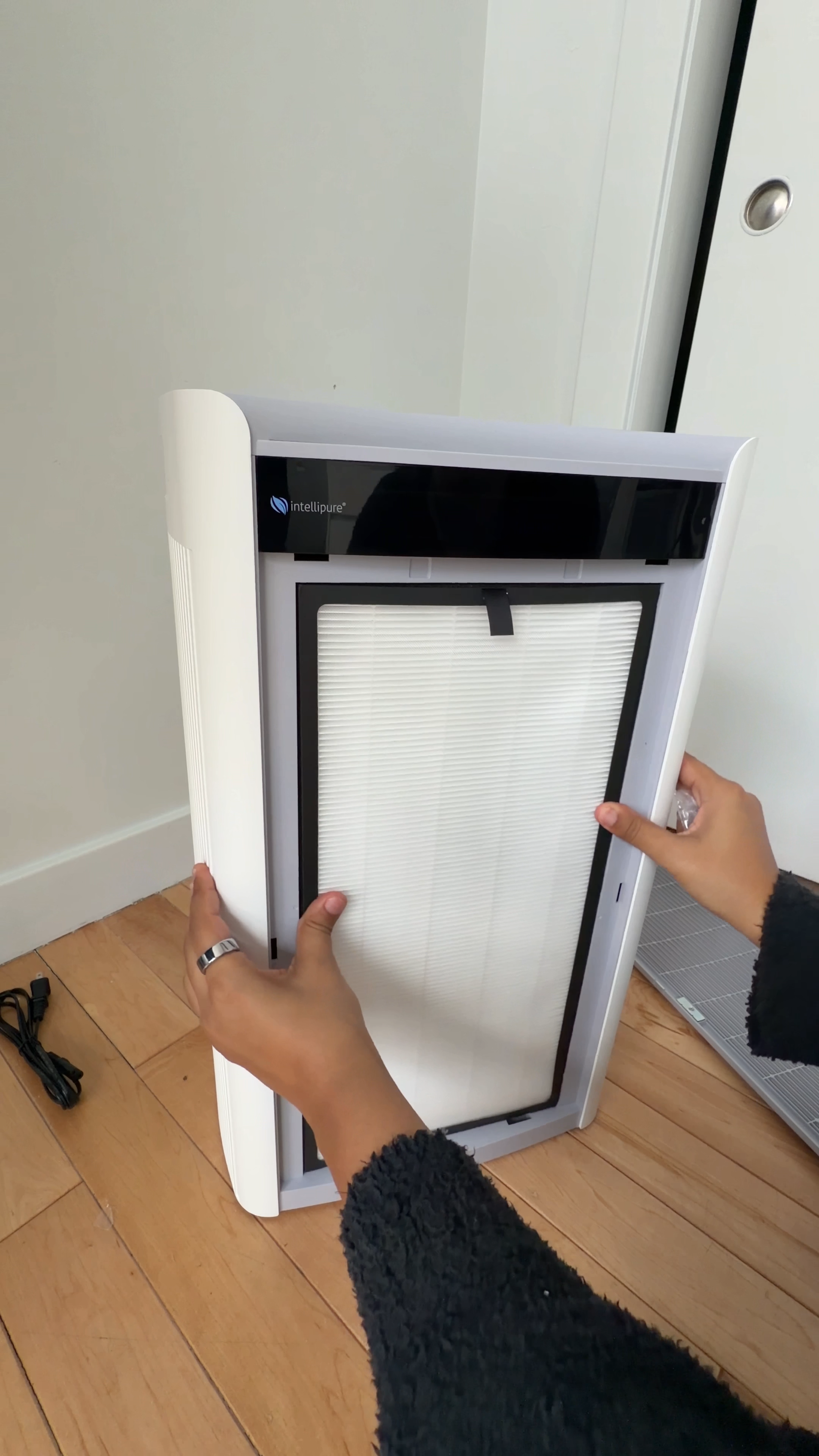
- by Savannah Green
The Nitty-Gritty on Carbon Filters
HEPA filters and activated carbon filters serve two very different purposes in air purification, one targets particles, the other targets gases and odors. This article breaks down how each type works, why their lifespans vary based on what’s in your air, and how understanding those differences helps you match the right filter to your indoor air concerns.
- by Savannah Green
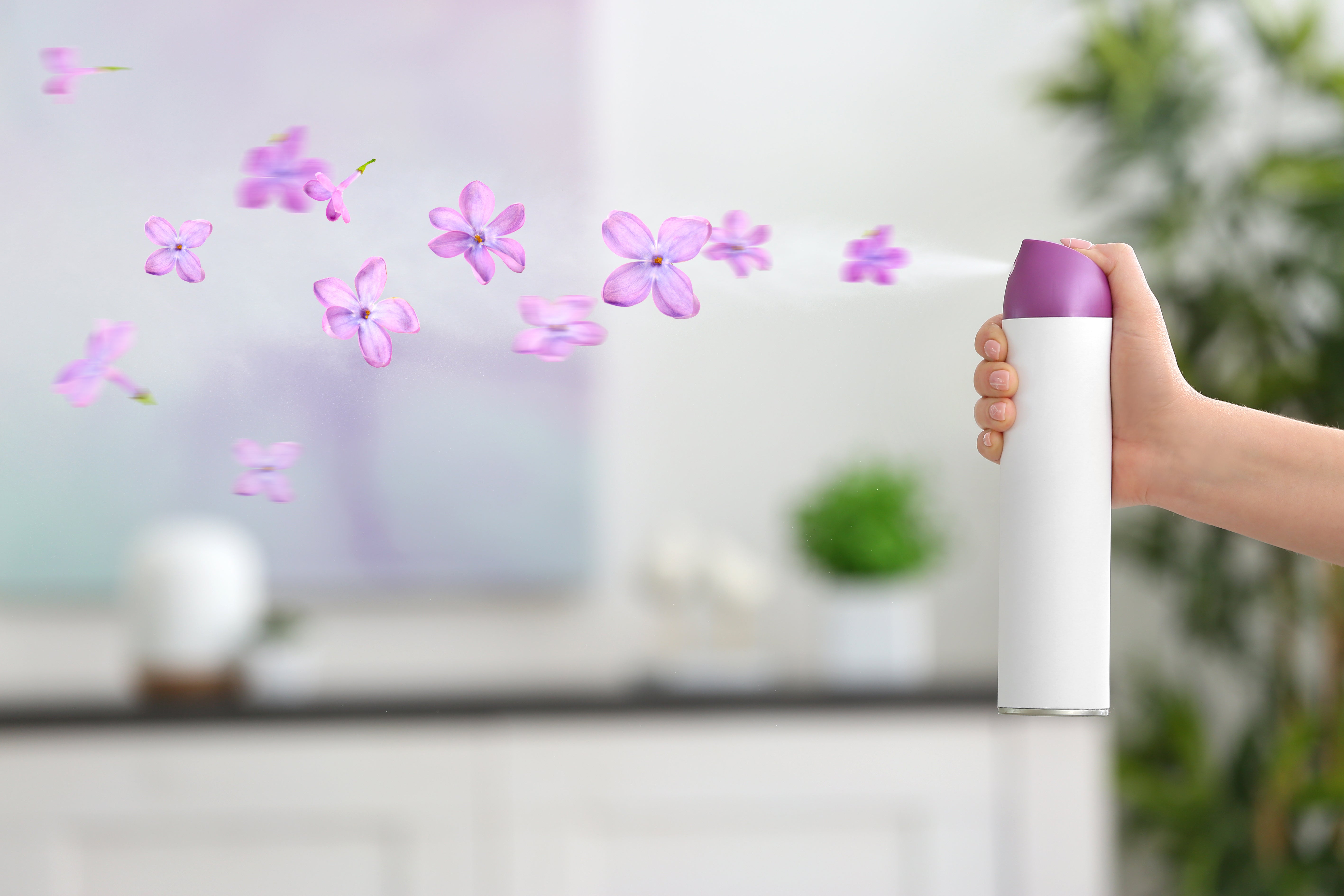
When Good Smells Go Bad: How Synthetic Fragrances Can Affect Your Health
Synthetic fragrances are designed to smell good, but once they’re in the air, they don’t always behave as harmlessly as we assume. This article explores how fragranced products can contribute to indoor air pollution, why some people experience fragrance sensitivity, and what actually helps reduce lingering odors at home. Sometimes, the cleanest-smelling air is the kind you barely notice at all.

Content Reviewed by Trusted Experts
Learn more about the healthcare professionals and industry experts who help review our educational content for accuracy, clarity, and scientific integrity.