



- by Amy LoParo
How Healthy Air Supports Healthier Relationships
Clean air supports healthier connections with your partner, your kids, and even your pets. Poor indoor air quality (IAQ) disrupts sleep, increases irritability between partners, triggers allergies in children and pets, and prevents closeness—if you're allergic to your pet, for example. Keeping the air in your home clean can improve sleep quality, reduce stress hormones, and create a more comfortable environment. Investing in an indoor air purifier is an act of care that benefits everyone you love by removing invisible obstacles to connection and wellbeing.

- by Amy LoParo
Lessons About Wildfire Smoke, One Year After the Los Angeles Fires
The 2025 L.A. wildfires revealed that urban wildfire smoke is a "toxic soup." Researchers found benzene, hexavalent chromium (the "Erin Brockovich" carcinogen), and other dangerous chemicals that lingered indoors for weeks after fires ended, absorbed by furniture and drywall. Wildfire smoke kills ~40,000 Americans annually, projected to rise 70% by 2050. In the 90 days post-fire, L.A. hospitals saw a 47% spike in heart attacks and 24% increase in respiratory issues. Protection tips: monitor AQI via AirNow, keep windows closed during poor air quality, use HEPA air purifiers (properly sized, no ozone), and keep N95 masks handy.

- by Savannah Green
Reduce Dust After the Holidays: IAQ-Friendly De-Decorating Tips
Taking down holiday décor can stir up just as much dust and chaos as putting it up—but it doesn’t have to. This article shares simple, fuss-free de-decorating hacks that keep mess, tangles, and airborne particles under control, from bagging the tree to running an air purifier during cleanup. The payoff is a faster reset, cleaner air, and a calmer, more breathable start to the new year.
- by Amy LoParo
White Snow, Black Mold? This Unwanted Visitor Thrives in Winter, Too
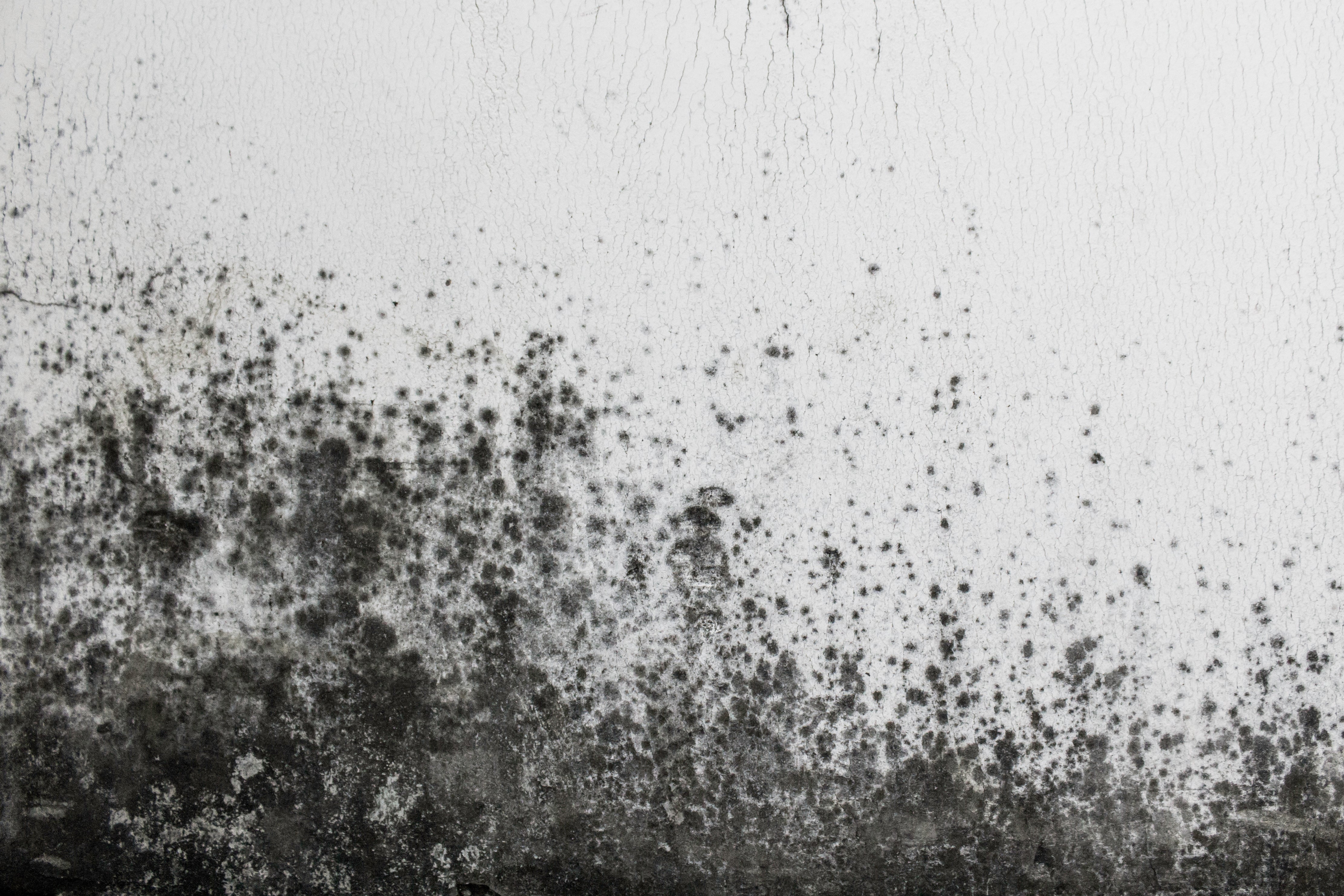
Mold thrives indoors during winter because we seal up homes, trap moisture from cooking/bathing/breathing, and create condensation when warm air hits cold surfaces. About 47% of U.S. homes have visible mold. While "black mold" isn't necessarily more dangerous than other molds, exposure can trigger allergies, worsen asthma, and cause respiratory issues, especially in susceptible people. Prevention comes down to controlling humidity (keep it 30-50%), fixing leaks fast, improving ventilation, and wiping down condensation. Small mold patches you can clean yourself; larger areas need professionals.
- by Savannah Green
Set It & Forget It: 5 Everyday Tasks That’ll Practically Run Themselves in 2026
If there’s one trend worth carrying into the new year, it’s less busywork and more breathing room. Not in the metaphorical sense—though we’re fans of that, too—but in the literal, practical, my-life-runs-smoother-now sense. The truth is, most of us don’t need more productivity hacks. We need fewer micro-tasks quietly eating up our spare time. A forgotten bill here, a last-minute grocery run there, an overdue air filter we meant to replace weeks ago.

- by Amy LoParo
How Better Breathing Supports 100% of Your New Year’s Resolutions
Clean air is a quiet but powerful ally behind nearly every New Year’s resolution—from better sleep and stronger workouts to improved focus, mood, and motivation. This article shows how indoor and outdoor air quality influences your body and brain, affecting everything from mental health to weight loss and social energy. By improving the air you breathe, you create an environment that helps every goal feel more achievable, all year long.

- by Molly Dickinson
Natural Gas & Indoor Air Quality: Winter Safety Tips
Natural gas appliances—from stoves and fireplaces to space heaters—can quietly impact indoor air quality in winter by releasing pollutants like nitrogen oxides, carbon monoxide, and VOCs, especially in tightly sealed homes. This article explains where the biggest IAQ risks come from, why winter use amplifies them, and how proper ventilation, filtration, and monitoring can reduce exposure. With a few smart safety habits, you can stay warm, cozy, and breathe easier all season long.

- by Savannah Green
Top Holiday Gifts That Lower Air Quality: Our 2025 Naughty List
Many popular holiday gifts—like scented candles, air fresheners, plush toys, electronics, and pressed-wood furniture—can quietly worsen indoor air quality by releasing VOCs, dust, and allergens, especially during tightly sealed winter months. This article breaks down which gifts land on the 2025 “Naughty List,” why they impact your air, and how to reduce the damage through smarter unboxing, ventilation, and filtration. It also offers lung-friendlier gift ideas so you can give joy without gifting headaches, sneezes, or polluted air.

- by Molly Dickinson
O Christmas Tree, O VOCs: How Greenery Affects Air Quality
Fresh holiday greenery brings beauty and tradition indoors—but it can also introduce VOCs, mold spores, and pollen that impact indoor air quality, especially in winter. This article explains how real trees, wreaths, and garlands affect the air you breathe, and why issues like “Christmas tree syndrome” are more common than you think. With smart prep, maintenance, and filtration, you can enjoy natural décor while keeping your air clean and your lungs happy.

- by Intellipure Editorial Team
Why Clean Air Matters More in the Colder Months
Winter's sealed-up homes trap pollutants like dust, VOCs, and allergens while low humidity helps viruses survive longer. Here's the science behind why your indoor air quality dips in cold weather, plus practical steps to breathe easier all season.

- by Savannah Green
Holiday Allergy Triggers: Deck the Halls, Protect Your Lungs
Holiday decorating can stir up more than cheer—dust, mold spores, and chemical fumes often hitch a ride from storage boxes, greenery, and new décor, lingering indoors when windows stay closed. This guide breaks down the most common holiday air-quality triggers and explains why they matter for your lungs. The good news: with a few smart prep steps and better filtration, you can keep the festive vibes high and the indoor air clean.
- by Intellipure
How To Understand Your Air Purifier PM2.5 Reading
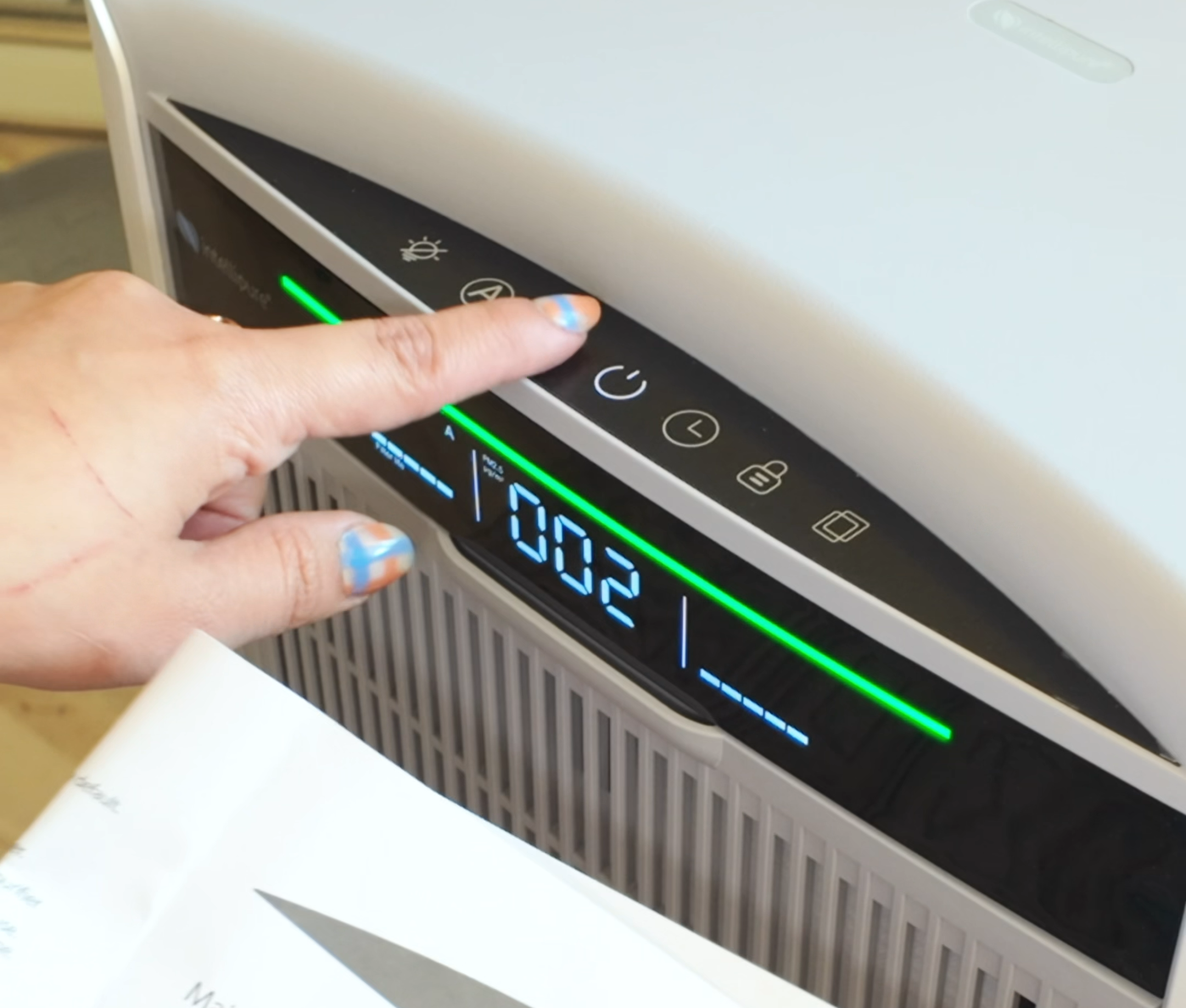
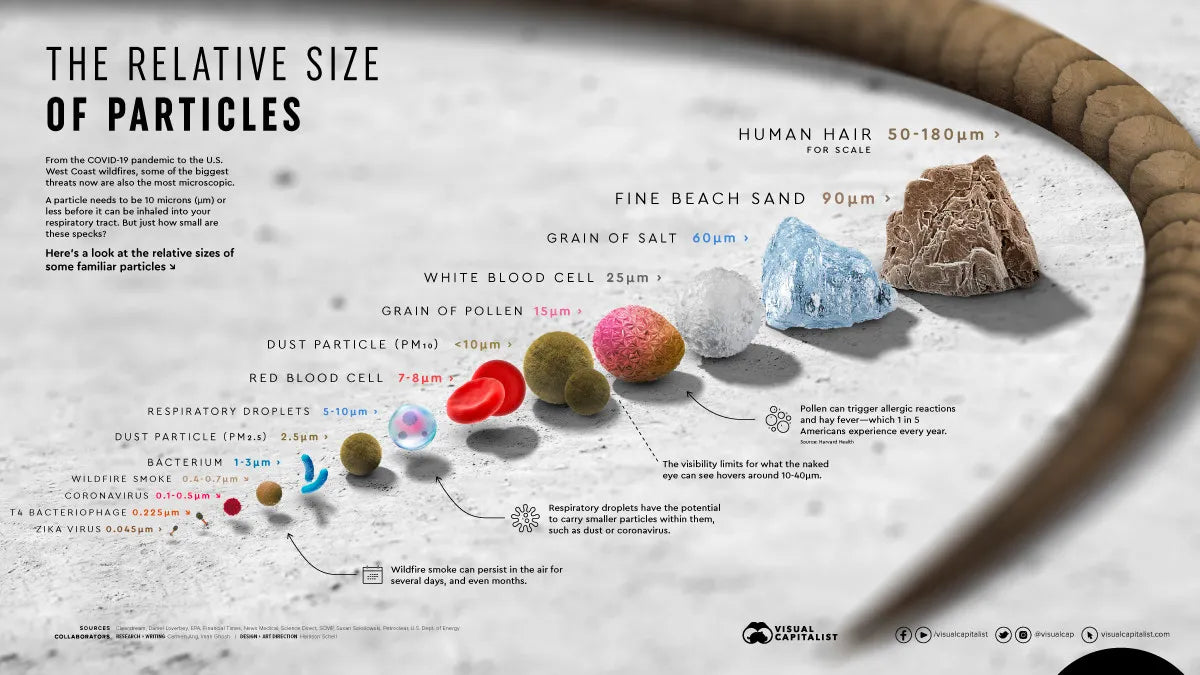
People are becoming more aware of the environment around them, especially things that are bad for their health. We’ve known air pollution is harmful to our health for decades, but that information came from reports done by scientists in far flung places. Today we can actually access real-time data that shows what airborne pollutants are affecting us in our own space, right now. If you have an air purifier with a built-in PM2.5 monitor then you too can be informed of your current indoor air quality and take action to make it better.

- by Amy LoParo
Why You Should Deep Clean After Hosting
Hosting leaves more behind than dirty dishes—crowds, cooking, pets, and cleaning products all spike indoor pollutants like germs, dust, VOCs, and moisture. This article explains why post-party deep cleaning is essential for restoring healthy indoor air quality and outlines simple, science-backed steps—ventilation, low-VOC cleaning, and air purification—to help your home (and lungs) fully reset after guests leave.

- by Savannah Green
Be the Host with the Most (Healthy & Happy Indoor Air)
Hosting brings more people, cooking, and activity into your home—perfect conditions for indoor air quality to dip if you’re not paying attention. This article explains why gatherings can make air stuffy and irritating, how that affects your guests’ comfort and health, and the simple steps—source control, ventilation, and purification—that keep your home feeling fresh, breathable, and welcoming all season long.
- by Amy LoParo
What Does Indoor Air Quality Have to Do with Lung Health?
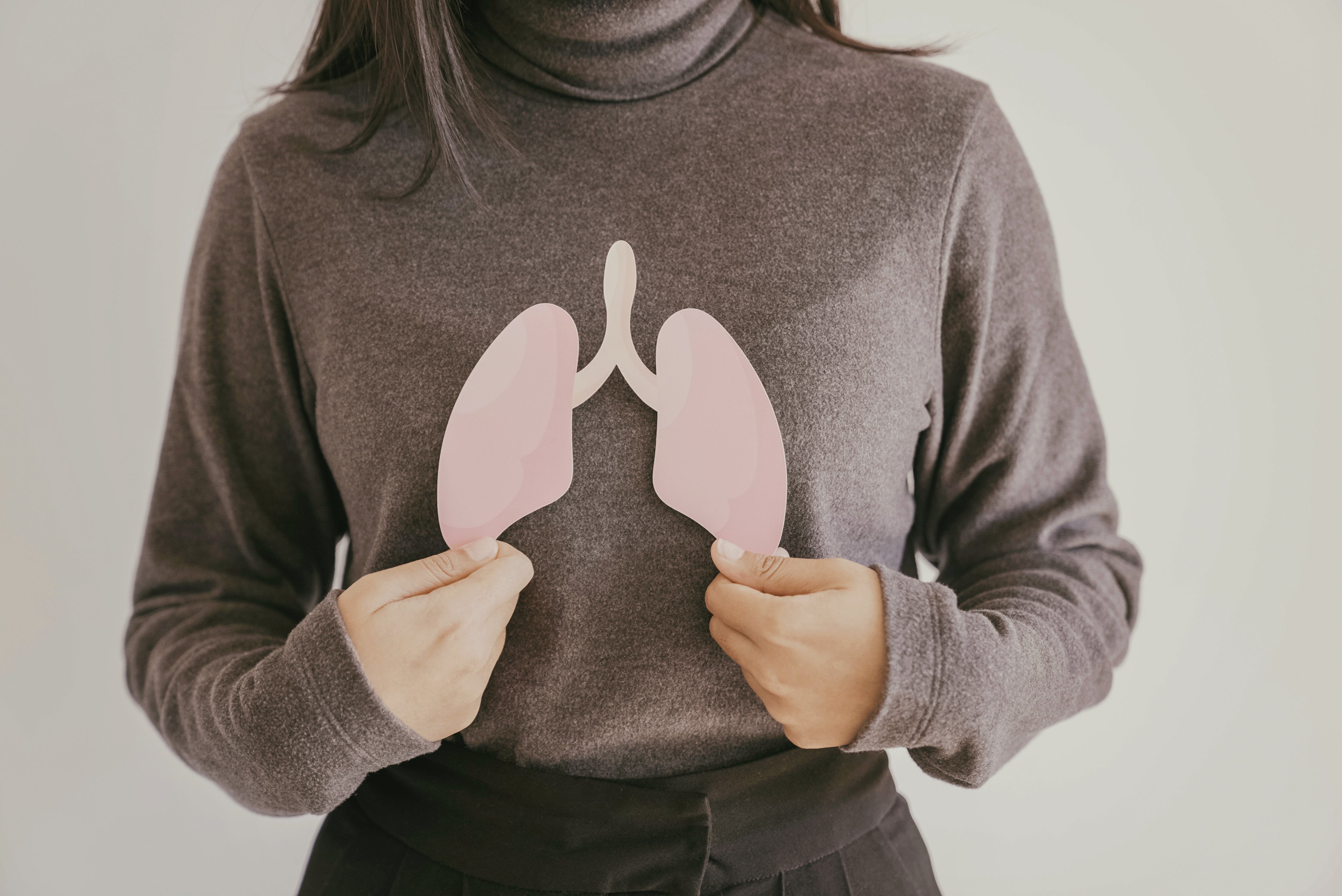
Poor indoor air quality is a major—but often overlooked—factor in lung health, contributing to conditions like asthma, COPD, lung cancer risk, and worsened respiratory symptoms. This article explains how everyday indoor pollutants impact the lungs and outlines simple, science-backed steps—source control, ventilation, and purification—to protect respiratory health and help everyone breathe easier at home.

Content Reviewed by Trusted Experts
Learn more about the healthcare professionals and industry experts who help review our educational content for accuracy, clarity, and scientific integrity.