



- by Intellipure Editorial Team
Allergen Report: September 2024
September means peak ragweed season across nearly every U.S. state, with leaf mold and wildfire smoke adding to the airborne mix. Here's your region-by-region pollen breakdown and practical tips for breathing easier this fall.
- by Intellipure
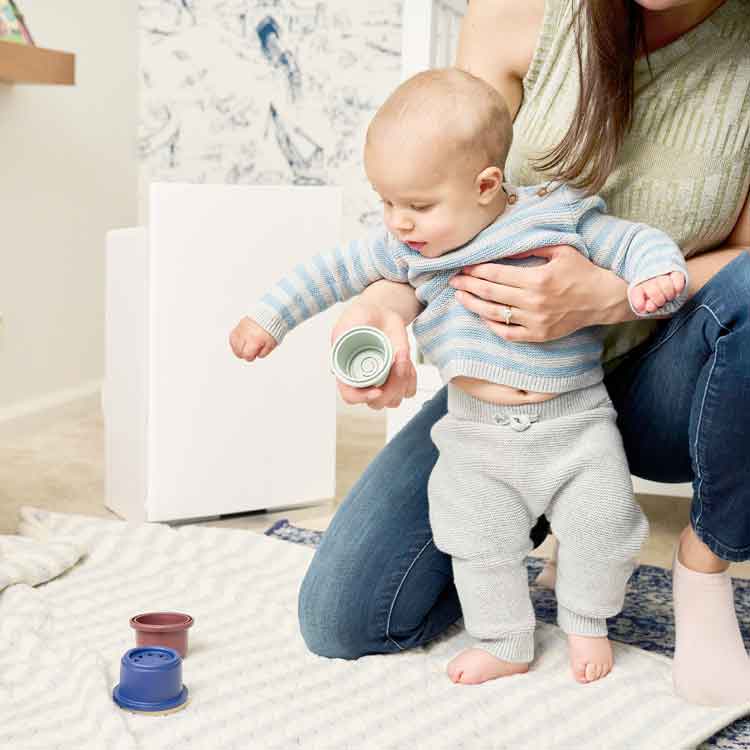
Why You Need An Air Purifer For Baby Nursery Room Health
As a new parent, your world revolves around your baby's health and well-being. You meticulously clean and sanitize every surface, but have you considered the air your baby breathes? Indoor air can be surprisingly polluted, carrying dust, allergens, pet dander, mold spores and even harmful chemicals. That is why an air purifier is an essential addition to your baby's nursery. Here are a few things to consider when thinking about what you want in your baby nursery…and what you definitely don't want in the air!

- by Intellipure
True Story: Mold Destruction on a Family
Mold is a type of fungi that thrives off of damp areas, especially within a home. These areas can include anywhere there is moisture - so be cautious of bathrooms, gyms, and laundry rooms. To control mold growth, you must control the moisture within the building, and make sure humidity is below 30-60% to prevent the growth of mold spores, that can actually travel through the air.
- by Intellipure
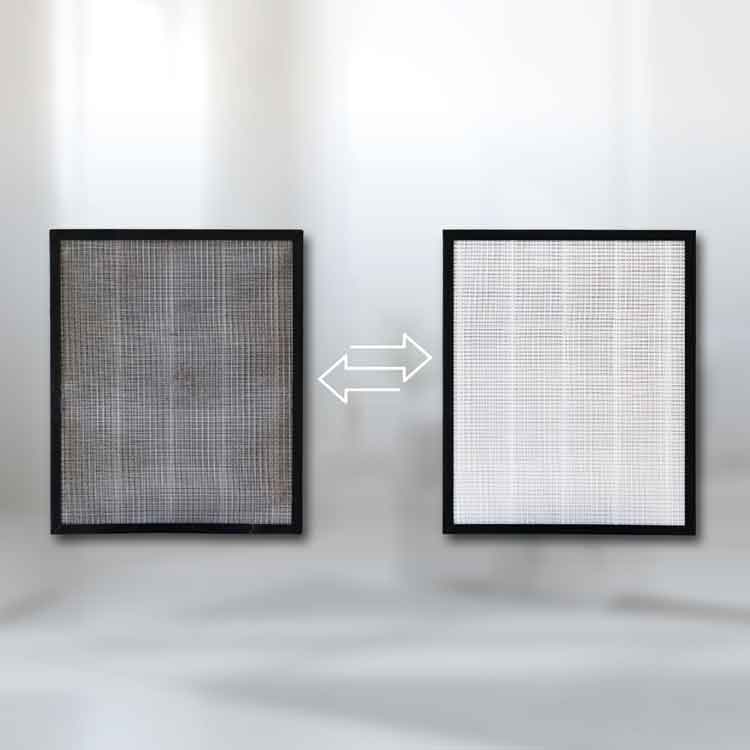
4 Benefits of Changing Your Air Purifier Filter
It's easy to forget about the unsung hero quietly working to clean the air your breathe – your air purifier filter. It's easy to overlook, isn't it? Your air purifier hums along quietly while diligently cleaning your home's air. Because they operate so silently and are often out of sight, it's incredibly common to forget that they need routine maintenance.

- by Intellipure
Air Quality Alert: Wildfires Erupt Across Western United States
Large portions of the western United States, including parts of California, Idaho, Utah, Colorado, Wyoming, Oregon and Washington, are under air quality alerts due to raging wildfires. Fires such as the Park Fire spanning Butte and Tehama counties in California are sending huge amounts of fine particulate matter into the air, which is then carried hundreds of miles away.

- by Intellipure
Why an Air Purifier Should Be on Your Back-to-School Shopping List
Where did summer go!? It seems like just yesterday kids were counting down the days until the end of the school year. But now the days are counting down to the inevitable first day of school. All that time spent outdoors over the summer will soon transition to hours spent inside the classroom. That means increased exposure to all kinds of indoor air-based health problems.
- by Intellipure
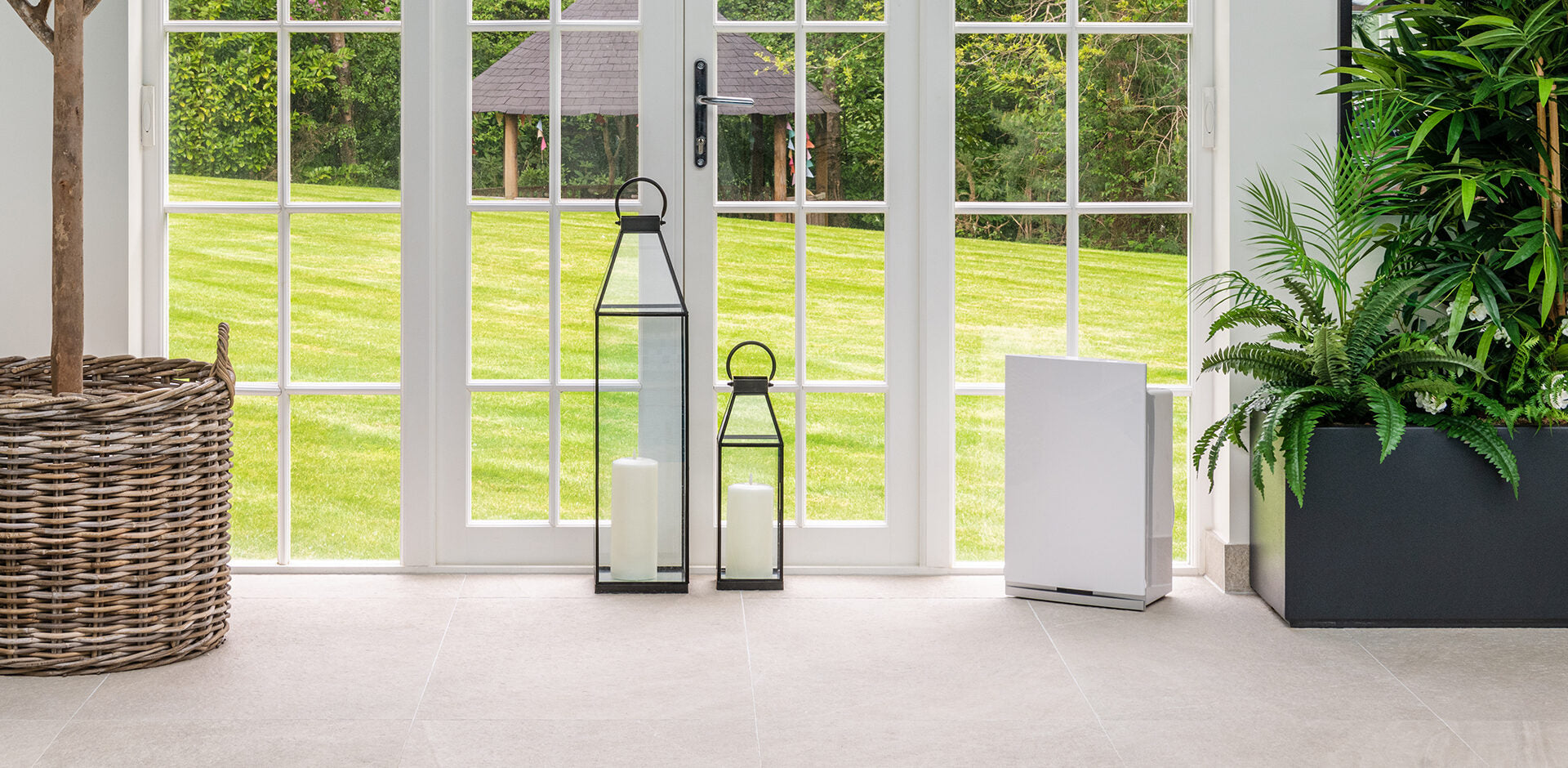
The Importance Of Having An Air Purifier In The Summer
Understanding air quality is the first step in improving your home's indoor air. Air quality refers to the condition of the air surrounding us and is determined by the presence of both natural and human-made pollutants.

- by Intellipure
What are "Safe" Air Pollution Levels?
In short the answer is "no", there are no safe air pollution levels. Two recent British Medical Journal published studies looked at the elements that make up air pollution and their affects on the human body. One study focused on data from 60 million people over the age of 65 over a three year period. The study concluded that participants exposed to fine particles in the PM2.5 range had a higher risk of hospital admission as well as higher risks for other issues like cardiovascular disease.

- by Intellipure Editorial Team
Household Air Pollution Is a Bigger Problem Than You Think
Your home may feel like a safe haven, but indoor air can harbor pollutants from everyday sources like cleaning products, cooking, and even your furniture. Here's what contributes to household air pollution and practical steps you can take to breathe easier.

- by Intellipure Editorial Team
10 Ways to Improve Your Indoor Air Quality
We spend roughly 90% of our time indoors, where air pollutant levels can be two to five times higher than outdoors. Here are ten practical, science-backed ways to breathe easier at home.

- by Intellipure Editorial Team
Breathe Better So You Can Sleep Easier
Indoor air quality plays a bigger role in sleep than most people realize. From allergy symptoms to sleep apnea risk, here's how the air in your bedroom may be keeping you up at night, and what you can do about it.
- by Intellipure
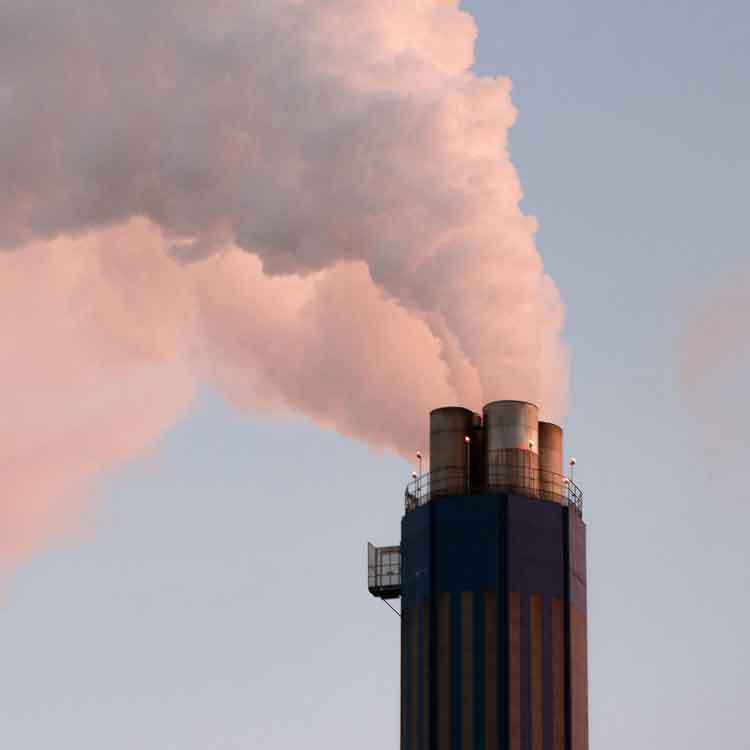
Air Pollution Mortality Risks Reach Beyond Just Lung Cancer
Lung cancer is not the only cancerous threat related to air pollution. Research suggests that there are other cancers leading to increased mortality rates, that are also linked to air pollution. Indoor air quality and air pollution are not only linked to lung cancer, but exposure to poor air can lead to kidney cancer, bladder cancer, and colorectal cancer.

- by Intellipure
Go Green in the Workplace For Better Employee Performance
Employees have been returning to office spaces slowly now that the effects of COVID-19 have lessoned. With that return to office both employees and employers are more keenly aware than ever of indoor air quality. Improved indoor air quality has a number of benefits. As more work places and office spaces are also "going green," we have learned there are significant health benefits and increased productivity levels for employees.

- by Intellipure
Exploring The Psychological Effects of Climate Change
University of Arizona researchers studied how people's perception of global climate change affects their mental health. According to Science Daily, recent studies show that "climate changes have people experiencing high levels of stress, anxiety, and depression." They found that individuals with high biospheric concern (those focused on the well-being of animals and plants) experience the most stress and depression related to climate change.
- by Intellipure
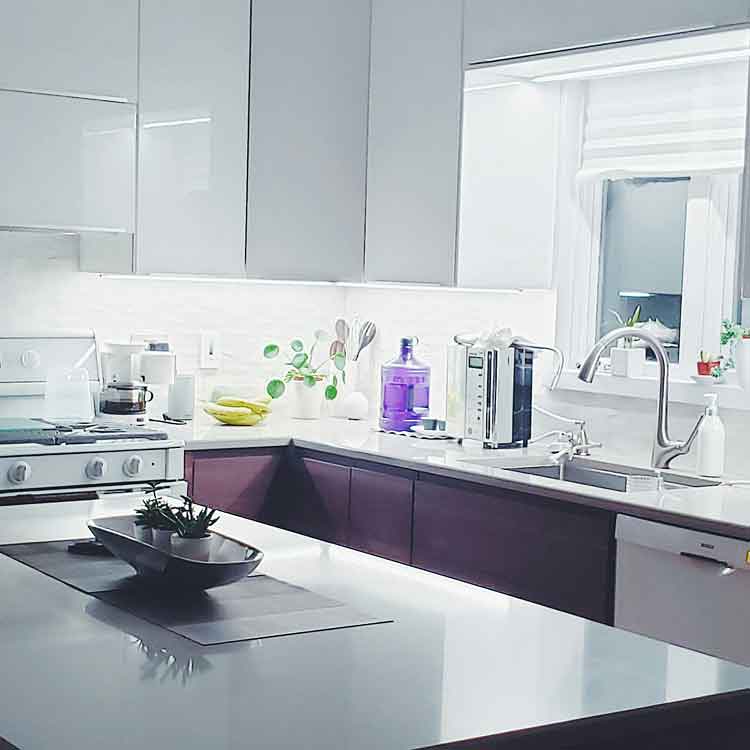
Do you have a healthy home? Here's some quick tips on how to improve the overall health of your home: For the last century, homes have been built on top of giant pockets of igneous rock and soil, exposing us to radon, a naturally occurring radioactive gas. According to the National Cancer Institute, radon is associated with 22,000 lung cancer deaths per year. Radon is colorless, and odorless, making it impossible to detect without testing for it.

Content Reviewed by Trusted Experts
Learn more about the healthcare professionals and industry experts who help review our educational content for accuracy, clarity, and scientific integrity.